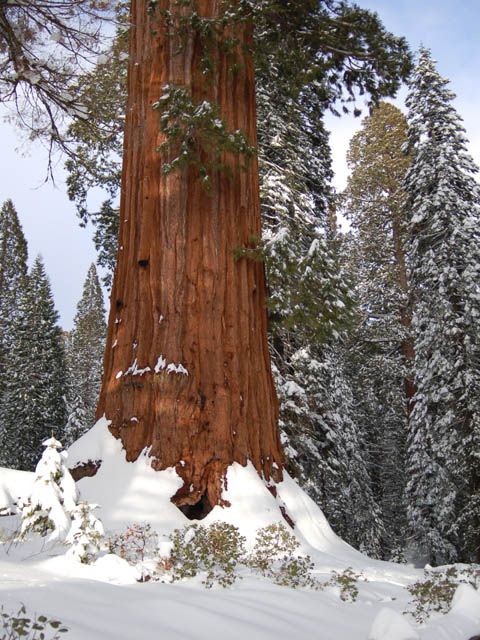
Sequoia & Kings Canyon National Parks: our verdict
Sequoia and Kings Canyon National Parks present a compelling, multifaceted wilderness experience in the American West.
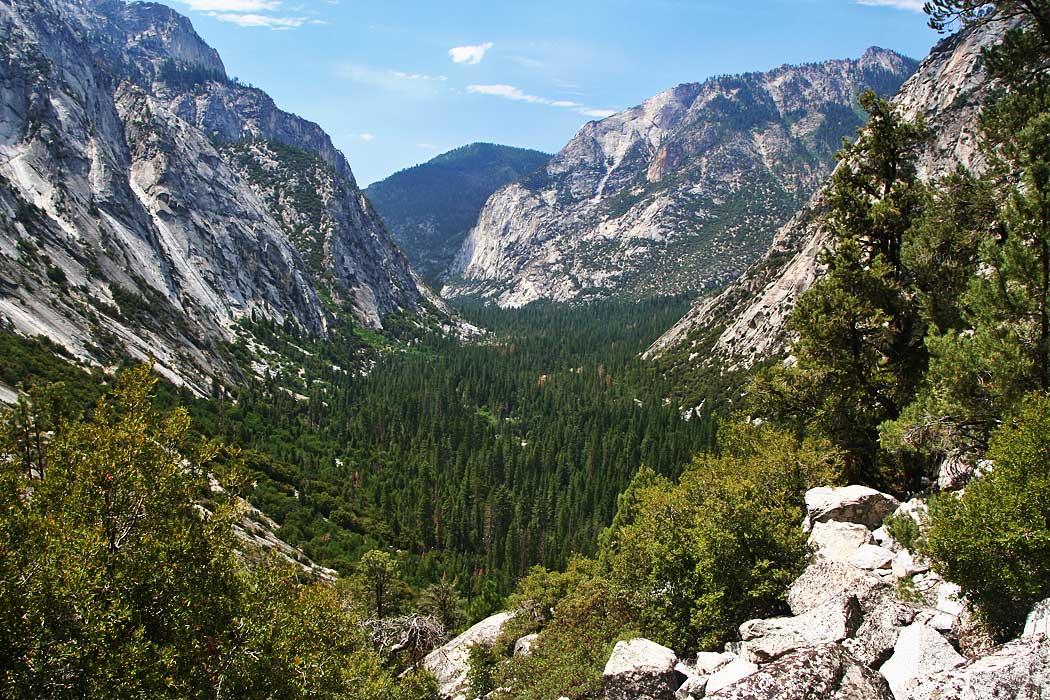
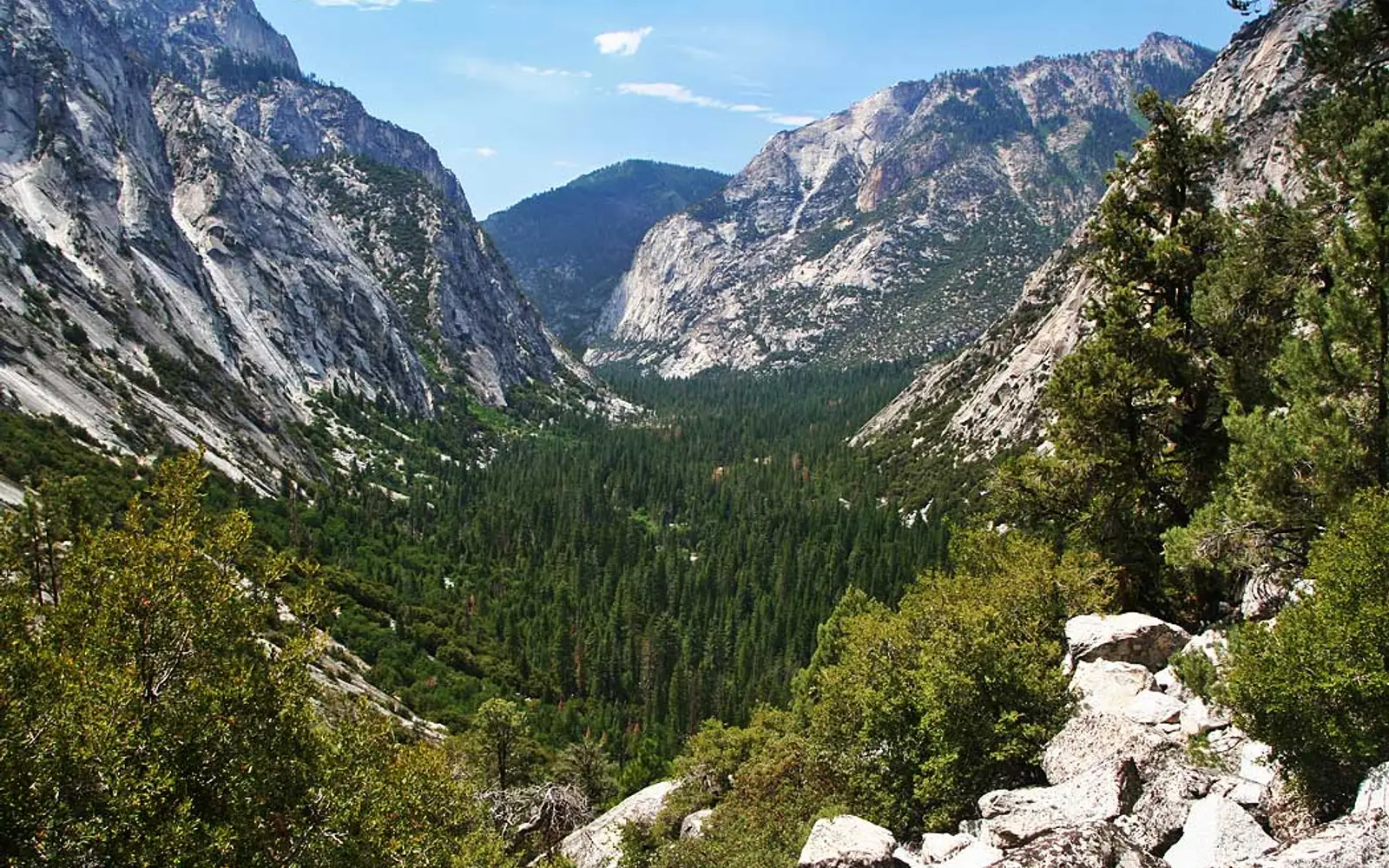
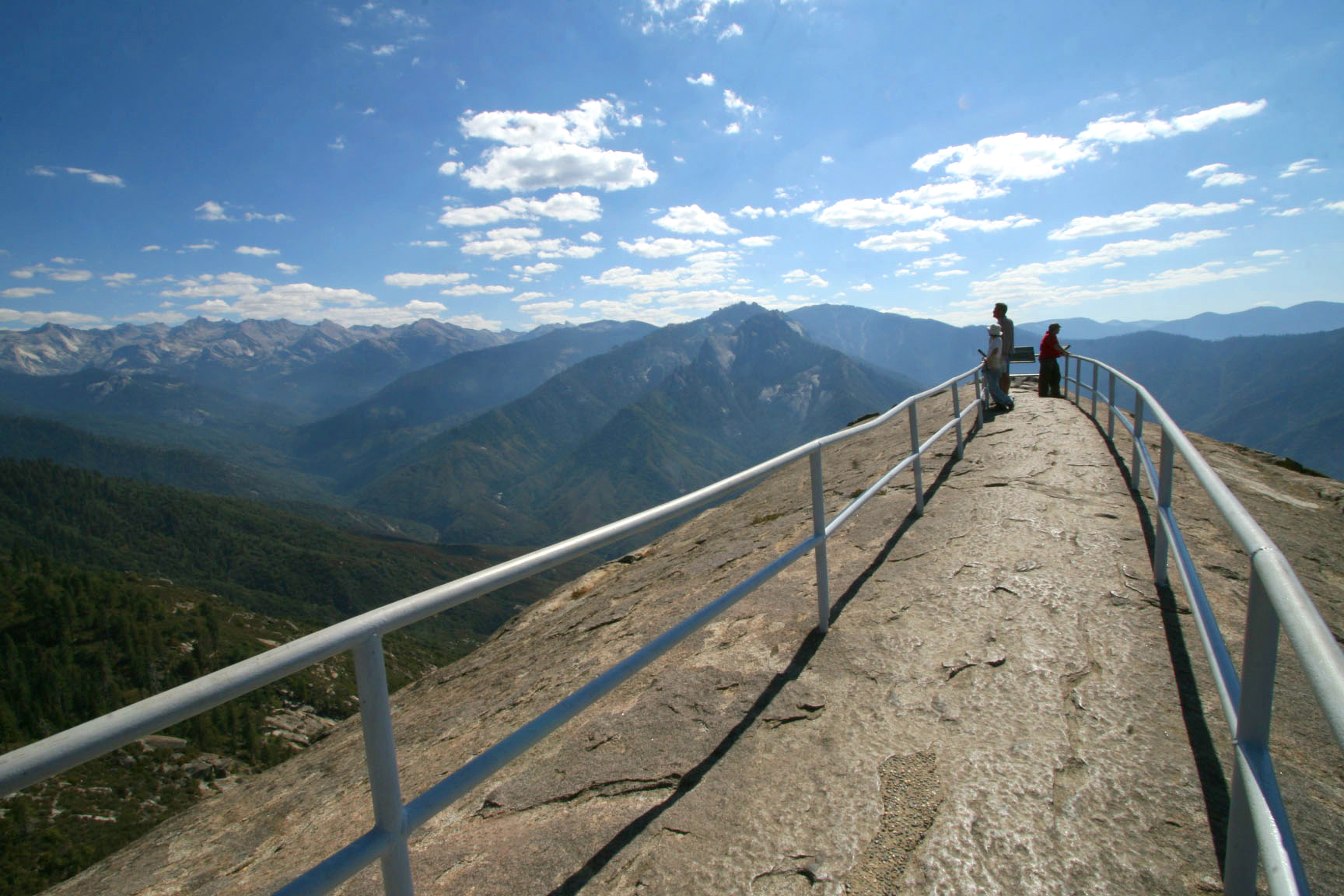
Sharing an entrance fee and management, these adjacent parks offer distinct attractions. Sequoia National Park draws visitors with its ancient giant sequoia groves, notably home to the largest living tree on Earth by volume. Kings Canyon National Park, in contrast, provides more remote backcountry and dramatic canyon vistas. The sheer elevation range, from sun-baked foothill chaparral to alpine passes exceeding 10,000 feet, ensures year-round accessibility and varied ecosystems. With an impressive experience score of 90 out of 100, this destination clearly offers more than a singular appeal. Documented opportunities abound for hikers, climbers, equestrians, winter sports enthusiasts, stargazers, and families. The parks accommodate both brief scenic drives and extensive, week-long backcountry expeditions. This is a destination of remarkable breadth and appeal.
Why visit
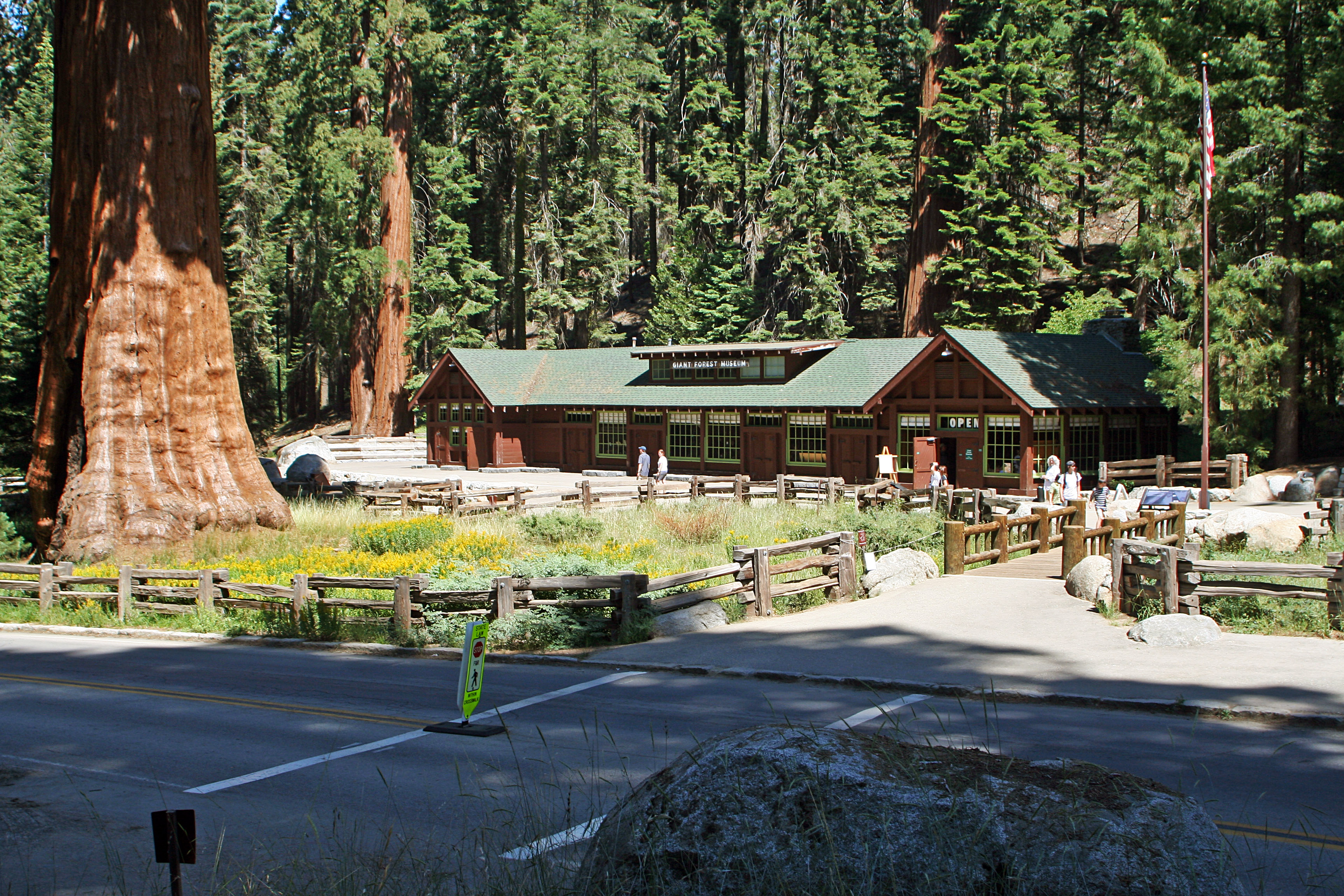
This destination offers a remarkable range of experiences, primarily defined by its colossal giant sequoia groves. The sheer scale of these trees immediately sets a unique tone for any visit. Activity options branch significantly from there. Hikers can choose between accessible front-country paths and demanding backcountry expeditions. Documented rock climbing terrain caters to climbers. Guided cave tours provide subterranean exploration. Winter transforms the area into a domain for cross-country skiing, snowshoeing, and snow play. The high-elevation dark skies are ideal for stargazing. Families will find ample resources in the Junior Ranger Program, numerous picnic areas, and car camping facilities, including full RV access. Conversely, serious backpackers have extensive remote wilderness access, complemented by stock and horse camping provisions. This is a park that rewards diverse outdoor interests.
Who it suits
The park accommodates varied interests. Its giant sequoias are a primary draw. Hikers of all levels will find suitable terrain, and families can engage in structured wilderness activities. Climbers and winter sports enthusiasts are also well-served. For those seeking a less strenuous visit, scenic drives offer significant rewards. The park is not for those seeking desert or flat landscapes, nor does it lend itself to a quick day trip; mountain roads and high elevations require ample time and commitment.
Timing your visit
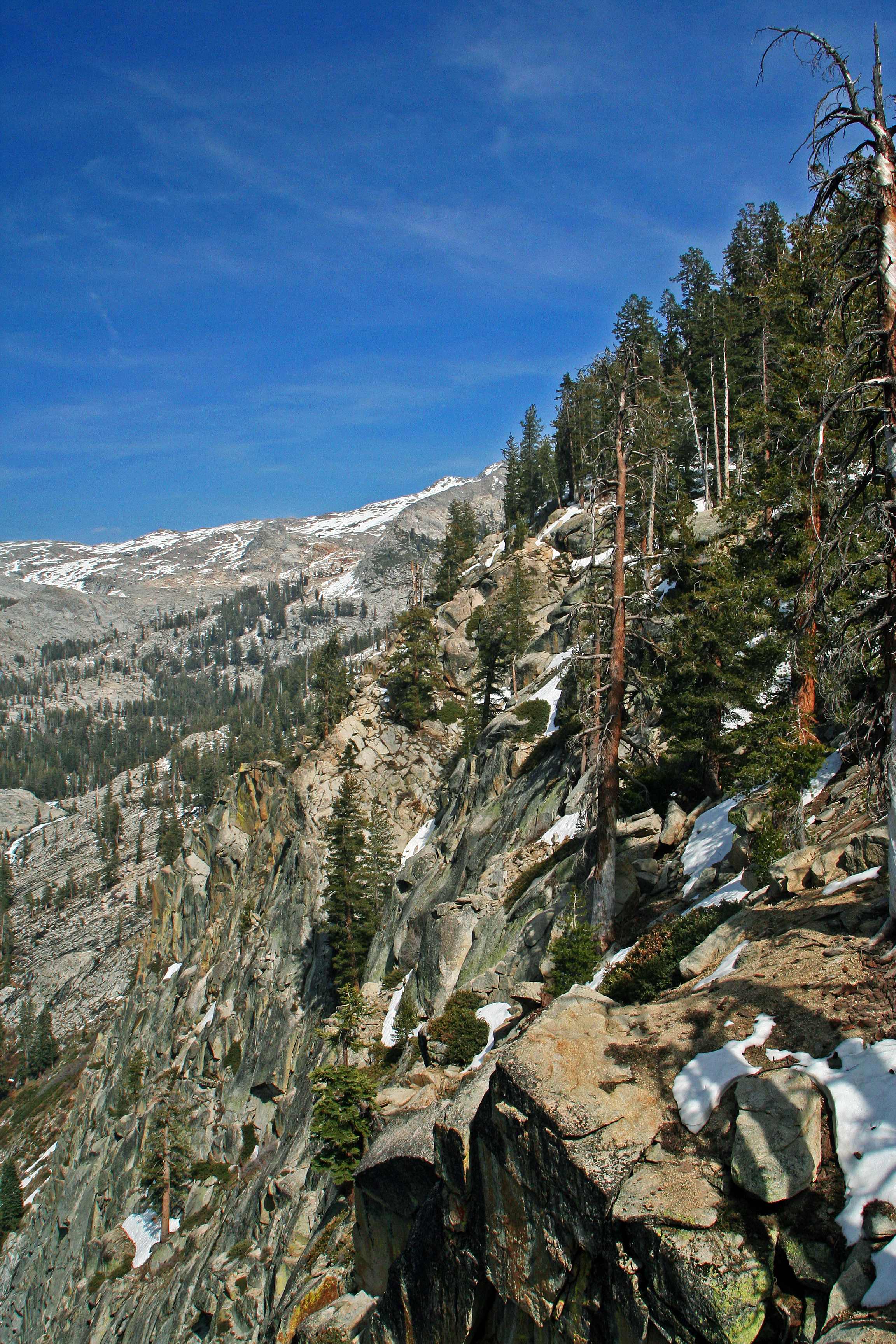
The data indicates that visitors will find a distinct experience in each season. Summer provides the most reliable access, with comfortable conditions in the sequoia groves. However, foothills can reach extreme temperatures. Fall brings fewer visitors, but weather conditions are highly unpredictable, shifting rapidly. Winter limits road access yet enables snowshoeing and skiing opportunities. Spring presents a contrast of lingering snow at higher elevations and new growth in lower areas.
What stands out
- Standing among the giant sequoias, the largest trees by volume on Earth, an experience that photographs genuinely underdeliver on
- Guided cave tours offering a completely different geological dimension inside the parks
- Serious backcountry hiking and horse trekking routes into remote high-elevation wilderness
- Rock climbing terrain documented within the parks for technical climbers
- Winter recreation including cross-country skiing and snowshoeing when many park roads are closed
- Dark-sky stargazing at high elevation with minimal light pollution on clear nights
Good to know
Entry for both parks is $20 per vehicle. Seasonal road closures due to snow are common; chains may be necessary even into late spring at higher elevations. Cell service is unreliable or absent across significant areas. Download offline maps and consult nps.gov for current road conditions before arrival.
Insider tipFor those seeking the iconic sequoia groves, strategic timing is essential. Weekday mornings before 9 a.m. offer a reprieve from the densest summer crowds. Alternatively, a late afternoon visit provides both diminished congestion and optimal photographic conditions as the sun angles through the canopy.