
Selma To Montgomery National Historic Trail: our verdict
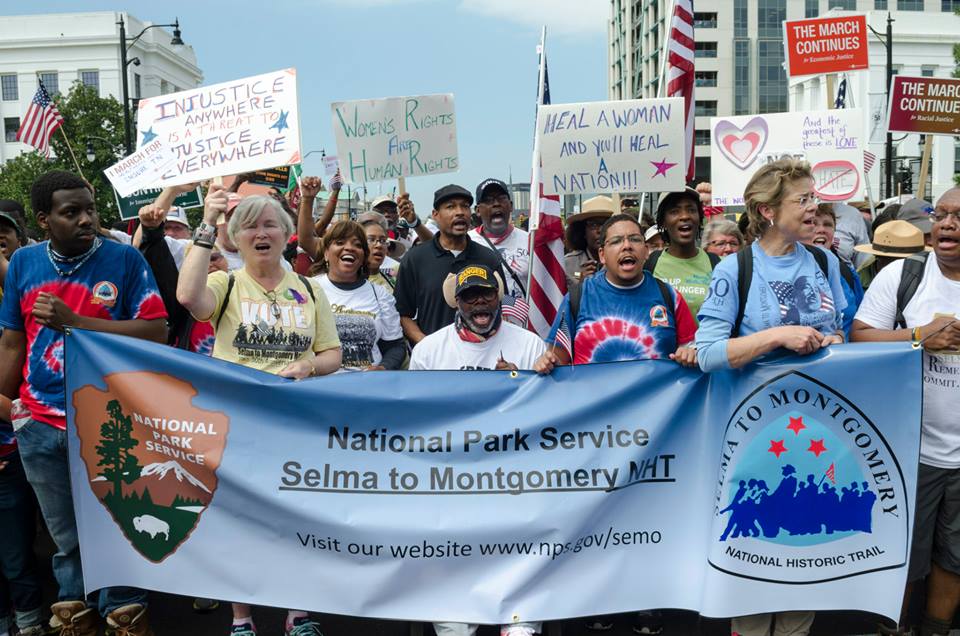
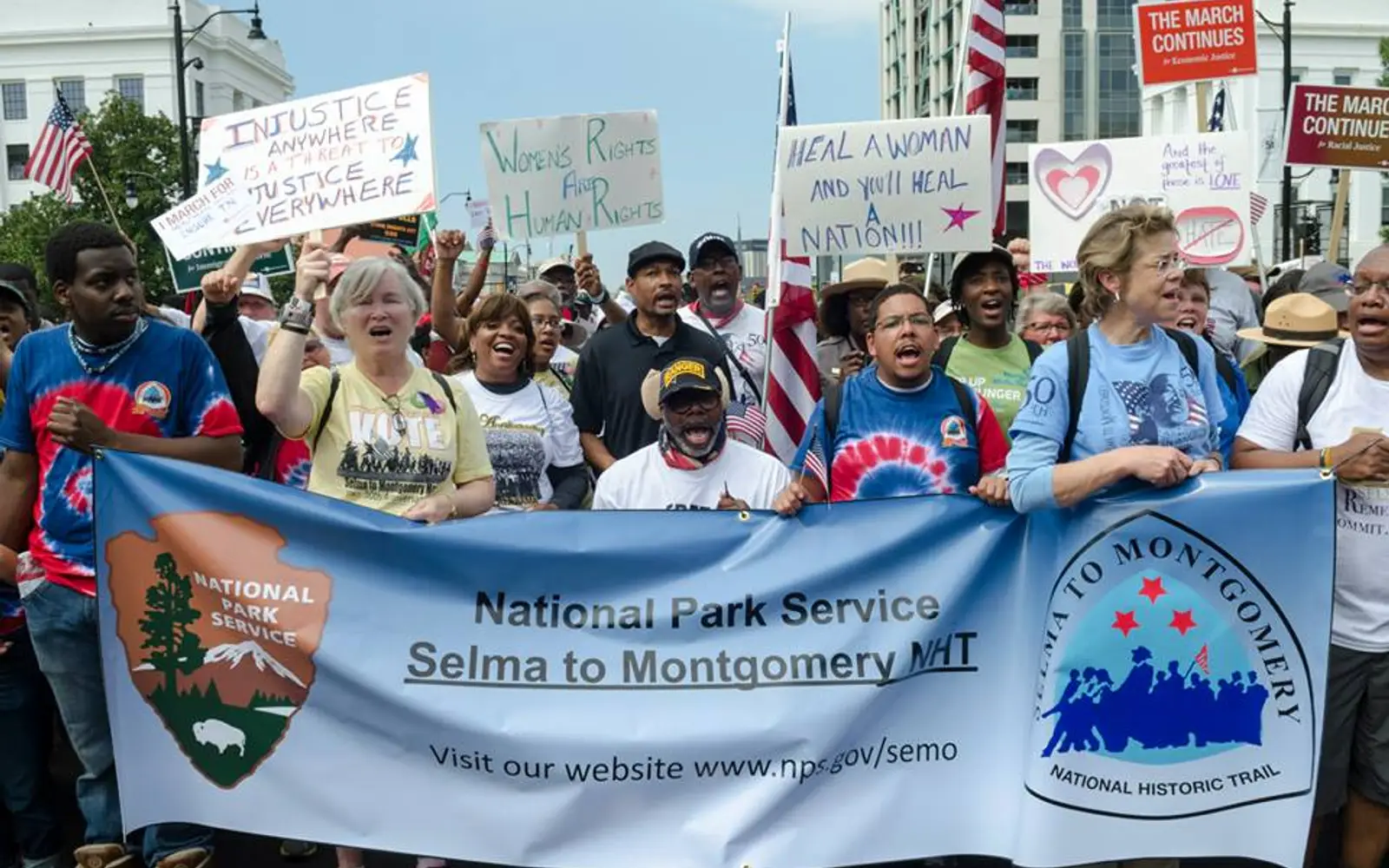
The Selma to Montgomery National Historic Trail, a 54-mile corridor in central Alabama, commemorates the 1965 Voting Rights March.
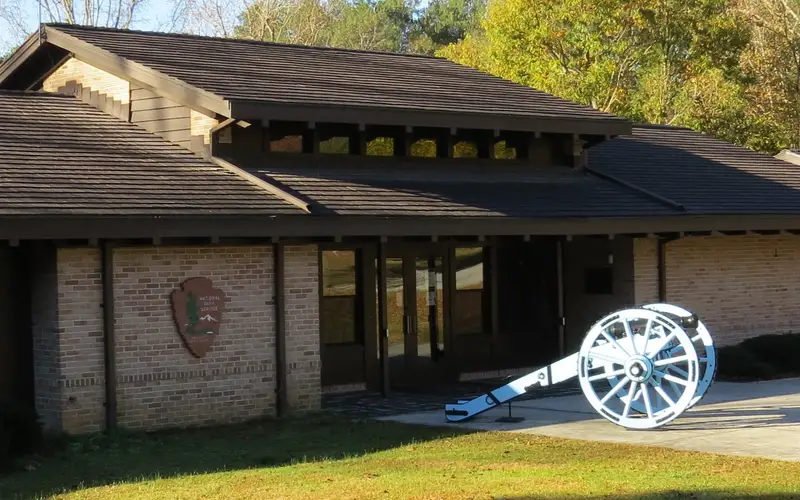
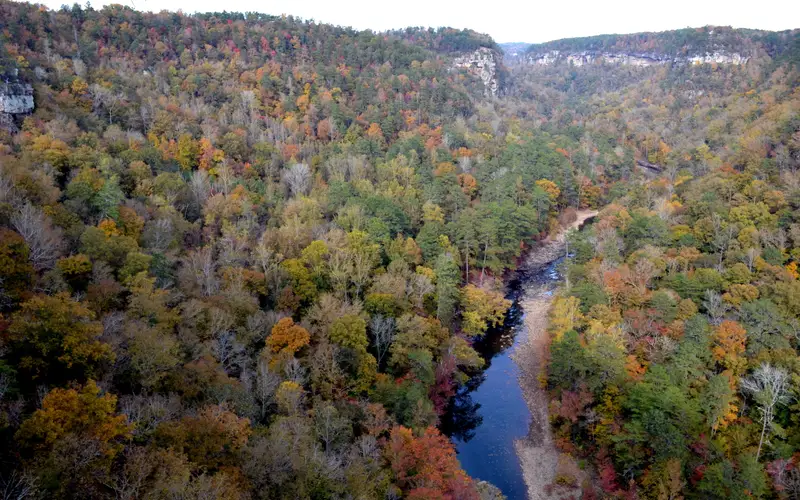
This is not a wilderness experience. It is a civil rights history experience, grounded by interpretive centers in Lowndes County and Montgomery. These facilities use exhibits, films, and guided tours to portray the march and its participants. The Selma Interpretive Center's current closure for major construction significantly impacts the starting-point experience. Nevertheless, the remaining trail offers a powerful journey for those serious about American history. The route faithfully follows the path marchers walked. This alignment of geography and history is rare. The trail is worth the trip for history-focused travelers, but visitors should anticipate a learning and reflection experience, not recreation.
Why visit
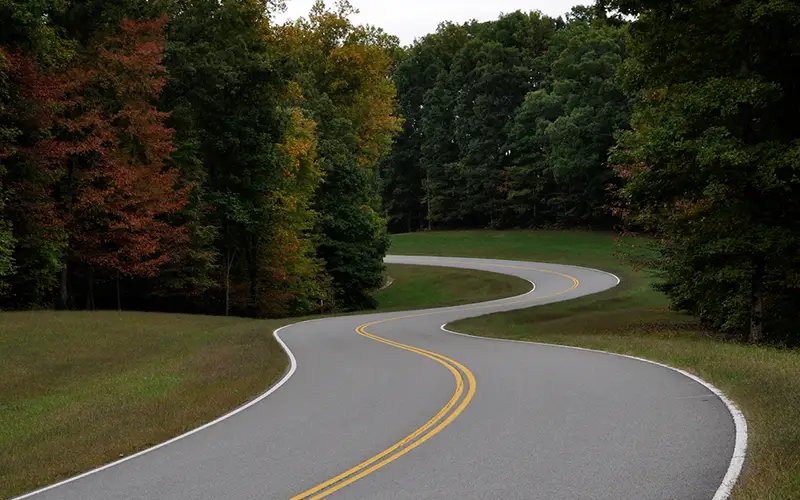
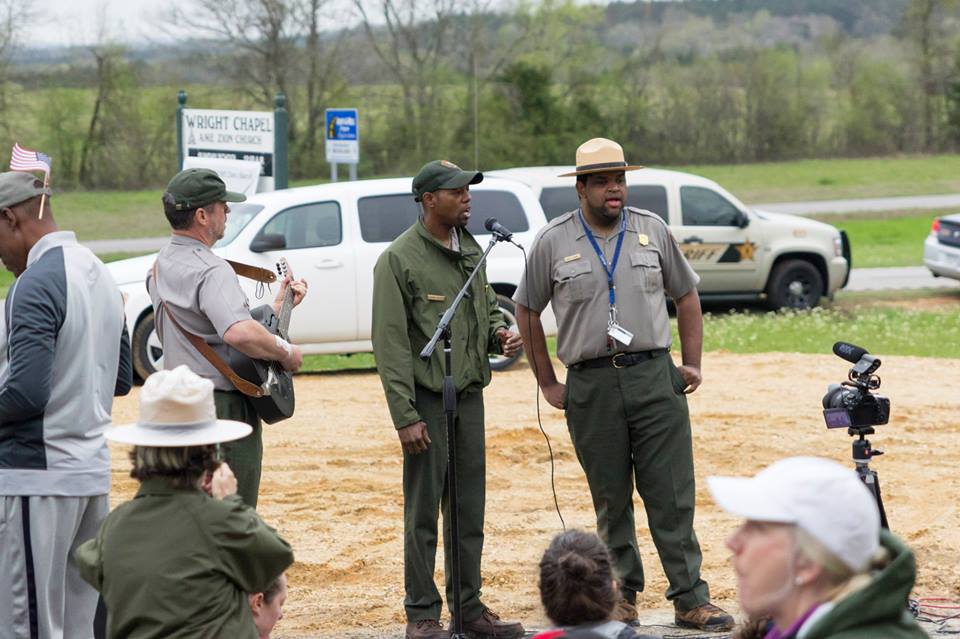
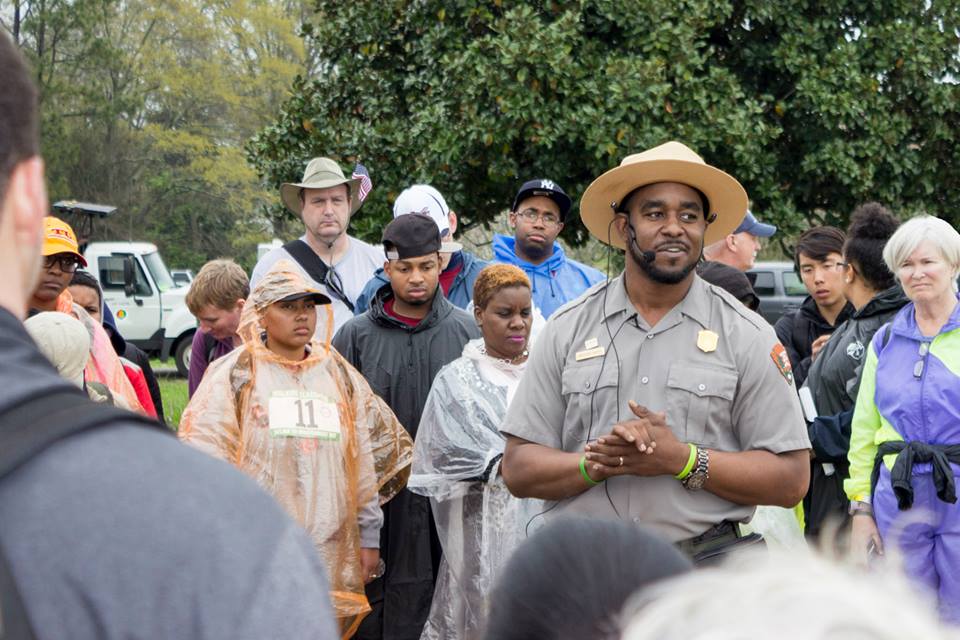
A good visit here centers on the interpretive centers in Lowndes County and Montgomery, where museum exhibits and park films document the march, the violence marchers faced, and the legislative outcome that produced the Voting Rights Act of 1965. Guided tours add human context that self-guided walking alone cannot provide. Families can engage children through the Junior Ranger Program, which structures the history into age-appropriate discovery. The trail route itself follows the actual 54-mile path from Selma to Montgomery along U.S. Highway 80, and sections of it can be walked or traced by car. The combination of a free admission, a hands-on program for kids, and staff-led interpretation makes a full day here genuinely substantive without any cost barrier.
Who it suits
This unit unequivocally serves as a vital historical resource. For anyone with serious interest in American democracy and the Voting Rights Act, or for families and educators focusing on the civil rights movement, this destination is profoundly worthwhile. Its purpose is singular and clear: a history trail. Casual sightseers expecting scenic hikes, wildlife viewing, or extensive outdoor recreation will not find it here.
Timing your visit
Spring and fall offer the most comfortable conditions for exploring the outdoor trail. Alabama summers present a high risk of heat exhaustion due to intense heat and humidity; prolonged outdoor activity is ill-advised. Winters are damp and cold. Though March holds historical significance due to the original 1965 marches and any anniversary events, the weather may be less forgiving.
What stands out
- Lowndes Interpretive Center museum exhibits documenting the march and Bloody Sunday
- Montgomery Interpretive Center with park film and guided tour options
- The actual 54-mile U.S. Highway 80 corridor marchers walked in 1965
- Junior Ranger Program for families with children
- Free admission across all open interpretive facilities
- Volunteer Vacation opportunities for those wanting deeper engagement with the site
Good to know
Admission is free at all interpretive centers. The Selma Interpretive Center is closed for major construction. Visitors should plan around the Lowndes and Montgomery centers. Both are open Monday through Saturday. These centers are closed on Thanksgiving and likely other federal holidays. Consult NPS.gov for current operating hours before traveling.
Insider tipThe Selma Interpretive Center's closure necessitates an adjusted itinerary. Initiate the visit at the Lowndes Interpretive Center instead. This facility, strategically placed at the march's midpoint, offers substantial historical context. This framing enhances the significance of the Montgomery endpoint.