parkverdict
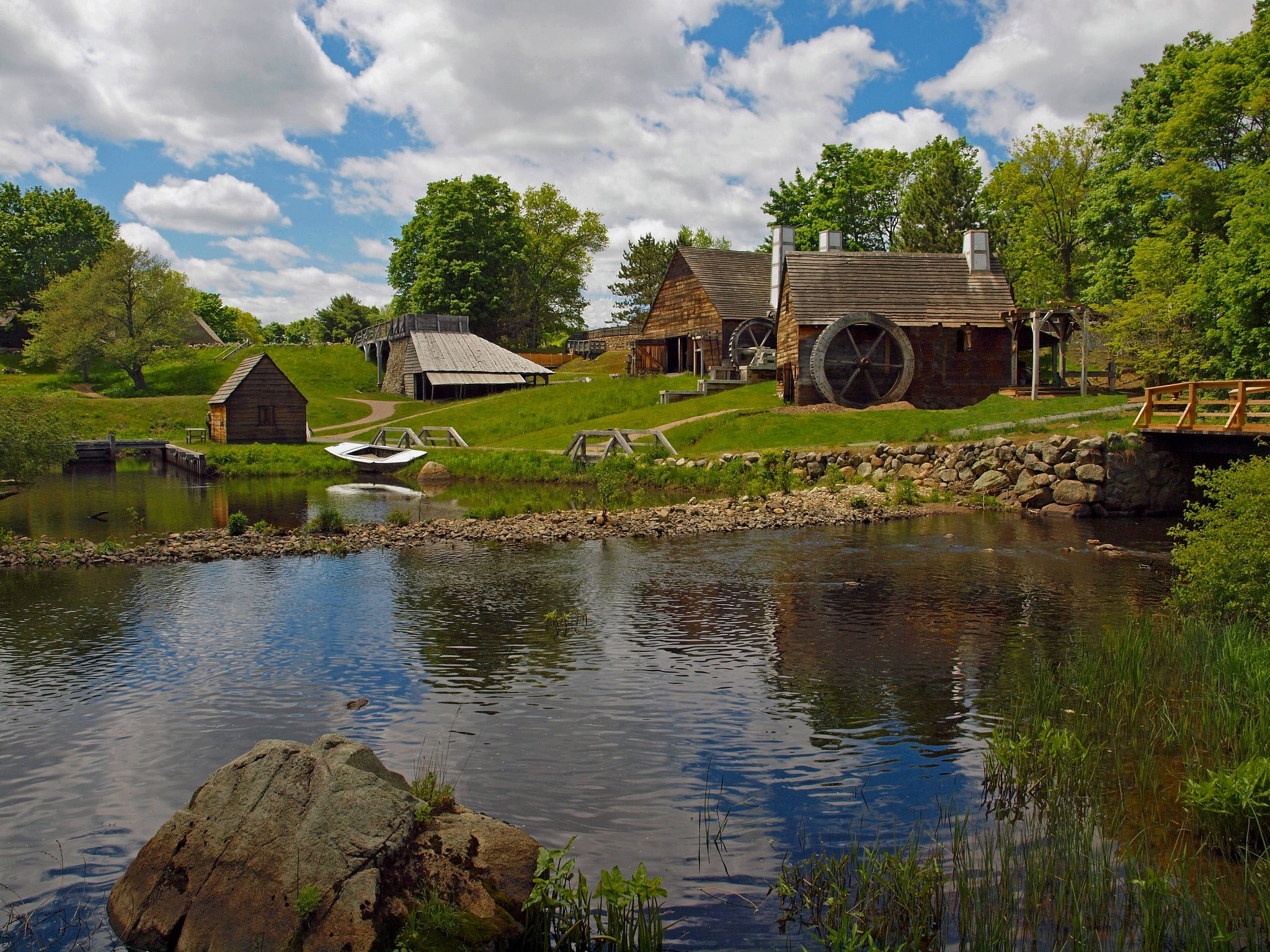
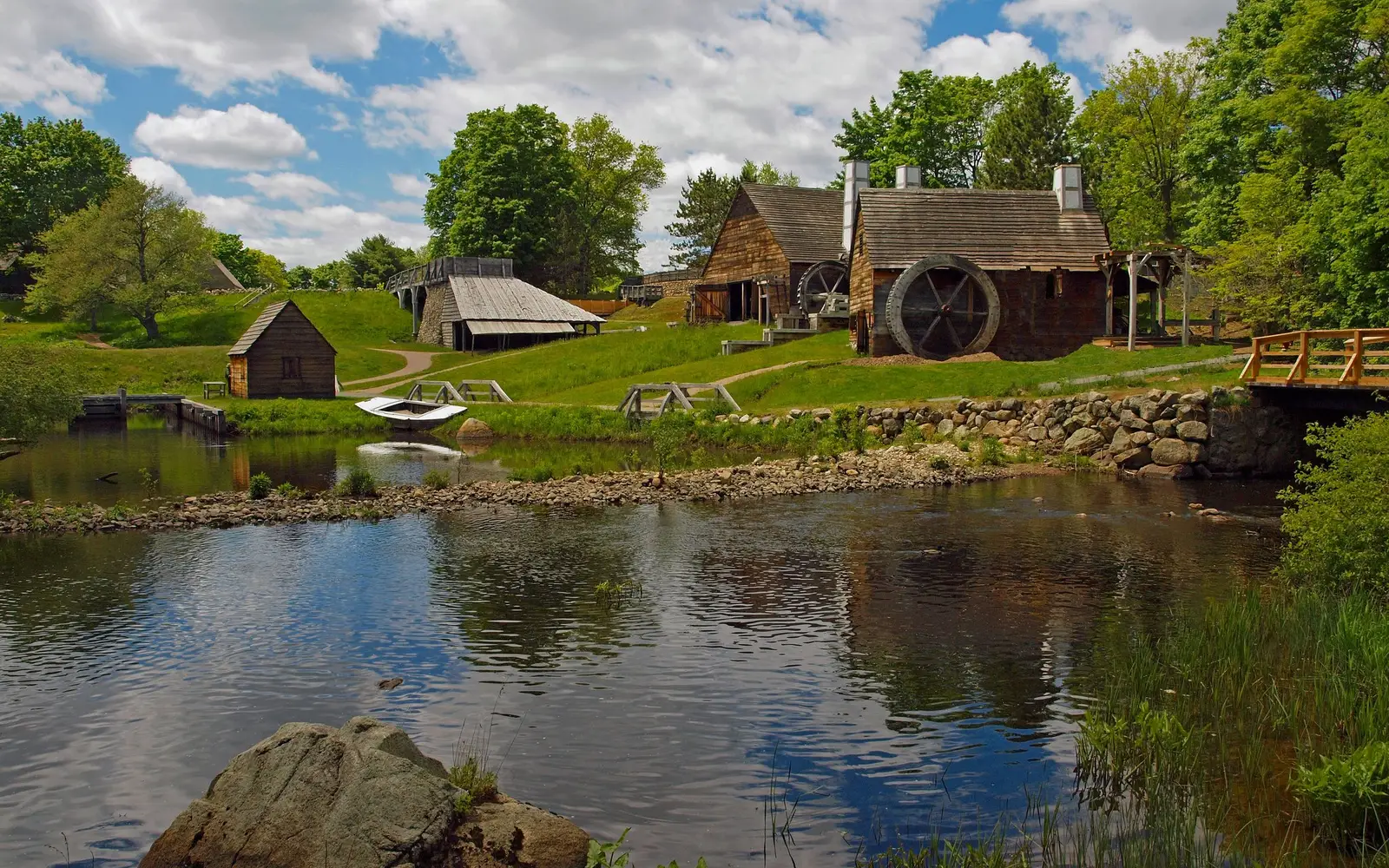
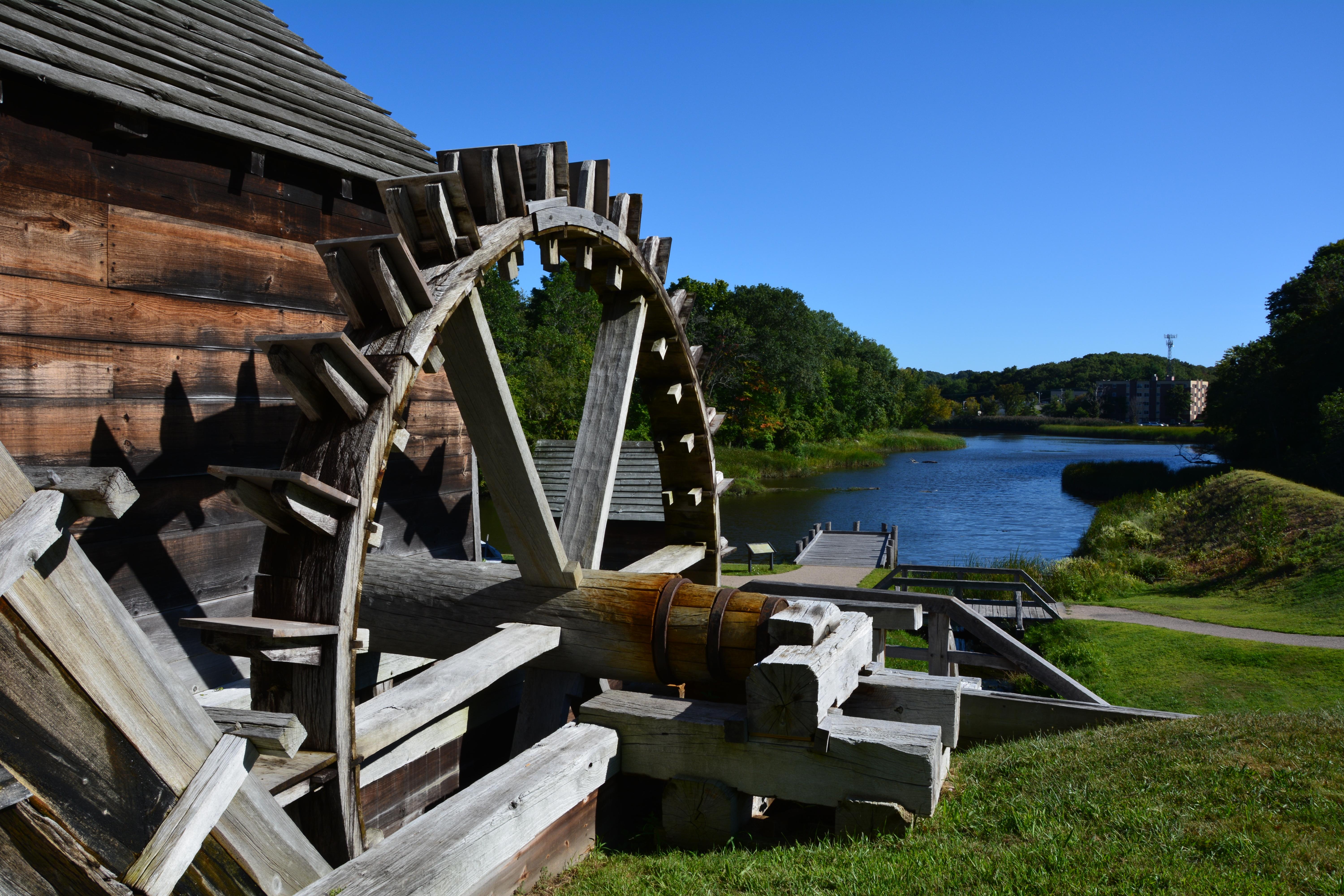
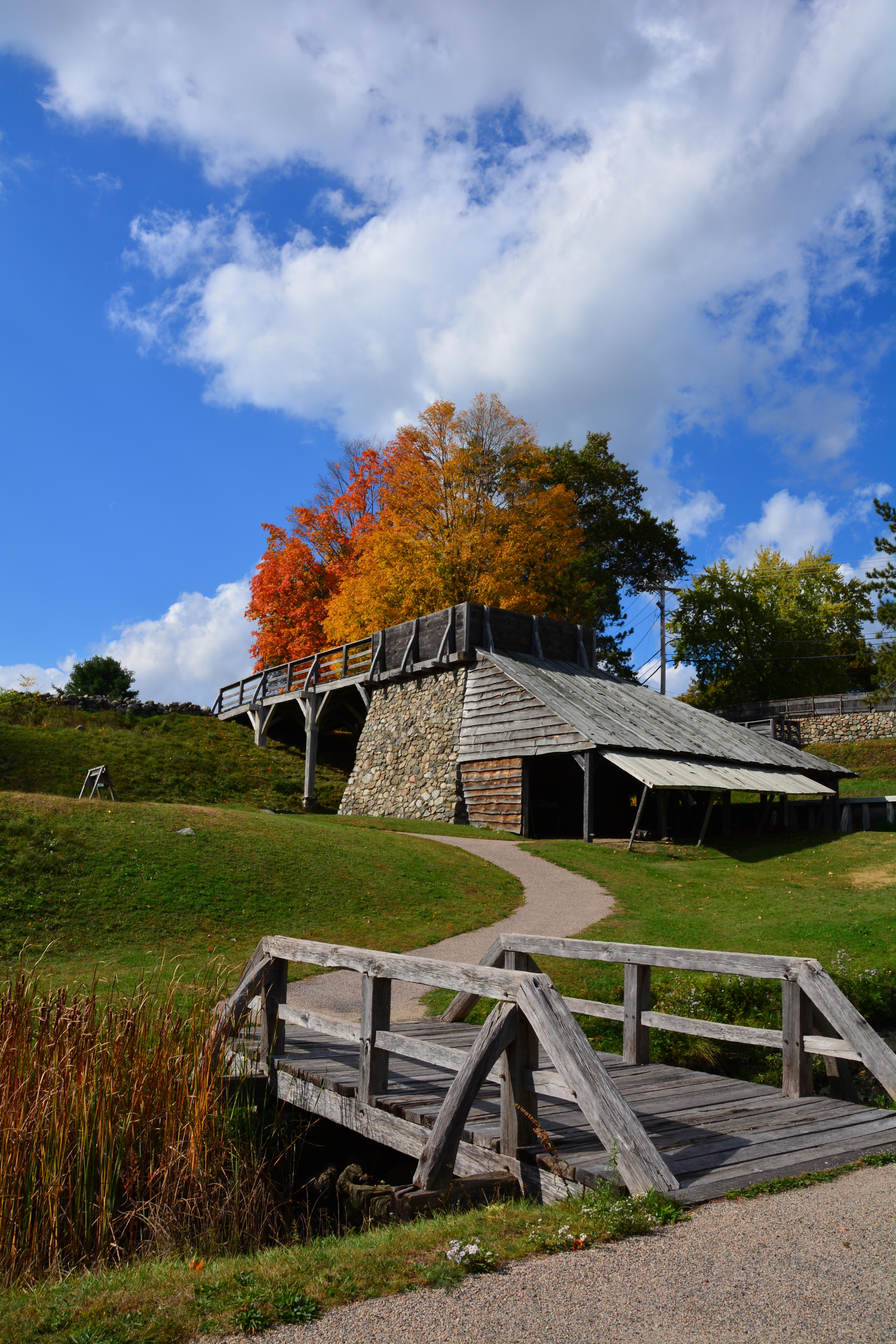
Several wooden structures amid green fields and trees under partly cloudy sky and beside river.Approximately 15' by 15' spoked wooden wheel beside river and under blue sky.Rectangular wooden structure between orange deciduous trees and wooden bridge with walkway.
National Historic SiteMA

Saugus Iron Works National Historic Site

NPS / NPS Photo / Don Woods
47/ 100FOCUSED
parkverdict Experience ScoreIndependent, not sponsored

47 of 100. Our independent breadth-and-access index. How we score

Our verdict

Should you visit Saugus Iron Works National Historic Site?

Saugus Iron Works occupies twelve acres along the Saugus River in Massachusetts, centered on the first successful integrated ironworks in British North America, built in the 1640s.

The site includes reconstructed 17th-century industrial structures, working waterwheels, forges, mills, and a period ironmaster's house. This is not a sweeping landscape park or an outdoor adventure spot. It is a quiet industrial history site, one that rewards visitors who are genuinely curious about colonial-era manufacturing, early American labor, and how industry got its start on this continent. The guided tour is the real draw, and free admission makes it an easy addition for anyone visiting the greater Boston area. Visitors hoping for dramatic scenery or a full day out will find the scope too limited. For history enthusiasts and families with curious kids, it delivers more than its size would suggest.

What makes it worth it

Start with the park film before you go outside. It lays out the industrial history clearly enough that the reconstructed ironworks actually make sense once you get there. The guided tour is worth joining because the waterwheels run during it, which turns what would otherwise be an abstract smelting process into something you can watch and follow in real time. The ironmaster's house shifts the focus from machinery to people, covering how the men and women who ran this operation actually lived day to day. The museum exhibits handle the archaeological and historical record, and families with kids can sign up for the Junior Ranger Program, a more structured way to work through the site. Admission is free and the grounds are open seven days a week. If the visitor center happens to be closed, the river basin trail is still walkable on your own. Budget two to three hours if you want to cover everything without rushing.

Who should go

History buffs with an interest in colonial industry, early American labor, or material culture will get the most out of a visit here. Families with school-age children can make good use of the Junior Ranger program and the hands-on guided interpretation. It is also a free, low-pressure day trip from Boston. Just do not come expecting hiking, wildlife, or dramatic scenery, because on those counts you will leave disappointed.

When to go

Late spring through early fall, roughly May through October, gives you the most comfortable walking weather, with temperatures that generally run from the upper 50s to the low 80s Fahrenheit. New England weather can turn fast, so pack a light layer even in summer. Winter visits are doable, though the cold makes it tough to stay outside for long, and it's worth confirming visitor center hours before you head out.

Highlights

  • Working reconstructed waterwheels that demonstrate 17th-century industrial power
  • Guided tours connecting the ironmaking process to broader colonial American history
  • A preserved ironmaster's house offering a rare look at domestic life in the 1640s
  • Museum exhibits grounding the site in archaeological evidence from the original works
  • Junior Ranger Program providing structured engagement for younger visitors
  • Free admission and open grounds along the Saugus River basin

Plan ahead

Admission is free. The outdoor grounds and walking paths are open seven days a week, but the visitor center and other facilities keep their own hours, so check the NPS website before you go to confirm guided tour availability. The site is in Saugus, Massachusetts, a short drive north of Boston, which makes it a realistic half-day add-on to a broader New England itinerary rather than a standalone destination for most travelers.

Editor's tipLook up the visitor center hours before heading out, and try to arrive when a guided tour is starting. On their own, the waterwheels and forge structures can feel like static exhibits, but a ranger walking you through the site connects everything into a coherent industrial sequence.

How we scored it

How Saugus Iron Works National Historic Site earned its 47

Where does a 47 come from? One formula, run the same on every place we cover, built only from public data on what a unit offers and how reachable it is. It says nothing about how pretty a spot is or how busy it gets. This is what fed it:

  • Activity breadth6 documented activities
  • Topic breadth11 topics
  • Official imagery3 public-domain images
  • Camping on sitenone recorded
  • Entry costfree

No number is hand-adjusted and no unit pays for placement. The full weights, the floor at 18 and a worked example are on how we score.

The honest limits

What the number leaves out

Worth saying plainly: this number only knows what the data shows, which is breadth and access. It has no idea whether the scenery is jaw-dropping, whether the lot is a zoo in July, what shape the trails are in, or how good the guided walks are. So do not read a lower score as a worse day out. A focused little site can beat a big all-rounder for the right person. Compare the numbers for what is on offer, then read the verdict for who each place actually suits.

The basics

Saugus Iron Works National Historic Site at a glance

On the banks of the Saugus River in the 1600s, European ironworkers brought their trade to a young Massachusetts colony. Today, Saugus Iron Works preserves that history across twelve acres as a National Historic Site, with working waterwheels, forges, mills, a 17th century home, and a river basin.

On documented breadth and access, Saugus Iron Works National Historic Site ranks 16th of 19 park and public-land units we score in Massachusetts.

Weather and seasons

New England weather has a way of humbling even the most seasoned forecasters.

On offer

Documented activities

Guided ToursJunior Ranger ProgramPark FilmMuseum ExhibitsShoppingBookstore and Park Store
Common questions

Saugus Iron Works National Historic Site: quick answers

Is Saugus Iron Works National Historic Site worth visiting?

Saugus Iron Works occupies twelve acres along the Saugus River in Massachusetts, centered on the first successful integrated ironworks in British North America, built in the 1640s.

Is Saugus Iron Works National Historic Site free to visit?

Yes, there is no entrance fee.

What is Saugus Iron Works National Historic Site best for?

It leans hardest toward good with kids, guided tours, history & culture, going by the 6 activities it actually documents.

When is the best time to visit Saugus Iron Works National Historic Site?

Late spring through early fall, roughly May through October, gives you the most comfortable walking weather, with temperatures that generally run from the upper 50s to the low 80s Fahrenheit.

How is the Experience Score for Saugus Iron Works National Historic Site calculated?

The 47 comes straight from public data on how much the place documents and how easy it is to reach, things like activities, topics, photos, camping and whether entry is free. It says nothing about scenery or how busy it gets.