Should you visit Saratoga National Historical Park?
Saratoga National Historical Park marks the 1777 British army surrender, a key turning point in the Revolution.
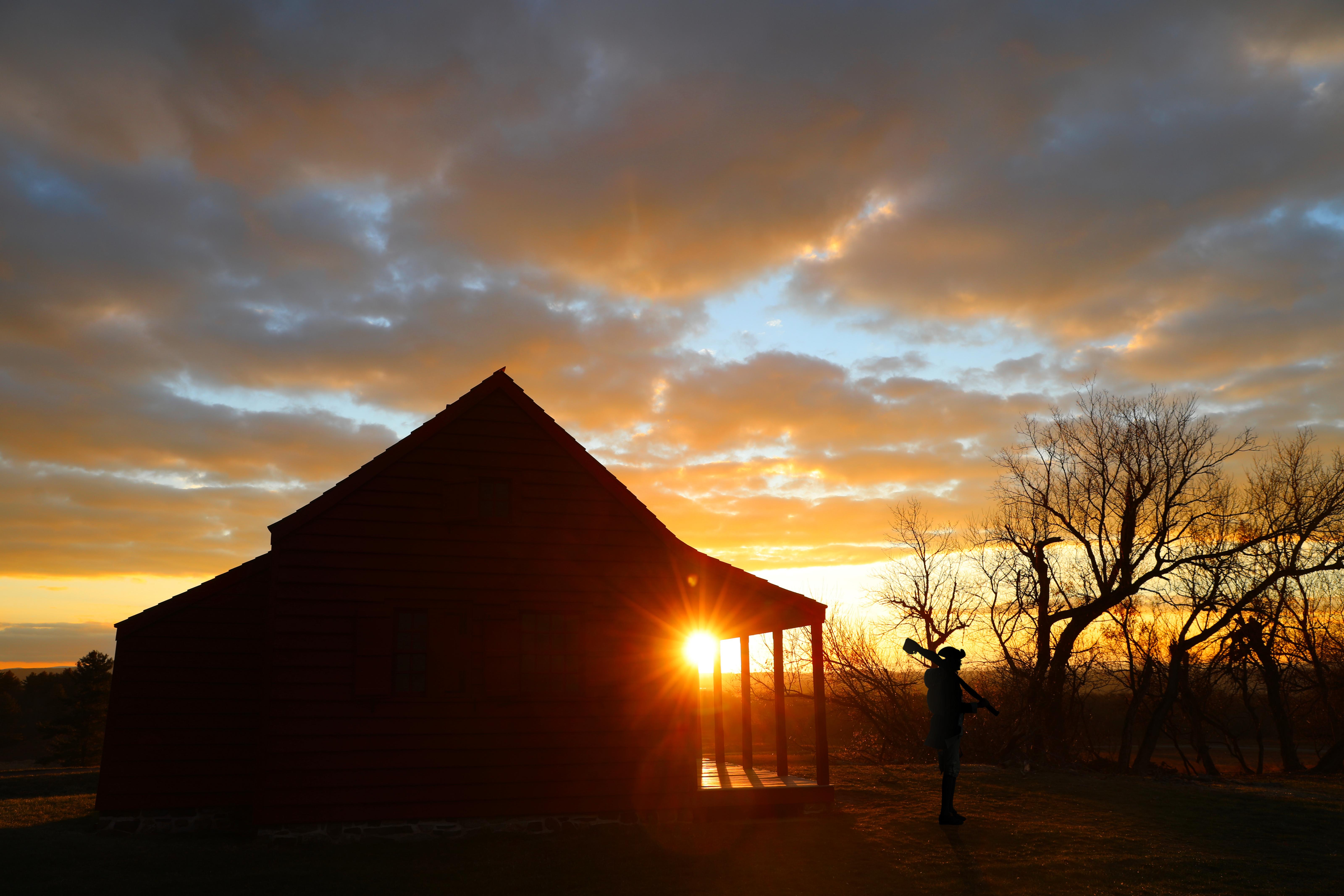
The park allows for layered exploration. A free, nine-stop auto tour road traverses the battlefield. Hiking and biking trails follow ridgelines and fields of the October engagements. A visitor center provides context through exhibits and a park film. This is not a mere roadside marker. It is an expansive, accessible landscape. Seasonal activities range from summer guided tours and birdwatching to winter cross-country skiing and snowshoeing. History enthusiasts will find it exceptional. Diverse outdoor recreation also offers significant appeal for families and active visitors.
What makes it worth it
This park rewards engagement. The visitor center's film and exhibits are essential for understanding the 1777 landscape. From April through November, the auto tour road links key battlefield positions, allowing visitors to interpret the ground as commanders once did. Moving on foot or by bike offers a richer experience. The elevation changes and open fields provide satisfying front-country hiking. Ranger-guided tours offer context beyond static signage. Winter brings a notable shift. With the tour road closed to vehicles, the park becomes a quiet, uncrowded destination for cross-country skiing and snowshoeing. Wildlife and birdwatching opportunities are consistent year-round, supported by diverse open and forested habitats. This is a destination for those who seek historical immersion and quiet recreation.
Who should go
This site offers a profoundly significant and well-interpreted experience for Revolutionary War history enthusiasts. Active visitors will find full value in combining history with hiking, biking, or winter trail use. The Junior Ranger Program and accessible auto tour provide benefit for families with children. Visitors expecting a battlefield museum without extensive outdoor terrain, or those with very limited time, should note that the full experience requires more than a quick stop.
When to go
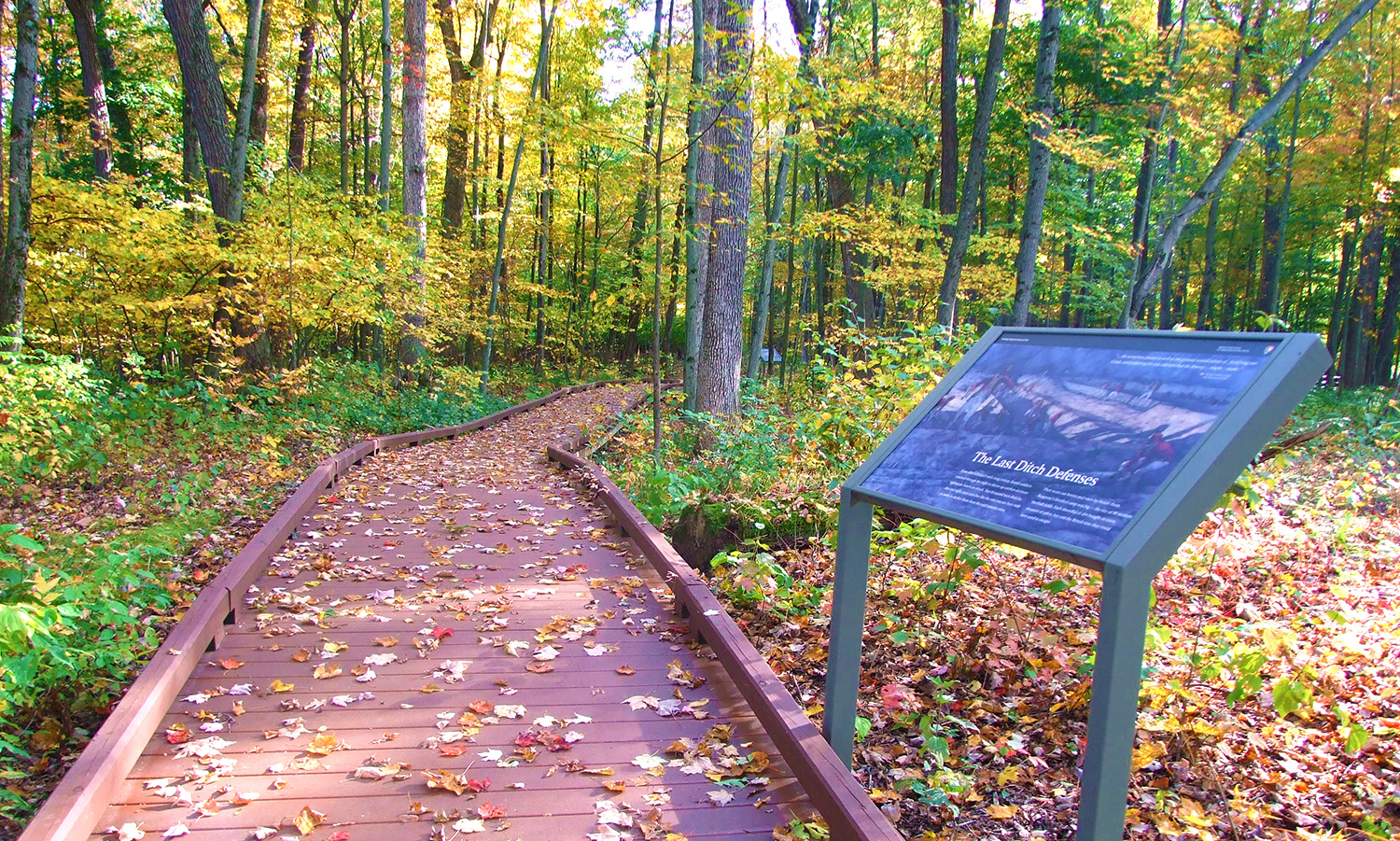
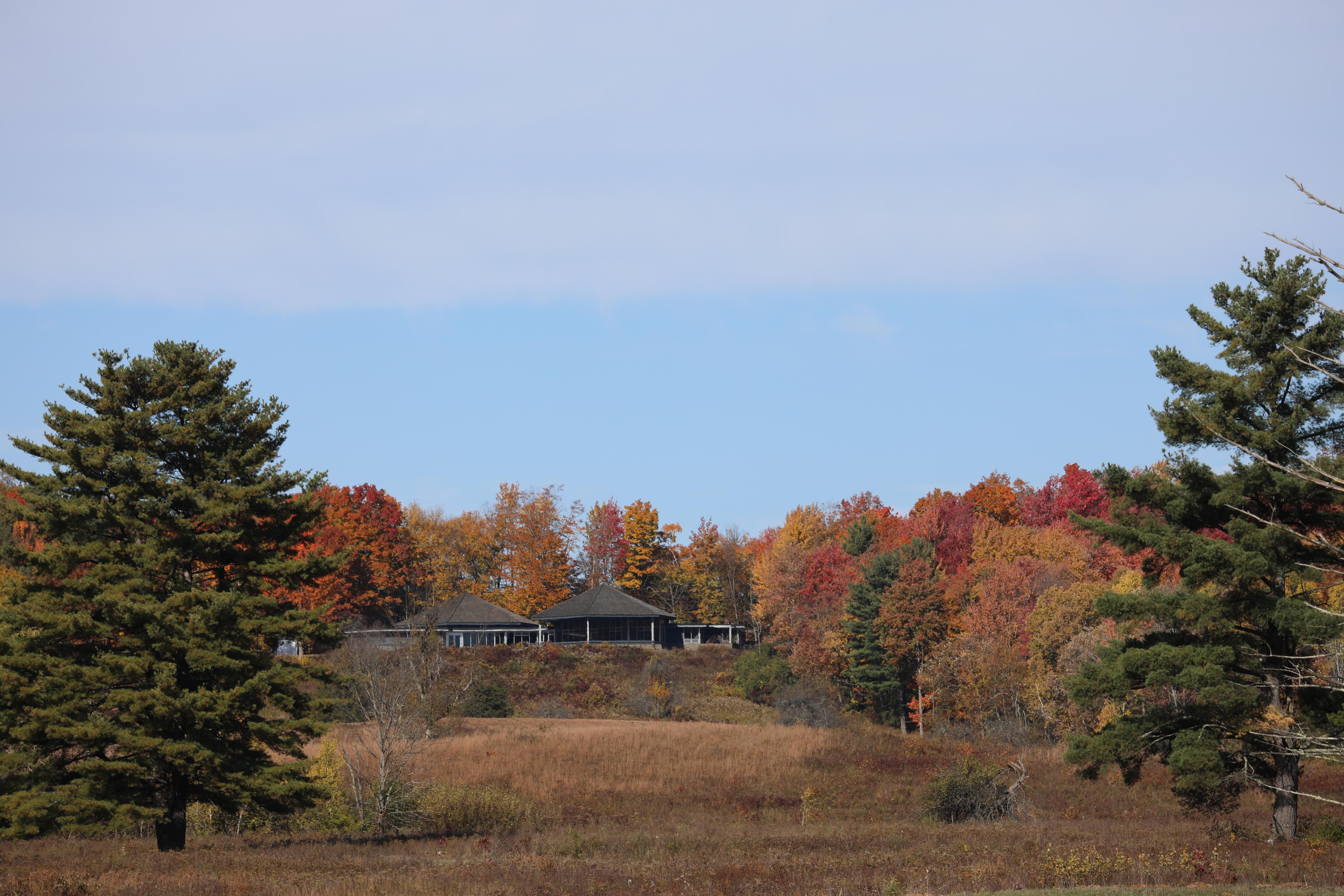
This unit offers compelling reasons to visit across three seasons. For history buffs, late September through mid-October merges peak fall foliage with the anniversary of the 1777 battles. The auto tour road remains open. Spring and early summer provide cooler hiking and active birdwatching. Winter presents a viable, if different, experience: excellent for cross-country skiing and snowshoeing. Be aware that the tour road closes to vehicles from December through March. Summer heat often reaches 100 degrees Fahrenheit; plan early morning starts to avoid the worst of it.
Highlights
- Nine-stop auto tour road traversing the actual 1777 battlefield terrain, open April through November
- Museum exhibits and park film at the visitor center providing full strategic context for the two-battle campaign
- Front-country hiking and road biking on trails crossing historically significant ridgelines and fields
- Cross-country skiing and snowshoeing in winter when the battlefield is quiet and largely crowd-free
- Guided ranger tours that go beyond the signage to explain troop movements and tactical decisions
- Wildlife watching and birdwatching across a mix of open farmland and forested terrain
Plan ahead
Free entry adds notable value. The auto tour road operates seasonally, April 1 through November 30, but weather can prompt delays or early closures; verify conditions in spring and fall. Visitor center hours also fluctuate by season. The park is located several miles south of Saratoga Springs, so plan accordingly if visiting both.
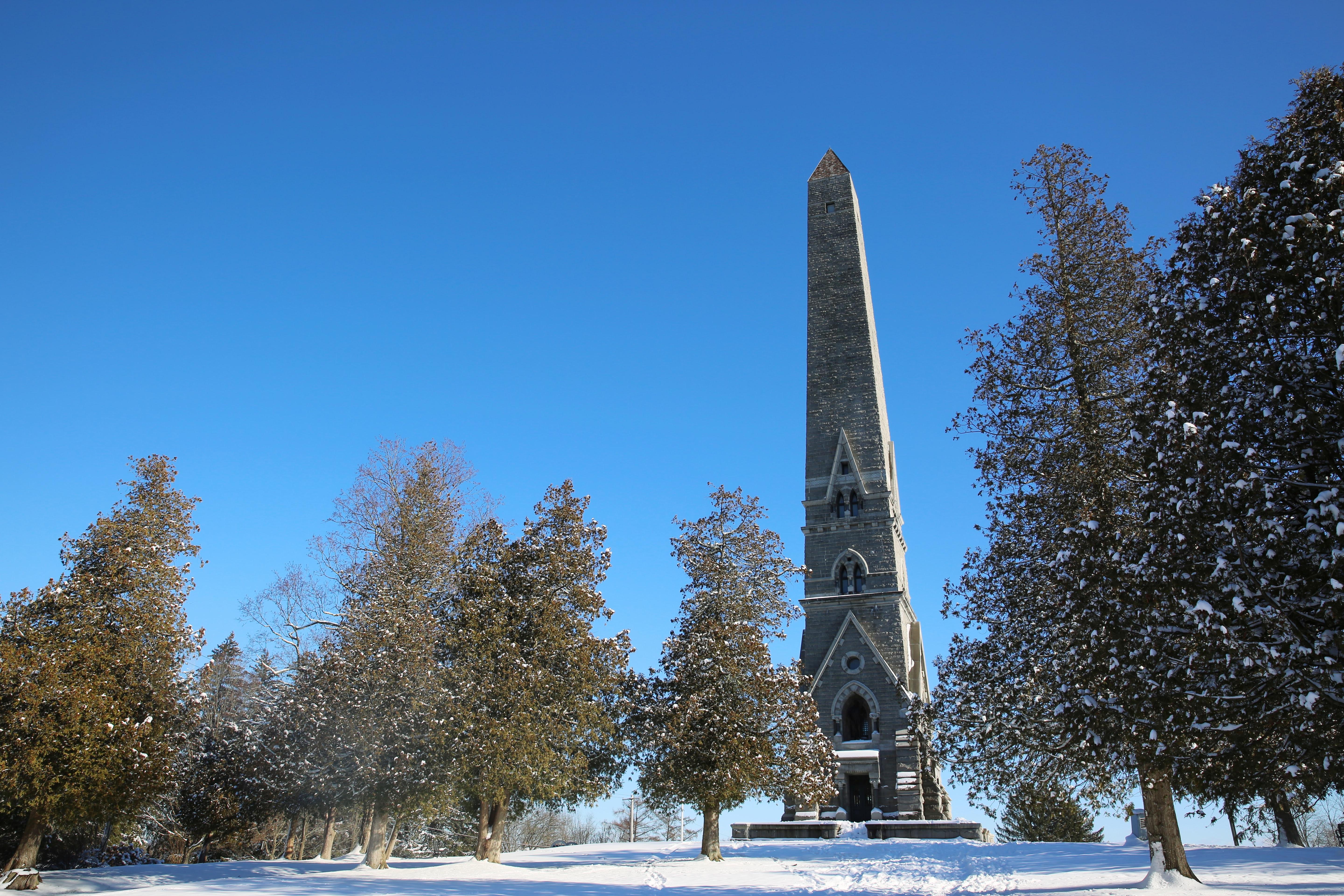
Editor's tipFor winter visitors, the nine-mile auto tour road closure to vehicles is a distinct advantage. It transforms into an exclusive cross-country ski and snowshoe corridor. Solitude is readily available. The battlefield landscape, under snow, offers a dramatic and unique perspective.