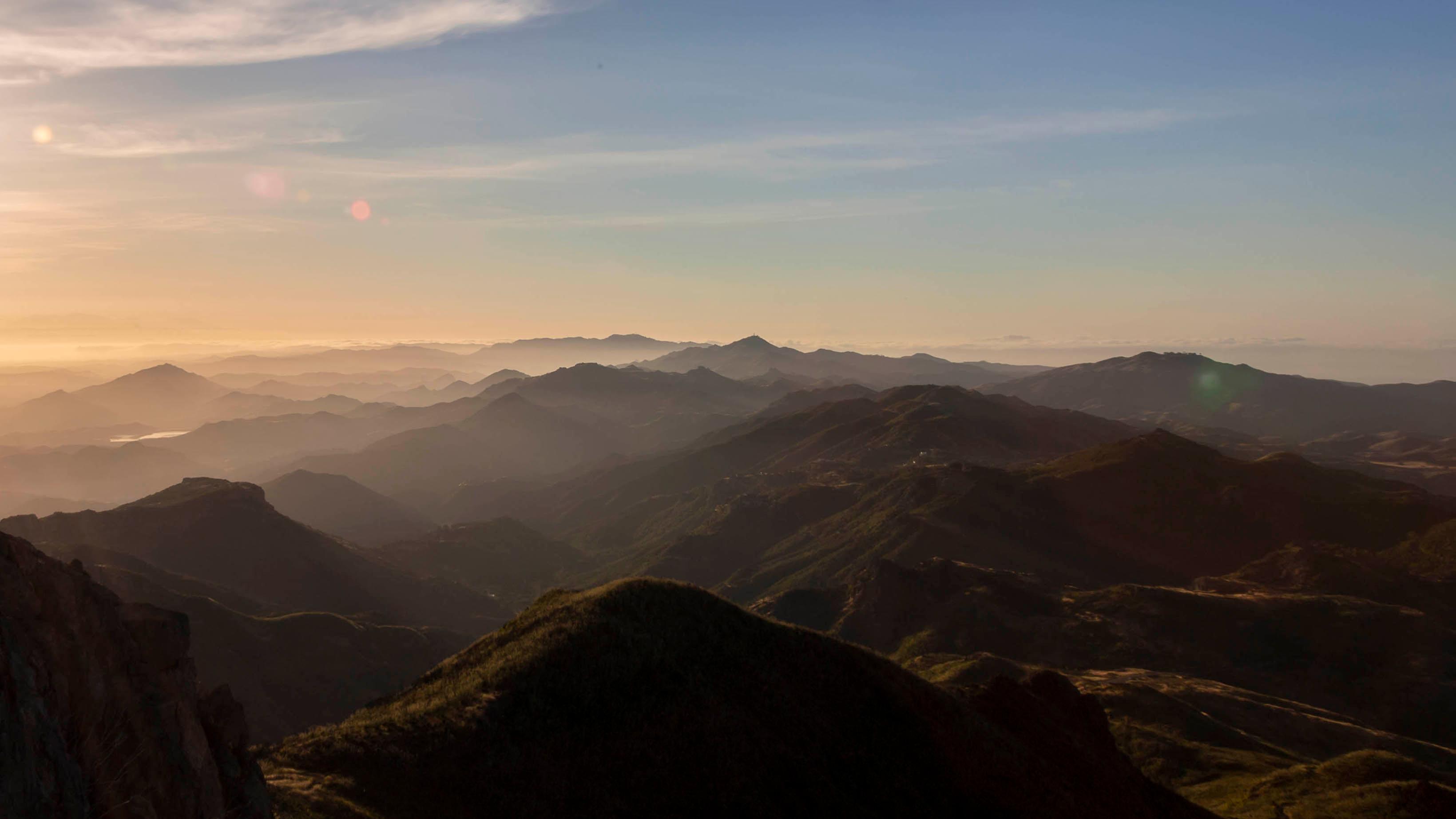
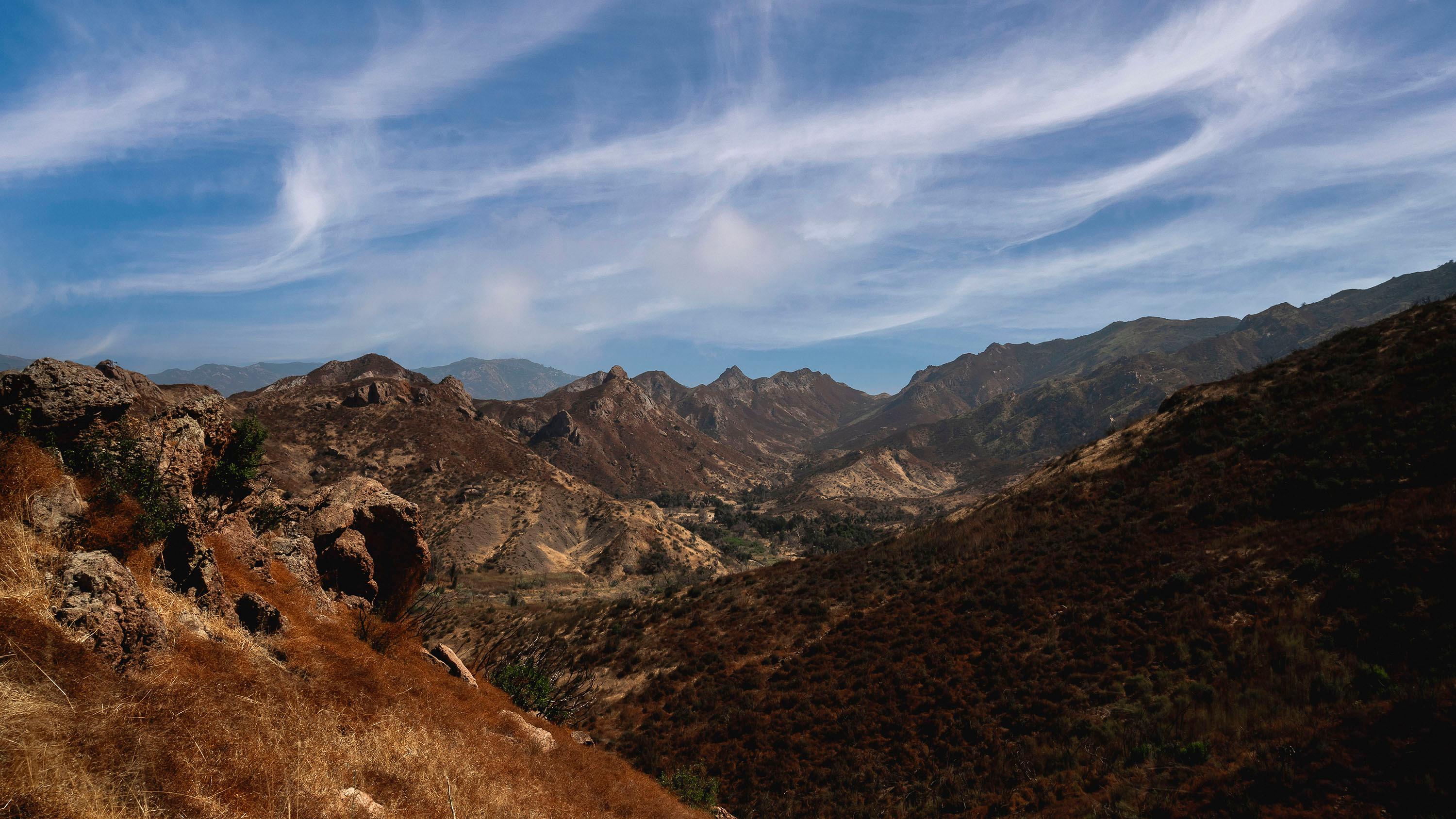
Santa Monica Mountains National Recreation Area: our verdict
The Santa Monica Mountains National Recreation Area offers a genuinely large and varied recreation corridor.
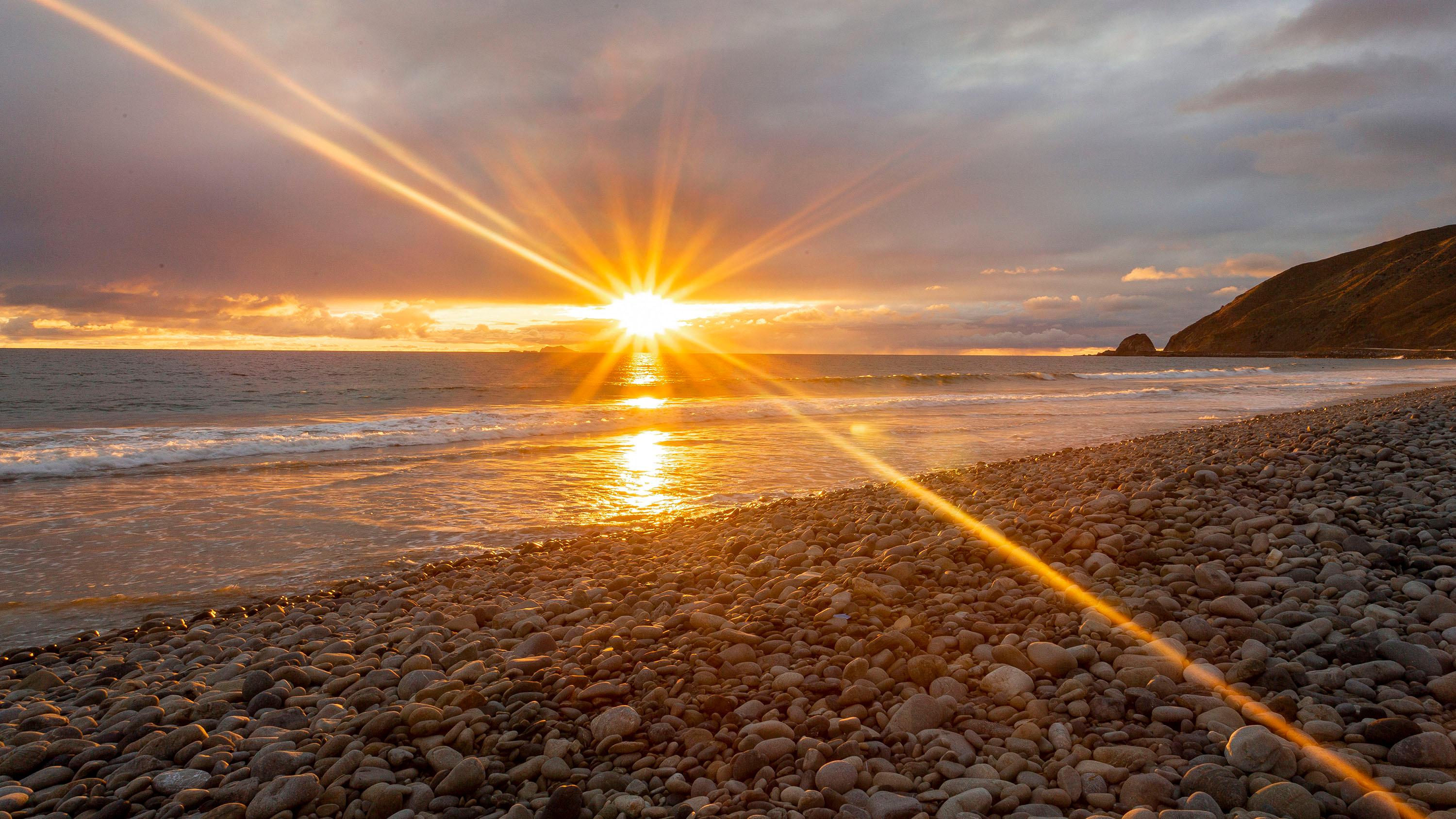
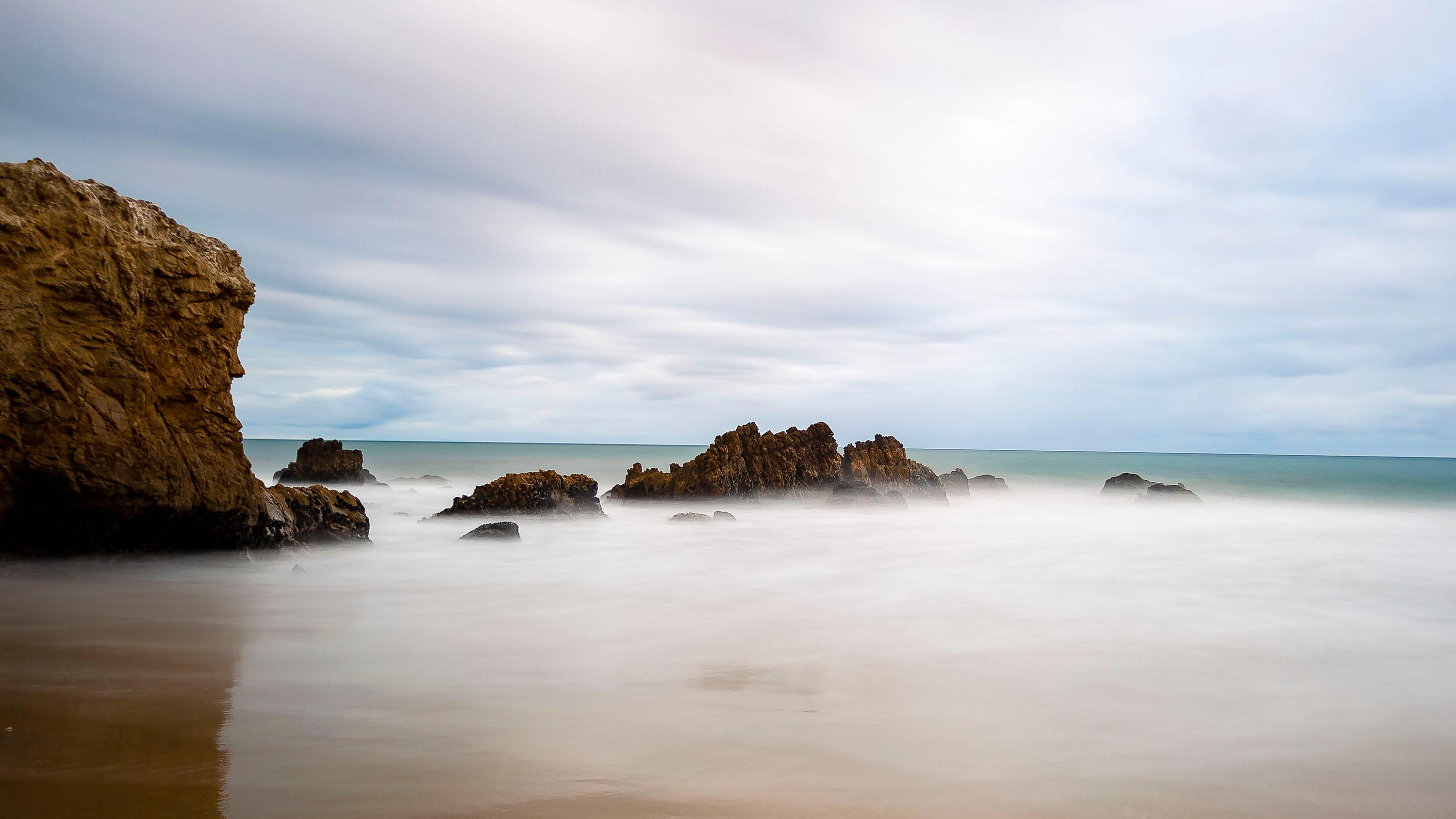
Free admission and over 500 miles of trails make it an accessible wild landscape, directly above the Los Angeles metro area and Malibu coastline. This is not a remote wilderness. Serious hikers, mountain bikers, or equestrians can find a full day of challenge here. Cultural sites, including historic movie ranches and Native American areas, are woven through the landscape. For Los Angeles residents, it is an extraordinary backyard. For out-of-state visitors, the area best complements coastal California itineraries rather than serving as a standalone destination.
Why visit
This park offers a compelling duality of mountain and coast. Its trail network provides extensive options, from family-friendly front-country walks to challenging ridge routes for mountain bikers and equestrians. Rock climbing is a documented activity within the mountains. Overnight camping allows for an immersive experience after day-use hours. The unique geographical position means visitors can hike a canyon in the morning and reach a Malibu beach by early afternoon. The Junior Ranger program fosters engagement for younger visitors, while the park store supplies essential maps and orientation. The scale is the draw here.
Who it suits
The park offers significant appeal for residents, particularly families with active children, hikers, mountain bikers, and equestrians seeking accessible, varied terrain. It also serves well as a half-day or full-day detour for coastal California road-trippers. However, its utility as a primary destination for out-of-state visitors is limited. Those seeking true backcountry solitude will find it lacking.
Timing your visit
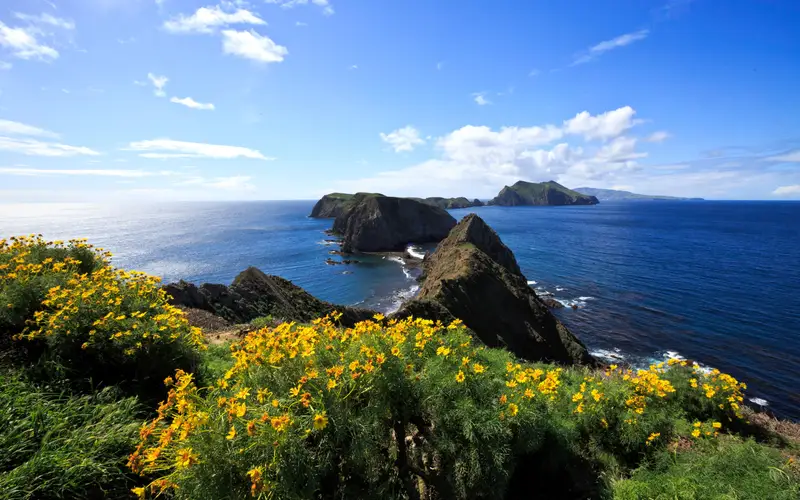
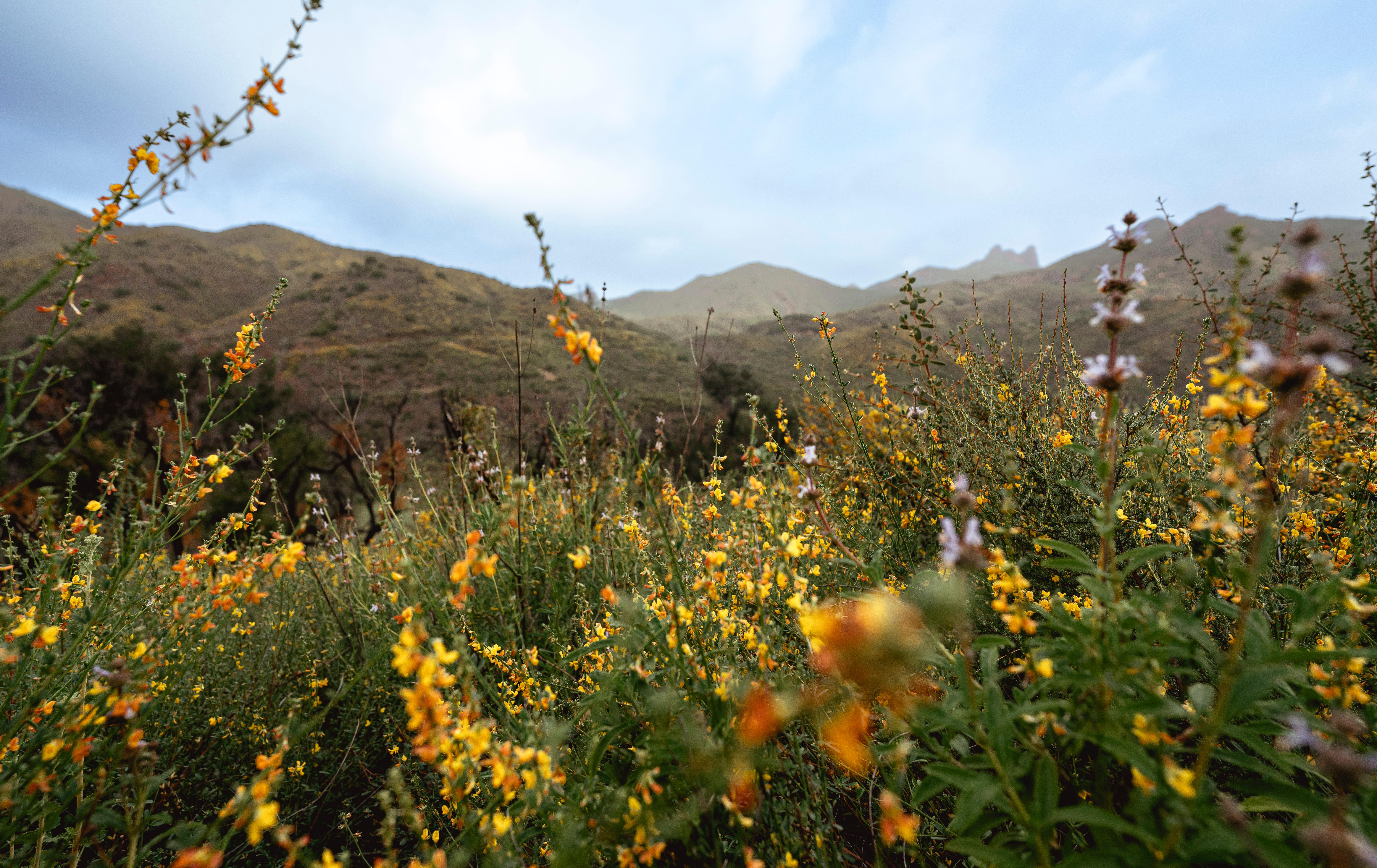
Spring, from March through May, presents the ideal conditions for a visit. Temperatures are mild. The chaparral is green, and wildflowers emerge after winter rains. Fall offers similar comfort and clear skies. Summer brings serious heat and elevated fire risk, making early morning starts essential; some areas may close without notice. Winter is cool and occasionally wet but rarely prohibitive. Trail crowds thin noticeably during these months, offering a quieter experience for those prepared for cooler weather.
What stands out
- Over 500 miles of trails spanning canyon, ridge, and coastal terrain
- Mountain biking on dedicated multi-use routes through the Santa Monica Mountains
- Rock climbing opportunities within the recreation area
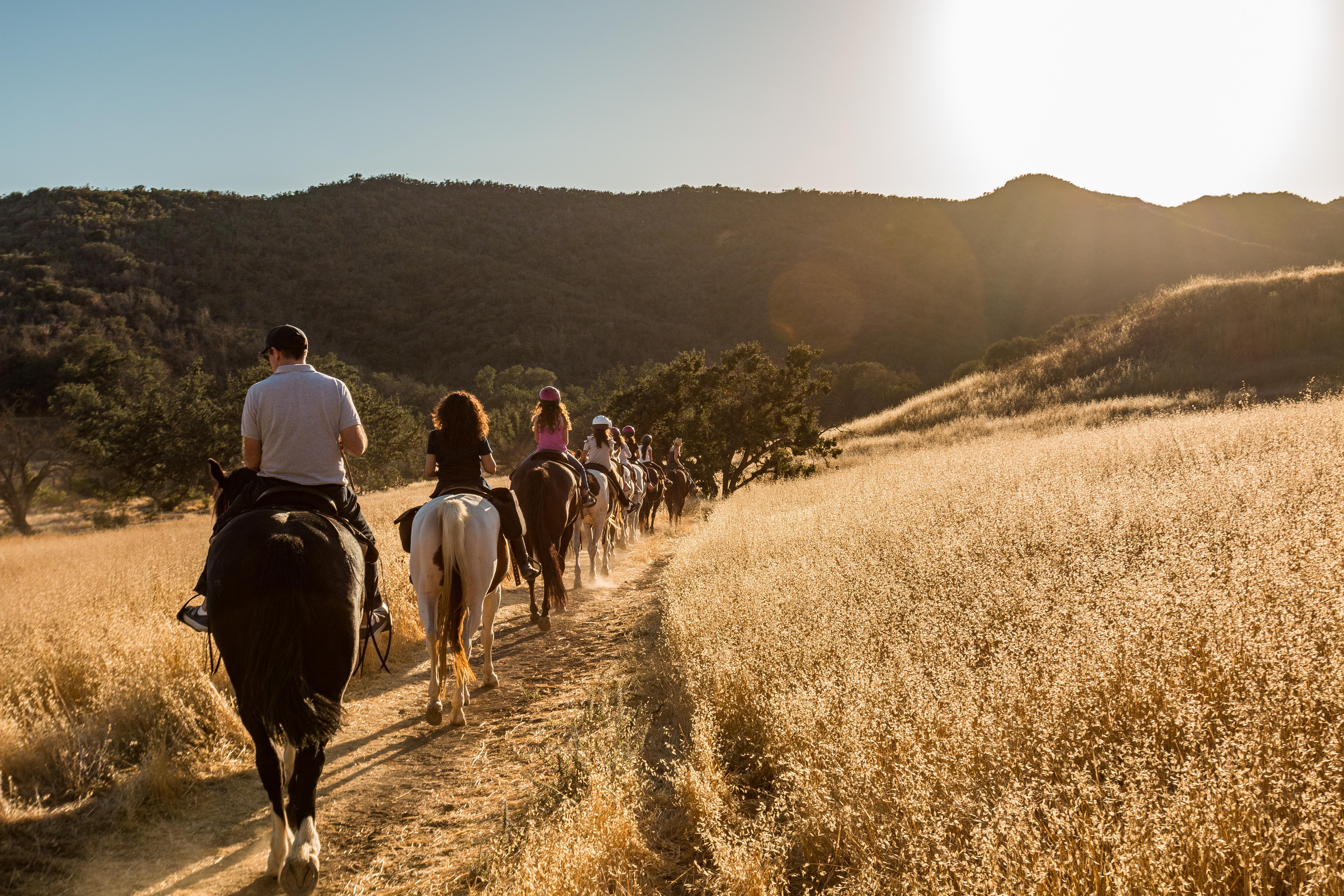
- Horseback riding on trails that accommodate equestrians throughout the park
- Overnight camping including front-country sites for families and beginners
- Historic movie ranch sites and Native American cultural locations embedded in the landscape
Good to know
Free entry is a significant visitor advantage. Parking lots operate from 8 am to sunset; visitors must plan their arrival to align with these hours. The park's multiple, dispersed sites necessitate advance planning for trailhead or area selection. Cell service proves unreliable within the canyons.
Insider tipVisitors must plan carefully. The park's sunset parking rule can surprise those on longer hikes. Always check turnaround times against sunset, not just against fatigue. An early start is best for summer visits. A 6 AM start provides the coolest, most pleasant hours before temperatures rise.