Should you visit Santa Fe National Historic Trail?
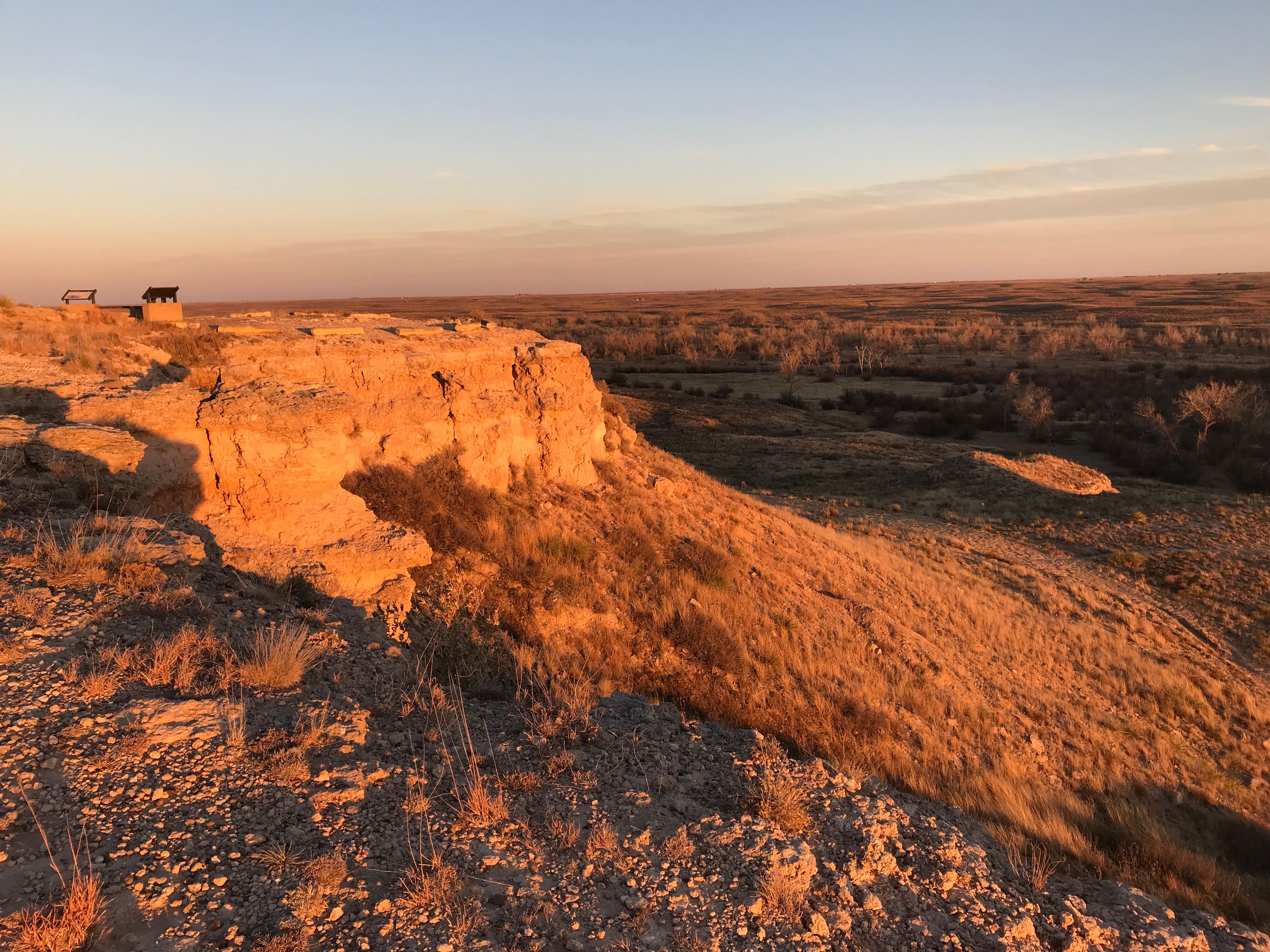
The Santa Fe National Historic Trail offers a diffuse experience, stretching for 900-plus miles across Missouri, Kansas, Oklahoma, Colorado, and New Mexico.
It is not a singular destination. Instead, it comprises dozens of independent museums, historic ruts, interpretive centers, and commemorative sites, all managed by diverse federal, state, and local entities. The quality of engagement hinges entirely on segment selection and advance preparation. This trail caters to those who prioritize historical immersion and are willing to invest in research. Visible wagon ruts, still etched into the prairie, offer a genuinely moving connection to 19th-century commerce and westward migration. However, a poorly planned stop may yield only a roadside marker. Casual sightseers should look elsewhere. The cost of admission is free, but the true investment lies in time and mileage.
What makes it worth it
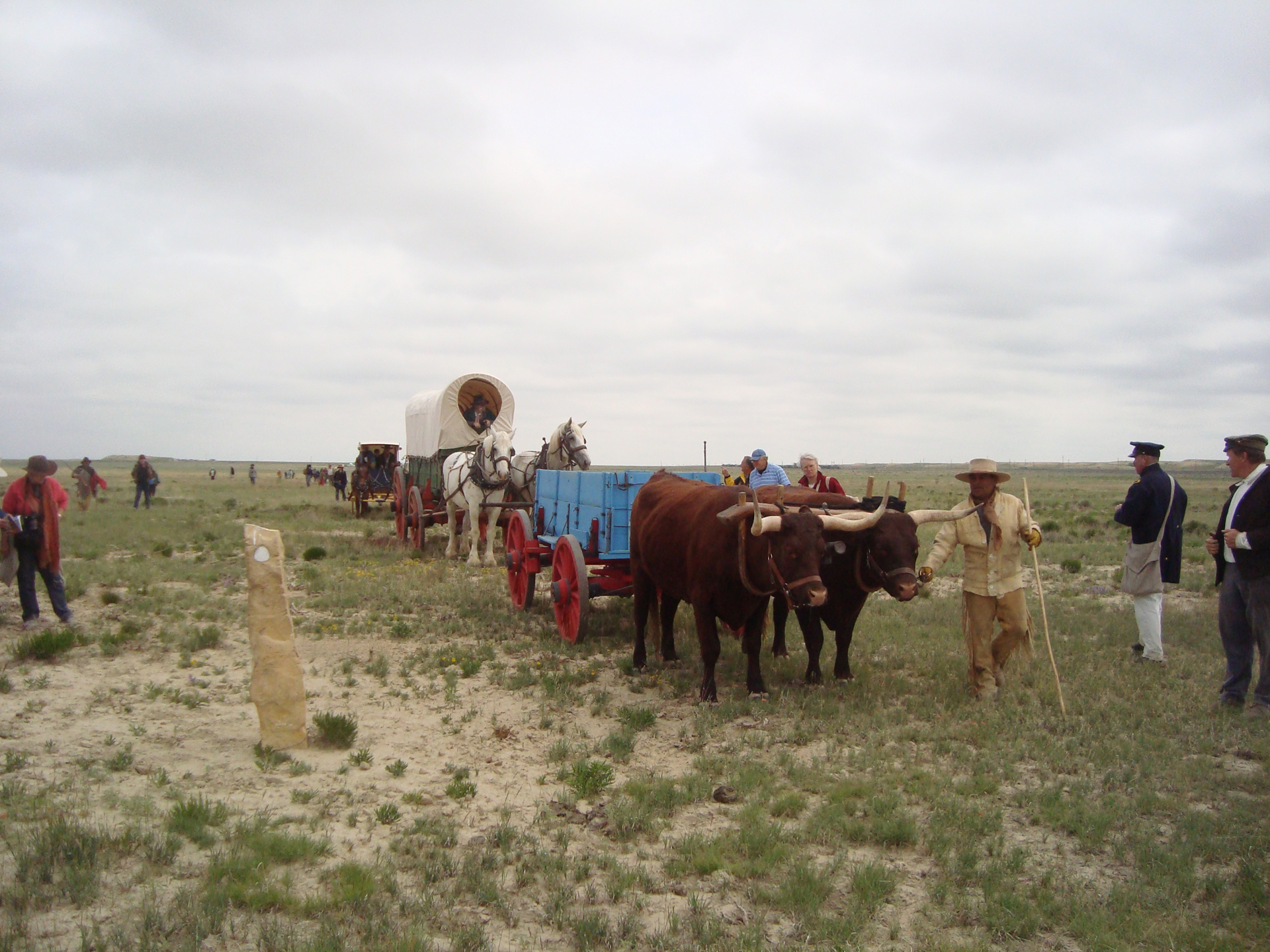
The Santa Fe Trail offers significant historical immersion for those willing to drive. Its original trade route remains visible in scenic segments, allowing for direct engagement with 19th-century history. Museums and interpretive centers detail the harsh realities of freight wagon economics and logistics. Visitors can walk portions of the actual trail, and guided tours at key sites provide deeper context than roadside markers alone. The Junior Ranger Program across multiple locations offers an engaging experience for families. In New Mexico, arts and culture programming links the trail's commercial past to enduring local cultures. A focused two or three-day road trip, combining auto touring with short hikes to rut sites and a major museum visit, yields the most rewarding experience.
Who should go
This trail best serves history enthusiasts, road-trippers, and families. It rewards self-directed exploration; advance research is key. Visitors seeking a concentrated, single-destination outdoor experience will be disappointed. Hikers and scenic drive fans can find value, but should not expect traditional park infrastructure.
When to go
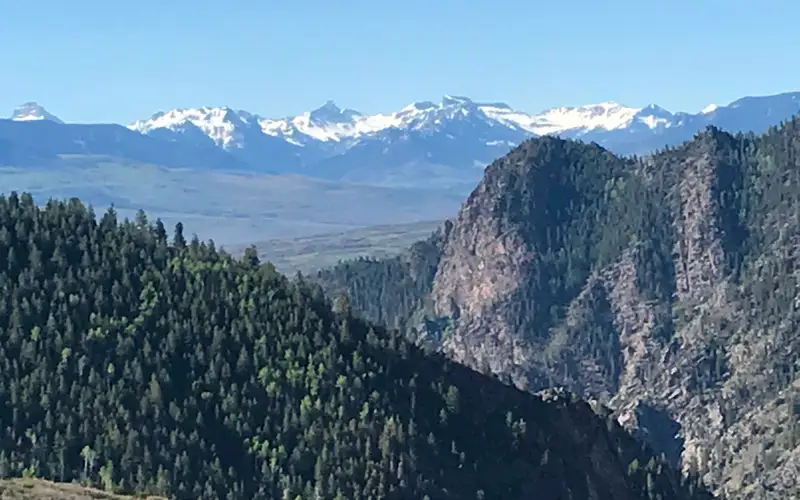
Optimal conditions for traversing the trail's open prairie and high desert sections occur in spring and fall. Summer brings intense heat in Kansas, Oklahoma, and New Mexico. Colorado's mountain passes often retain snow into late spring and see its return in early fall. Given the trail's span across five states and multiple climate zones, consulting weather.gov for specific segments before departure is a mandatory precaution.
Highlights
- Visible wagon ruts preserved in the landscape along certain prairie segments, a rare physical connection to 19th-century trail traffic
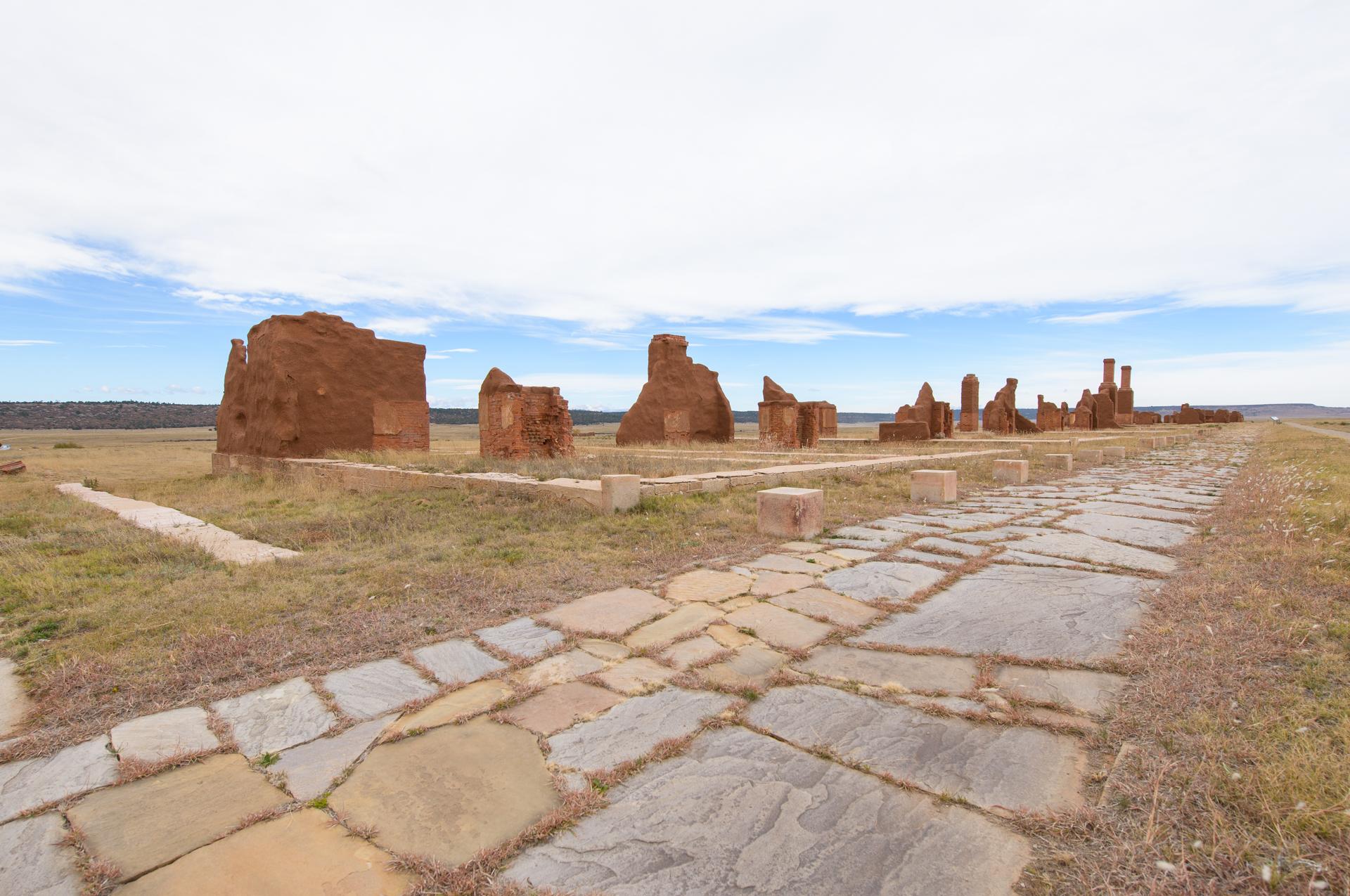
- Museum exhibits and interpretive centers that document the trade economy, cultures, and hardships of the Santa Fe Trail era
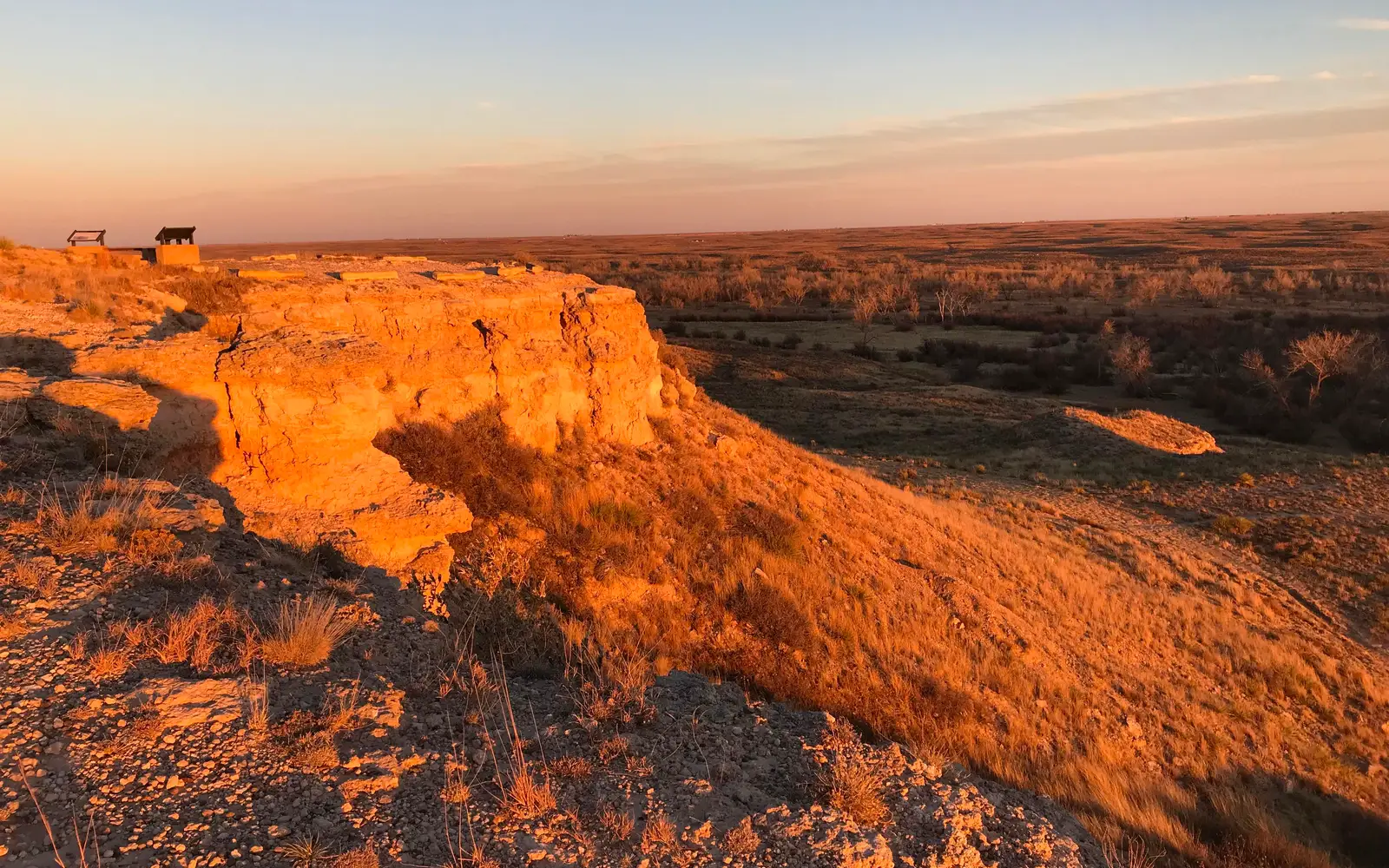
- Scenic auto touring routes that follow the historic corridor through dramatically varied landscapes across five states
- Guided tours at key sites offering context that self-guided stops alone cannot provide
- Junior Ranger Program activities available at multiple sites, making the history accessible and engaging for children
- Arts and culture programming, especially in New Mexico, that connects trail history to the region's living cultural heritage
Plan ahead
For what it offers, this trail caters to a particular visitor. Entrance is free, but with no central visitor facilities, planning is essential. Travelers must understand that each museum, interpretive site, and historic location operates independently, often with seasonal hours or by appointment. Significant driving time between stops is a documented necessity. Do not assume open hours; direct contact with each site is required before any visit. Casual sightseers should look elsewhere.
Editor's tipThe Santa Fe Trail, a historic corridor spanning multiple states, offers varied experiences depending on the specific sites chosen. For those seeking engagement beyond static markers, prioritizing locations with interpretive staff or ranger programs is essential. These sites provide a dynamic educational component, transforming a historical route into a living narrative. They serve as anchors for an itinerary, promising memorable interactions and deeper understanding rather than just a wayside stop. Consult the official NPS Santa Fe Trail site to pinpoint these key locations within your target state.