Should you visit Curecanti National Recreation Area?
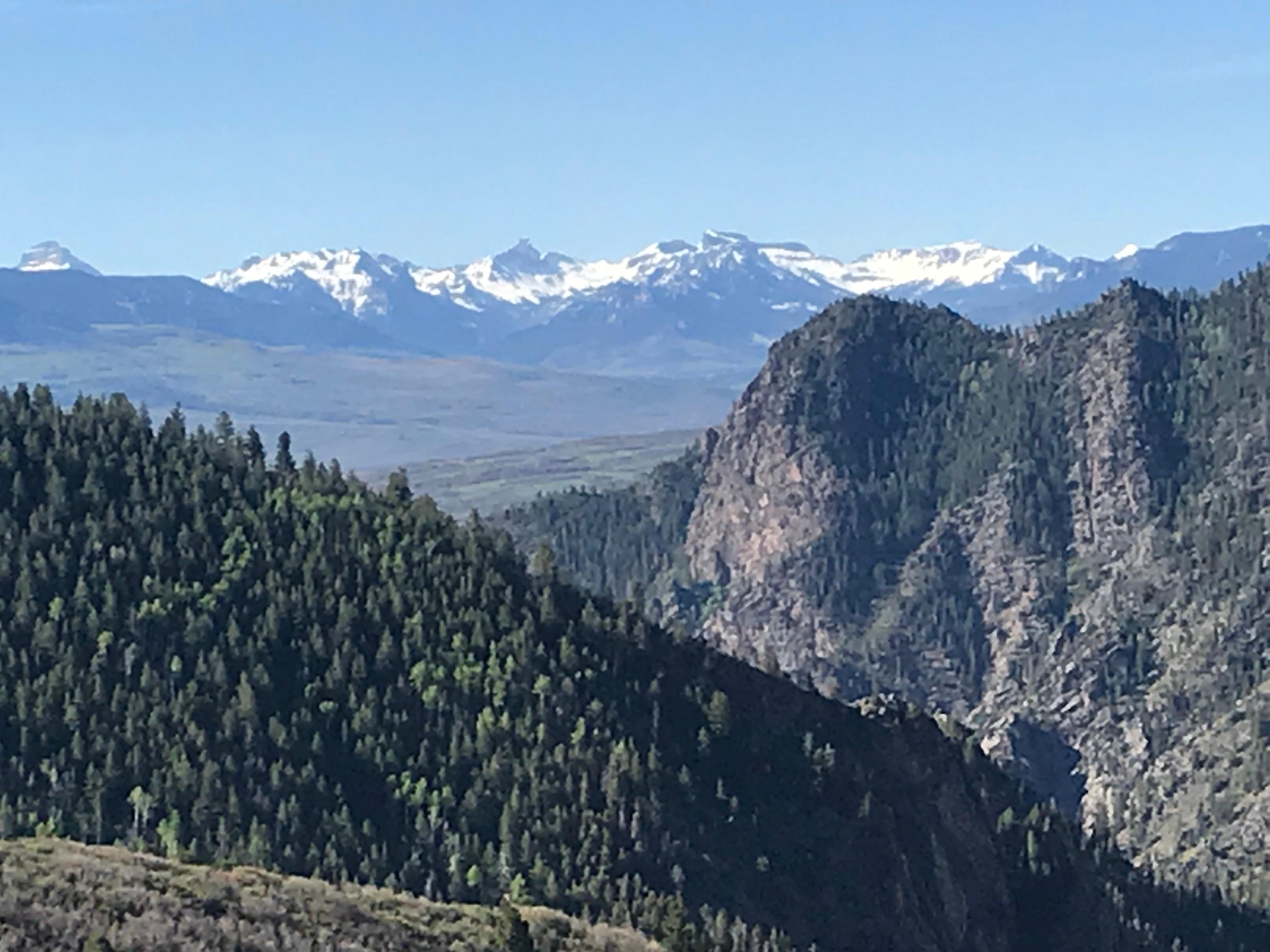
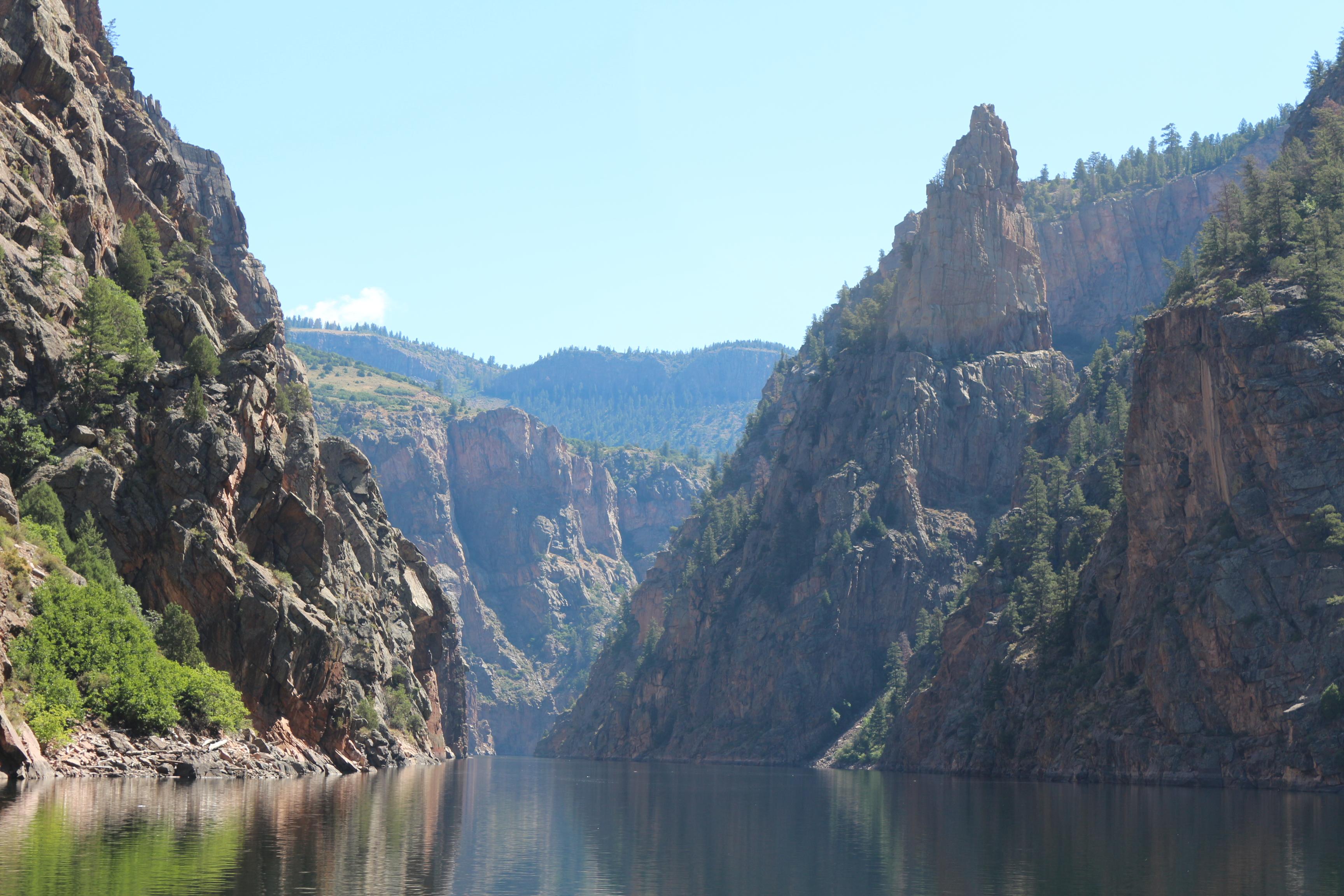
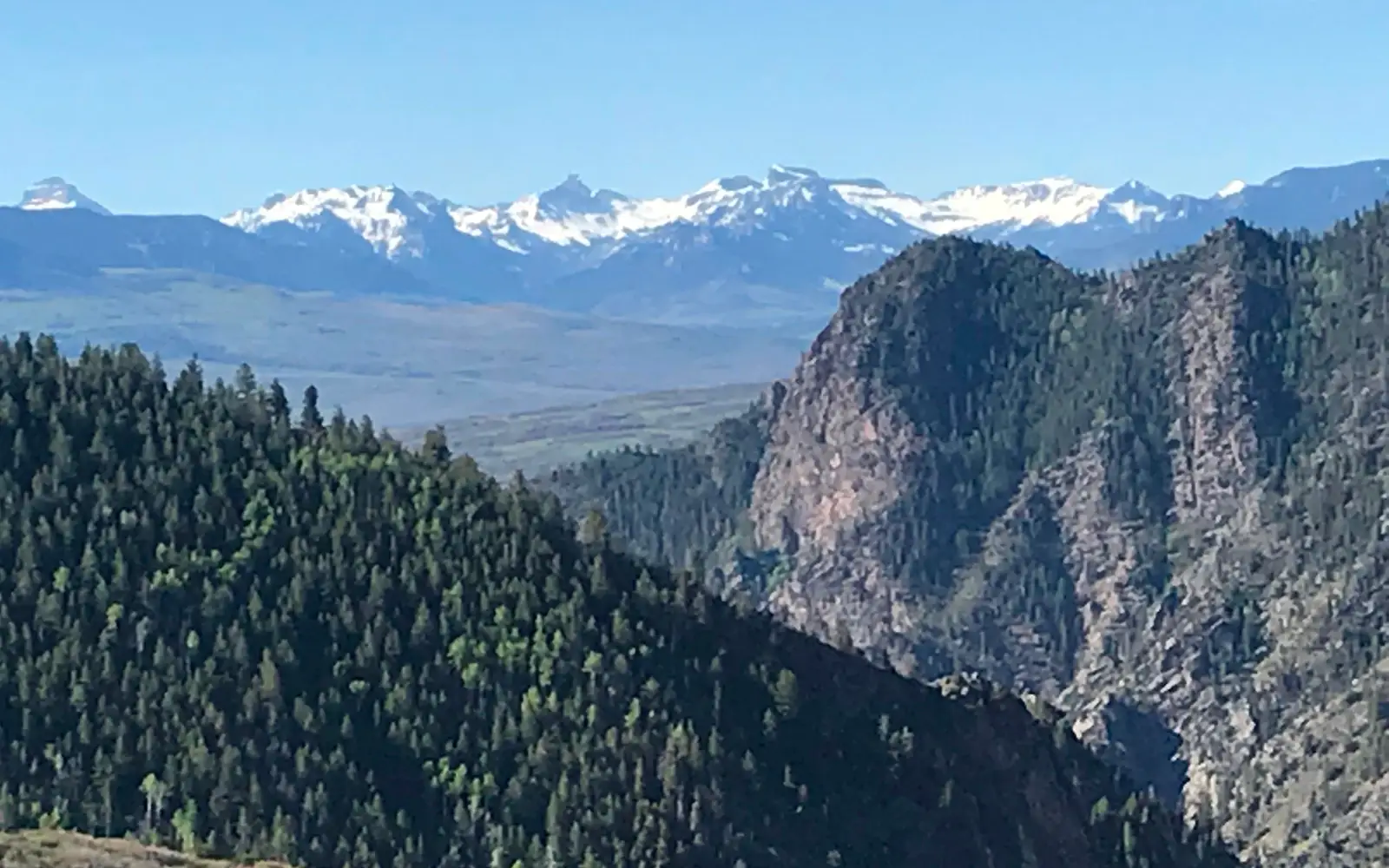
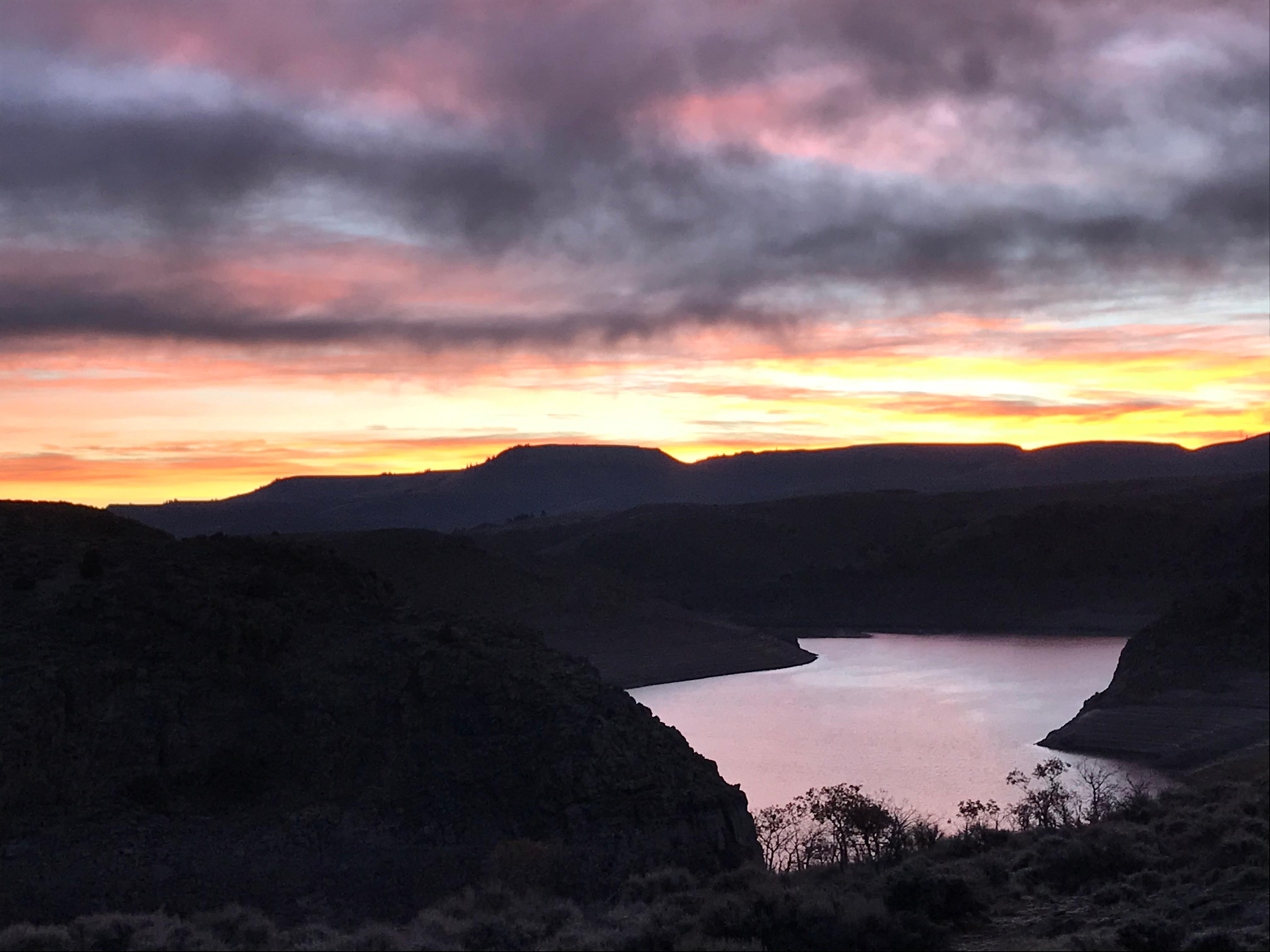
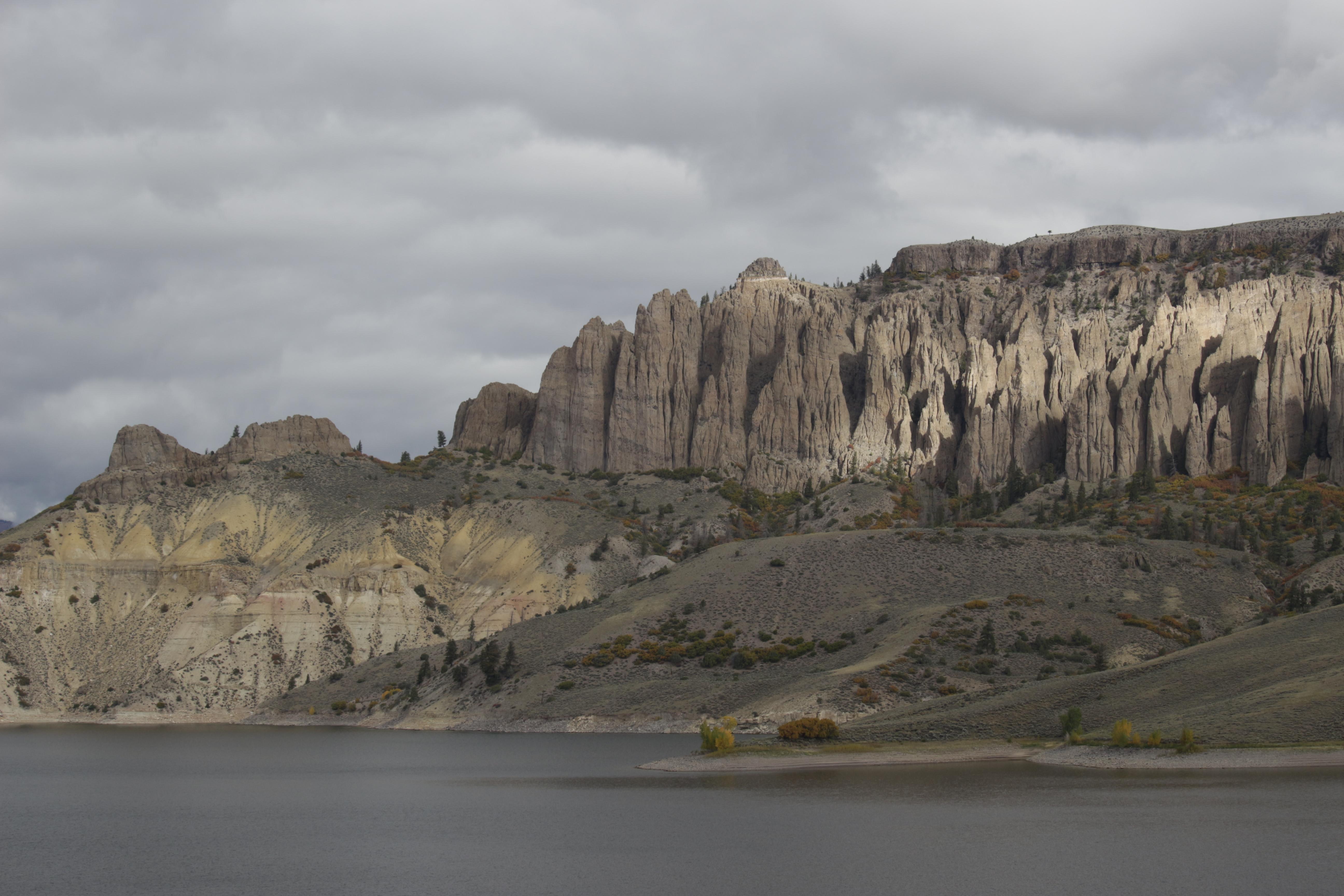
Curecanti National Recreation Area in western Colorado presents a three-reservoir complex within high desert canyon country.
This unit earns a perfect Experience Score for its breadth of outdoor activity. It is not a passive viewing park. Its landscape blends sagebrush shrubland, canyon walls, and open water at elevation, providing versatile conditions across all seasons. Entry is free, and it remains open year-round, a notable distinction within the NPS system. The area foregoes a single iconic centerpiece; its reward derives from layered activities across a sprawling recreation corridor. This destination suits those who seek active engagement on the water, fishing, camping, or winter snowshoeing. Casual sightseers should look elsewhere.
What makes it worth it
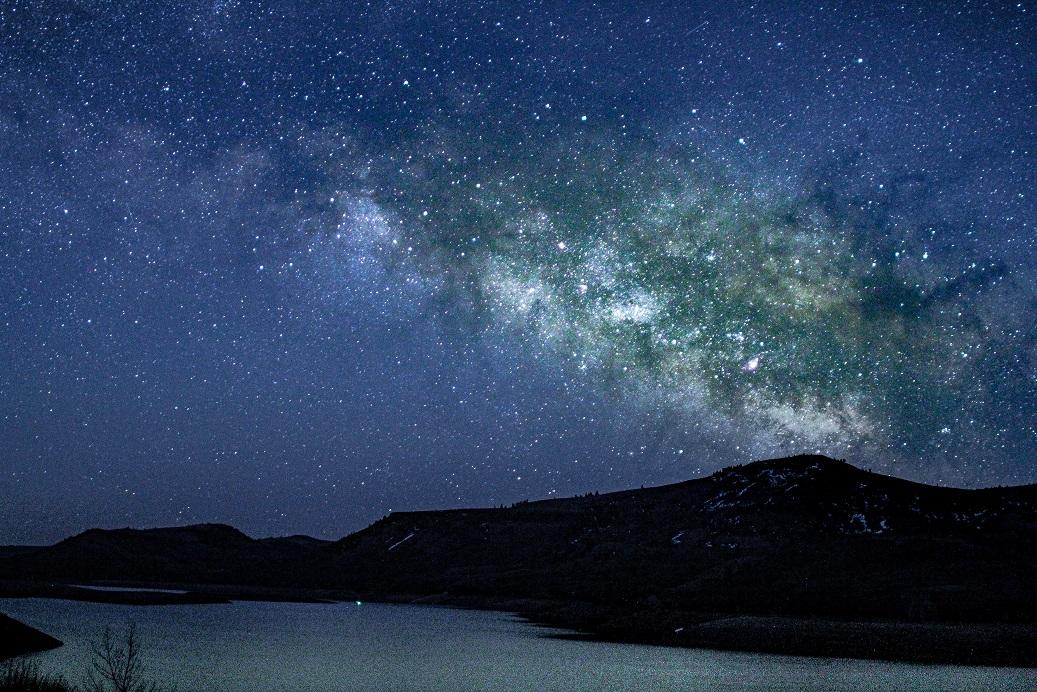
Curecanti’s primary asset is its versatility across all four seasons. Summer brings significant water recreation: motorized boating, sailing, waterskiing, kayaking, and stand-up paddleboarding are all viable on the reservoirs. Land-based activities then include front-country hiking, rock climbing, horseback riding, and notable freshwater fishing, including fly fishing. As crowds dissipate in fall and spring, milder temperatures favor hiking and wildlife watching. The canyon's dark skies present exceptional stargazing. Winter allows cross-country skiing, snowshoeing, and snowmobiling. The Junior Ranger Program offers a family activity. Backcountry and horse camping facilitate multi-day excursions. Free entrance broadens accessibility. This is a destination for those who value diverse, year-round outdoor engagement.
Who should go
Curecanti presents significant breadth for the active outdoor visitor. Boaters, anglers, paddlers, hikers, and campers will find substantial offerings. This is an excellent family destination. Its dark-sky viewing opportunities are exceptional. Those seeking a single dramatic landmark or a heavily interpreted cultural or historical experience will not find it here.
When to go
This park is clearly seasonal, with summer favoring water sports. Expect air temperatures in the 70s and 80s. However, afternoon winds frequently disrupt paddling and sailing past noon. Spring and fall provide calmer, cooler weather; these seasons are ideal for hiking and wildlife observation. Winter offers a complete transformation. It becomes a legitimate destination for snowshoeing and cross-country skiing, though overnight temperatures fall significantly below freezing.
Highlights
- Three reservoirs supporting the full range of motorized and non-motorized water recreation, from jet skiing to kayak camping
- Year-round fly fishing and freshwater fishing in high-elevation reservoir and canyon water
- Exceptional dark-sky stargazing in canyon country far from major city light pollution
- Winter recreation corridor including cross-country skiing, snowshoeing, and snowmobiling
- Horse camping and backcountry camping options for multi-day wilderness-style trips
- Rock climbing opportunities set against the canyon geology of western Colorado
Plan ahead
This unit's continuous 24-hour access and lack of entrance fee allow for considerable spontaneity. However, its linear layout along US-50 in western Colorado necessitates advance planning for specific trailheads or river access points. Diverse camping, from RV facilities to backcountry plots, means summer visitors should book early.
Editor's tipAfternoon winds reliably build starting around noon, presenting a genuine challenge for open-water paddling and sailing. Kayakers and canoeists should launch early. Reserve afternoons for hiking or shoreline activities.