Is Sand Creek Massacre National Historic Site worth it?
Sand Creek Massacre National Historic Site is not a recreational destination.
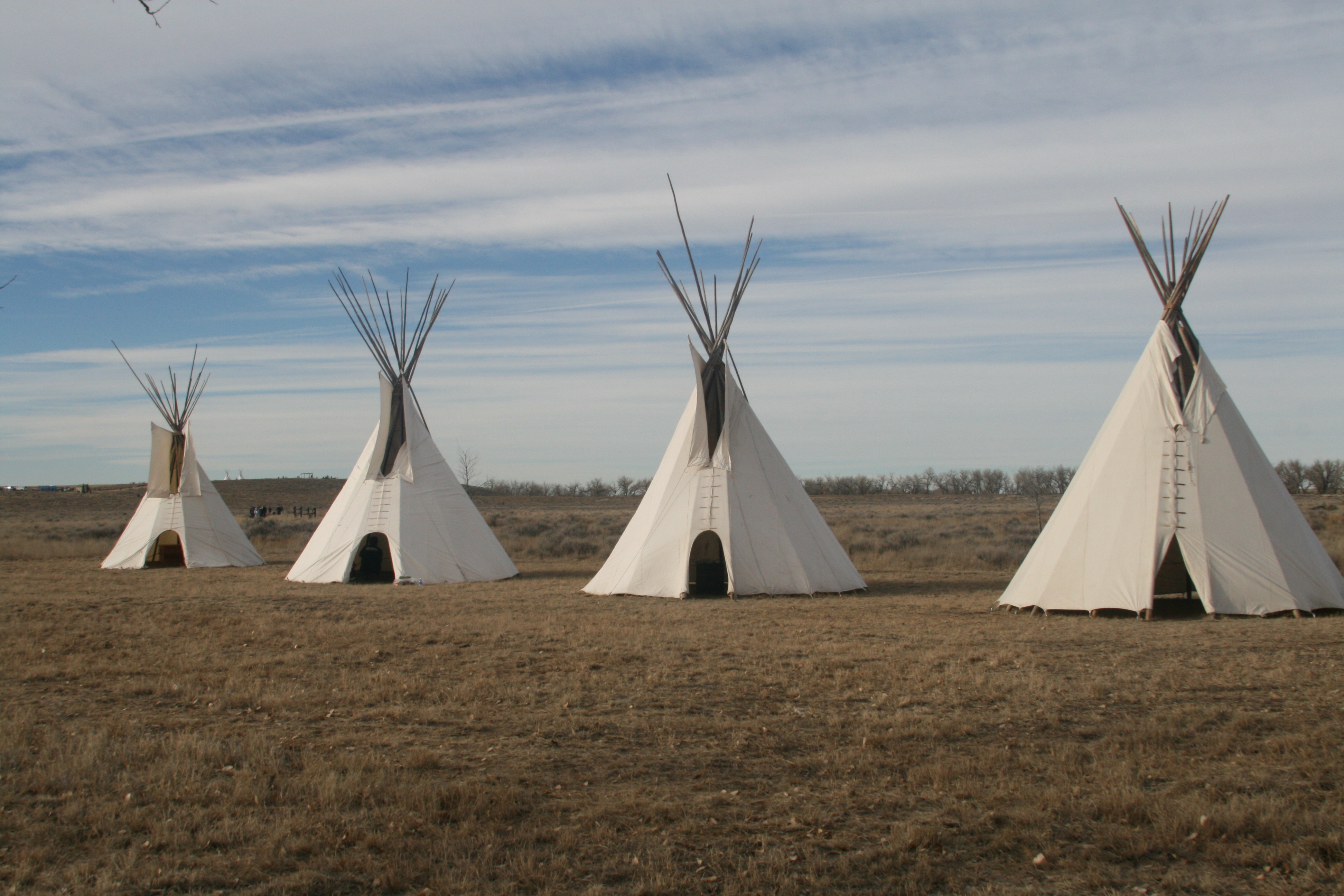
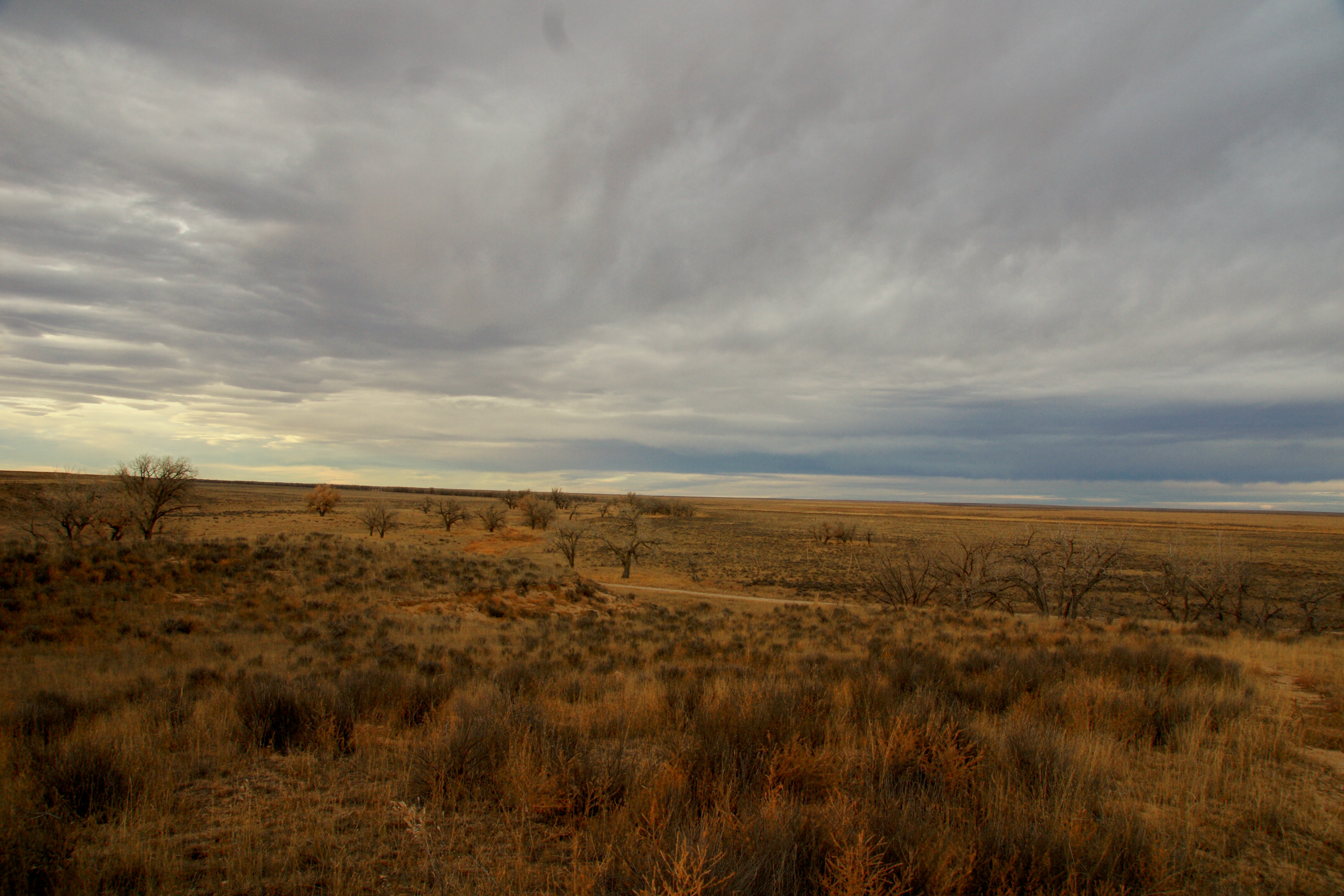
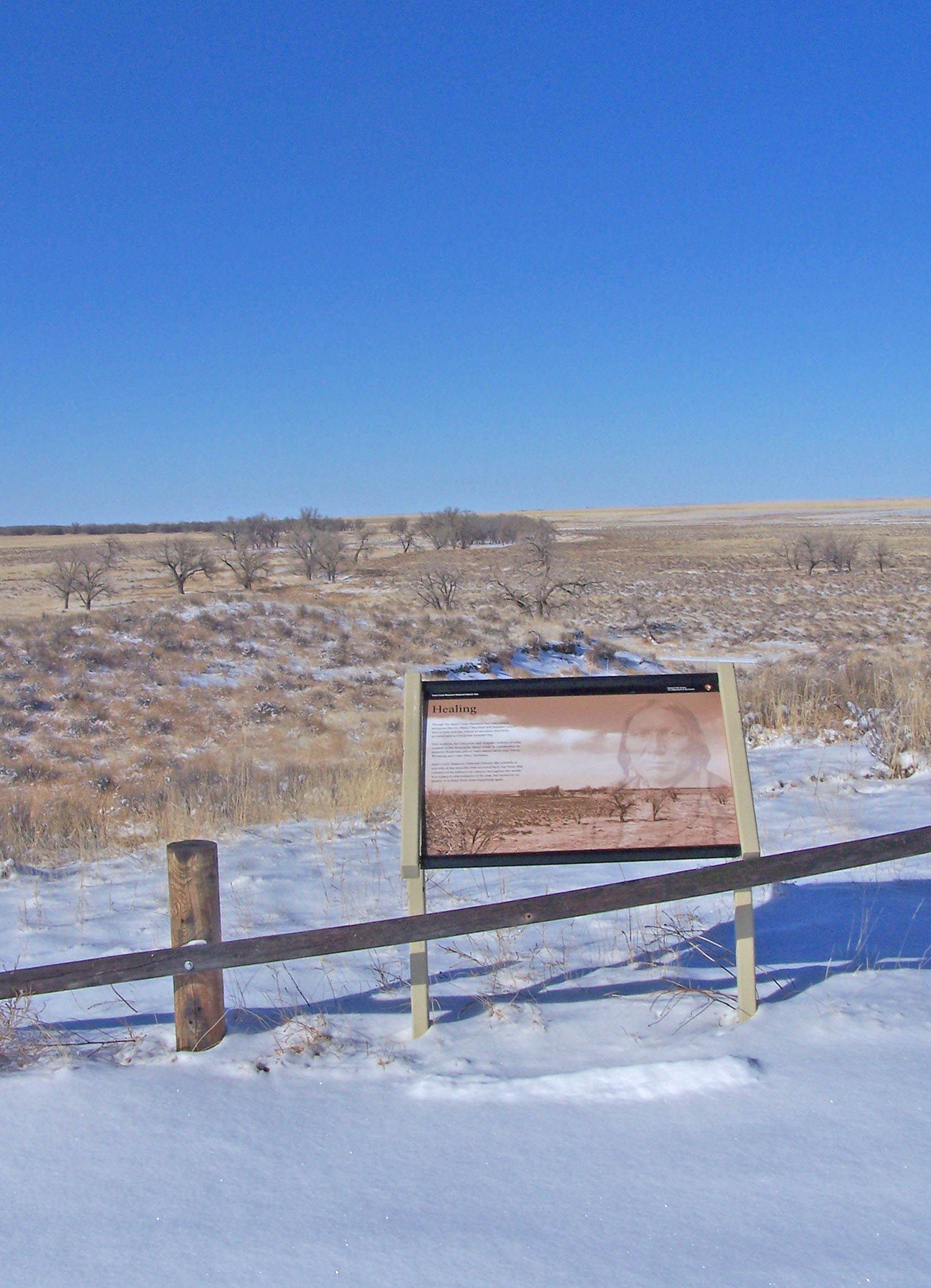
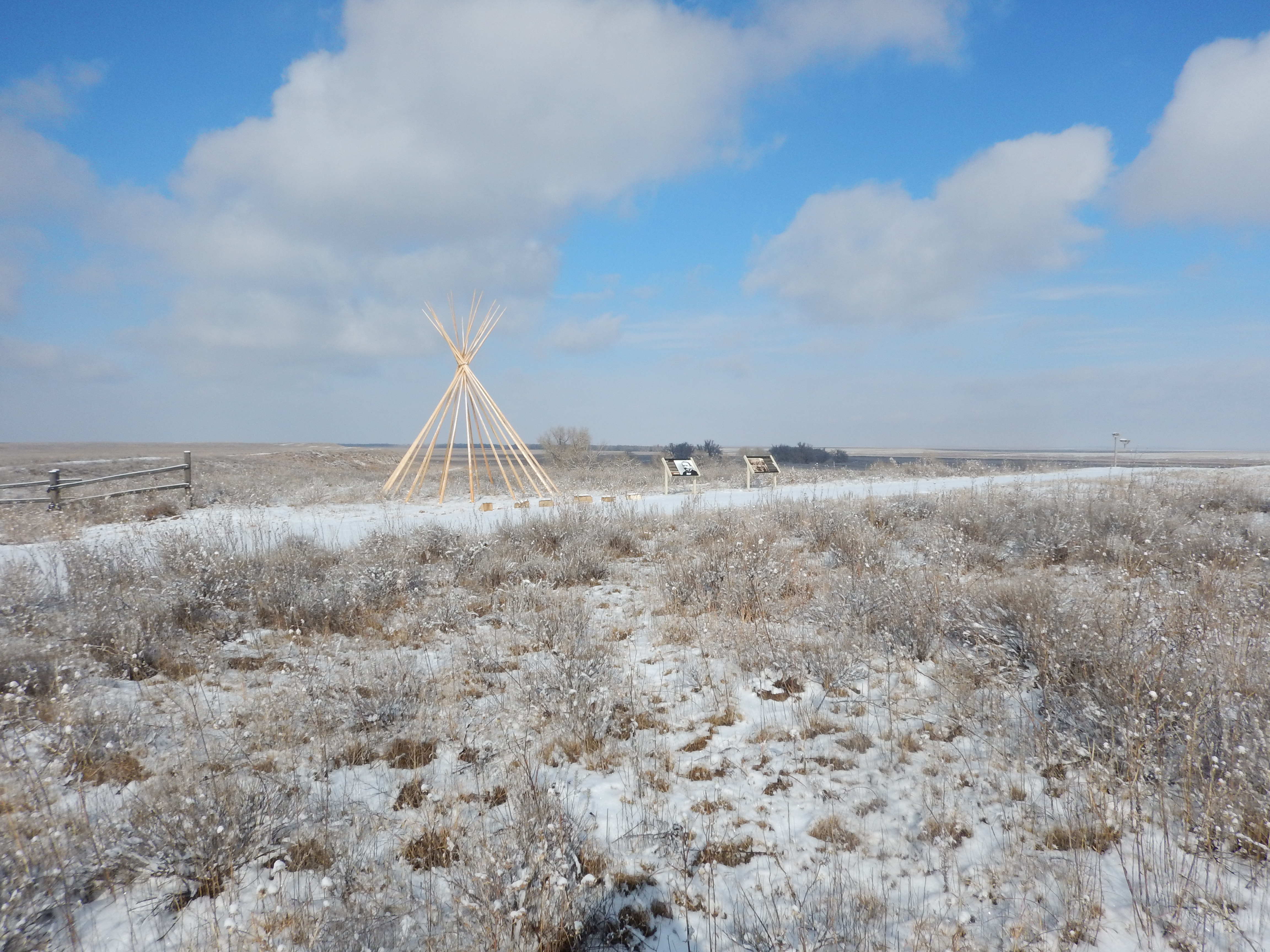
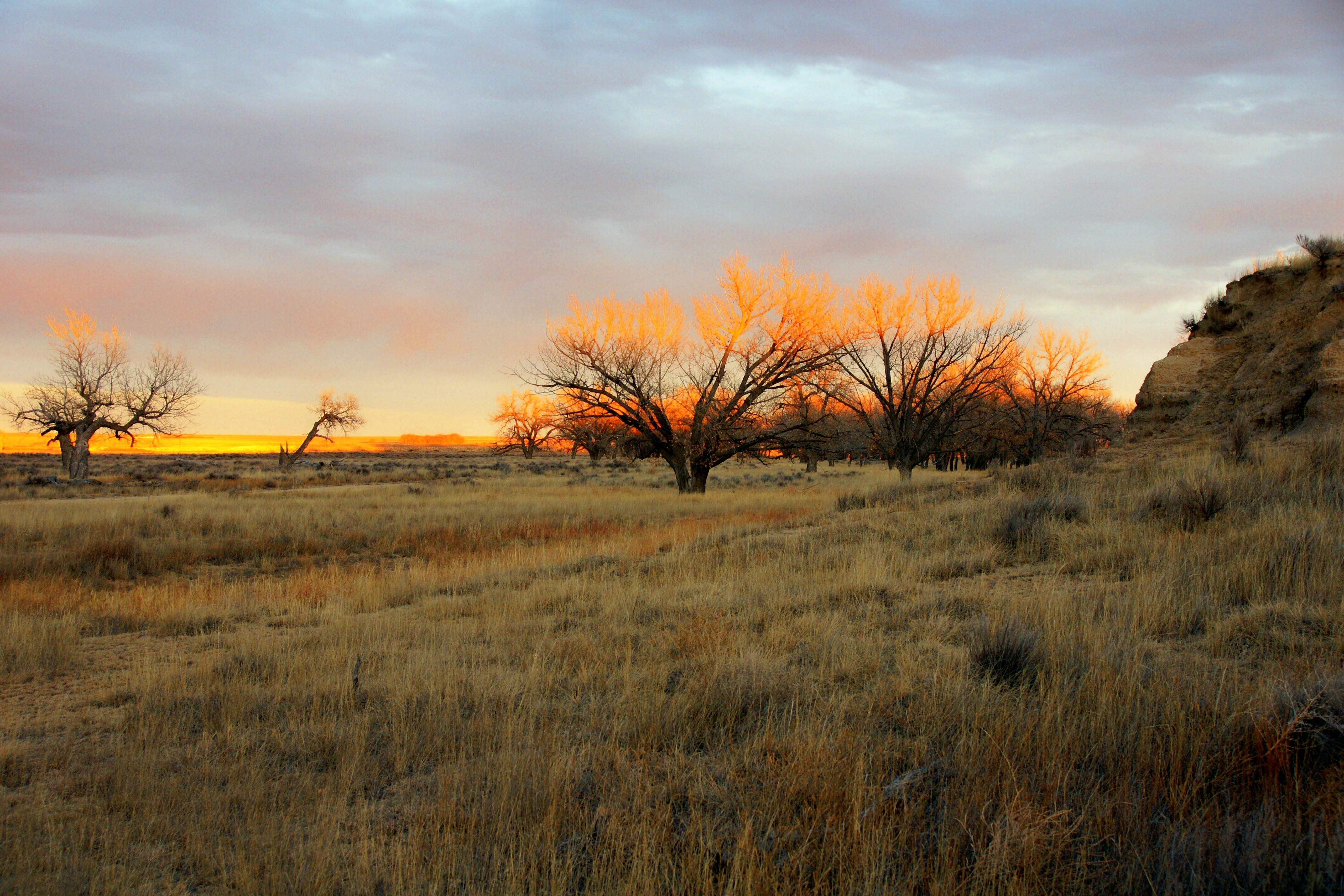
It is a place of mourning, reckoning, and education. The site preserves the ground where U.S. Army troops killed hundreds of peaceful Cheyenne and Arapaho people on November 29, 1864. This event stands as one of the most consequential atrocities in American history. The site is located on open Colorado high plains, 23 miles from the nearest town. Its flat, windswept, and austere landscape reinforces the weight of its history. Guided tours provide the interpretive backbone. Without them, the experience is diminished. An Experience Score of 54 reflects infrastructure limitations, not the site's significance. For visitors ready to engage seriously with a dark, essential chapter of American history, this place is irreplaceable. Casual sightseers should look elsewhere.
The case for it
A visit here delivers primarily through its historical interpretation. A ranger-led guided tour is central to the experience, detailing the November 1864 events, troop movements, and survivor testimonies. The open plains remain largely undisturbed; this ground holds significant historical weight. Hiking provides an opportunity to independently traverse the landscape after a tour. Birdwatching and wildlife viewing along the Big Sandy Creek corridor are secondary attractions, drawing species distinct from the shortgrass prairie environment. The park store and bookstore offer rare resources on Cheyenne and Arapaho history. Plan for a half-day minimum to include a guided tour.
Who it is for
This park offers a powerful experience for those invested in history, particularly students of Indigenous cultures, westward expansion, and U.S. governmental policies affecting Native peoples. Families with older children will find material for essential, difficult conversations. Those whose primary interest lies in extensive hiking, sweeping vistas, or abundant wildlife will find other Colorado destinations more suitable.
Best time to visit
Optimal visitation periods are late spring and early fall, when temperatures average between 50 and 80 degrees Fahrenheit. Summer temperatures frequently exceed 100 degrees on the exposed plains, offering little shade. Midday summer visits will be punishing. Winters bring blizzard risks and difficult road conditions on the 23-mile approach from Eads. Blowing dust and sand are a year-round phenomenon. Always confirm operating status and conditions before committing to the drive.
Worth seeing
- Ranger-guided tours that interpret the specific events of November 29, 1864 on the actual ground where they occurred
- Walking undisturbed high plains terrain along the Big Sandy Creek corridor
- Birdwatching in the riparian zone where the creek draws species absent from the open prairie
- Wildlife watching on surrounding shortgrass plains
- A bookstore and park store stocking serious resources on Cheyenne and Arapaho history
- Free admission to a federally recognized site of national historical and cultural significance
Before you visit
Access is free. The site operates five days weekly; verify hours in advance, especially since the nearest town, Eads, is 23 miles distant. No fuel or food provisions are available on site. Cellular service is unreliable due to the remote location. Visitors should arrive with a full fuel tank, ample water, and weather-appropriate clothing for any season.
Our tipThe critical guidance for this park is to call ahead or check the NPS website for guided tour schedules and build a visit around one. The landscape is largely flat and undifferentiated to the uninformed eye. A tour transforms it from a mere field into a place where history becomes visceral and specific. Without this context, the visitor experience is significantly diminished. Casual sightseers should look elsewhere.