Should you visit Colorado National Monument?
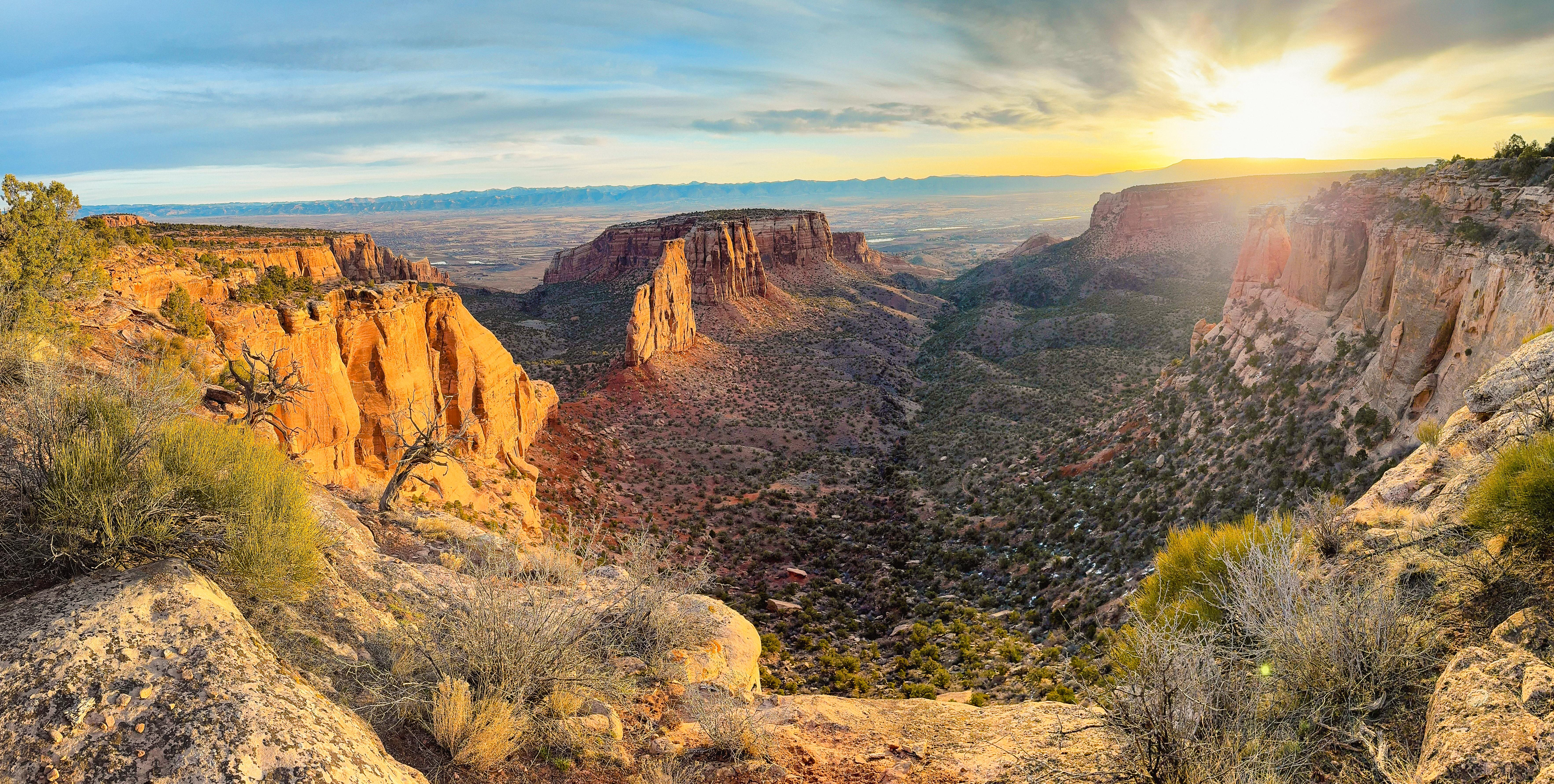
Colorado National Monument offers a substantial red-rock canyon experience near Grand Junction.
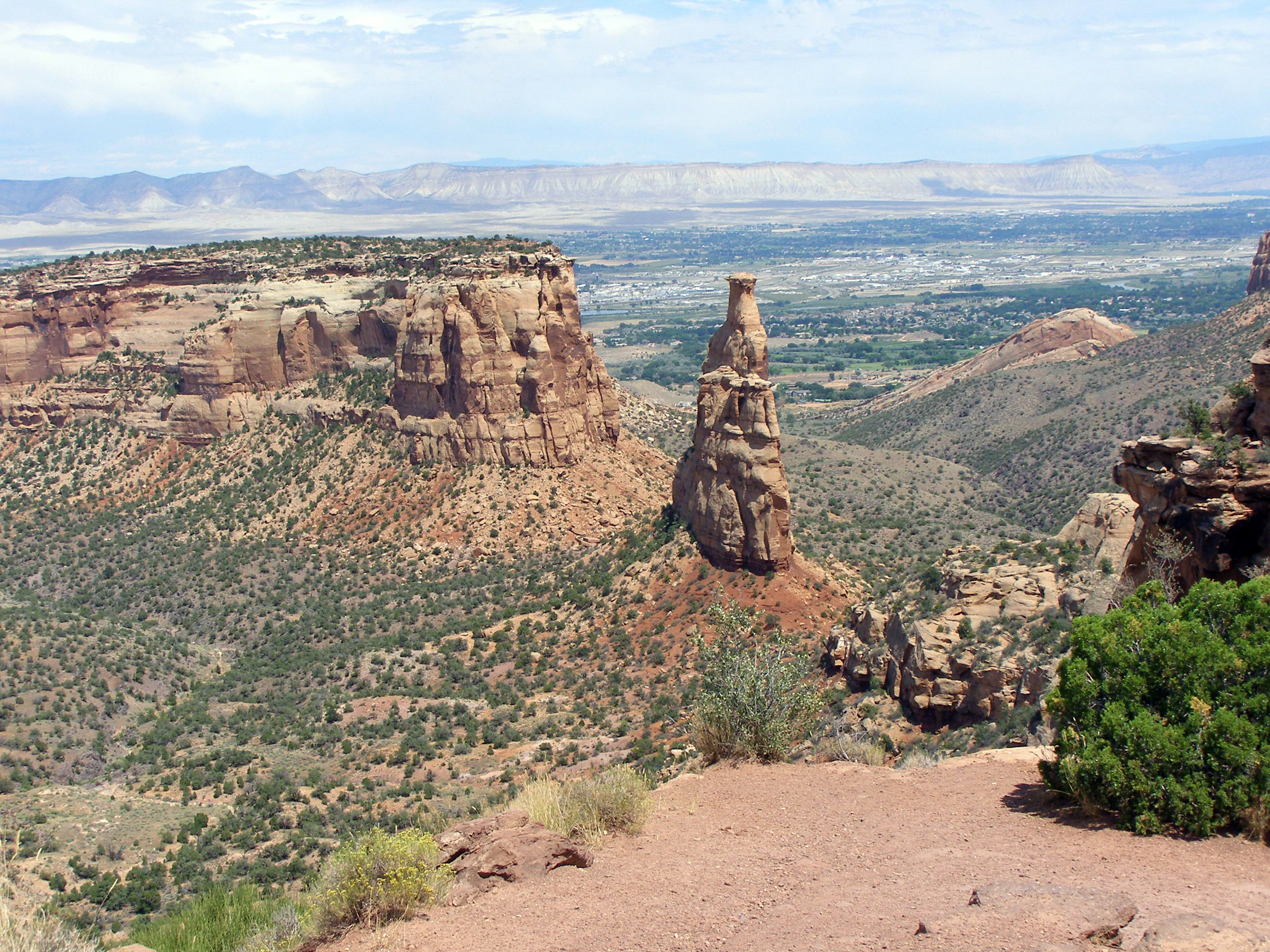
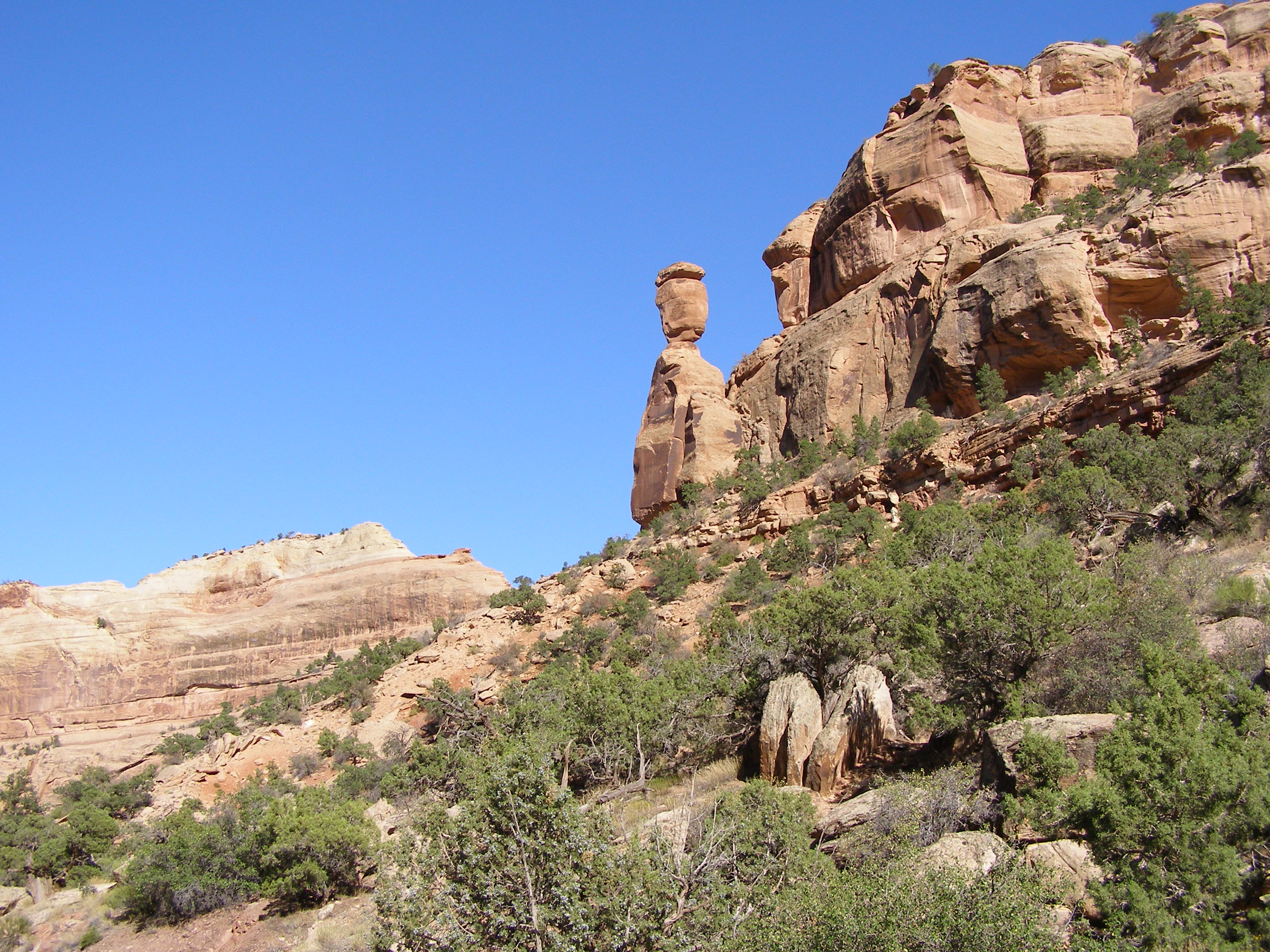
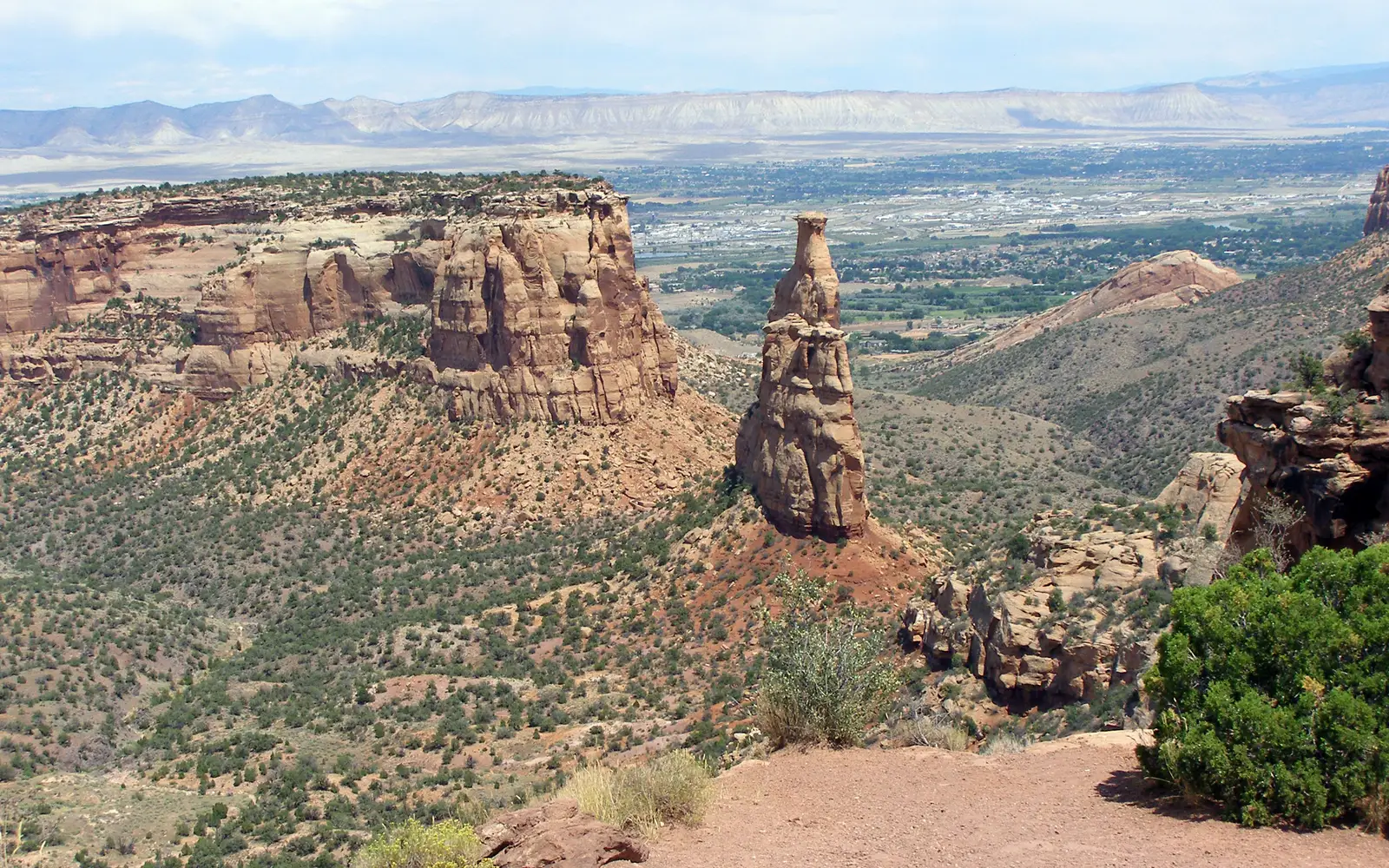
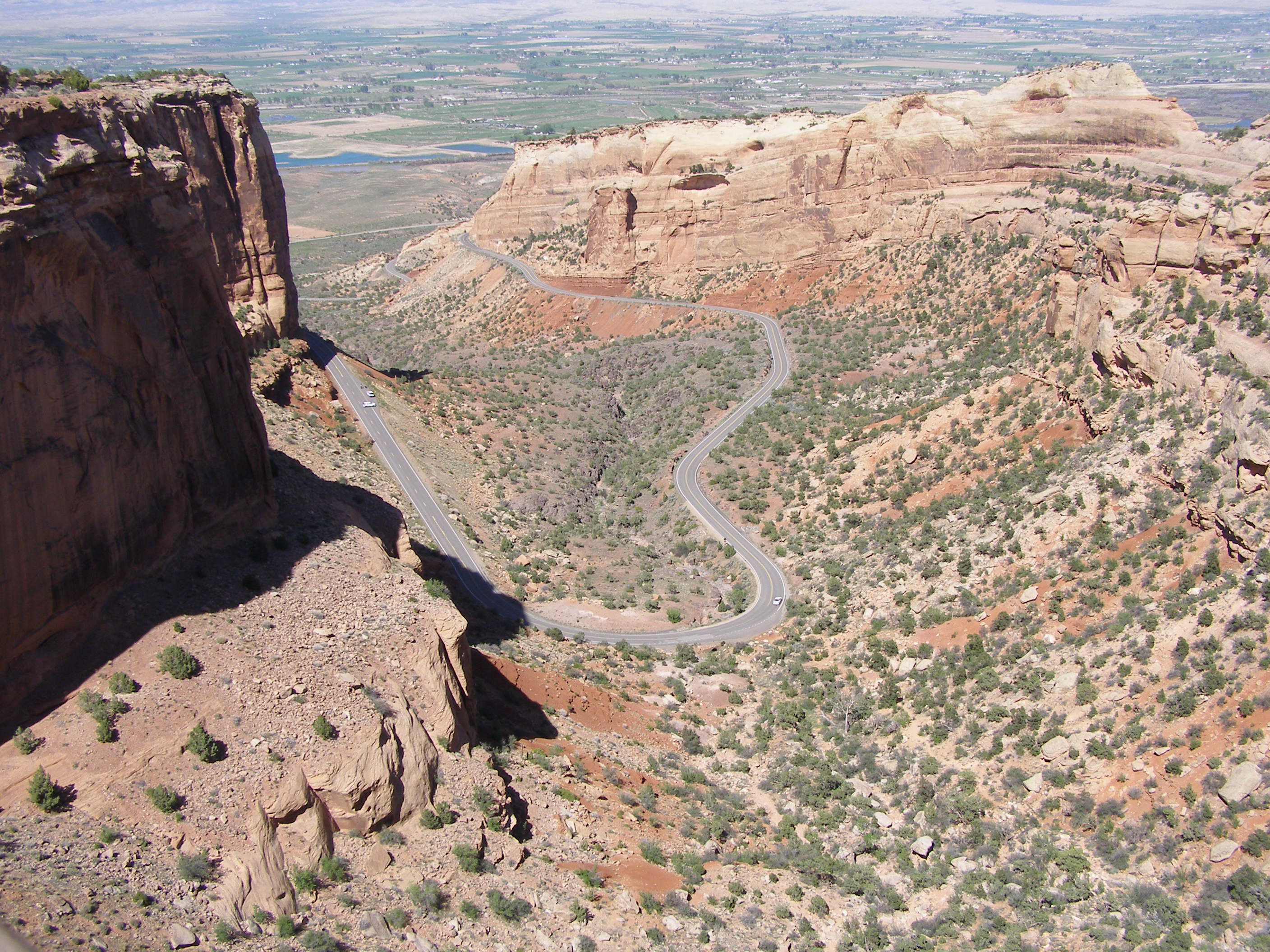
Rim Rock Drive, a 23-mile scenic route, presents monoliths, sheer walls, and expansive plateau vistas. This monument provides a full activity range: road biking, rock climbing, backcountry camping, front-country hiking, and wildlife viewing for bighorn sheep and raptors. Its Experience Score of 92 confirms significant breadth. A long weekend here will not exhaust its offerings. The monument does, however, lack the extensive interpretive infrastructure found in larger national parks. Visitors seeking dense ranger programming or elaborate amenities may note this distinction. For independent travelers prioritizing dramatic desert scenery without crowds or fees, this monument delivers value exceeding its public recognition.
What makes it worth it
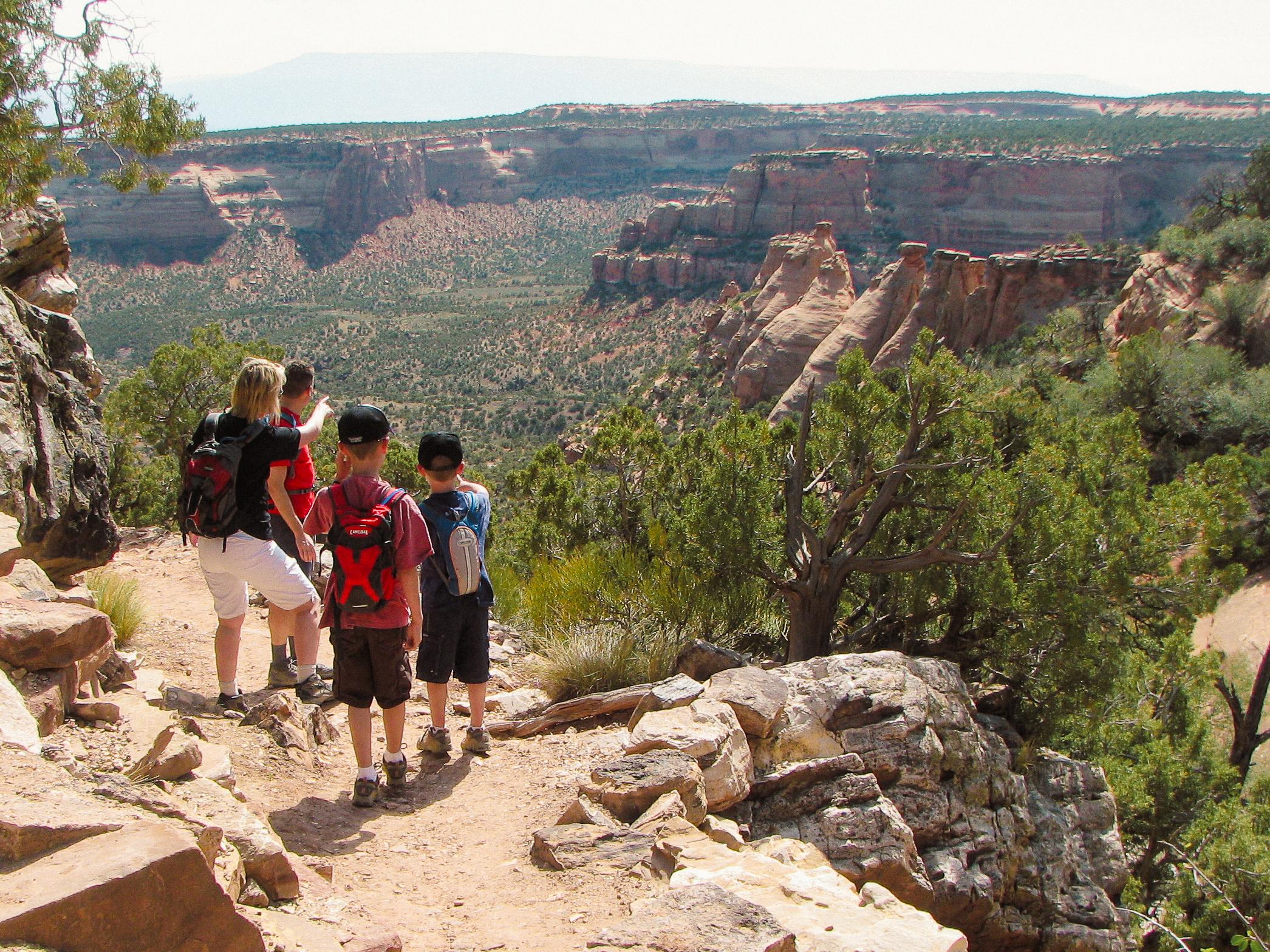
This Monument rewards early risers. Rim Rock Drive offers dramatic canyon overlooks; bighorn sheep frequently appear on cliff faces below. The route presents a legitimate cycling challenge with significant elevation changes and unobstructed views. Climbers will find documented routes on sandstone monoliths. For hikers, front-country trails descend into the canyons, while backcountry options offer overnight immersion away from road sounds. Front-country campsites provide sunset views of canyon walls. The combination of a scenic drive, substantial hiking, climbing access, and wildlife viewing solidifies a two-night stay as genuinely rewarding, far beyond a quick driving tour. For what it offers at no cost, the experience is exceptional.
Who should go
Colorado National Monument delivers an exceptional experience for specific visitor types. Road cyclists, rock climbers, and canyon hikers will find its offerings particularly compelling. For families, the Junior Ranger program adds value, complemented by accessible overlooks along Rim Rock Drive. Travelers on a budget receive an outsized return for a free park. However, those anticipating the grand scale or extensive amenities of larger national parks should adjust their expectations accordingly.
When to go
Spring and fall present ideal conditions, with daytime temperatures in the 70s to low 80s F and cool nights. Summer temperatures frequently exceed 100 F. Afternoon thunderstorms are common, limiting strenuous activity to early mornings. Winter leaves Rim Rock Drive mostly accessible; however, snow and ice trigger intermittent closures. Check the park hotline for current road conditions.
Highlights
- Rim Rock Drive: a roughly 23-mile scenic road tracing canyon rims with pull-offs above sheer sandstone walls
- Bighorn sheep and raptor watching from canyon overlooks
- Road biking on Rim Rock Drive with sustained elevation and open desert views
- Rock climbing on sandstone monoliths within the monument
- Backcountry camping options for overnight canyon experiences away from road traffic
- No entrance fee, making it one of the most accessible major canyon landscapes in the Southwest
Plan ahead
Colorado National Monument offers year-round access, but winter travelers should call (970) 858-3617 ext 350 for Rim Rock Drive conditions. The park never closes. Entry is free. Front-country camping is permitted, and backcountry campers can obtain permits. Grand Junction, a full-service city, is minutes from the west entrance.
Editor's tipCyclists approaching Rim Rock Drive should begin from the Grand Junction entrance. This eastern start positions riders to benefit from prevailing winds and a favorable grade on the return trip. It also allows for quicker access to post-ride amenities in Grand Junction, avoiding unnecessary backtracking.