589 units scored Refreshed on a schedule Independent, no sponsored rankings
National Wildlife RefugeCA
San Luis National Wildlife Refuge
NPS / Steve Martarano/USFWS
53/ 100FOCUSED
parkverdict Experience ScoreIndependent, not sponsored
53 of 100. Our independent breadth-and-access index. How we score
Our verdict
Should you visit San Luis National Wildlife Refuge?
San Luis NWR foregrounds its identity as a working refuge, not a polished visitor attraction.
Spanning 26,800 acres of San Joaquin Valley wetlands, grasslands, and vernal pools, it offers significant wildlife density. Expect to see tule elk, endangered California tiger salamanders, and San Joaquin kit foxes. Three auto tour routes provide accessibility without demanding extensive physical effort. This is flat, quiet, agricultural-edge country. The refuge rewards patience and binoculars; it does not cater to casual sightseers. Free entry enhances its value.
Who should go
This refuge caters to a specific visitor. Birders, wildlife photographers, and hunters will find its offerings compelling. The data makes a strong case for its appeal to those seeking rare San Joaquin Valley species. Casual sightseers should look elsewhere; this is not a destination for dramatic scenery. Families comfortable with slow, observational outings will also find it genuinely
Highlights
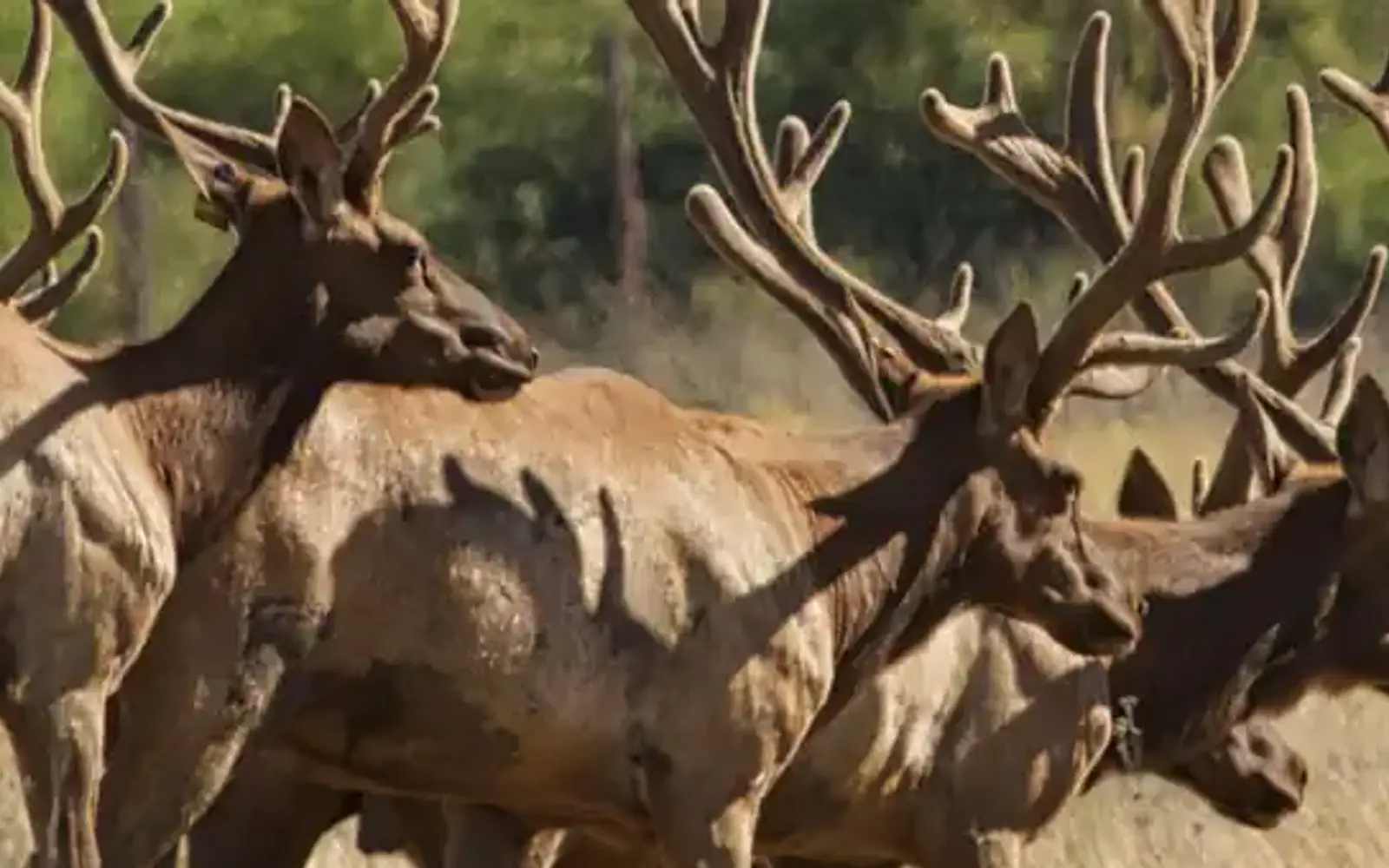
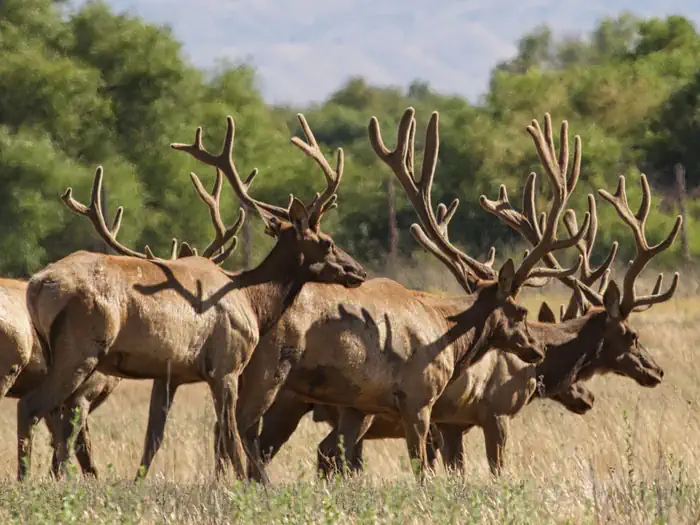
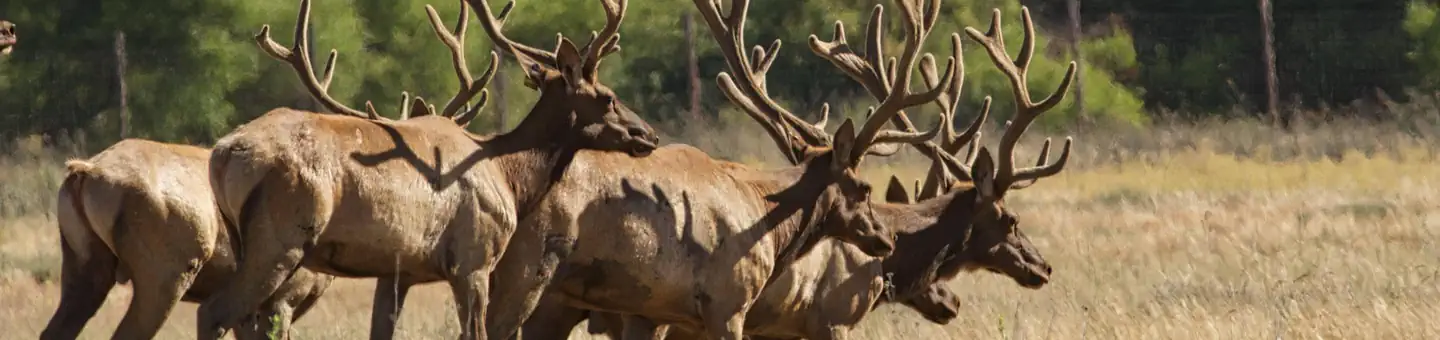
Tule elk viewable from dedicated auto tour routes, one of the few reliable spots in California for this endemic subspecies
Wetlands and vernal pools supporting endangered species including the California tiger salamander and long-horned fairy shrimp
Serious birding opportunities across migratory waterfowl habitat established specifically under the Migratory Bird Conservation Act
Hunting and fishing access that most national parks cannot offer, adding a practical draw for those users
Editor's tipThis destination rewards specific seasonal visits. Peak migratory waterfowl viewing occurs between November and February. During these months, elk are also most active across the open grasslands. Prospective visitors must consult the refuge website prior to arrival. Seasonal water management protocols can instigate unannounced closures of auto tour routes.
How we scored it
Why San Luis National Wildlife Refuge scores 53
We keep the math boring on purpose. The same handful of public-data inputs, capped so none of them dominates, decide every score. What they measure is breadth and access, not beauty and not crowd levels. For San Luis National Wildlife Refuge, they shook out like this:
Activity breadth8 documented activities
Topic breadth0 topics
Official imagery2 public-domain images
Camping on sitenone recorded
Entry costfree
No number is hand-adjusted and no unit pays for placement. The full weights, the floor at 18 and a worked example are on how we score.
The honest limits
What the number leaves out
Worth saying plainly: this number only knows what the data shows, which is breadth and access. It has no idea whether the scenery is jaw-dropping, whether the lot is a zoo in July, what shape the trails are in, or how good the guided walks are. So do not read a lower score as a worse day out. A focused little site can beat a big all-rounder for the right person. Compare the numbers for what is on offer, then read the verdict for who each place actually suits.
Background
The short version
The San Luis National Wildlife Refuge covers over 26,800 acres. This area includes wetlands, riparian woodlands, native grasslands, and vernal pools. One of its three auto tour routes features a population of tule elk, an endemic species.
The refuge supports many types of animals and plants. These include birds, mammals, reptiles, amphibians, fish, and insects. Some species found here are endangered, such as the California tiger salamander, the long-horned fairy shrimp, and the San Joaquin kit fox.
The Migratory Bird Conservation Act established the San Luis National Wildlife Refuge in 1967. The first land parcel was bought using federal Duck Stamp funds. Its purpose was to create a sanctuary for migratory waterfowl. The refuge has expanded over time.
Today, it consists of six connected units: San Luis, East Bear Creek, West Bear Creek, Freitas, Blue Goose, and Kesterson. The San Joaquin River cuts through the refuge's eastern section.
The refuge acts as a primary wintering and migratory stopover point for large groups of waterfowl, shorebirds, and other waterbirds. From autumn through spring, the wetlands become active. Many migrating waterfowl, shorebirds, and wading birds arrive in the San Joaquin Valley. These wetlands offer abundant food and shelter. They provide a critical wintering area along the Pacific Flyway migration route.
On documented breadth and access, San Luis National Wildlife Refuge ranks 38th of 45 park and public-land units we score in California.
Is San Luis National Wildlife Refuge worth visiting?
San Luis NWR foregrounds its identity as a working refuge, not a polished visitor attraction.
Is San Luis National Wildlife Refuge free to visit?
It is free to get in.
What is San Luis National Wildlife Refuge best for?
It leans hardest toward hiking, water activities, wildlife watching, scenic drives, going by the 8 activities it actually documents.
How is the Experience Score for San Luis National Wildlife Refuge calculated?
The 53 comes straight from public data on how much the place documents and how easy it is to reach, things like activities, topics, photos, camping and whether entry is free. It says nothing about scenery or how busy it gets.
Reviewed by Irene A. Taranina, founding editor/Checked against official public data/Published /Updated /Independent, no sponsored rankings
parkverdict is an independent digital publication. Not affiliated with the National Park Service.