Is San Juan Island National Historical Park worth it?
San Juan Island National Historical Park presents a unique convergence of historical significance and natural appeal.
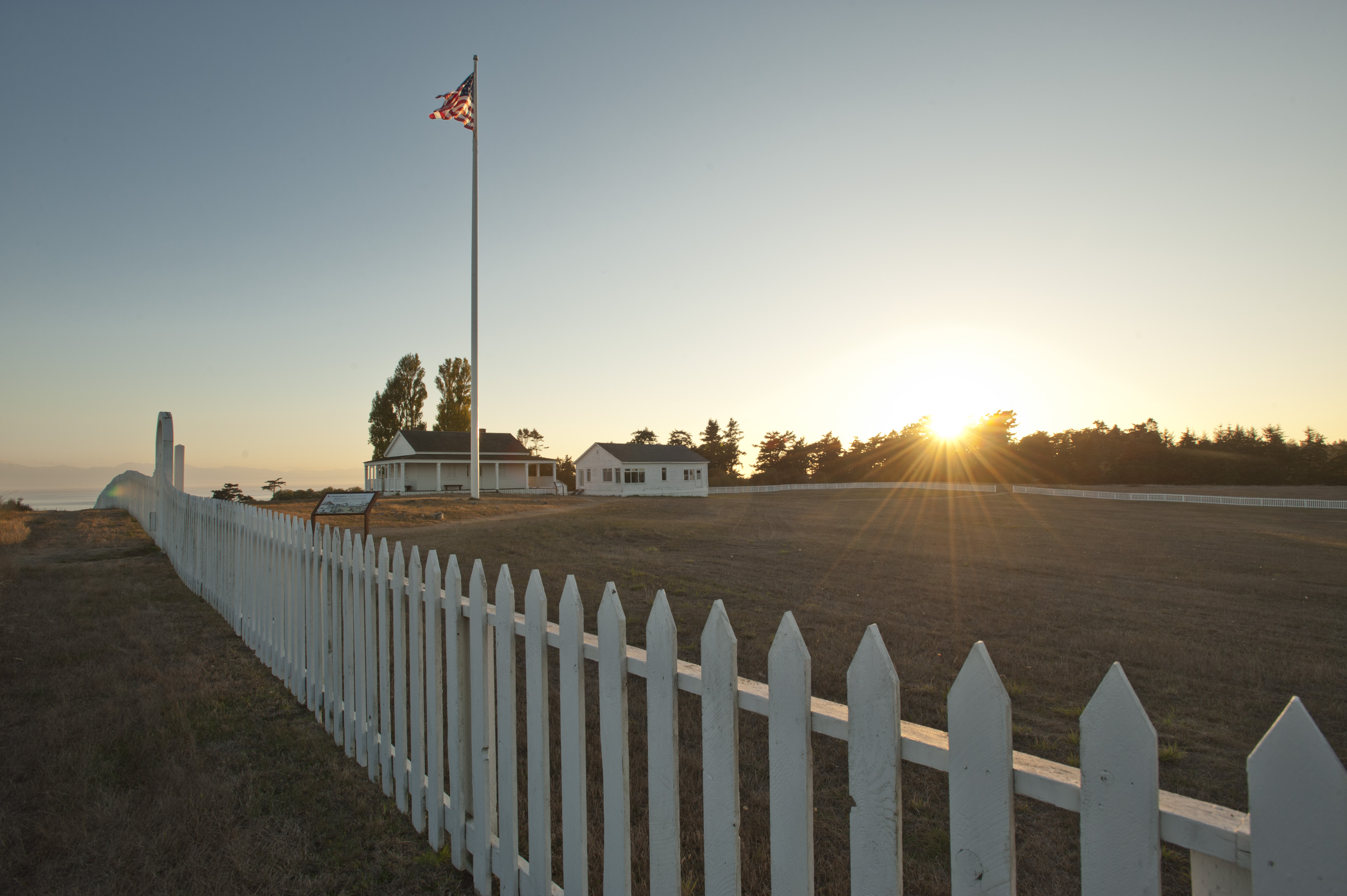
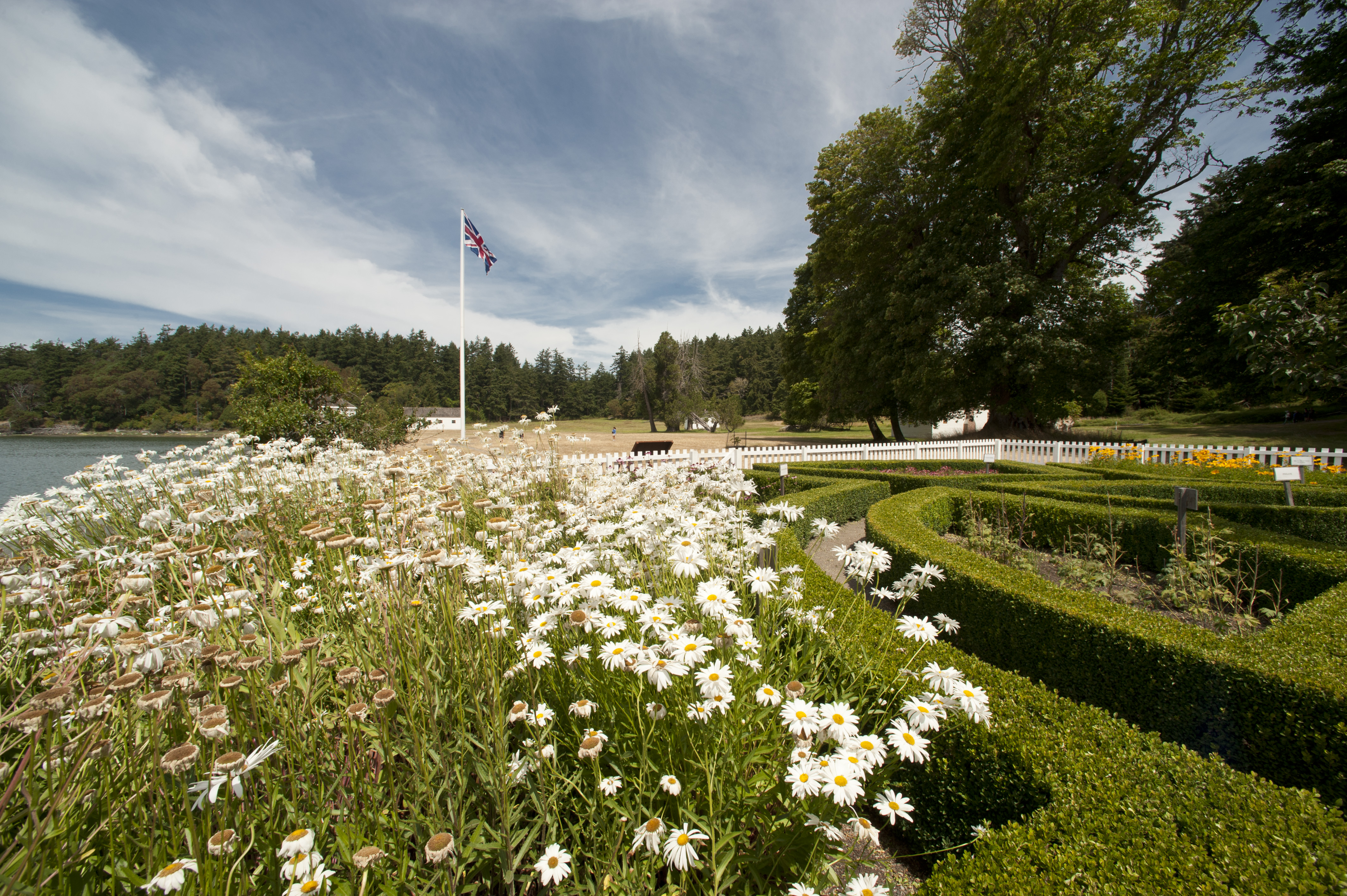
This unit preserves the sites of the 1859 Pig War, a bloodless diplomatic dispute between American and British forces. The narrative of this standoff, sparked by a single pig, is specific and engaging. However, the park offers more than just history. Visitors can explore open prairies and saltwater shorelines. The area is also noted for its wildlife viewing, including resident orca pods. Ample trails and paddling opportunities can easily occupy a full day or an entire weekend. Free entry and 24-hour grounds access enhance its accessibility. An experience score of 88 underscores its substantial offerings; this is not a quick visit. It effectively caters to a diverse audience. History enthusiasts will find much to explore. Families, cyclists, kayakers, and wildlife watchers all have distinct reasons to visit. This breadth is rare for a historical park.
The case for it
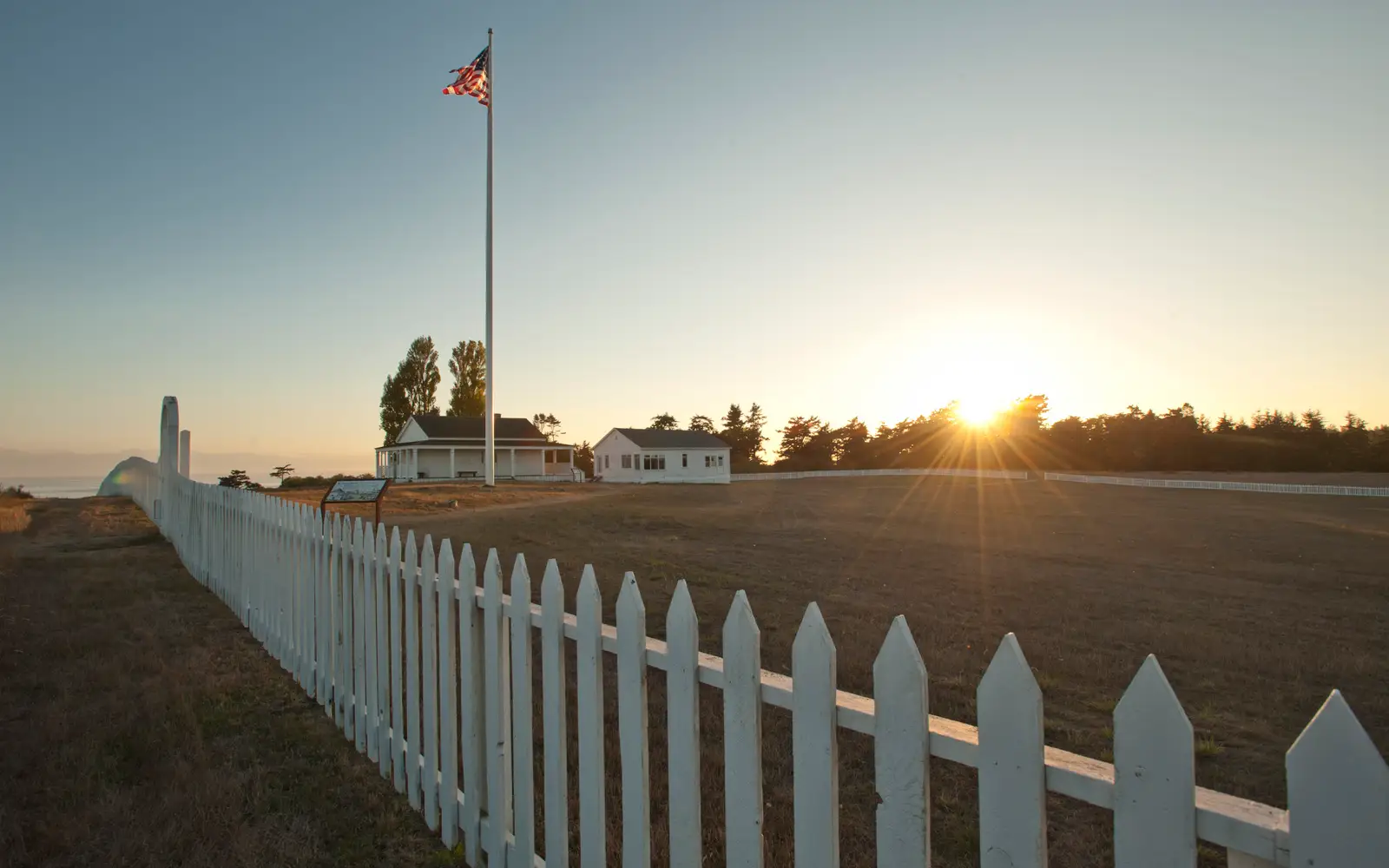
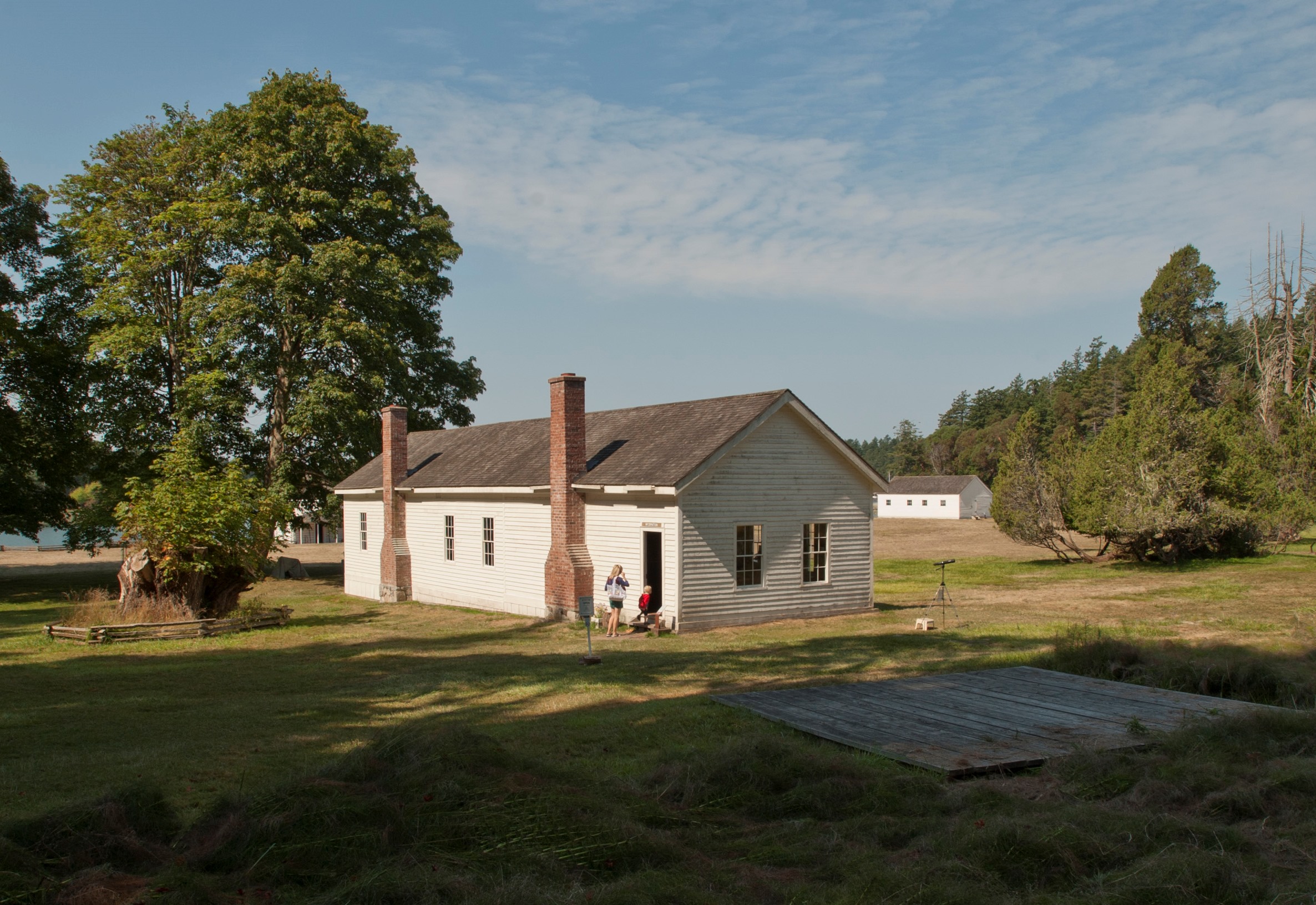
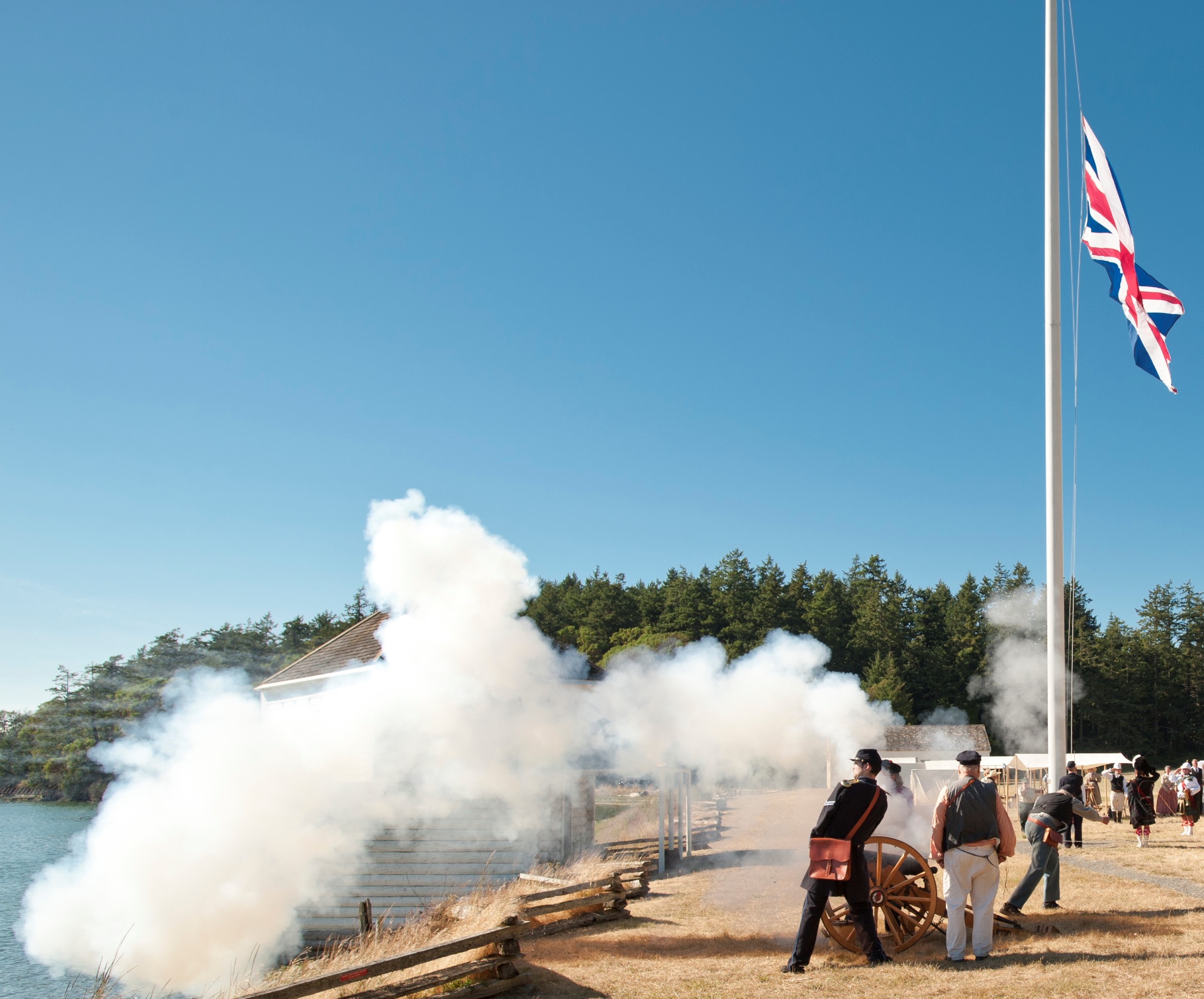
This unit excels in its blend of historical interpretation and ecological engagement. The two preserved camps, American Camp and English Camp, offer extensive living history demonstrations, historic weapons displays, and first-person interpretation. This brings the Pig War era vividly to life. Beyond the historical narrative, American Camp preserves one of the last native prairies in the Puget Sound region. Its saltwater shoreline provides legitimate opportunities for orca and birdwatching. Cyclists can connect the two camps via island roads. Kayakers have direct saltwater access. The Junior Ranger program engages families. For visitors seeking both deep historical context and significant outdoor access, this destination delivers.
Who it is for
This park offers a compelling blend of historical immersion and outdoor activity. History-minded travelers will find it close to ideal. Families benefit significantly from the living history programming and structured Junior Ranger activities. Cyclists and paddlers can easily build a full day around the landscape's offerings. However, those seeking pure backcountry wilderness should consider other destinations.
Best time to visit
For those prioritizing an immersive historical experience, summer is the time to visit. However, the naturalist will find late spring, especially May, the most rewarding season. Wildflowers are at their peak across the prairie. Temperatures remain mild, ranging from the 40s to 60s. Critically, summer crowds have not yet descended. While summer offers the fullest schedule of living history programs, it also brings significant visitation and the risk of heat exhaustion on exposed trails. Fall maintains pleasant temperatures into the 60s, a comfortable alternative. Choose between active history and natural splendor.
Worth seeing
- Living history and first-person interpretation of the 1859 Pig War at both American and English Camp
- Historic weapons demonstrations that bring the military standoff to life
- One of the last native prairies in the Puget Sound and Northern Straits region
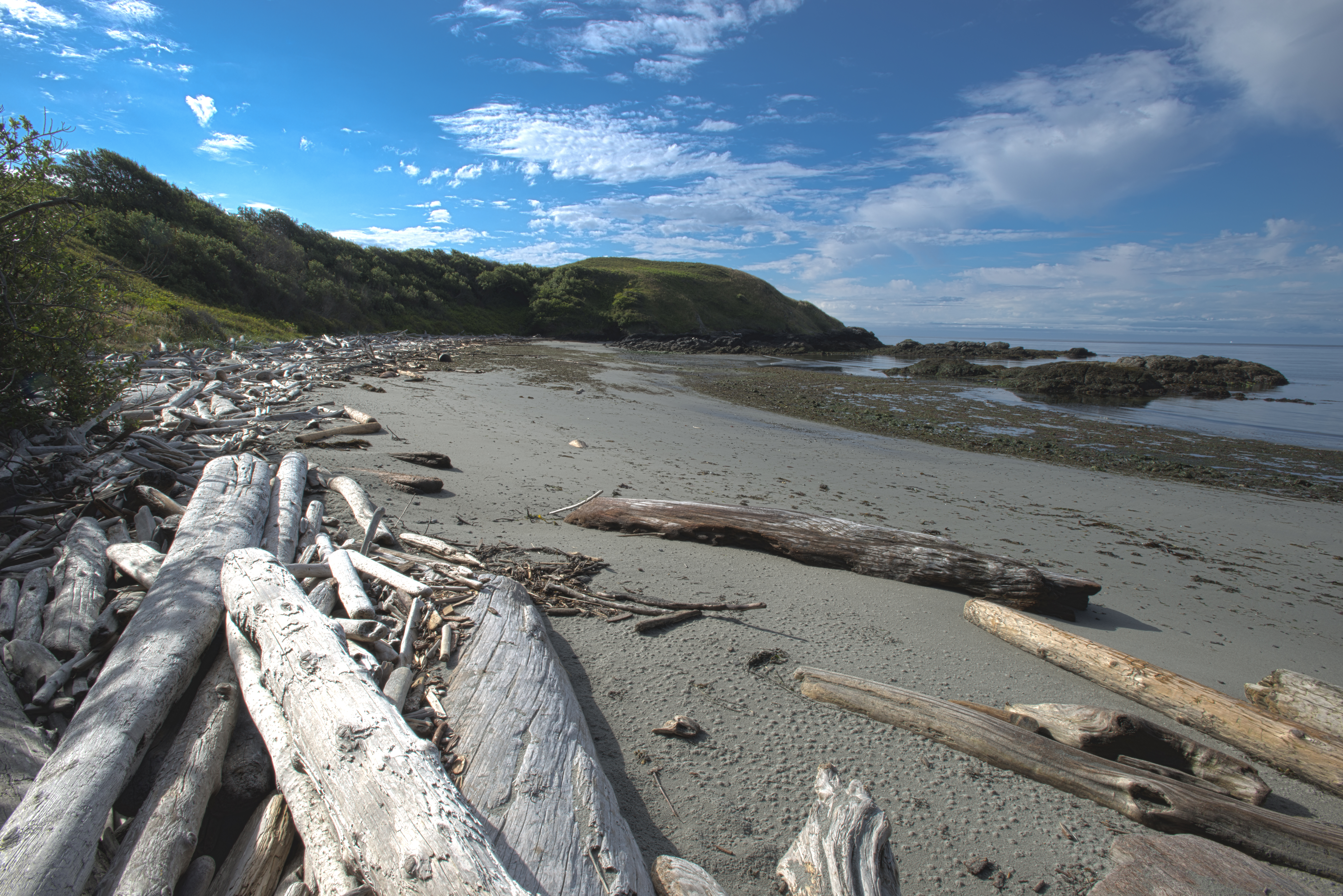
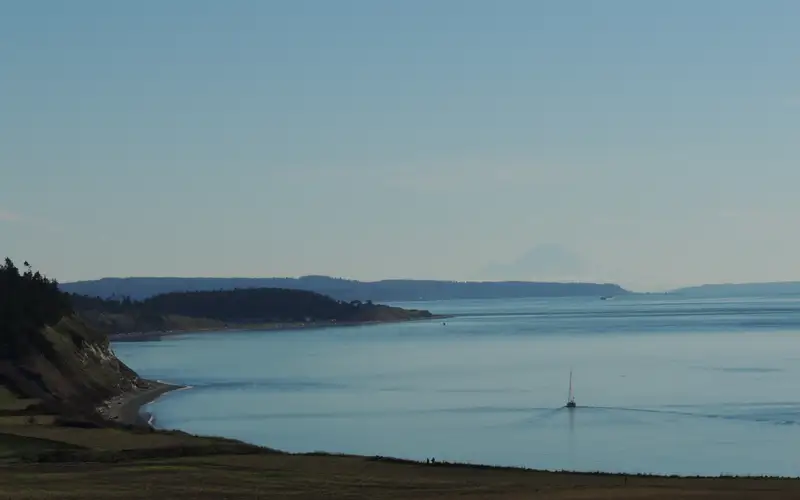
- Saltwater shoreline access for kayaking, swimming, and orca and seabird watching
- Biking between the two camps across San Juan Island
- Junior Ranger program structured around a genuinely unusual historical episode
Before you visit
This unit presents a unique historical and natural excursion. Its division into two primary units, American Camp and English Camp, necessitates a bicycle or vehicle for effective navigation across San Juan Island. Accessing San Juan Island requires advance booking for the Washington State Ferry from Anacortes, particularly during peak summer months. Visitors should carry their own water for prairie walks, which offer little shade. The scale is the draw here. This destination suits those prepared for logistical planning and self-sufficiency. Casual sightseers should look elsewhere.
Our tipThe American Camp prairie walk at dawn presents prime wildlife viewing. Foxes are often active along open grassland edges. Unobstructed views across the Strait of Juan de Fuca add to the early morning appeal.