parkverdict
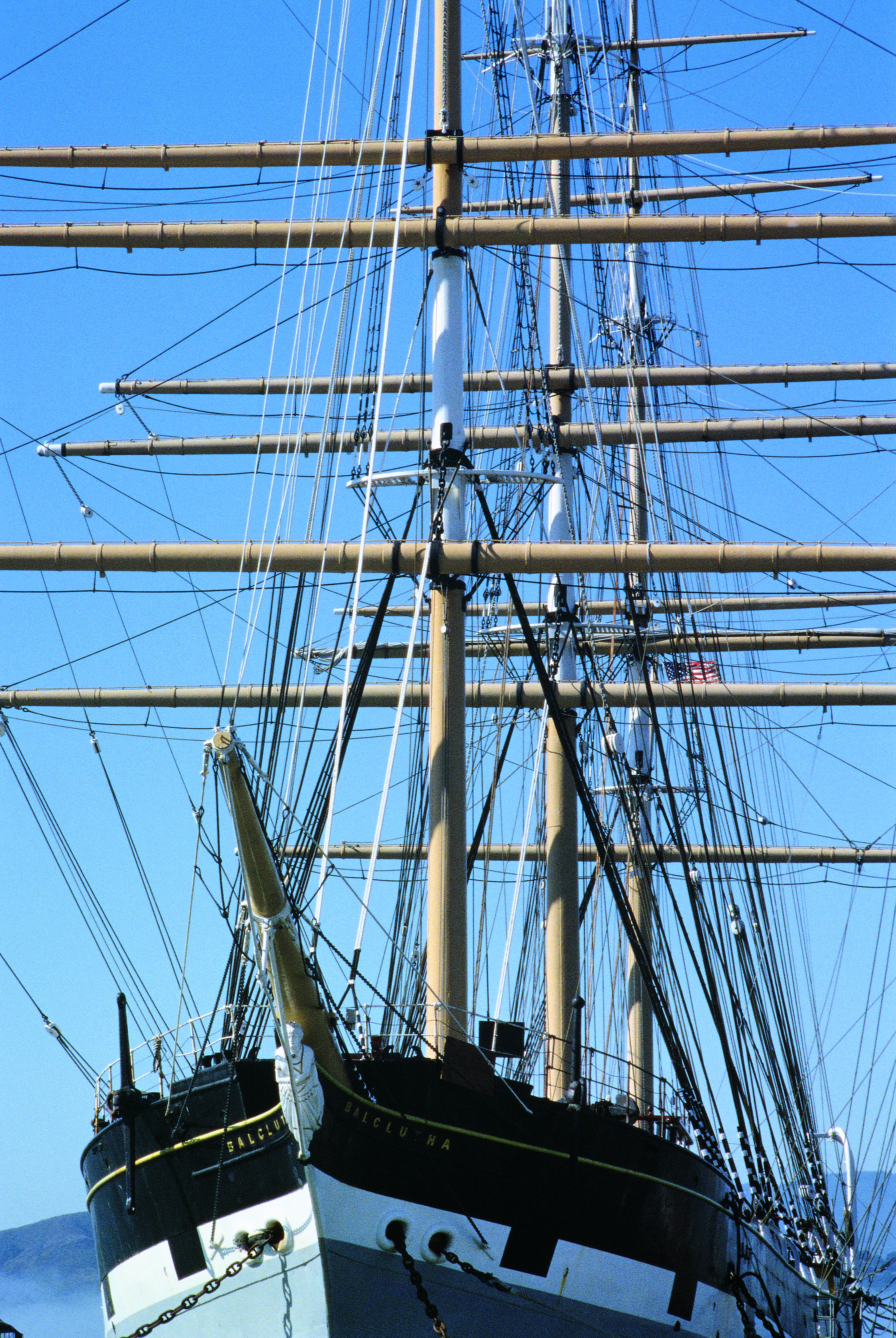
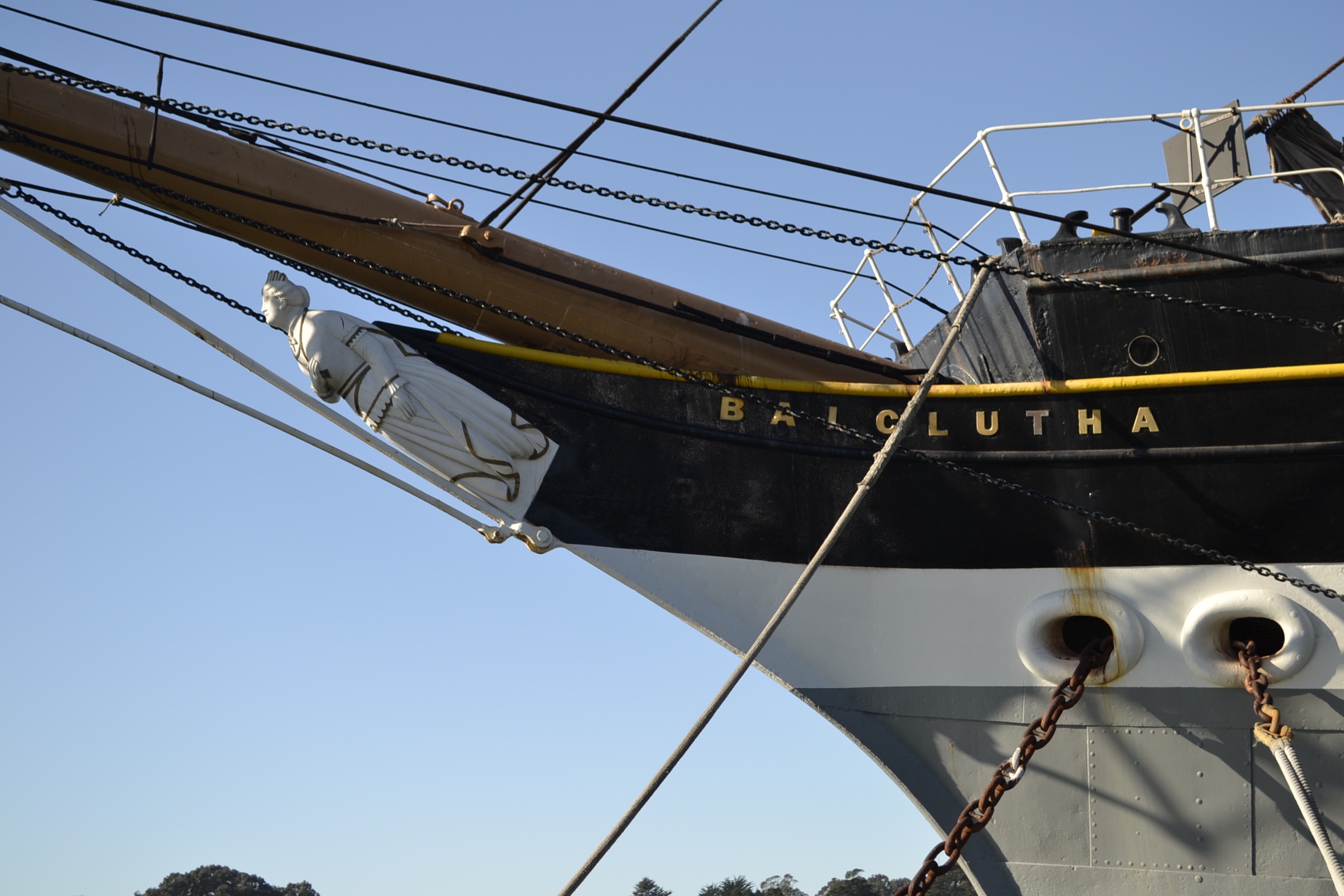
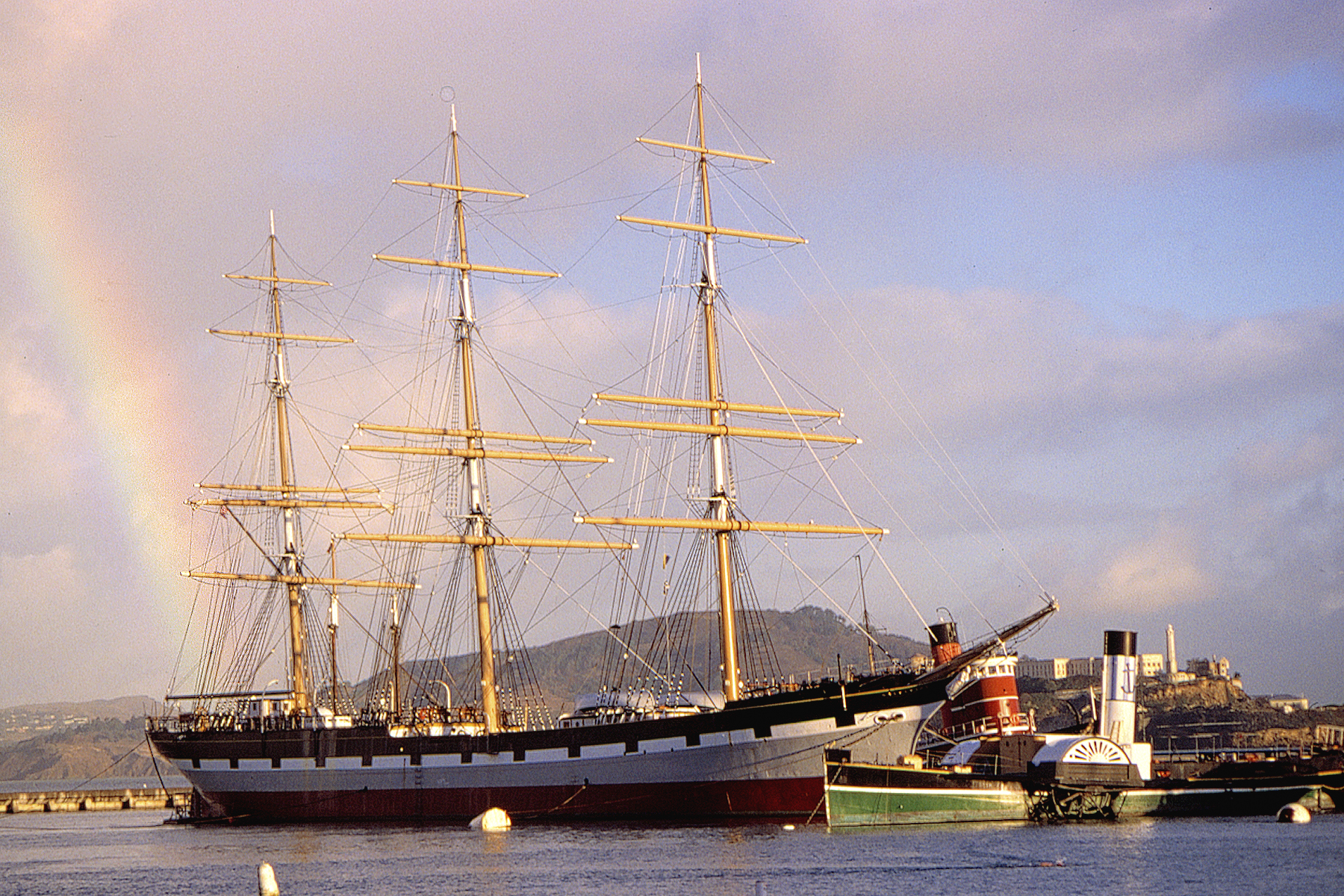
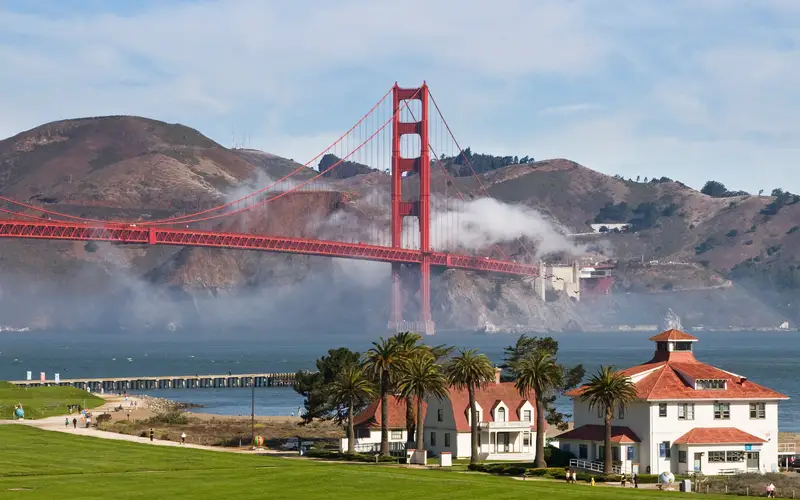
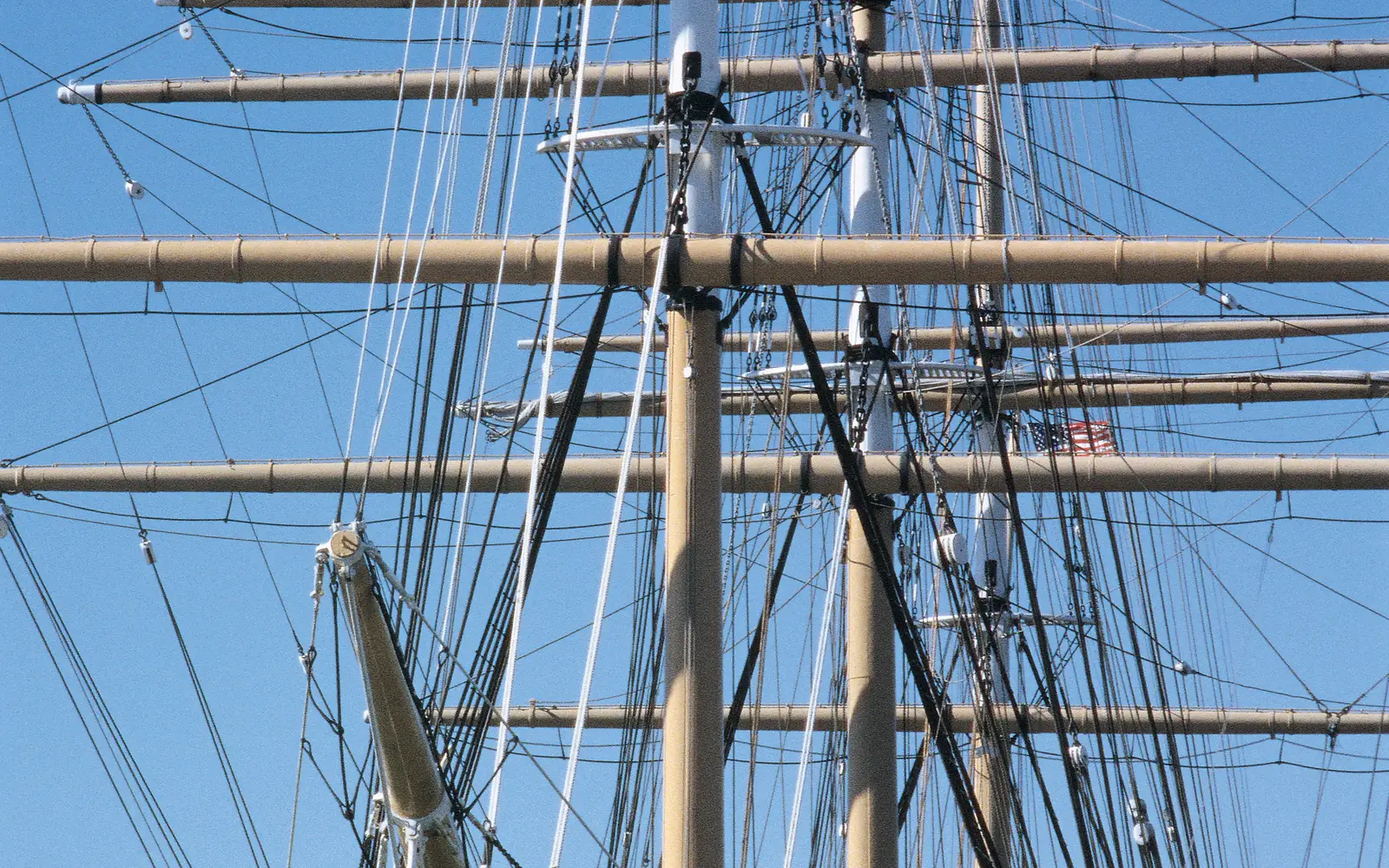
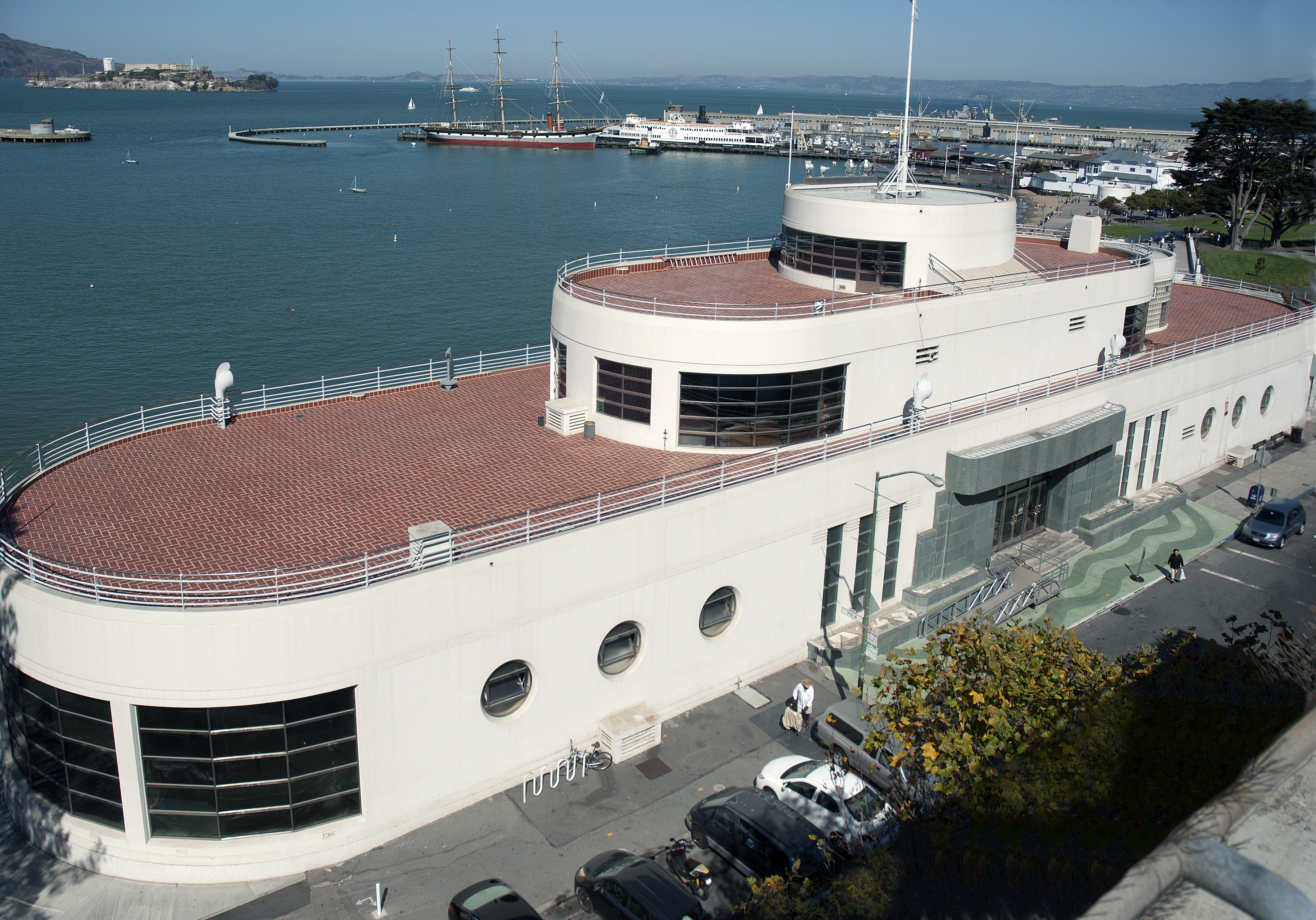
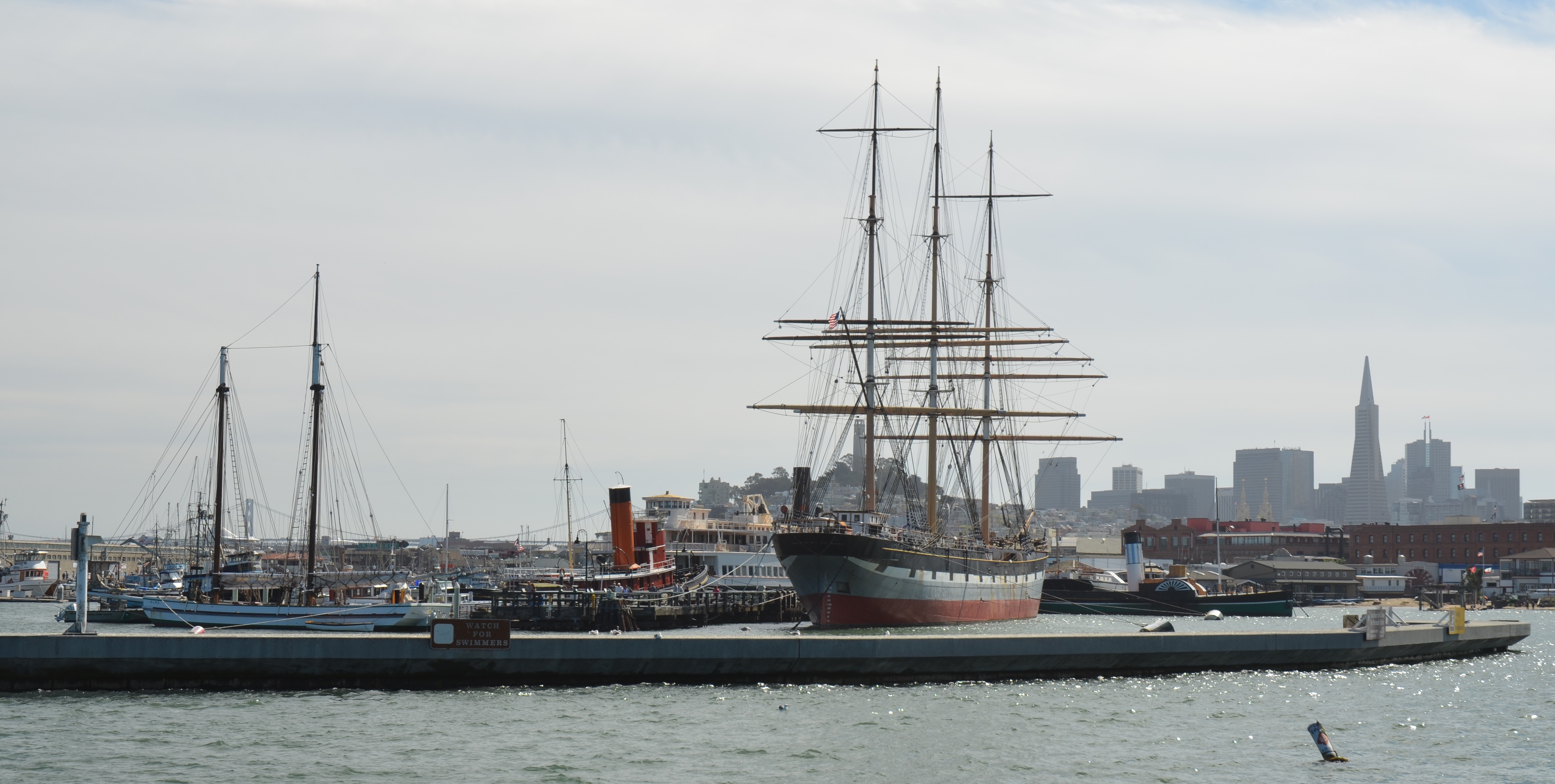
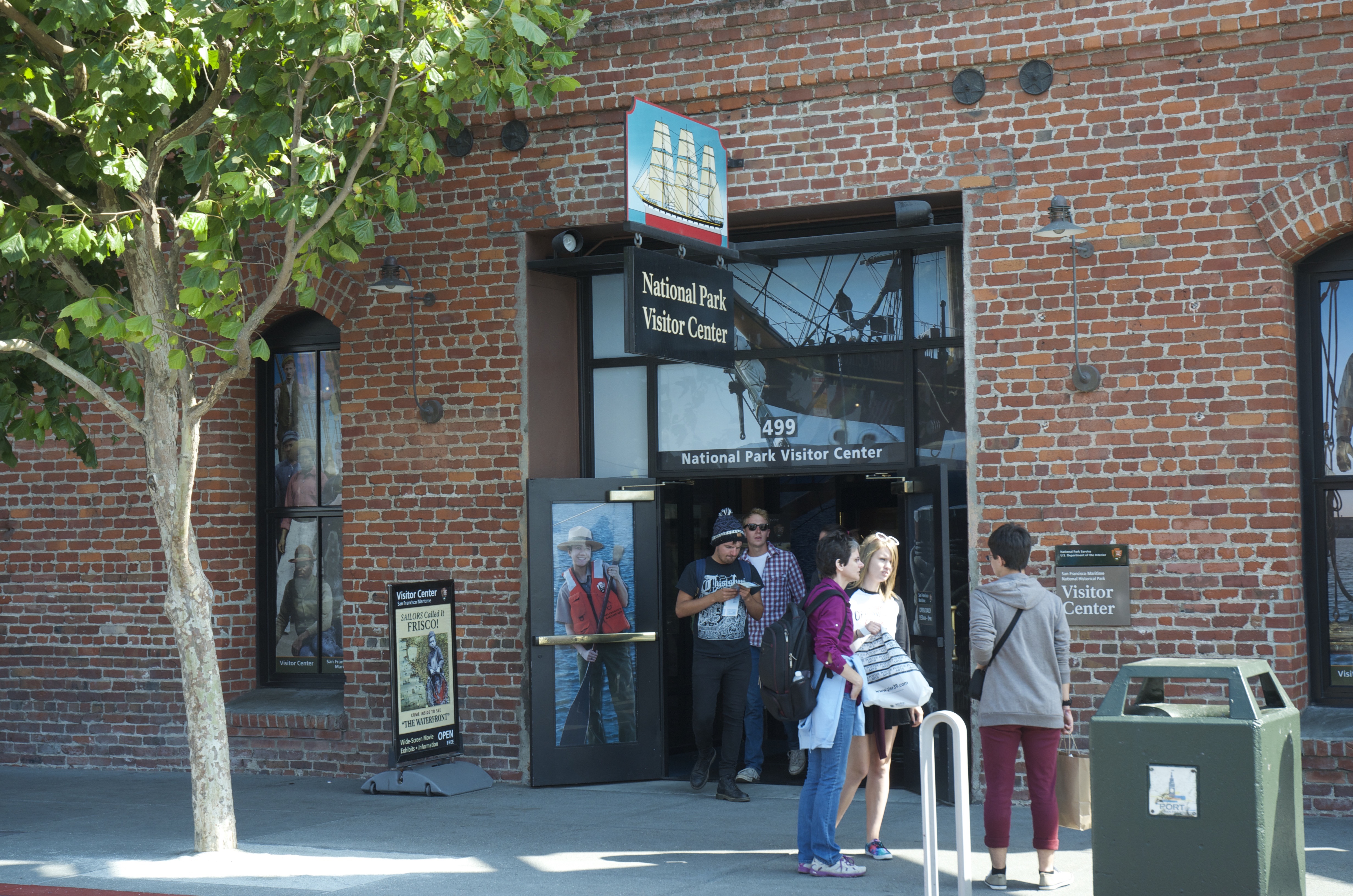
The bow and masts of a 19th century sailing ship.A red-roofed building with water and a pier behind it.A group of vessels moored at at pier.An open double door into a brick building.
National Historical ParkCA

San Francisco Maritime National Historical Park

NPS / NPS Photo
86/ 100DOES IT ALL
parkverdict Experience ScoreIndependent, not sponsored

86 of 100. Our independent breadth-and-access index. How we score

The bottom line

San Francisco Maritime National Historical Park: our verdict

San Francisco Maritime National Historical Park covers just 50 acres, tucked between Fisherman's Wharf and the Fort Mason waterfront at Aquatic Park Cove, yet it consistently outperforms its size.

You can board historic vessels, dig into a serious museum, watch live demonstrations, and join living history programs that make 19th-century Pacific Coast trade feel immediate rather than remote. Admission is free, the park sits along one of the most visited urban waterfronts in the country, and most people still walk straight past it. That is a genuine mistake. A focused half-day here, timed around a demonstration or guided tour, is one of the more substantive history experiences the Bay Area can offer. It has something real to say to anyone curious about seafaring, labor history, or what San Francisco looked like before the tech industry remade the city. Casual visitors will enjoy it, and anyone with a serious interest in history will leave wishing they had stayed longer.

Why visit

Begin at the Hyde Street Pier, where the park's historic vessels are moored and open to the public. Craft and cultural demonstrations put traditional maritime trades right in front of you in a way that museum placards never quite manage. You might run into crew members in period dress walking you through a trade or a voyage, part of the living history programming woven throughout the site. The museum exhibits fill in the broader story of Pacific Coast commerce and the communities that drove it. Boat tours and sailing opportunities get you out on the water rather than just standing at its edge. Kids can work through the Junior Ranger program while adults take their time with the ships. Everything here is free, walkable, and compact enough to cover thoroughly in a few hours, which makes this a rare urban park that delivers real substance without requiring a full day or any serious planning.

Who it suits

Maritime history enthusiasts, families with school-age kids, and anyone curious about San Francisco's identity from the pre-Gold Rush era through the early 20th century will find this place genuinely rewarding. For scenic overlooks or hiking, Crissy Field sits just a few blocks away. This park centers on ships, trades, and stories.

Timing your visit

September and October are San Francisco's warmest, clearest months, which makes them the best time to walk the pier and cove. Summer fog rolls in off the Bay and keeps the waterfront cold and grey well into the afternoon. Spring and fall bring mild weather and the most active programming. Winter is rainy but almost never drops anywhere near freezing.

What stands out

  • Boarding historic vessels moored at Hyde Street Pier for a hands-on sense of 19th-century Pacific seafaring
  • Live craft and cultural demonstrations showing traditional maritime trades in action
  • First-person and living history interpretation that goes beyond static displays
  • Free museum exhibits covering the full sweep of Pacific Coast maritime commerce
  • Boat tours and sailing opportunities on San Francisco Bay itself
  • Junior Ranger program offering structured, engaging activities for kids at no cost

Good to know

Admission to the park and visitor center is free, but boarding the historic vessels at Hyde Street Pier costs extra. The visitor center is open daily from 10am to 5pm and closes on major federal holidays. Parking near the Fisherman's Wharf corridor is expensive and scarce, so take the cable car or transit instead. It suits the neighborhood better anyway.

Insider tipBefore heading out, check the park's schedule for days that feature living history events or craft demonstrations. The programming varies quite a bit, and catching a day with active first-person interpretation is genuinely worth planning around.

How we scored it

How San Francisco Maritime National Historical Park earned its 86

Where does a 86 come from? One formula, run the same on every place we cover, built only from public data on what a unit offers and how reachable it is. It says nothing about how pretty a spot is or how busy it gets. This is what fed it:

  • Activity breadth19 documented activities
  • Topic breadth15 topics
  • Official imagery6 public-domain images
  • Camping on sitenone recorded
  • Entry costfree

No number is hand-adjusted and no unit pays for placement. The full weights, the floor at 18 and a worked example are on how we score.

The honest limits

Where the score goes quiet

One limit to keep in mind. Everything here comes from public records on what a unit documents and how reachable it is, so the score cannot judge beauty, crowds, trail conditions, weather, or how good any single program is. That is exactly why a small, specific place can score below a sprawling park and still be your better trip. Take the number as a like-for-like look at what is on paper, and lean on the verdict for the human read.

On offer

Documented activities

Arts and CultureCraft DemonstrationsCultural DemonstrationsLive MusicBoatingSailingBoat TourGuided ToursSelf-Guided Tours - WalkingBoat TourHands-OnArts and CraftsLiving HistoryFirst Person InterpretationJunior Ranger ProgramMuseum ExhibitsShoppingBookstore and Park Store
The basics

San Francisco Maritime National Historical Park at a glance

San Francisco Maritime National Historical Park has been around since 1988, when it was established to protect the Pacific Coast's maritime heritage. The park covers 50 acres along Aquatic Park Cove, a sheltered inlet off San Francisco Bay. Walk the cove and the historic sites nearby and the city's seafaring past comes through pretty clearly.

On documented breadth and access, San Francisco Maritime National Historical Park ranks 15th of 45 park and public-land units we score in California.

Weather and seasons

San Francisco's weather runs on its own logic. Rain falls mostly between November and March, temperatures actually peak in September and October rather than in the thick of summer, and the famous fog starts pushing through the Golden Gate in spring and often hangs around well into summer. That said, fog and wind can show up any time of year, so packing for it is just smart.

Common questions

San Francisco Maritime National Historical Park: quick answers

Is San Francisco Maritime National Historical Park worth visiting?

San Francisco Maritime National Historical Park covers just 50 acres, tucked between Fisherman's Wharf and the Fort Mason waterfront at Aquatic Park Cove, yet it consistently outperforms its size.

Is San Francisco Maritime National Historical Park free to visit?

Yes, there is no entrance fee.

What is San Francisco Maritime National Historical Park best for?

It leans hardest toward good with kids, water activities, guided tours, history & culture, going by the 19 activities it actually documents.

When is the best time to visit San Francisco Maritime National Historical Park?

September and October are San Francisco's warmest, clearest months, which makes them the best time to walk the pier and cove.

How is the Experience Score for San Francisco Maritime National Historical Park calculated?

The 86 comes straight from public data on how much the place documents and how easy it is to reach, things like activities, topics, photos, camping and whether entry is free. It says nothing about scenery or how busy it gets.