Is Salem Maritime National Historical Park worth it?
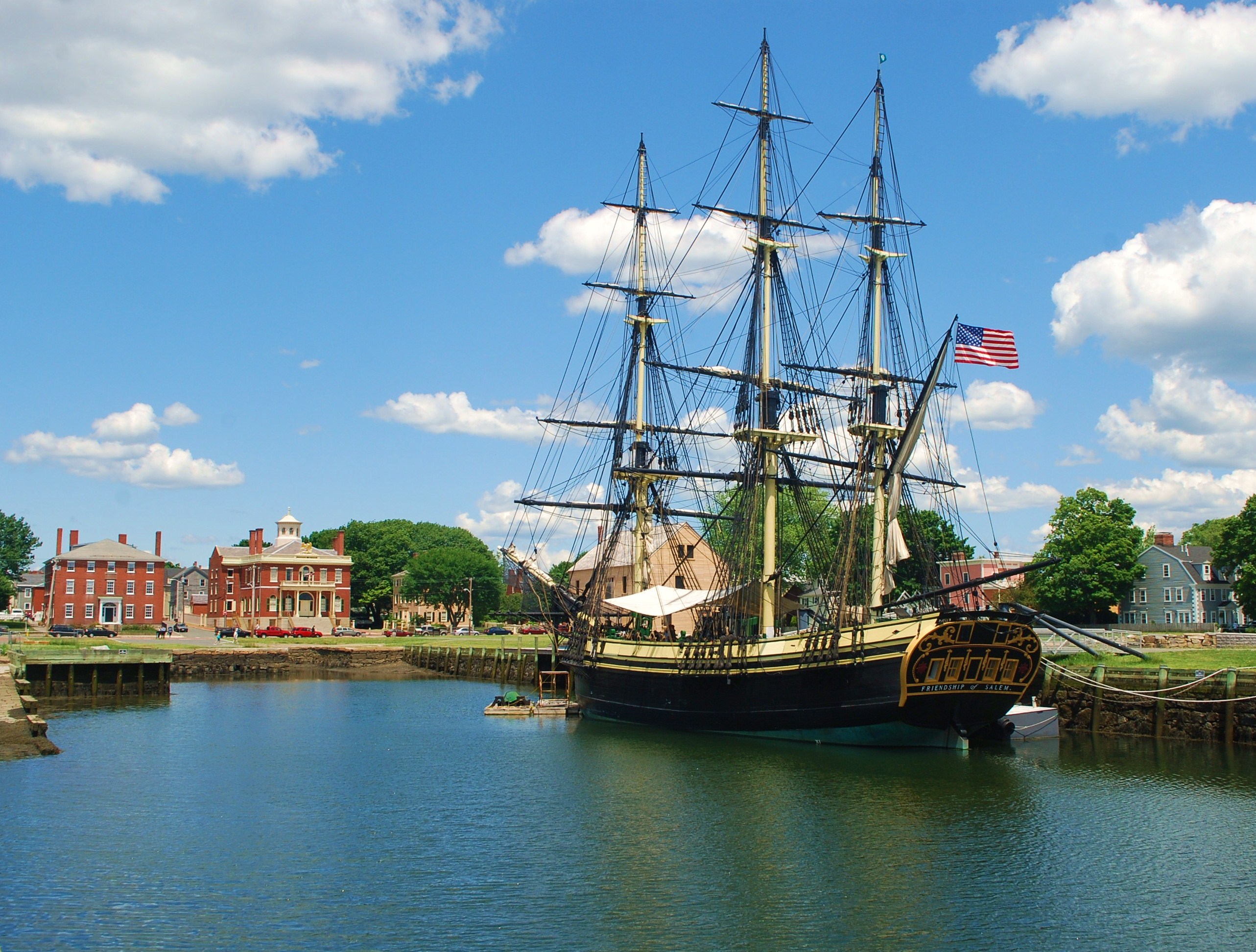
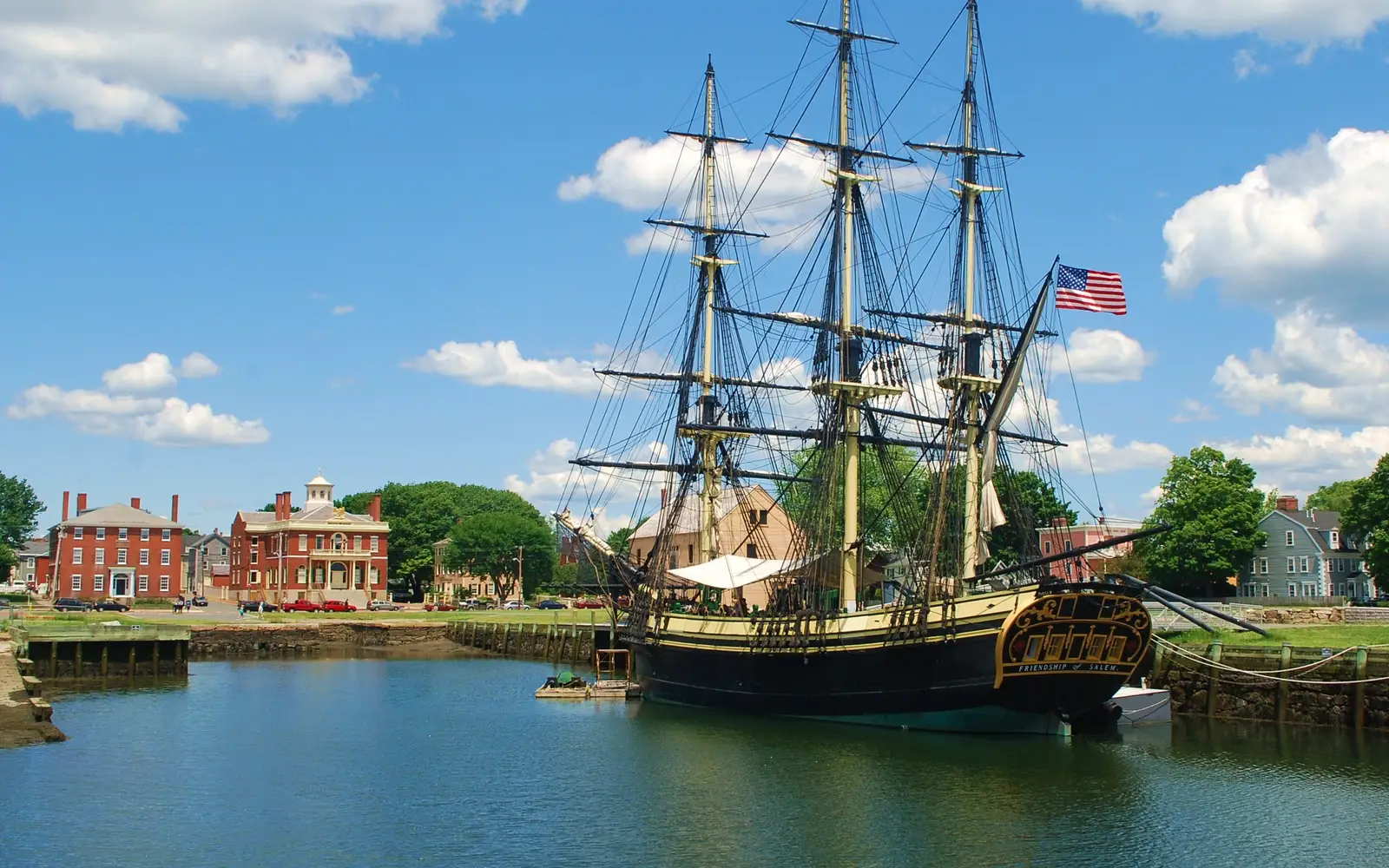
Salem Maritime is a compact, walkable urban park tucked into the working waterfront of Salem, Massachusetts.
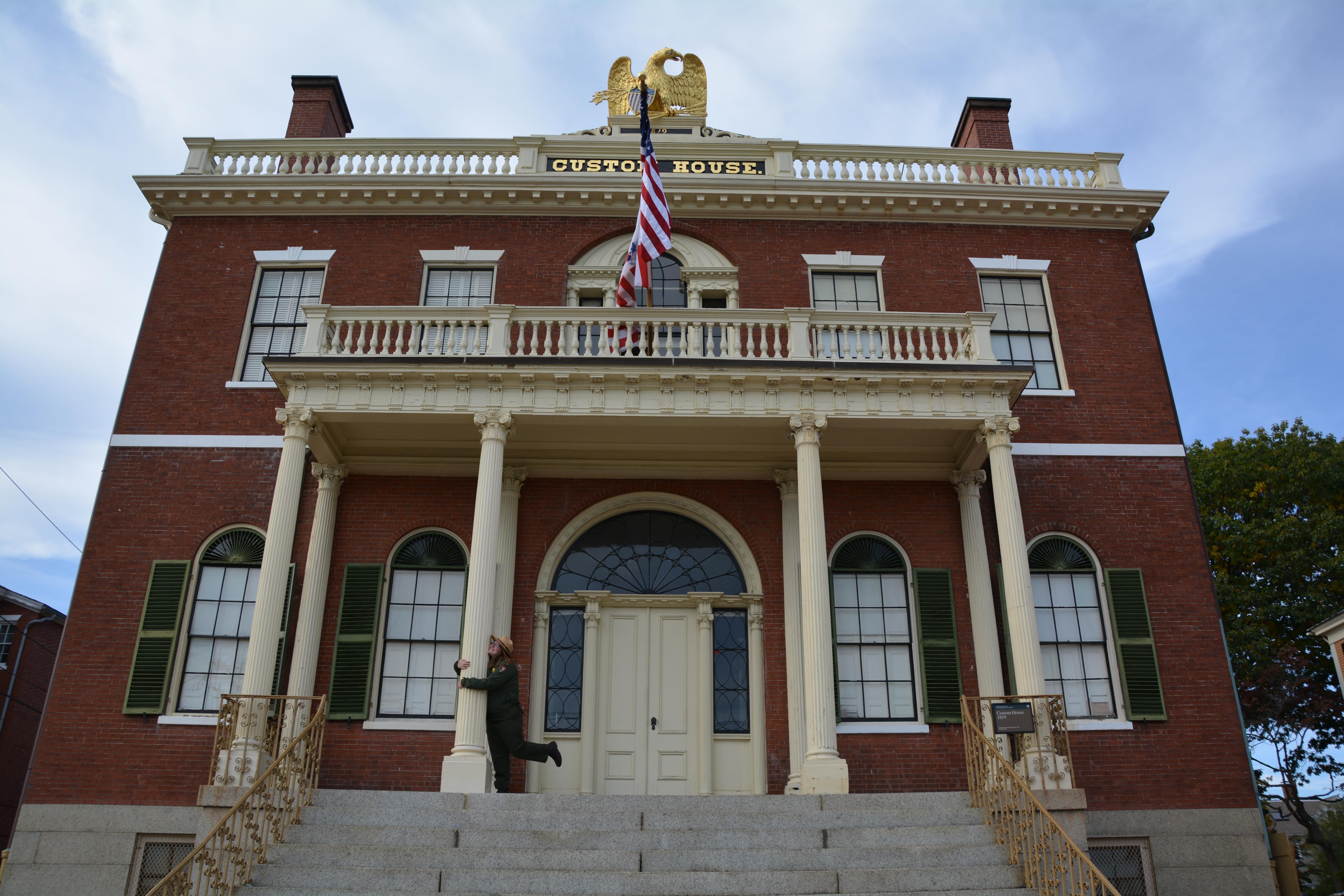
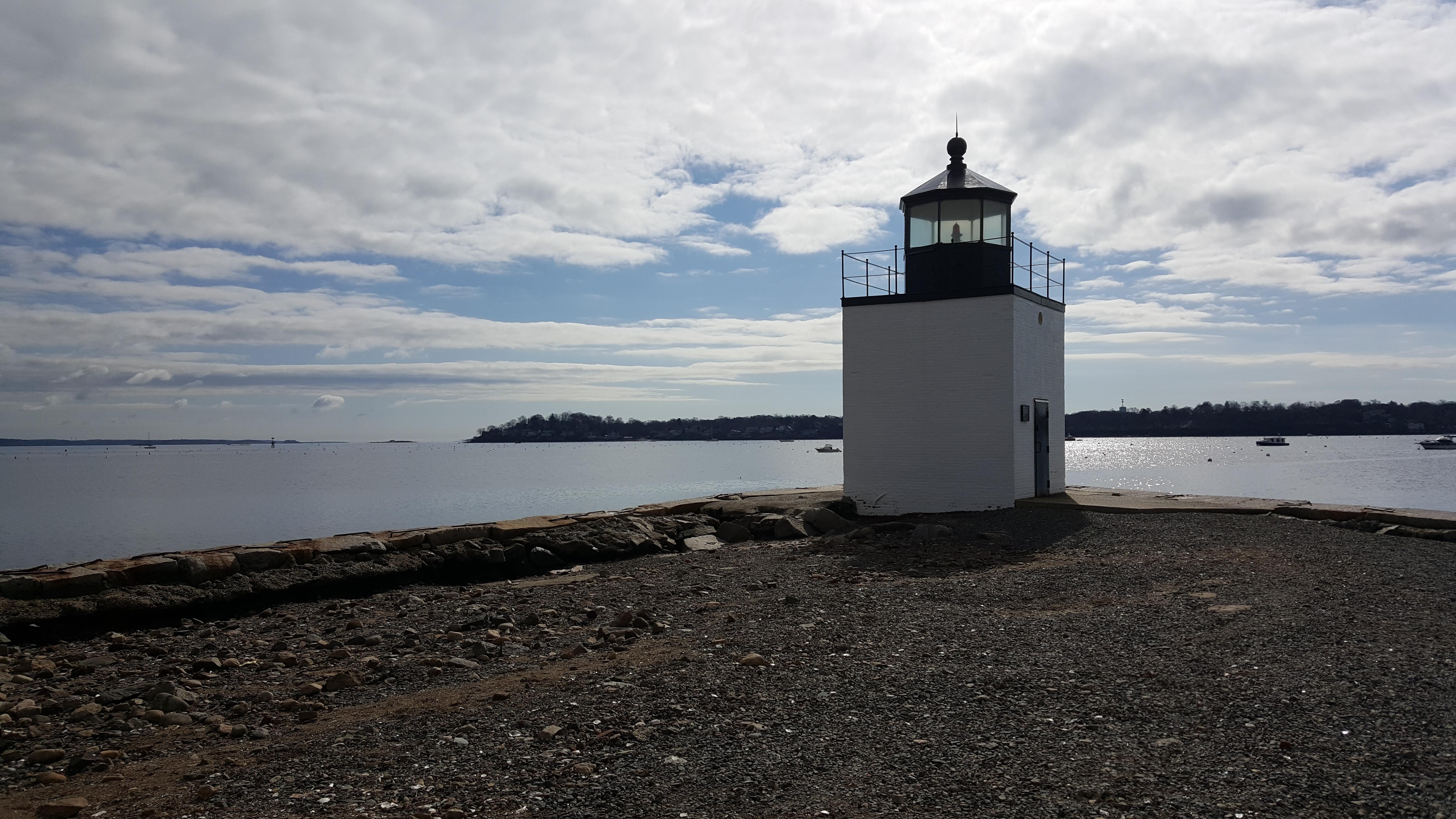
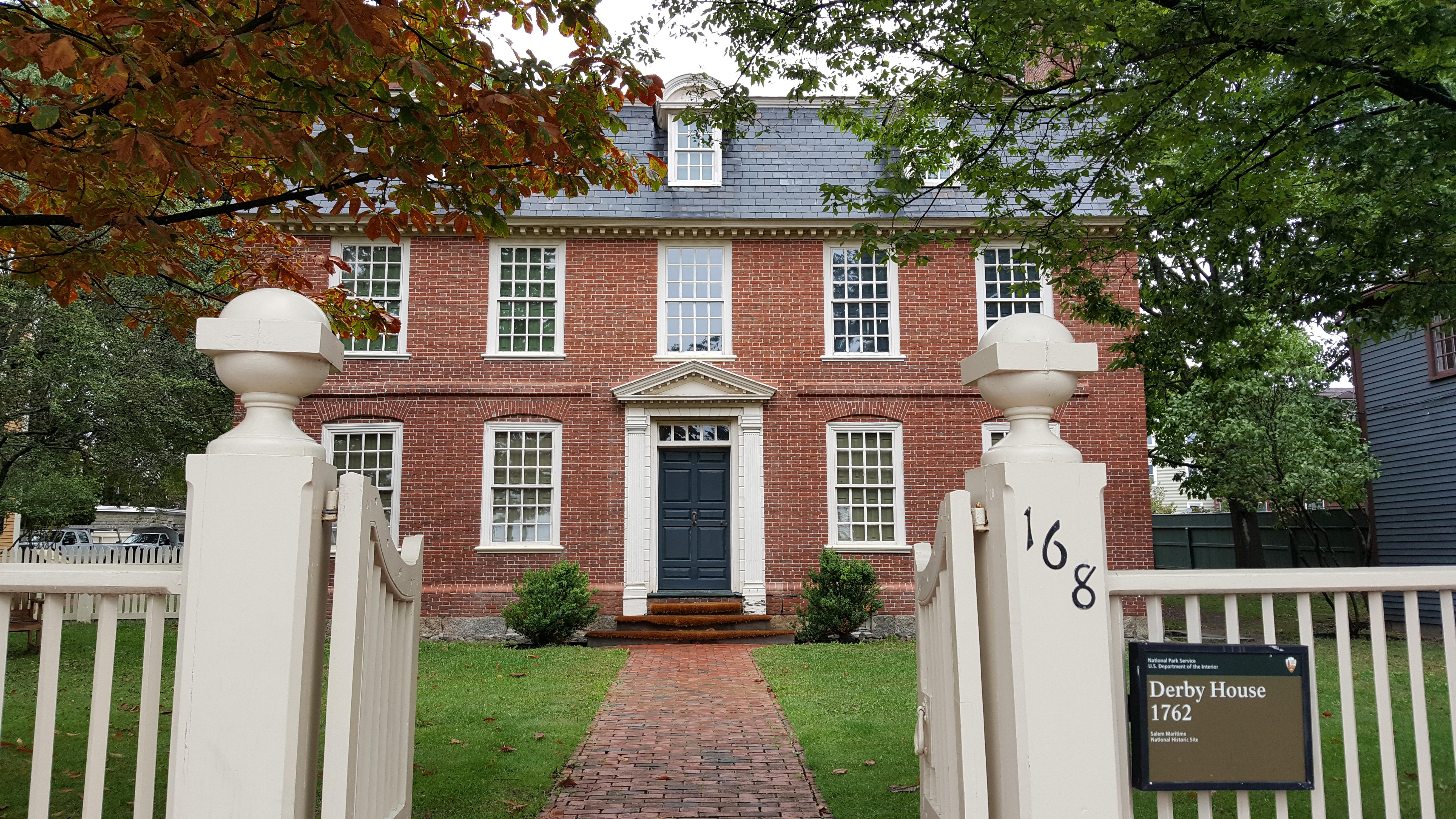
Nine acres and twelve historic structures tell a surprisingly rich story about colonial trade, the merchant economy that built early America, and Salem's deep connections to ports across the globe. This is not a wilderness destination or an all-day adventure park. It is a focused, free history experience in a city already packed with things to do. The outdoor wharves and grounds are open daily, giving it genuine flexibility, while guided tours and museum exhibits add depth for those who want more than a stroll. Because it sits inside Salem proper, it pairs naturally with the city's other attractions. The experience score of 59 reflects its small footprint and limited activity types, but for history-minded visitors, that footprint punches well above its weight.
The case for it
Salem Maritime National Historic Site provides a focused historical immersion. Its visitor center presents a contextualizing film. From there, a self-guided walking tour connects waterfront structures and historic wharves, emphasizing the city's role in global trade. Guided tours enrich this experience, linking individual buildings to American merchant history. The Junior Ranger program engages younger visitors. Entrance is free; outdoor spaces remain always accessible. This allows for flexible visits, from a short stop to a full afternoon, depending on one's engagement with exhibits and tours. This site prioritizes historical depth over broad recreational appeal. It is best suited for those seeking a direct educational experience within a specific historical context.
Who it is for
This park primarily serves history enthusiasts, particularly those drawn to maritime and colonial American narratives. It is well-suited for families with inquisitive children and provides a substantive alternative to Salem's more
Best time to visit
Late spring through early fall, roughly May through October, offers the most comfortable conditions for walking the waterfront. July and August are warmest but also busiest, since Salem draws heavy tourism in summer. October is a standout month for Salem as a whole, with mild temperatures around 62 degrees and the city's famous Halloween season in full swing. Winter visits are possible but expect cold winds off the water and verify which indoor facilities are open before you go.
Worth seeing
- Free admission with no reservation required for outdoor access any day of the week
- Guided tours that connect twelve historic structures to Salem's global trade networks
- Self-guided walking tour along the original Salem waterfront and historic wharves
- Park film at the visitor center providing essential context before exploring the grounds
- Junior Ranger program giving families a hands-on framework for the visit
- Bookstore and park store stocked with maritime history titles and regional resources
Before you visit
Entry is free. The outdoor waterfront, wharves, and grounds maintain seven-day access. Indoor facilities and the visitor center, however, observe separate hours; consult the NPS site for exhibit or tour schedules. Salem itself is a walkable city. Public parking is paid. Commuter rail service from Boston makes a personal vehicle optional for many.
Our tipFor October visitors to Salem, early arrival at the park is paramount. Before 10 a.m., the waterfront remains dramatically quieter, preceding the city's Halloween crowds. Securing a guided tour in advance is strongly advised; walk-up slots on busy fall weekends are exceptionally difficult to obtain.