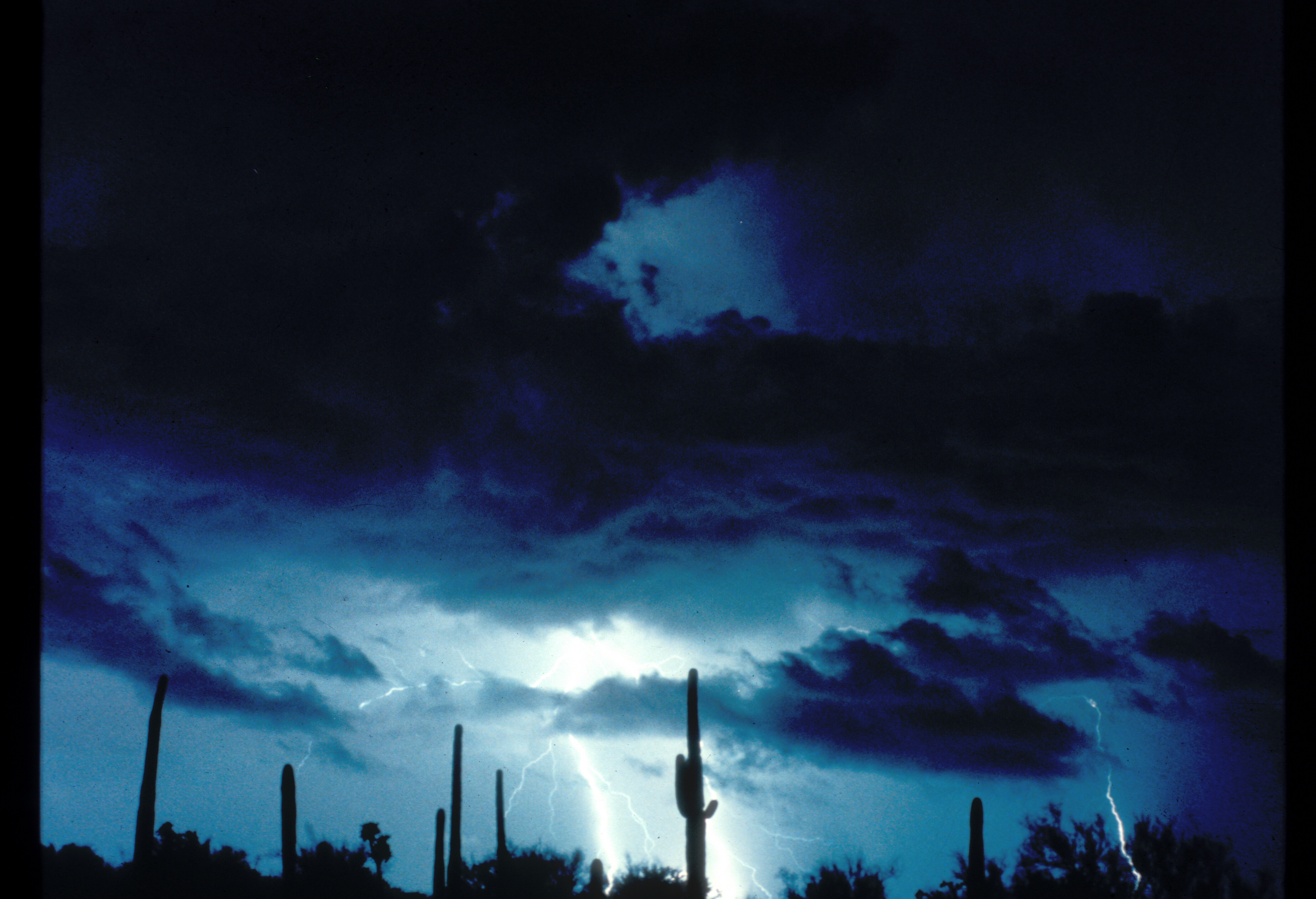
Saguaro National Park: our verdict
Saguaro National Park presents a unique urban park experience, divided into two distinct districts near Tucson.
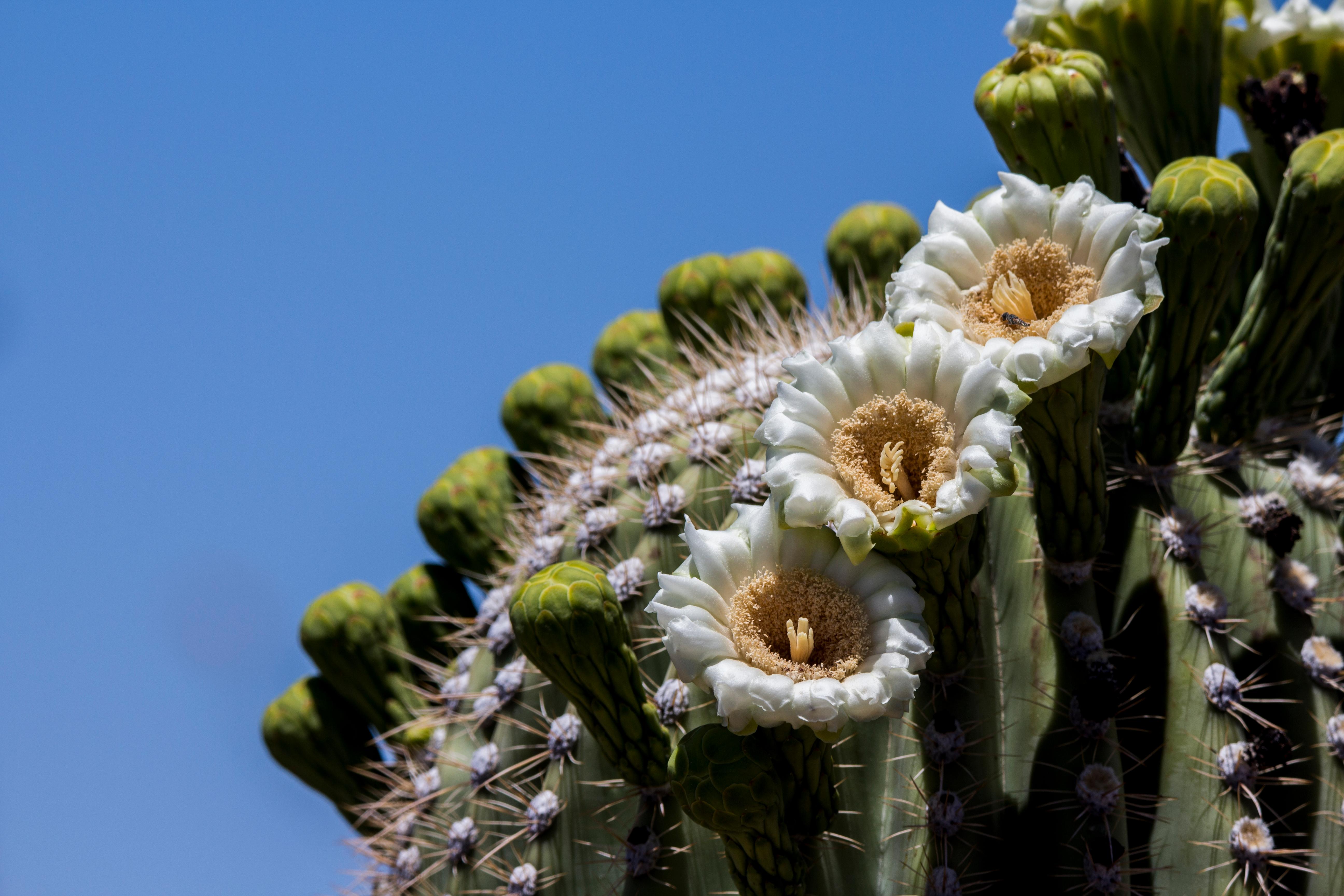
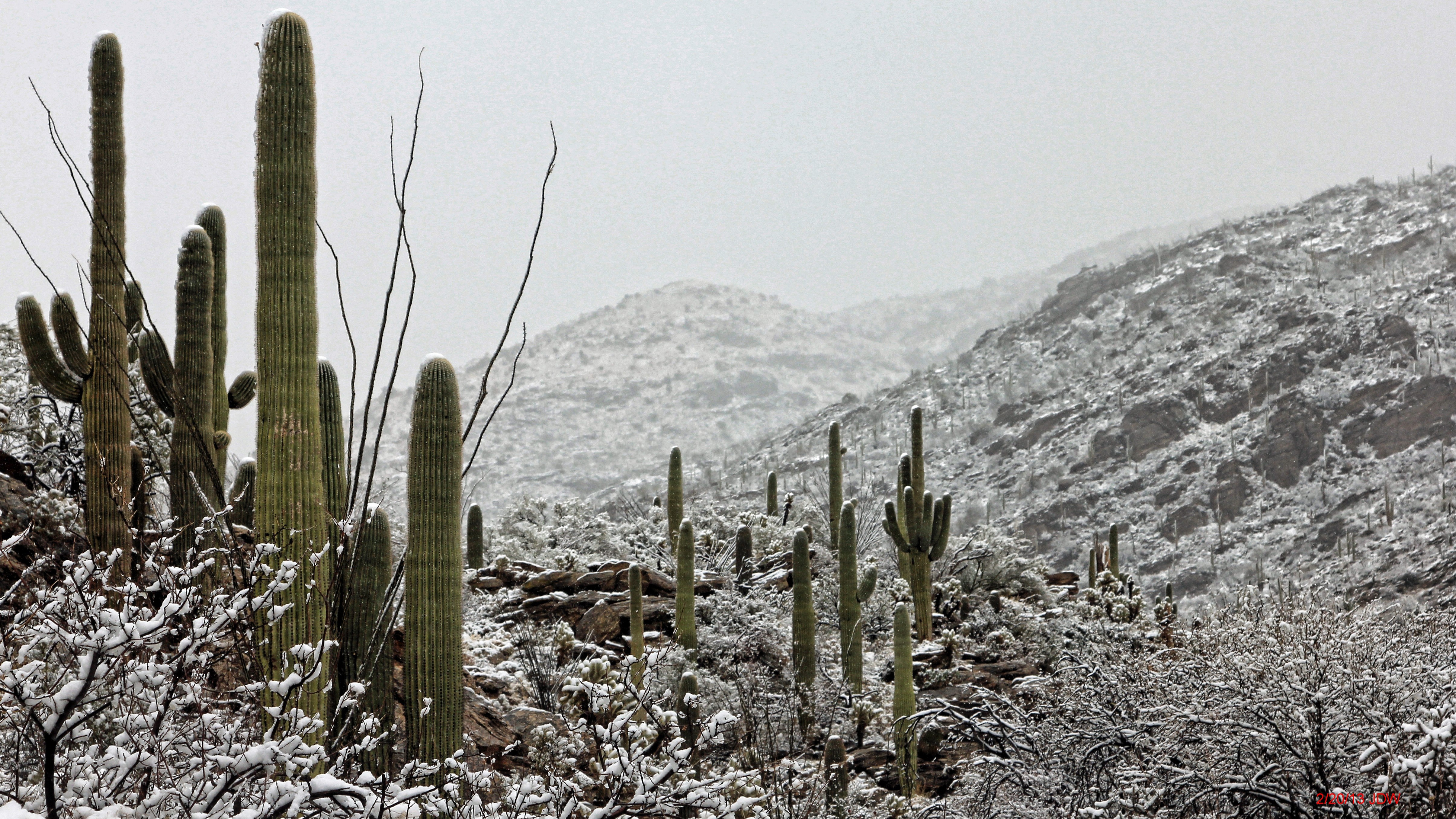
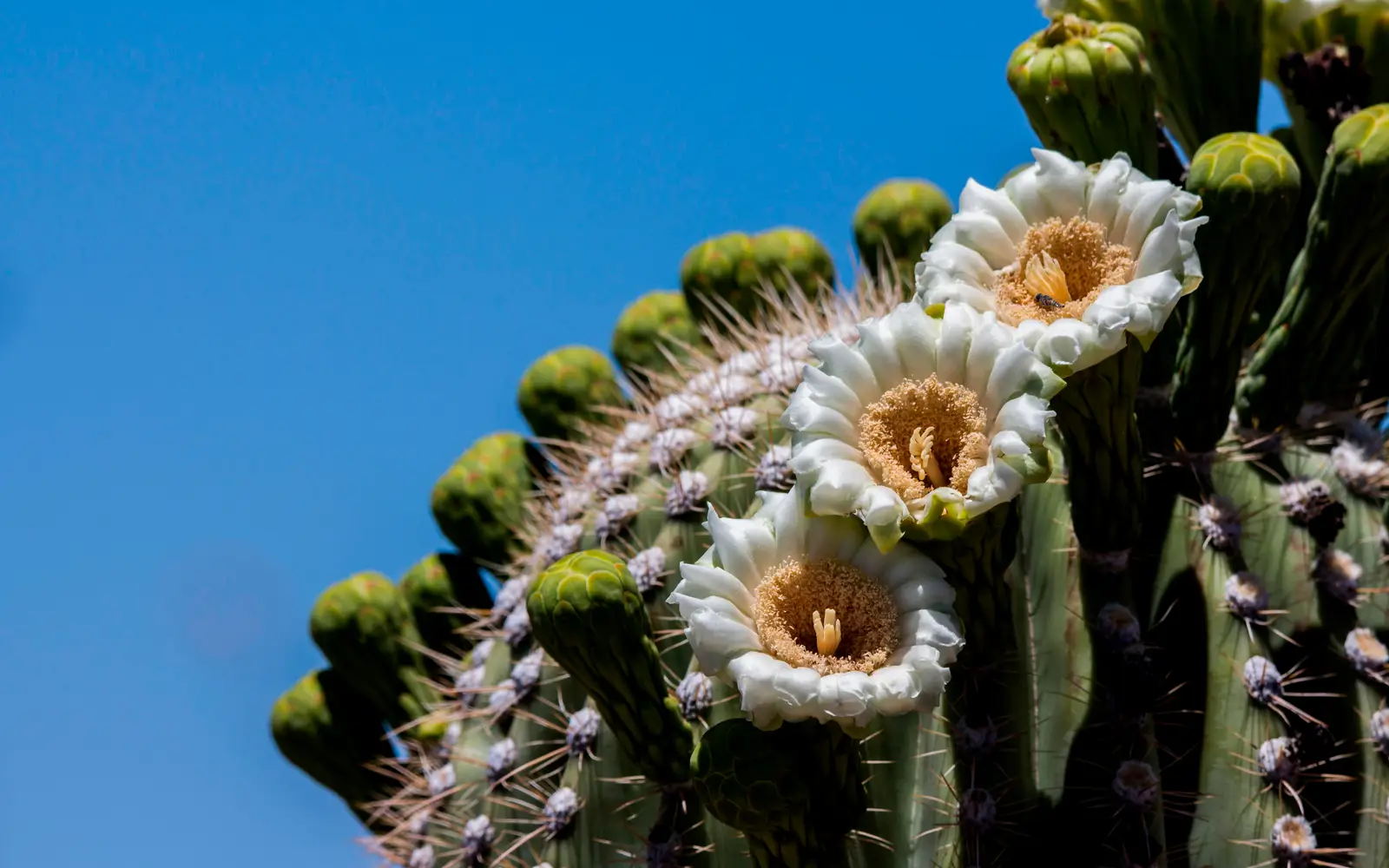
Its core mission is the preservation of the giant saguaro cactus, a species abundant here as nowhere else. The park offers a genuinely striking landscape: saguaro forests reaching over 40 feet, set against the Sonoran Desert. This is an accessible, well-connected park, not a remote wilderness. A half-day scenic drive or a full weekend of hiking and camping are both viable options. The park's experience score of 76 reflects its documented breadth, encompassing scenic drives, backcountry trails, stargazing opportunities, biking routes, and family programming. Summer heat is a significant factor, making visits during that season challenging. While the primary spectacle of saguaro forests at sunset can be appreciated in one well-timed visit, the park offers more for deeper exploration. For those drawn to desert environments and photography, the value proposition exceeds the entrance fee.
Why visit
Saguaro National Park offers a compelling experience for those prioritizing desert ecology and astronomical observation. Early mornings are rewarded with access to extensive saguaro forests on front-country trails or scenic loop drives, where the sheer density of cacti defines the landscape. Bicycles are permitted at all hours. Backcountry routes provide solitude for hikers seeking deeper immersion. Low light pollution establishes the park as a legitimate stargazing destination, pairing desert sunsets with clear night skies for a distinctive natural display. The Junior Ranger Program caters to families, while guided tours offer ecological context. Both front-country and backcountry camping options support an overnight stay. This park delivers a focused desert encounter for those prepared to engage with its specific offerings.
Who it suits
This park delivers for desert enthusiasts and photographers seeking classic saguaro landscapes at sunset. It is a prime destination for stargazers. Families with children will find suitable activities. Hiking options exist for all experience levels. Travelers in the Tucson area will find a visit well worthwhile. However, those prioritizing alpine environments, significant water features, or deep wilderness solitude will not find it here.
Timing your visit
The optimal season for a visit extends from October through April. During this period, daytime temperatures between 50 and 70 degrees allow for hiking and biking without heat risk. Spring brings the possibility of wildflower and cactus blooms. Summer visits are only advisable at dawn or near sunset; midday from June onward poses a genuine danger. Winter mornings are cold but seldom severe.
What stands out
- Saguaro forests found nowhere else in the U.S. in this density or scale
- Scenic loop drives through both the east and west districts
- Backcountry hiking and camping for those wanting overnight desert solitude
- Exceptional stargazing in low-light-pollution desert skies
- Sunrise and sunset photography with cactus silhouettes
- Junior Ranger Program and guided tours for families and first-timers
Good to know
At $15 per vehicle, this park offers 24-hour access for pedestrians and cyclists. Visitor centers operate from 9 AM to 5 PM, with extended hours in warmer months. The park's division into east and west districts, separated by Tucson, necessitates planning for visitors. Hydration is paramount here.
Insider tipThe Bajada Loop Drive in the west district offers a more intimate experience with dense saguaro stands. Its unpaved surface favors higher-clearance vehicles. This road ensures fewer crowds than the paved loop in the east. For visitors with limited time, the west side provides superior sunset views across the saguaros, framed by the Tucson Mountains. This district caters to those seeking solitude and rugged landscapes.