parkverdict
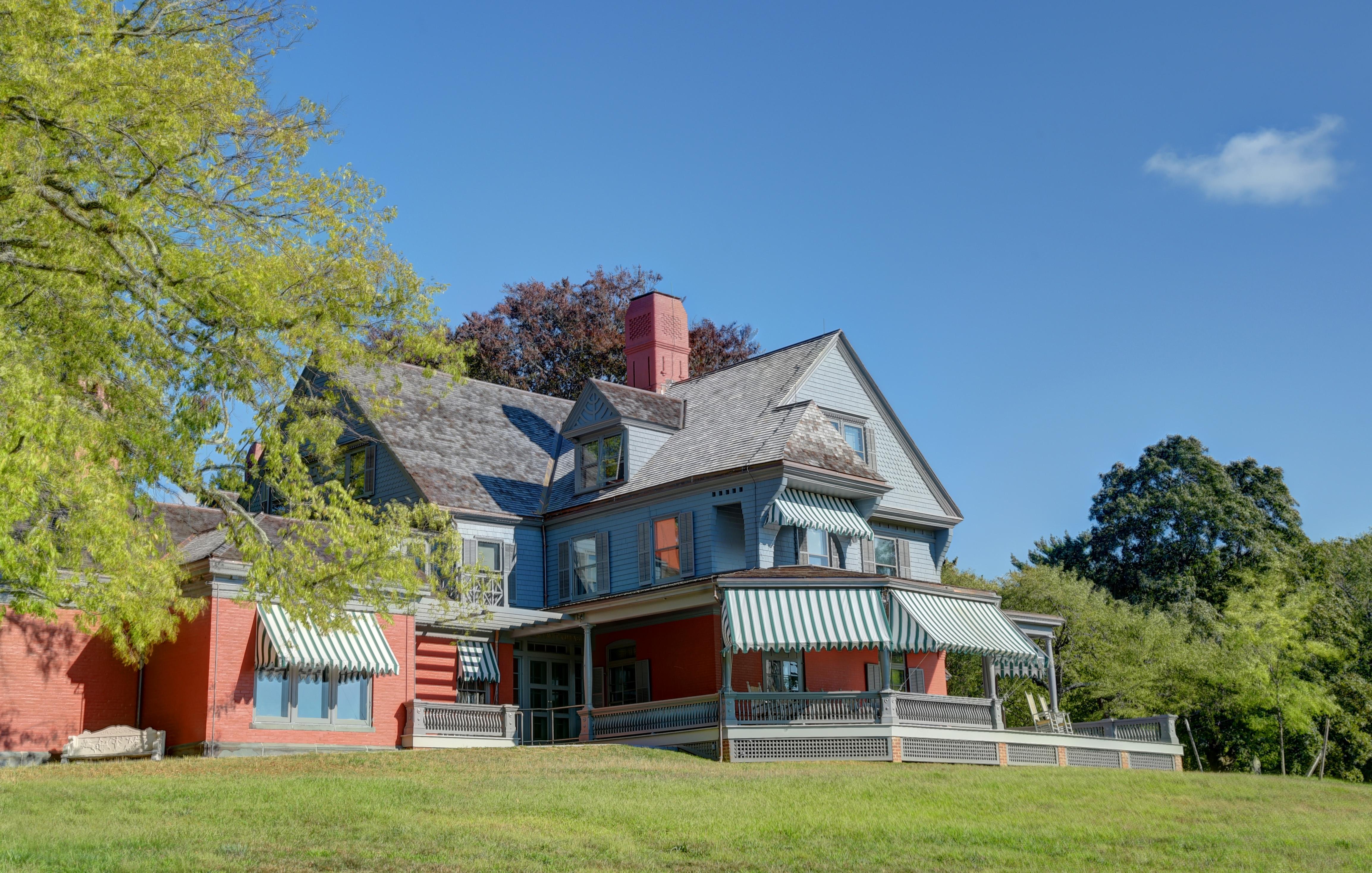
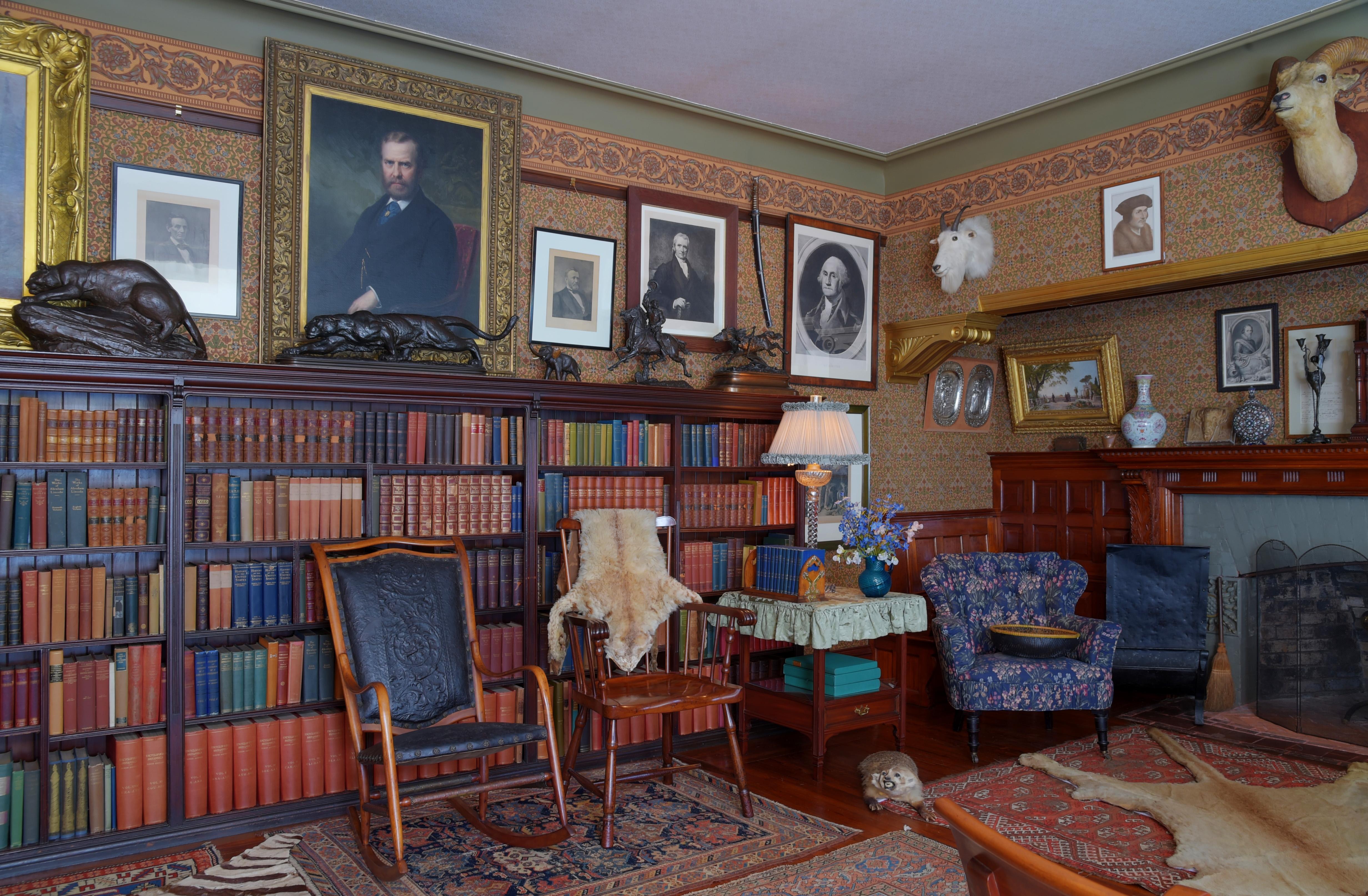
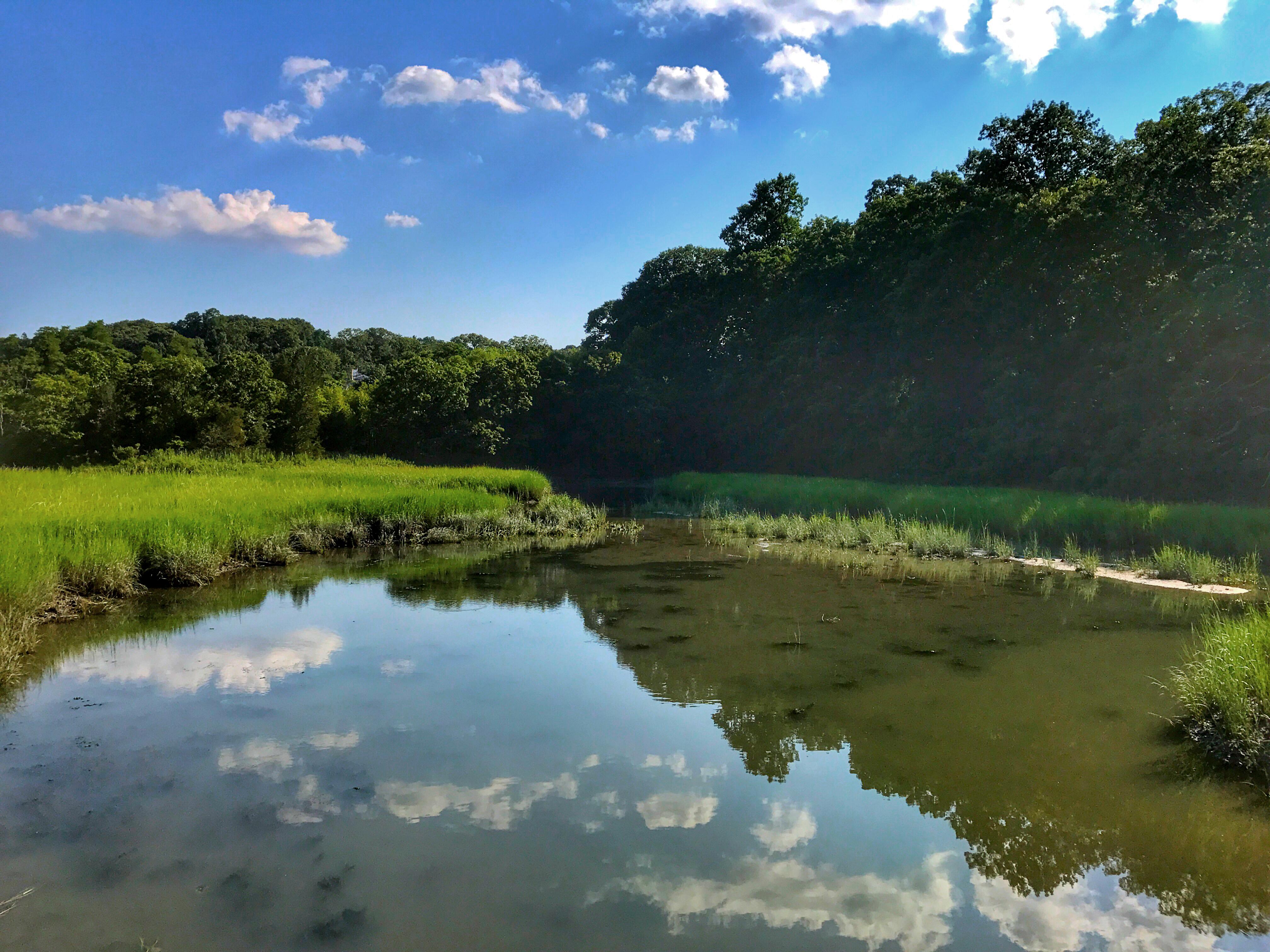
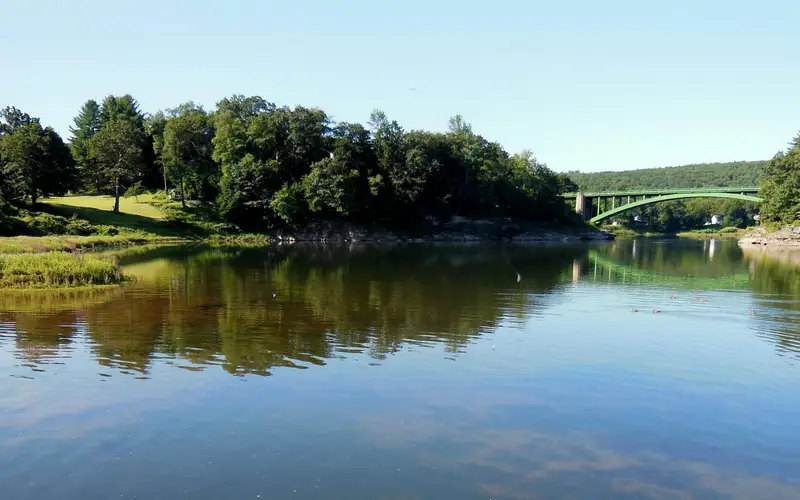
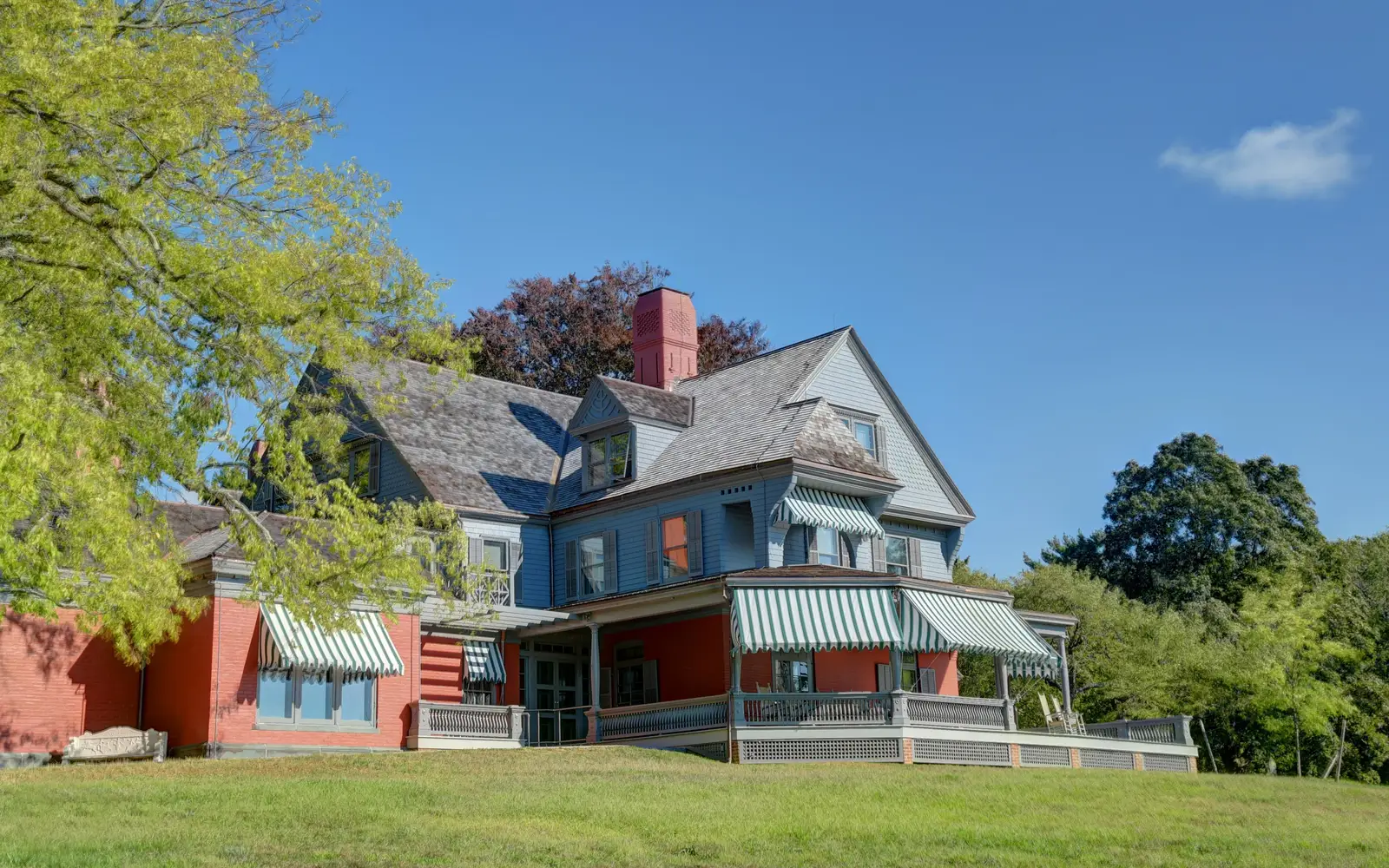
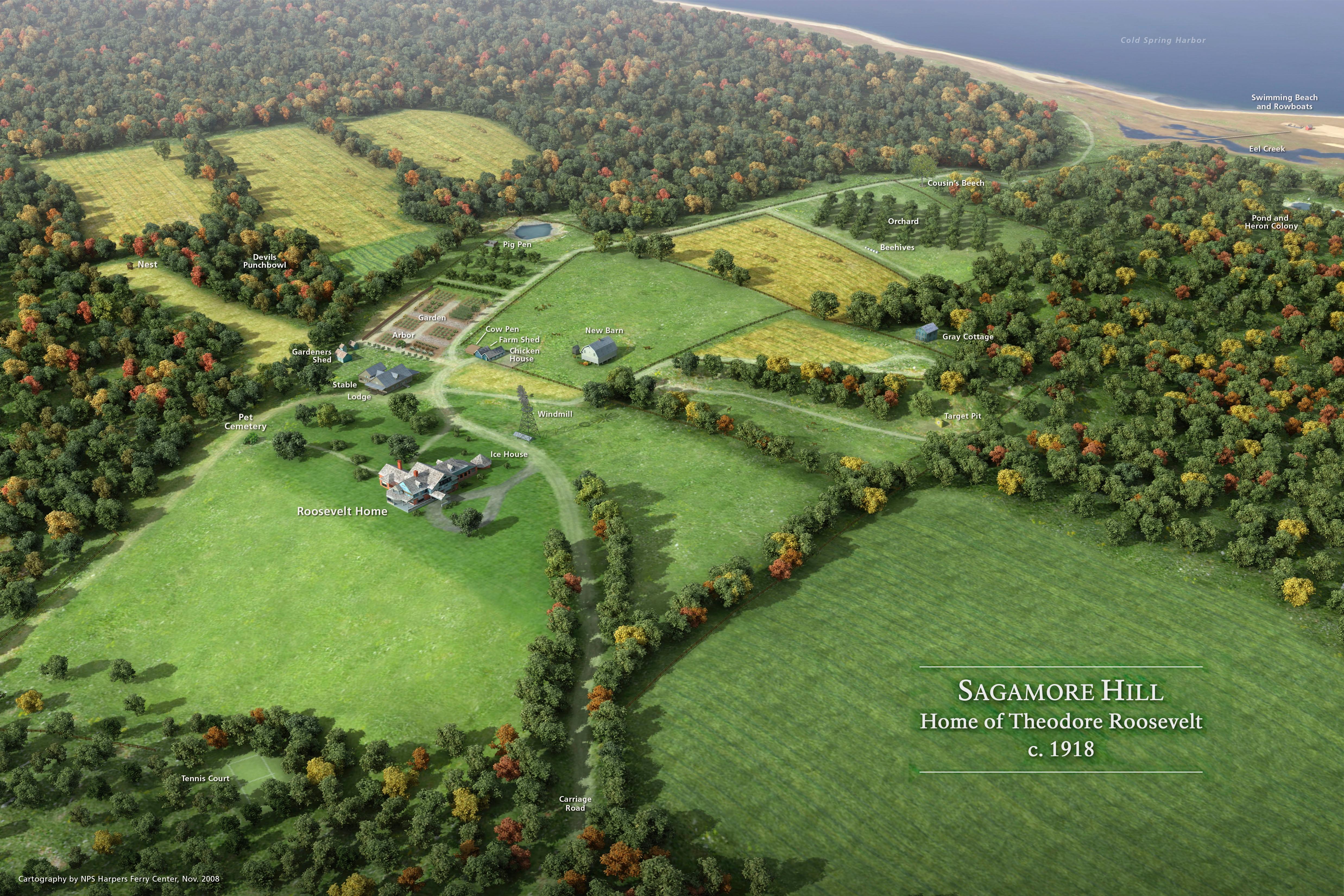
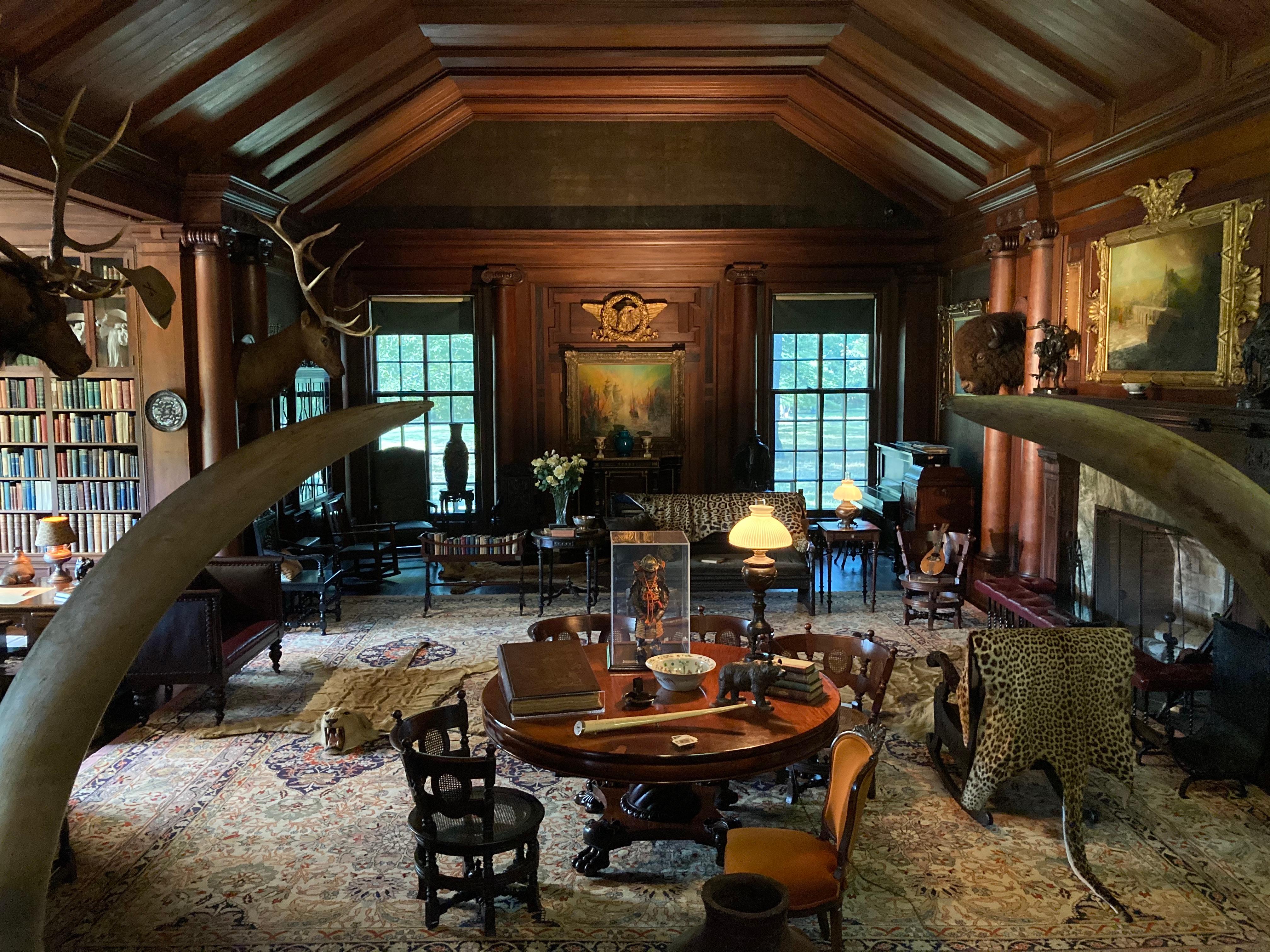
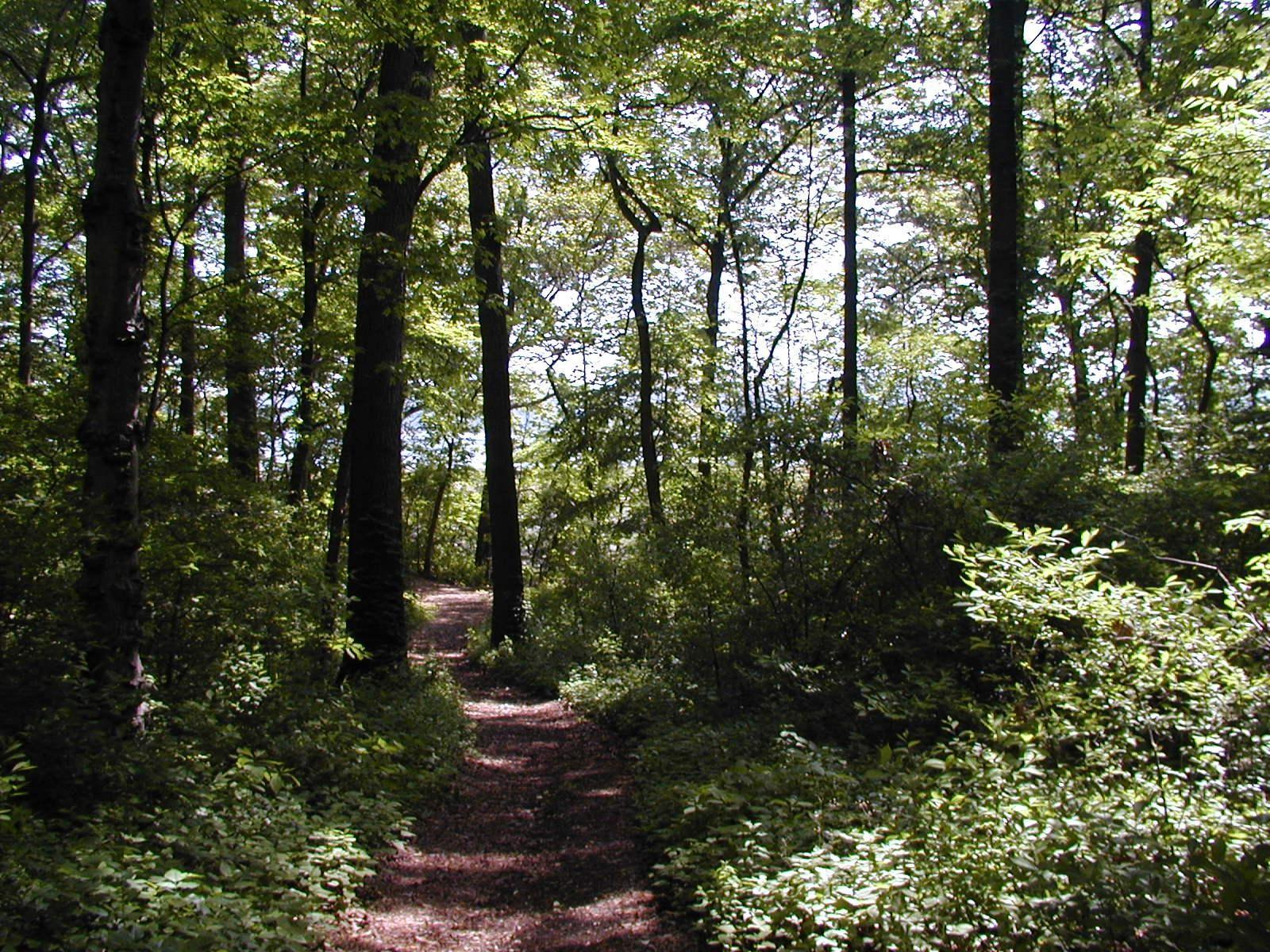
A large house painted gray with green lawn and trees.A digital rendering of the Roosevelt home and landscapes of Sagamore Hill circa 1918.The North Room of the Theodore Roosevelt HomeA nature trail to Cold Spring Harbor passes through woods.
National Historic SiteNY

Sagamore Hill National Historic Site

NPS / NPS/Audrey Tiernan
88/ 100DOES IT ALL
parkverdict Experience ScoreIndependent, not sponsored

88 of 100. Our independent breadth-and-access index. How we score

Our take

Is Sagamore Hill National Historic Site worth your trip?

Sagamore Hill is the actual house Theodore Roosevelt lived in, sitting on Long Island's North Shore on 83 acres he called home for more than three decades.

During his presidency he used it as his Summer White House, and nothing here is reconstructed or staged around artifacts. This is the real house, the real grounds, and a site that turns out to be more varied than most people expect. Guided tours of the Old Orchard Museum and the main house are the centerpiece, but the property also has trails for hiking, good habitat for birdwatching, paths for biking, and open sky for stargazing at night. That combination is why it sits well above the typical historic house visit, and the experience score of 88 reflects that honestly. Admission is free. History enthusiasts will get the most out of it, but families, birders, and casual hikers all have something genuine to do here, not just something to look at.

Why go

Start with the guided tour of Roosevelt's home. The rooms look much the way they did when he lived there, and an hour inside tells you more about the man than most biographies do. Once the tour wraps up, 83 acres of grounds open for hiking and wildlife watching. Birdwatchers show up in real numbers here, and it's not hard to understand why. The Old Orchard Museum fills in the historical background through exhibits and a short park film. Kids can earn a Junior Ranger badge or take part in hands-on activities, and on select days living history and reenactment programs bring the period to life in ways that actually hold their attention. The site is open to road biking and geocaching as well. A half-day fills up without any effort, and a full day is entirely reasonable without feeling padded.

Best for

Roosevelt enthusiasts and presidential history fans will get the most out of a visit, and the Junior Ranger Program gives families with curious kids a genuine reason to make the trip. Birders and casual hikers along Long Island's North Shore can fold this into a broader nature day without much effort. If you're after dramatic wilderness or backcountry terrain, though, look elsewhere.

Best season

Late spring through early fall is the sweet spot for visiting. Summer temps run through the 70s into the upper 80s, kept honest by the nearby Long Island Sound, and the grounds are at their best for hiking and wildlife watching. By April the snow is gone, rain moves in, and the landscape starts filling back in. Fall brings comfortable hiking weather and good foliage color. Winter hours are sometimes cut back, so call ahead before making the trip in the off-season.

The high points

  • Guided tours of Roosevelt's authentic, period-furnished home - the actual Summer White House
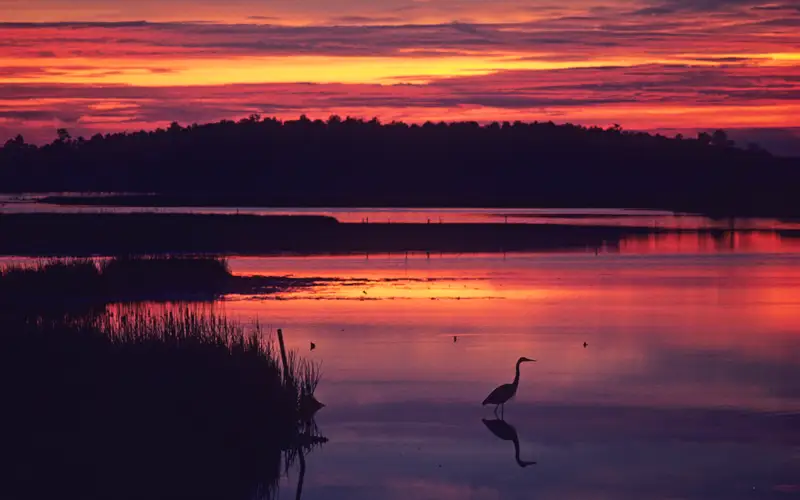
  • 83 acres of hikeable grounds with documented birdwatching and wildlife watching opportunities
  • Old Orchard Museum with exhibits, a park film, and a bookstore and park store
  • Living history and reenactment programming that brings the Roosevelt era to life
  • Junior Ranger Program and hands-on activities suited for kids
  • Free admission with grounds open daily from sunrise to 30 minutes after sunset

Know before you go

Admission to the grounds is free, but the guided house tour runs on timed tickets with limited capacity. Book ahead, particularly on summer weekends when slots fill fast. The site is in Oyster Bay, New York, about an hour from New York City by car or via the Long Island Rail Road to Oyster Bay station, with a short connection from there. Before you go, check current tour availability on the NPS website.

One more thingSagamore Hill's grounds open at sunrise every day, well before the house tours get going. Showing up early means you can birdwatch and walk the property in peace, before anyone else turns up. Most visitors never experience it that way.

How we scored it

Behind the 88

The number is not a mood. It is a few things we can actually check in public records, added up and capped so no single one runs away with the total. It tracks how much a place has going on and how easy it is to reach, and nothing about scenery or crowds. Here is what added up to 88:

  • Activity breadth26 documented activities
  • Topic breadth25 topics
  • Official imagery6 public-domain images
  • Camping on sitenone recorded
  • Entry costfree

No number is hand-adjusted and no unit pays for placement. The full weights, the floor at 18 and a worked example are on how we score.

The honest limits

The honest blind spots

Read the score for what it is. It counts what a place documents and how reachable it is, and stops there. It will not tell you if a sunset floors you, if the crowds thin out by dusk, whether a washout closed your trail, or how a ranger tells the story. Plenty of quiet, focused spots score modestly and still win the weekend. Let the number rank what is on offer; let the verdict speak to the feel.

Things to do

What it offers

Arts and CultureCraft DemonstrationsLive MusicAstronomyBikingRoad BikingCompass and GPSGeocachingFoodPicnickingGuided ToursSelf-Guided Tours - WalkingHands-OnCitizen ScienceArts and CraftsHikingFront-Country HikingLiving History
Overview

About Sagamore Hill National Historic Site

Theodore Roosevelt made Sagamore Hill his home from 1885 until his death in 1919. The 26th President ran much of his presidency from the property, which served as his "Summer White House" and drew foreign dignitaries and journalists throughout those years. Today the estate covers 83 acres of grounds, historic buildings, and trails connected to one of the most recognizable figures in American political history.

On documented breadth and access, Sagamore Hill National Historic Site ranks 8th of 29 park and public-land units we score in New York.

Climate note

The Atlantic Ocean and Long Island Sound moderates the climate of Long Island and Sagamore Hill. Spring: Highs average between 50 F and 70 F. Snow in early March becomes rain by April. Summer: Average highs range between 70 F and the upper 80s F. Summers are drier but thunderstorms are possible. Fall: Highs are from the mid-50s F to the mid-70s F.

Common questions

Sagamore Hill National Historic Site: quick answers

Is Sagamore Hill National Historic Site worth visiting?

Sagamore Hill is the actual house Theodore Roosevelt lived in, sitting on Long Island's North Shore on 83 acres he called home for more than three decades.

Is Sagamore Hill National Historic Site free to visit?

No charge at the gate.

What is Sagamore Hill National Historic Site best for?

It leans hardest toward stargazing, hiking, good with kids, wildlife watching, going by the 26 activities it actually documents.

When is the best time to visit Sagamore Hill National Historic Site?

Late spring through early fall is the sweet spot for visiting.

How is the Experience Score for Sagamore Hill National Historic Site calculated?

The 88 comes straight from public data on how much the place documents and how easy it is to reach, things like activities, topics, photos, camping and whether entry is free. It says nothing about scenery or how busy it gets.