
Should you visit Russell Cave National Monument?
Russell Cave National Monument offers a focused archaeological experience in northeastern Alabama.
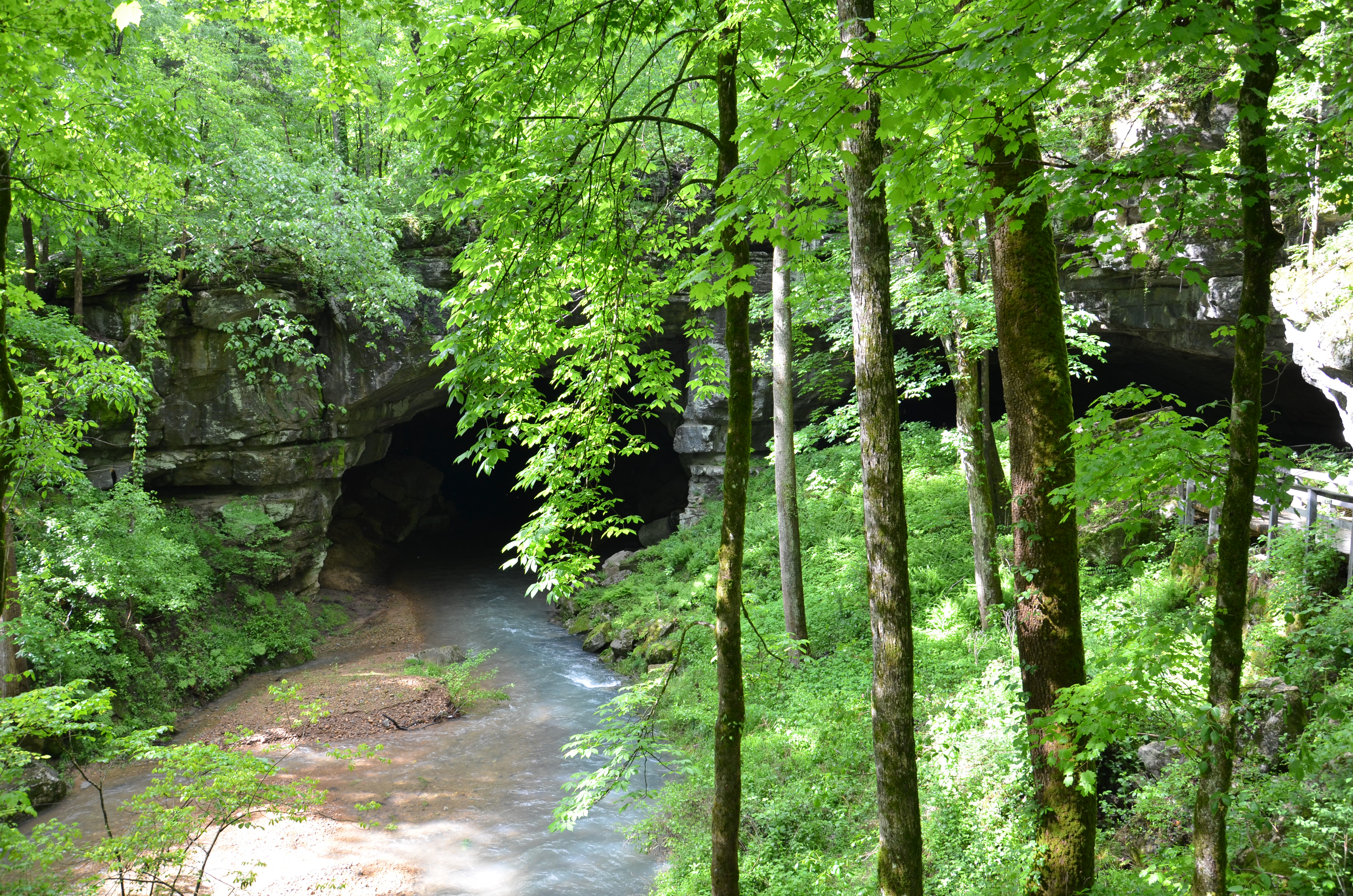
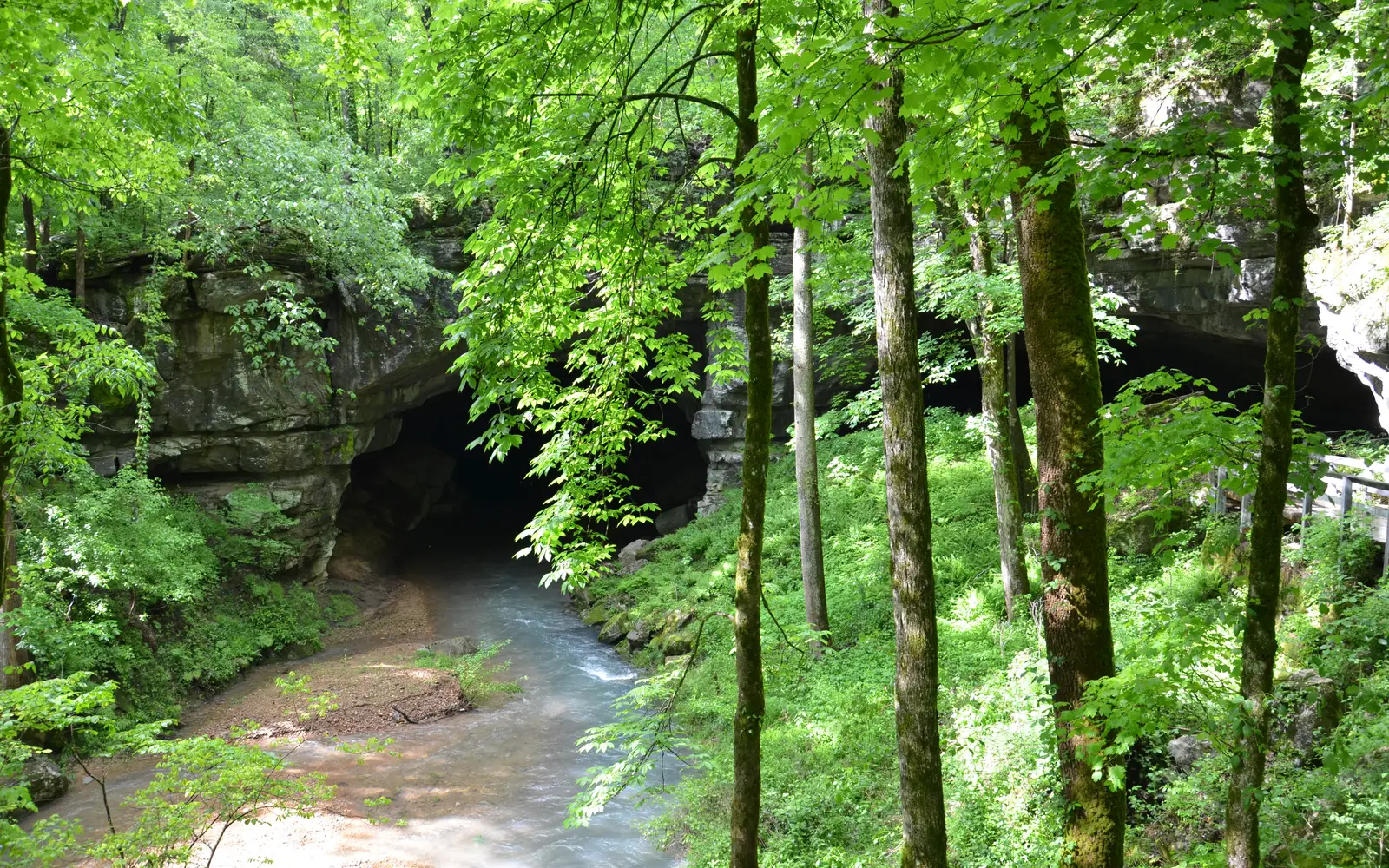
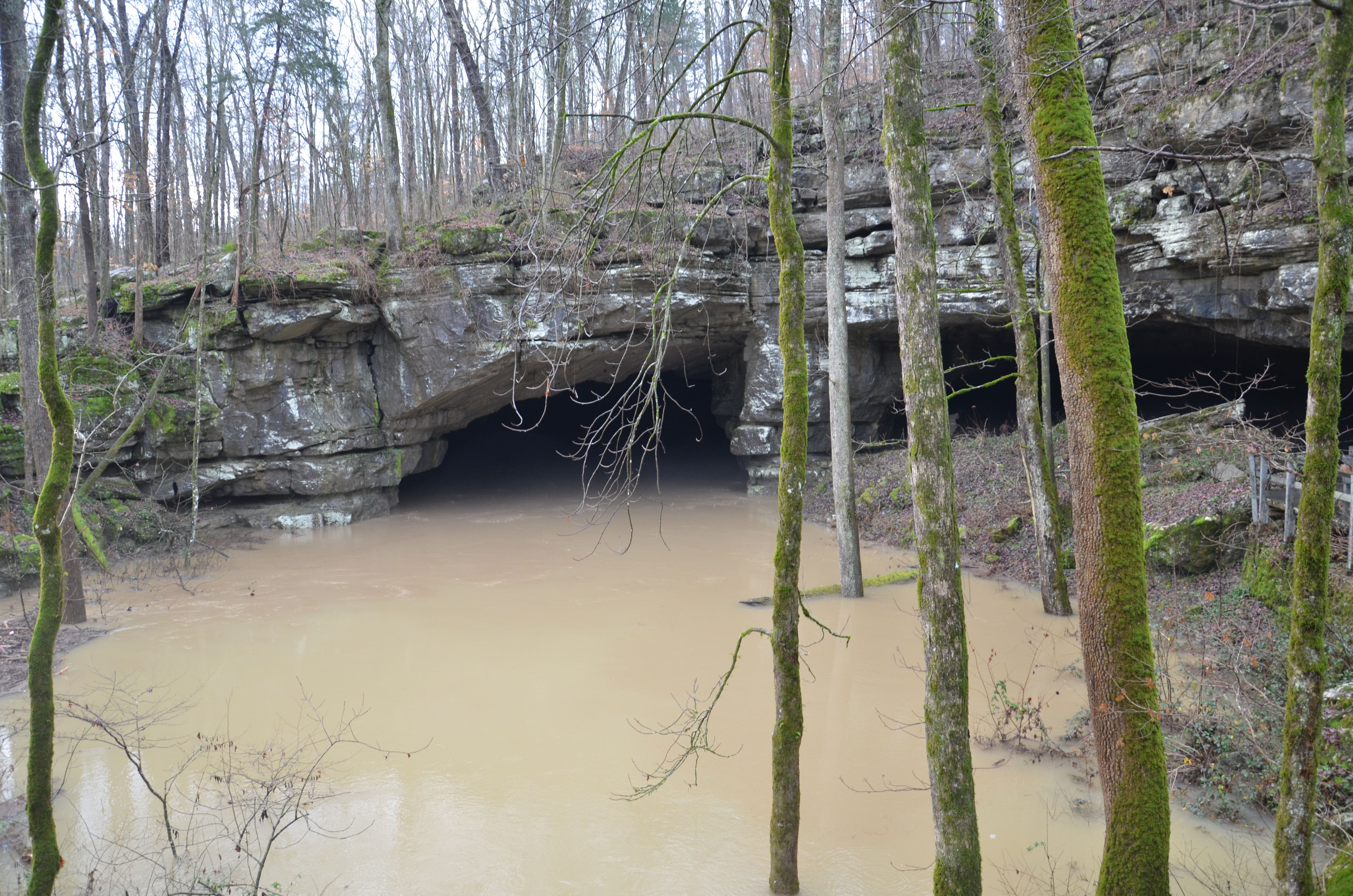
It preserves 12,000 years of continuous human habitation documented within a single limestone cave. Do not expect spelunking; the cave itself is not accessible. The monument functions as an outdoor museum. Visitors can view the cave mouth and participate in ranger-led tours detailing artifacts unearthed in the 1950s. Living history demonstrations, including historic weapons, enhance the educational offering. A modest trail system winds through the surrounding woodlands. The site is compact, requiring only two to three hours for a complete visit. Its primary value lies in its historical and educational focus. For those with an interest in deep prehistory and Indigenous cultures of the American Southeast, this unit provides a rare, specific insight few other places can equal.
What makes it worth it
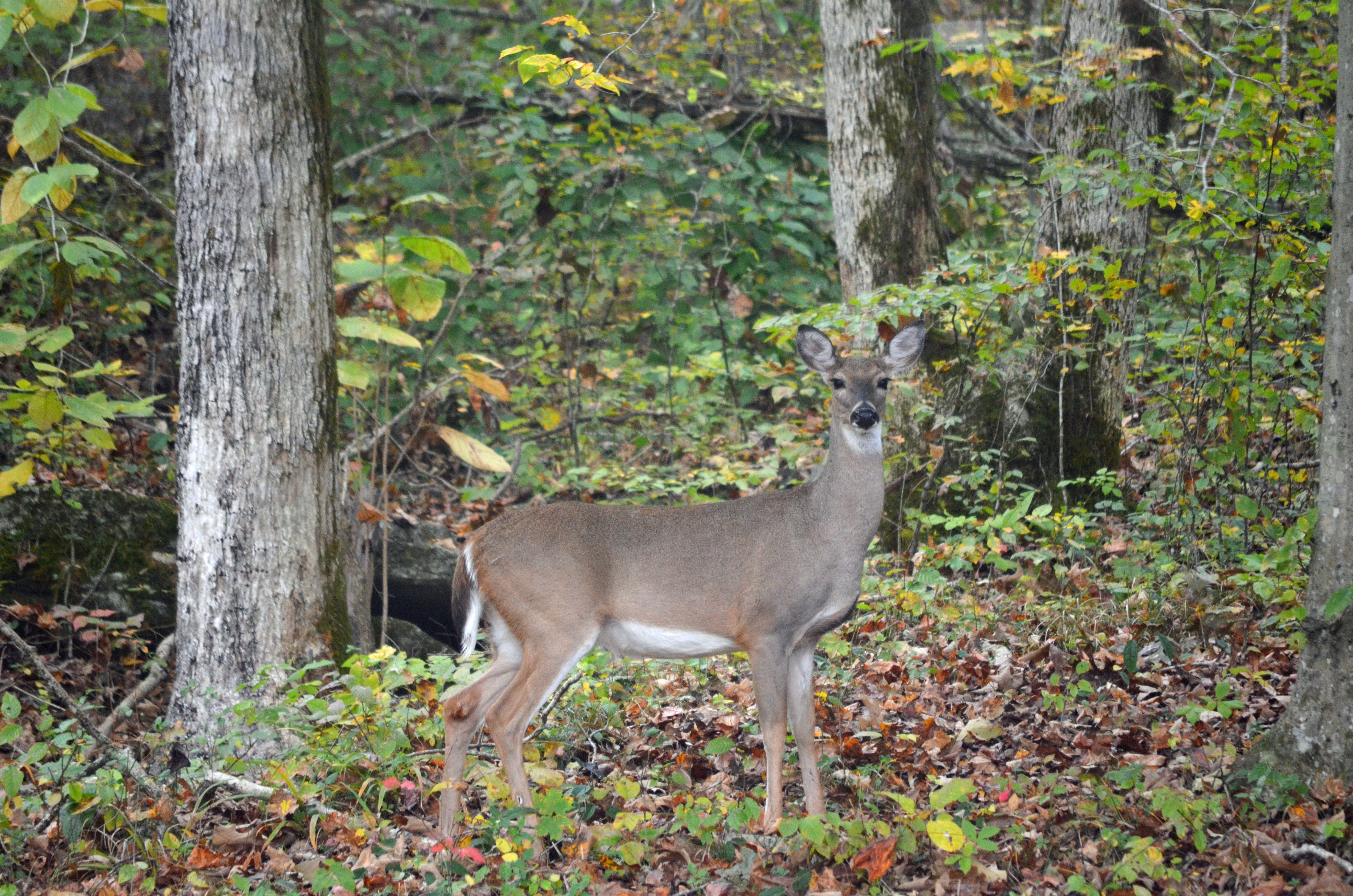
Russell Cave offers a tangible connection to North American prehistory. Ranger-guided tours of the cave shelter illuminate its geological significance and deep archaeological layers, from the Paleo-Indian to the Woodland periods. These tours effectively link physical artifacts to human lives, enhanced by living history and historic weapons demonstrations. Beyond the cave, front-country hiking trails traverse Alabama woodlands, providing opportunities for bird and wildlife observation. The museum exhibits further contextualize the cave experience. The free admission makes Russell Cave an accessible addition to any northern Alabama itinerary, particularly for families; the Junior Ranger program provides a structured, educational framework for younger visitors.
Who should go
This destination caters specifically to adults with an interest in history and archaeology, families with school-aged children, and travelers exploring northern Alabama by road. It is not designed for those seeking high-adrenaline outdoor activities, extensive trail systems, or backcountry access. The site prioritizes education and contemplation, offering a rich experience for the curious rather than the physically ambitious.
When to go
The most comfortable conditions prevail in spring and fall, with mild temperatures supporting both cave shelter tours and hiking. Summer heat in the high 80s brings humidity; morning visits are advisable. Winters offer a quieter experience, with average temperatures in the low 50s and significantly reduced crowds. Note the consistent 4:30 pm gate closure.
Highlights
- Ranger-guided tours at the cave mouth explaining 12,000 years of continuous human occupation
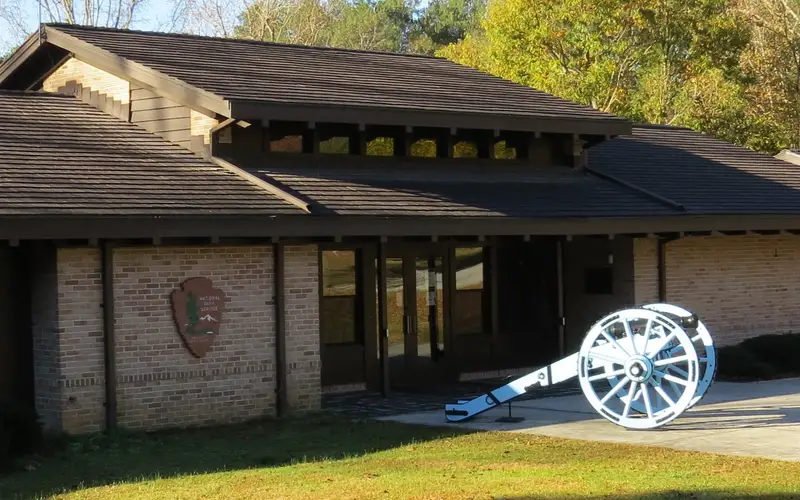
- Living history demonstrations and historic weapons presentations that animate the prehistoric record
- Free admission with no reservation barrier to entry
- Museum exhibits displaying artifacts recovered during the landmark 1950s excavations
- Front-country hiking through Alabama woodland with birdwatching opportunities
- Junior Ranger program structured around the site's unique archaeological story
Plan ahead
Entry is free. The main gate closes at 4:30 PM Central Time. This is earlier than many visitors anticipate. Plan to arrive by early afternoon at the latest. The park closes on New Year's Day, Thanksgiving, and Christmas. Consult the NPS site for ranger tour times; the guided experience forms the core of a visit here.
Editor's tipThe living history and weapons demonstration schedule warrants review before any visit. These events are not daily occurrences. Timing a visit to coincide with one of these presentations elevates the experience, particularly for families; otherwise, the park offers a quiet walk past a cave.