Rosie the Riveter WWII Home Front National Historical Park: our verdict
Rosie the Riveter WWII Home Front National Historical Park offers a focused, urban experience.
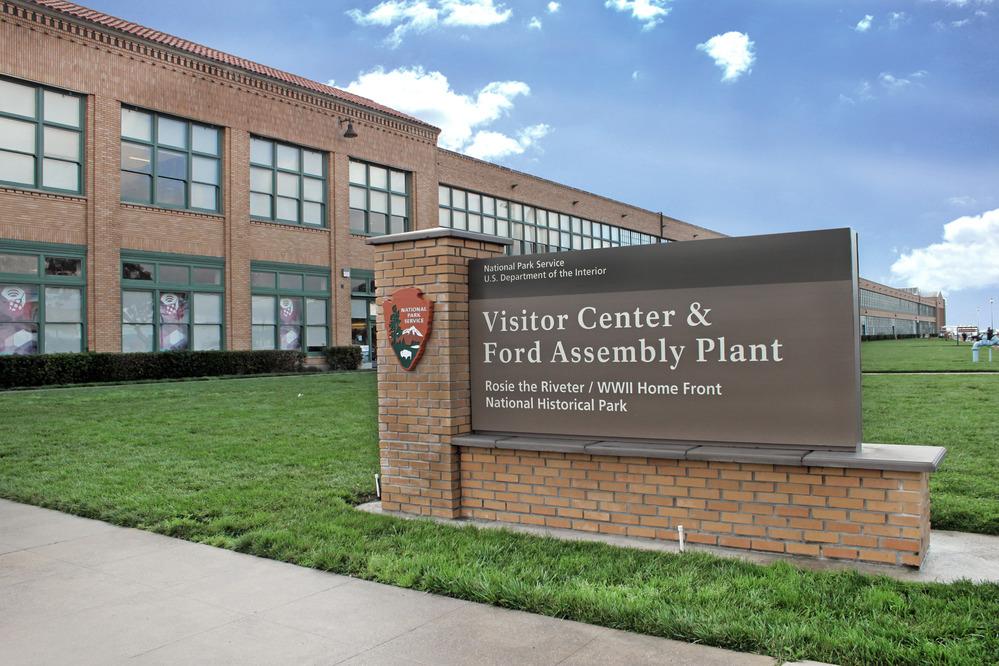
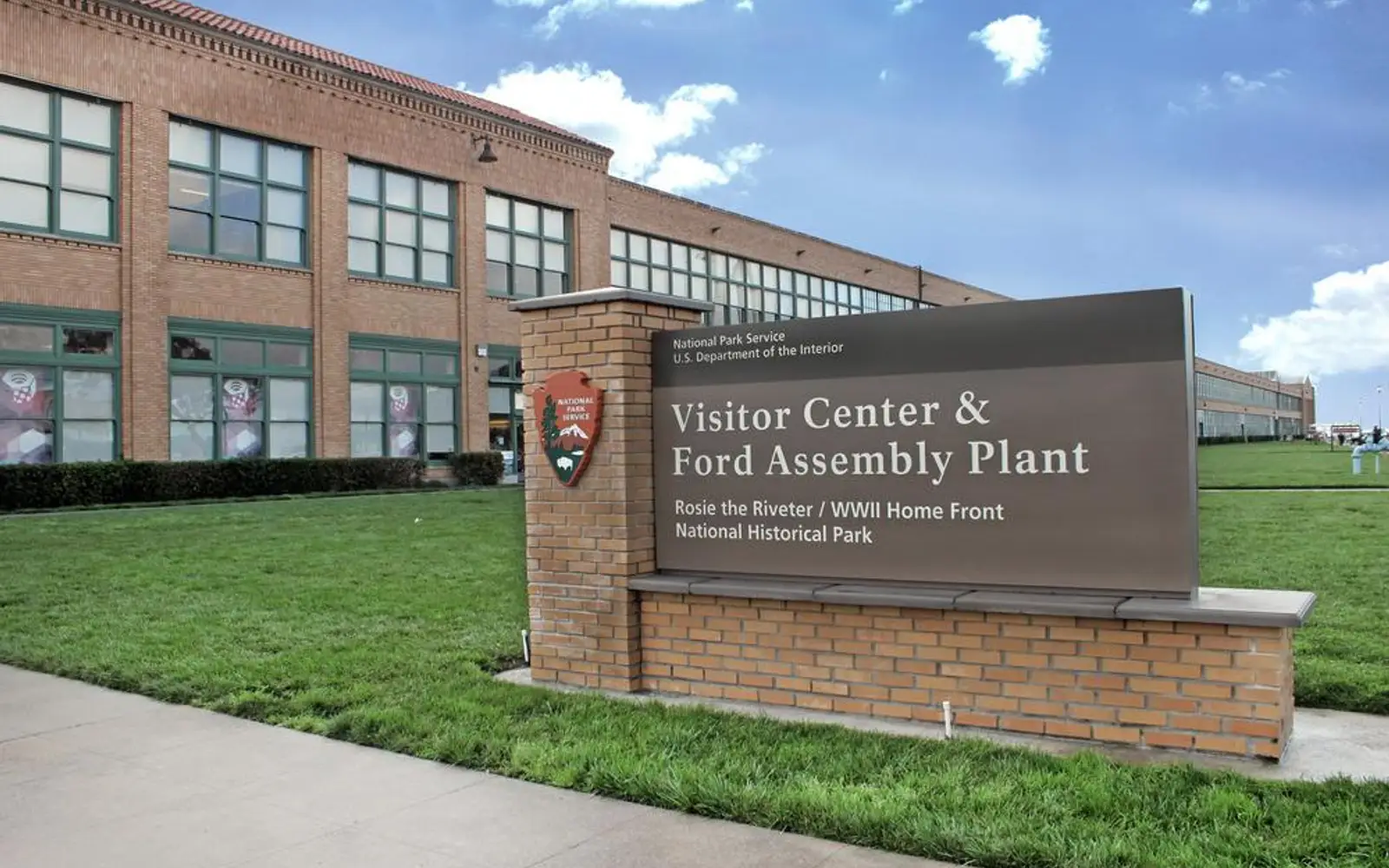
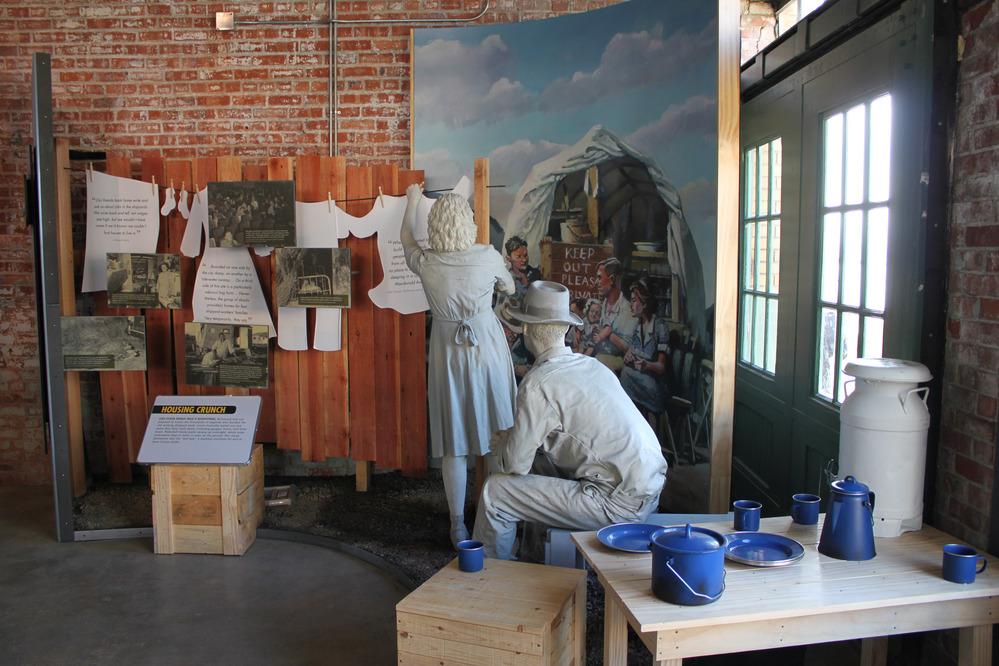
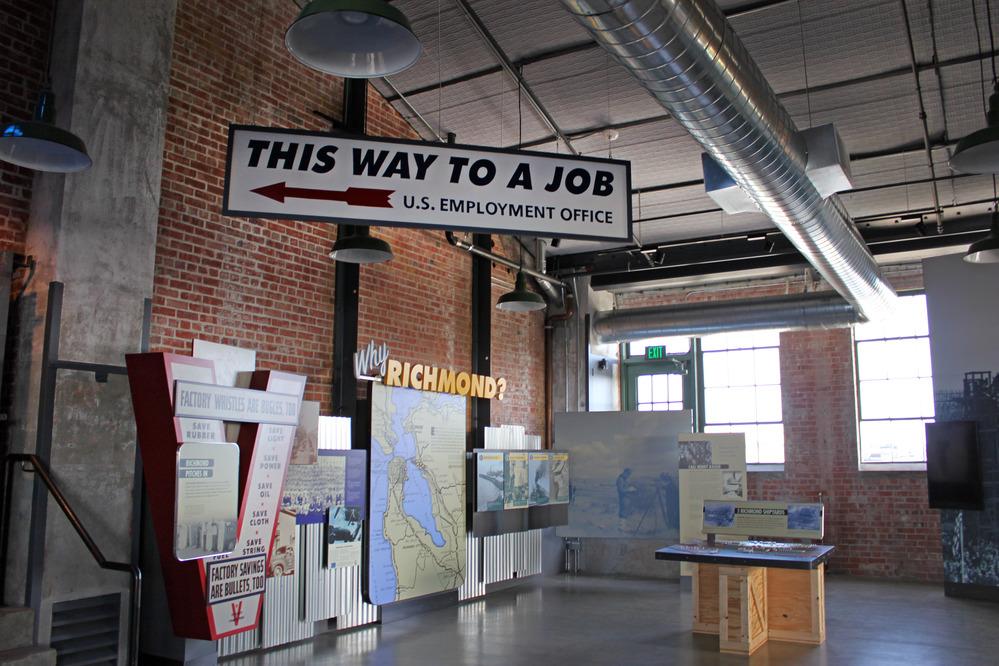
This is not a landscape park. The core experience resides within the visitor center, housed in a former Ford assembly plant. Here, museum exhibits, films, and living history interpreters illuminate the home front era. Free admission makes it an accessible historical resource. Surrounding historic sites in Richmond further extend the narrative. Those seeking trails, wildlife, or dramatic scenery will find none of it. This park suits history enthusiasts drawn to a compelling and underappreciated subject. Casual sightseers should look elsewhere.
Why visit
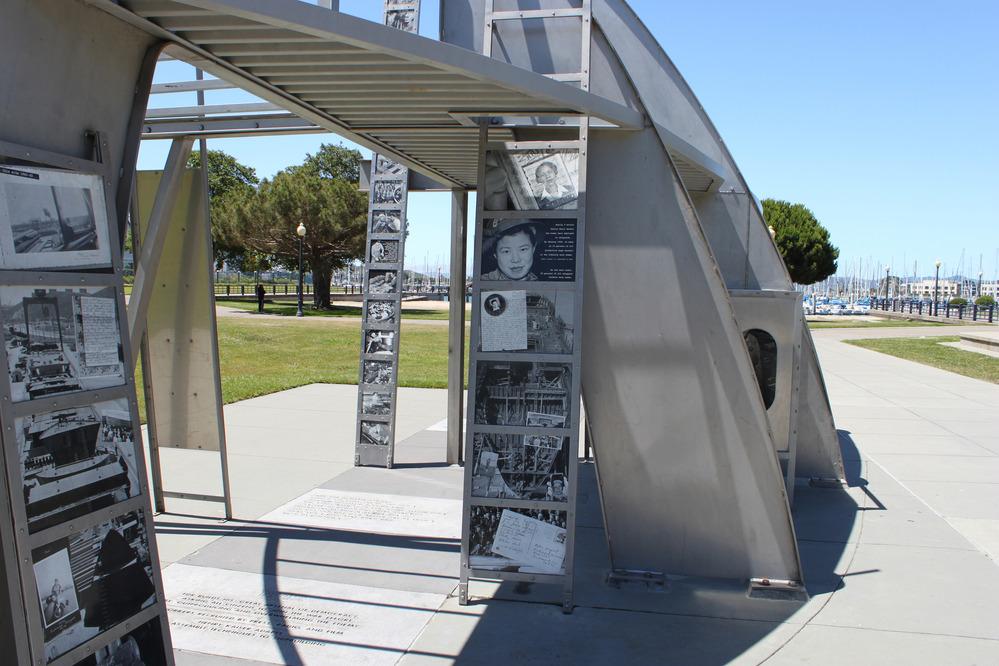
This unit's core offering is history, specifically the multifaceted narrative of Richmond. The visitor center provides essential context through exhibits on the Kaiser Shipyards, the migration's impact, and women entering industrial labor. Park films supplement this foundational understanding. For deeper engagement, guided tours offer direct access to interpreters and facilitate exploration of the park's scattered historic sites across Richmond. A self-guided auto tour accommodates independent exploration of these same locations. Scheduled living history programs provide an immersive dimension. Families with children will find value in the Junior Ranger program. This park is best suited for visitors seeking historical education and a nuanced understanding of a pivotal American era. Casual sightseers should look elsewhere.
Who it suits
This park excels as a half-day, free, educational experience. Its focus is unequivocally on history: specifically, WWII, labor, civil rights, and the American home front. The documented breadth of these offerings will satisfy enthusiasts. However, for those prioritizing outdoor recreation, scenic vistas, or a full day's adventure, this is not the destination. The data makes clear that the Bay Area offers superior choices for hiking or natural landscapes.
Timing your visit
Richmond's Bay Area climate means cool, windy conditions are possible year-round; summer fog is a frequent occurrence. Given that the primary experience centers on the indoor visitor center, seasonal timing holds less import here than for parks focused on natural landscapes. Spring and fall typically provide clearer skies, beneficial for those undertaking the self-guided auto tour of outdoor historic sites. Avoid major holidays; the visitor center closes then.
What stands out
- Museum exhibits focused on the Kaiser Shipyards and the diverse workforce that built wartime vessels in Richmond
- Living history interpretation that personalizes individual home front experiences beyond the standard exhibit format
- Guided tours led by park rangers who can contextualize the Richmond-specific industrial and social history
- A park film that efficiently frames the home front story before you explore the exhibits in depth
- Self-guided auto tour connecting the visitor center to outlying historic sites across the city of Richmond
- Junior Ranger program offering a structured, engaging experience for school-age children
Good to know
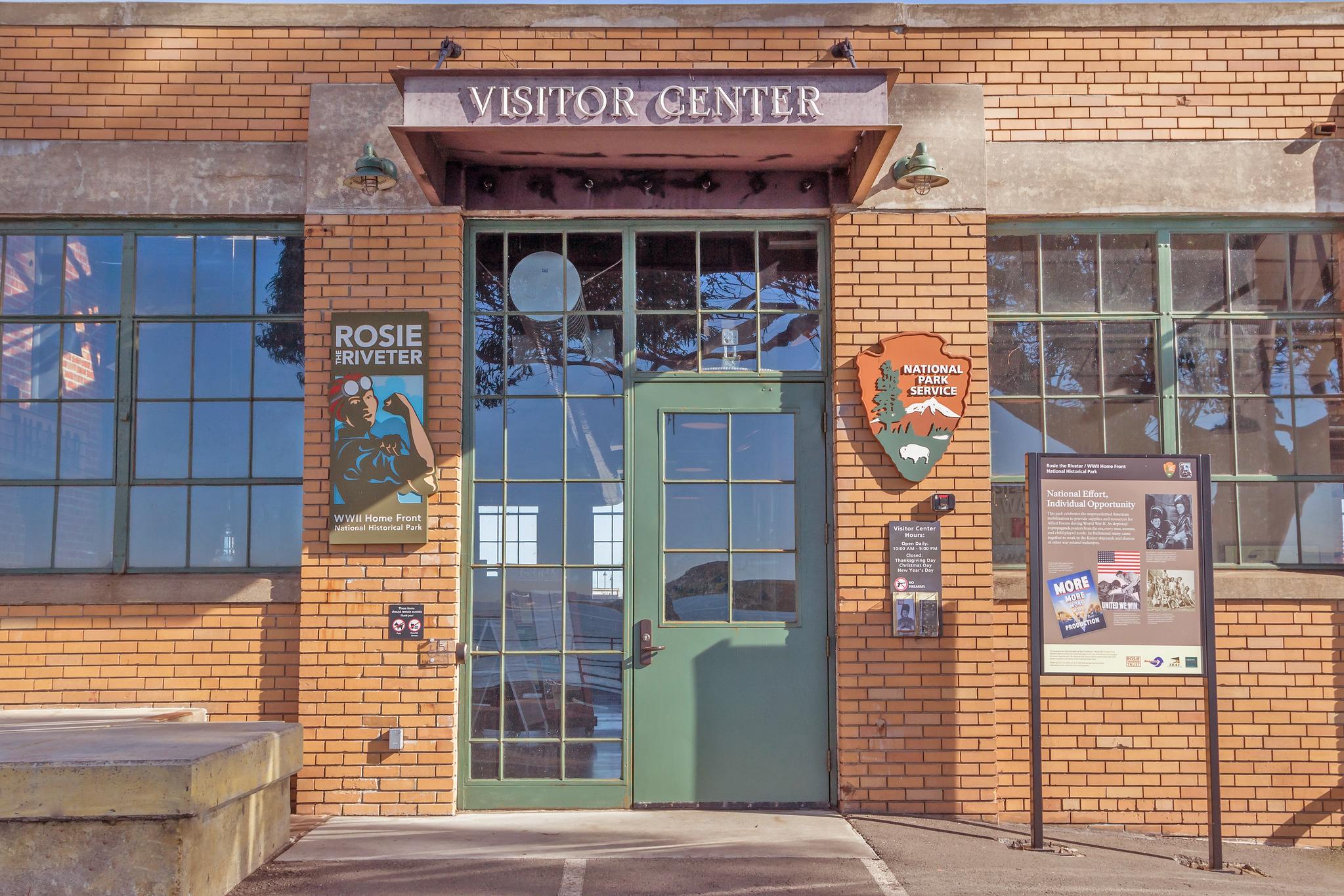
This unit offers free admission, a significant plus. The visitor center operates daily from 10 AM to 5 PM, closing only for Thanksgiving, Christmas, and New Year's Day. With multiple sites across Richmond, visitors should consult the NPS auto tour map prior to arrival to navigate effectively. Those who wish to fully engage with the exhibits and film should allocate two to three hours for the visitor center experience alone.
Insider tipWeekend visitors should consult the NPS schedule for living history programming dates. These events are not daily, but they represent the park's most distinctive offering beyond standard exhibits.