Is Rocky Mountain National Park worth your trip?
Rocky Mountain National Park merits its 90 Experience Score.
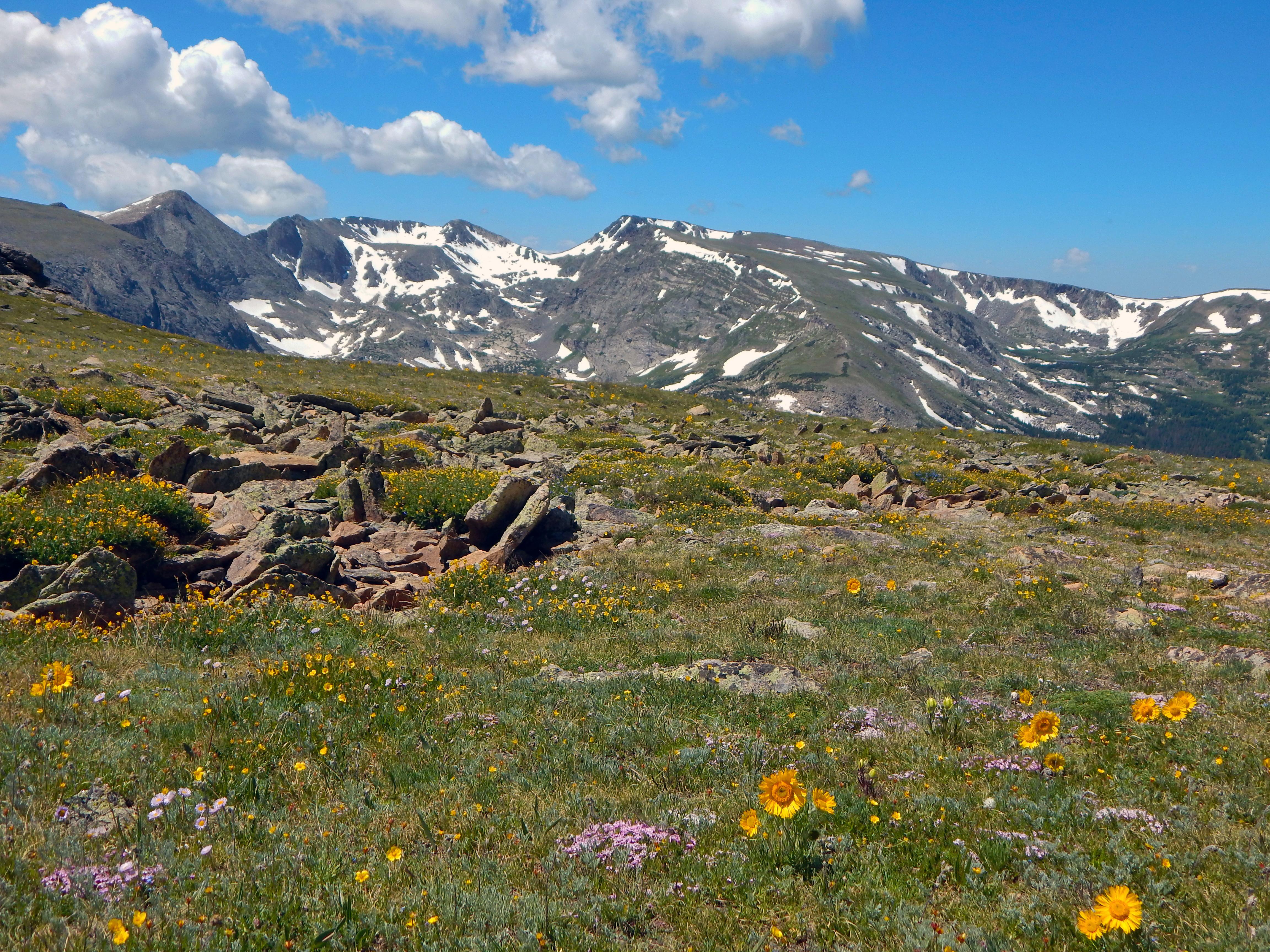
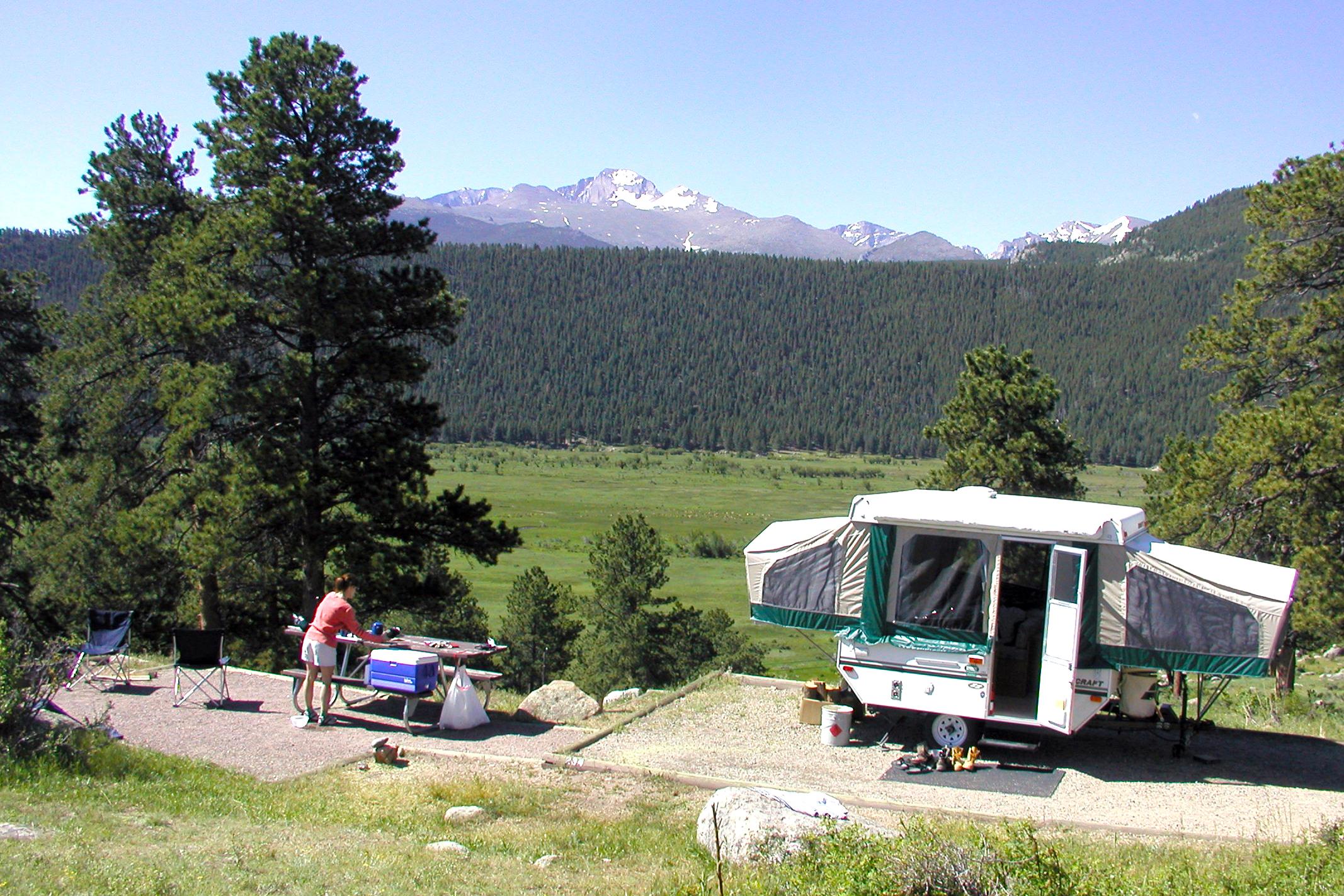
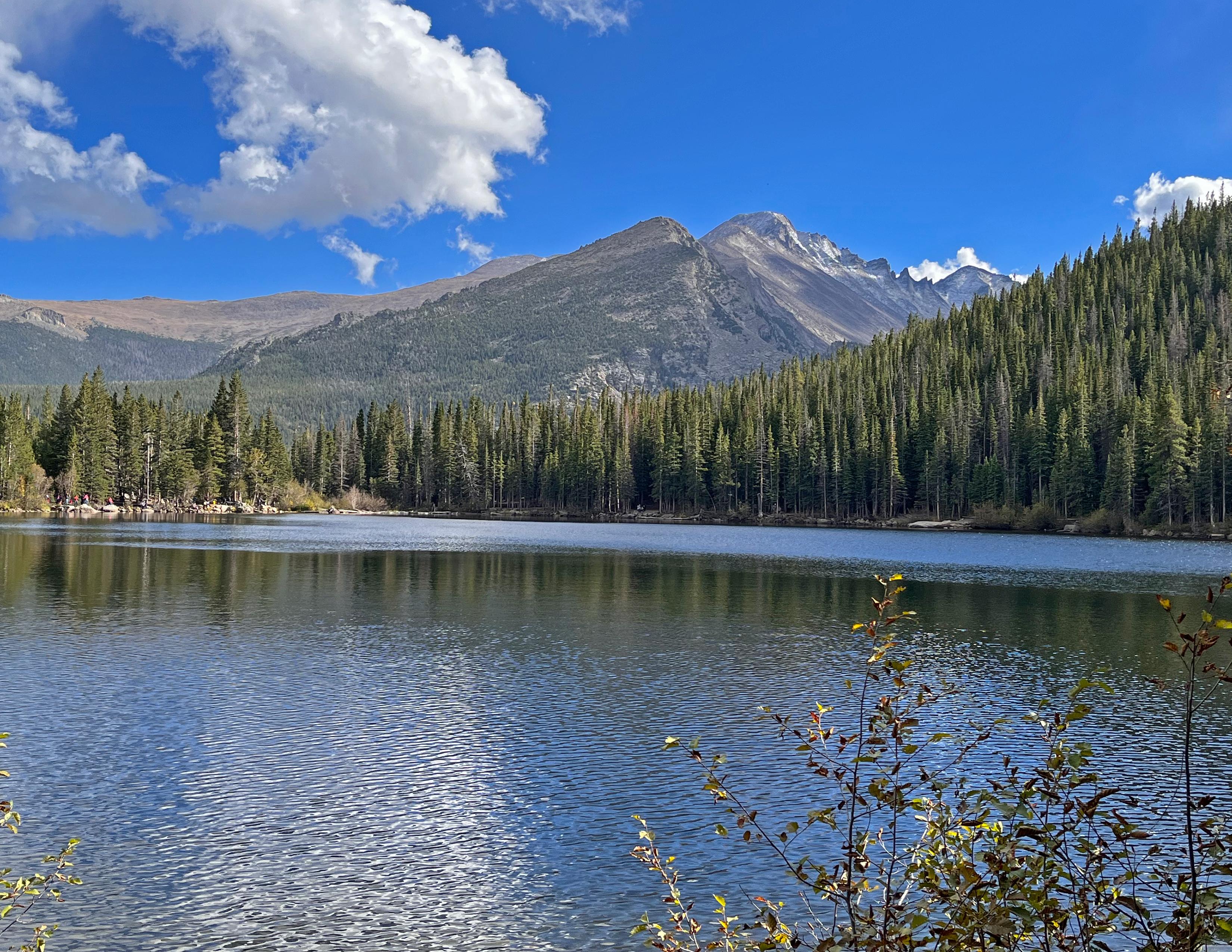
Spanning 415 square miles, with elevations from 7,800 to over 14,000 feet, it offers substantial alpine wilderness. It also provides highly accessible front-country experiences. Visitors can drive Trail Ridge Road through tundra, hike to glacial lakes, and observe elk in meadows. Camping under dark skies is a notable draw. The activity list is genuinely broad, from backcountry climbing to junior ranger programs. This is not a niche destination. The main trade-off is popularity. It is a heavily visited park, and timed entry permits are required in peak season. Plan ahead accordingly. For mountain scenery and versatility, its reputation is well-earned.
Why go
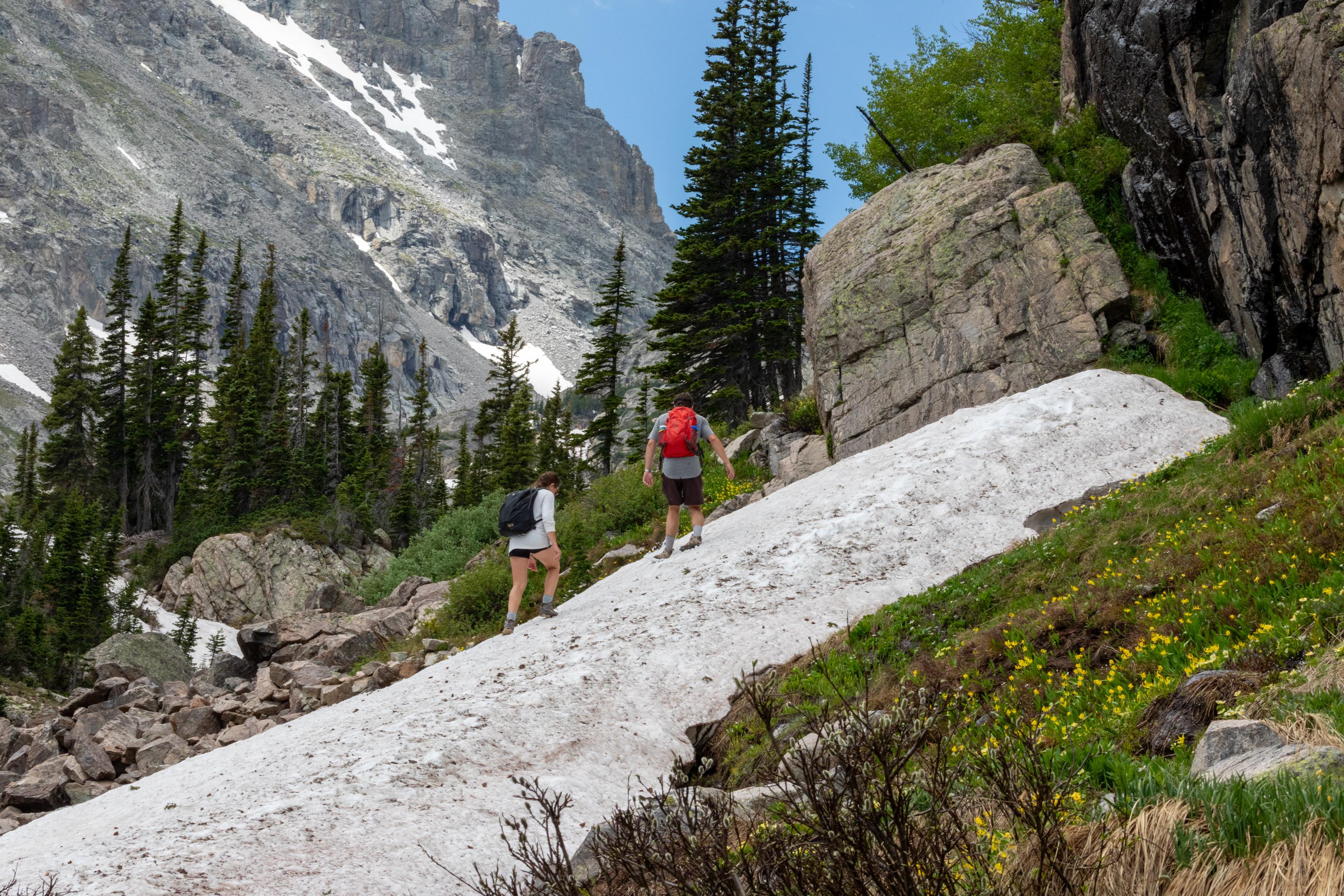
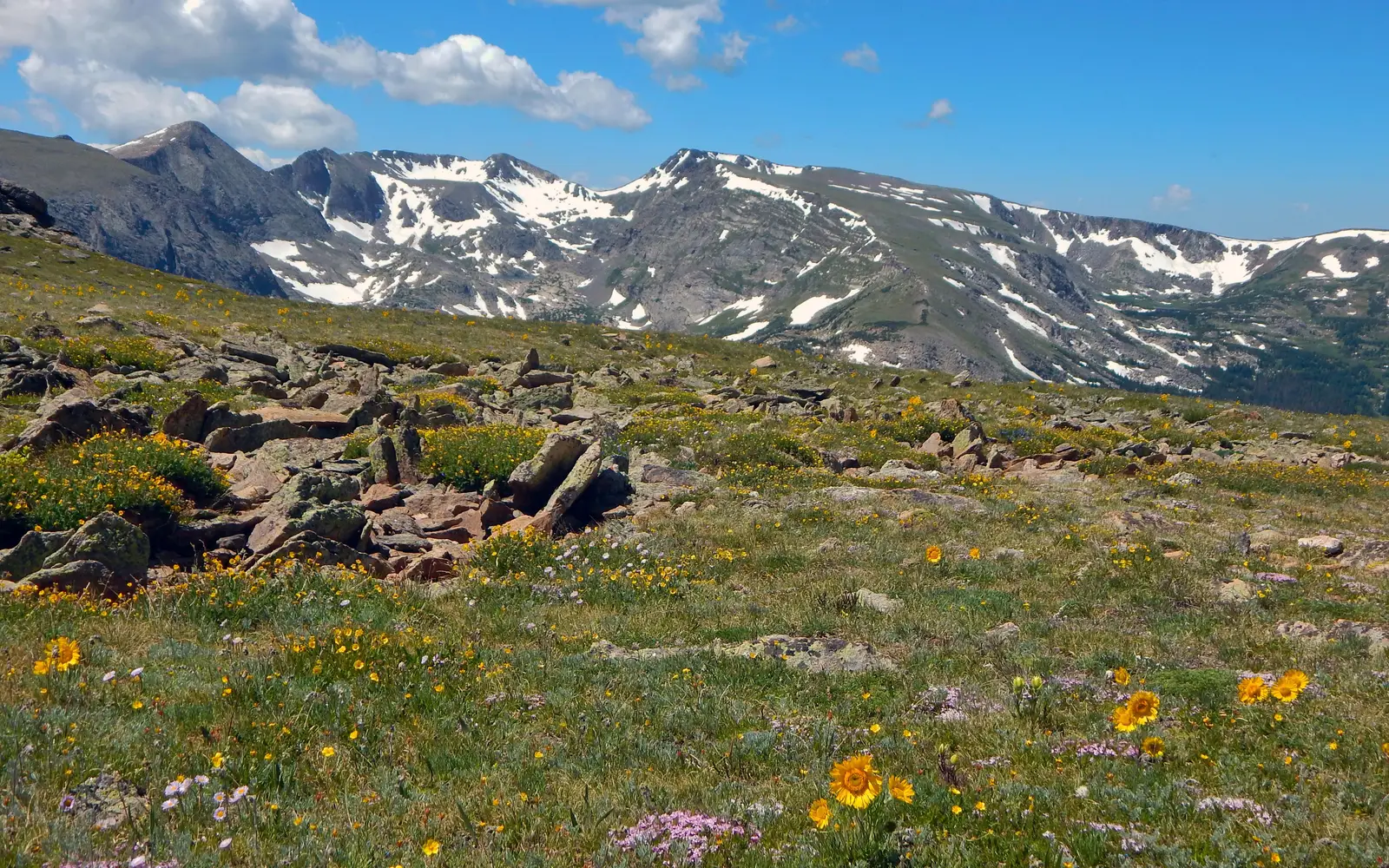
This park offers a compelling duality: accessible natural splendor alongside genuine backcountry challenge. Early risers can observe large mammals in the lower meadows. For those able to gain elevation, morning hikes lead into alpine terrain. The scenic drive through high tundra provides a worthy alternative for visitors unable to trek to the peaks. Evenings afford serious stargazing, thanks to minimal light pollution. Winter transforms the park into a distinct, active destination for cross-country skiing, snowshoeing, and general snow play. Anglers will find documented opportunities in mountain streams and lakes. With over 300 miles of trails, numerous backcountry climbing routes, and significant scenic driving, the park delivers layers of experience for repeat visitors. This destination suits both the casual scenic driver and the serious backcountry enthusiast.
Best for
This park is an exceptional choice for hikers, wildlife observers, and families with children, particularly those seeking high-altitude alpine landscapes within a practical driving distance of Denver. It also stands out for winter recreation enthusiasts and climbers. Only those for whom significant July and August crowds are an absolute deterrent, and for whom a shoulder-season visit is impossible, should consider alternative, less-visited Colorado wilderness areas.
Best season
The optimal time for a visit depends heavily on priorities. Late May into early June presents a window for snowmelt wildflowers and fewer visitors, preceding the main summer influx. September stands out as a prime period, marked by the elk rut's dramatic wildlife displays and the initial flush of aspen color, alongside a noticeable reduction in crowds. While summer provides the warmest hiking conditions, it also introduces afternoon thunderstorms at higher elevations and peak congestion. Winter here is a serious proposition, not merely an off-season, demanding thorough preparation for the quickly shifting conditions above 10,000 feet.
The high points
- Over 300 miles of documented hiking trails spanning montane meadows to true alpine tundra above 12,000 feet
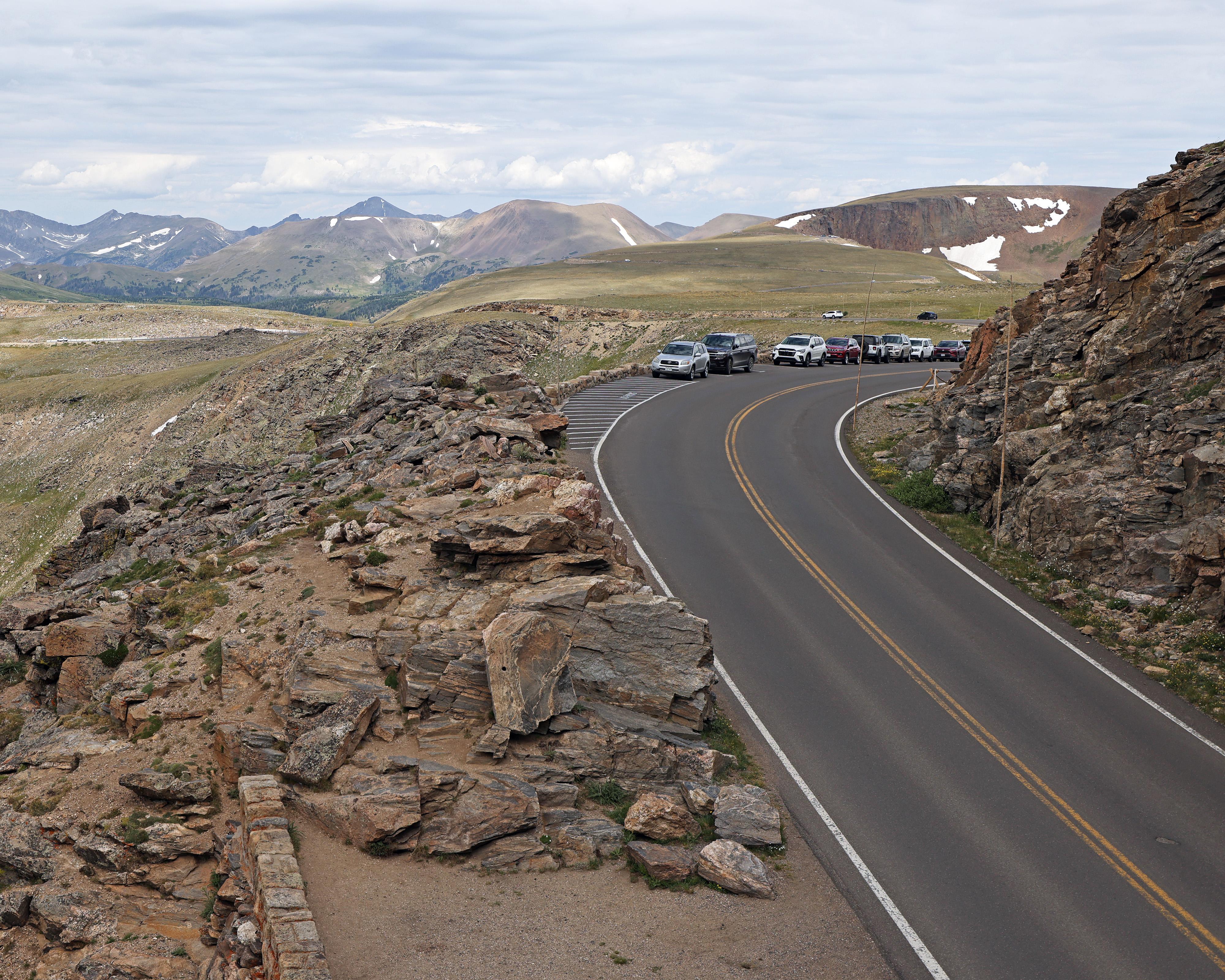
- Trail Ridge Road, one of the highest paved through-roads in the United States, passable by any vehicle when open
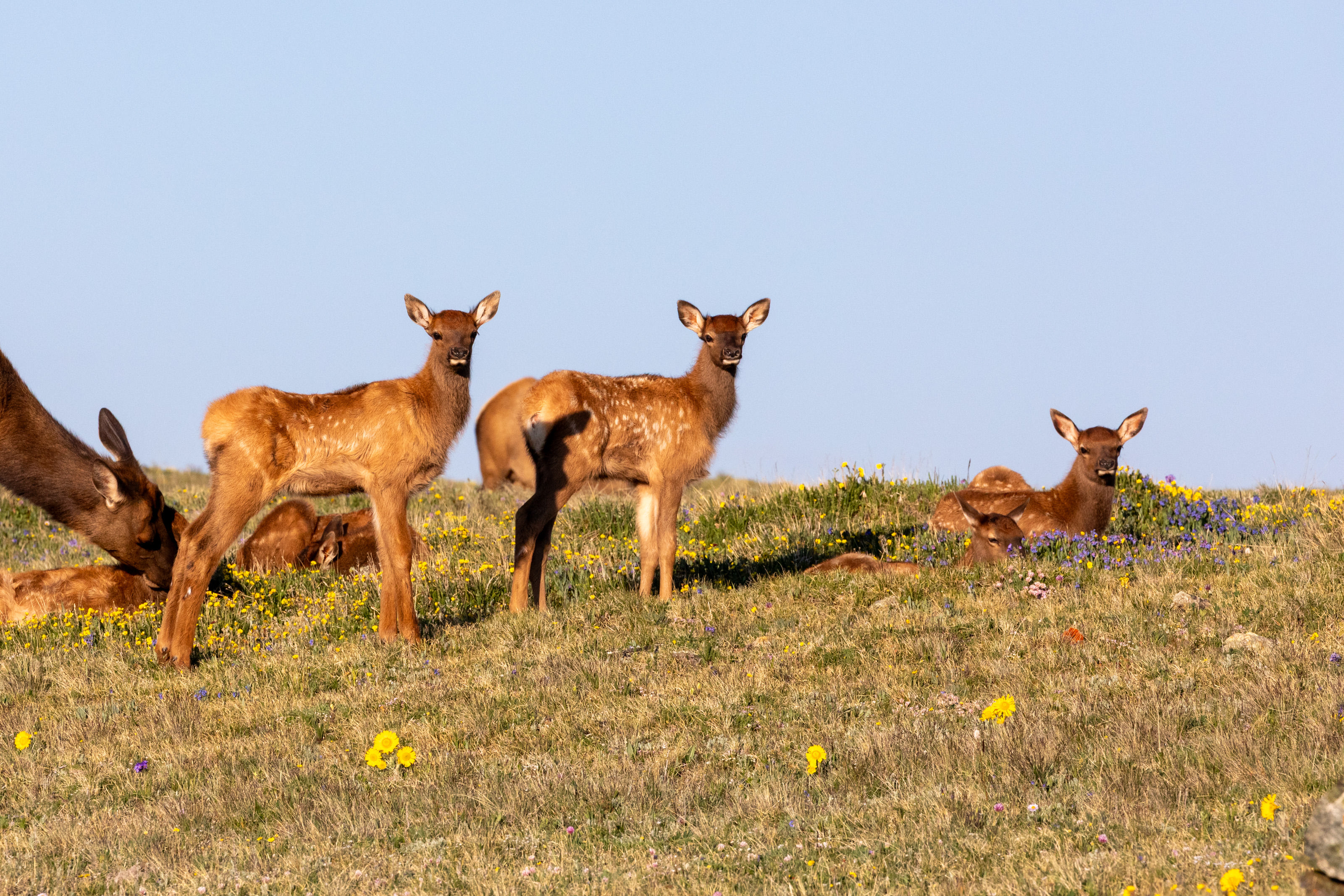
- Documented wildlife watching including elk in open meadows, with fall rut a particularly reliable seasonal event
- Serious backcountry climbing routes on high peaks exceeding 14,000 feet for experienced mountaineers
- Year-round access with a genuine winter season of cross-country skiing, snowshoeing, and snow play
- Dark-sky stargazing at elevation, well above the light dome of the Denver metro area
Know before you go
The $15 entrance fee is modest given the park's offerings. Prospective visitors should consult the NPS reservation system for timed-entry permits, especially during summer peak months. Altitude presents a significant challenge: the park's lowest elevation approaches 8,000 feet, with many trailheads situated considerably higher. Aggressive hydration is essential. Afternoon lightning above the treeline is a predictable hazard.
One more thingFor wildlife viewing, early morning offers a distinct advantage. Arrive at lower-elevation meadow areas at first light. Animals are most active then, and you will largely avoid crowds for the initial hour or two.