Should you visit Rocky Mountain Arsenal National Wildlife Refuge?
Rocky Mountain Arsenal National Wildlife Refuge presents a compelling case study in ecological reclamation.
This 15,000-acre expanse of recovering prairie and wetland, situated near Denver, was formerly a federal chemical weapons manufacturing facility. Its transformation now supports a resident bison herd and black-footed ferrets, demonstrating a significant conservation success. The landscape consists of flat to gently rolling terrain under wide open skies, offering genuine opportunities for viewing large mammals. This is urban-edge nature, not a wilderness destination. Accessible trails and an auto tour route accommodate all mobility levels. For wildlife photographers, birders, and families seeking an accessible half-day or full-day excursion near Denver, the refuge exceeds expectations for its convenient location.
What makes it worth it
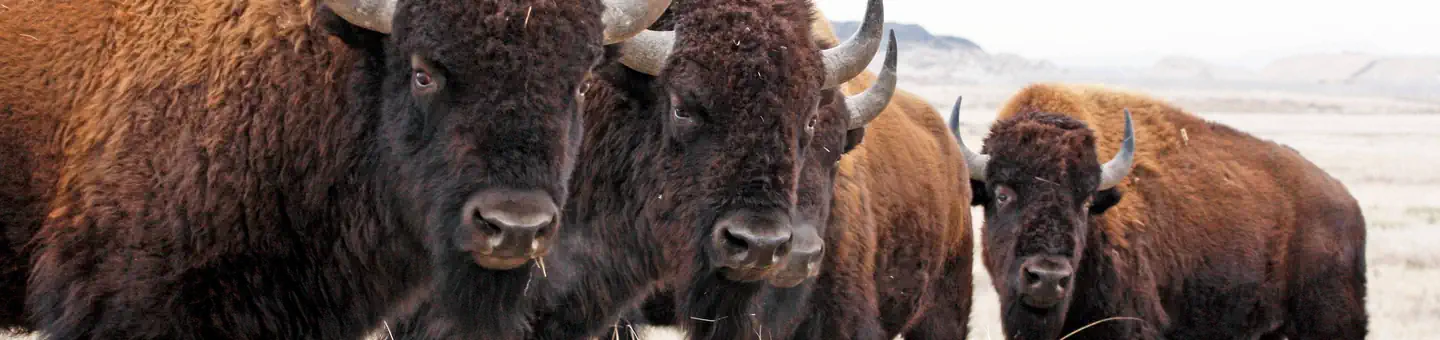
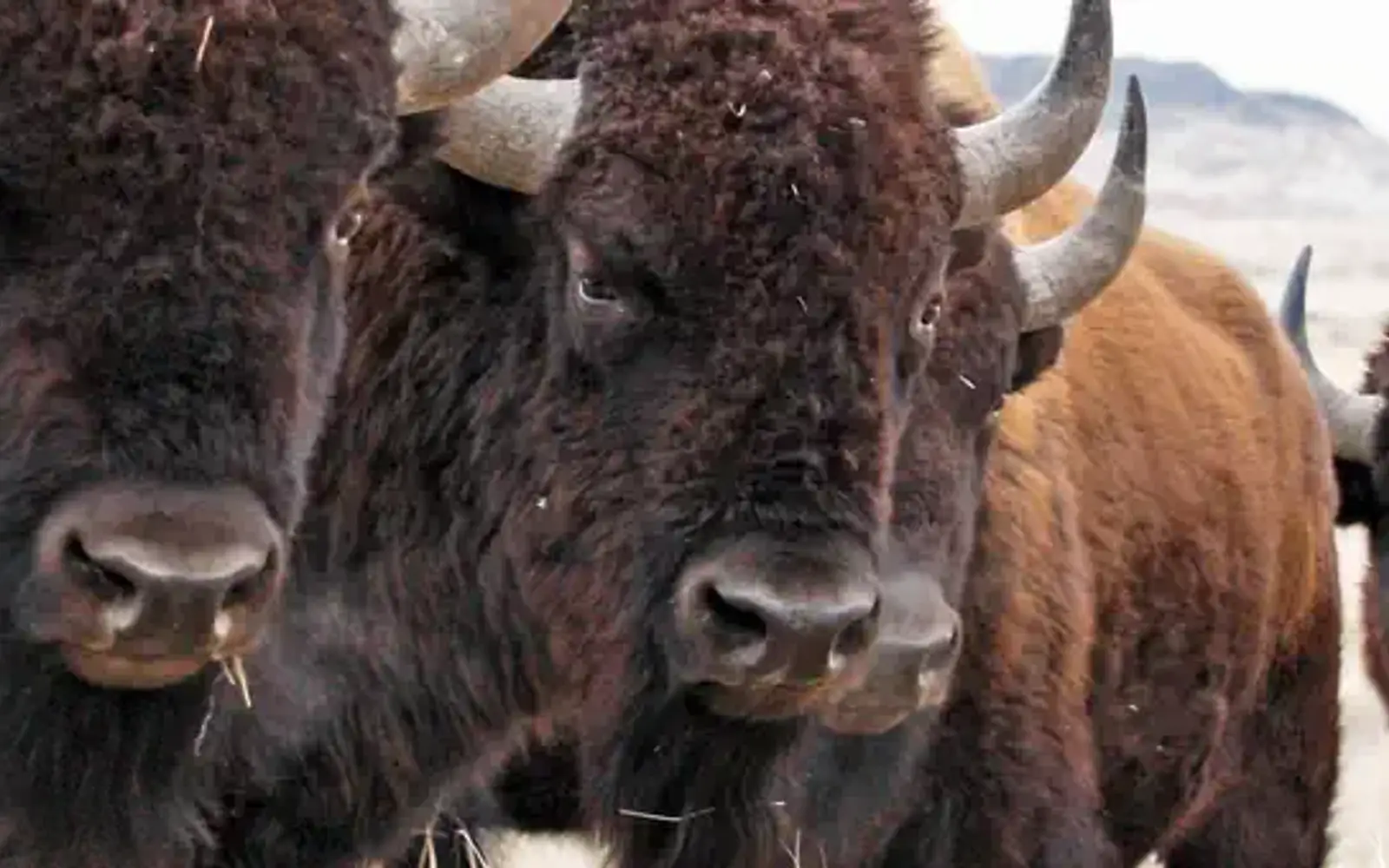
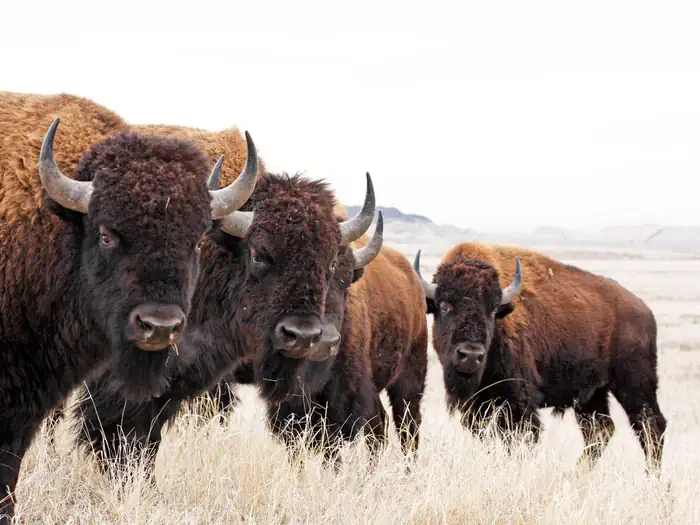
A good day here starts at the visitor center to orient yourself, then moves into the refuge on foot, by bike, or by car along the auto tour route. The bison herd is the headline draw and sightings are reasonably reliable given the contained refuge boundaries. Black-footed ferret conservation work makes this one of a small number of places in the country where that species exists in the wild. Beyond the mammals, the refuge supports strong birding across grassland and wetland habitats, with fishing available as well. Winter adds snowshoeing and cross-country skiing on the trail network, making this genuinely a four-season destination. Interpretive and educational programs give the visit real depth, especially if you want to understand the site's unusual history as a reclaimed industrial property.
Who should go
This urban-adjacent nature preserve offers accessible trails and interpretive programs, making it an easy, rewarding stop for families. Wildlife watchers, birders, and photographers will find ample opportunities here. Those seeking solitude, dramatic landscapes, or hardcore wilderness hiking should consider other destinations. For what it offers, it delivers.
When to go
Clear wildlife viewing is a significant draw, particularly from late fall through early spring when lower vegetation exposes more animals. Bison are a consistent presence year-round. For birding, summer mornings offer prime conditions before rising temperatures. A notable advantage for this refuge is the genuine usability of its trail system for snowshoeing and skiing during winter. This capability stands out among comparable urban-adjacent refuges in Colorado.
Highlights
- Resident bison herd viewable on the auto tour and from hiking trails
- One of the few accessible sites in the U.S. supporting wild black-footed ferret recovery
- 20 miles of trails open to hiking and biking across restored prairie and wetland
- Strong birding across multiple habitat types including grassland, wetland, and open water
- Winter trail use for snowshoeing and cross-country skiing with no fee
- Interpretive programs that connect the refuge's industrial past to its present conservation success
Plan ahead
The free entry makes this refuge an easy complement to any Denver visit. It operates under U.S. Fish and Wildlife Service management, not the National Park Service. Consequently, prospective visitors should consult refuge-specific hours; access can be more restricted than at a typical national park. Archery and fishing activities often require separate permits or adherence to designated season windows.
Editor's tipThe auto tour route offers the most reliable method for bison viewing, effectively covering extensive terrain. Visitors should pair this driving experience with a subsequent hike. Do not consider the drive a complete visit in itself.