Is Rock Creek Park worth it?
Rock Creek Park, a 1,754-acre forested corridor in Washington, D.C., offers exceptional breadth for an urban park.
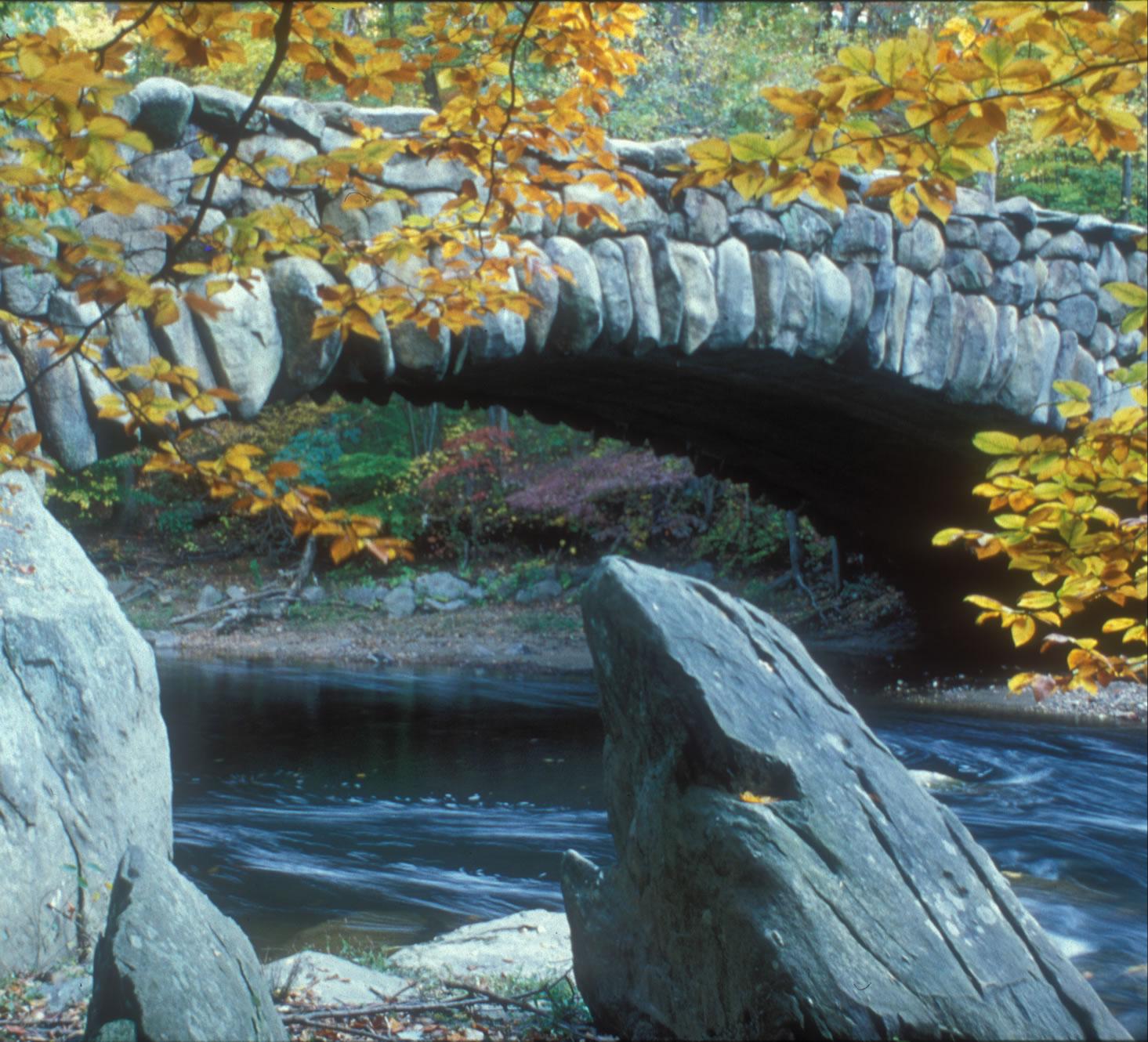
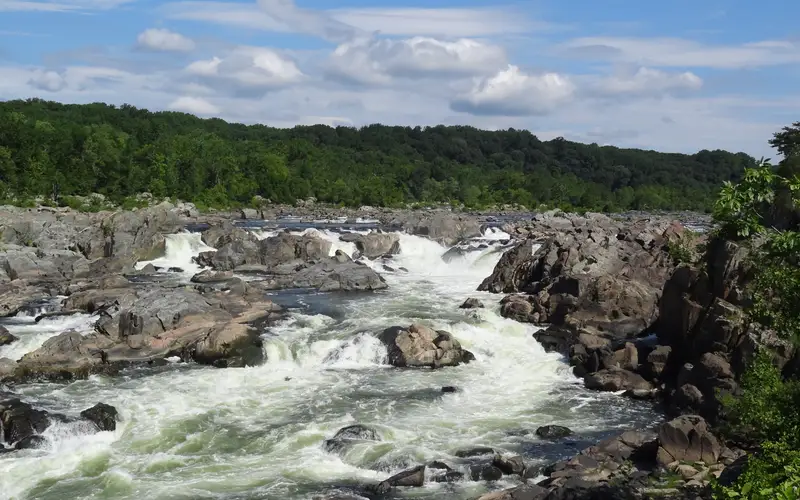
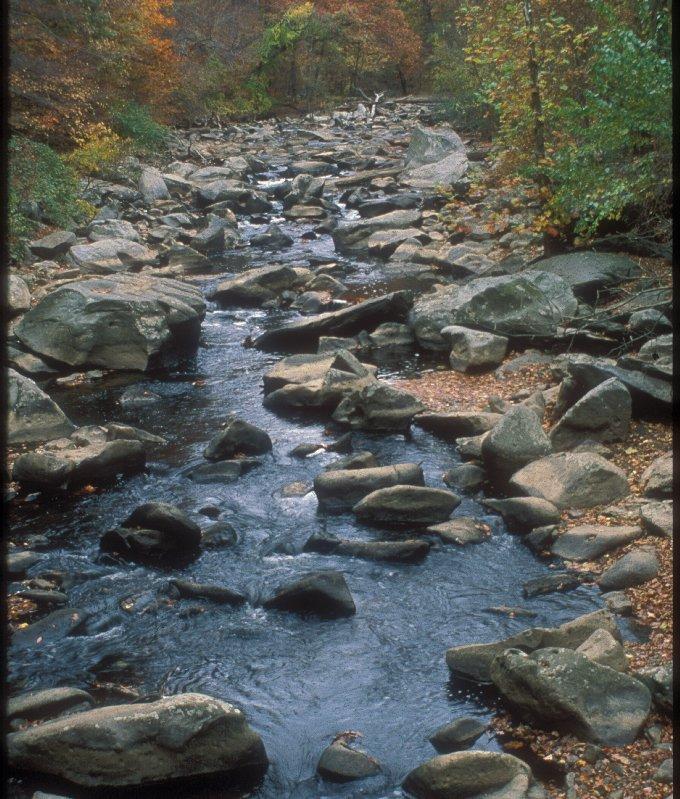
Free to enter and continuously open, it provides trail hiking, wildlife watching, biking, horseback riding, paddling, and planetarium visits within city limits. The experience score of 88 reflects this genuine breadth. While not a destination park, visitors to D.C. should prioritize it. The old-growth trees and wild-feeling creek corridor create a substantial natural experience. Its extensive activity roster can fill a full day. History, nature, and recreation coexist here, a rare achievement for any American city park system.
The case for it
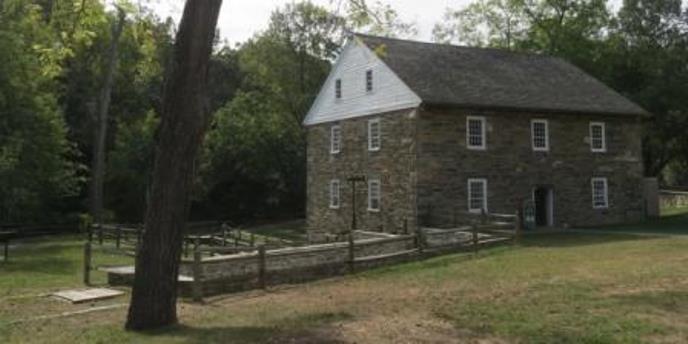
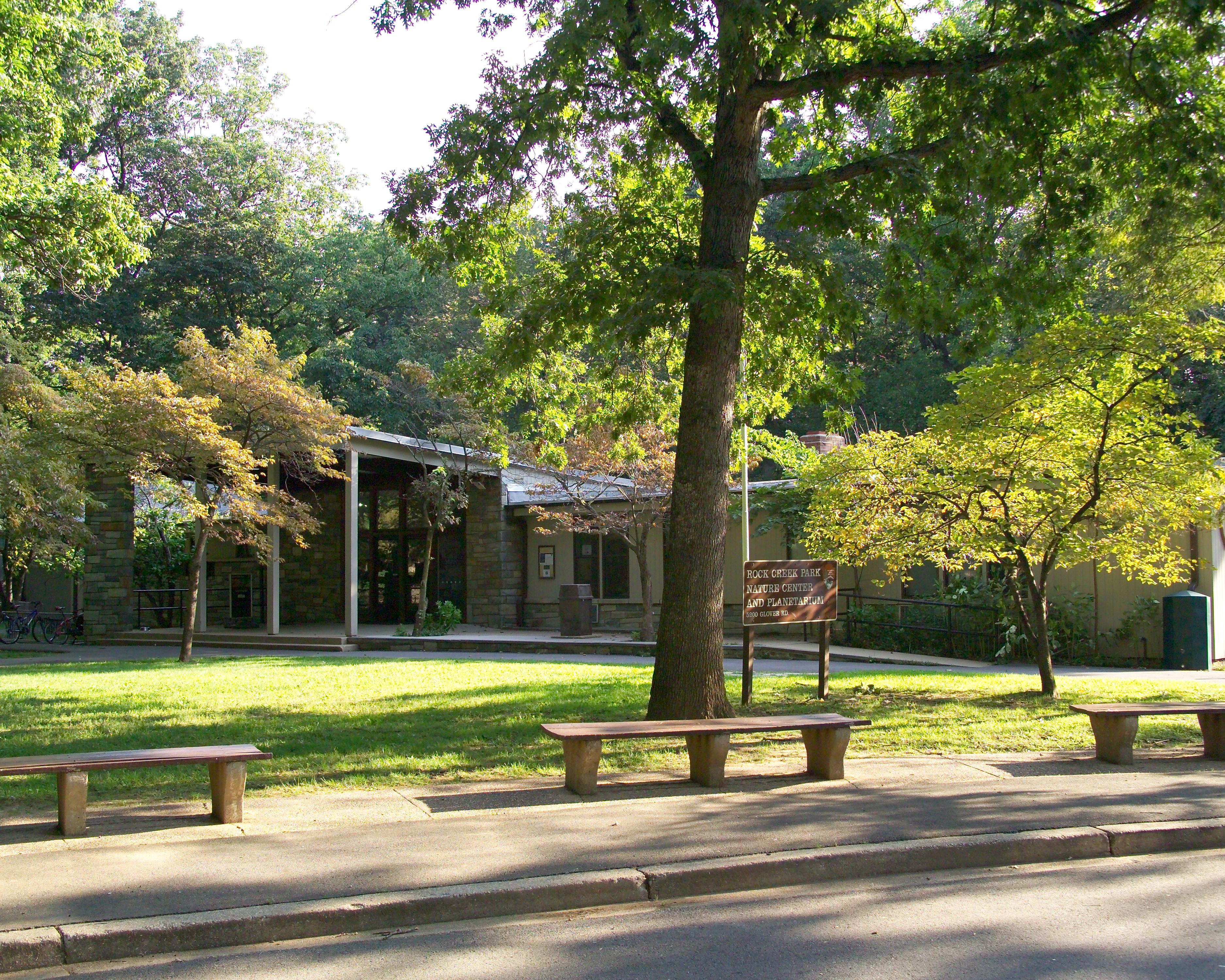
Rock Creek Park presents a compelling case for the active visitor. Its strength lies in diverse, accessible recreation within an urban footprint. The park's forested trails invite exploration by foot or bike, while the Nature Center offers planetarium shows and museum exhibits. Fishing in the creek is an option for anglers; paddlers can launch canoes or kayaks. The park functions as a documented urban birding corridor, making it noteworthy for ornithologists. Families benefit from the Junior Ranger program and playground access. Weekends see portions of Beach Drive close to vehicles, creating an extensive car-free zone for cyclists and pedestrians. This is a significant amenity. Both guided tours and self-guided walks add historical context. For those seeking varied outdoor activity within city limits, Rock Creek Park delivers.
Who it is for
This park excels as an urban green space, offering diverse outdoor activities close to a major city. It caters well to D.C. visitors seeking nature breaks and locals desiring accessible trails. Families will find ample room for children to play. Birders and paddlers have good opportunities here. However, those seeking true wilderness or serious backpacking will be disappointed. This unit provides well-executed urban nature, not remote adventure.
Best time to visit
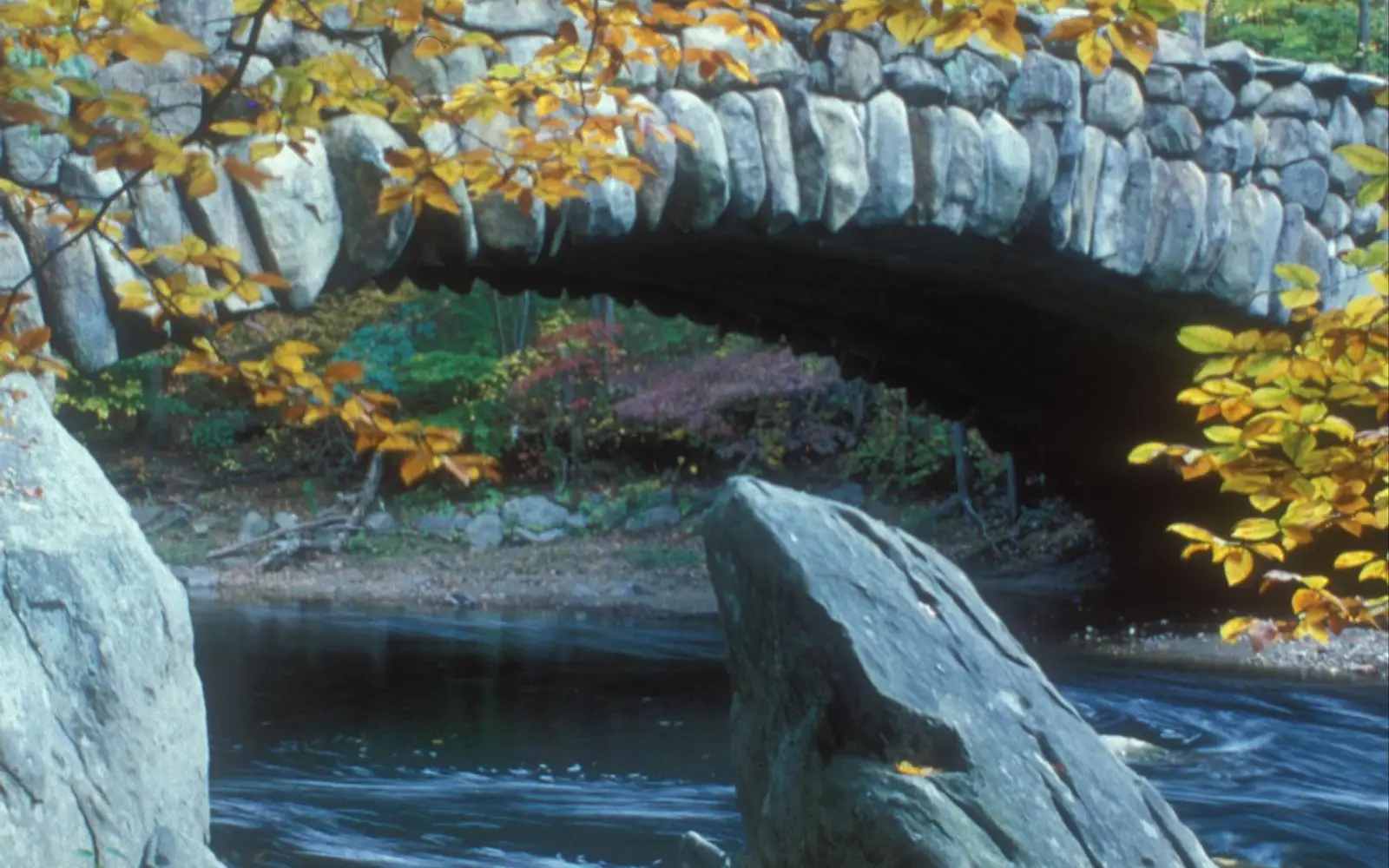
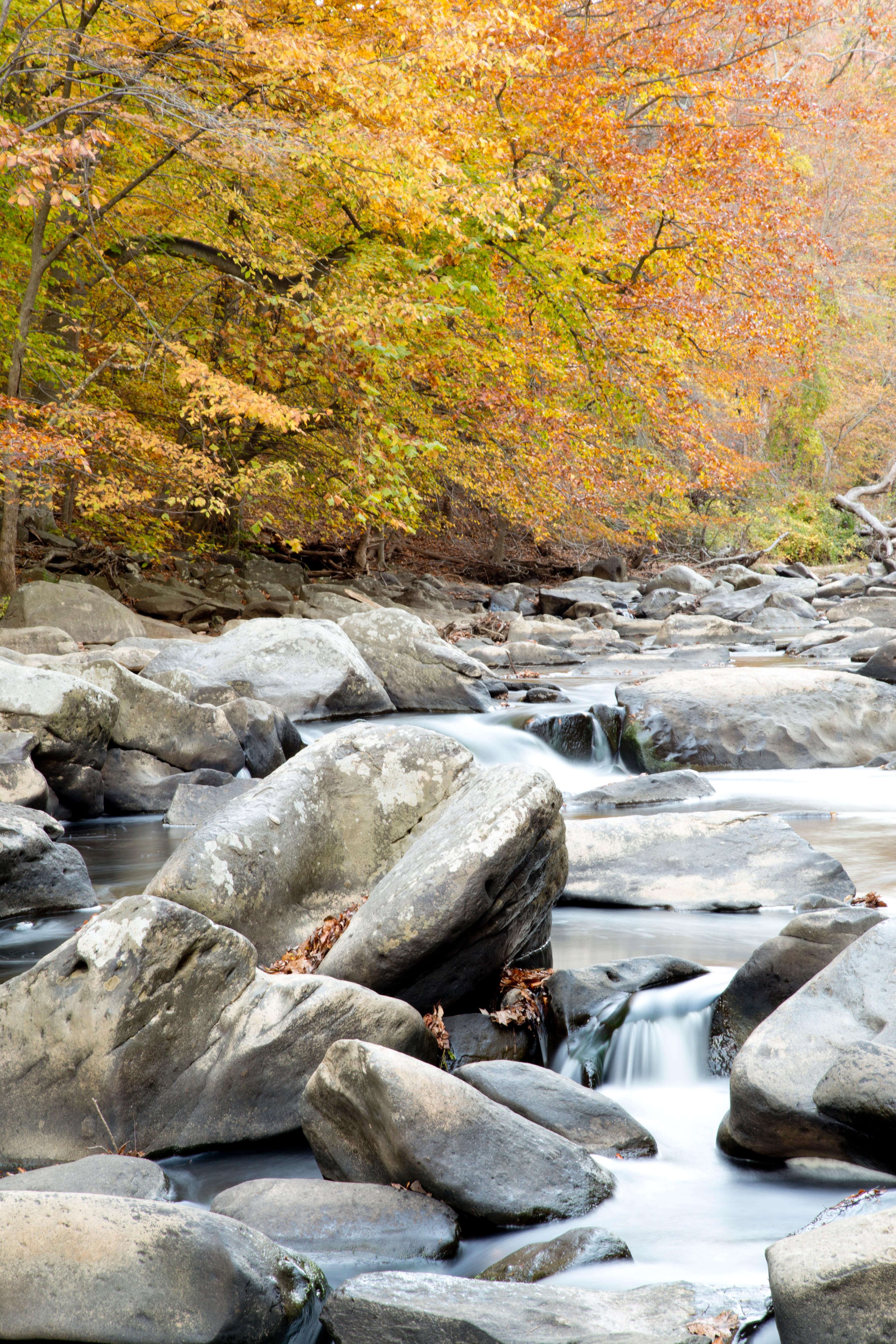
Spring and fall offer ideal conditions, with highs in the upper 60s. These seasons provide comfortable trail access. Spring features green-up along the creek valley and active bird migration. Fall foliage is impressive within this dense urban forest. Summer highs near 87 degrees bring heat and humidity, though tree cover provides some relief on trails. Winter remains mild enough for hiking most days.
Worth seeing
- Car-free Beach Drive on weekends, a dedicated biking and walking corridor through the forest
- Planetarium and nature museum at the Rock Creek Nature Center, free and family-friendly
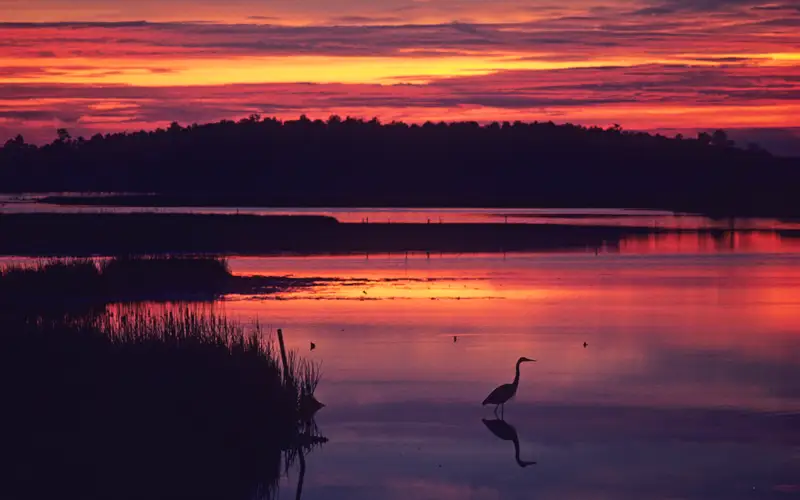
- Birding along the creek valley corridor, a productive urban migration route
- Paddling access by canoe and kayak on the water
- Horseback riding and horse trekking options within city limits
- Scenic driving through a wooded park landscape entirely within Washington, D.C.
Before you visit
The absence of an entrance fee is notable, as is the 24-hour road access when not otherwise posted. Most park land is open sunrise to sunset. However, those planning to visit the Nature Center should consult the official site for its specific operating hours. Parking is available, but lots fill rapidly on weekends, particularly when Beach Drive is closed to vehicles. This is a park best approached with flexibility and an awareness of its operational nuances.
Our tipThe closure of Beach Drive to vehicular traffic on Saturday and Sunday mornings presents a significant, if time-limited, opportunity. This car-free designation creates an exceptional biking corridor, arguably among the best in the mid-Atlantic. Those seeking a quieter experience should plan an early arrival; foot traffic is notably lighter before city crowds emerge.