Is Redwood National and State Parks worth it?
Redwood National and State Parks stands as an irreplaceable unit within the American park system.
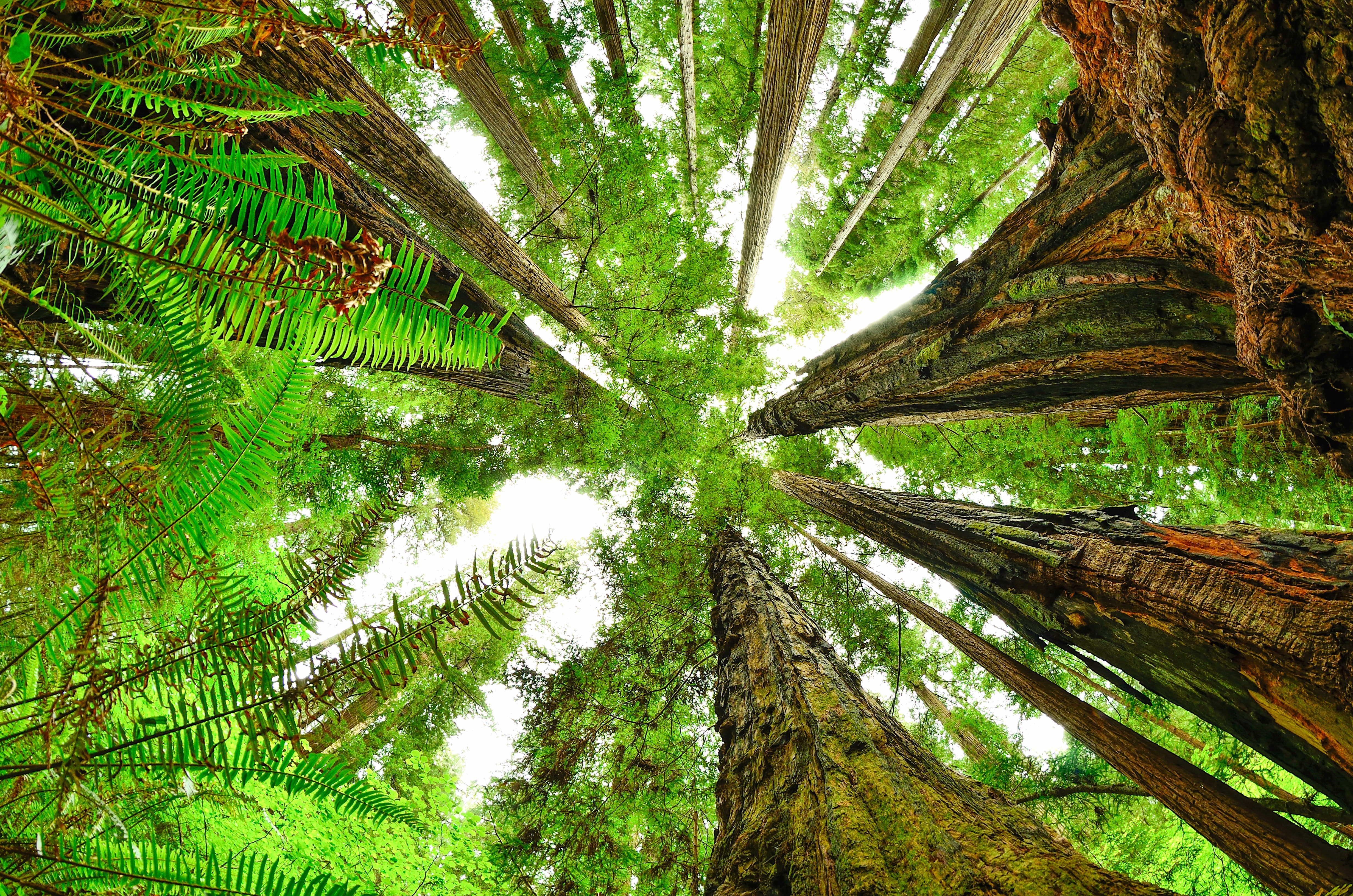
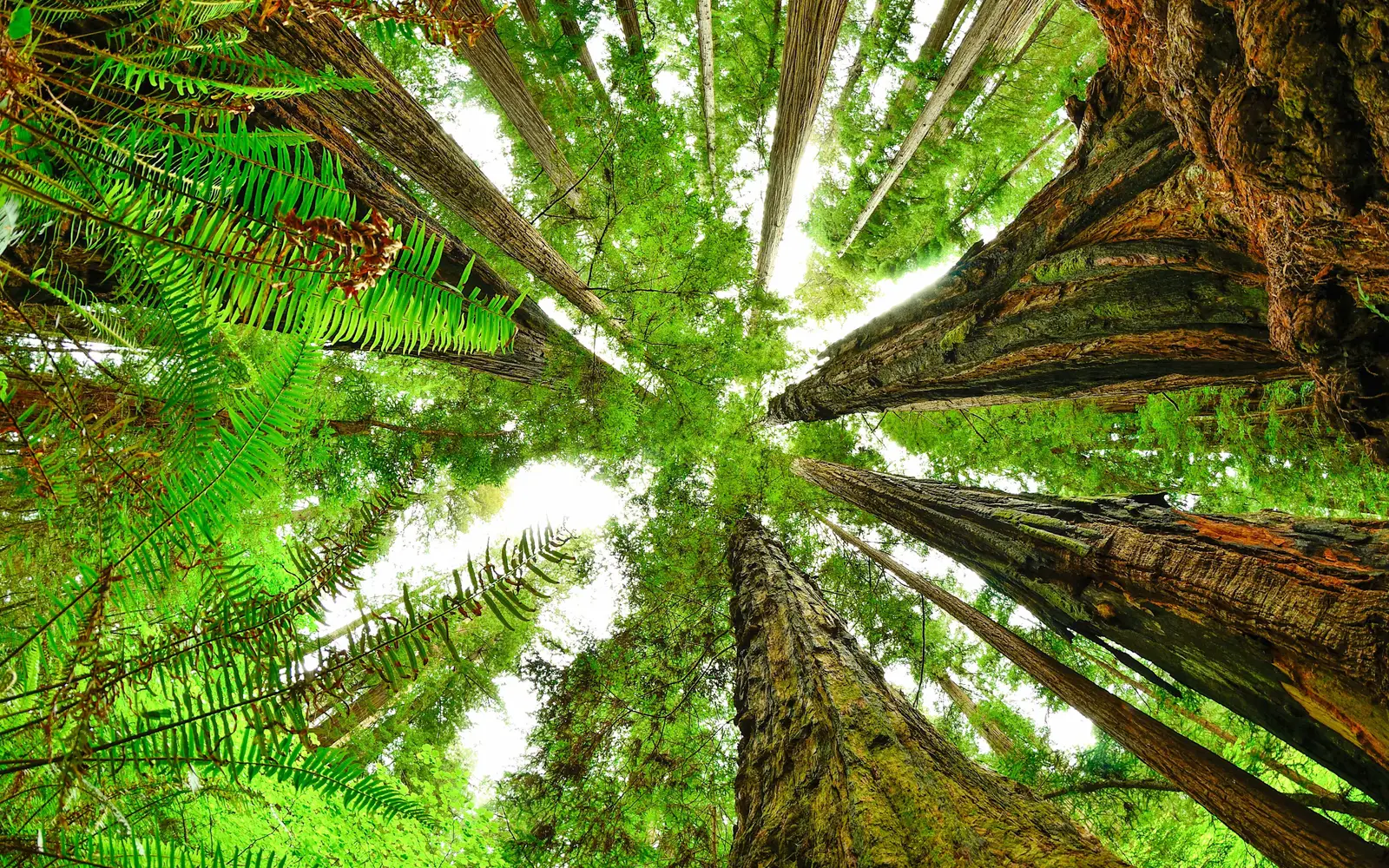
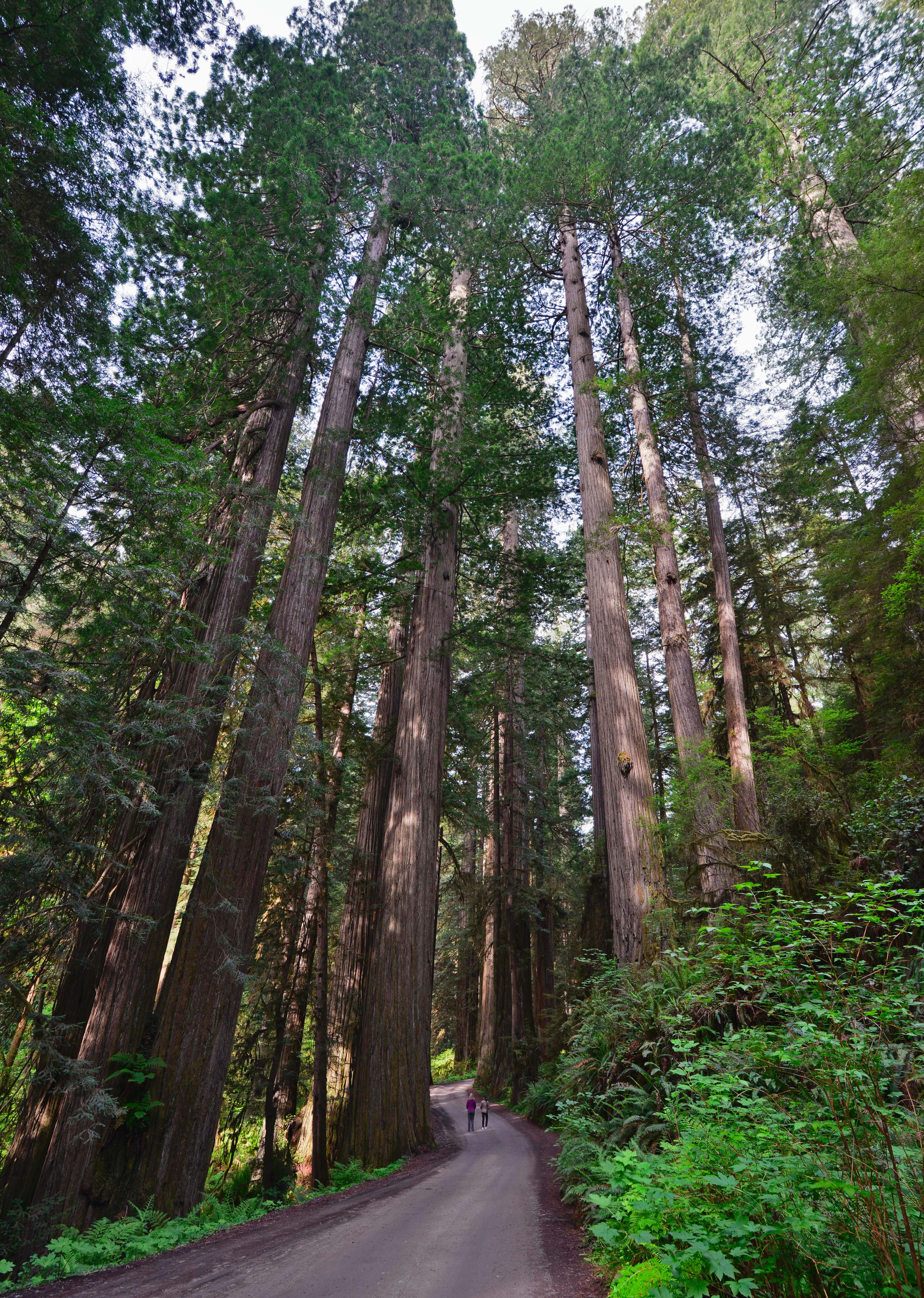
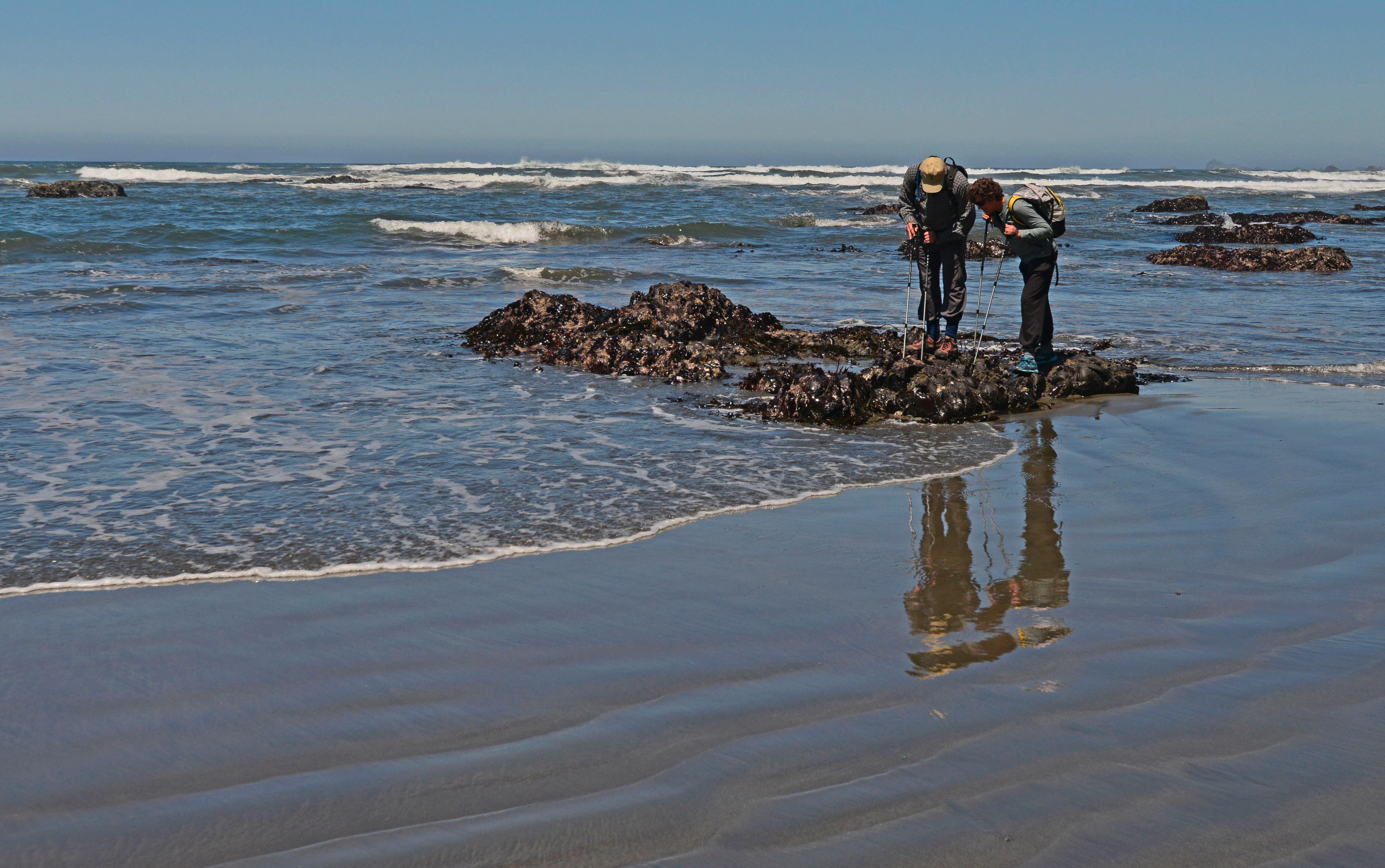
Visitors enter forests dense enough to silence sound, home to the world's tallest living organisms. The park presents a mosaic of landscapes: ancient redwood groves, expansive prairies, oak woodlands, undammed rivers, and a rugged Pacific coastline. This diversity is accessible within a single visit. An Experience Score of 100, combined with free entry, reflects an unparalleled access-to-payoff ratio. This is not a niche destination. Documented activities cater to a broad spectrum of users, including hikers, families, paddlers, cyclists, equestrians, surfers, and wildlife watchers. The primary caveat remains the weather. The coast experiences cool, damp, and frequently foggy conditions, even in July. Preparedness for these conditions ensures a rewarding experience.
The case for it
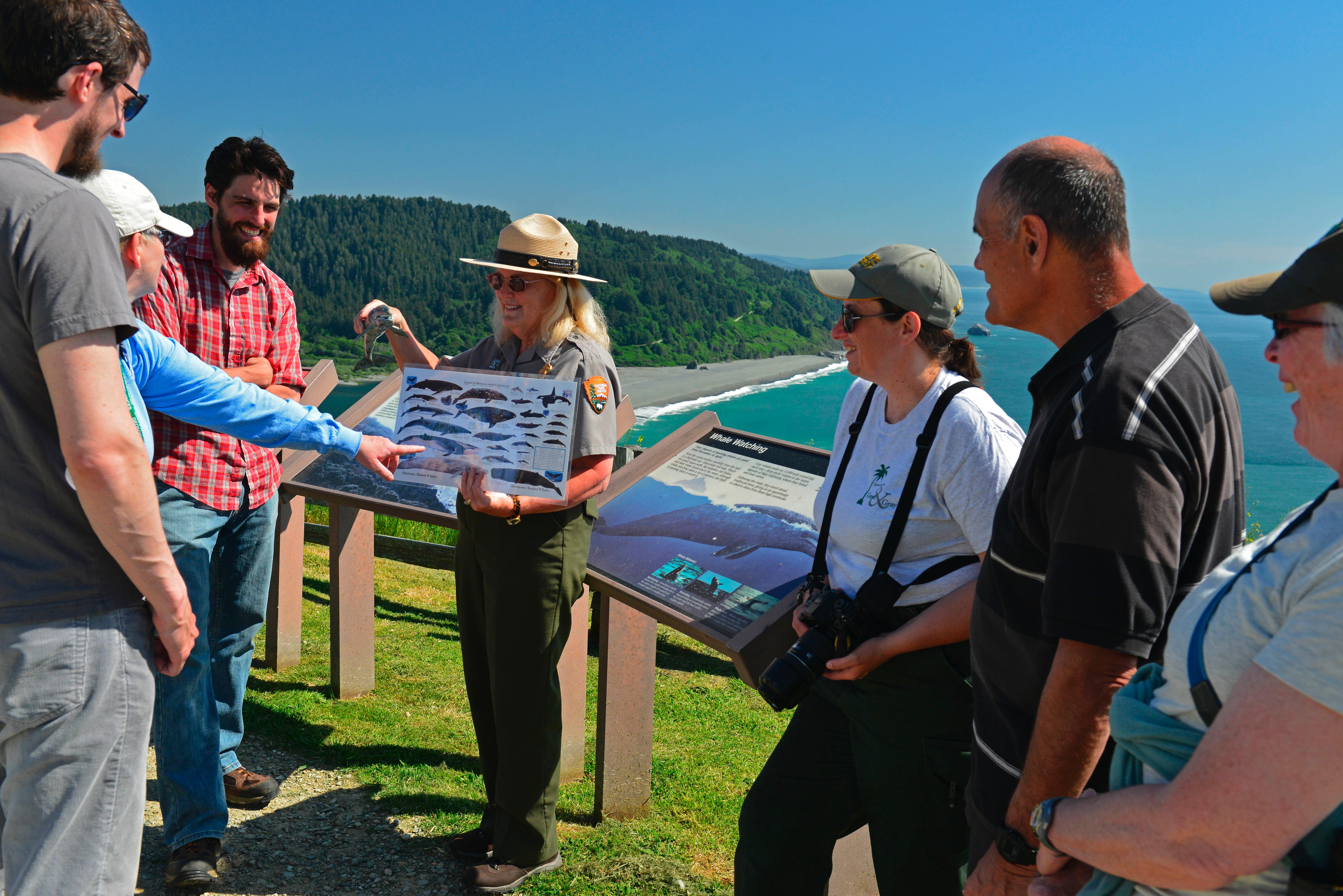
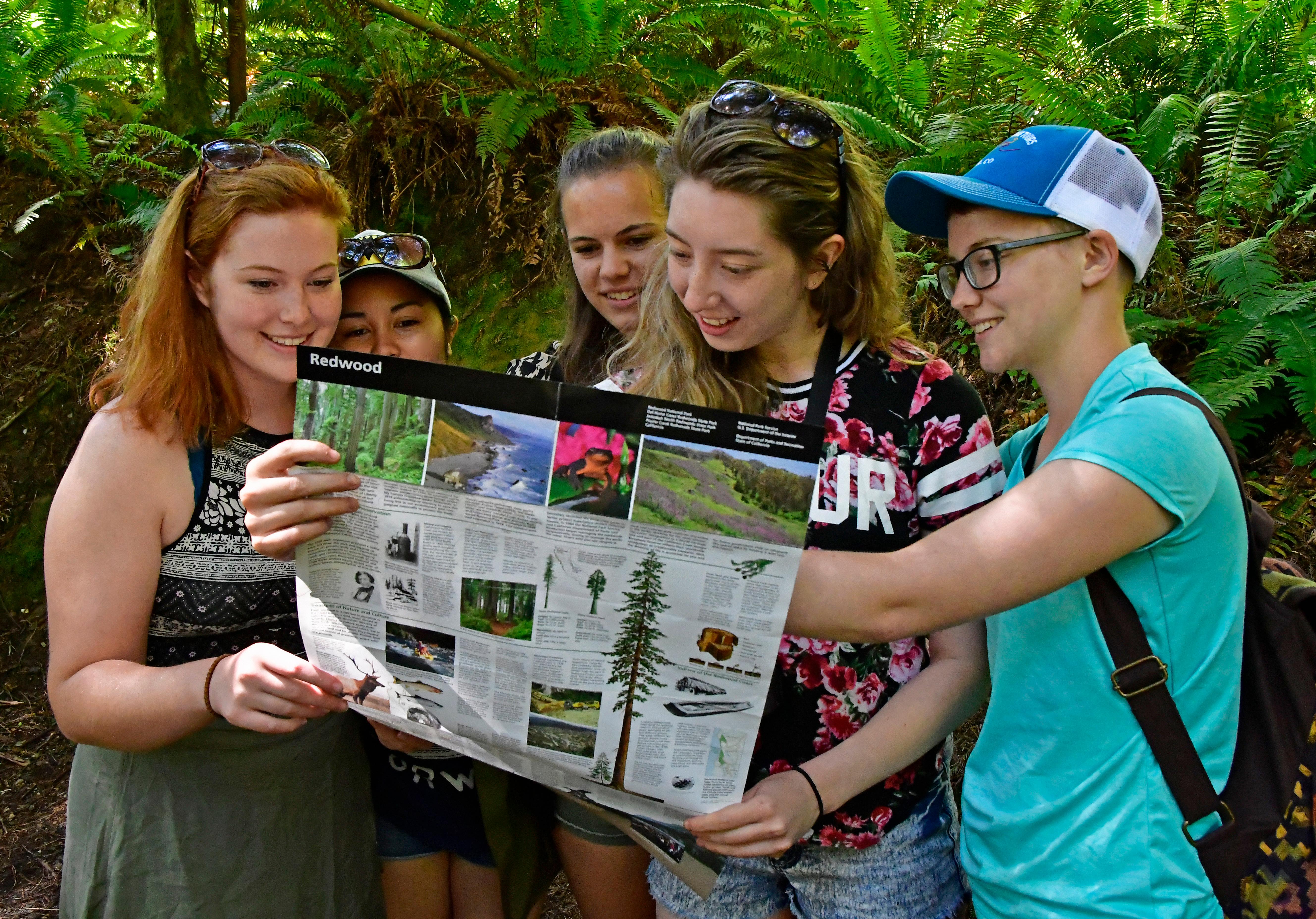
This park delivers a remarkable diversity of experiences. Visitors can transition from old-growth forests to a scenic coastal drive, then paddle a river before reaching a wild Pacific beach. The documented activities are extensive: front and backcountry hiking, mountain and road biking, and horseback riding with dedicated equestrian campsites. Ranger-guided tours provide additional educational opportunities. Wildlife and birdwatching are exceptional across varied habitats. For families, the Junior Ranger program adds significant value. Backcountry camping allows for deep immersion, far from casual day-use areas. Free entry removes any barrier to spontaneous exploration. This unit genuinely offers something for every type of outdoor enthusiast.
Who it is for
This park rewards hikers, campers, and paddlers most deeply. Families will find ample reason for a multi-night stay. Road-trippers along the California coast can readily build a two-to-three day stop around it. Casual sightseers, however, may leave underwhelmed. The drama here is intimate and vertical, not panoramic; visitors expecting desert-Southwest-style big vistas will not find them.
Best time to visit
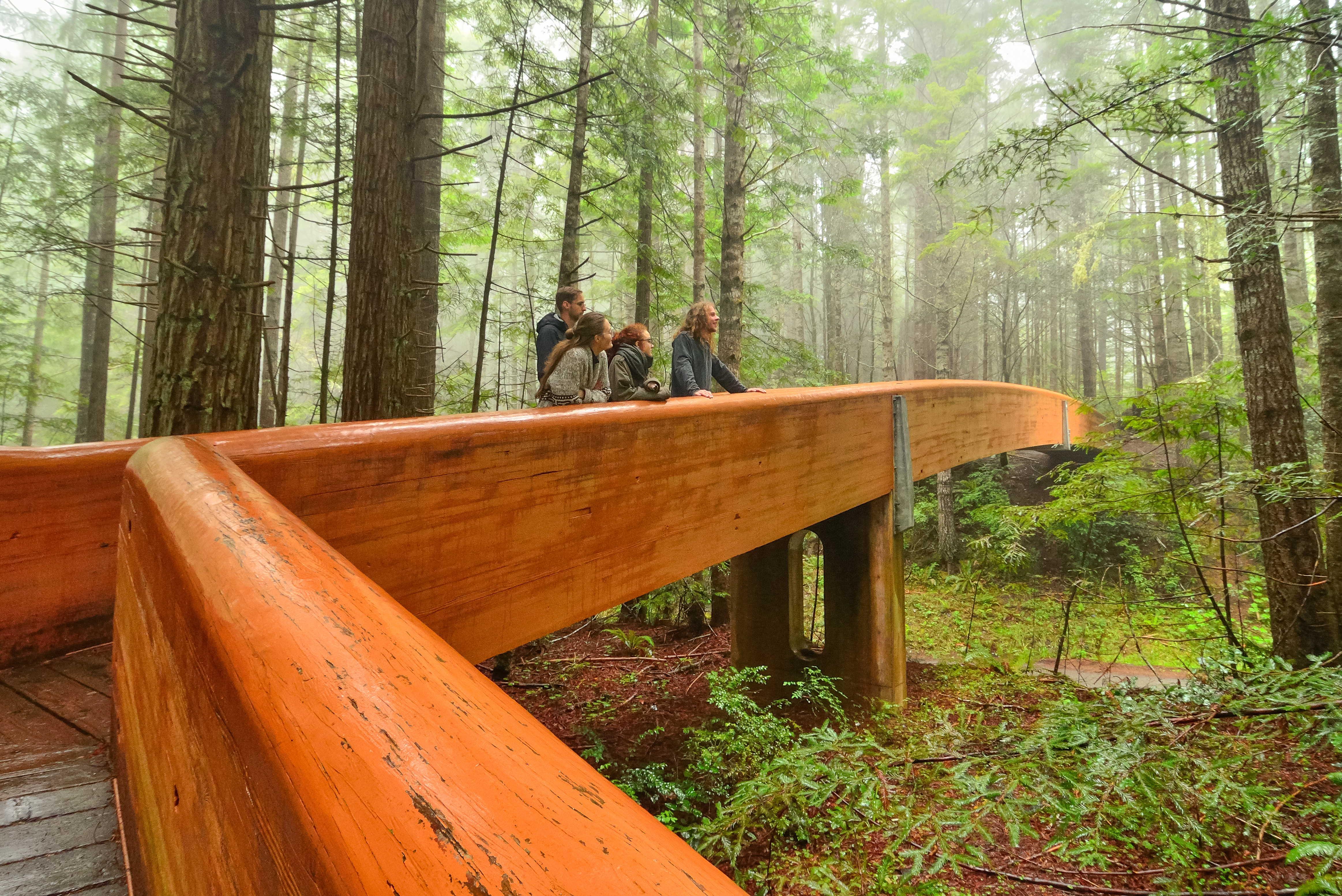
The optimal window runs from late spring to early fall. During these months, trail conditions are prime, and all campgrounds and visitor centers operate. Summer ushers in coastal fog, an atmospheric element rather than an impediment, with temperatures seldom exceeding the low 70s. Fall provides drier, clearer days and reduced crowding. Winter brings substantial rain and some campground closures. However, the forest in wet conditions offers a distinct, rugged beauty for those prepared for it.
Worth seeing
- Hiking through old-growth redwood groves, with trees reaching heights no other living species on Earth can match
- Scenic coastal driving through a landscape that shifts between forest, prairie, and ocean bluffs
- River paddling by canoe, kayak, or stand-up paddleboard on the park's interior waterways
- Surfing and saltwater swimming on an undeveloped and largely uncrowded Pacific coastline
- Wildlife and birdwatching across a rare combination of old-growth forest, wetland, and coastal habitat
- Backcountry camping and hiking that puts you deep into the forest away from road corridors
Before you visit
This park offers significant scale and quality without an entrance fee, a notable advantage. As a joint venture between the NPS and California State Parks, facility availability varies. Confirm specific campground and visitor center operating hours before visiting, particularly during the October to May off-season when some services are reduced or closed. Cell service is limited across large sections of the park.
Our tipVisitors should look beyond the main roads for the definitive redwood experience. Many of the most impressive old-growth groves are found off the beaten path. These less crowded areas are accessed via short hikes or unpaved spur roads. Inquire at a visitor center for recommendations on the least-visited grove on any given day. This strategy rewards those willing to explore.