Should you visit Rainbow Bridge National Monument?
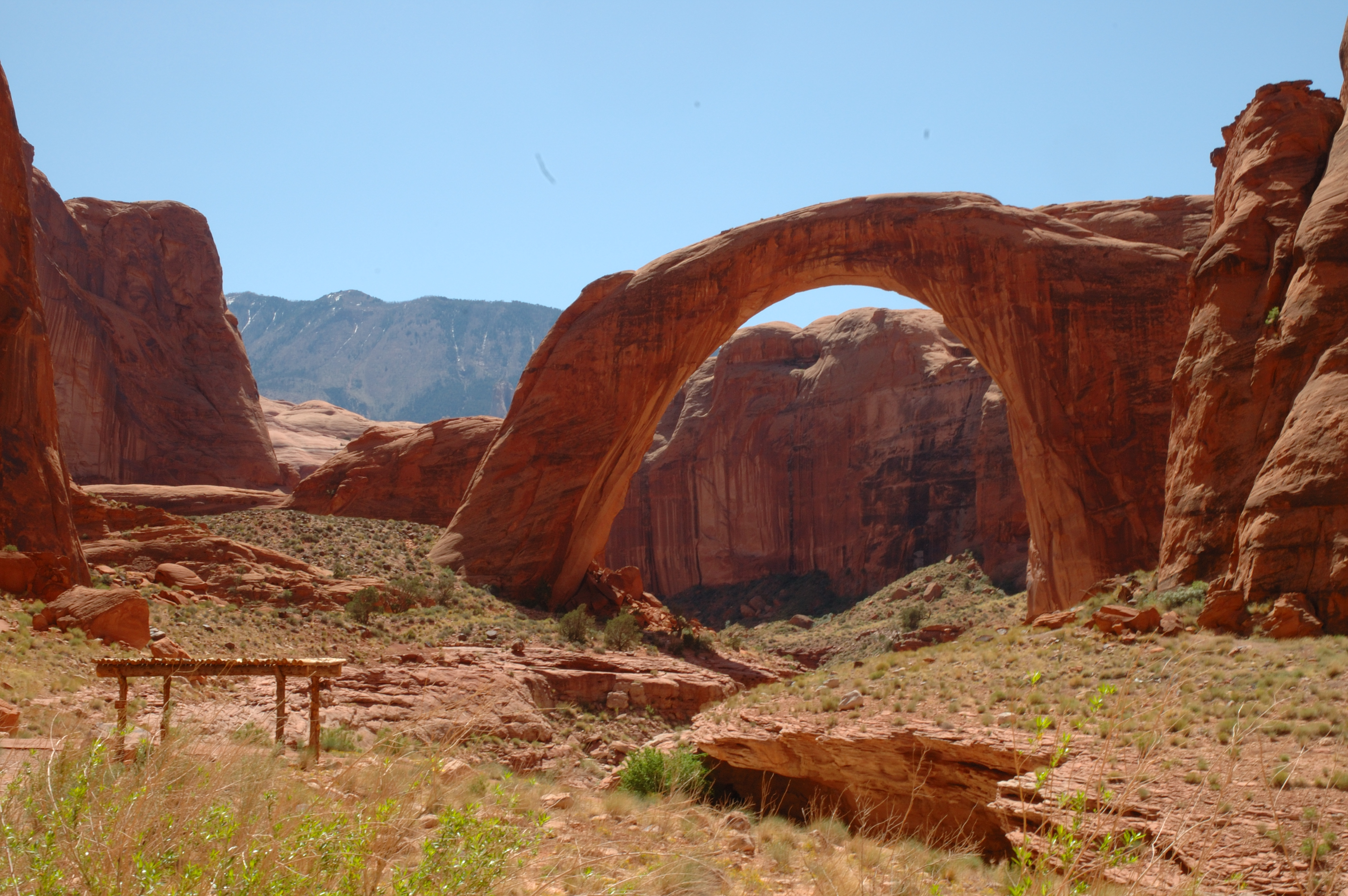
Rainbow Bridge offers a singular geological spectacle in a remote Utah canyon.
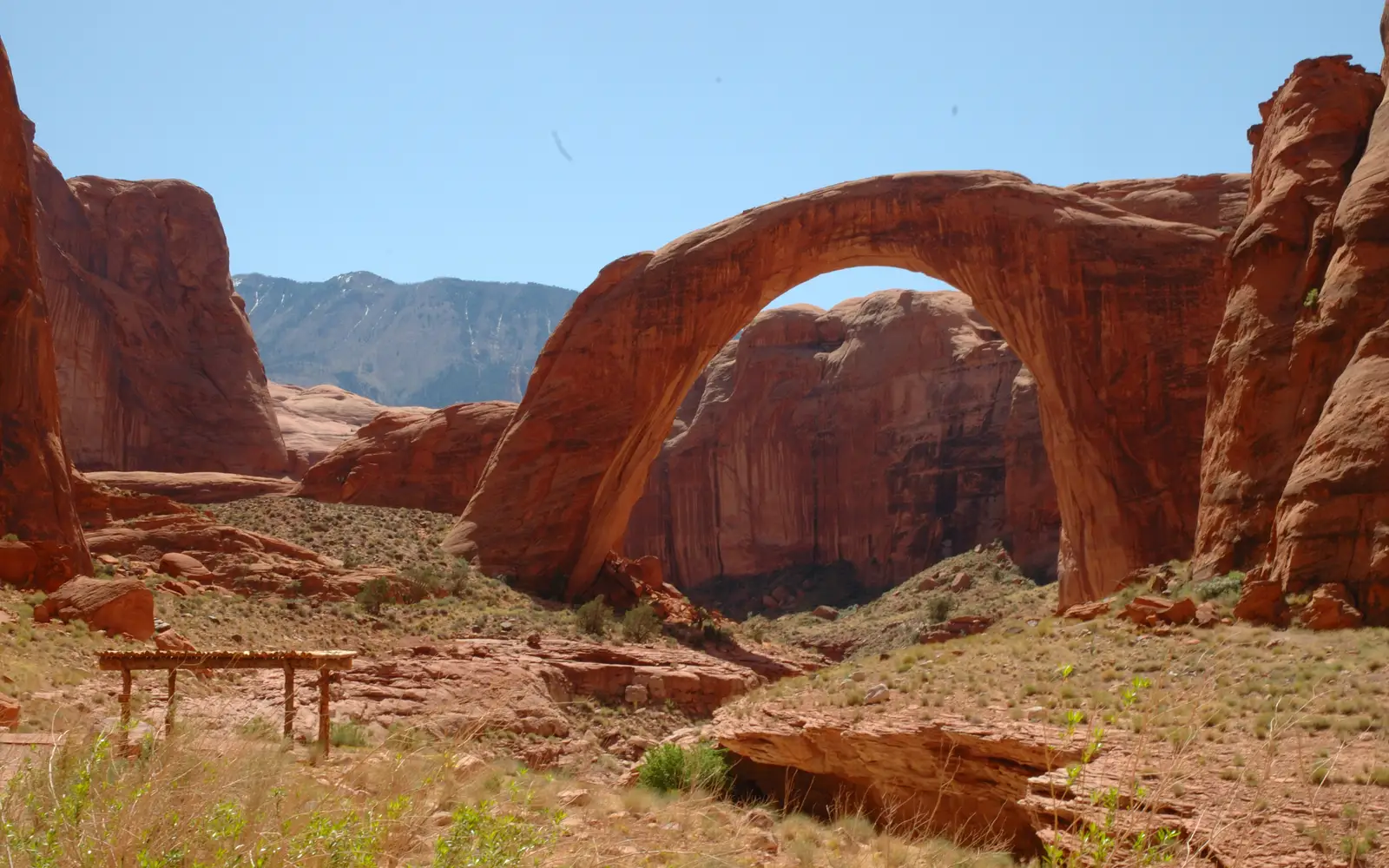
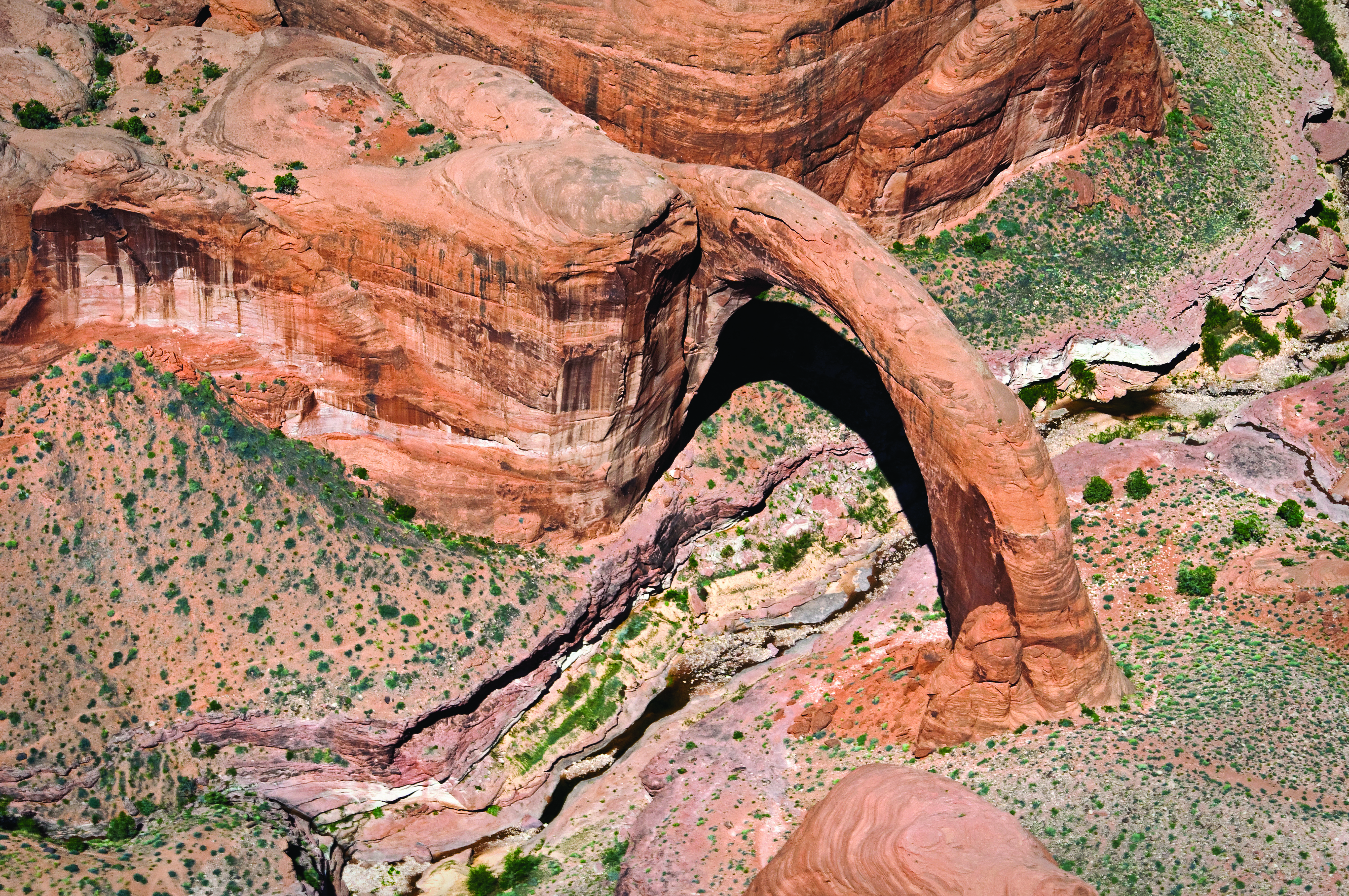
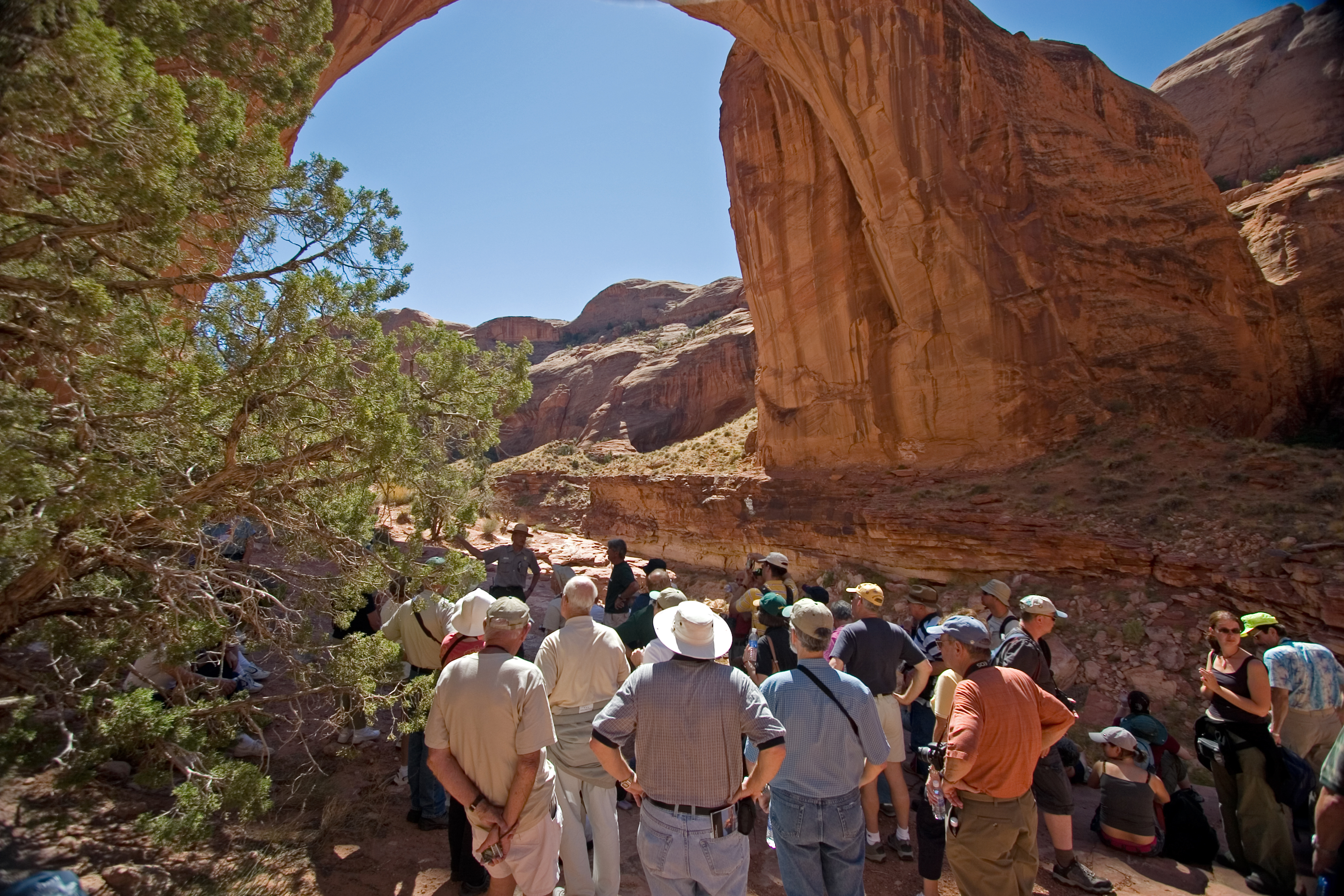
With an experience score of 49, it is not a park for varied activities; it is a destination centered on one extraordinary feature. The journey to this arch is substantial, involving either an extensive boat tour across Lake Powell or a challenging overland hike through Navajo Nation land, which necessitates a separate permit. Most visitors arrive via the water route. Beneath the salmon-pink sandstone arch, the scale is genuinely staggering. The site also carries significant cultural weight, held sacred by several Native American nations, and the National Park Service requests respectful visitation. For the traveler seeking a specific, iconic natural wonder, this is a bucket-list destination. Those expecting a broader park itinerary will find it limited.
What makes it worth it
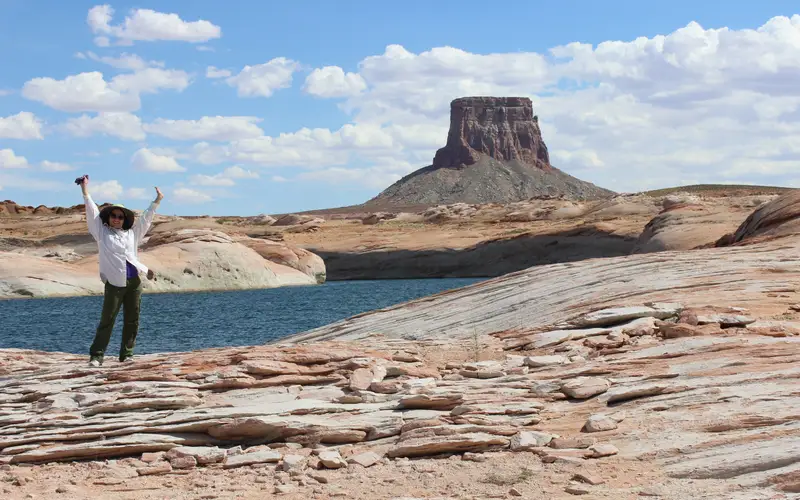
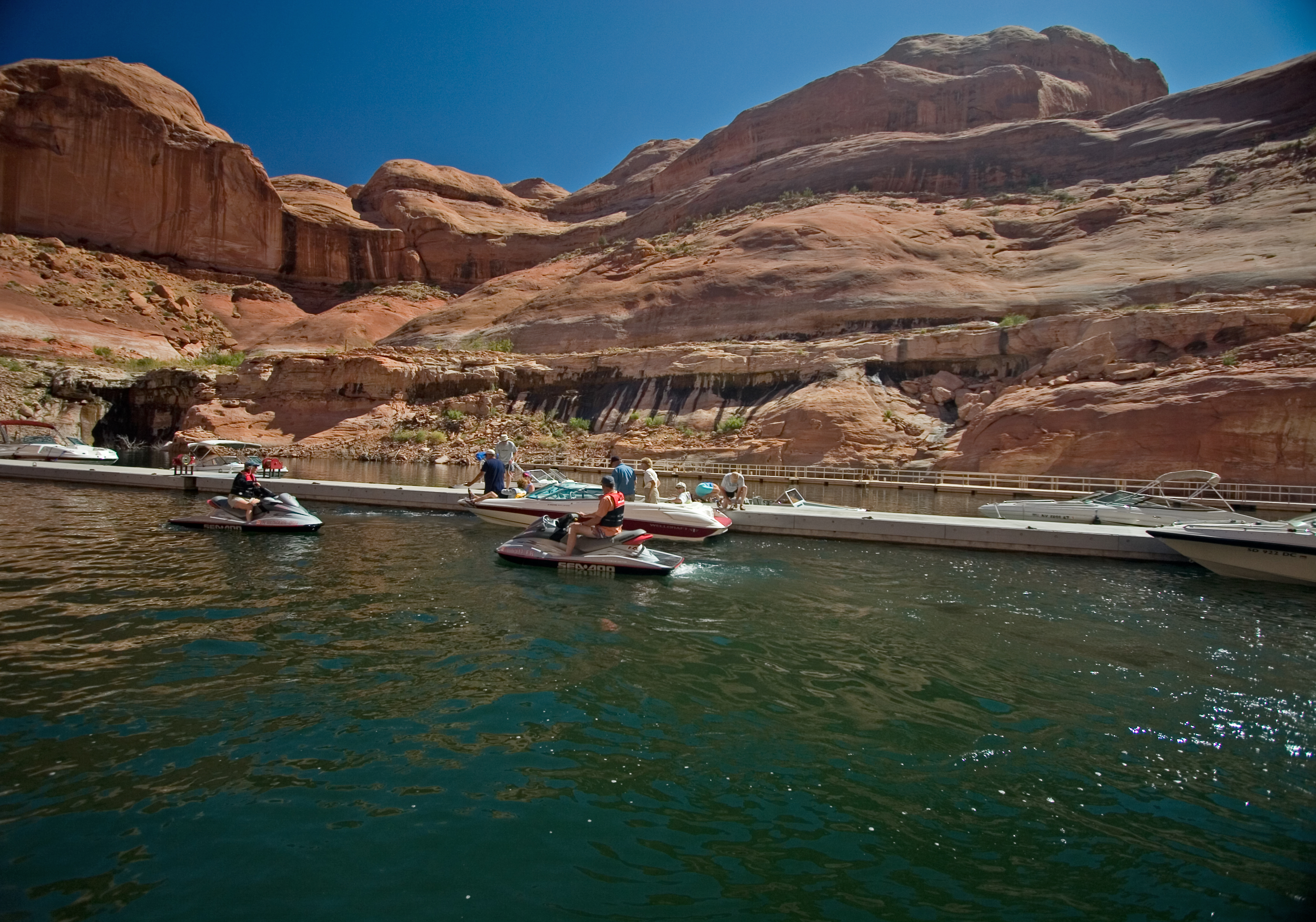
This unit offers a straightforward, memorable experience. A boat tour from Wahweap or Bullfrog Marina on Lake Powell covers 50 miles each way, delivering visitors to a dock near the bridge. The scale of the bridge, rising abruptly from the landscape, is a unique draw. This approach combines striking lake scenery with the monument's grandeur. Junior Ranger badges are available. Guided boat tours provide geological and cultural context. For those with permits and fitness, the overland hiking route offers a more immersive canyon experience leading to the bridge.
Who should go
This destination caters to those who value unique natural landmarks and are prepared for a boat-centric itinerary. It suits families whose children enjoy water-based excursions. The park offers limited trail options and activities, making it unsuitable for visitors seeking a full day of diverse engagements. Overland hikers must plan ahead to secure the necessary Navajo Nation permit.
When to go
Autumn presents the optimal visitation window, offering mild temperatures and reduced wind interference compared to spring. The absence of extreme summer heat mitigates significant safety concerns arising from the park's limited shade. Spring can introduce unpredictable winds, potentially disrupting boat tours. Winter months are characterized by cold conditions and freezing overnight temperatures. Summer visitors must plan for early departures and carry substantial water supplies due to the inherent risks of high temperatures.
Highlights
- Standing beneath one of the largest natural bridges on Earth, a structure of remarkable scale and color
- Boat tour through the canyon arms of Lake Powell, offering lake and canyon scenery on the approach
- Short accessible hike from the dock to the bridge viewpoint
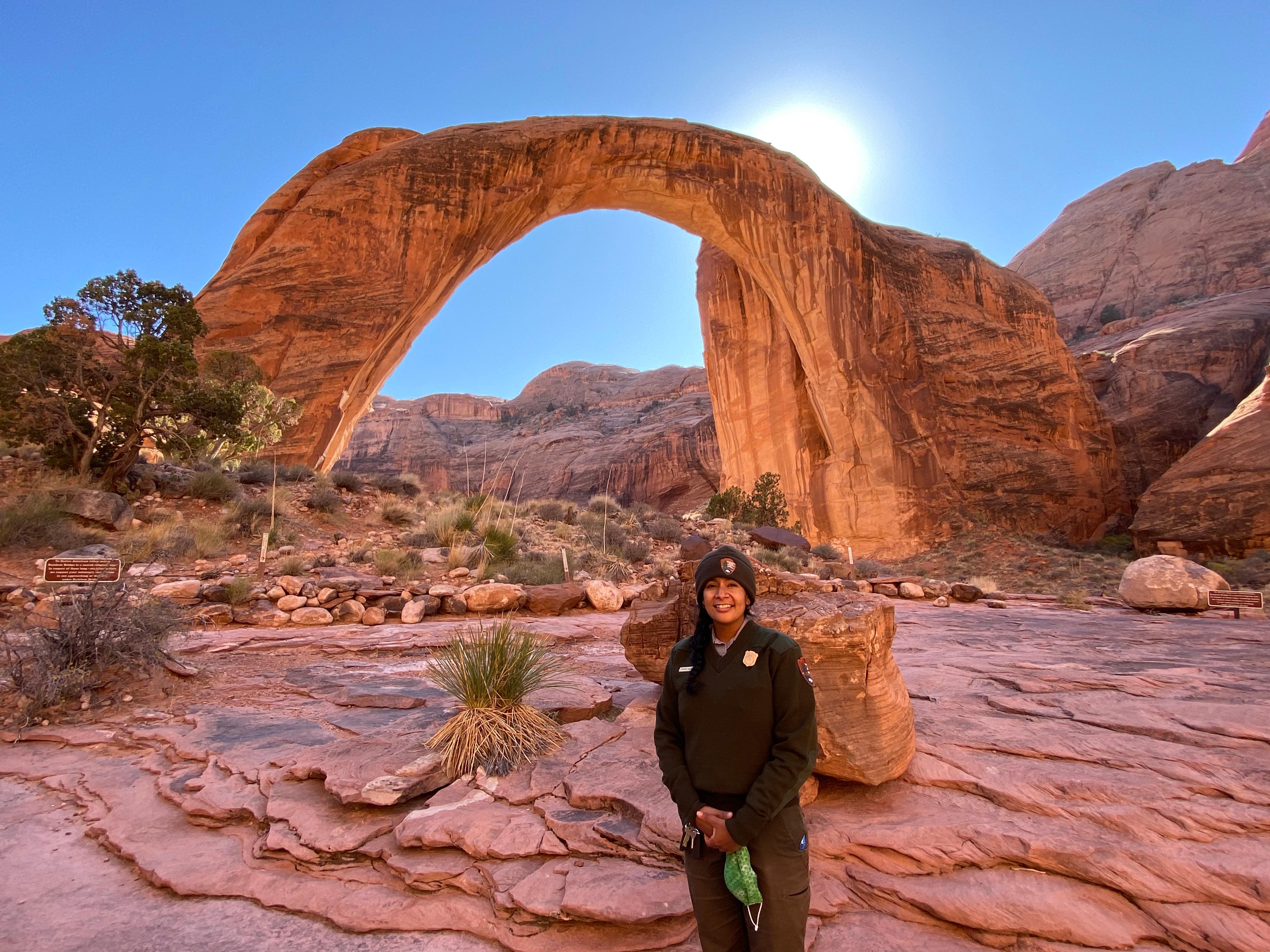
- Junior Ranger Program available for kids making the trip
- Guided tours that provide geological and cultural context for the site
- No entrance fee, making the main cost the boat tour or the logistics of the overland hiking permit
Plan ahead
This monument is free to enter, but accessibility carries significant costs. The primary approach is via a concessioner-booked boat tour from a Lake Powell marina. An overland hiking route is available, yet it demands a separate Navajo Nation permit and proves a long, strenuous undertaking. Travelers should verify park status before any visit; the dock or trail may close for repairs without extensive notice. This destination is best suited for the determined, well-resourced adventurer.
Editor's tipThe monument advises confirming dock access before traveling, as closures for repairs do occur. A brief call to the park office is a prudent measure given the significant travel commitment this destination entails.