parkverdict
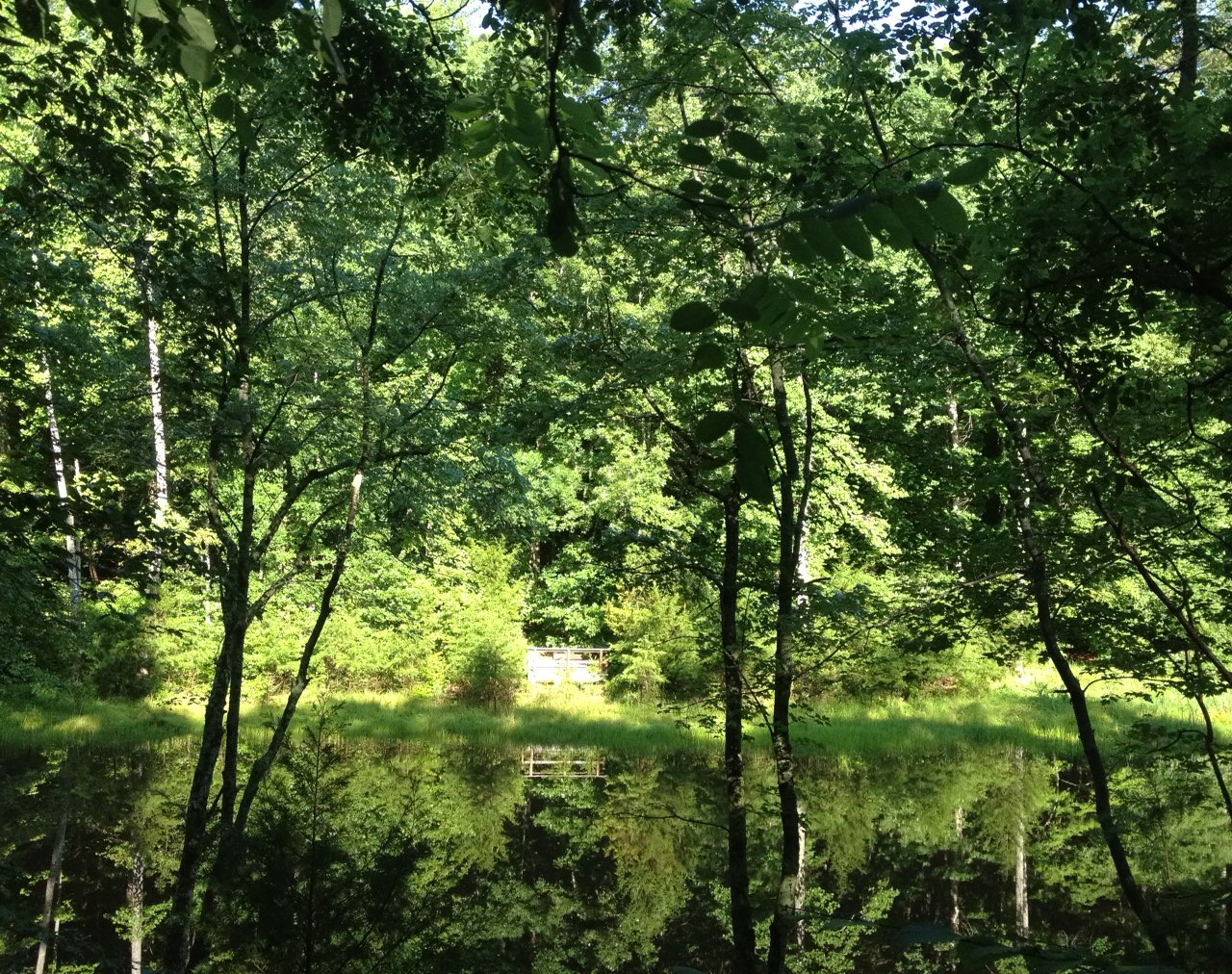
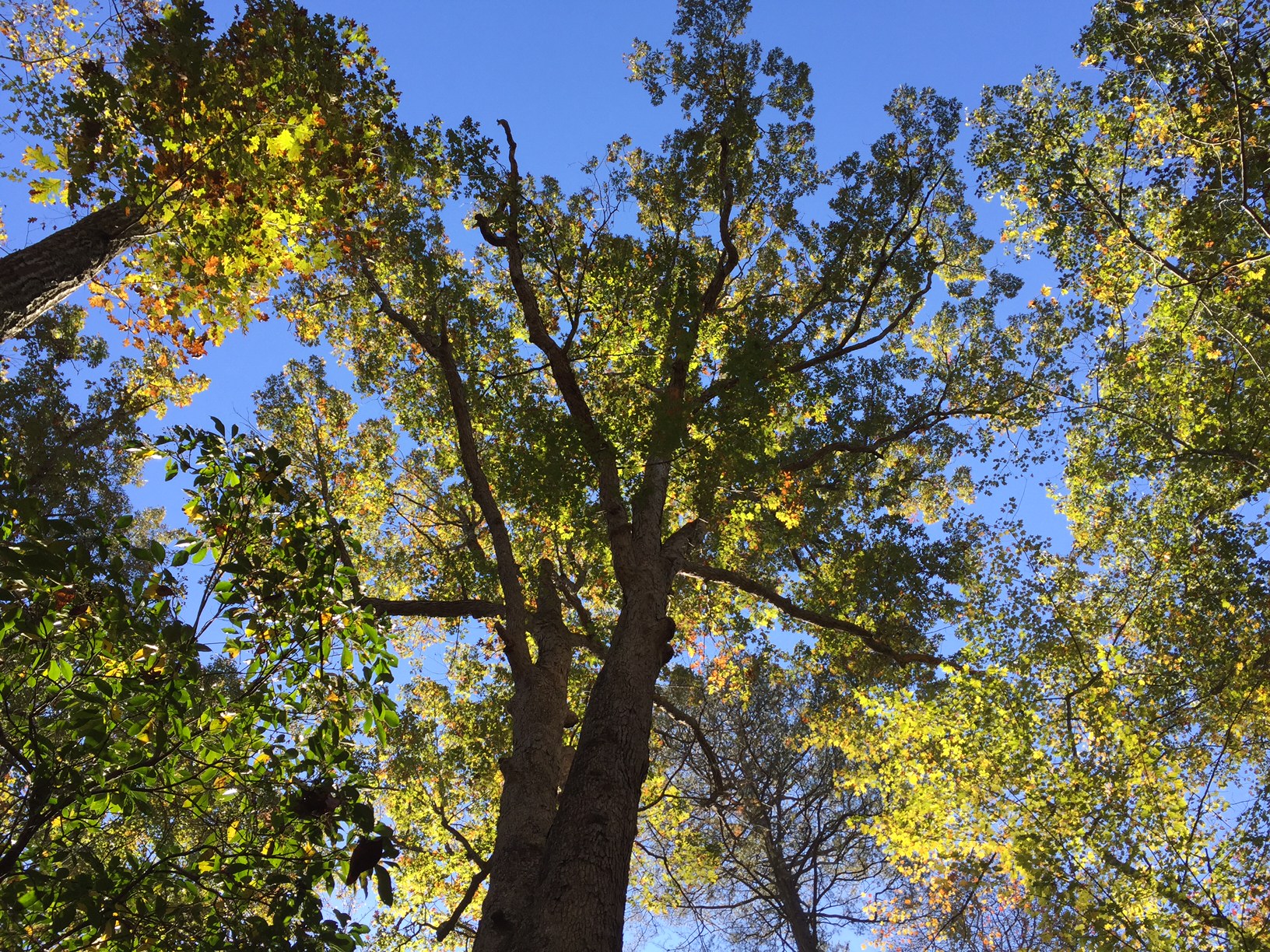
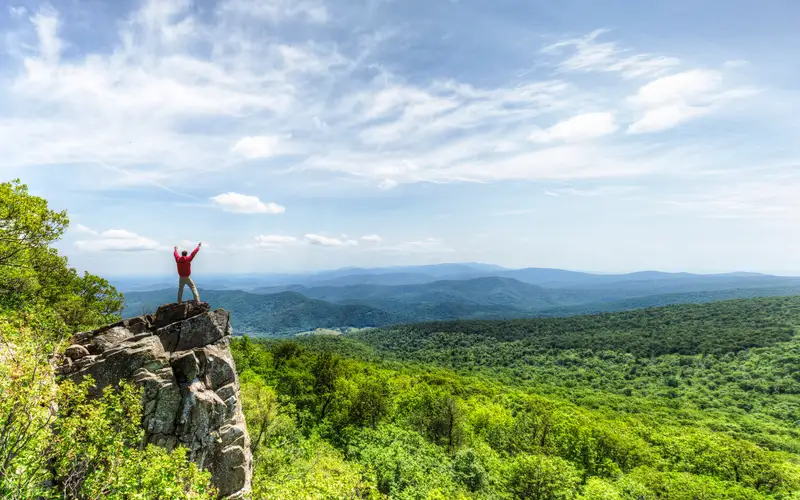
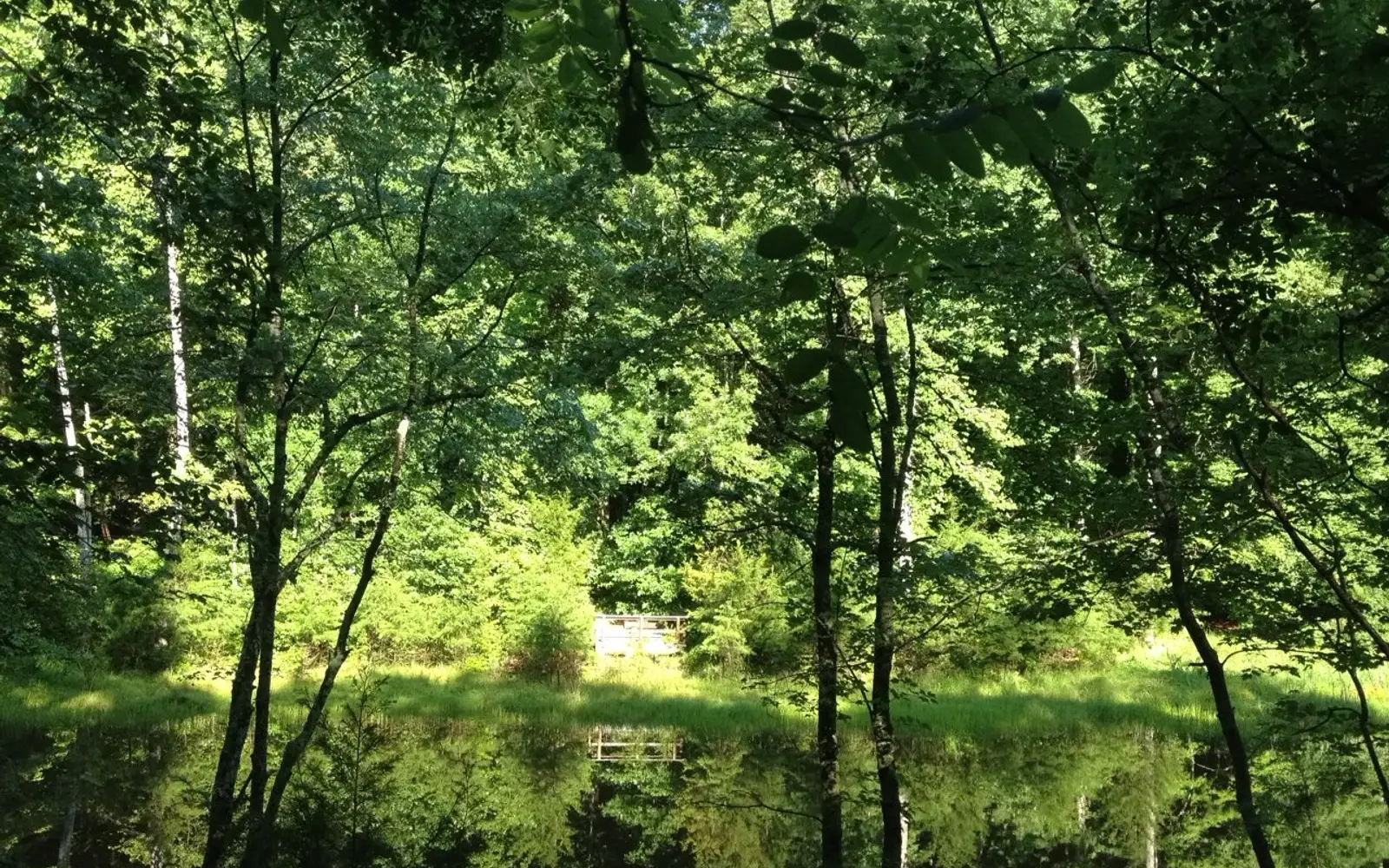
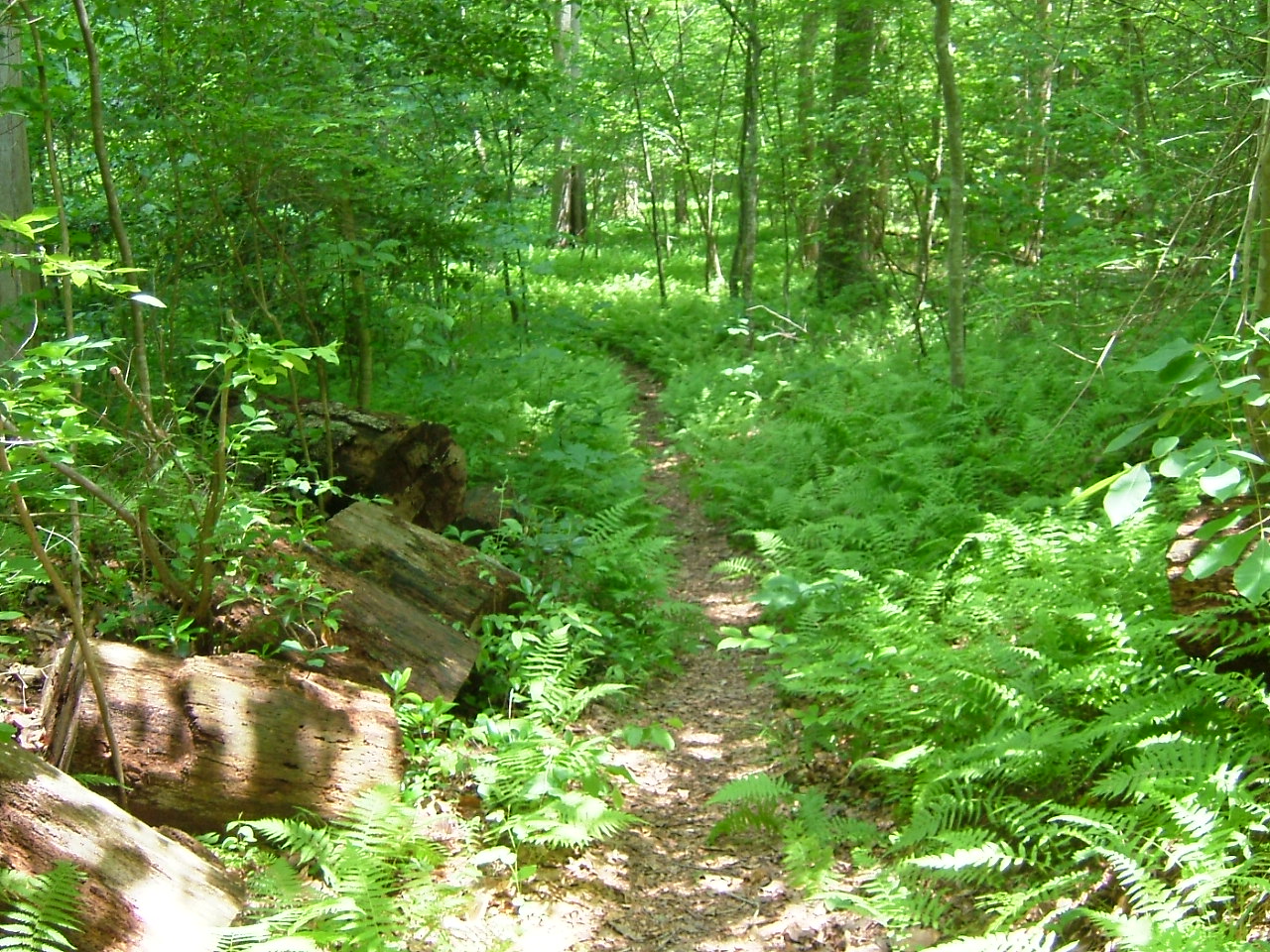
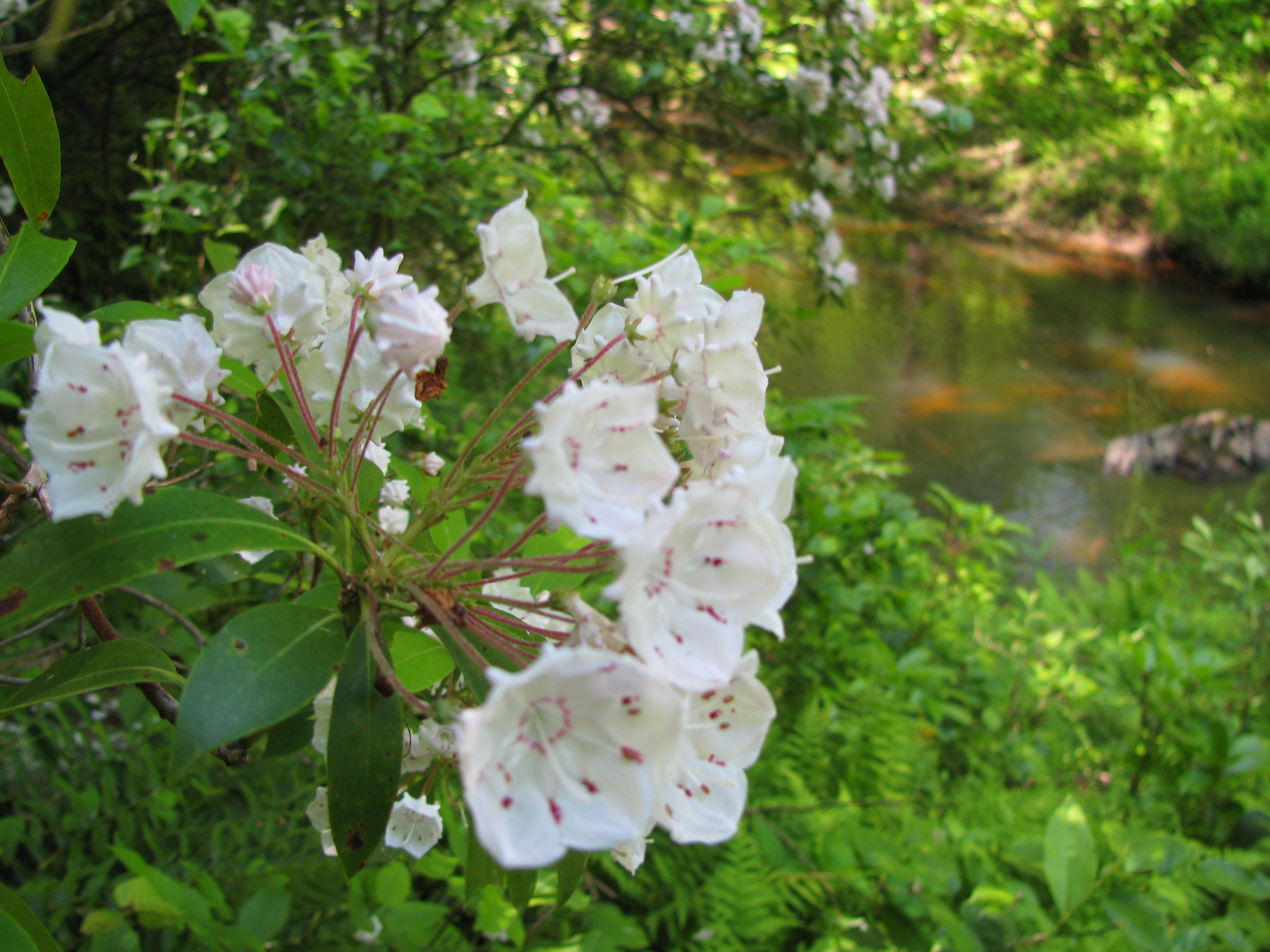
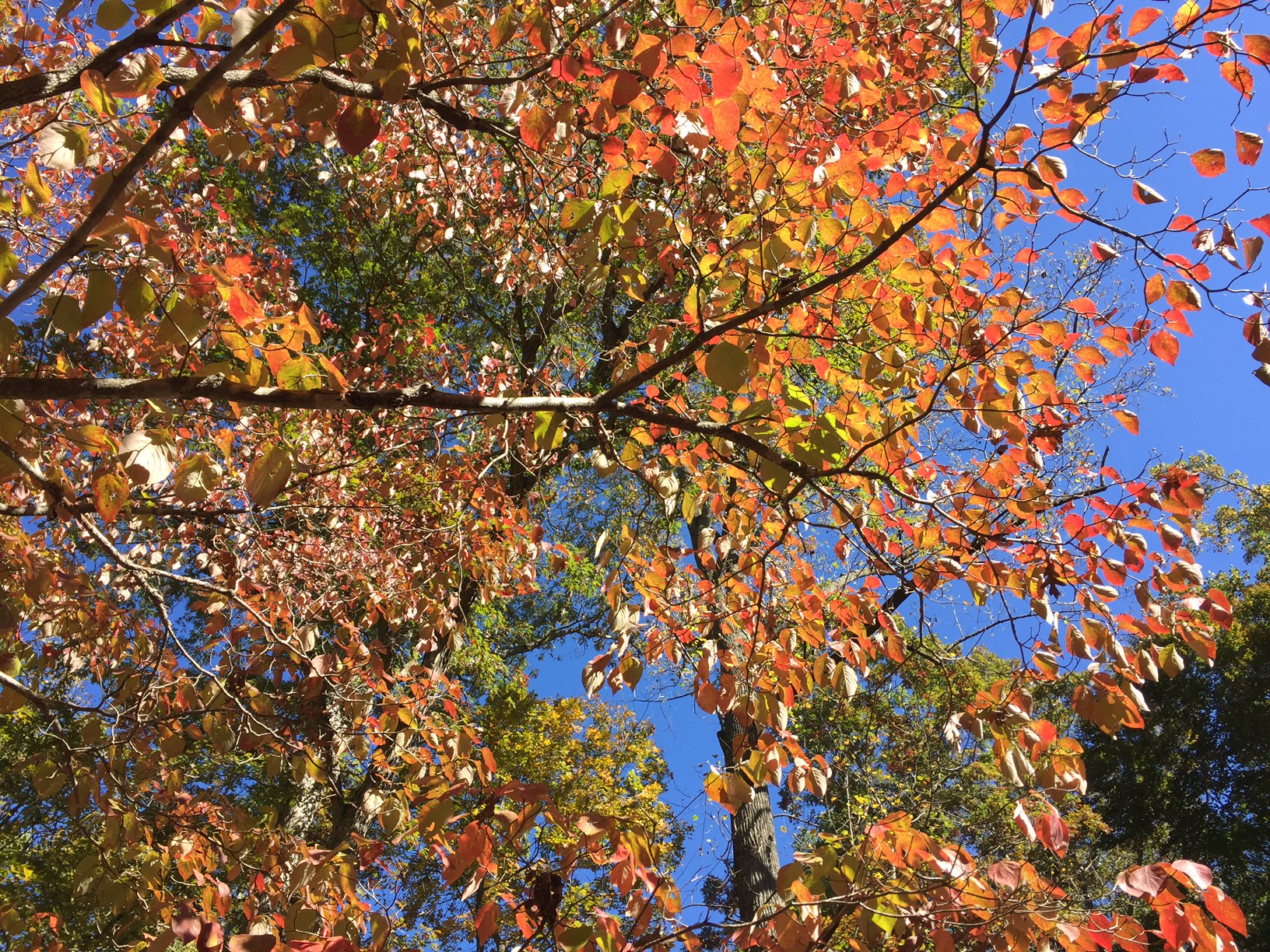
Carter Pond on a sunny day in summerFarms to Forest Trail surrounded by fernsMountain Laurel blooming near Parking Lot I.A tree with orange leaves against the blue sky
ParkVA

Prince William Forest Park

NPS / NPS Photo/Cecilia Lynch
90/ 100DOES IT ALL
parkverdict Experience ScoreIndependent, not sponsored

90 of 100. Our independent breadth-and-access index. How we score

Worth it?

Is Prince William Forest Park worth it?

Prince William Forest Park sits just outside the Washington D.C.

metro corridor in Northern Virginia, and it is bigger and better equipped than most people realize. It scores 90 on our Experience Score, placing it well above its regional-park reputation. Backcountry hiking, multiple camping styles, mountain and road biking, freshwater fishing, orienteering, wildlife watching, and guided programming all share the same address. The forest grew from Depression-era Civilian Conservation Corps labor, and that history gives it a texture most suburban green spaces never develop. Do not come here for dramatic scenery or iconic vistas. Come for genuine woodland immersion, trail depth that keeps rewarding return visits, and a front-country-to-backcountry range that is rare within an hour of a major city. For D.C.-area residents it works as a weekly destination. Out-of-towners will get the most from it by folding it into a broader Virginia or D.C. trip.

The case for it

Start with the visitor center film. It covers CCC history and Depression-era camp life well enough that the trails actually make sense once you walk out the door. From there, the trail network splits into easy front-country walks or full backcountry routes, depending on how ambitious you're feeling. The streams hold freshwater fish, and the park works for both road and mountain biking, so cyclists can pick something that matches their legs. Overnight options run from car camping and RV sites to group camps and backcountry sites, which makes it one of the more flexible places to sleep in the mid-Atlantic. Throw in a Junior Ranger program, picnic areas, a playground, and organized orienteering and compass activities, and a weekend fills up without anything feeling like it was scheduled just to fill time. At $10 to get in, it's hard to complain.

Who it is for

Perfect for D.C.-area families who want a real camping and hiking trip without a long drive, cyclists after both road and trail options, and anyone curious about New Deal history alongside outdoor recreation. Those chasing serious wilderness or iconic landscapes will find better options elsewhere. This park earns its reputation through proximity and repeat visits, not a single long-haul journey.

Best time to visit

Spring and fall are the sweet spots: mild temperatures, lower humidity, and trails that are actually in decent shape. July and August regularly hit the high 80s, and afternoon thunderstorms roll in most days, so if heat or storms are a problem for you, plan around those months rather than through them. Winter thins the crowds out considerably, but visitor center hours shrink and some facilities scale back. And honestly, the fall foliage alone makes the mid-Atlantic forest worth the drive.

Worth seeing

  • Backcountry camping options within an hour of Washington D.C., rare for the region
  • Multiple biking modes: dedicated mountain biking and road biking routes on the same visit
  • Freshwater fishing along park streams
  • Orienteering and GPS compass activities that use the terrain actively
  • CCC-era Depression history interpreted through guided and self-guided tours
  • Junior Ranger program and playground making it a practical family overnight destination

Before you visit

Entrance is $10 per vehicle. Trails are open sunrise to sunset every day, and the visitor center runs 9 a.m. to 5 p.m., with shorter hours in winter. Backcountry camping requires a permit, so get one before you show up rather than hoping a site will be free. Cell service is spotty inside the forest, so bring a real map and don't rely on your phone to find your way.

Our tipCheck the park schedule before planning any orienteering or compass sessions around a family visit, because those programs only run on certain days. Combine one of those sessions with an overnight backcountry camp and you have a weekend that older kids and adults will actually want to talk about long after it ends.

How we scored it

Why Prince William Forest Park scores 90

We keep the math boring on purpose. The same handful of public-data inputs, capped so none of them dominates, decide every score. What they measure is breadth and access, not beauty and not crowd levels. For Prince William Forest Park, they shook out like this:

  • Activity breadth29 documented activities
  • Topic breadth24 topics
  • Official imagery6 public-domain images
  • Camping on sitedocumented
  • Entry cost$10

No number is hand-adjusted and no unit pays for placement. The full weights, the floor at 18 and a worked example are on how we score.

The honest limits

What the score cannot tell you

A quick honest note. The score tracks how much a place has going on and how easy it is to reach, both pulled from public records. What it cannot see is the stuff that often makes or breaks a day: whether the views stop you cold, how packed it gets in season, what the trails are like after rain, or whether you catch a great ranger talk. A small, single-focus site can land below a sprawling park here and still be the better call for your trip. Use the number to compare what places offer on paper, and the verdict up top to tell if it is your kind of place.

Background

The short version

Prince William Forest Park has been a refuge since 1936, when it opened as Chopawamsic Recreation Area to house children's relief camps during the Great Depression. It was renamed Prince William Forest Park in 1948, and the wooded trails and streams have drawn campers, hikers, bikers, and nature lovers ever since. If you haven't been out there yet, it's honestly one of the most overlooked spots in Northern Virginia.

On documented breadth and access, Prince William Forest Park ranks 7th of 32 park and public-land units we score in Virginia.

What the seasons are like

Prince William Forest Park gets all four seasons. Spring and fall are comfortable but expect rain in both. Summers are hot and humid, with average highs in the high 80s, and afternoon thunderstorms can roll in fast. July and August are the hottest months. Winters are cold, averaging around 41 degrees, with precipitation ranging from rain to snow.

What you can do

Activities

Arts and CultureBikingMountain BikingRoad BikingCampingBackcountry CampingCar or Front Country CampingGroup CampingRV CampingCompass and GPSOrienteeringFishingFreshwater FishingFoodPicnickingGuided ToursSelf-Guided Tours - WalkingHands-On
Common questions

Prince William Forest Park: quick answers

Is Prince William Forest Park worth visiting?

Prince William Forest Park sits just outside the Washington D.C.

Is Prince William Forest Park free to visit?

Not free. Getting in runs about $10.

What is Prince William Forest Park best for?

It leans hardest toward hiking, camping, good with kids, water activities, going by the 29 activities it actually documents.

When is the best time to visit Prince William Forest Park?

Spring and fall are the sweet spots: mild temperatures, lower humidity, and trails that are actually in decent shape.

How is the Experience Score for Prince William Forest Park calculated?

The 90 comes straight from public data on how much the place documents and how easy it is to reach, things like activities, topics, photos, camping and whether entry is free. It says nothing about scenery or how busy it gets.