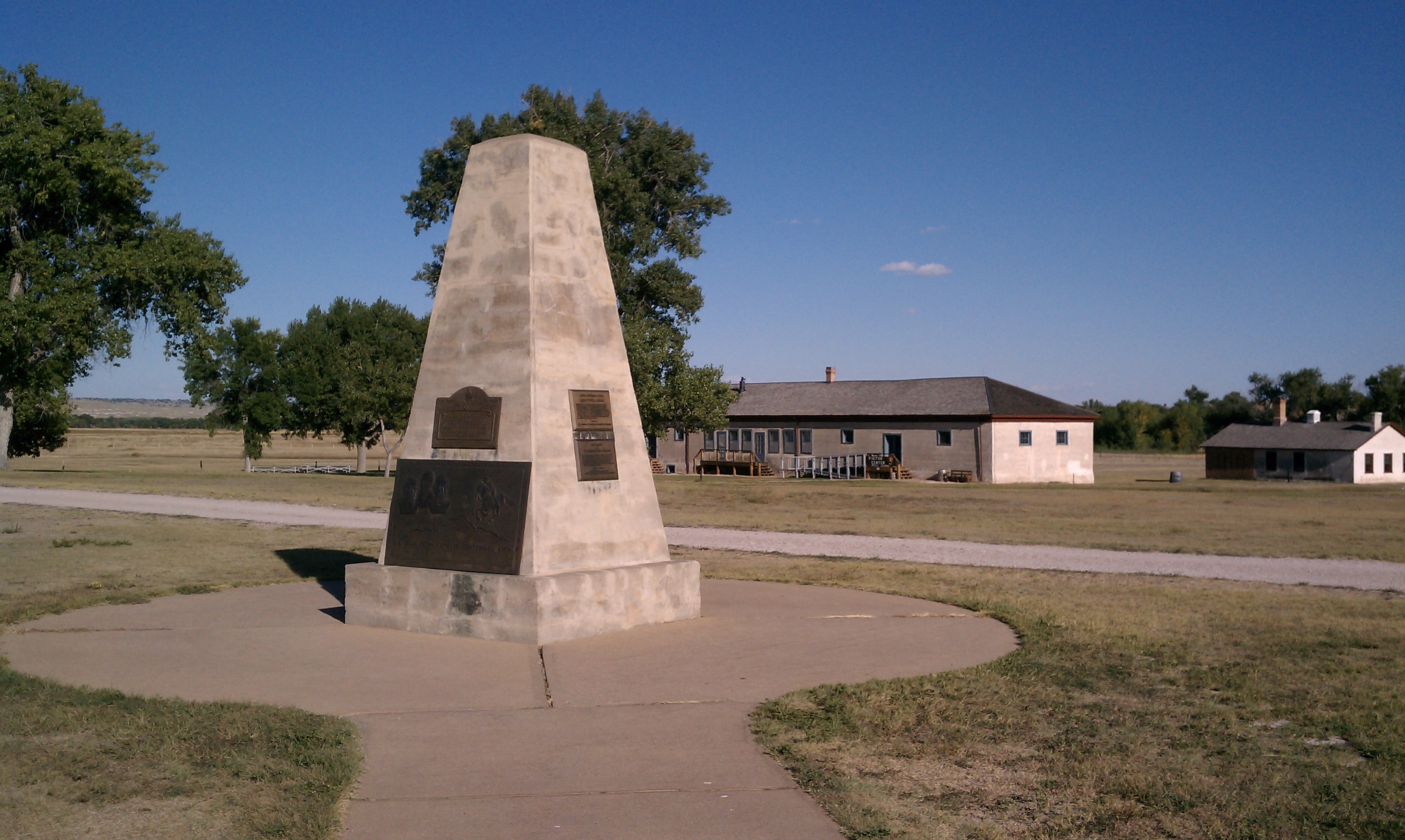
Pony Express National Historic Trail: our verdict
The Pony Express National Historic Trail is less a park and more a vast historical concept.
This nearly 2,000-mile corridor spans eight states, from Missouri to California, tracing the 1860-1861 mail route. There is no singular entrance or central visitor center. Its documented breadth is considerable, yet its fragmentation is equally apparent. This is not a destination for the casual sightseer. It offers no continuous, clearly marked path. Instead, the trail provides a framework for exploring the American West through dispersed elements: roadside markers, small museums, living history events, and segments of original trail ruts on public lands. The experience score of 61 reflects this genuine breadth alongside significant practical discontinuity. The Pony Express Trail demands deliberate, self-directed exploration. Travelers must research specific segments and local communities in advance. Those expecting a unified park experience will be disappointed. However, for historians, road trippers, and equestrians who commit to detailed planning, the rewards are substantial.
Why visit
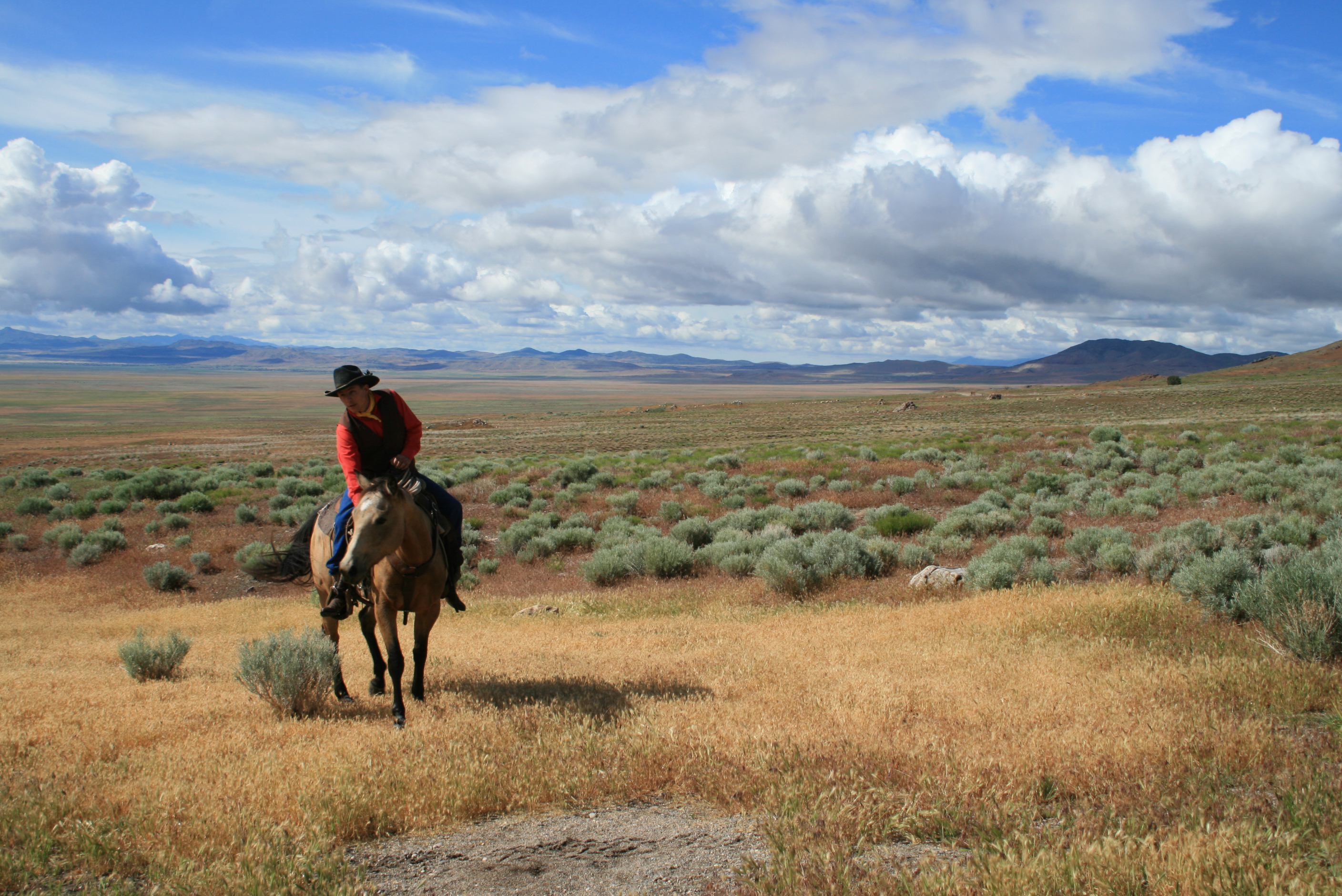
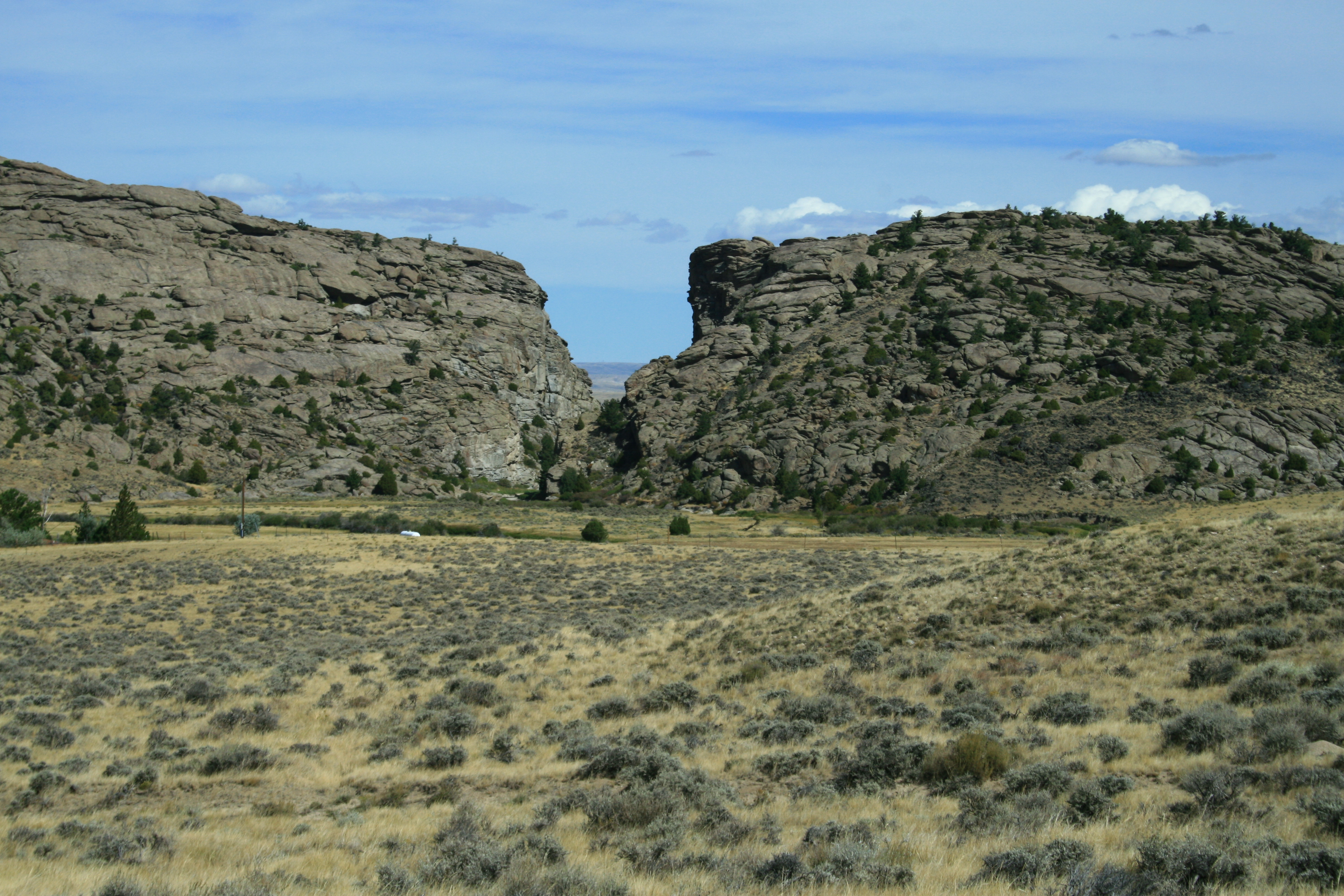
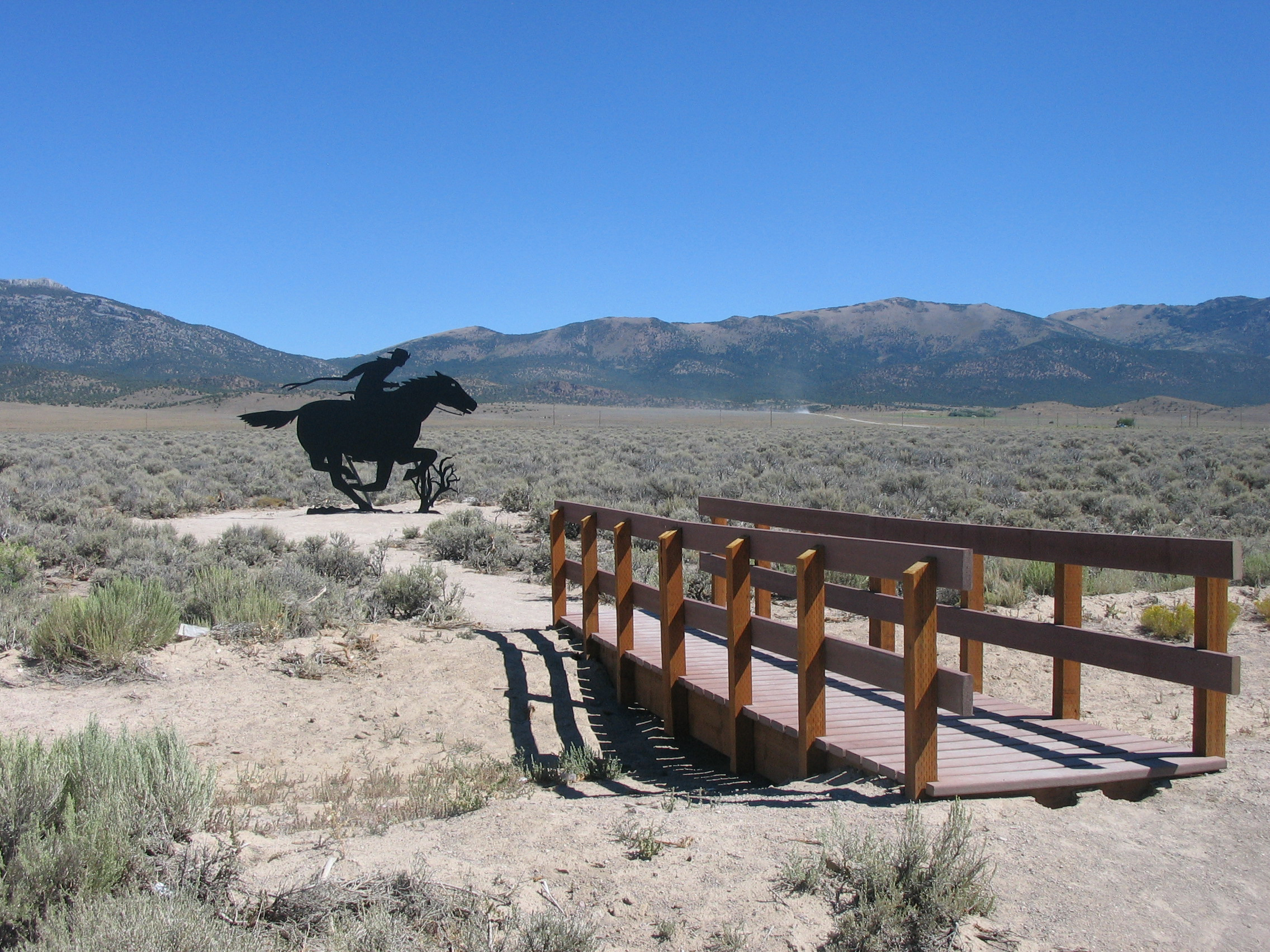
The Pony Express Trail offers a textured road journey through the American West. Spanning Kansas, Nebraska, Wyoming, Nevada, and Utah, the route traverses terrain largely unchanged since 1860. Public land segments in Wyoming and Nevada feature hikable stretches with visible original trail ruts. Living history events and reenactments provide immersive experiences beyond static roadside markers. Museum exhibits at partner sites detail the logistical and human story of the Pony Express. The multi-state Junior Ranger Program provides an educational framework for families, making this an ideal multi-stop road trip.
Who it suits
This trail offers significant appeal for history-focused road trippers, equestrians seeking multi-day treks, and families crafting cross-country itineraries around American frontier history. It is a poor fit for visitors desiring a concentrated, self-contained park experience. Those with only a weekend, without a specific segment in mind, will find a traditional national park more suitable.
Timing your visit
With a trail spanning eight states and varied climates, timing a visit presents a challenge. No single best season exists. Spring and early fall are generally favorable for the Great Plains and Great Basin segments. This timing avoids the intense summer heat in Nevada and Utah. It also bypasses winter road closures in Wyoming. Thoroughly research weather for specific states and segments on your itinerary. Consult regional forecasts before departure.
What stands out
- Visible original trail ruts on public land segments in Wyoming and Nevada
- Living history events and reenactments held at multiple sites along the route
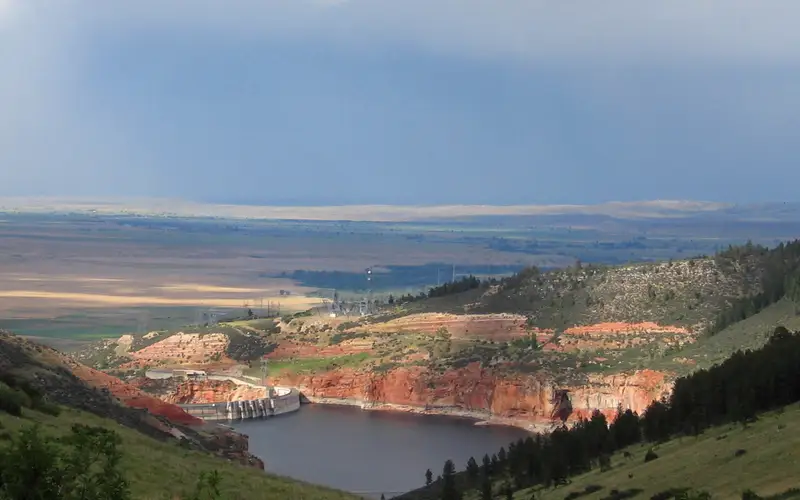
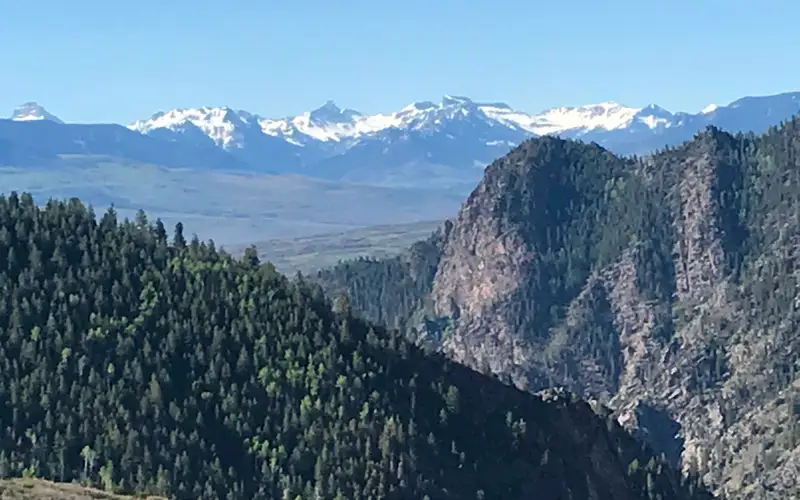
- Scenic driving through the Great Plains, Rocky Mountains, and Great Basin on a historically grounded corridor
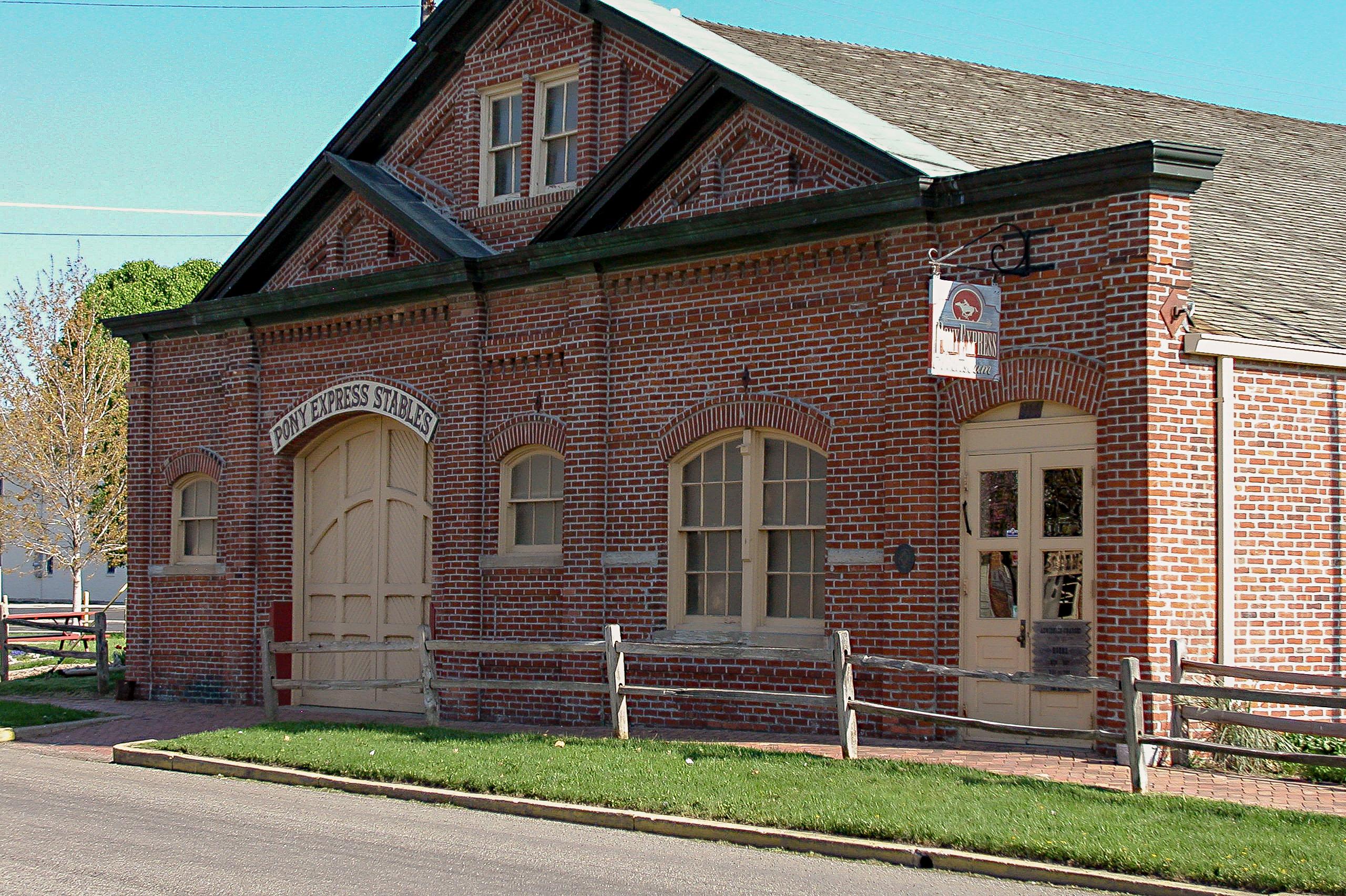
- Museum exhibits at partner institutions that document the riders, stations, and logistics of the operation
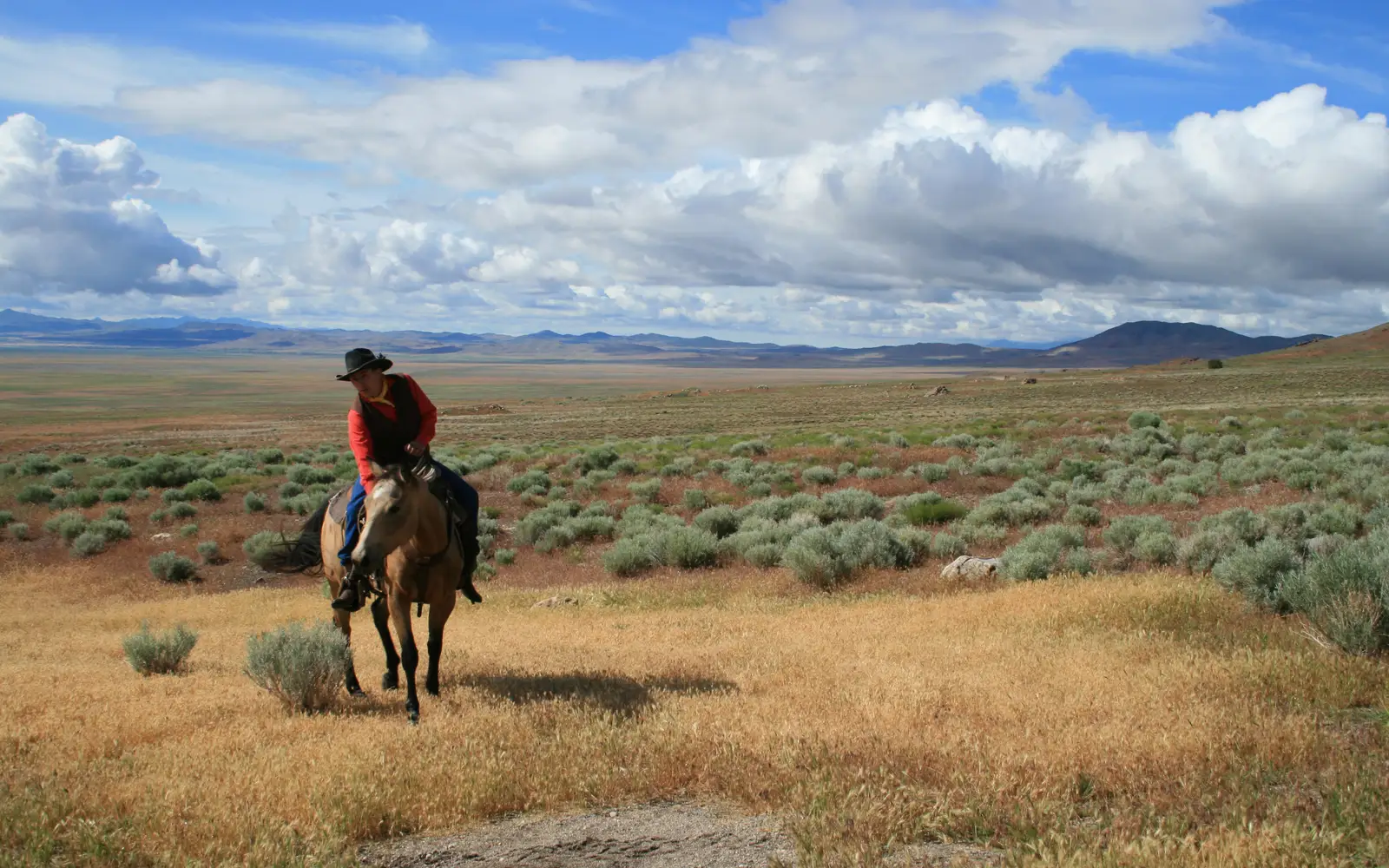
- Horseback riding and horse trekking opportunities on trail segments managed by the Bureau of Land Management
- Junior Ranger Program activities available across multiple states for families on a longer road trip
Good to know
Entrance is free. The trail is not a managed park with consistent signage or facilities. Access, land ownership, and trail conditions vary dramatically by state and segment. Before any trip, download the NPS Pony Express Trail map. Identify specific segments, partner museums, and land management contacts for each state. This is essential preparation. Casual sightseers should look elsewhere.
Insider tipFor an authentic overland experience, the Nevada and Wyoming segments on BLM land present the clearest choice. These sections feature visible ruts and minimal development. Those seeking to hike or ride horseback should prioritize these over the more urbanized eastern portions of the route.