Is Point Reyes National Seashore worth it?
Point Reyes National Seashore earns a 95 experience score, with free entry.
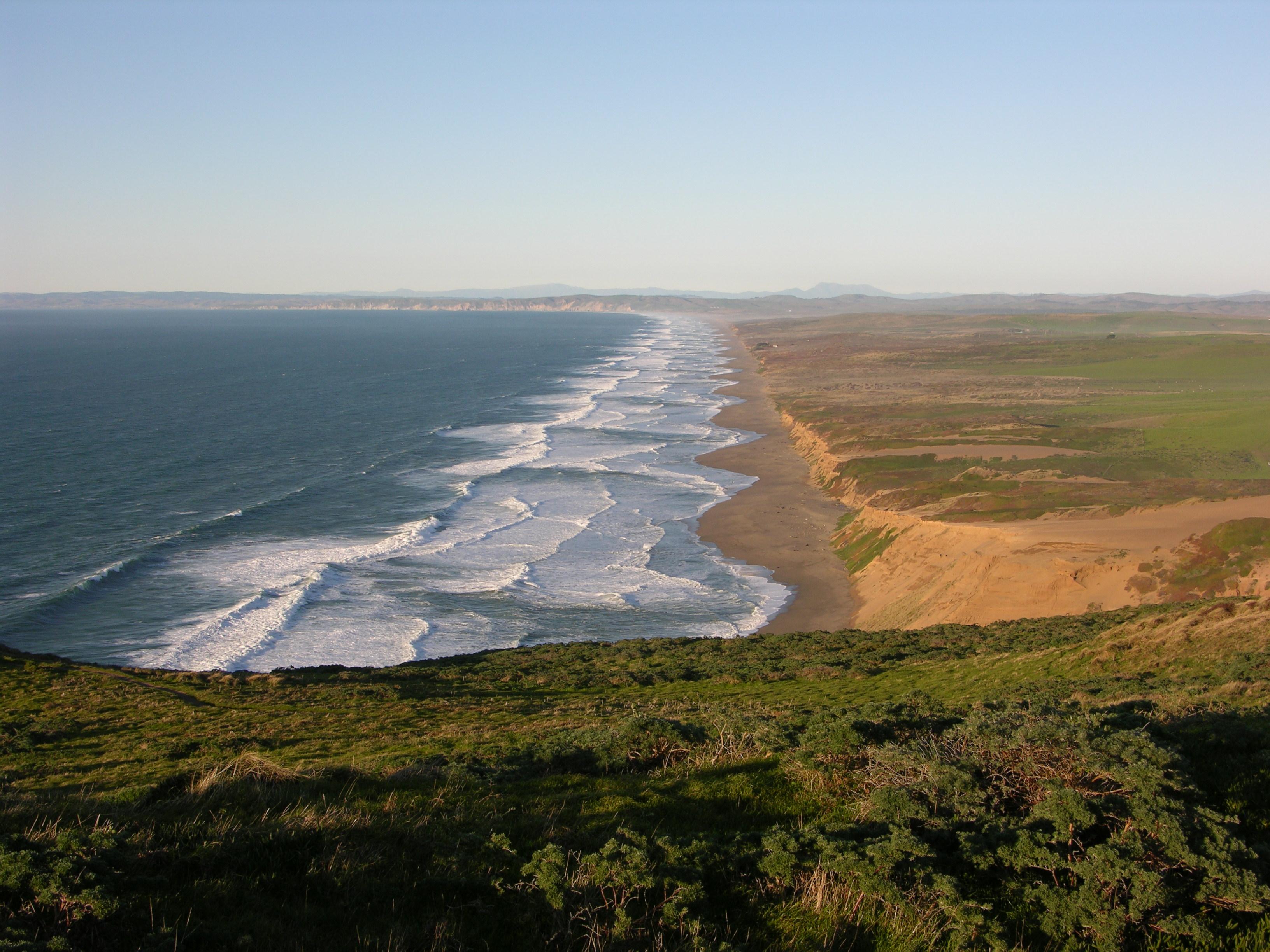
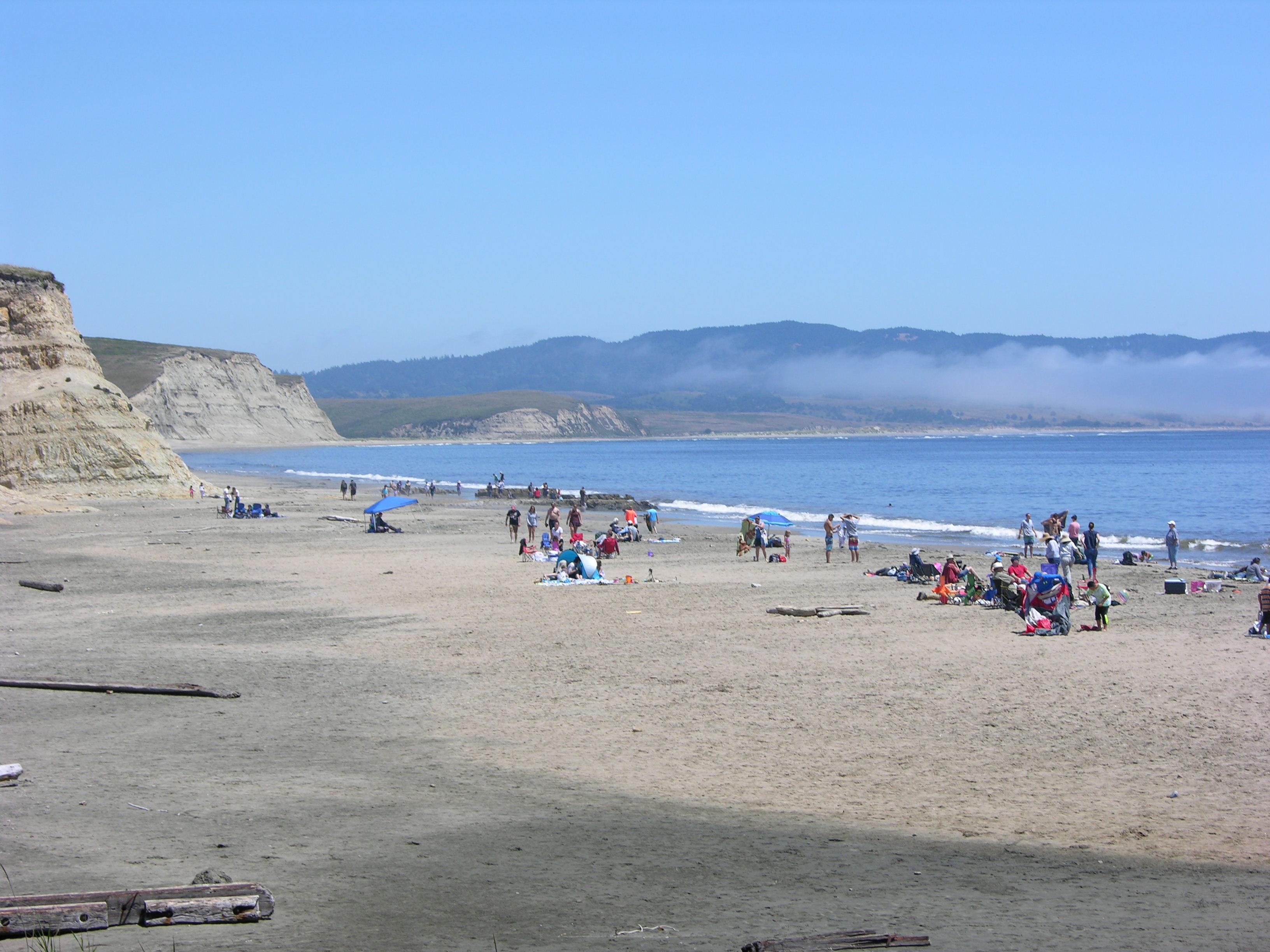
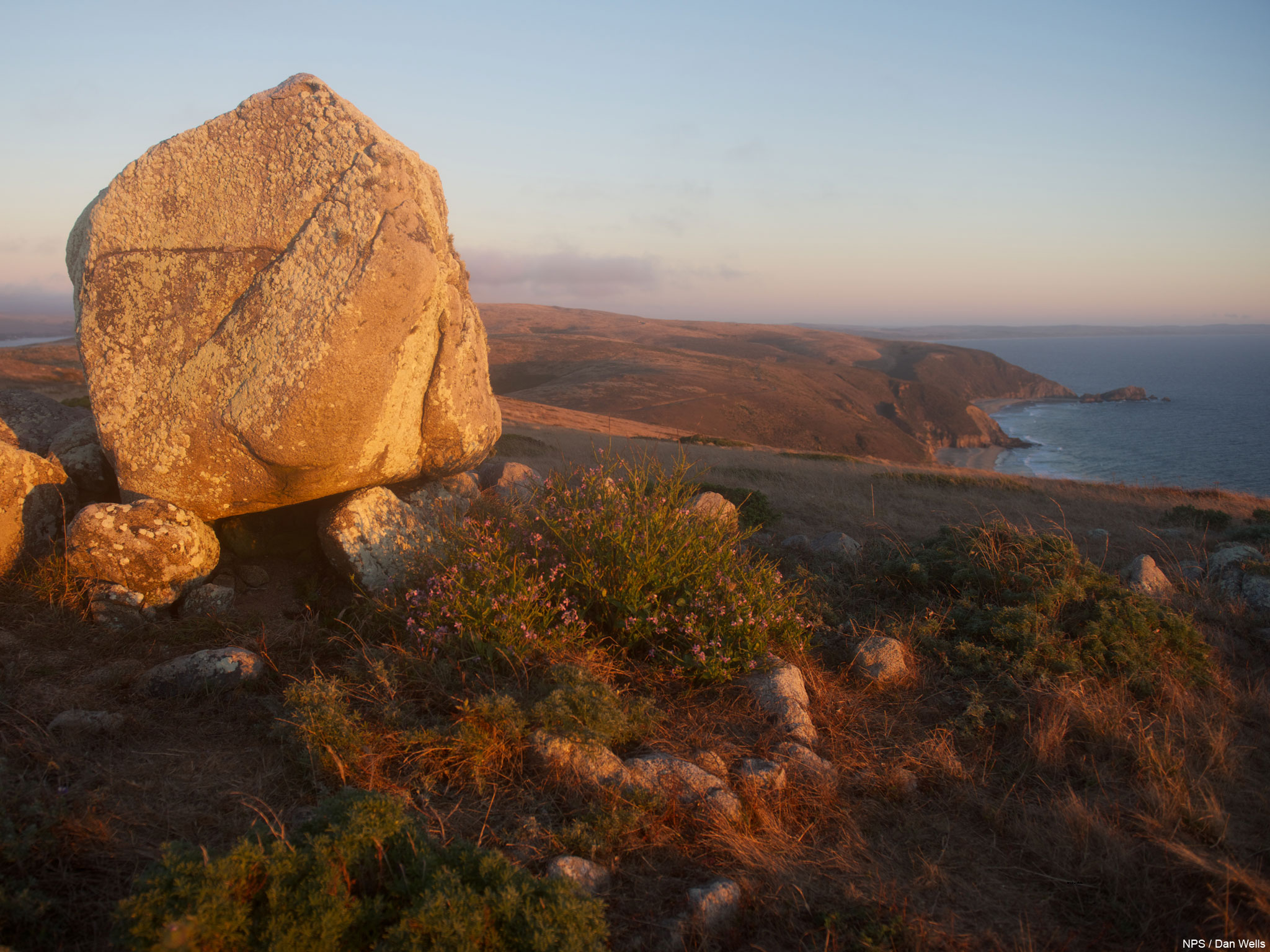
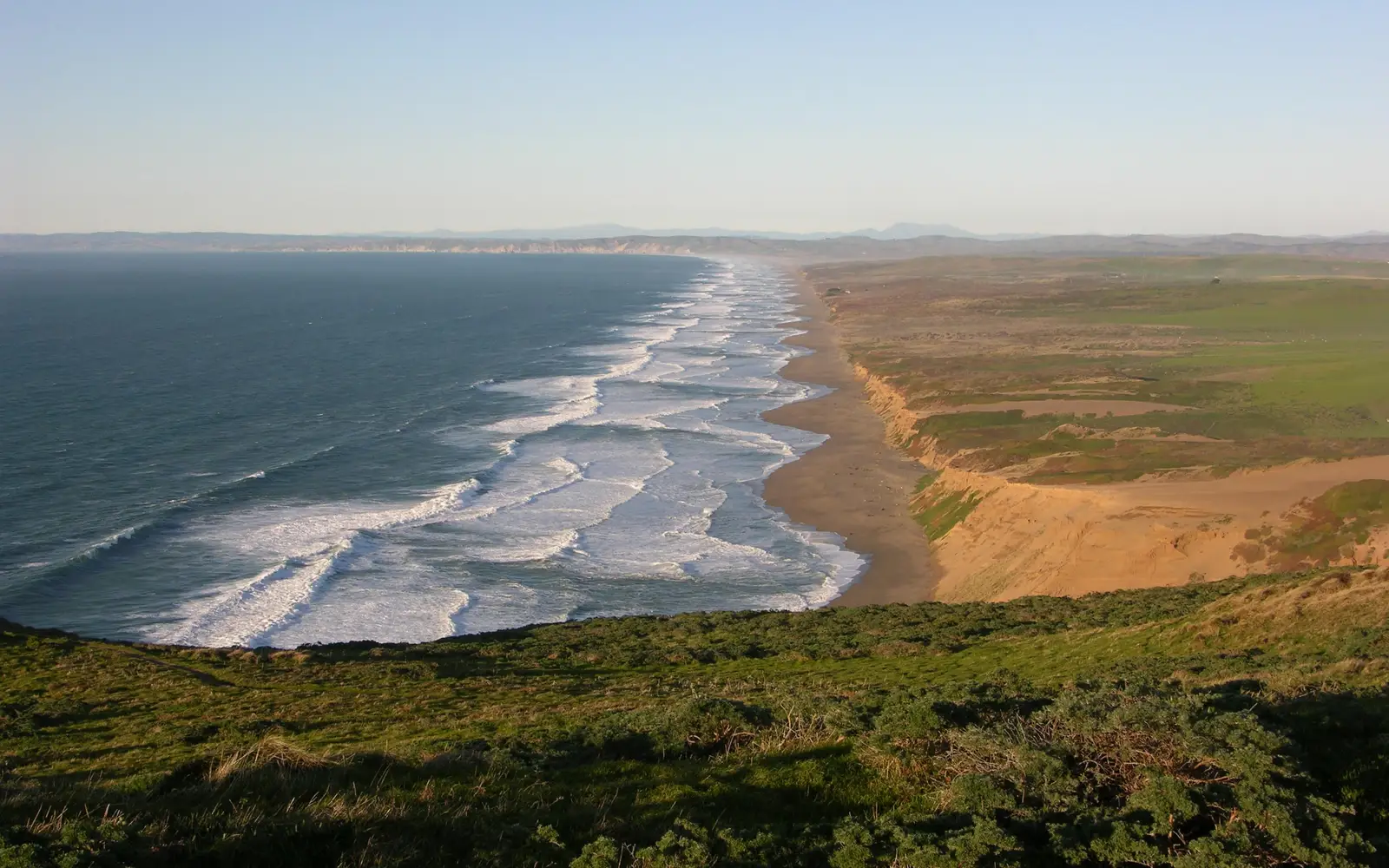
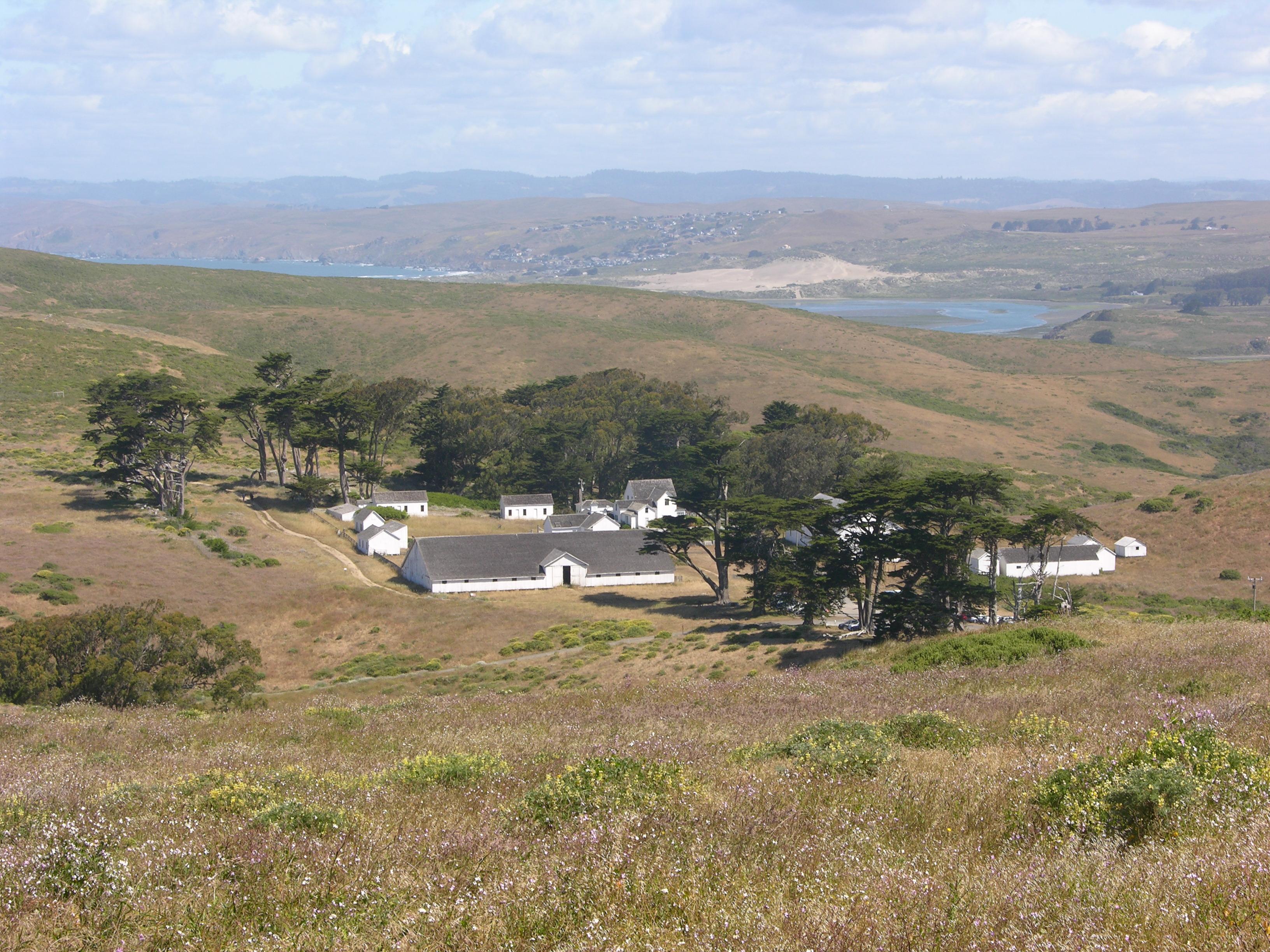
This is not a drive-through destination. The peninsula rewards active engagement. The scale is real, and wildlife is accessible. Its terrain offers unusual variety for a single unit: coastal bluffs, forested ridges, and open ranch land. Fog and wind are inherent to the experience. Families, solo hikers, cyclists, paddlers, and equestrians will find suitable activities. This world-class seashore remains notably underrated outside California.
The case for it
Point Reyes offers an experience of impressive breadth. Begin at the Bear Valley Visitor Center for orientation and the park film. The terrain rapidly shifts from dense bishop pine forest to open grassland, culminating in dramatic coastal bluffs. Wildlife viewing is a documented highlight; expect reliable sightings of tule elk herds, harbor seals, and numerous shorebirds, with gray whales present seasonally. Paddlers can launch onto Tomales Bay for kayak camping, accessing a protected estuary. Backcountry campers will find hike-in sites demanding true commitment, rewarding them with genuine
Who it is for
Point Reyes rewards active engagement. This park is for hikers, cyclists, paddlers, and wildlife watchers. Families seeking a full experience will find ample opportunity. Visitors must be willing to cover miles on foot or by kayak. Those looking for a quick, passive scenic drive may be underwhelmed. The best experiences here require leaving the car.
Best time to visit
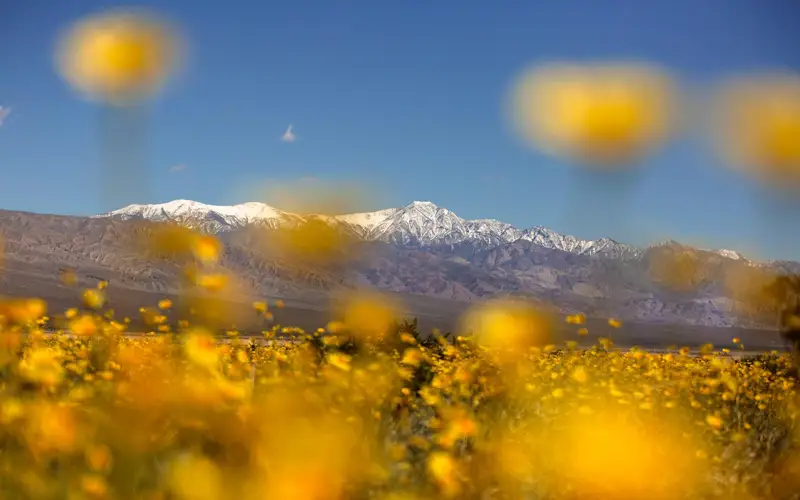
Point Reyes offers varied seasonal appeals. Summer's consistent fog keeps temperatures cool and crowds smaller, though views may be obscured. Spring delivers wildflowers and migrating birds. Winter is ideal for observing gray whales from the headlands and experiencing atmospheric coastal light. Autumn typically presents the warmest, sunniest weather. Visitors should expect wind and fog throughout the year.
Worth seeing
- Kayaking and kayak camping on Tomales Bay, a protected estuary with reliable calm water and wildlife
- Backcountry camping with hike-in sites that deliver genuine coastal solitude
- Tule elk herds visible in open grassland, one of the most accessible large-mammal wildlife experiences in California
- A free entrance fee for a park with 1,500-plus documented plant and animal species across diverse terrain
- Horseback riding and horse trekking on trails through varied coastal and forest terrain
- Guided tours that layer Coast Miwok cultural history and natural history onto the landscape
Before you visit
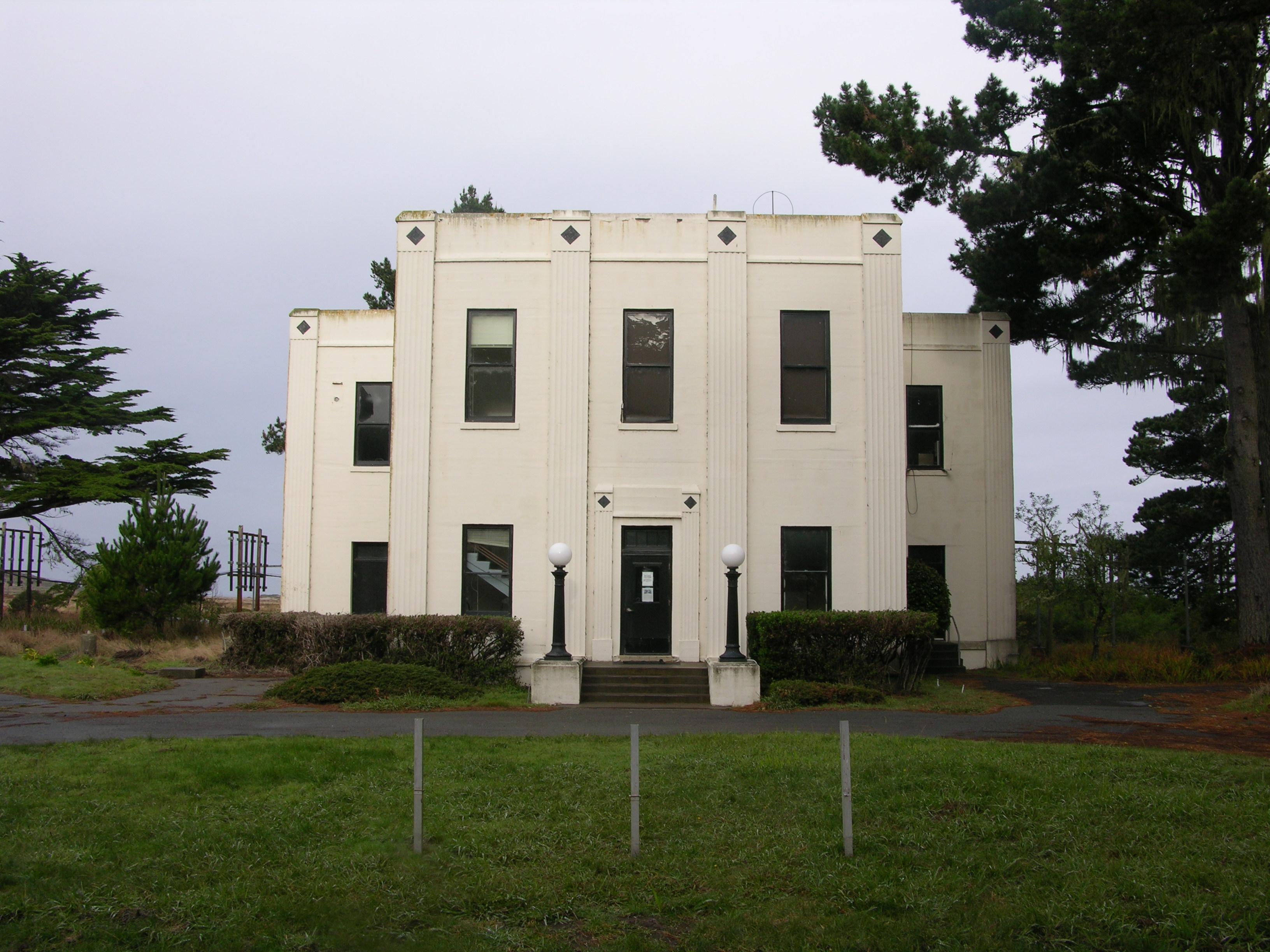
Free admission is a significant advantage for a park of this scope. The grounds are open daily from 6 AM to midnight. Backcountry and kayak camping permits are essential, particularly for weekend visits. Cell service is limited on the peninsula. Consult specific hours for the Bear Valley and Kenneth C. Patrick visitor centers.
Our tipPoint Reyes backcountry sites demand foresight. Reservations on recreation.gov are essential weeks ahead, especially for weekend trips in spring and fall. Walk-up availability is rare. Plan accordingly for a coastal overnight stay.