parkverdict
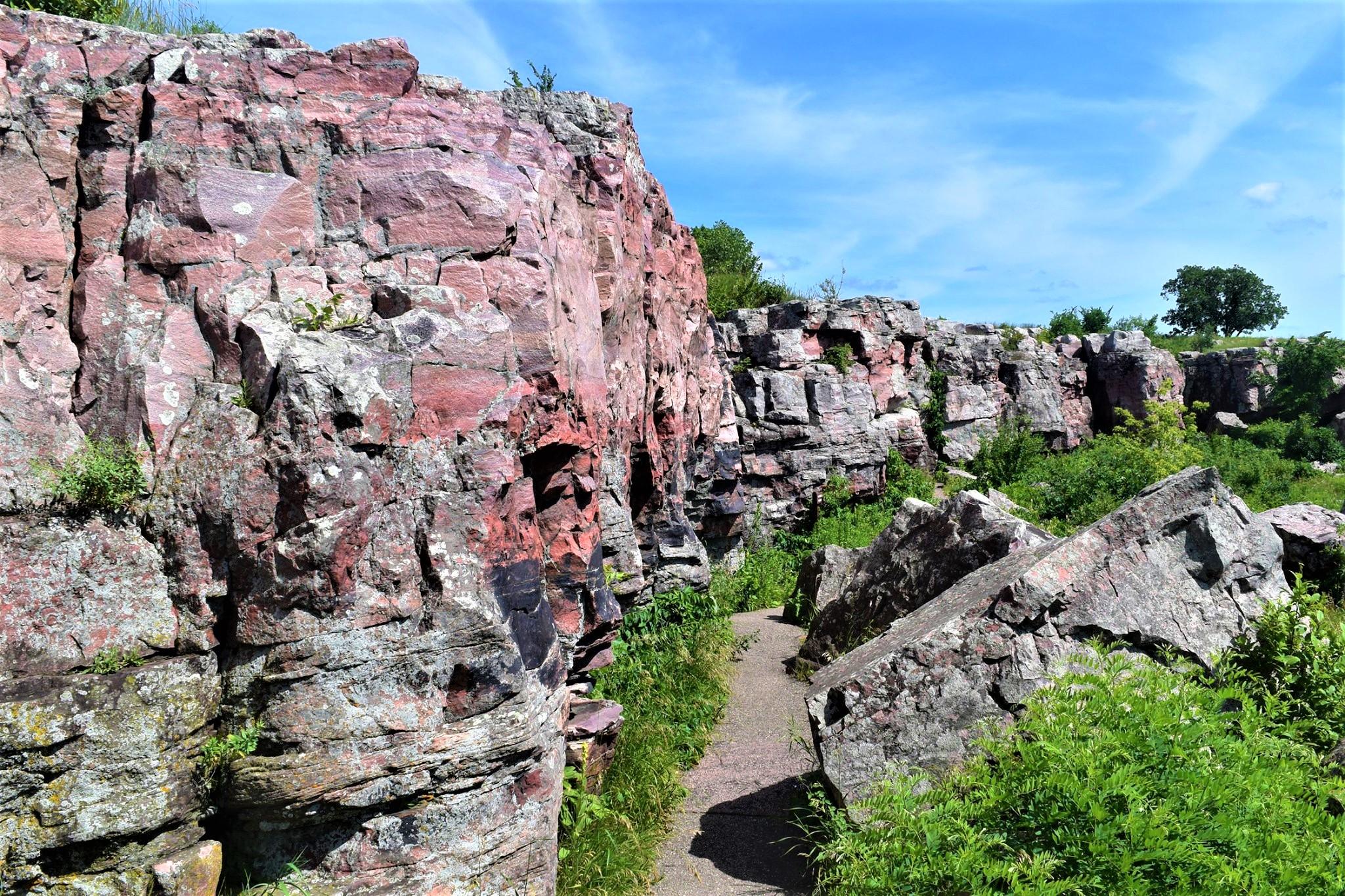
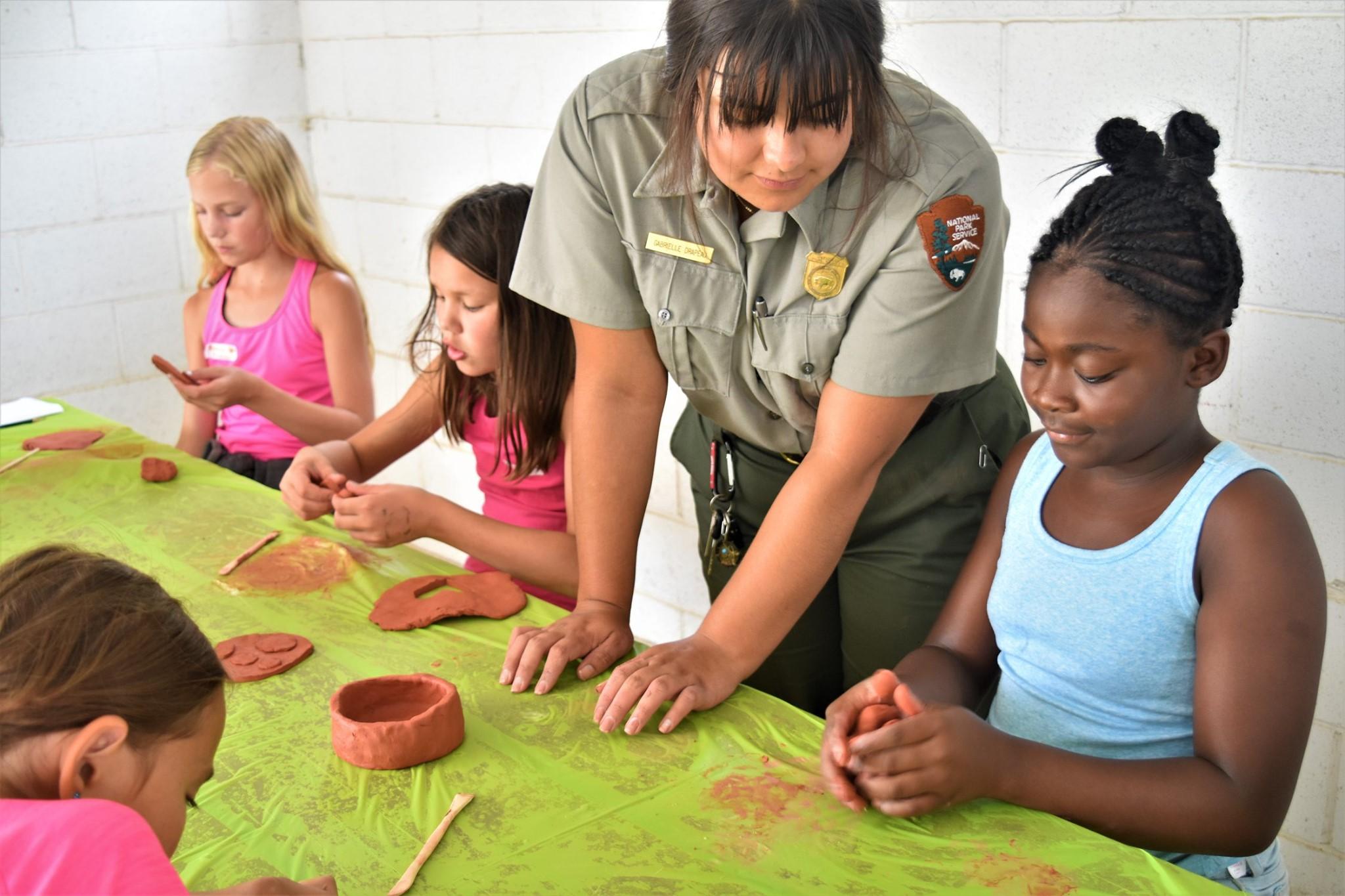
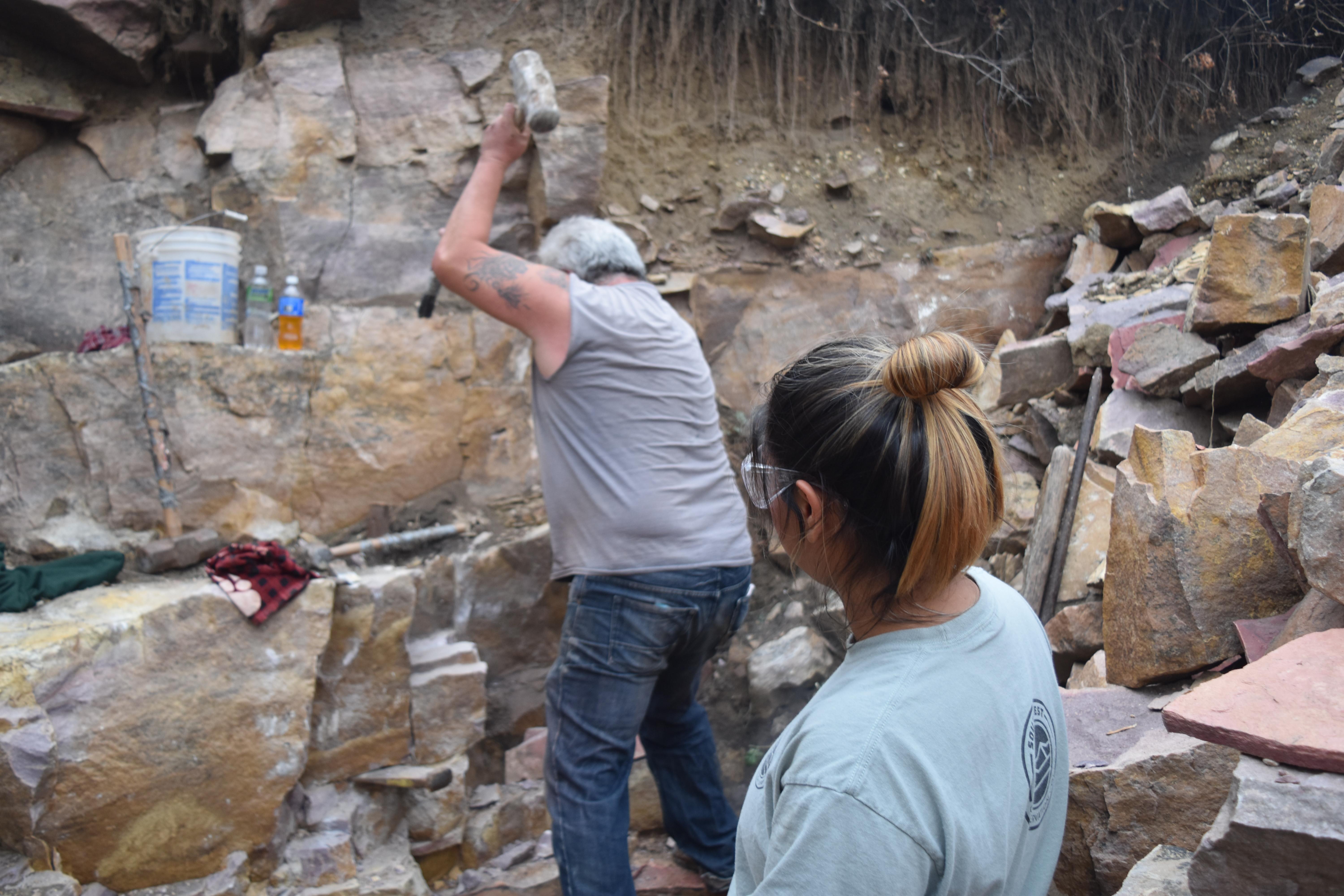
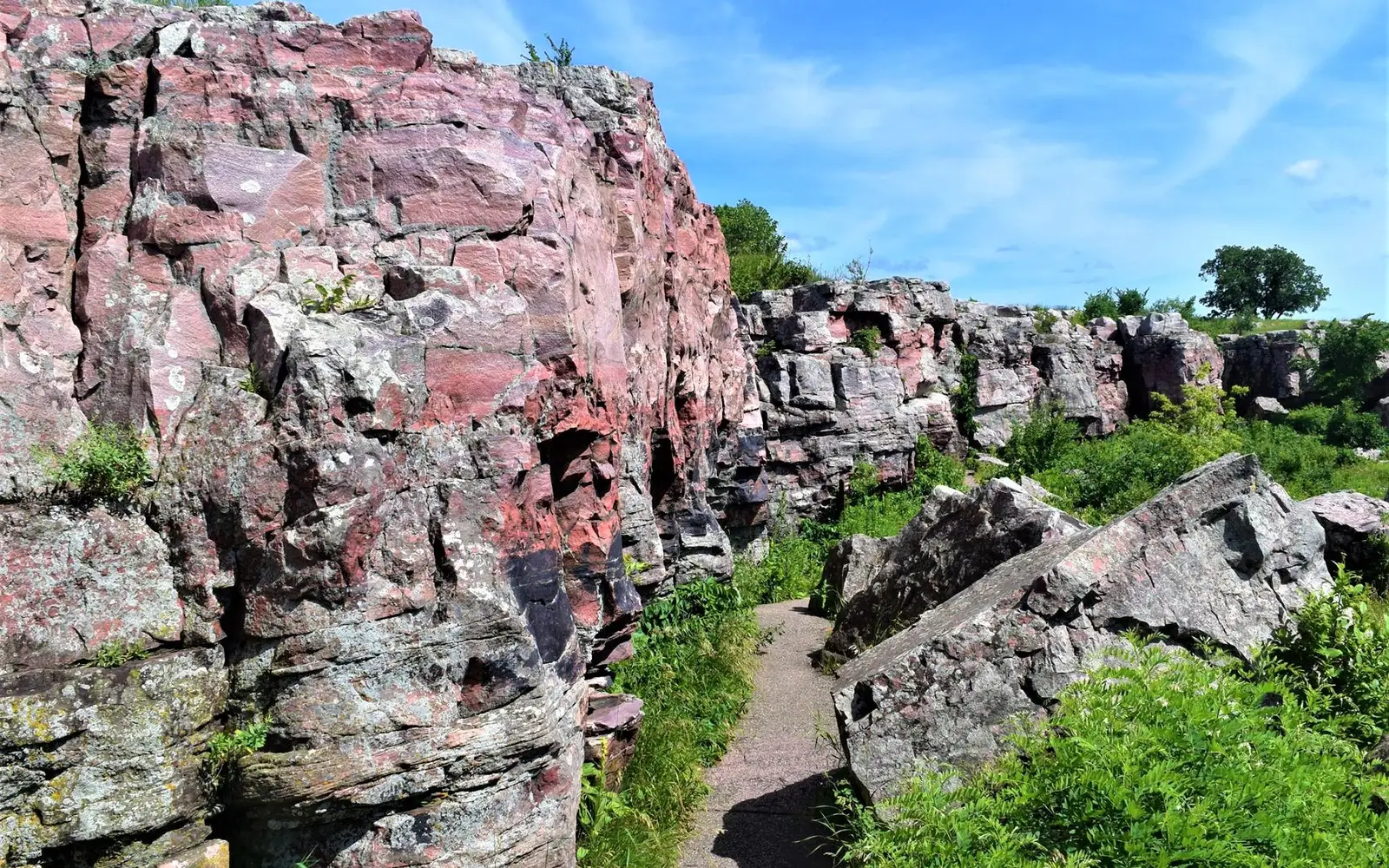
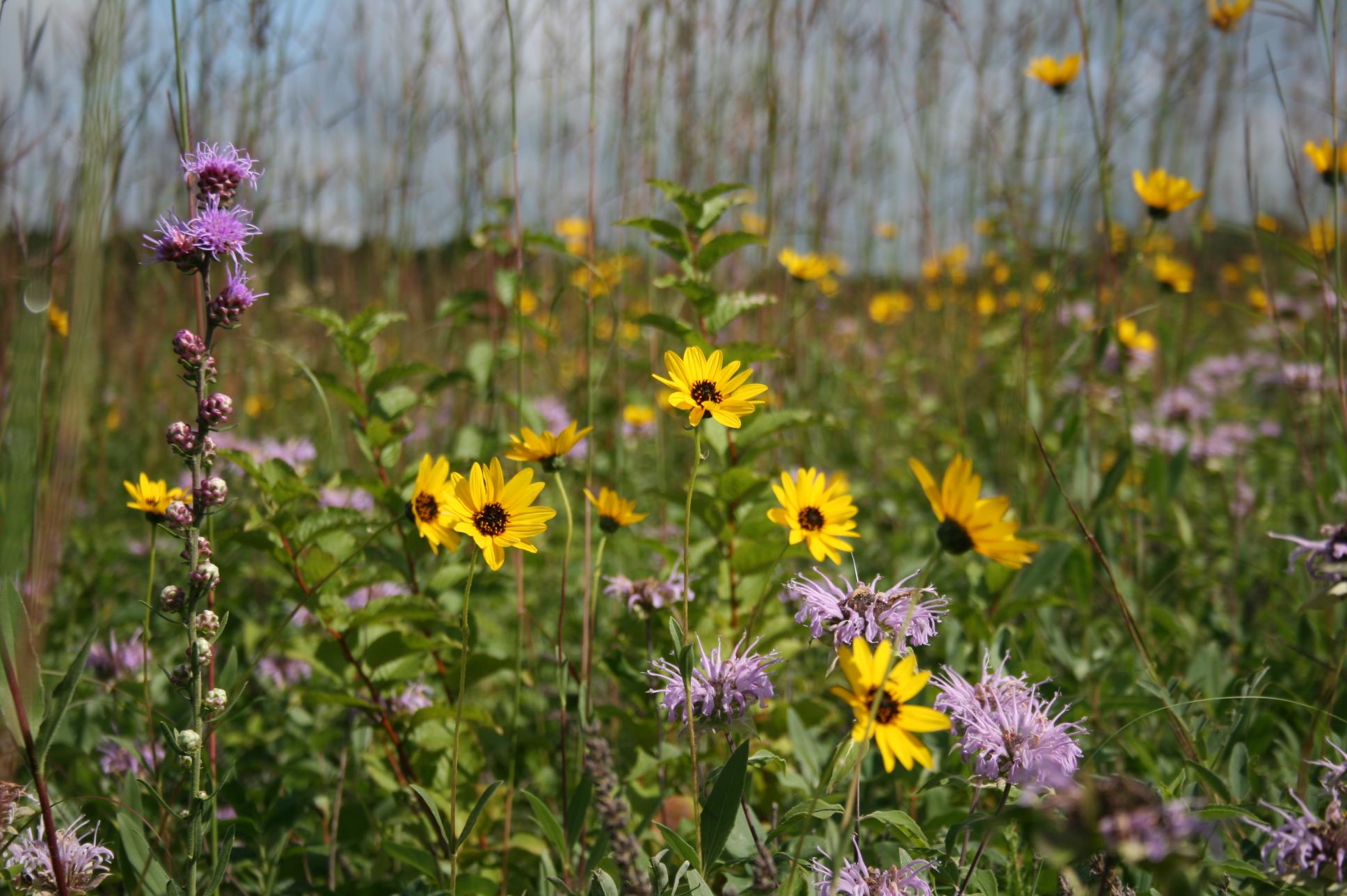
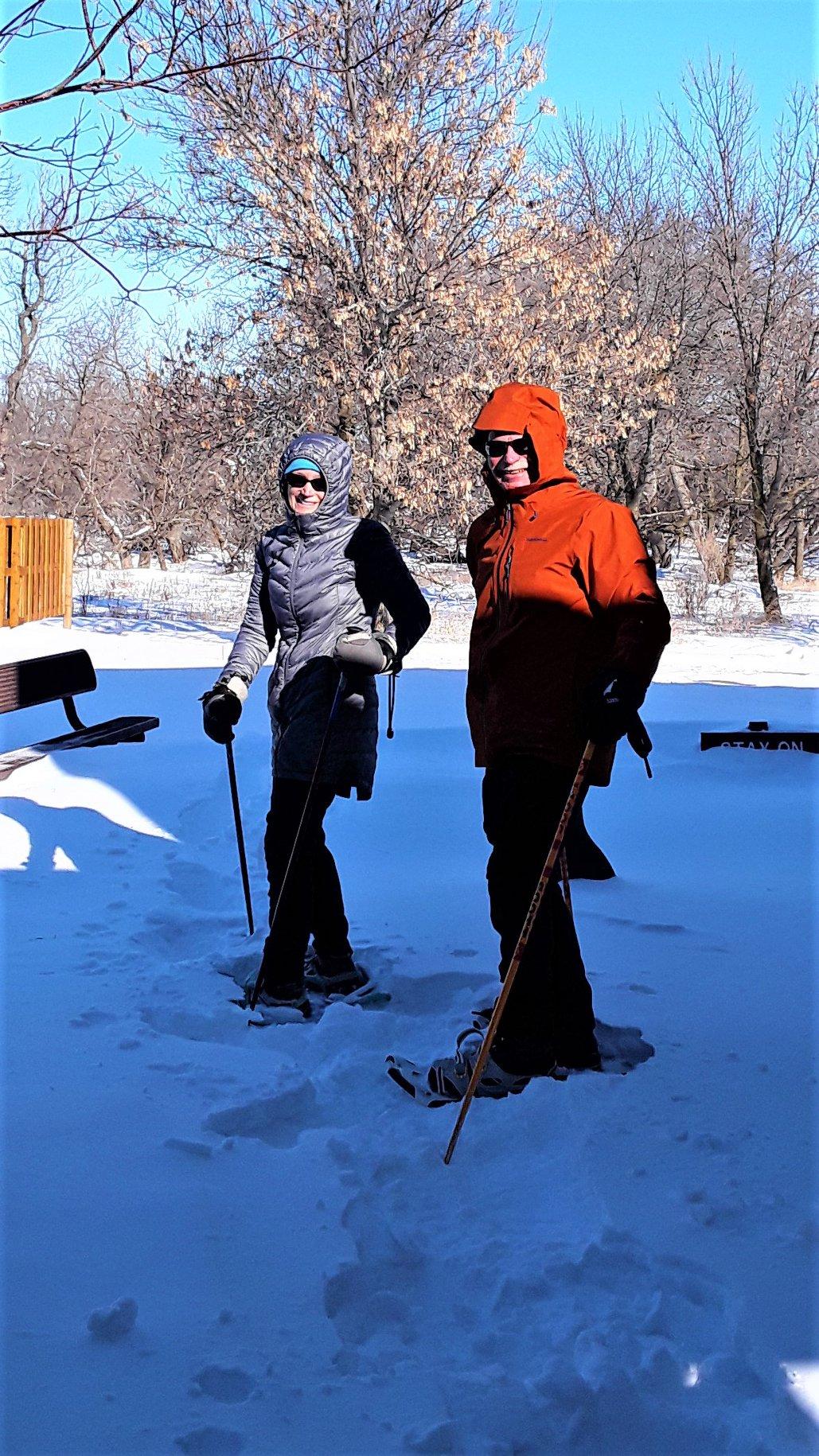
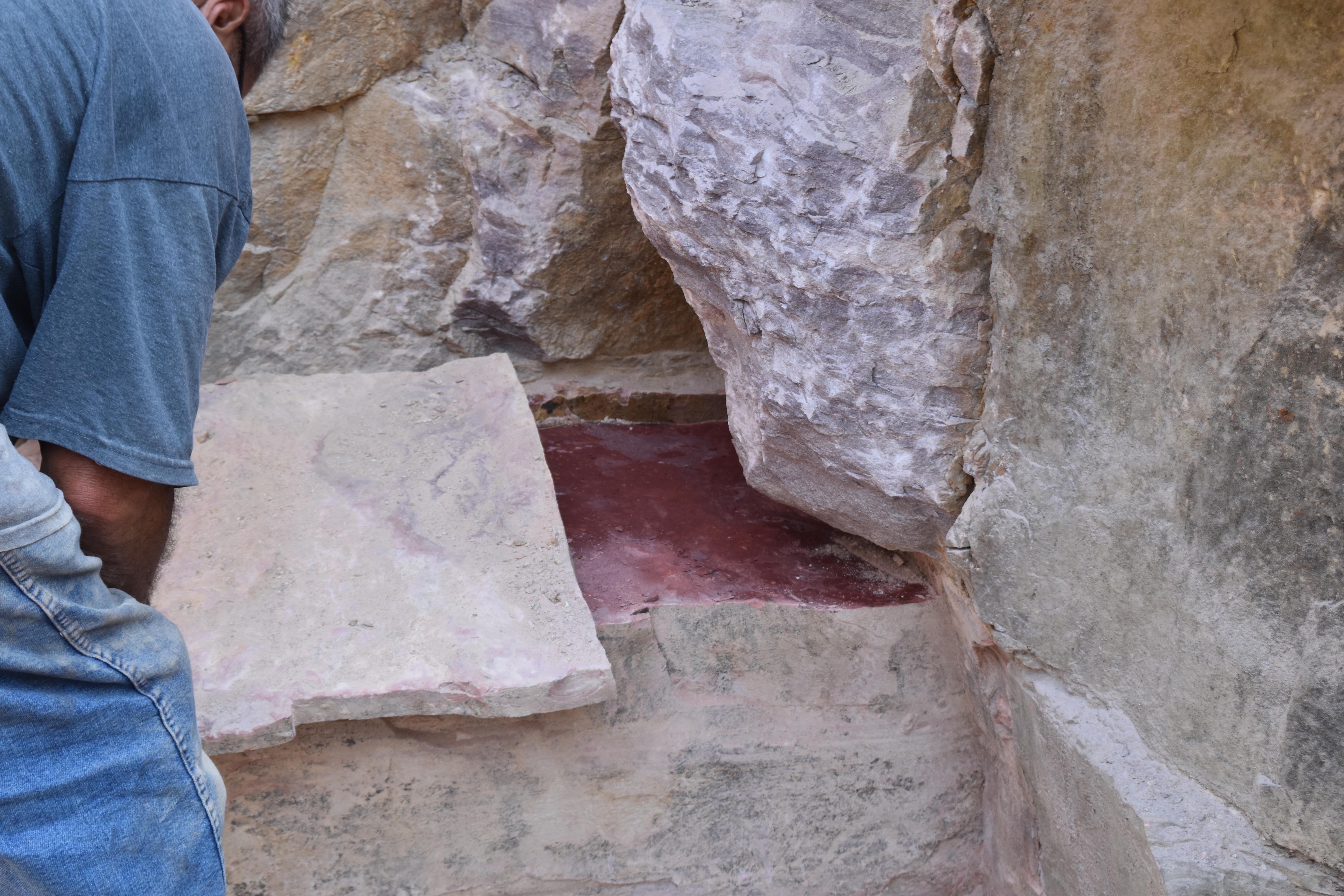
Pink wall of rock next to path and grassPurple and yellow wildflowers in a field of tall grassA couple outside in snowshoes smiling at the cameraA sheet of stone being taken off a thick slab of stone in a quarry pit
National MonumentMN

Pipestone National Monument

NPS / J.Borden
76/ 100WIDE RANGE
parkverdict Experience ScoreIndependent, not sponsored

76 of 100. Our independent breadth-and-access index. How we score

Worth it?

Is Pipestone National Monument worth it?

Pipestone National Monument occupies a corner of southwestern Minnesota where Indigenous people have quarried sacred red catlinite stone for over 3,000 years, and they are still quarrying it today.

That living continuity is what sets this place apart from the typical historical monument. You are not reading about a tradition in the past tense; you can watch it being practiced right in front of you. The 3/4-mile Circle Trail winds around the quarry area and is open around the clock. The visitor center holds the experience together through museum exhibits, a park film, and craft and cultural demonstrations by Native artisans. For a free, small-footprint monument, an experience score of 76 says a lot about how much cultural depth the place carries relative to its size. It draws a particular kind of visitor, but for that visitor it ranks among the most meaningful NPS units in the upper Midwest.

The case for it

Begin at the visitor center. The film and museum exhibits give you the context that makes the outdoor sections actually click, so skipping them means you lose half the story. From there, head out on the Circle Trail, where active quarrying areas turn a 3,000-year-old tradition into something you can see and touch rather than just read about on a placard. If the timing works in your favor, craft and cultural demonstrations let you watch Native artisans shape catlinite into pipes, which is about as direct a connection to that history as you are going to find anywhere. Admission is free, the trail is short enough for most ages, and the gift shop carries authentic Native-made pipestone work if you want to take home something that actually carries weight. Come winter, the trail stays open for snowshoeing, and the whole place takes on a quieter, different character.

Who it is for

Visitors who genuinely care about Indigenous history and living cultural traditions will find this stop rewarding, and families wanting a meaningful NPS experience that actually keeps kids engaged will too. Birders and wildlife watchers who prefer a quiet prairie setting should feel right at home. That said, if dramatic scenery, strenuous hiking, or a multi-day outdoor adventure is what you're after, look elsewhere. This is a half-day cultural site, not a wilderness destination.

Best time to visit

Late spring through early fall is the sweet spot for the Circle Trail, when temperatures are reasonable and you have a real shot at seeing active quarrying or craft demonstrations. Summer gets warm and humid, so mornings are worth the early start. If you snowshoe, winter is worth considering too, the quarry under snow looks genuinely different from any other time of year, and the crowds drop off sharply. Whatever season you go, bring layers, because the weather can shift on you quickly.

Worth seeing

  • Active catlinite quarrying by Indigenous people - a tradition unbroken for over 3,000 years
  • Craft and cultural demonstrations by Native artisans working pipestone
  • The 3/4-mile Circle Trail, open 24 hours year-round including for winter snowshoeing
  • Museum exhibits and a park film that ground visitors in the site's deep cultural history
  • Birdwatching and wildlife watching along the trail in a quiet prairie setting
  • A gift shop carrying authentic Native-made pipestone work, not generic souvenirs

Before you visit

Entrance is free. The grounds and Circle Trail stay open around the clock, but the visitor center keeps shorter hours, so check the NPS site before you visit if you want to see the film, exhibits, or craft demonstrations. Demonstrations don't run every day, so a quick call ahead to confirm the schedule is worth your time.

Our tipAsk a ranger which days Native artisans will be demonstrating during your visit. Watching someone carve a ceremonial pipe in person has almost nothing in common with reading about the practice on an interpretive panel, and that gap is exactly the reason to come to Pipestone rather than just looking it up online.

How we scored it

Behind the 76

The number is not a mood. It is a few things we can actually check in public records, added up and capped so no single one runs away with the total. It tracks how much a place has going on and how easy it is to reach, and nothing about scenery or crowds. Here is what added up to 76:

  • Activity breadth15 documented activities
  • Topic breadth14 topics
  • Official imagery6 public-domain images
  • Camping on sitenone recorded
  • Entry costfree

No number is hand-adjusted and no unit pays for placement. The full weights, the floor at 18 and a worked example are on how we score.

The honest limits

What the score cannot tell you

A quick honest note. The score tracks how much a place has going on and how easy it is to reach, both pulled from public records. What it cannot see is the stuff that often makes or breaks a day: whether the views stop you cold, how packed it gets in season, what the trails are like after rain, or whether you catch a great ranger talk. A small, single-focus site can land below a sprawling park here and still be the better call for your trip. Use the number to compare what places offer on paper, and the verdict up top to tell if it is your kind of place.

Overview

About Pipestone National Monument

For more than 3,000 years, Indigenous people have quarried the red stone here to make pipes for prayer and ceremony. That tradition continues today, which is why this place remains sacred to so many people.

On documented breadth and access, Pipestone National Monument ranks 8th of 12 park and public-land units we score in Minnesota.

Climate note

Summers are warm and humid, winters cold and snowy. Conditions shift fast, so pack for the season and leave room for surprises.

Things to do

What it offers

Arts and CultureCraft DemonstrationsCultural DemonstrationsFoodPicnickingGuided ToursSelf-Guided Tours - WalkingJunior Ranger ProgramSnowshoeingWildlife WatchingBirdwatchingPark FilmMuseum ExhibitsShoppingGift Shop and Souvenirs
Common questions

Pipestone National Monument: quick answers

Is Pipestone National Monument worth visiting?

Pipestone National Monument occupies a corner of southwestern Minnesota where Indigenous people have quarried sacred red catlinite stone for over 3,000 years, and they are still quarrying it today.

Is Pipestone National Monument free to visit?

No charge at the gate.

What is Pipestone National Monument best for?

It leans hardest toward good with kids, wildlife watching, winter sports, guided tours, going by the 15 activities it actually documents.

When is the best time to visit Pipestone National Monument?

Late spring through early fall is the sweet spot for the Circle Trail, when temperatures are reasonable and you have a real shot at seeing active quarrying or craft demonstrations.

How is the Experience Score for Pipestone National Monument calculated?

The 76 comes straight from public data on how much the place documents and how easy it is to reach, things like activities, topics, photos, camping and whether entry is free. It says nothing about scenery or how busy it gets.