parkverdict
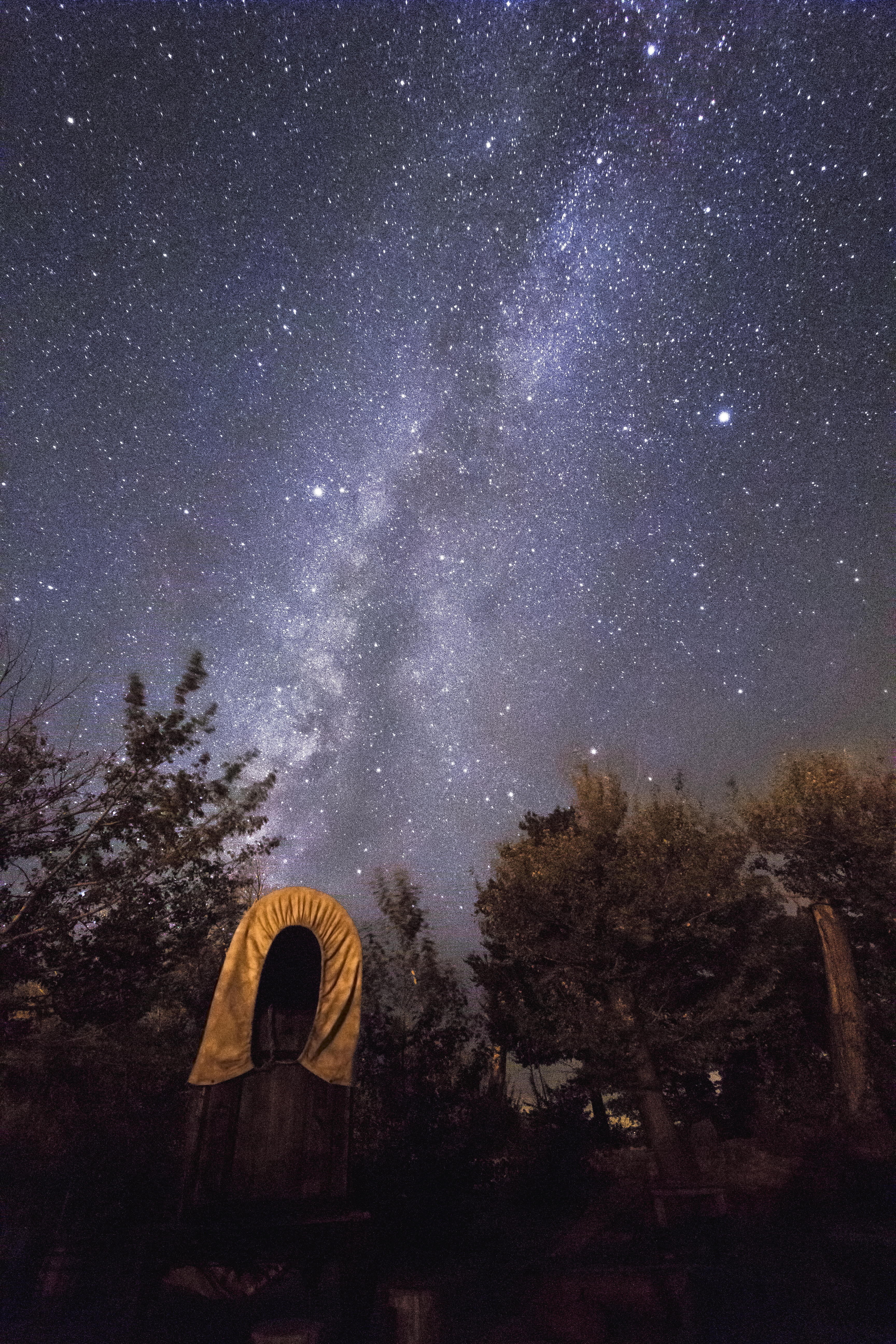
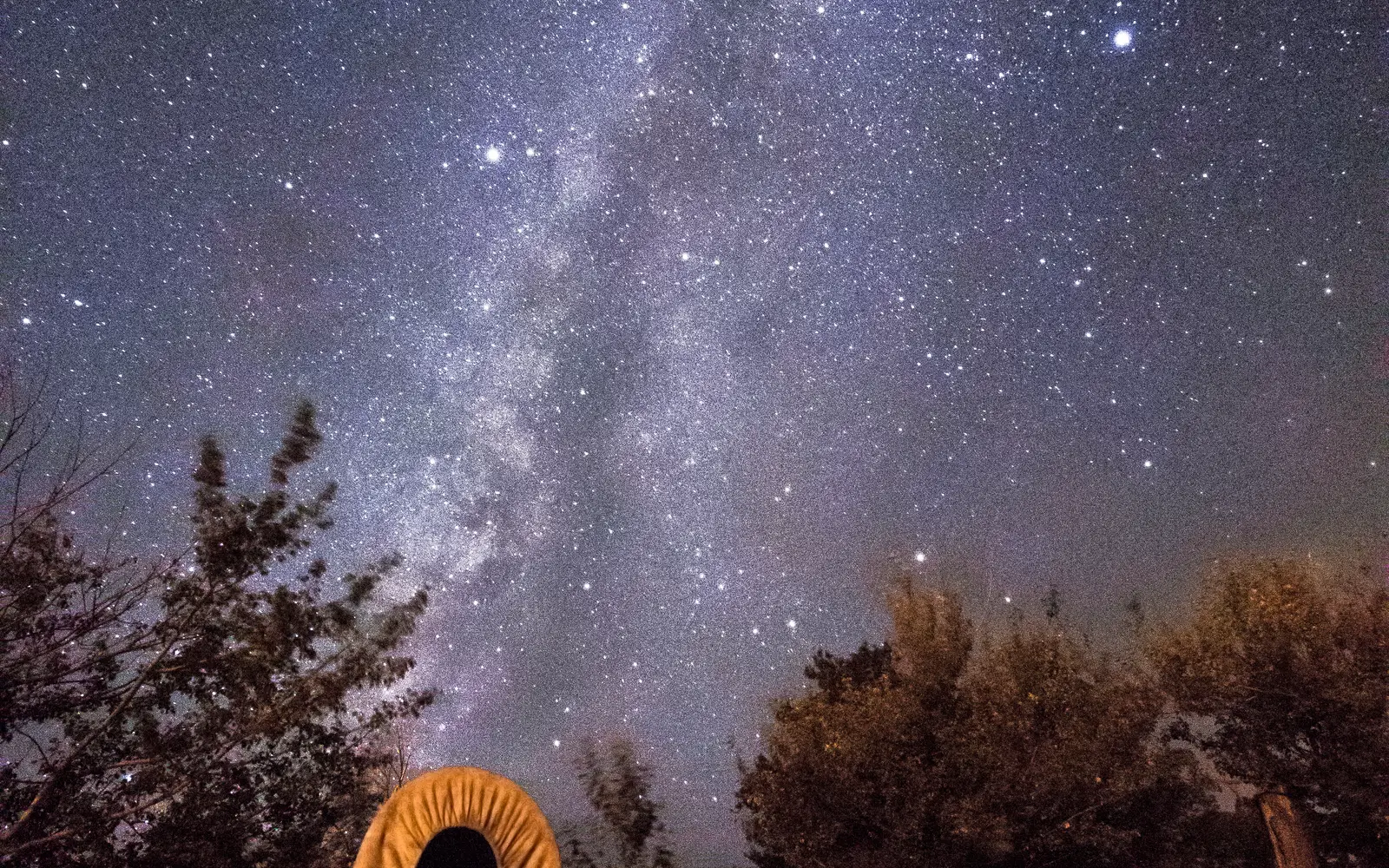
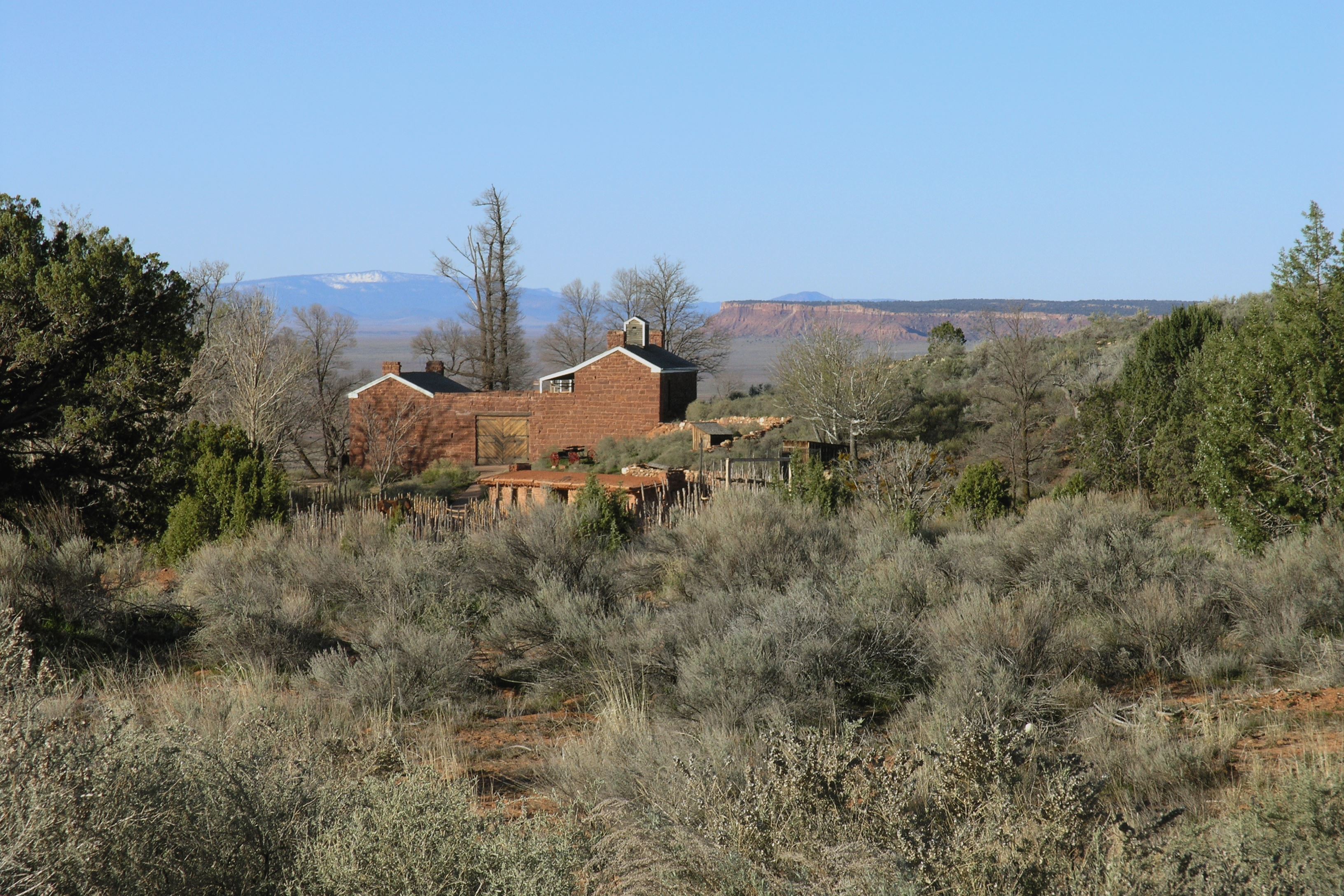
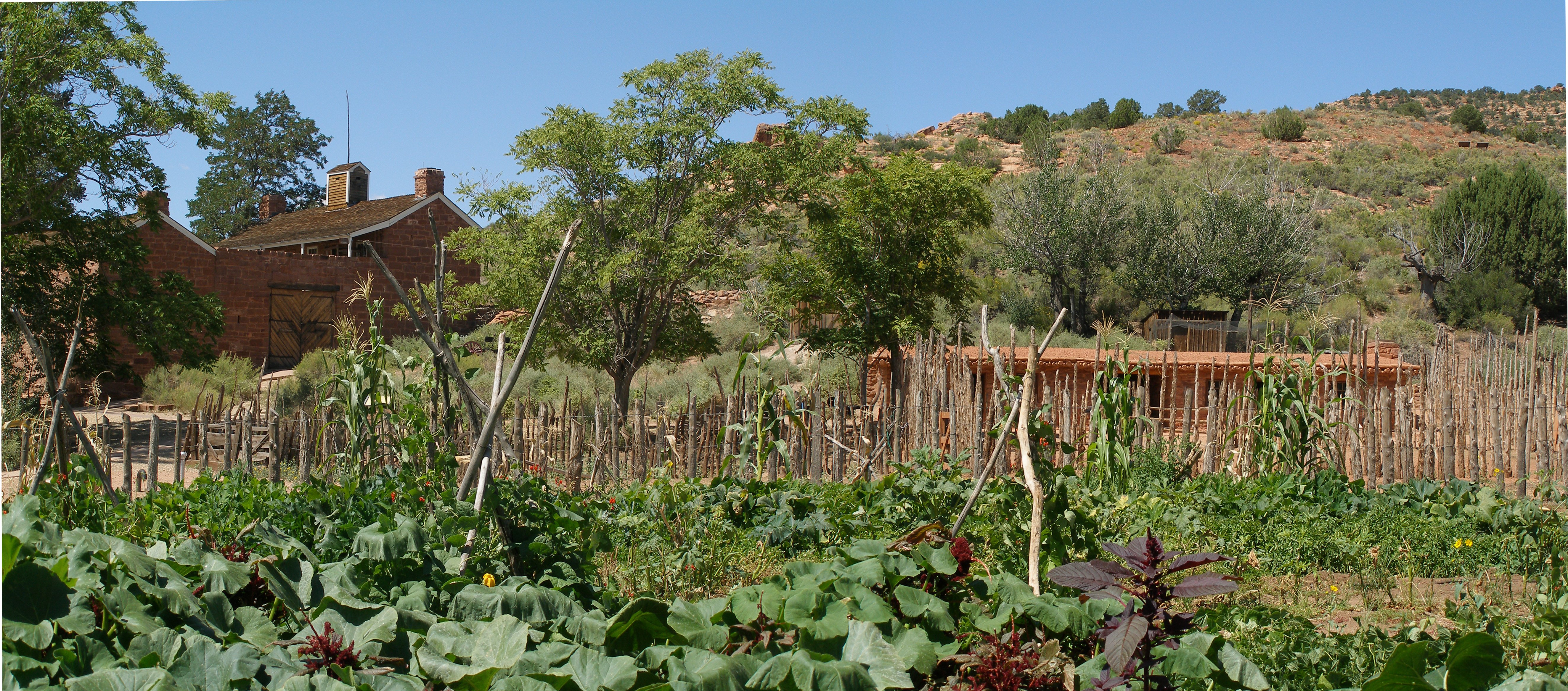
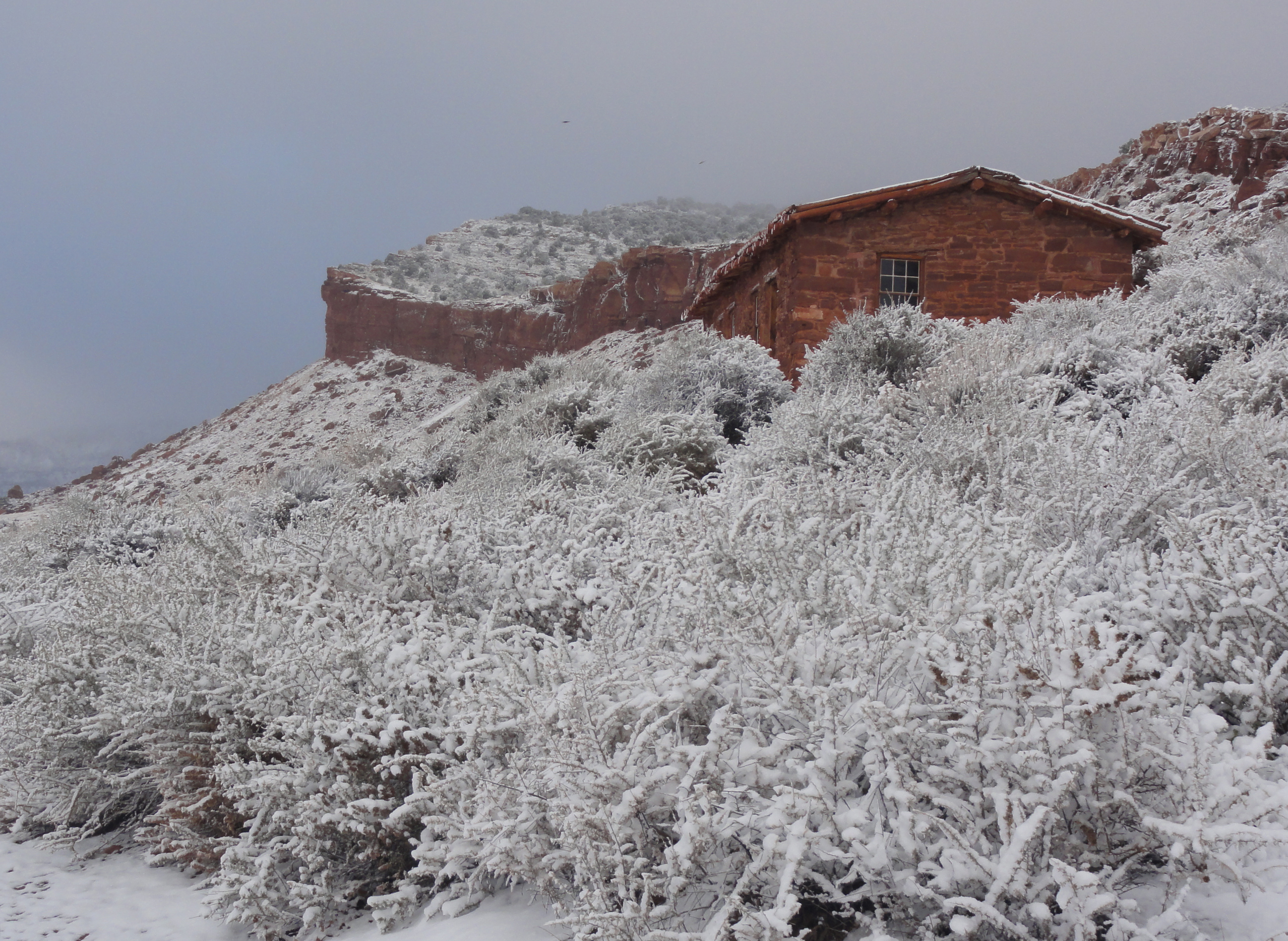
A glittering sky of stars glows above a historic covered wagon.A sandstone fort rests between desert scrub in the foreground and a mountain in the distance.A lush garden filled with settler and native crops grows in front of a sandstone fortA red-orange sandstone cabin surrounded by white snow.
National MonumentAZ

Pipe Spring National Monument

NPS / NPS Photo/Kait Thomas
90/ 100DOES IT ALL
parkverdict Experience ScoreIndependent, not sponsored

90 of 100. Our independent breadth-and-access index. How we score

The bottom line

Pipe Spring National Monument: our verdict

Pipe Spring National Monument sits on Kaibab Paiute tribal land near Fredonia on the Arizona Strip, a small desert outpost centered on a well-preserved 1870s Mormon frontier fort and the ranch buildings around it.

Living history demonstrations, craft sessions, and guided tours keep things from feeling like a static museum. The grounds are compact and the hiking is minimal, so if you show up hoping for backcountry, you will leave disappointed. Come for the storytelling instead, which is genuinely layered. Both the Kaibab Paiute and 19th-century Mormon settlers get real interpretive weight here, and that shared stage gives the place a depth you rarely find at a site this size. The $10 entry fee is reasonable. At 90 on our Experience Score, Pipe Spring does a lot with a small footprint, mostly because the programming is varied enough to hold your attention. Plan a dedicated half-day, especially if you are traveling with family or passing through the Arizona Strip between Zion and the North Rim.

Why visit

Rangers walk you through the fortified ranch house and outbuildings while living history demonstrators work through period crafts and food preparation right in front of you. Kids can earn a Junior Ranger badge and take part in hands-on activities. The Ridge Trail is a short front-country hike with real geological interest and good views across the surrounding plateau. Once the sun goes down, the remote Arizona Strip location means genuinely dark skies, and the stargazing is worth staying late for, even though most visitors never think to try it. The park store and bookstore are well stocked for a monument this size, and the picnic facilities give you a good reason to slow down and stay a while.

Who it suits

Families with kids tend to get the most out of Pipe Spring. The Junior Ranger program, ranch animals, craft demonstrations, and living history activities keep children genuinely engaged rather than restless. If you care about the American West or Native American cultural heritage, the site's dual-community story gives the visit real substance. Just know that the trail network is limited, so if you came looking for backcountry wilderness, this is the wrong stop.

Timing your visit

April through May and September through October are the sweet spots, with temperatures in the 60s and 70s that work nicely for the outdoor sections. Summer is a different story - heat runs from 80 to 100 degrees, and midday tours become genuinely unpleasant. If you visit in summer, get there at opening time (8:30 AM) and wrap up before noon. Winter highs between 30 and 50 degrees are manageable enough, though the outdoor demonstrations feel pretty cold at that range.

What stands out

  • Living history demonstrations inside and around the 1870s fortified ranch complex
  • Guided tours of the historic fort, cabins, and period garden
  • Ridge Trail hike with geological features and views across the Arizona Strip plateau
  • Stargazing under some of the darkest skies accessible from a developed NPS site in Arizona
  • Kaibab Paiute cultural demonstrations offering a perspective rarely foregrounded at Western monuments
  • Junior Ranger program with hands-on crafts, well-suited to younger visitors

Good to know

Admission costs $10 per person. The visitor center and monument are open every day from 8:30 AM to 4:30 PM, with closures only on Thanksgiving, Christmas, and New Year's Day. You'll find the monument on the Kaibab Paiute Reservation near Fredonia, AZ, and services out that way are pretty thin. Fill your gas tank before you head out, bring your own food, and pack at least one liter of water per person. Front-country camping is available nearby.

Insider tipThe monument's own materials don't say much about stargazing, but if you're already camping out there, the Arizona Strip sits far enough from any city lights that it ranks among the better NPS spots for it in the Southwest. Worth checking before you go whether the monument has an astronomy program scheduled during your visit.

How we scored it

Why Pipe Spring National Monument scores 90

We keep the math boring on purpose. The same handful of public-data inputs, capped so none of them dominates, decide every score. What they measure is breadth and access, not beauty and not crowd levels. For Pipe Spring National Monument, they shook out like this:

  • Activity breadth20 documented activities
  • Topic breadth27 topics
  • Official imagery5 public-domain images
  • Camping on sitedocumented
  • Entry cost$10

No number is hand-adjusted and no unit pays for placement. The full weights, the floor at 18 and a worked example are on how we score.

The honest limits

Where the score goes quiet

One limit to keep in mind. Everything here comes from public records on what a unit documents and how reachable it is, so the score cannot judge beauty, crowds, trail conditions, weather, or how good any single program is. That is exactly why a small, specific place can score below a sprawling park and still be your better trip. Take the number as a like-for-like look at what is on paper, and lean on the verdict for the human read.

What you can do

Activities

Arts and CultureCraft DemonstrationsCultural DemonstrationsAstronomyStargazingCampingCar or Front Country CampingFoodPicnickingGuided ToursSelf-Guided Tours - WalkingHands-OnArts and CraftsHikingFront-Country HikingLiving HistoryJunior Ranger ProgramPark Film
Background

The short version

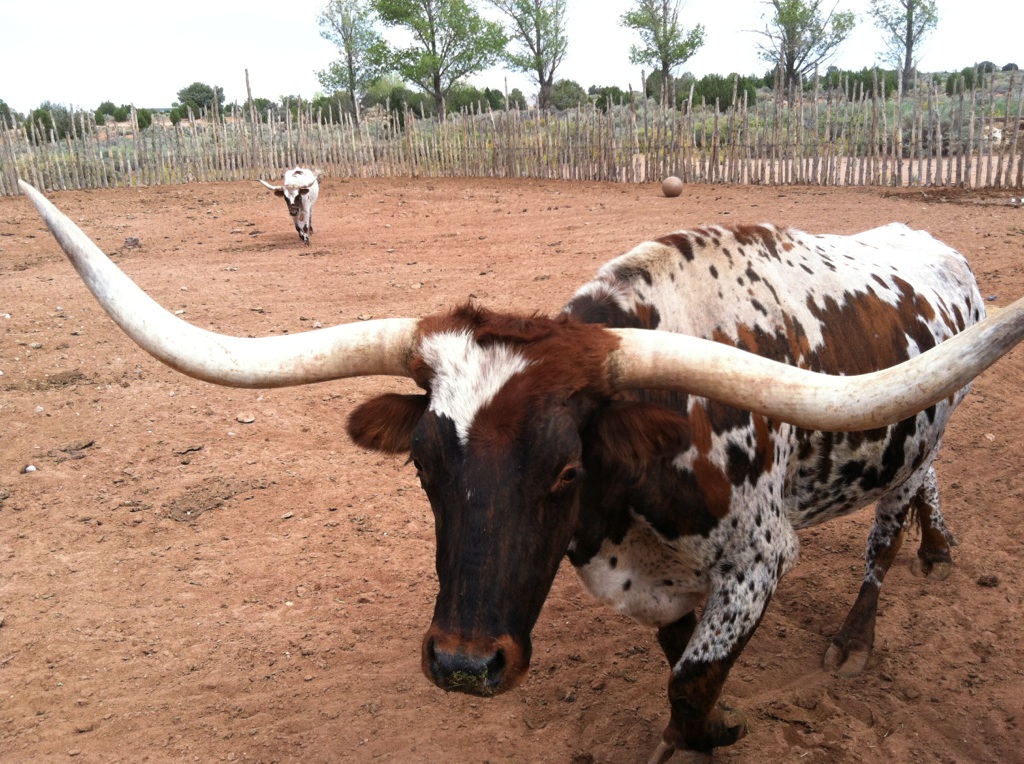
Long before Mormon settlers showed up, the Kaibab Paiute lived here, and Pipe Spring does a good job of honoring both histories through its museum, fort, cabins, and garden. Walk the Ridge Trail if you want a closer look at the geology, plants, and wildlife, and check the schedule for living history demonstrations or ranger talks while you are there. The ranch animals are worth your time too.

On documented breadth and access, Pipe Spring National Monument ranks 6th of 29 park and public-land units we score in Arizona.

What the seasons are like

Summer temperatures at Pipe Spring run anywhere from 80 to 100 degrees Fahrenheit, and winter highs sit between 30 and 50 degrees. Early mornings and late afternoons are cooler, so layers and sunscreen are worth packing. The Arizona desert pulls moisture out of you faster than you expect, so count on at least 1 liter of water per person per visit.

Common questions

Pipe Spring National Monument: quick answers

Is Pipe Spring National Monument worth visiting?

Pipe Spring National Monument sits on Kaibab Paiute tribal land near Fredonia on the Arizona Strip, a small desert outpost centered on a well-preserved 1870s Mormon frontier fort and the ranch buildings around it.

Is Pipe Spring National Monument free to visit?

Not free. Getting in runs about $10.

What is Pipe Spring National Monument best for?

It leans hardest toward stargazing, hiking, camping, good with kids, going by the 20 activities it actually documents.

When is the best time to visit Pipe Spring National Monument?

April through May and September through October are the sweet spots, with temperatures in the 60s and 70s that work nicely for the outdoor sections.

How is the Experience Score for Pipe Spring National Monument calculated?

The 90 comes straight from public data on how much the place documents and how easy it is to reach, things like activities, topics, photos, camping and whether entry is free. It says nothing about scenery or how busy it gets.