parkverdict
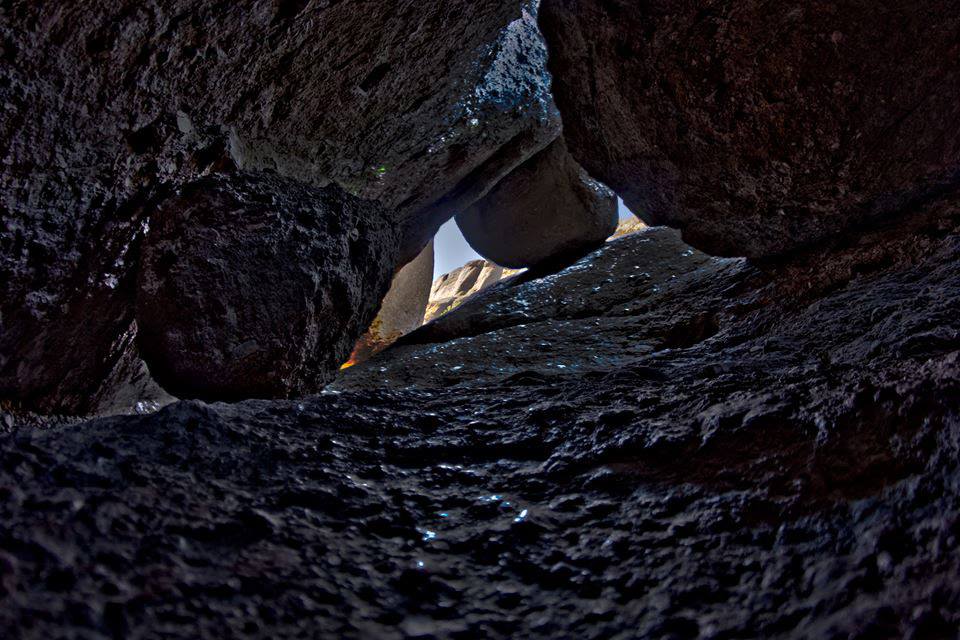
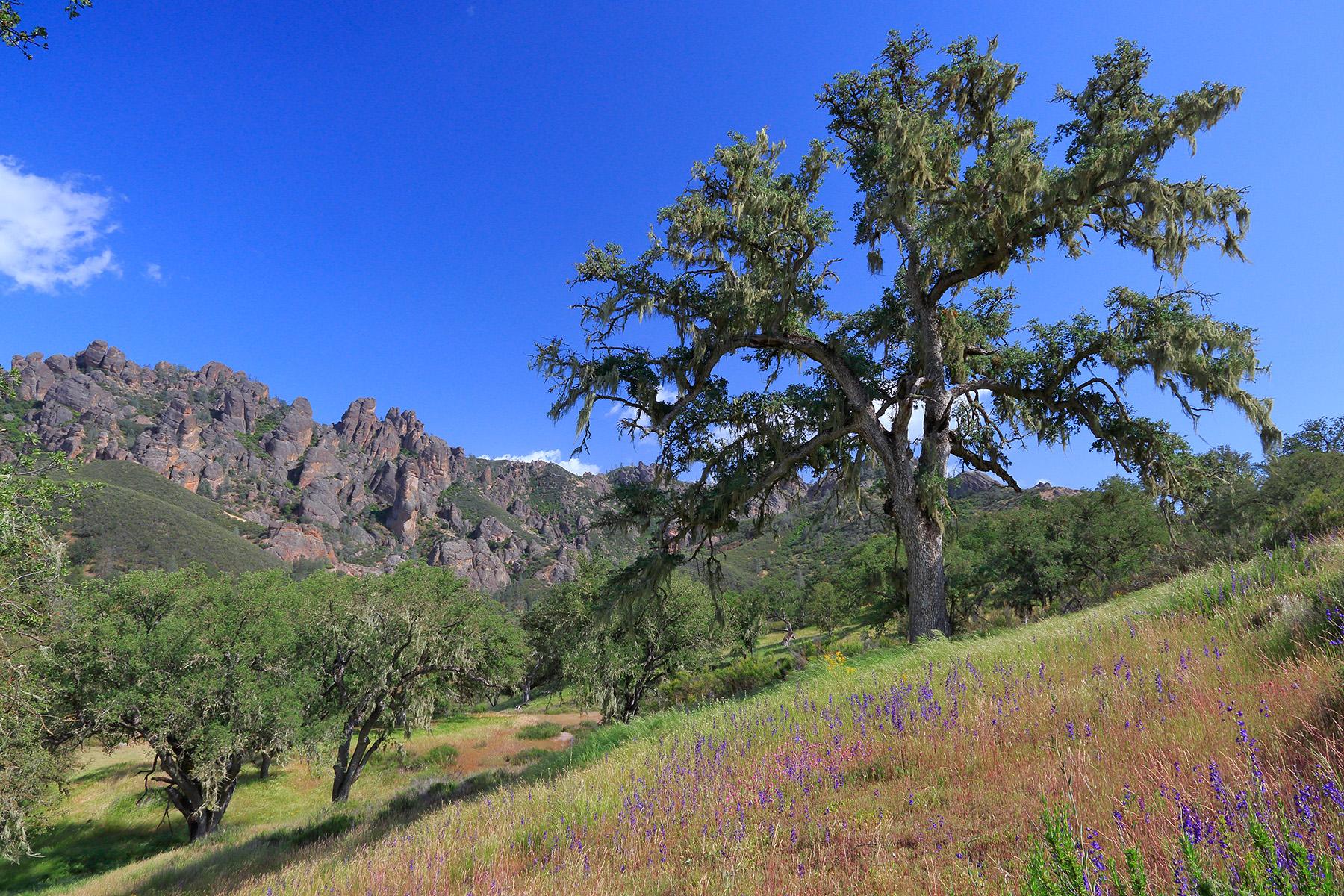
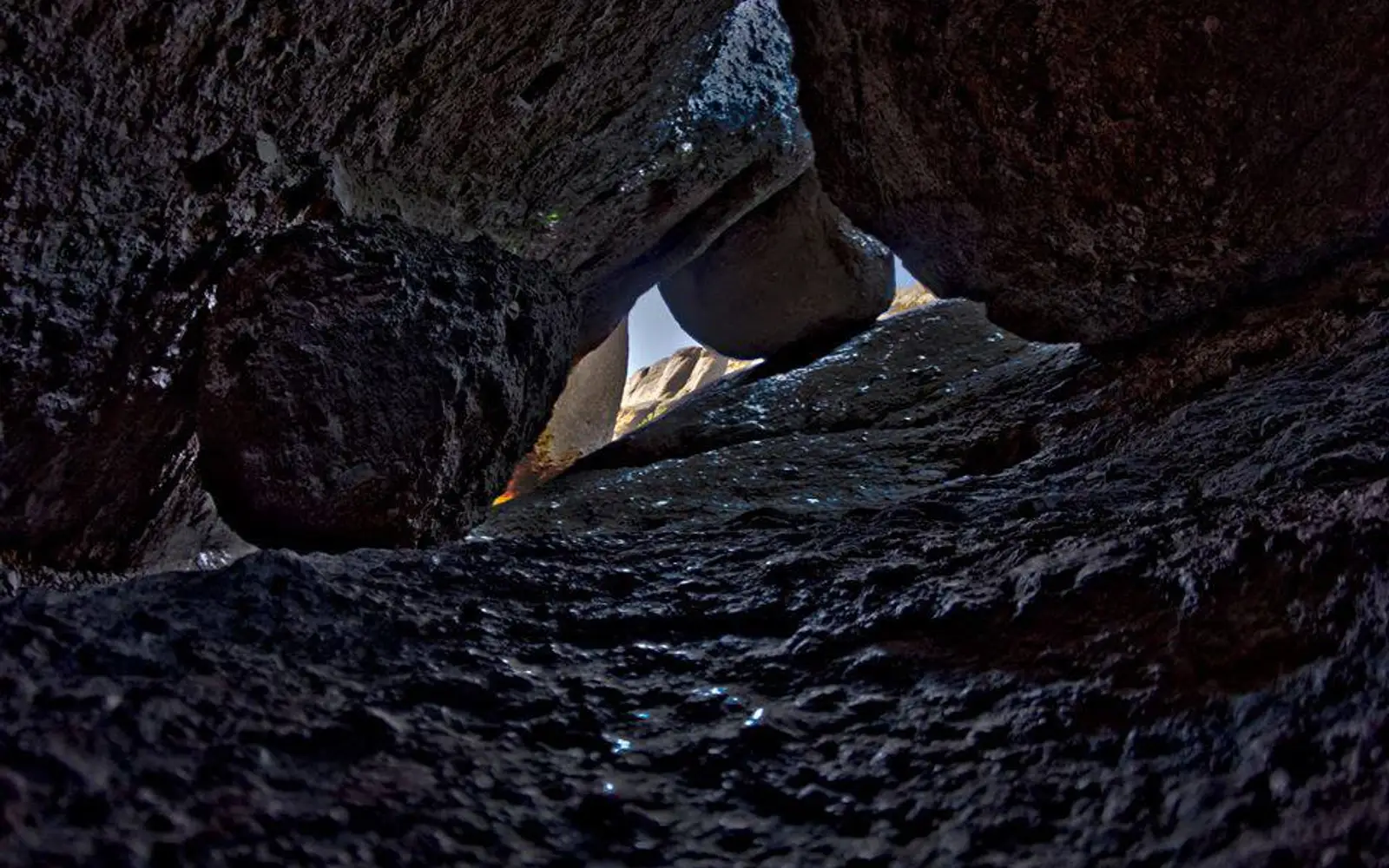
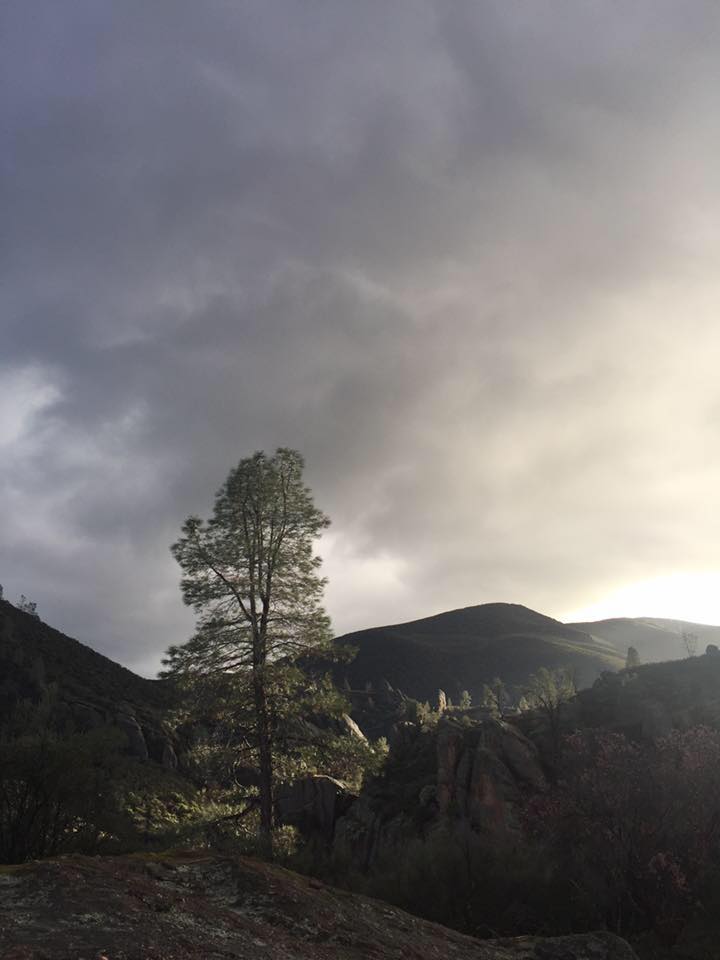
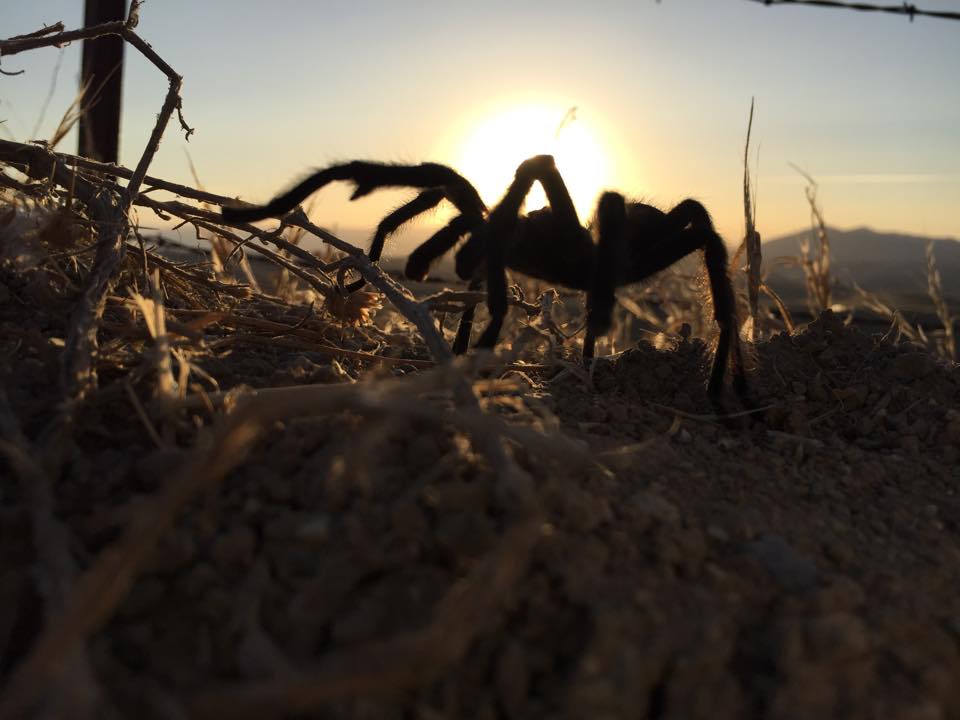
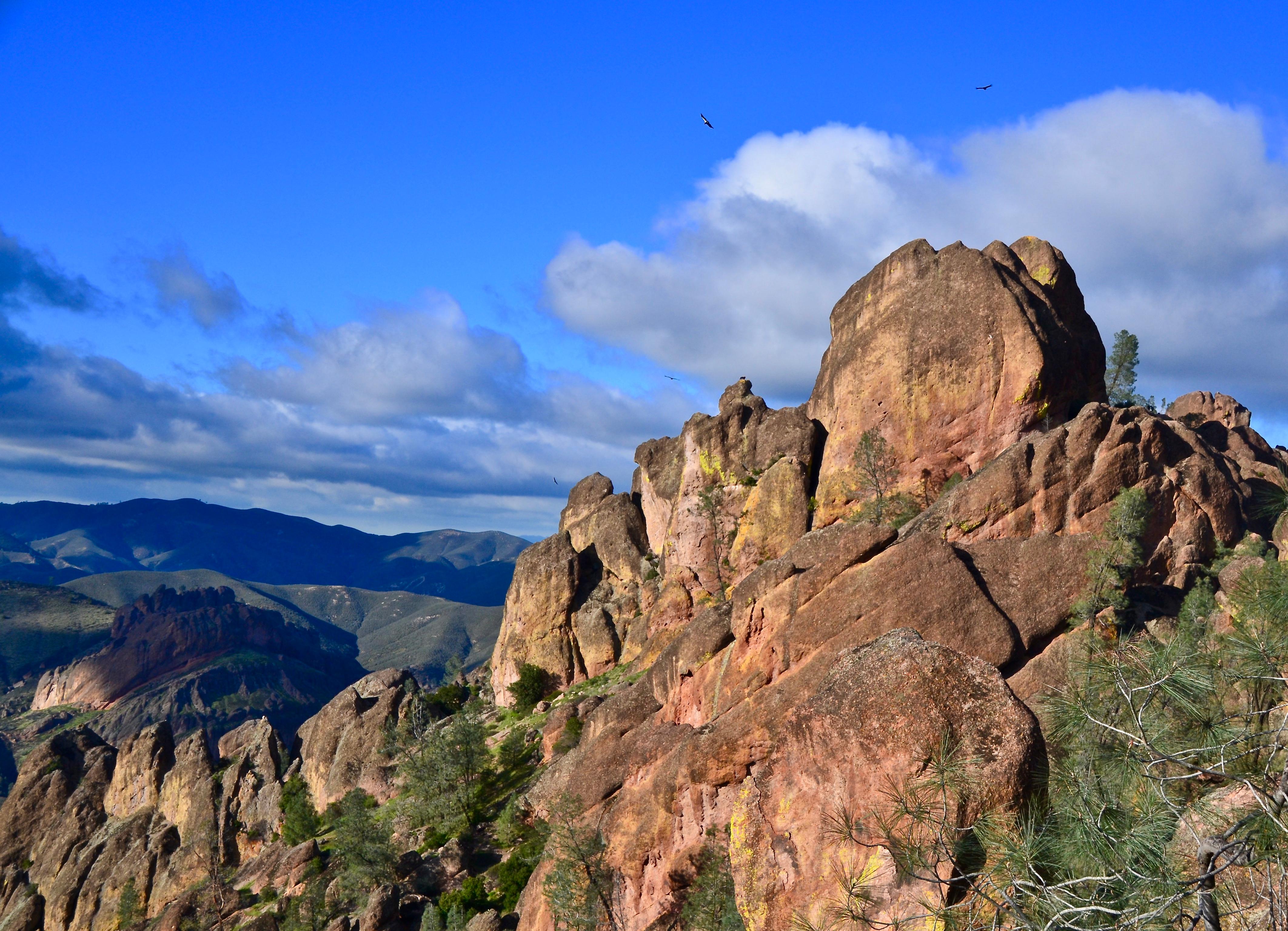
Boulders in the Balconies Cave.Light falling on treeA Tarantula walkingA massive rock spire with California condors flying above the peak.
National ParkCA

Pinnacles National Park

NPS / National Park Service/Oscar Garcia
100/ 100DOES IT ALL
parkverdict Experience ScoreIndependent, not sponsored

100 of 100. Our independent breadth-and-access index. How we score

Our take

Is Pinnacles National Park worth your trip?

Pinnacles tends to catch people off guard.

The landscape traces back to an ancient volcano, worn down over centuries into rock spires, talus caves, and canyon terrain that has no real equivalent anywhere else in the NPS system. The east entrance stays open 24 hours, which makes this one of the few parks where you can pull up after dark and actually see stars without sitting at a gate. With a perfect Experience Score of 100, the range of activities is genuinely hard to match: climbing, caving, birding for California condors, front-country and backcountry hiking, and camping all fit within a relatively compact area. Summer heat pushing past 100 degrees will drive most visitors away, but the shoulder seasons make this one of the better day-trip or weekend destinations in central California. Free entrance removes the last reasonable excuse for skipping it.

Why go

Get to Pinnacles before the heat builds. The talus caves are the first thing worth doing - boulders have jammed into canyon slots over time, forming low passages you crawl through rather than walk. Above ground, volcanic spires pull in rock climbers, and the same jagged terrain draws reintroduced California condors that ride thermals high overhead. Pinnacles is genuinely one of the better places in the country to see them wild and close. After dark, the inland position and minimal light pollution make the east-side campground a real stargazing spot, not just a decent one. The 24-hour east entrance helps too, since you can time your arrival around the stars without worrying about a gate schedule. A park store, picnic areas, and a junior ranger program fill out the weekend, and the mix works whether you show up solo or with kids.

Best for

Rock climbers, condor birders, and dark-sky enthusiasts will get the most out of Pinnacles. Families with kids who can handle moderate hikes tend to find the caves and wildlife genuinely memorable. If you're coming for a casual scenic drive expecting Yosemite-style overlooks, this park will disappoint you. And if you're eyeing a summer visit without any plan for extreme heat, it's worth reconsidering the timing.

Best season

March through May is the ideal window. Temperatures stay mild, wildflowers cover the chaparral slopes, and condors are active. Fall runs a close second. Winter brings some rain, but the cool days are pleasant for hiking. Skip summer weekends unless you can be on the trail before 8 a.m. and back before midday - triple-digit heat is common out there and genuinely dangerous.

The high points

  • Talus caves formed by boulder-choked canyon slots, explorable on foot and genuinely dramatic inside
  • California condor sightings above the rock spires, one of the most accessible condor-watching sites in the U.S.
  • Rock climbing on volcanic spire formations with routes suited to multiple skill levels
  • 24-hour east entrance access enabling true dark-sky stargazing and flexible arrival timing
  • Free admission to a full-featured national park with camping, caves, climbing, and wildlife all in one unit
  • Citizen science and volunteer vacation programs for visitors who want to contribute beyond recreation

Know before you go

Entry is free, but the east and west sides of the park are not connected by road, so pick your entrance based on where you plan to sleep or camp. The east side campground takes tents, RVs, and groups. Bring more water than you think you need, particularly outside of spring - the terrain is open and dry with little shade.

One more thingIf condors are on your list, head into the high rocky terrain early and bring binoculars. The birds catch thermals that build as temperatures rise through the morning, so mid-morning tends to be your best window, right when they push off from roost sites on the spires.

How we scored it

How Pinnacles National Park earned its 100

Where does a 100 come from? One formula, run the same on every place we cover, built only from public data on what a unit offers and how reachable it is. It says nothing about how pretty a spot is or how busy it gets. This is what fed it:

  • Activity breadth26 documented activities
  • Topic breadth80 topics
  • Official imagery5 public-domain images
  • Camping on sitedocumented
  • Entry costfree

No number is hand-adjusted and no unit pays for placement. The full weights, the floor at 18 and a worked example are on how we score.

The honest limits

The honest blind spots

Read the score for what it is. It counts what a place documents and how reachable it is, and stops there. It will not tell you if a sunset floors you, if the crowds thin out by dusk, whether a washout closed your trail, or how a ranger tells the story. Plenty of quiet, focused spots score modestly and still win the weekend. Let the number rank what is on offer; let the verdict speak to the feel.

On offer

Documented activities

AstronomyStargazingBikingRoad BikingCampingCar or Front Country CampingGroup CampingRV CampingCavingClimbingRock ClimbingFoodPicnickingHands-OnCitizen ScienceVolunteer VacationHikingBackcountry Hiking
The basics

Pinnacles National Park at a glance

About 23 million years ago, a string of volcanic eruptions built up the land that would eventually become Pinnacles National Park, leaving behind jagged spires and deep canyons that still shape the terrain today. Within a short walk, visitors pass through surprisingly different environments, dropping from chaparral and oak woodlands down to cool, shaded canyon floors.

On documented breadth and access, Pinnacles National Park ranks 6th of 45 park and public-land units we score in California.

Weather and seasons

Pinnacles National Park follows a Mediterranean pattern: hot, dry summers, mild winters, and moderate rainfall. A few miles inland from the Pacific, the park gets sharper seasonal swings than the coast does. Summer highs regularly top 100 degrees. Winter days typically reach the 60s, though once the sun goes down, temperatures can drop hard and fast.

Common questions

Pinnacles National Park: quick answers

Is Pinnacles National Park worth visiting?

Pinnacles tends to catch people off guard.

Is Pinnacles National Park free to visit?

Yes, there is no entrance fee.

What is Pinnacles National Park best for?

It leans hardest toward stargazing, hiking, camping, good with kids, going by the 26 activities it actually documents.

When is the best time to visit Pinnacles National Park?

March through May is the ideal window.

How is the Experience Score for Pinnacles National Park calculated?

The 100 comes straight from public data on how much the place documents and how easy it is to reach, things like activities, topics, photos, camping and whether entry is free. It says nothing about scenery or how busy it gets.