Is Petrified Forest National Park worth it?
Petrified Forest offers a unique spectacle in the American Southwest.
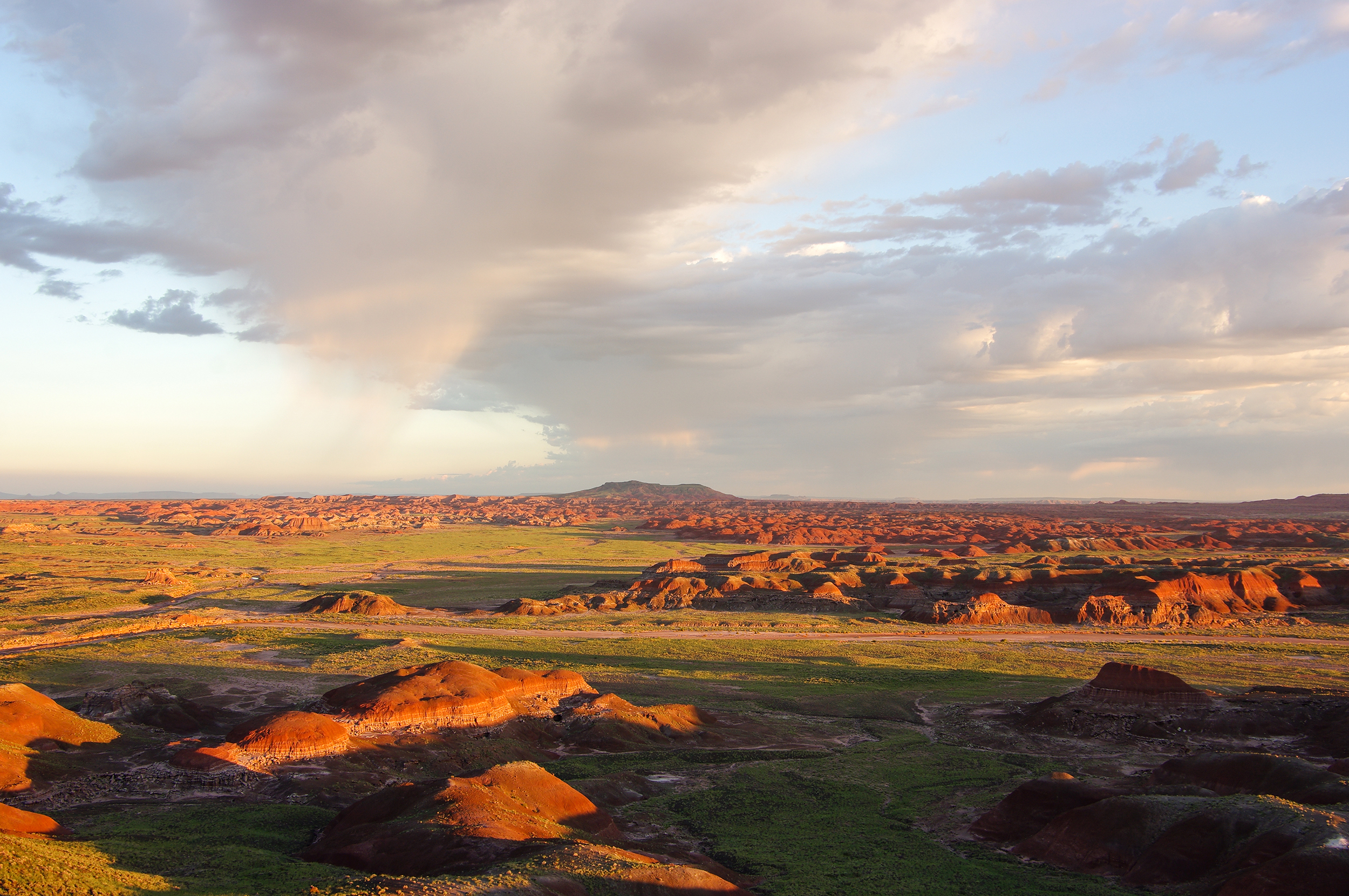
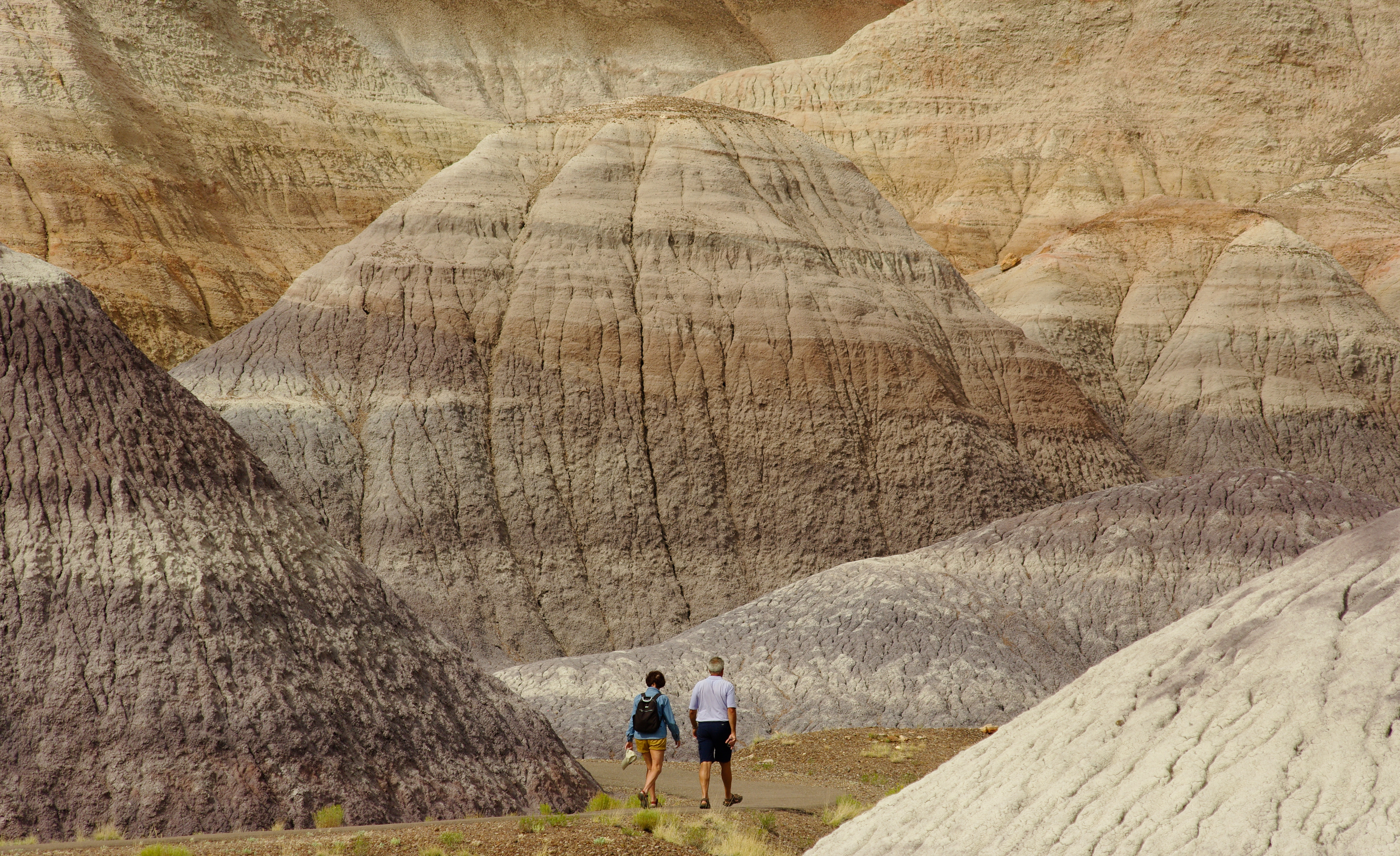
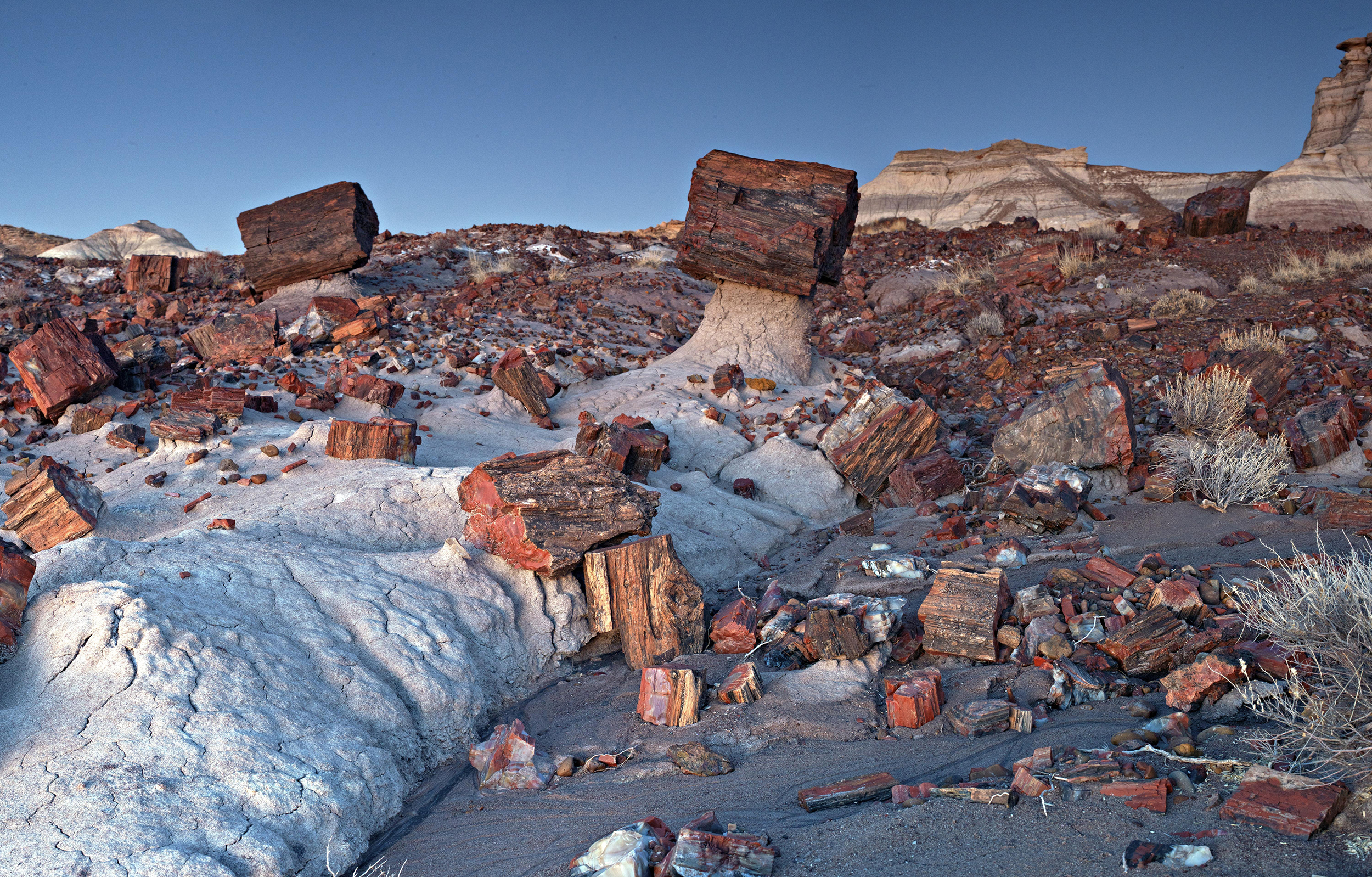
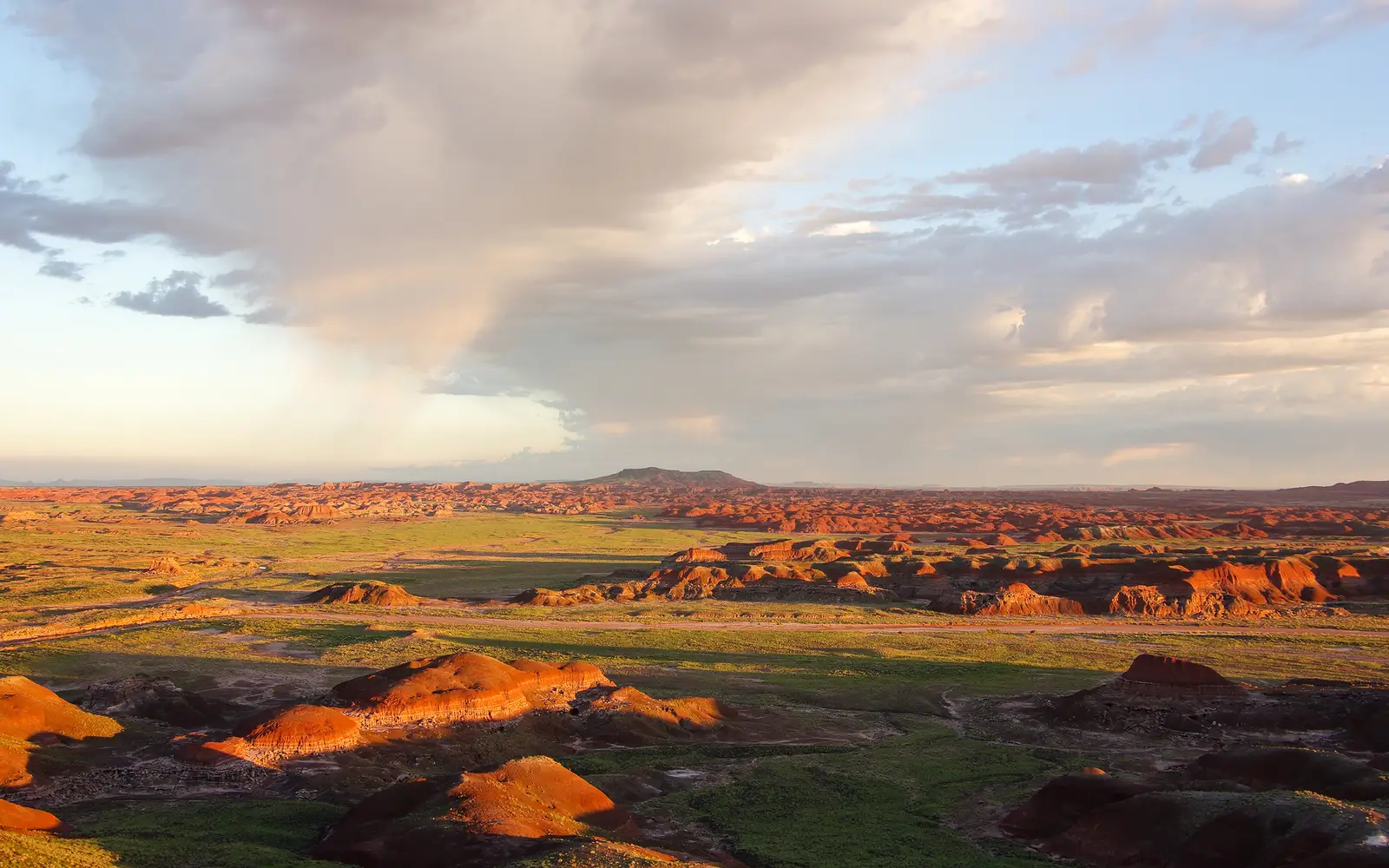
Its ancient logs, transformed into crystal-bright stone, appear in quantities that defy expectation, set against banded badlands of shifting purples, reds, and grays. This park is not for the strenuous hiker. The park road forms the core experience; most visitors complete it in half a day, stopping at overlooks and short walks. Yet, deeper engagement yields greater rewards. Backcountry permits allow off-trail exploration of the raw badlands. Dark skies, among Arizona's clearest, provide excellent stargazing opportunities. The park's layered history spans 225 million years of geology, alongside ancestral Puebloan cultural sites. At a $10 entry fee, the value for this distinct landscape is undeniable.
The case for it
This park is best experienced by driving its length, pausing at petrified wood concentrations and painted desert overlooks. The geology commands attention here. Short front-country hikes offer closer access to the formations than a vehicle allows. Bicycling the park road provides a more deliberate pace. For those staying into the evening, the high elevation and semi-arid grasslands deliver documented dark skies, making stargazing a primary attraction. Backcountry camping permits allow off-trail access and profound solitude within wilderness areas. The Junior Ranger program and citizen science initiatives broaden its appeal, making it a viable family destination despite its remote Arizona setting.
Who it is for
This park holds particular appeal for geology enthusiasts, fossil fans, and dark-sky seekers. Its accessibility from I-40 also positions it as a valuable stop for road-trippers. Families with curious children will find genuine engagement in the hands-on exhibits and Junior Ranger programs. However, those anticipating extensive strenuous trails, significant water features, or lush landscapes will need to adjust expectations; this is not that kind of park.
Best time to visit
Optimum visiting conditions occur in the late spring (April to May) and fall (September to October), providing comfortable temperatures for extended walks and overlooks. Summer introduces dramatic afternoon thunderstorms, capable
Worth seeing
- Petrified wood in volumes and colors that genuinely have to be seen to be believed
- Painted Desert badlands offering some of the most vivid natural color in the Southwest
- Off-trail backcountry hiking permitted in wilderness sections for true solitude
- Dark-sky stargazing in a semi-arid grassland with minimal light pollution
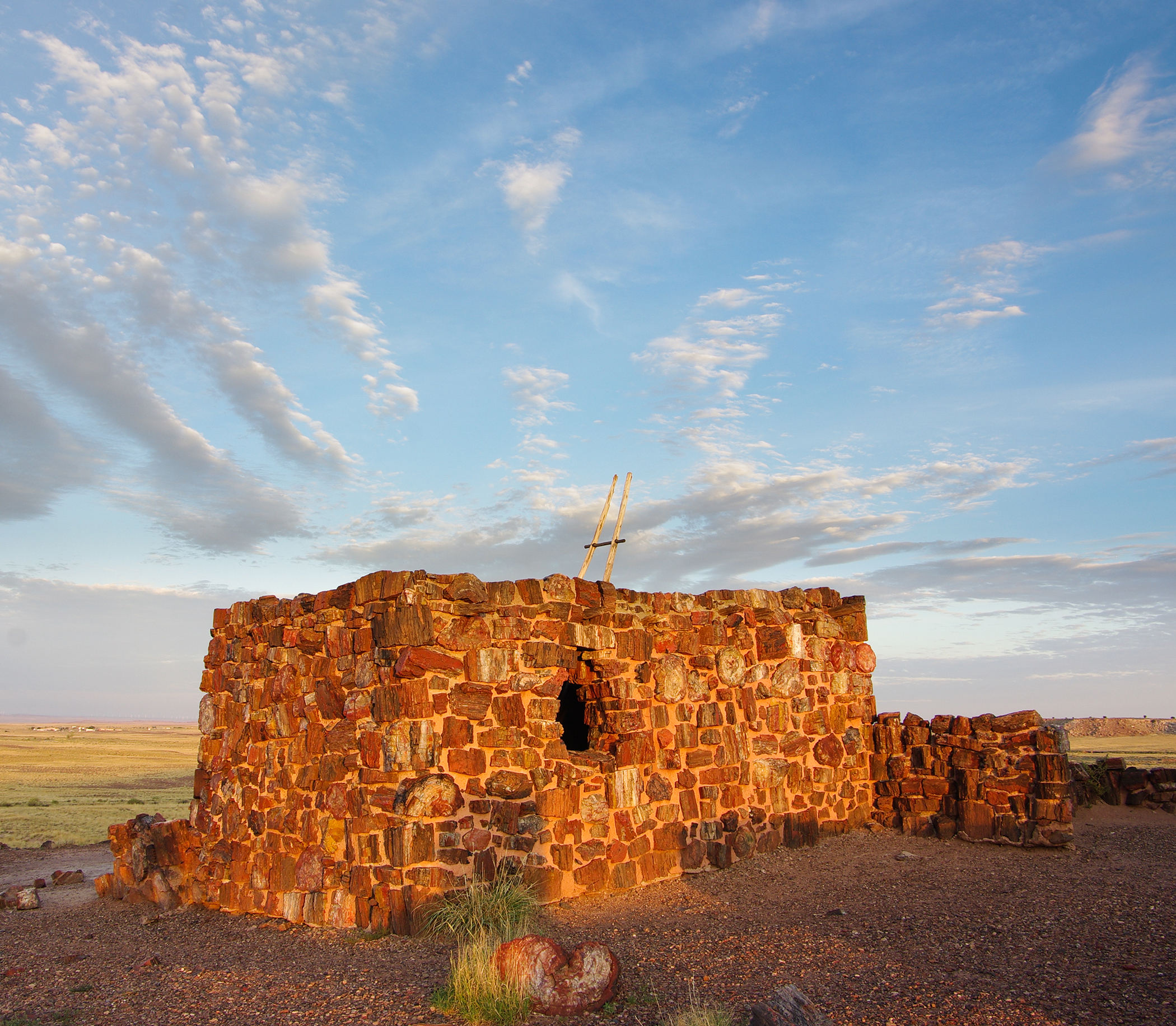
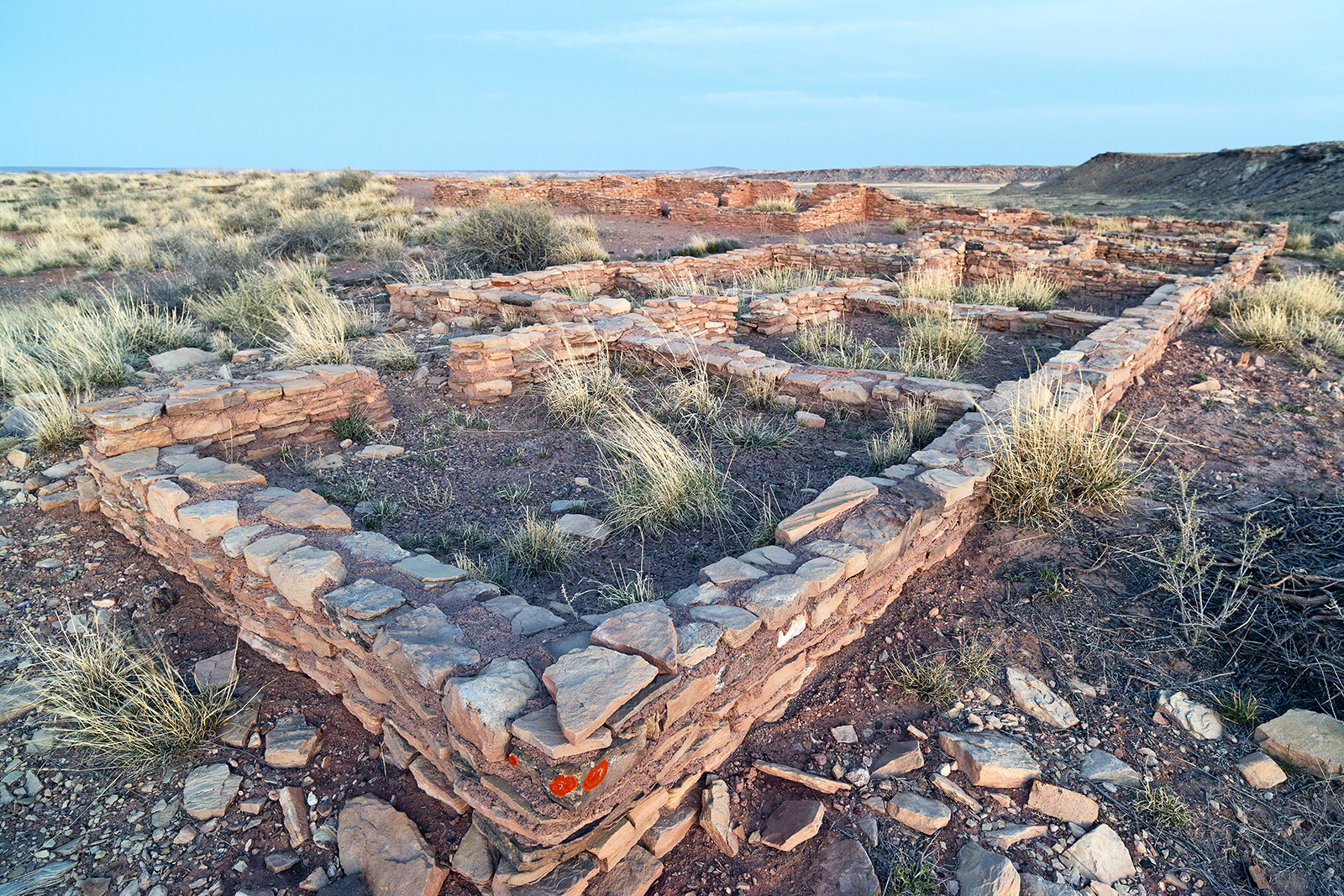
- Ancestral Puebloan cultural sites and artifacts woven into the landscape
- Scenic park road driveable and bikeable end-to-end as a self-guided experience
Before you visit
At $10 per vehicle, this park offers one of the system's most economical entries. However, visitors should be aware of potential disruptions. The park road is subject to unannounced closures due to weather or safety concerns, necessitating a check of operating hours prior to any drive. Cell service is limited throughout the area. Backcountry enthusiasts must secure a free permit from the visitor center on the day of their intended trip. This is a destination for the prepared.
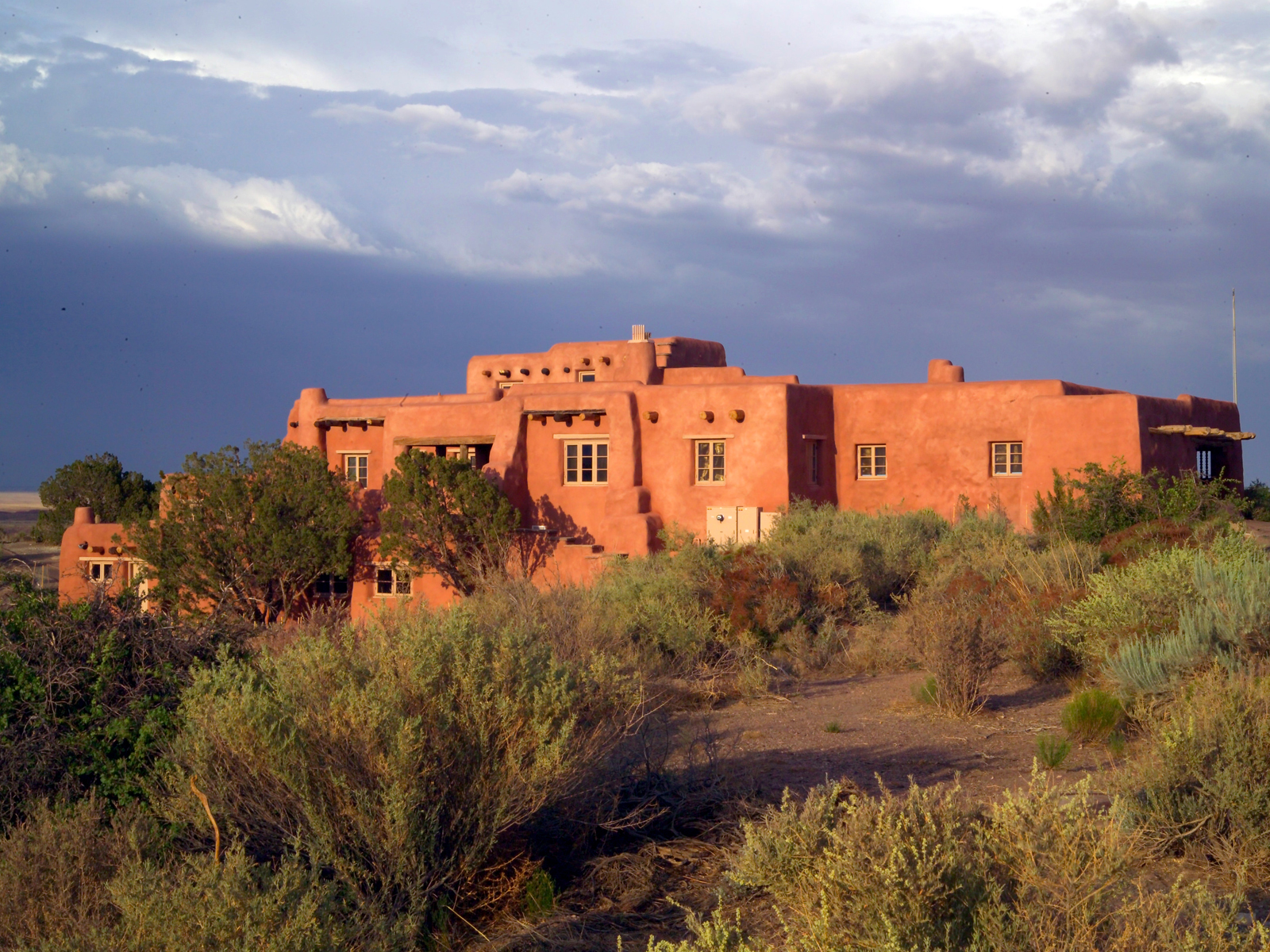
Our tipThe park offers convenient access points at Holbrook and the Painted Desert Visitor Center, allowing travelers on I-40 to execute a full scenic drive without backtracking. This design facilitates a thorough exploration, transforming a simple highway stop into a linear journey through the park's documented features.