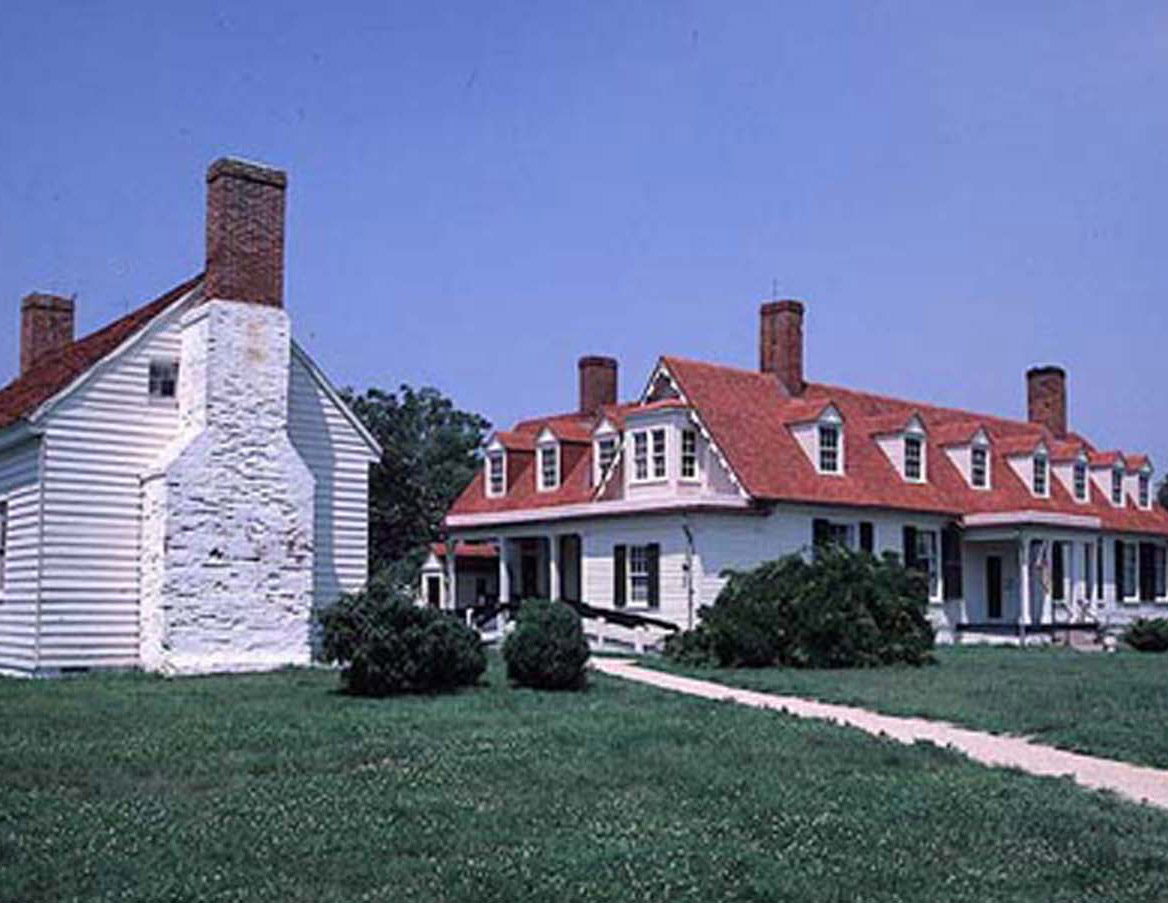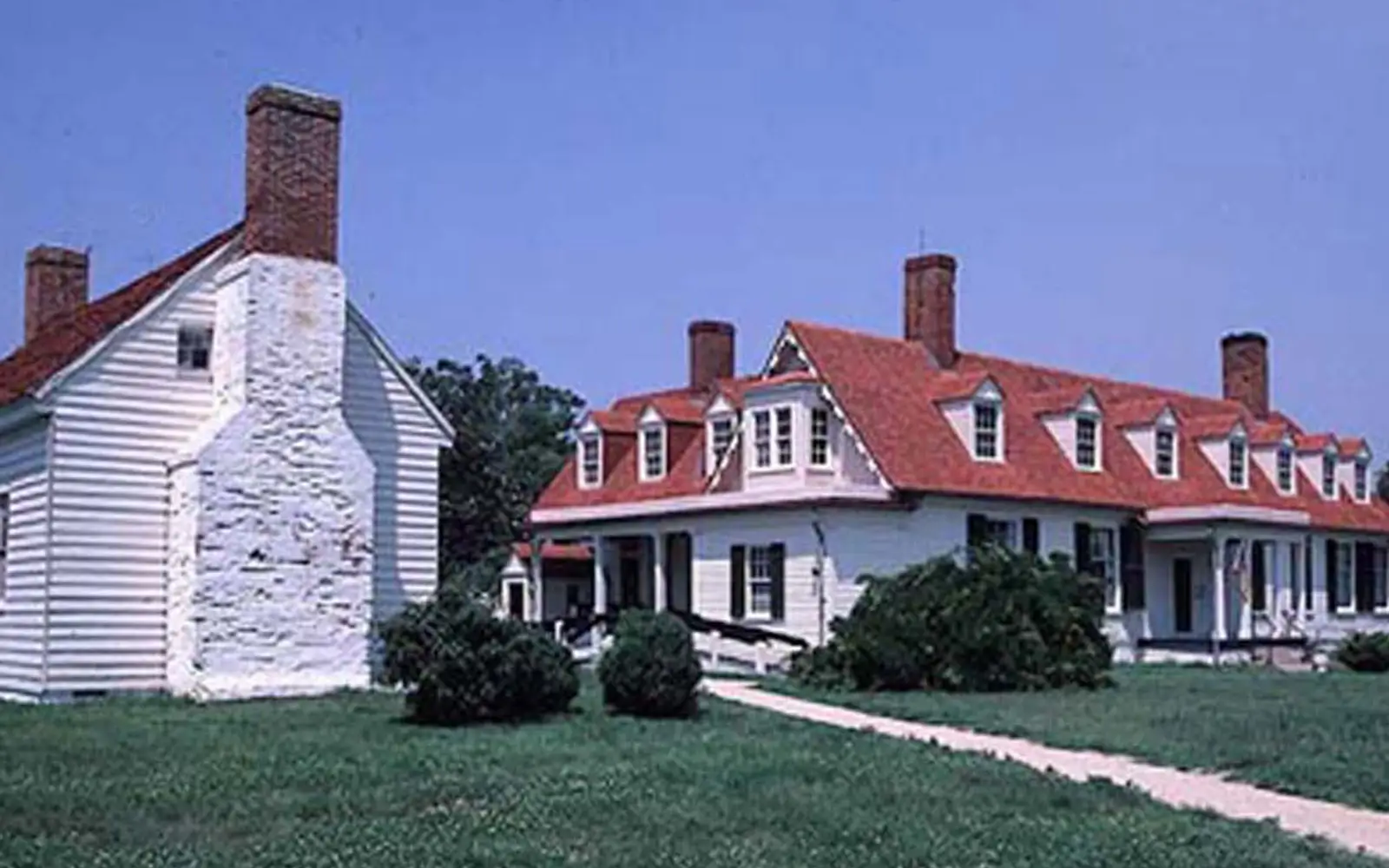
Is Petersburg National Battlefield worth it?
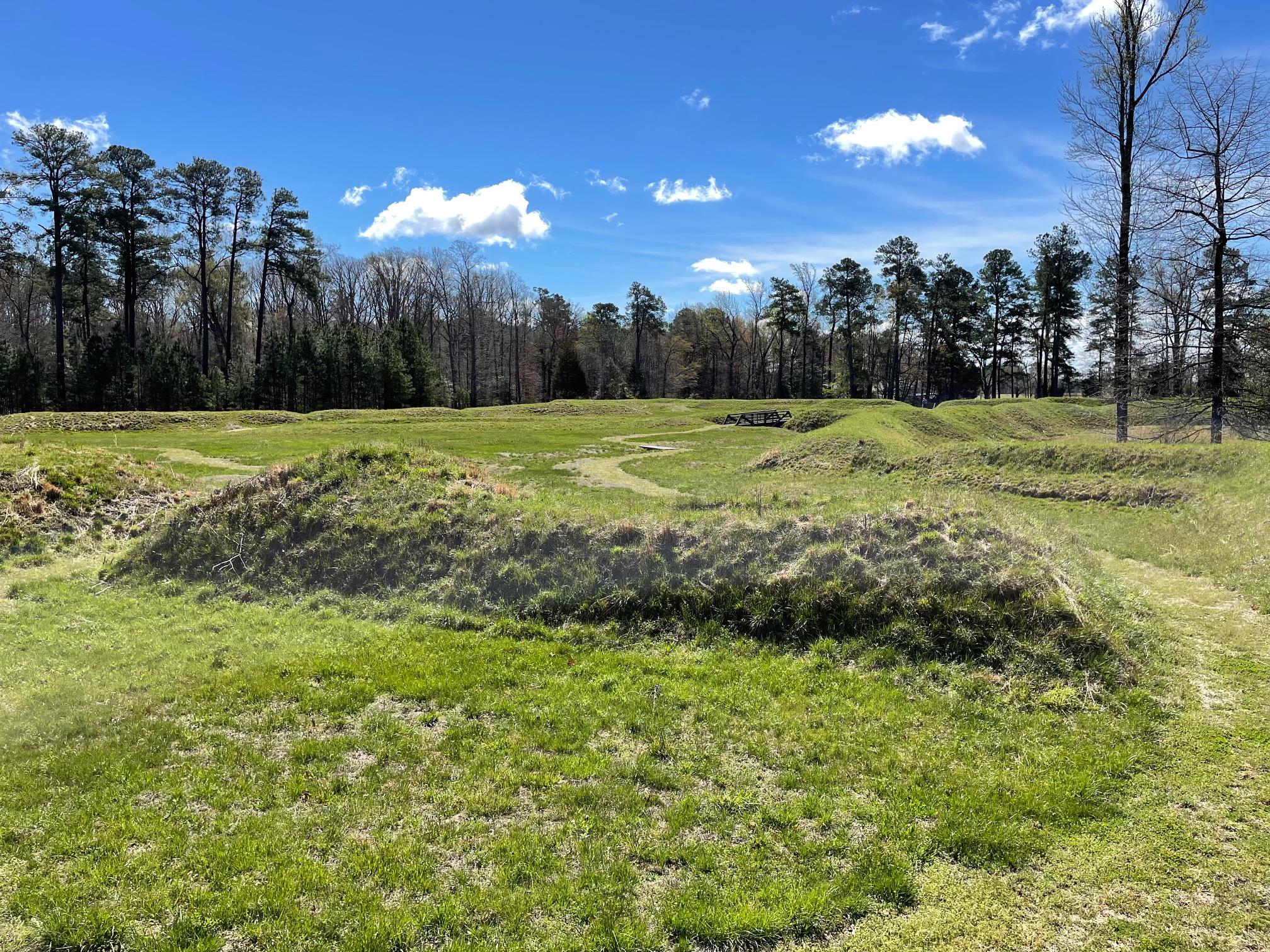
Petersburg National Battlefield preserves the landscape of a decisive Civil War campaign: 292 days of siege warfare.
This is not a manicured monument park. It is a sprawling, undeveloped expanse of earthworks, trenches, and fortifications across multiple units in and around Petersburg, Virginia. The Eastern Front unit offers a four-mile auto tour with eight stops, including the famous Crater site where Union forces detonated a massive underground mine in 1864. With a 74 experience score
The case for it
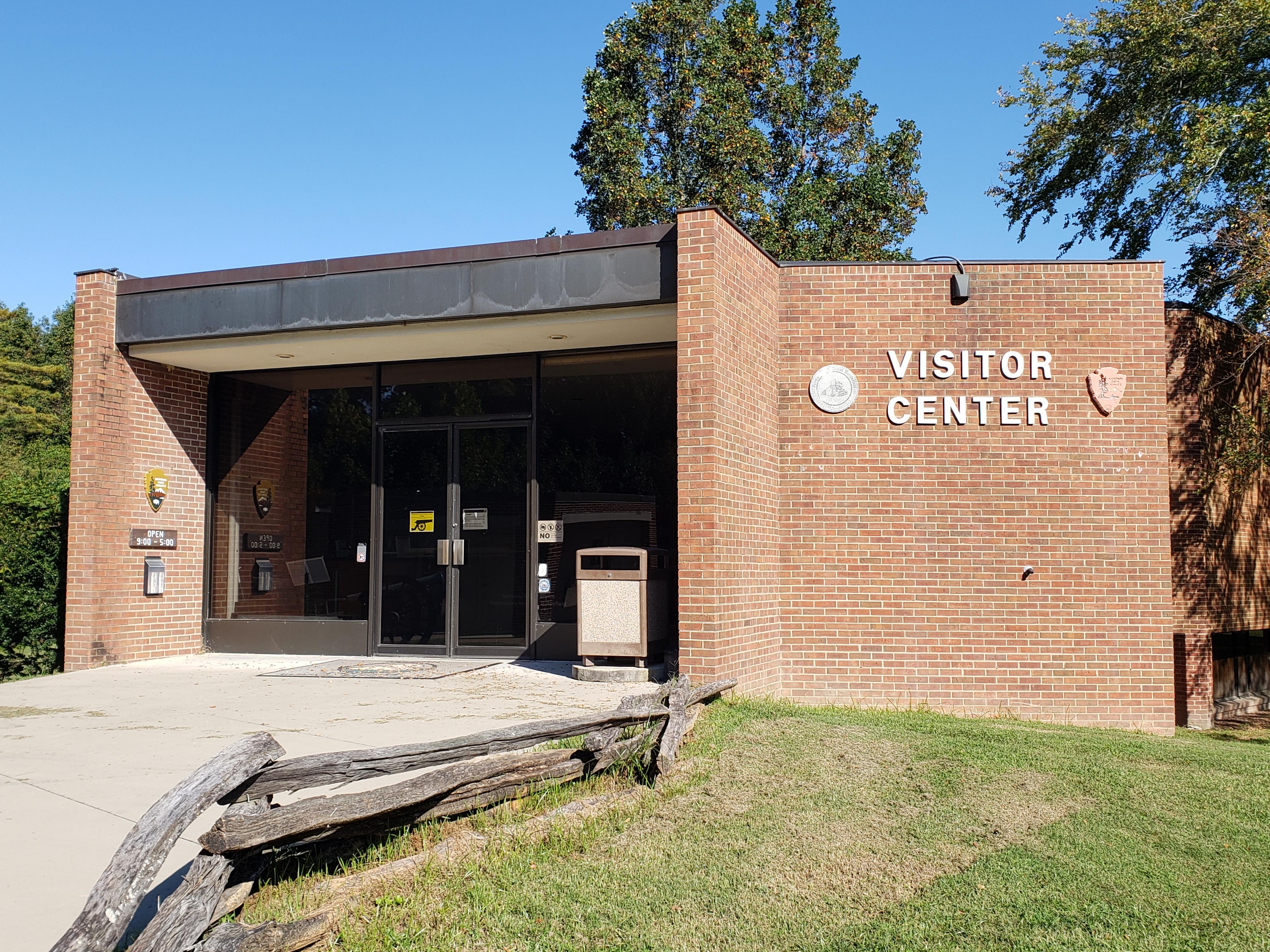
A good day here starts at the Eastern Front visitor center, where context for the siege's staggering scale - over 70,000 casualties across nearly ten months - makes the landscape suddenly legible. The four-mile tour road then delivers you directly to Fort Stedman and the Crater, two of the most tactically dramatic sites of the entire war. Beyond driving, the park supports hiking and biking along preserved fortification lines, horseback riding, and freshwater fishing. Guided tours add interpretive depth, particularly around the role of U.S. Colored Troops, a story that is central to Petersburg and often undertold elsewhere. The Junior Ranger program makes it workable for families with older kids who can engage with the history.
Who it is for
Petersburg is a distinct draw for enthusiasts of Civil War history, military history, and battlefield hiking. It genuinely rewards those who arrive with an existing historical curiosity. Families with history-curious children aged eight and older will find a solid half-day of engagement. For dramatic scenery, wildlife watching, or recreational outdoor adventure, visitors should consider other destinations.
Best time to visit
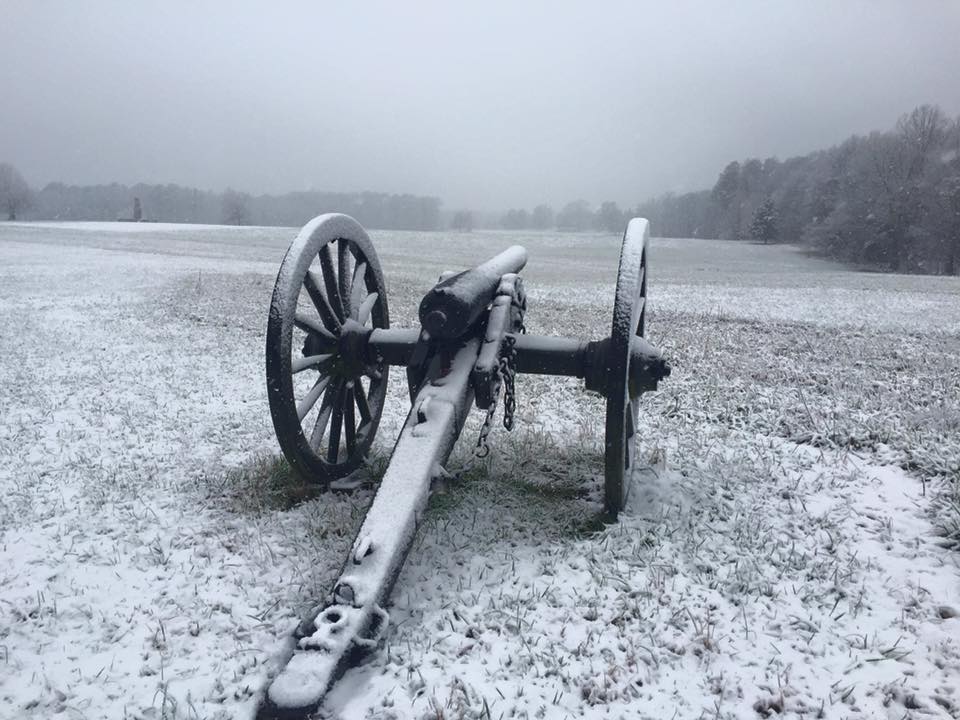
For those planning a visit, spring and fall present ideal conditions for extended exploration. Mild temperatures ease walking the earthworks and cycling the tour roads. Summer brings significant heat and humidity, which can make midday outdoor touring difficult. Winter offers a quiet, atmospheric experience; leafless trees improve visibility of the earthwork topography. Confirm winter tour road hours in advance, as sunset closures vary seasonally.
Worth seeing
- The Crater site at the Eastern Front, where a Union mine explosion created one of the war's most dramatic and catastrophic engagements
- The four-mile, eight-stop Eastern Front auto tour road, which traces the siege lines at a walkable, bikeable pace
- Fort Stedman, a Confederate fortification that was the target of a major late-war assault
- Guided tours with interpretive focus on U.S. Colored Troops and their pivotal role in the campaign
- Biking and hiking along preserved Civil War earthworks - a rare chance to read military landscape on foot
- Free admission across all units, making multi-visit or extended exploration genuinely accessible
Before you visit
Petersburg National Battlefield offers free admission to all its units. The Eastern Front tour road closes at sunset or 8:00 pm in spring and summer; plan accordingly. As a multi-unit park spread around Petersburg, a map from the visitor center is essential for efficient navigation between sites. Without it, visitors risk losing valuable time.
Our tipThe loop road is amenable to casual cyclists, but its true value unfolds at each interpretive marker. The earthworks, subtle from a distance, become striking upon closer inspection.