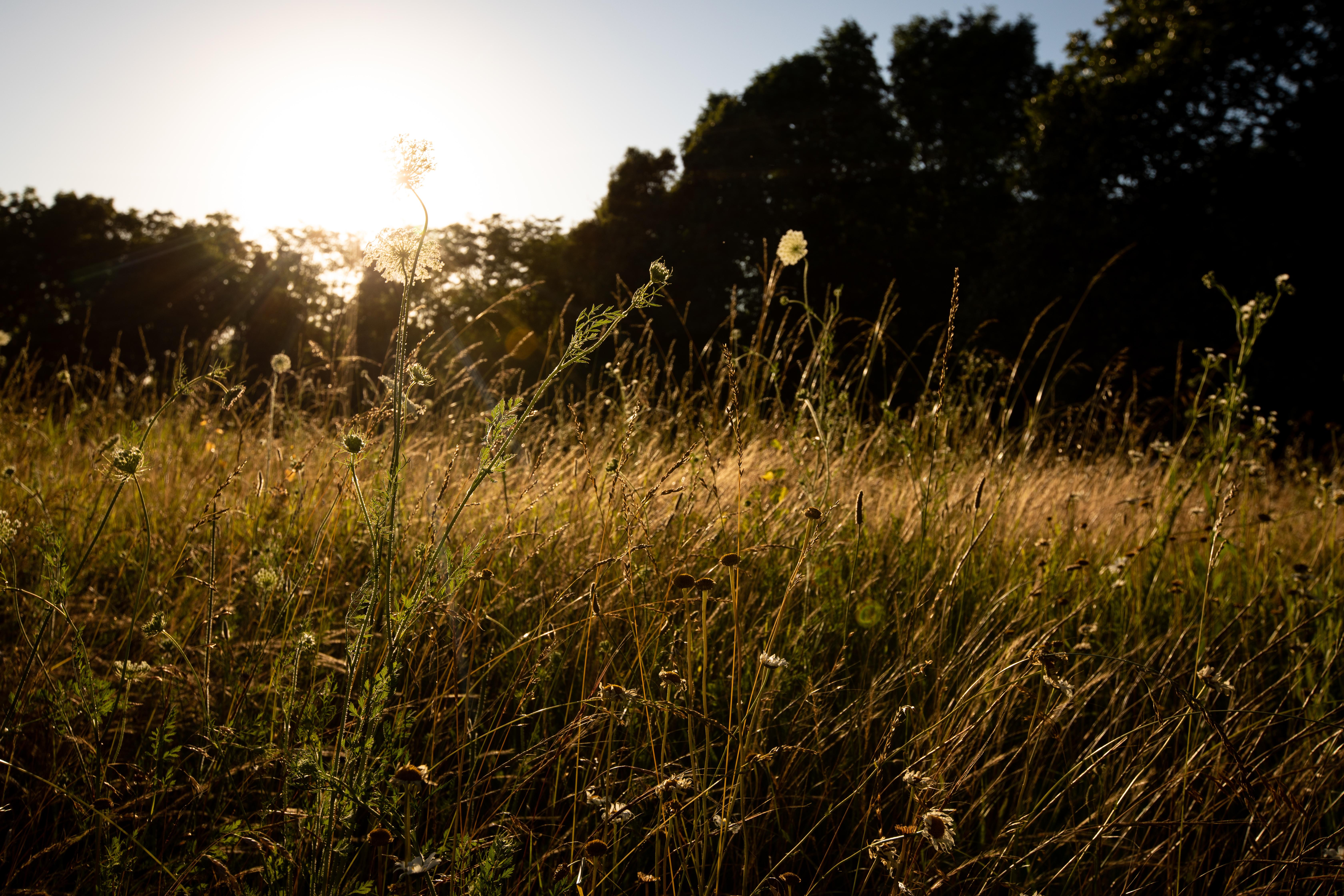
Pea Ridge National Military Park: our verdict
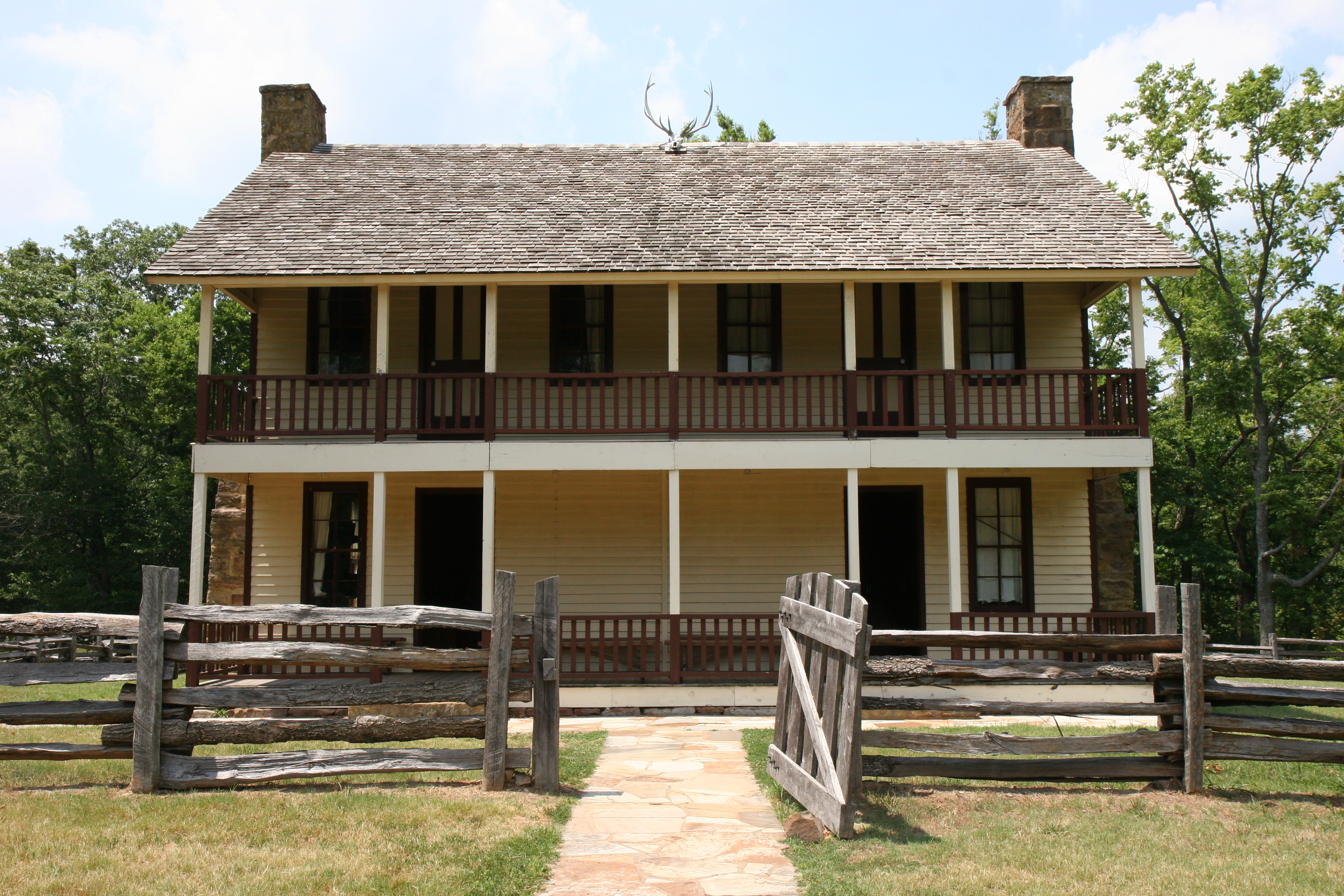
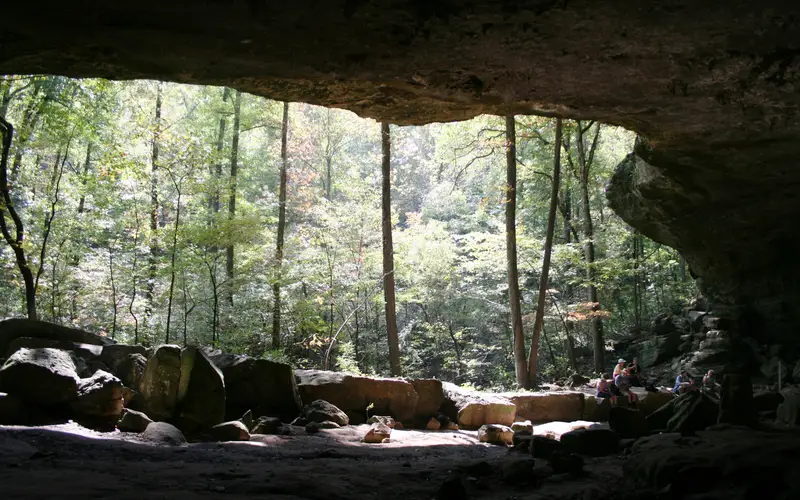
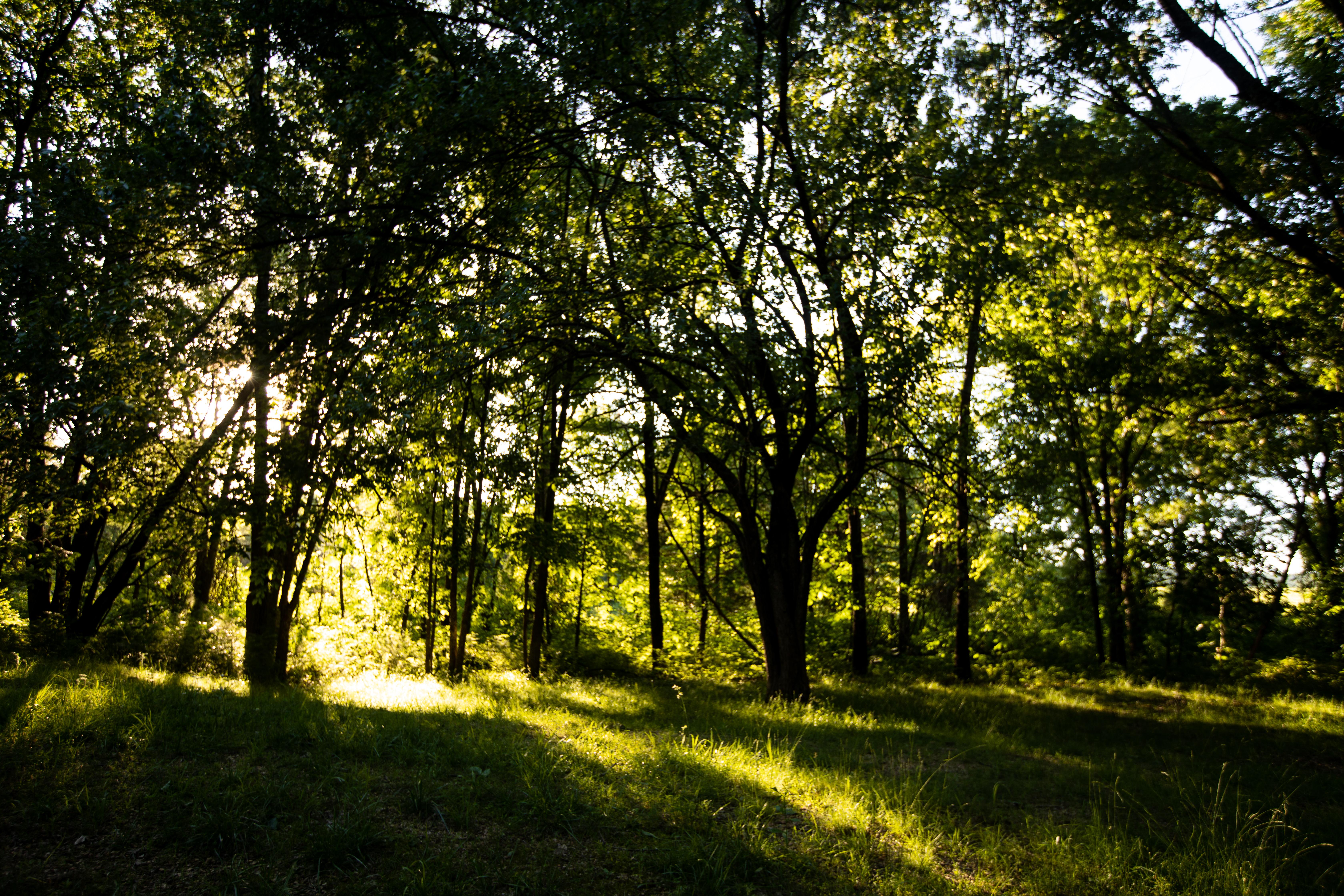
Pea Ridge National Military Park offers a genuinely evocative experience, preserving 4,400 acres of largely intact Ozark Plateau terrain.
This was the site where over 23,000 soldiers clashed in March 1862, determining the fate of Missouri. Free admission and an auto tour road, open daily from 6 am to sunset, provide accessible entry to this significant Civil War battlefield. Hiking trails and regular living history programs further enhance engagement with the site's history. While not a theme park, and lacking dramatic monuments at every turn, the park delivers a well-rounded and honest encounter with a pivotal moment in American history. For those with a serious interest in the Trans-Mississippi theater of the Civil War, or simply a desire to explore a well-preserved 19th-century American landscape in the Arkansas Ozarks, Pea Ridge is a rewarding destination. Casual sightseers expecting grand spectacle should adjust their expectations.
Why visit
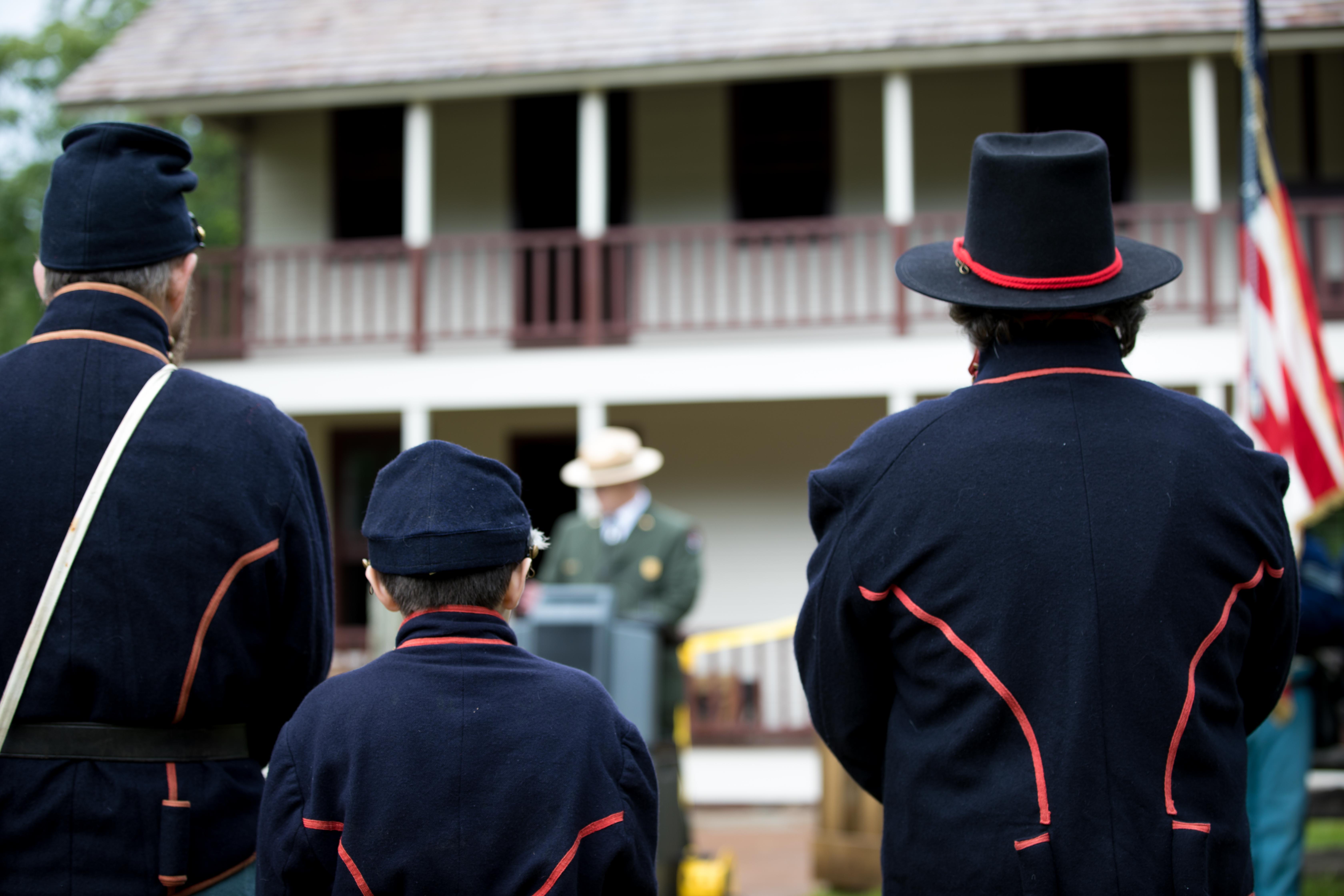
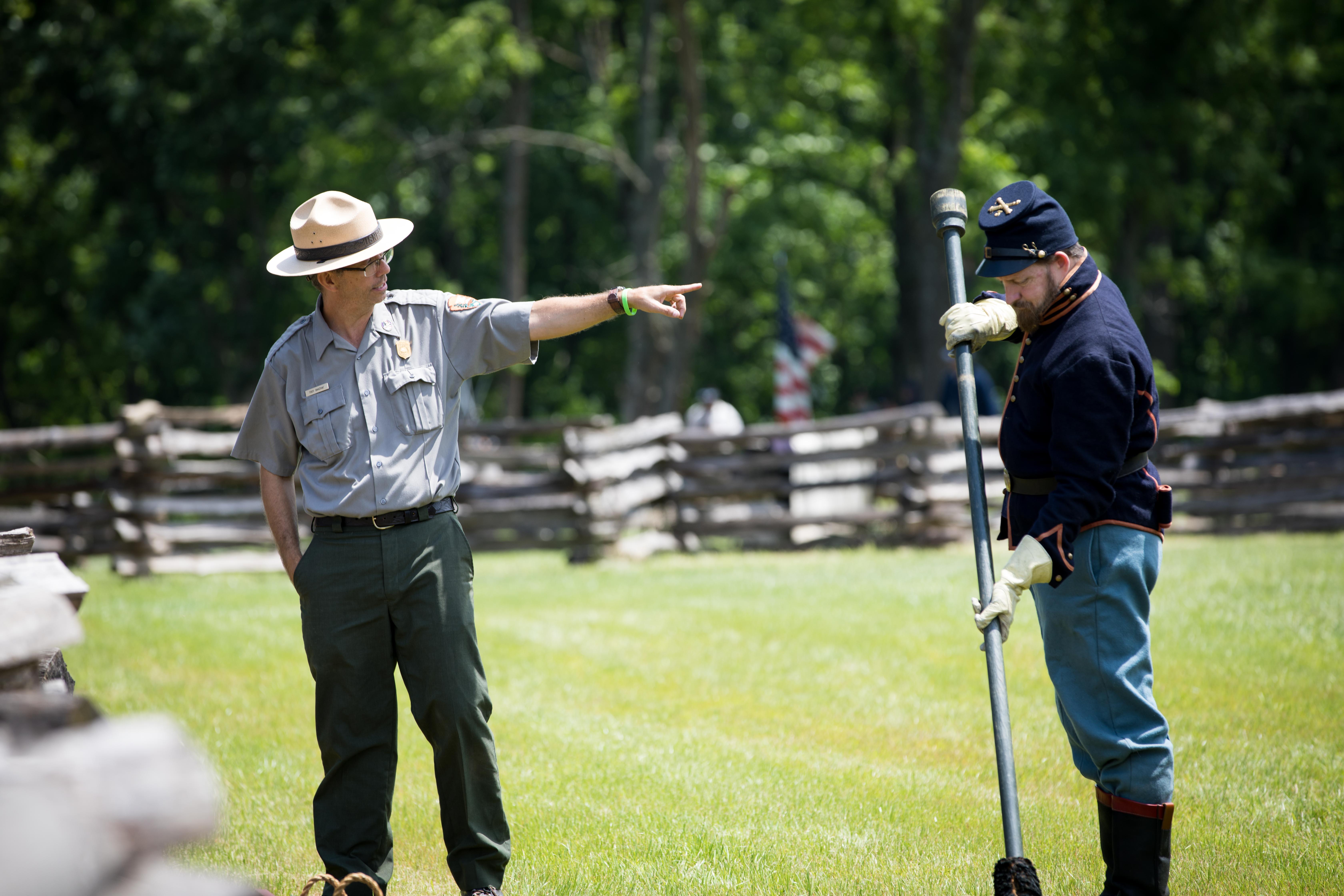
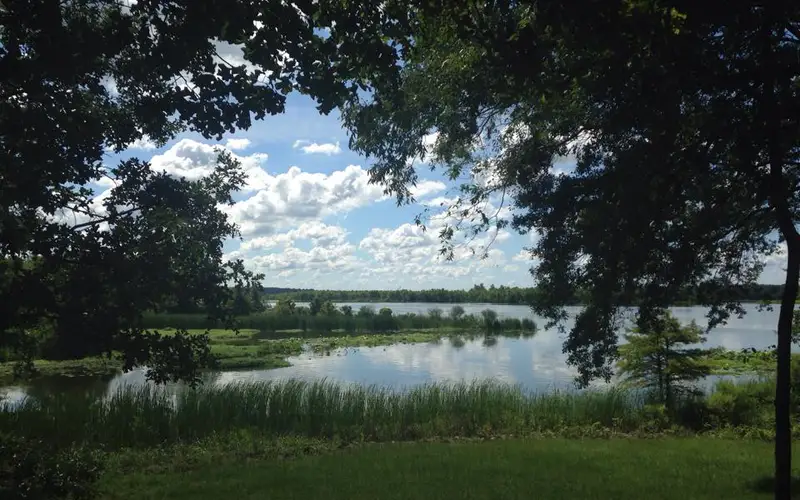
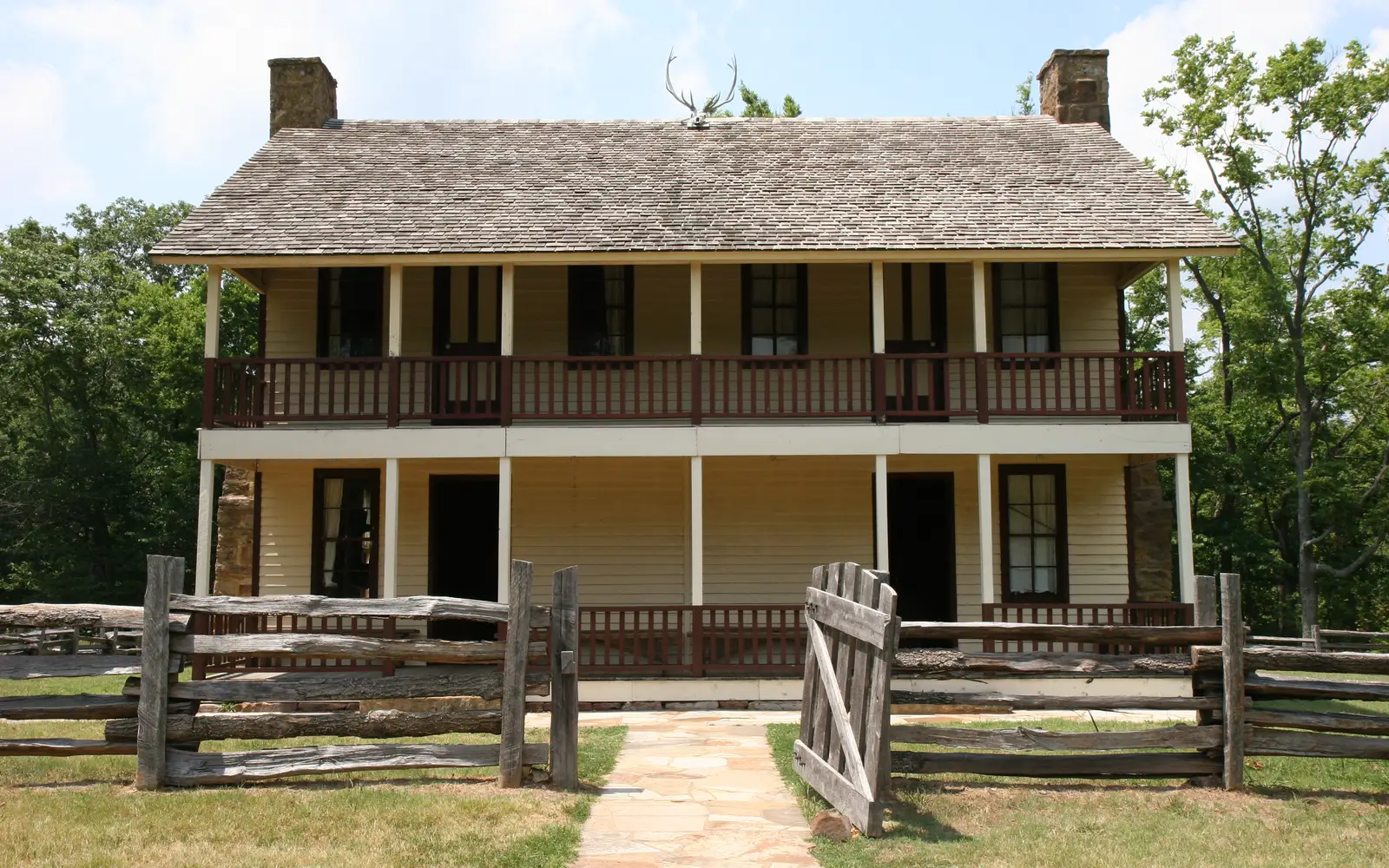
Pea Ridge National Park offers a focused, self-guided experience across its 4,400-acre battleground. The auto tour allows visitors to navigate the actual battle positions at their own pace. For more direct engagement with the terrain, hiking and road biking loops are available. The museum exhibits and park film provide essential context, enhancing understanding of the landscape. Living history events and historic weapons demonstrations occasionally illuminate the March 1862 fighting. Beyond its historical significance, the park supports birdwatching and wildlife viewing on the Ozark Plateau. The Junior Ranger Program caters specifically to families with children, offering structured engagement. This park serves as a compelling destination for those interested in history and a brief immersion in a reconstructed landscape. Casual sightseers should look elsewhere.
Who it suits
This park primarily serves Civil War history enthusiasts, particularly those focused on the Trans-Mississippi theater. Families with children, hikers, and cyclists will find genuine value in a free, low-pressure outdoor experience in northwestern Arkansas. Those seeking dramatic scenery or extensive adventure itineraries will find better options elsewhere in the Ozarks.
Timing your visit
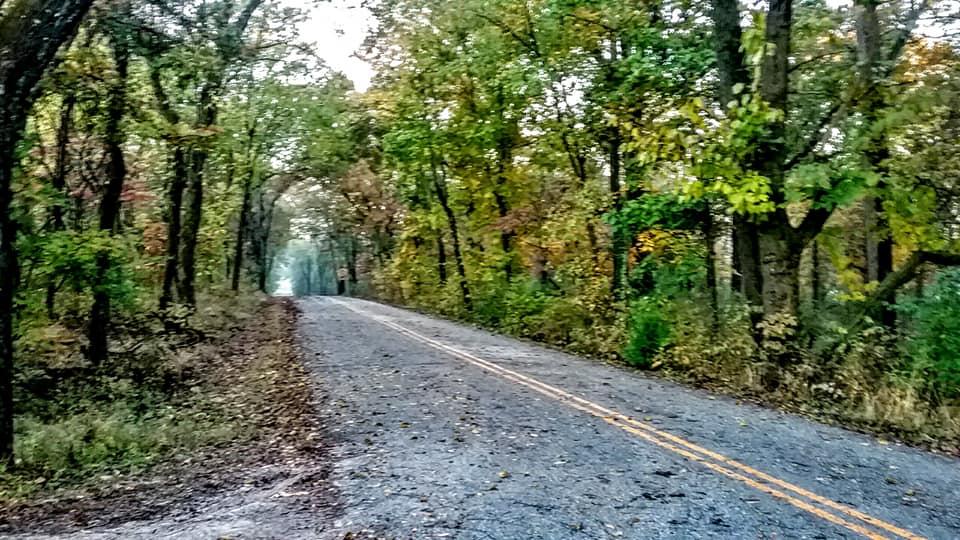
The fall months present the optimal window for a visit, offering a convergence of mild temperatures, reduced humidity, and the visual splendor of the Ozark Plateau's autumnal foliage. This combination significantly enhances the appreciation of the open landscape. Spring, while verdant, carries a notable risk of severe thunderstorms; consulting forecasts is paramount for any extended outdoor activity. Summer heat and humidity necessitate early starts for comfort and safety. Winter delivers a dry, cool experience, with bare trees paradoxically improving sightlines across the battlefield, offering an alternative perspective on the terrain.
What stands out
- Self-guided auto tour across 4,400 acres of intact Civil War battlefield terrain
- Living history events and historic weapons demonstrations tied to the March 1862 battle
- Hiking and road biking options through Ozark Plateau landscape
- Museum exhibits and park film providing Trans-Mississippi Civil War context
- Horseback riding access, one of the few military parks where this is documented
- Free admission with the auto tour road open daily from 6 am to sunset
Good to know
This park is a strong choice for travelers prioritizing flexible scheduling and cost-free access. The auto tour road operates daily from 6 AM to sunset, accommodating various itineraries without typical visitor center hour limitations. Those interested in living history events should consult the official NPS site for specific dates, as these are not daily occurrences. Visitors planning hikes or bike rides must prepare for sudden summer thunderstorms by carrying appropriate rain gear.
Insider tipFor those engaging with the park's trails, experiencing the terrain prior to the museum exhibits offers a more impactful understanding. The raw scale of the landscape elevates the appreciation for historical tactical decisions. This unit rewards visitors who prioritize direct engagement with its physical attributes.