Is Arkansas Post National Memorial worth it?
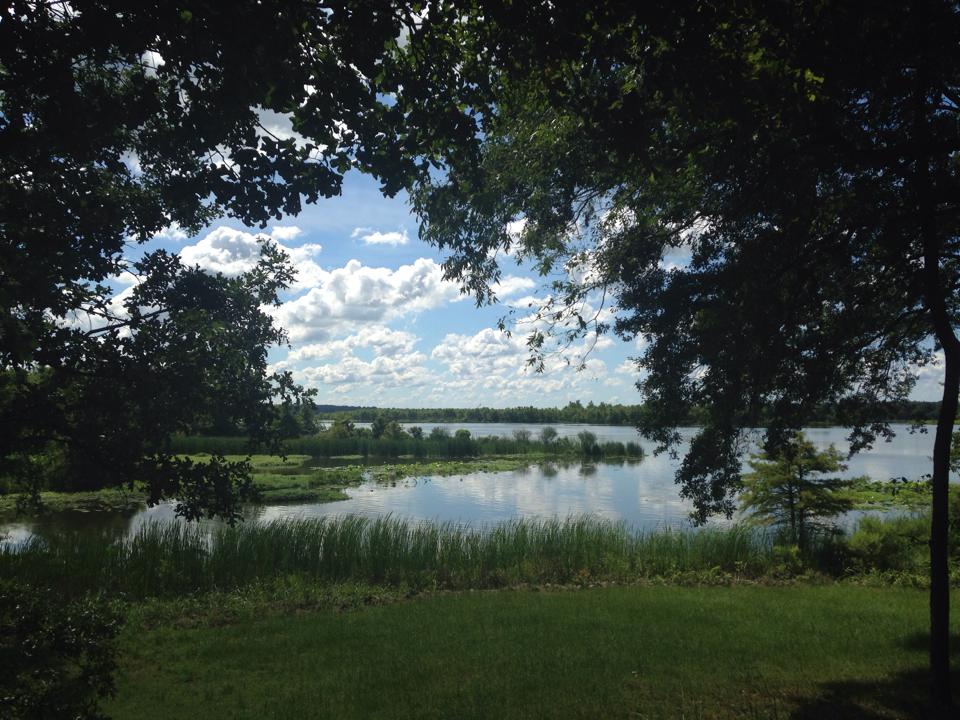
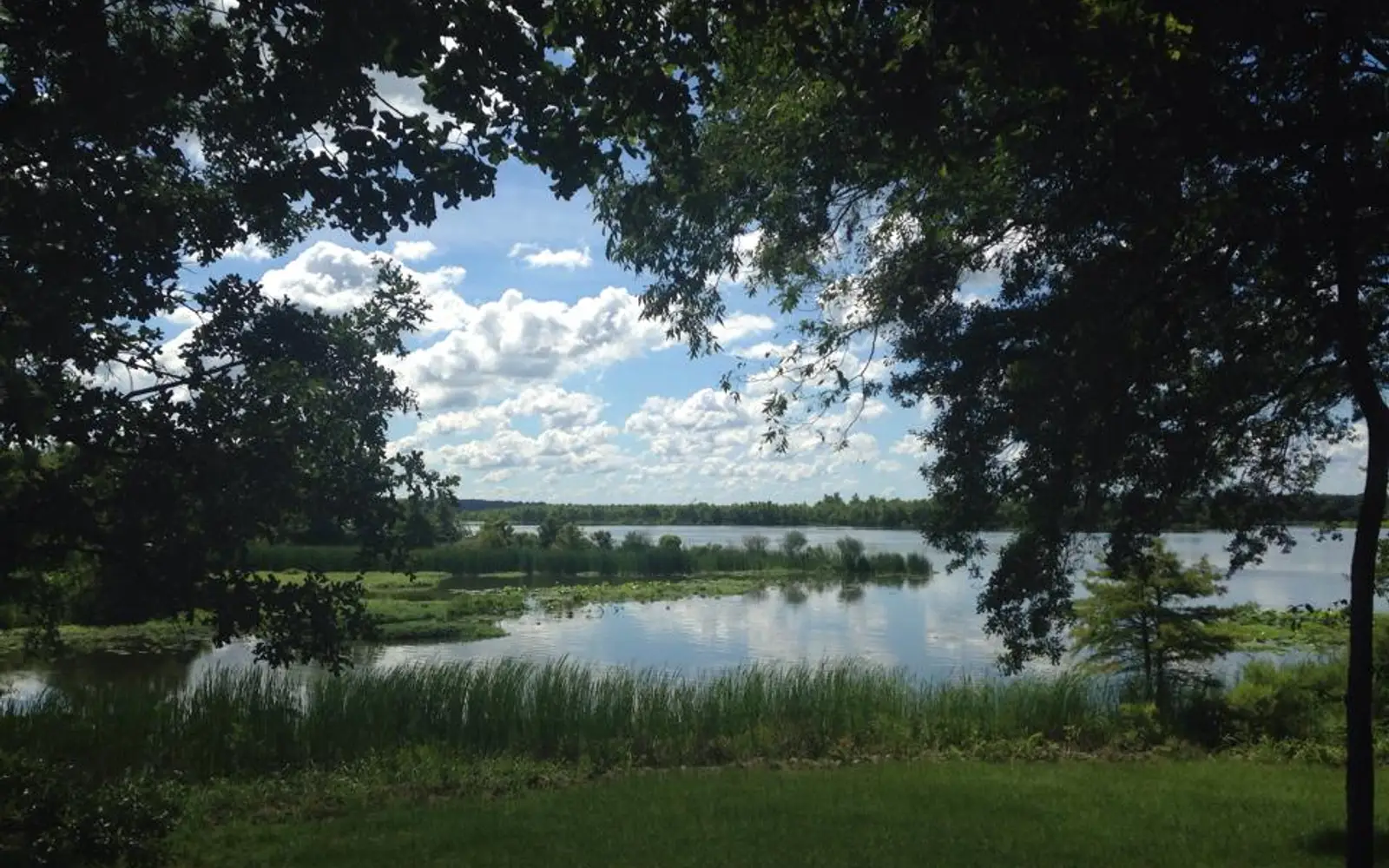
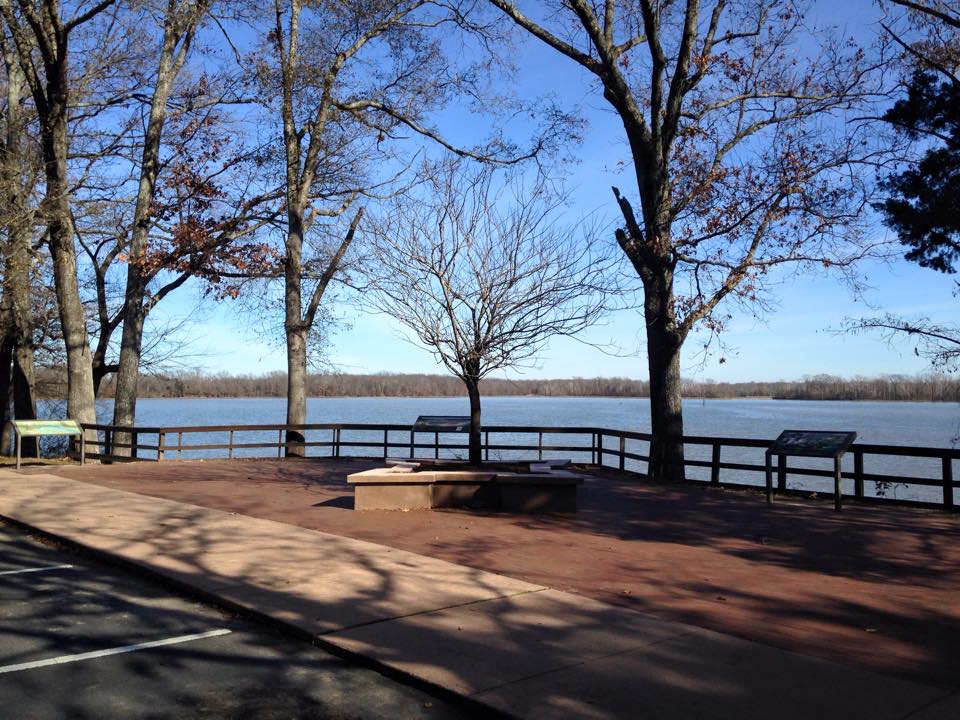
Arkansas Post National Memorial occupies a remote confluence of the Arkansas and White rivers, a setting integral to its appeal.
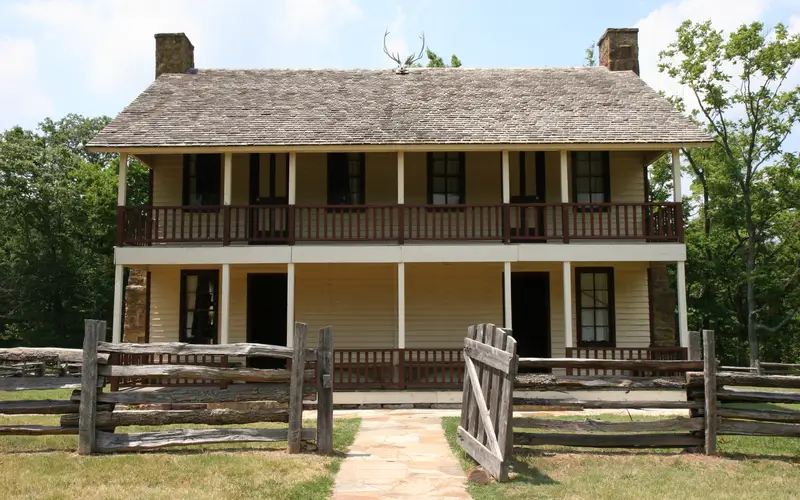
This is the 1686 site of the first permanent European settlement in the lower Mississippi Valley, later the first capital of Arkansas Territory. The unit offers a substantive history museum and living history programs. Genuine wetland wildlife habitat is also present. With a score of 88 and free admission, this memorial outperforms its obscure profile. Dramatic scenery or strenuous adventure are not primary draws here. For those who prioritize cultural history alongside birdwatching and paddling, this compact memorial provides a quietly compelling experience. Most visitors overlook it.
The case for it
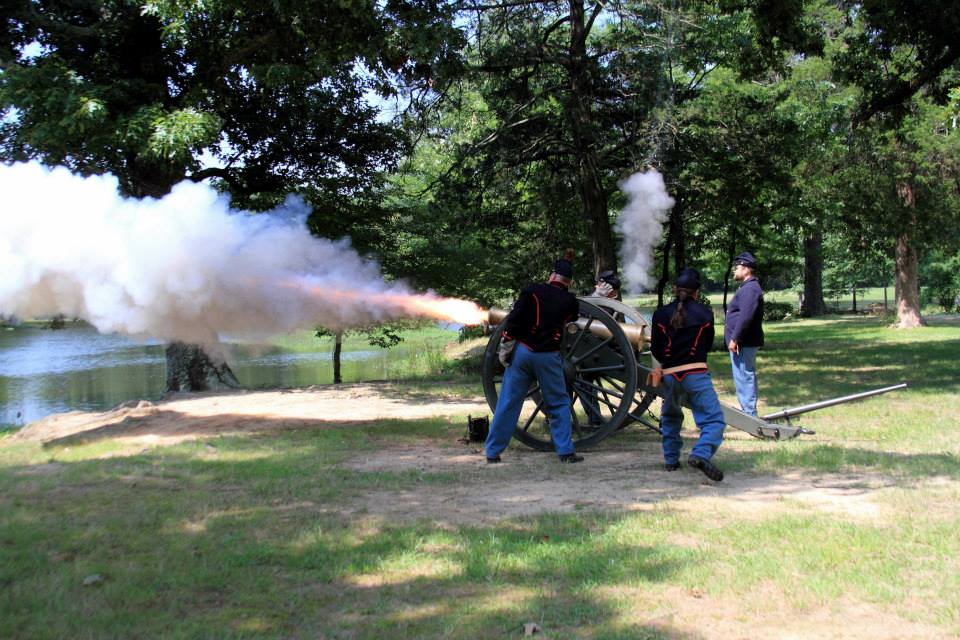
This historic site offers a rich, layered experience. The visitor center provides essential context, detailing centuries of history from Indigenous cultures through colonial eras to the Civil War battle fought here. Guided and self-guided walking tours connect the interpretive stops. Living history events, including weapons demonstrations and first-person interpretations, animate the colonial and military past. Beyond the historical narrative, the park's riverside location along the Arkansas River supports significant wildlife and birdwatching opportunities within a productive wetland corridor. Kayaking, canoeing, and fishing are all accessible. Picnic facilities are available for midday breaks. The Junior Ranger program effectively engages younger visitors. This destination delivers substantial historical depth alongside natural river access.
Who it is for
This site offers specific, rich rewards. It is ideal for history enthusiasts, particularly those focused on French colonial America, the Spanish colonial period, or Civil War river campaigns. Birders and paddlers will appreciate the combination of wildlife access and cultural context. Free admission and a Junior Ranger program make it a good option for families. However, those seeking dramatic landscapes or extensive hiking opportunities will be disappointed.
Best time to visit
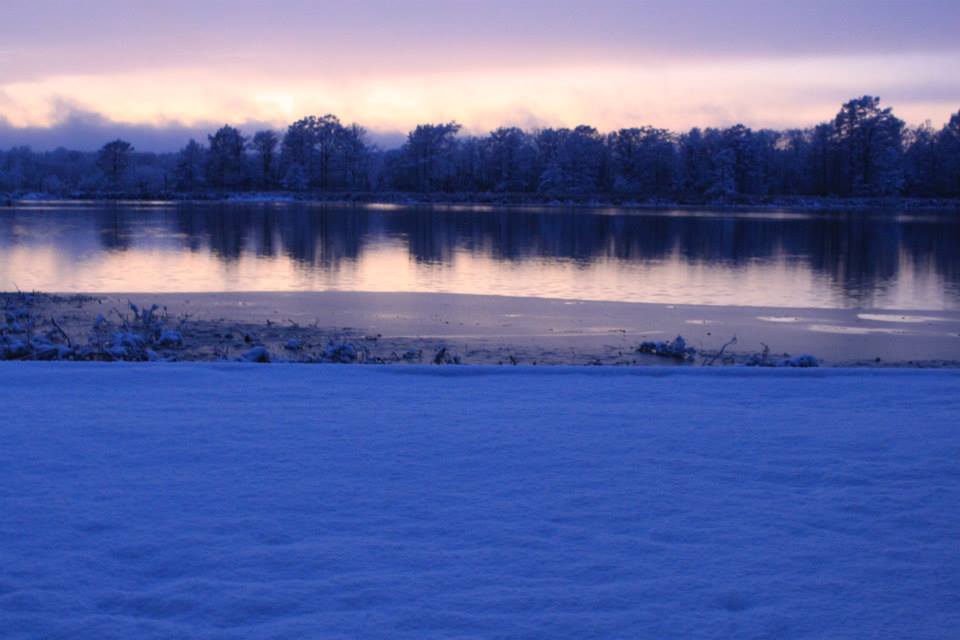
Spring and fall offer prime visiting conditions. Spring provides active bird migration along the river and comfortable temperatures before the onset of humid subtropical heat. Fall brings cooler weather and good fishing opportunities. Summer is hot and steamy; outdoor activity is best confined to early mornings. Winter is mild. The visitor center, however, closes Tuesday and Wednesday year-round. Plan accordingly.
Worth seeing
- Museum exhibits covering French, Spanish, and American territorial history at one of the oldest European settlement sites in the region
- Living history programming including historic weapons demonstrations and first-person interpretation
- Birdwatching and wildlife watching along a productive river confluence wetland corridor
- Kayaking and canoeing access on the Arkansas River directly from the park
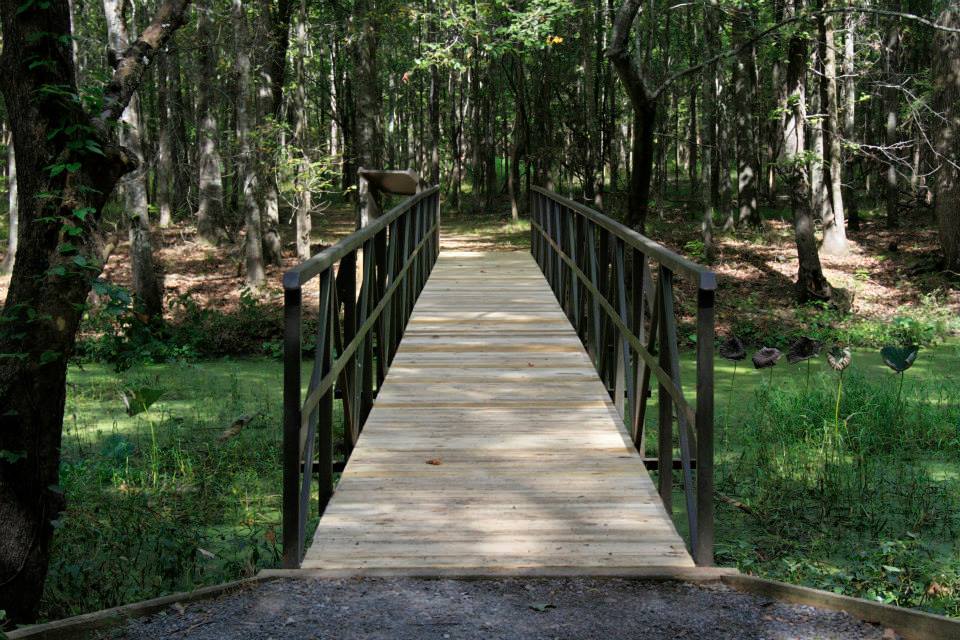
- Free guided and self-guided walking tours connecting the memorial's historical sites
- Freshwater fishing and picnicking in a riverside setting rarely crowded with other visitors
Before you visit
Admission is free. The visitor center operates Thursday through Monday, 8:30 AM to 5 PM. It closes Tuesday and Wednesday; plan accordingly for museum and film access. Park grounds open daily from 7 AM until sunset. Its remote southeastern Arkansas location demands foresight. Secure fuel and food provisions before arrival.
Our tipThe confluence of two major rivers makes for a compelling strategic location. For those equipped with a kayak or canoe, a distinct perspective on the site's historical significance becomes accessible. This riverine approach offers context unavailable to the majority of visitors, illuminating the strategic advantages that drew past cultures to settle here.