Should you visit Buffalo National River?
Buffalo National River earns its 97 experience score.
This 135-mile free-flowing river unit in the Arkansas Ozarks presents a rare combination of serious paddling, extensive backcountry hiking, horse camping, caving, hunting, fishing, and swimming. There is no entrance fee. It is not a quick stop. A significant visit demands two to three days and careful planning for river levels and weather. The rewards include bluff-lined river corridors, quiet backcountry camps, and a true sense of wildness. Paddlers, hikers, and equestrians will find ample reason to visit. Families are also well-served.
What makes it worth it
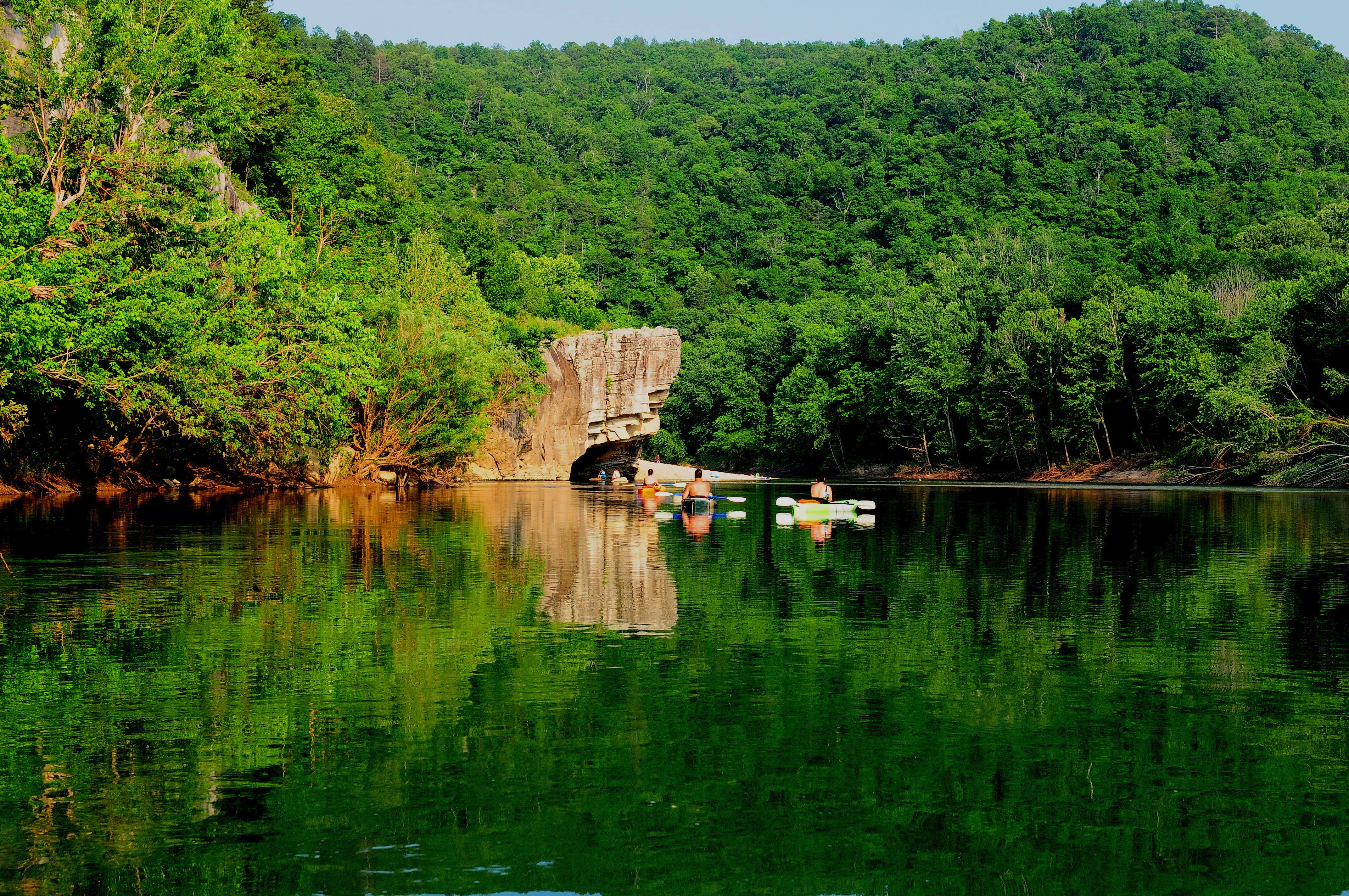
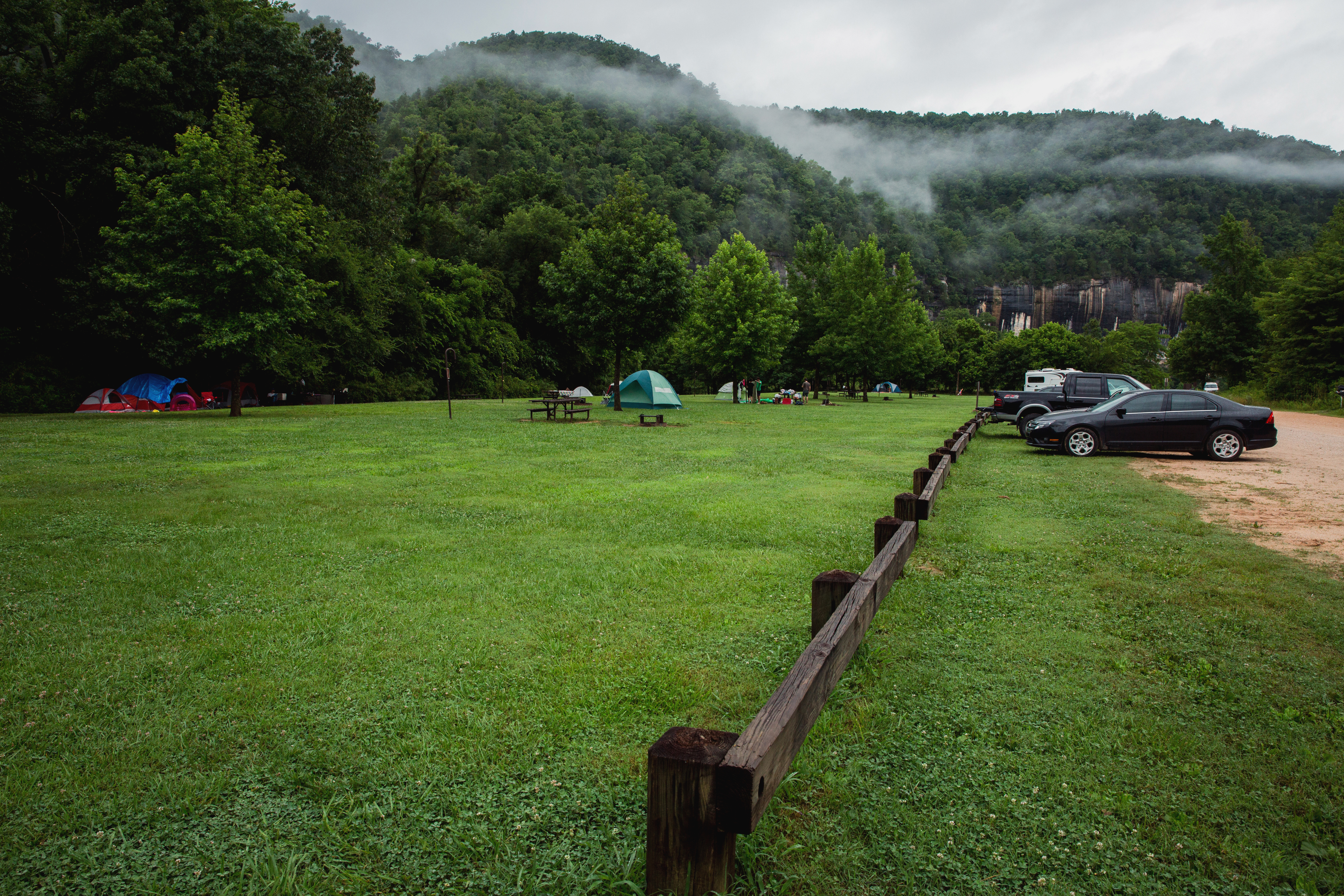
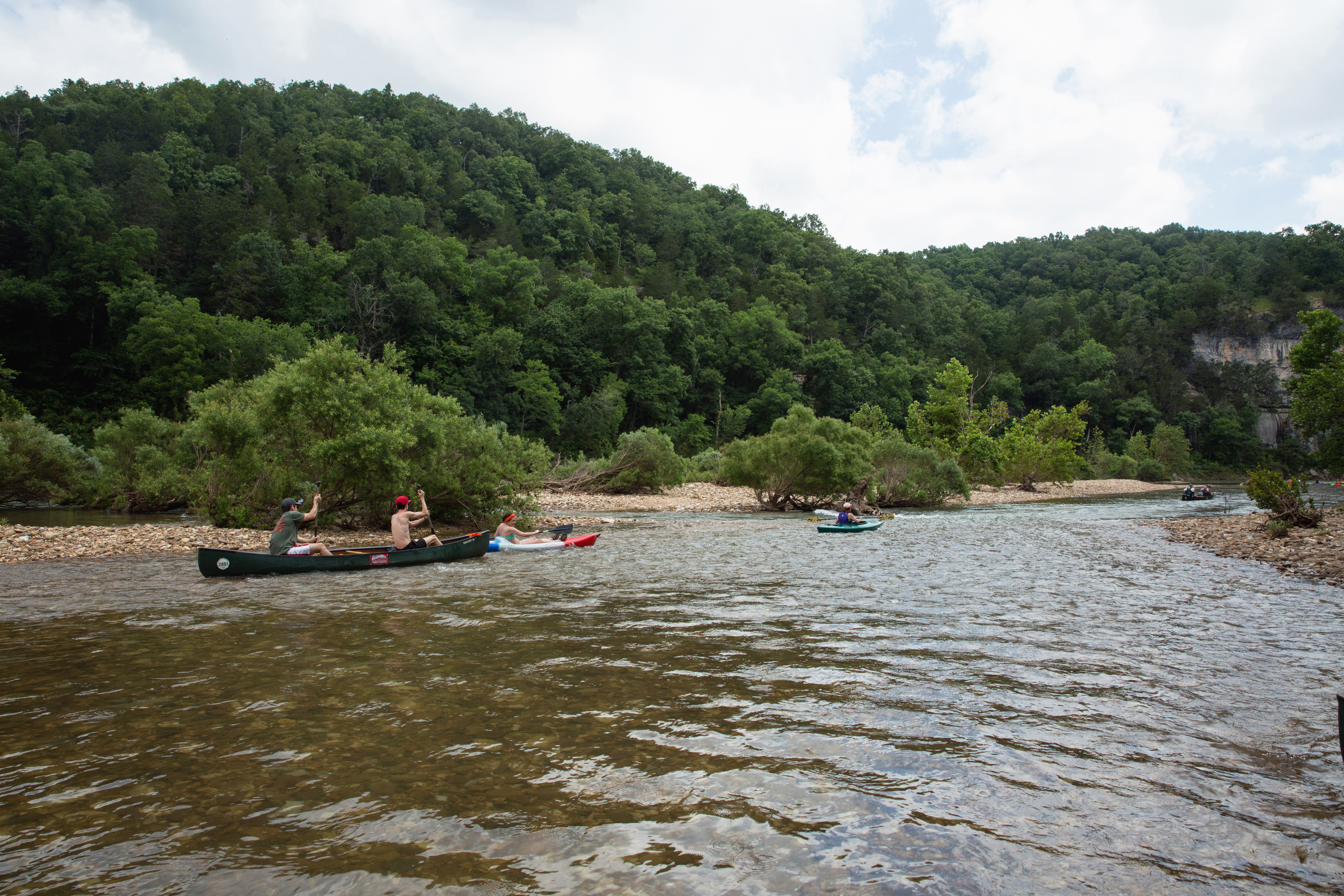
This is a destination for immersive recreation. Arrive Friday, establish a riverside camp, and launch a canoe or kayak for a Saturday on the water. The Buffalo River here flows between fast riffles and slow, clear pools, flanked by bluffs rising directly from the water. Anglers will find smallmouth bass. Swimmers can access clean, cold pools. Sunday, trade the paddle for boots. Off-trail hiking is permitted, allowing exploration of drainages and ridgelines. Horse campers are also welcome, with backcountry access for equestrians. Cavers have documented underground opportunities. Families with younger children can engage with the Junior Ranger program and guided tours, providing structured entry into the park's offerings. This unit rewards active engagement with its diverse landscape.
Who should go
This park rewards visitors who commit. Paddlers, backcountry campers, equestrians, and anglers will find genuine opportunities for multi-day trips. Families seeking extended outdoor experiences should also make the drive. However, those desiring a quick scenic stop, a visitor center focus, or paved walking loops will be disappointed. Casual day-trippers from outside Arkansas may find the logistical effort outweighs a brief visit.
When to go
The optimal time for a visit depends heavily on desired activities. Spring, from March through May, offers prime conditions for paddling, with higher river levels and moderate temperatures. Fall provides cooler, drier weather, ideal for hiking and camping. Summer allows for swimming and camping, but visitors should prepare for significant heat and humidity, which also cause lower water levels, impacting paddling. River levels require checking before any water-based excursion.
Highlights
- Paddling a free-flowing, undammed river through 135 miles of Ozark bluff and forest scenery
- Backcountry camping and off-trail hiking with genuine wilderness access
- Freshwater swimming in clear, cold river pools
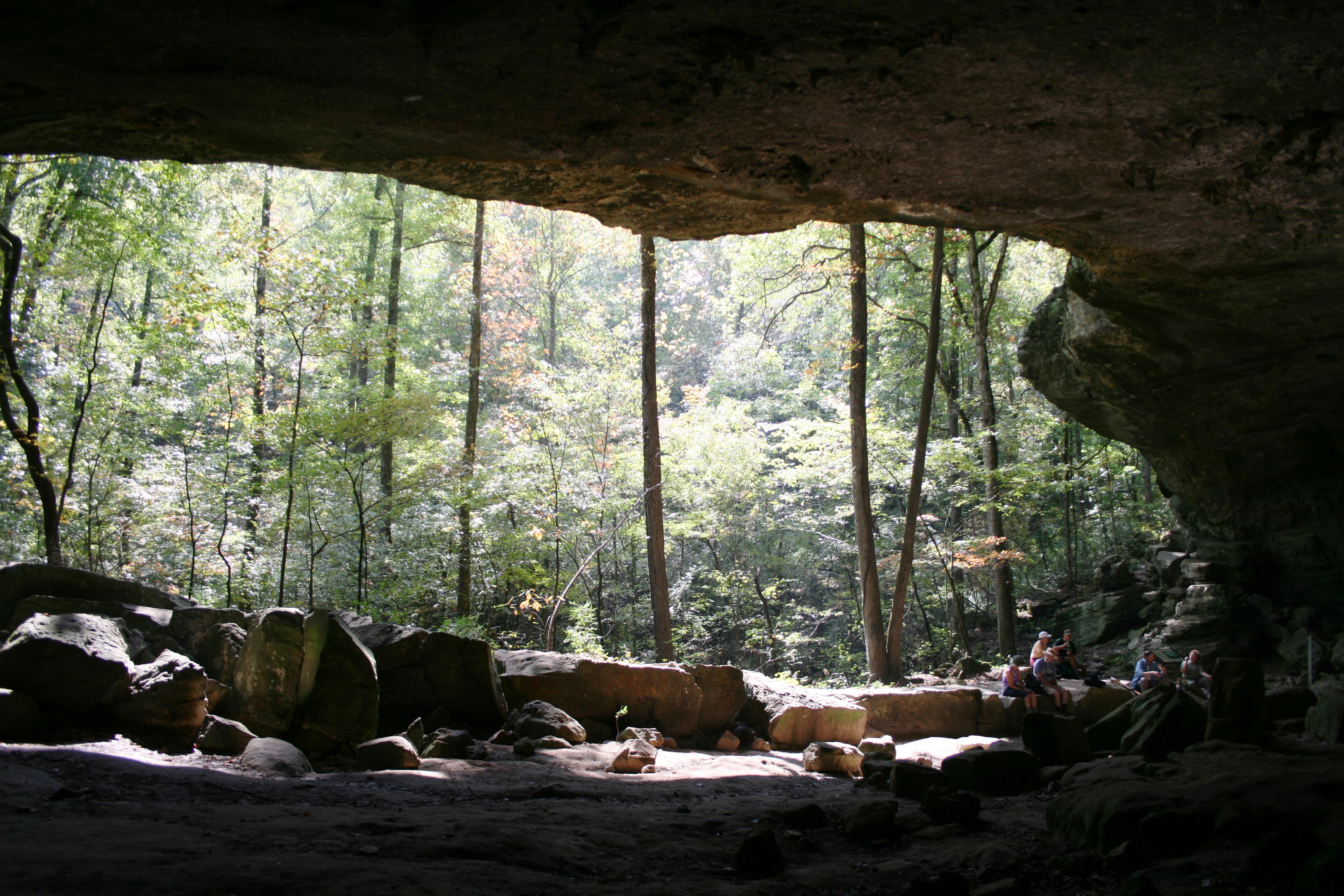
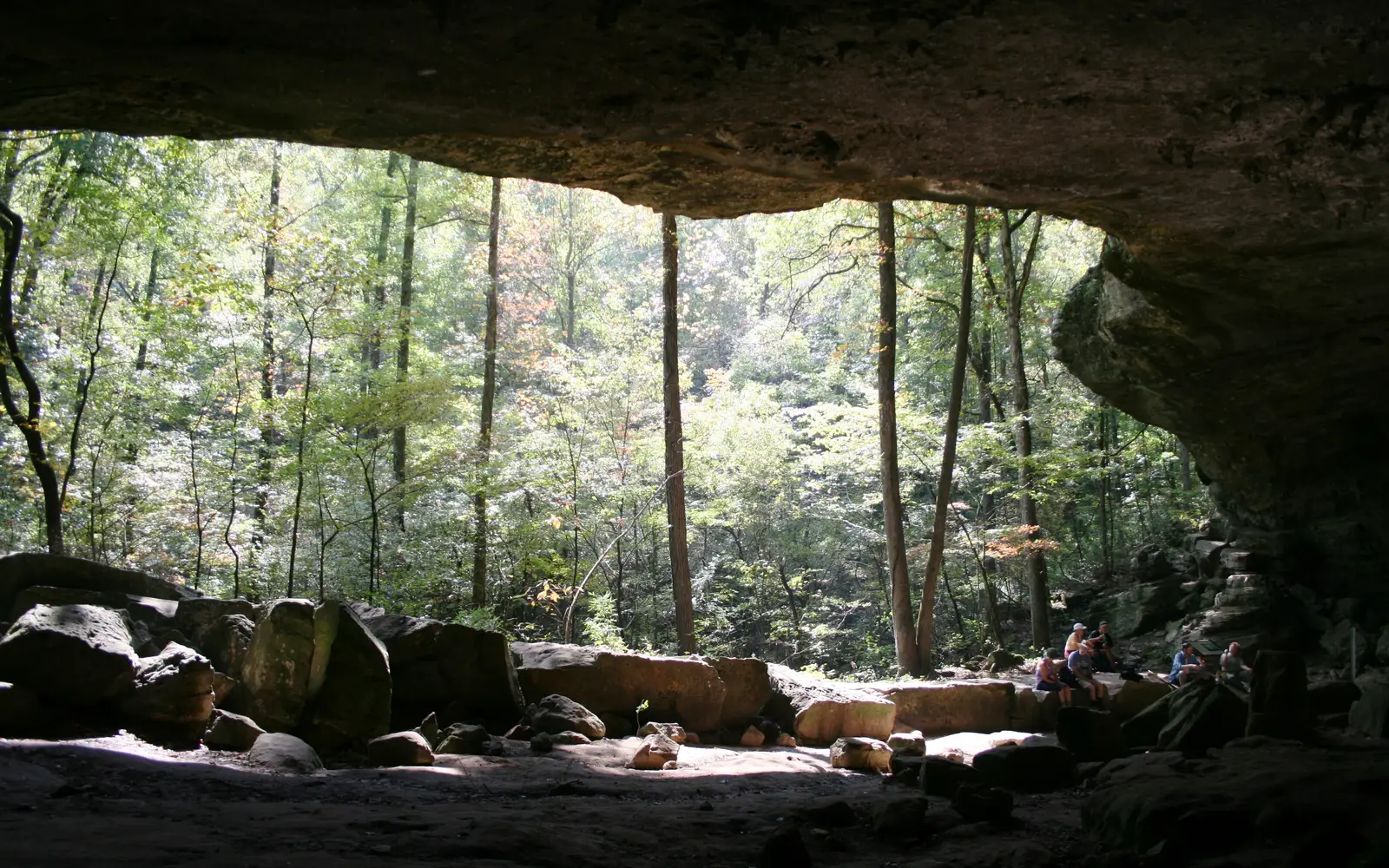
- Caving opportunities within the park boundary
- Horse camping and horseback riding through backcountry terrain
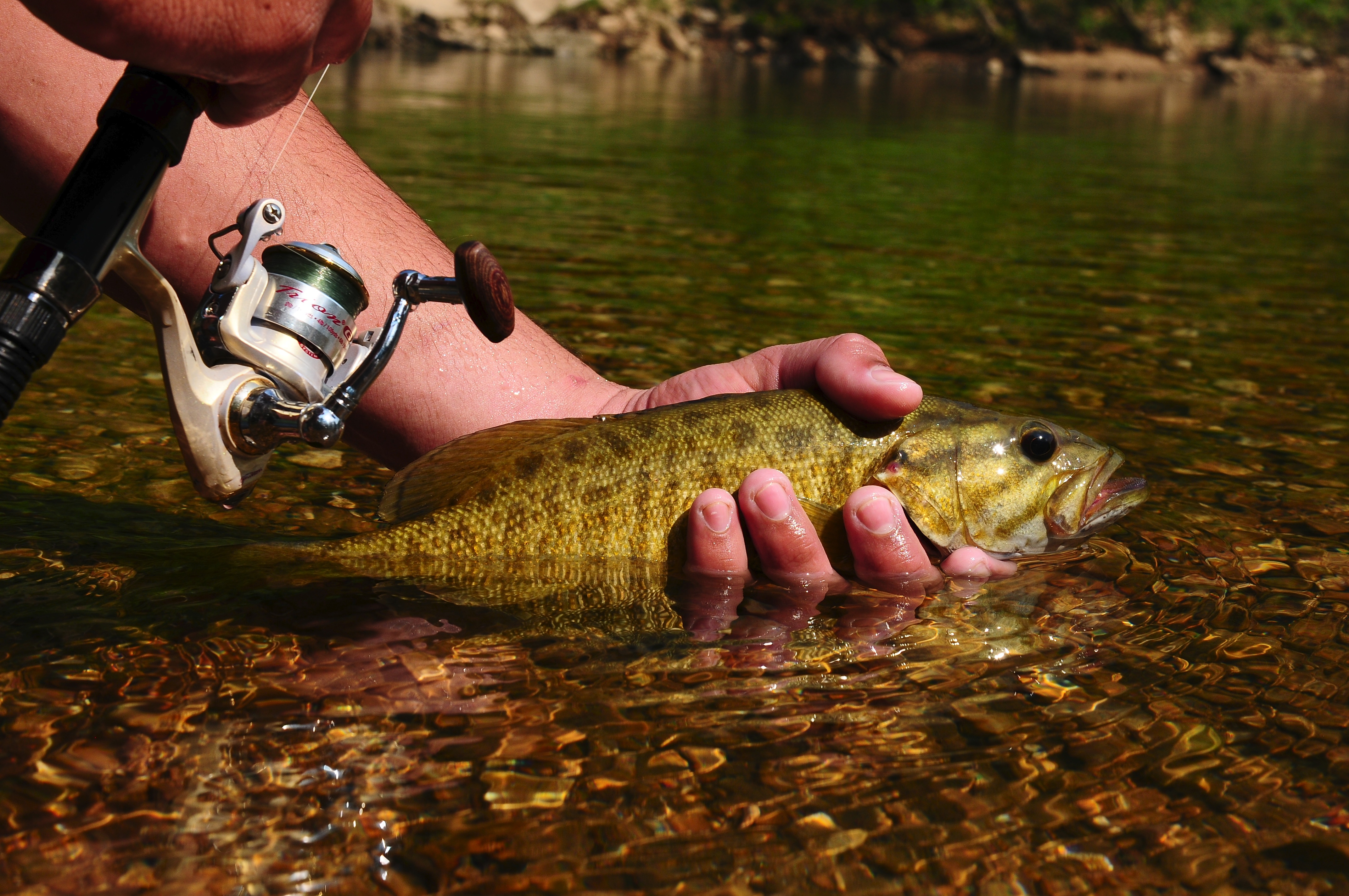
- Smallmouth bass fishing on one of the cleanest rivers in the lower 48
Plan ahead
This park demands advance preparation. Its 135 miles of river corridor are free to enter, but that expanse requires visitors to target specific sections well before arrival. Canoe and kayak outfitters operate nearby; contacting them ahead of time is advised. Cell service is unreliable in the backcountry. Paddlers must consult online river gauge levels, particularly in summer months, as low water presents a significant stranding risk. This is not a destination for the spontaneous.
Editor's tipSeasonal water levels dictate river access and safety. The upper river is a spring destination due to faster currents and higher water requirements. Lower sections retain depth longer, making them suitable for summer and fall paddling. Selecting the appropriate river stretch for current conditions is critical for a safe trip.