parkverdict
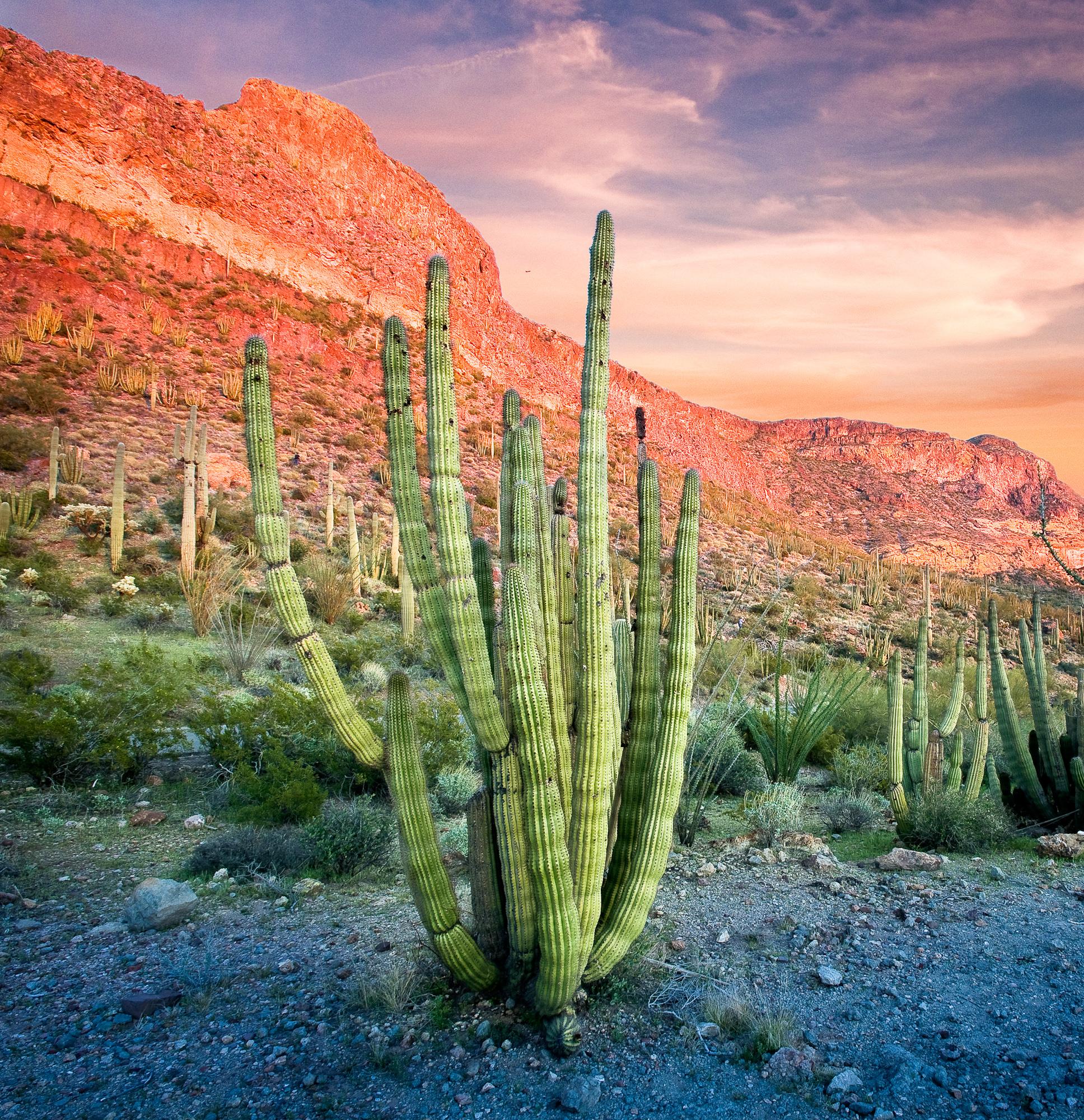
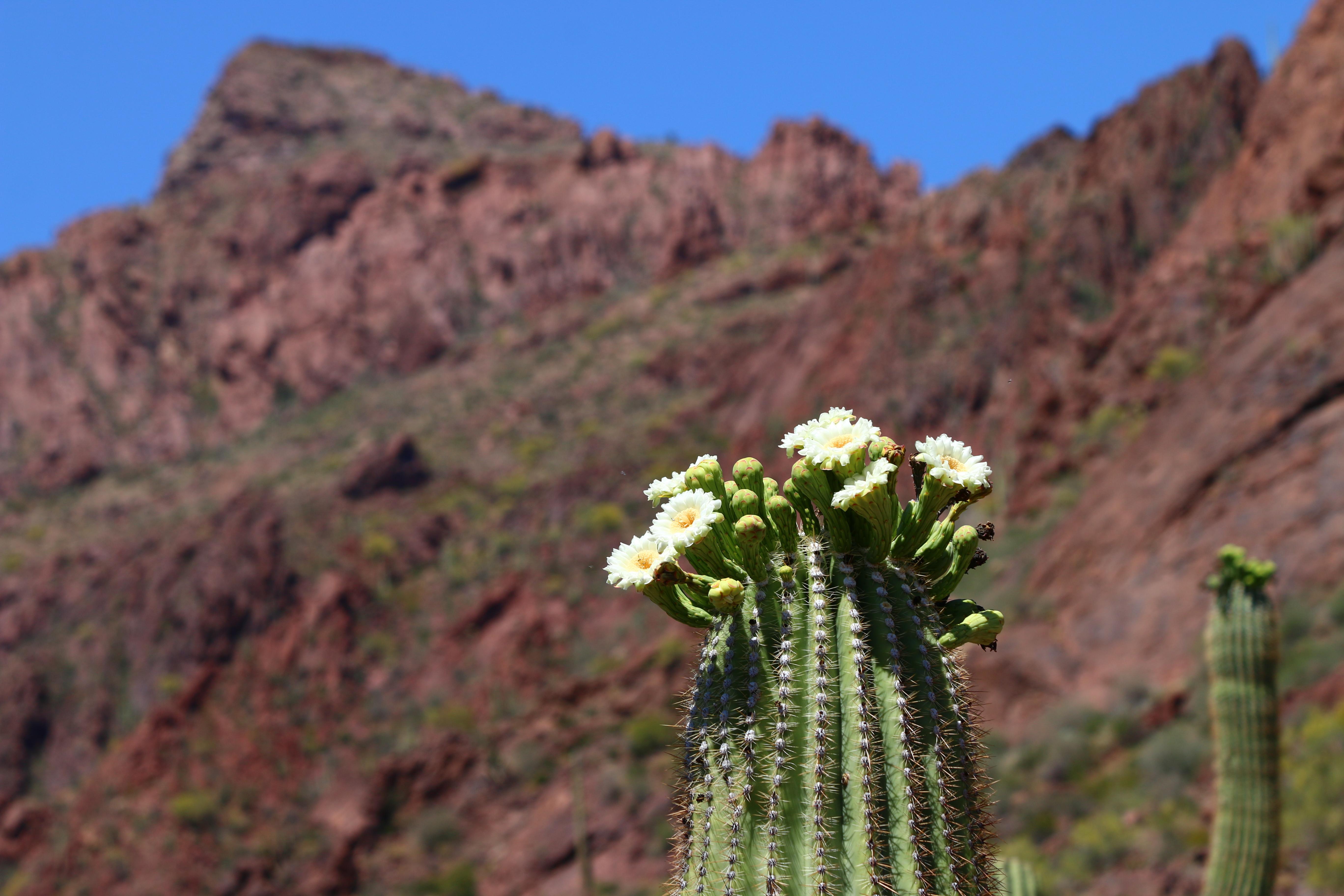
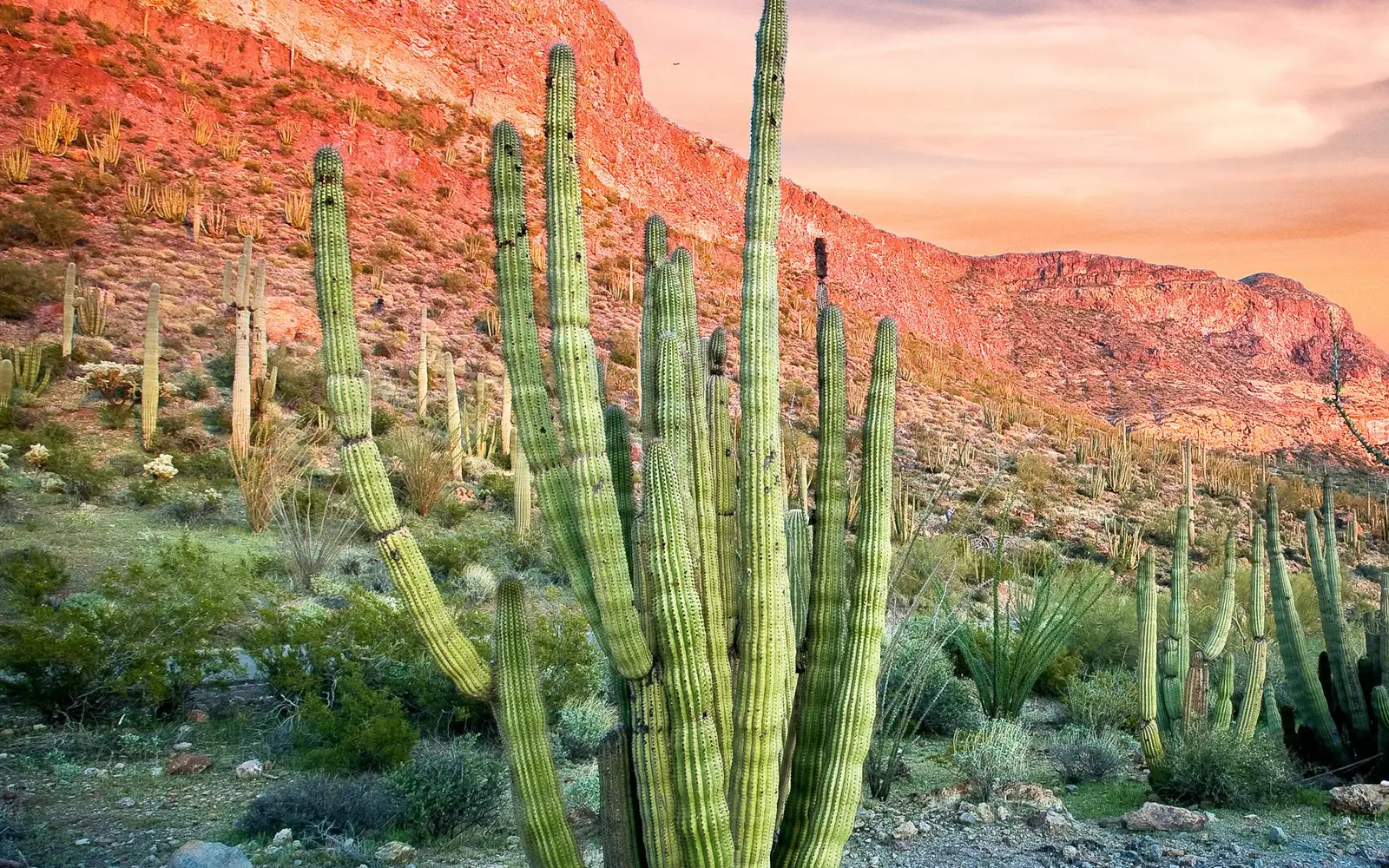
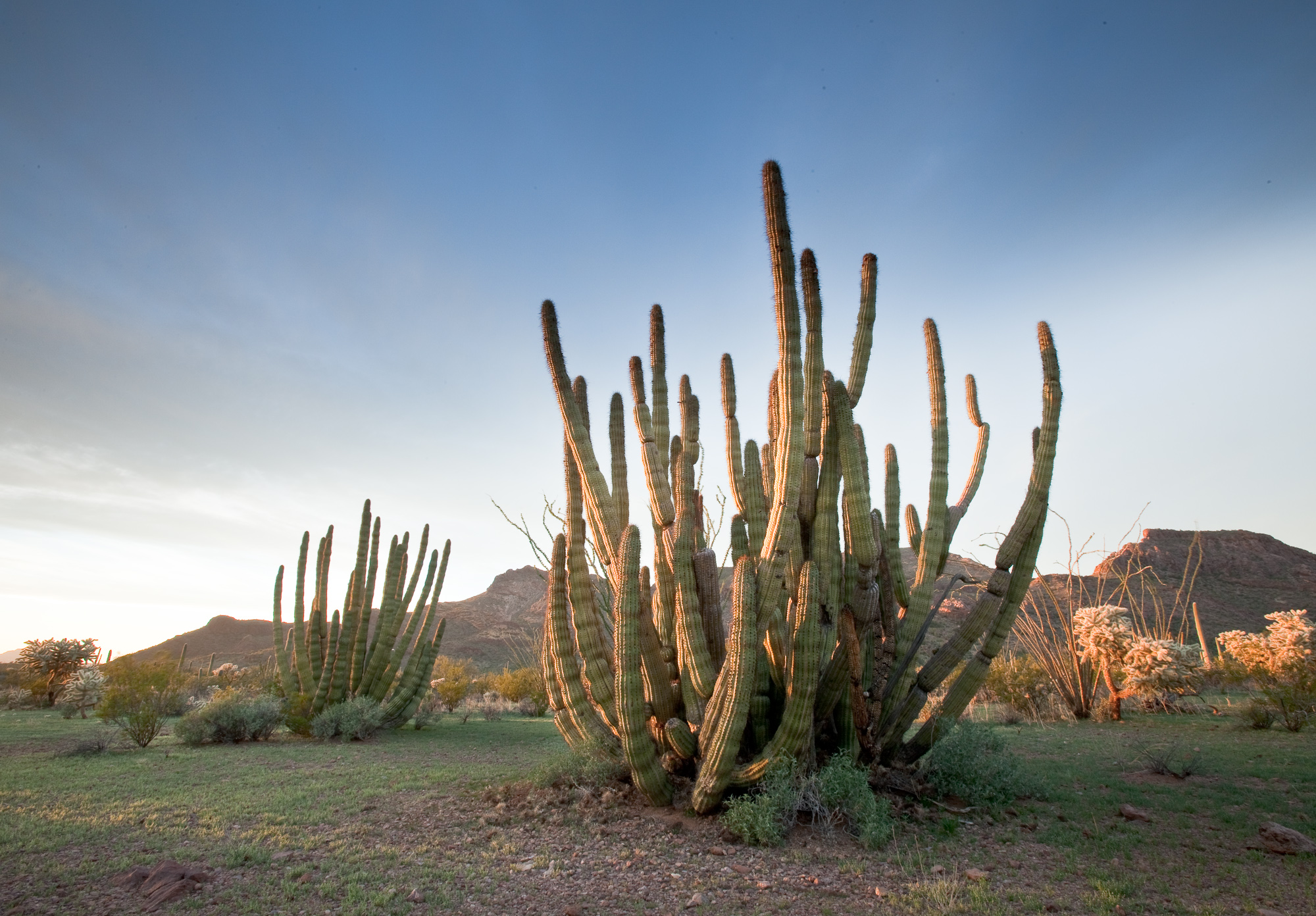
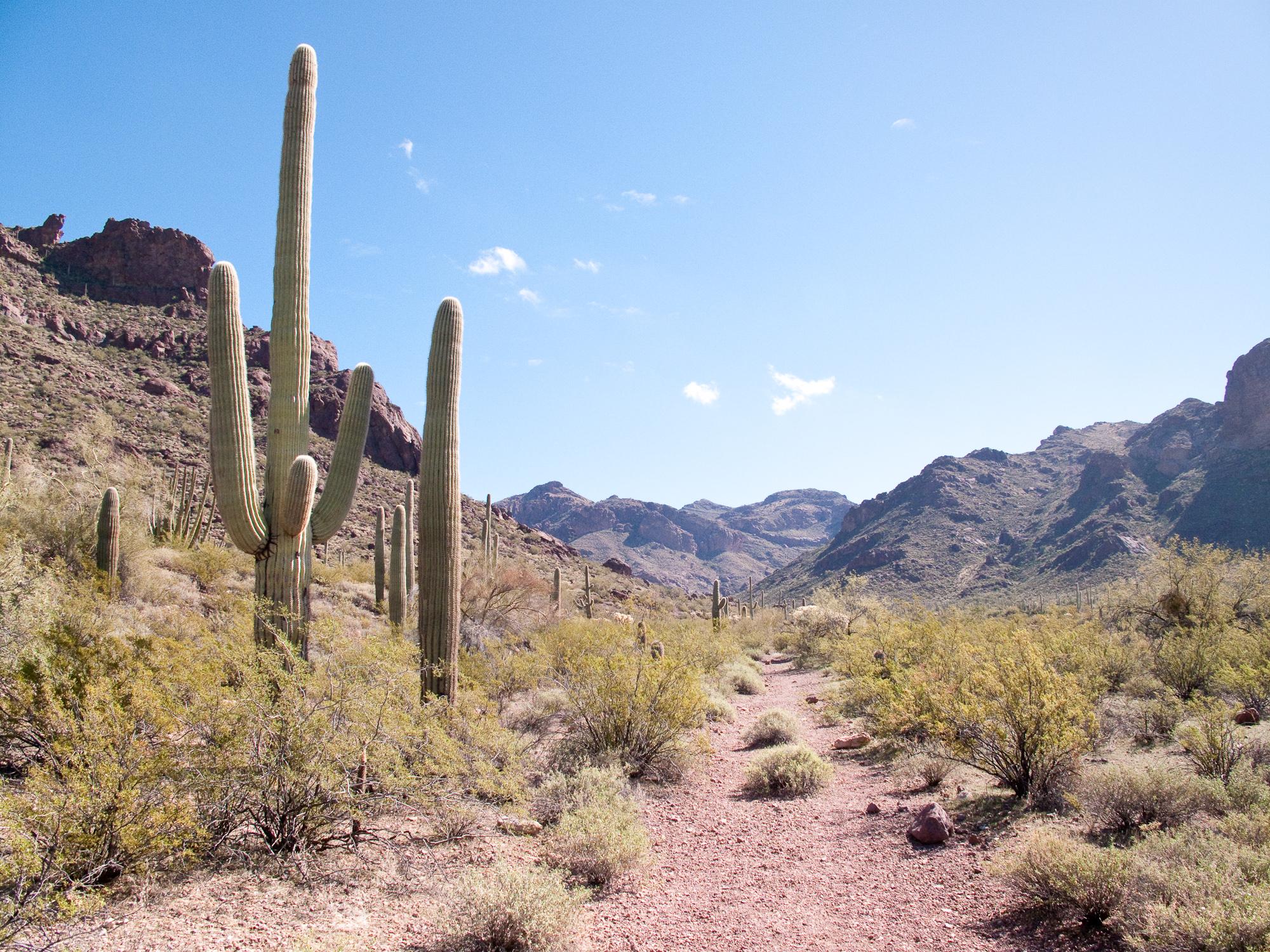
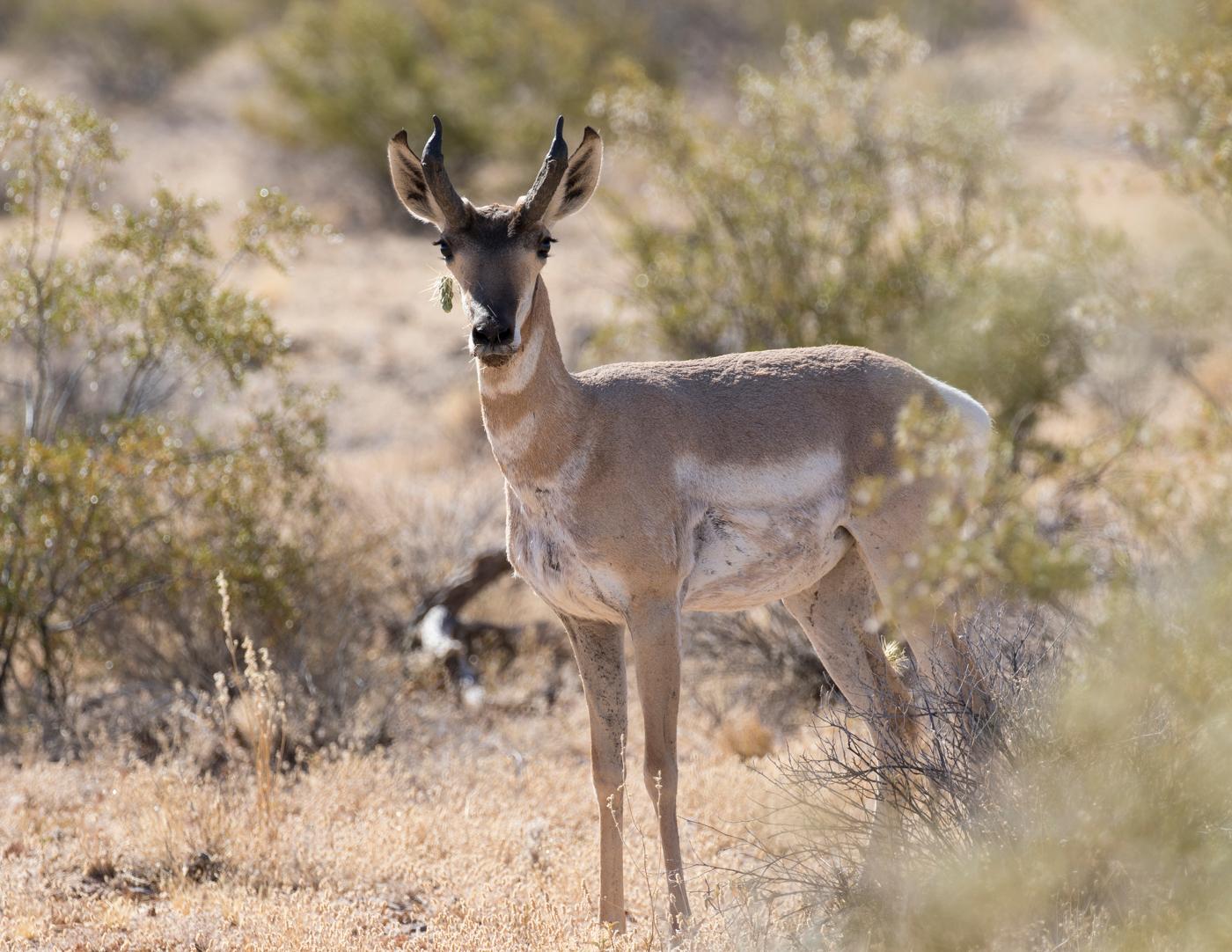
Organ pipe cactus and mountains at sunsetsun setting on a green organ pipe cactusView of Alamo Canyon trail, flanked by saguaros and vegetation with mountains in backgroundSonoran pronghorn with cholla stuck to its face
National MonumentAZ

Organ Pipe Cactus National Monument

NPS / NPS Photo/ Craig Stocks
90/ 100DOES IT ALL
parkverdict Experience ScoreIndependent, not sponsored

90 of 100. Our independent breadth-and-access index. How we score

Worth it?

Is Organ Pipe Cactus National Monument worth it?

Organ Pipe Cactus National Monument sits right on the Arizona-Mexico border and is one of the most underrated desert parks in the American Southwest.

It protects the only place in the United States where the organ pipe cactus grows wild in any real numbers, which sets it apart botanically from every other NPS unit. The experience score of 90 reflects genuine breadth: you can drive scenic loops, hike front-country and backcountry trails, camp under some of the darkest skies in the continental US, and watch a remarkable diversity of Sonoran Desert wildlife. Plan for at least one night, ideally two. This is not a place you absorb from a car window. The desert rewards visitors who slow down and actually read it, and the human history layered onto the landscape keeps adding depth the longer you stay. For desert lovers, stargazers, and anyone willing to linger, this place consistently delivers more than its reputation suggests.

The case for it

A solid two-day visit moves between different rhythms in a way most parks never pull off. The days are for loop roads, front-country and off-trail hikes through forests of saguaro and organ pipe cactus, and early morning wildlife watching before the heat takes over. Once the sun drops, the night skies take center stage, and they genuinely earn the attention. There is no gate and the roads stay open 24 hours, so as a designated International Biosphere Reserve the place runs on your schedule rather than a ranger's. The visitor center museum and guided tours fill in the human history of the Sonoran Desert, and horseback riding with horse camping covers visitors who come with stock. At $15, the entrance fee holds up as one of the better values in the NPS system.

Who it is for

Desert lovers, stargazers, birders, backcountry campers, and road cyclists comfortable on remote sun-baked routes will find plenty to enjoy. Families with kids can build a trip around the Junior Ranger program. Just know what you're getting into: no dramatic water features, no dense shade. If 100-plus-degree summer heat wears you down fast, either visit somewhere else or stick to dawn and dusk for anything outdoors.

Best time to visit

Most visitors come between October and April. Winter days hover in the 70s, nights dip into the 30s and 40s, and that cooler weather holds up well for hiking and camping. Spring is when the cacti bloom. Summer is a different story - days routinely break 100 degrees Fahrenheit, nights stay warm, and spending any real stretch of time outside turns dangerous. You can stargaze any time of year, though summer monsoons tend to drag in clouds.

Worth seeing

  • Scenic driving loops through dense organ pipe and saguaro cactus landscape
  • Backcountry and off-trail hiking in a designated International Biosphere Reserve
  • Some of the darkest, most accessible night skies in the continental United States
  • Birding and wildlife watching in a biologically rich Sonoran Desert habitat
  • Horse camping and horseback riding in a remote desert setting
  • Visitor center museum documenting thousands of years of desert human history

Before you visit

Entry costs $15, paid at the visitor center rather than a gate, so you can arrive at any hour. The monument has no dispersed camping, meaning you need to reserve a designated campsite in advance, especially between October and March when demand picks up. The nearest full services are in Lukeville or Ajo, so bring enough water, fuel, and supplies before you head in.

Our tipTrails and roads have no set hours, so nothing stops you from pulling up to a trailhead before sunrise and watching the desert wake up during the coolest stretch of the day. Bird activity peaks right around that time, and wildlife moves freely before the heat pushes everything into the shade.

How we scored it

Behind the 90

The number is not a mood. It is a few things we can actually check in public records, added up and capped so no single one runs away with the total. It tracks how much a place has going on and how easy it is to reach, and nothing about scenery or crowds. Here is what added up to 90:

  • Activity breadth29 documented activities
  • Topic breadth21 topics
  • Official imagery5 public-domain images
  • Camping on sitedocumented
  • Entry cost$15

No number is hand-adjusted and no unit pays for placement. The full weights, the floor at 18 and a worked example are on how we score.

The honest limits

What the score cannot tell you

A quick honest note. The score tracks how much a place has going on and how easy it is to reach, both pulled from public records. What it cannot see is the stuff that often makes or breaks a day: whether the views stop you cold, how packed it gets in season, what the trails are like after rain, or whether you catch a great ranger talk. A small, single-focus site can land below a sprawling park here and still be the better call for your trip. Use the number to compare what places offer on paper, and the verdict up top to tell if it is your kind of place.

Overview

About Organ Pipe Cactus National Monument

The Sonoran Desert at Organ Pipe Cactus National Monument, an International Biosphere Reserve, runs deeper than it first appears. Plants and animals thrive here, and people have called this desert home for thousands of years. Come for a wilderness hike, a scenic drive, or a night of camping, and the desert will keep showing you things you did not expect.

On documented breadth and access, Organ Pipe Cactus National Monument ranks 4th of 29 park and public-land units we score in Arizona.

Climate note

Summer days push past 100F, and nights stay stubbornly in the high 70s. Winters are mild, with afternoons reaching the 70s and evenings cooling into the 30s and 40s.

Things to do

What it offers

Auto and ATVScenic DrivingAstronomyStargazingBikingRoad BikingCampingBackcountry CampingCar or Front Country CampingHorse Camping (see also Horse/Stock Use)Group CampingRV CampingGuided ToursSelf-Guided Tours - WalkingSelf-Guided Tours - AutoHikingBackcountry HikingFront-Country Hiking
Common questions

Organ Pipe Cactus National Monument: quick answers

Is Organ Pipe Cactus National Monument worth visiting?

Organ Pipe Cactus National Monument sits right on the Arizona-Mexico border and is one of the most underrated desert parks in the American Southwest.

Is Organ Pipe Cactus National Monument free to visit?

Not free. Getting in runs about $15.

What is Organ Pipe Cactus National Monument best for?

It leans hardest toward stargazing, hiking, camping, good with kids, going by the 29 activities it actually documents.

When is the best time to visit Organ Pipe Cactus National Monument?

Most visitors come between October and April.

How is the Experience Score for Organ Pipe Cactus National Monument calculated?

The 90 comes straight from public data on how much the place documents and how easy it is to reach, things like activities, topics, photos, camping and whether entry is free. It says nothing about scenery or how busy it gets.