Is Olympic National Park worth your trip?
Olympic National Park presents a rare degree of ecological diversity, its defining characteristic.
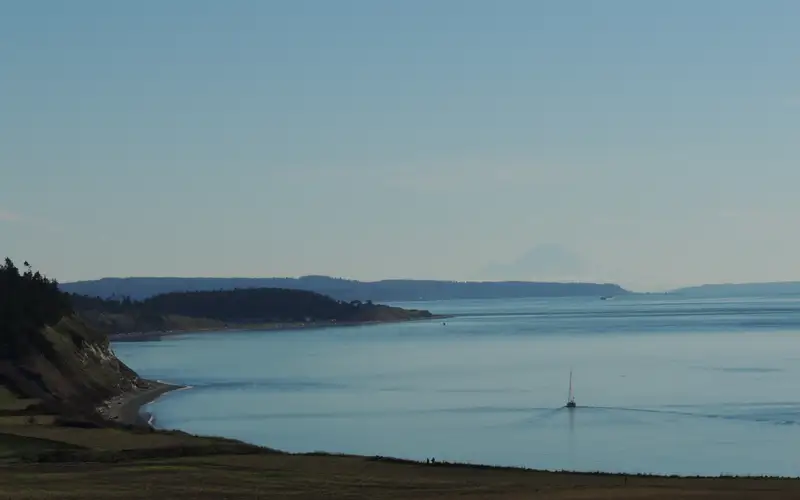
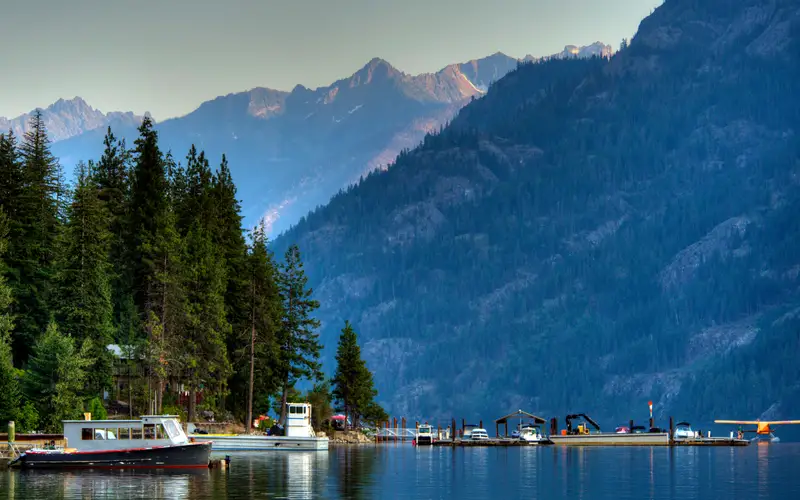
Glacier-capped peaks, old-growth temperate rainforest, and over 70 miles of wild Pacific coastline exist within a single park boundary. This range allows for an unusually broad activity menu: serious backcountry hiking, mountaineering, saltwater kayaking, surfing, winter skiing, snowshoeing, and diverse wildlife watching. At a $15 entry fee, it offers significant value. However, Olympic is not a singular destination; it is several distinct areas requiring careful planning to connect. There is no central hub, and roads do not cross the interior. Weather shifts dramatically between ecosystems. First-time visitors who underestimate its scale often experience only one corner. A deliberate choice of zones is essential here. The rewards for such effort are substantial.
Why go
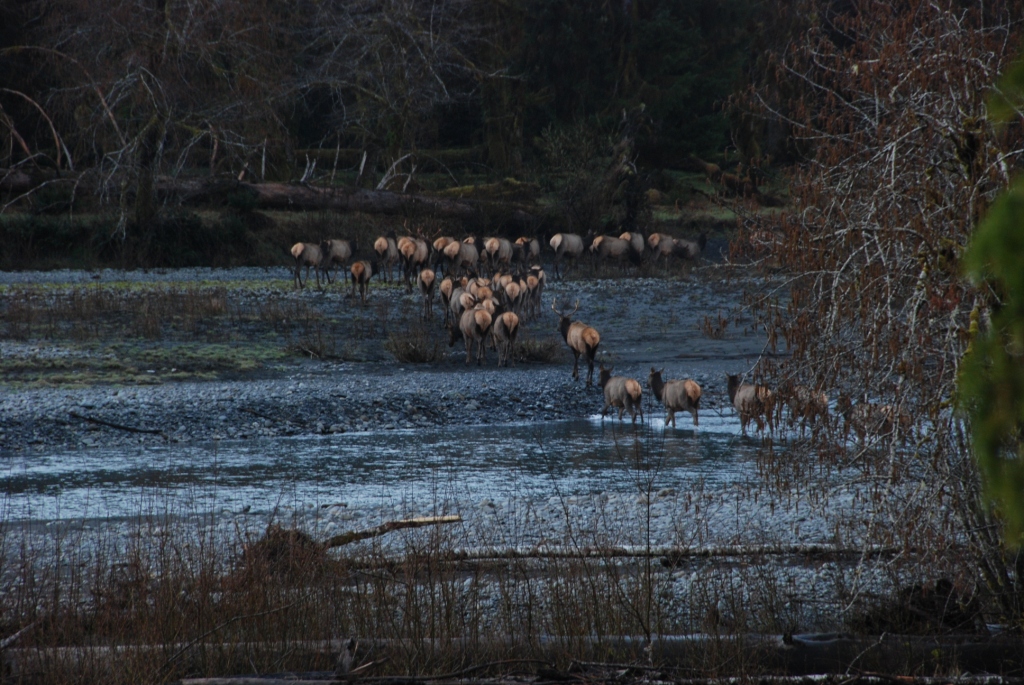
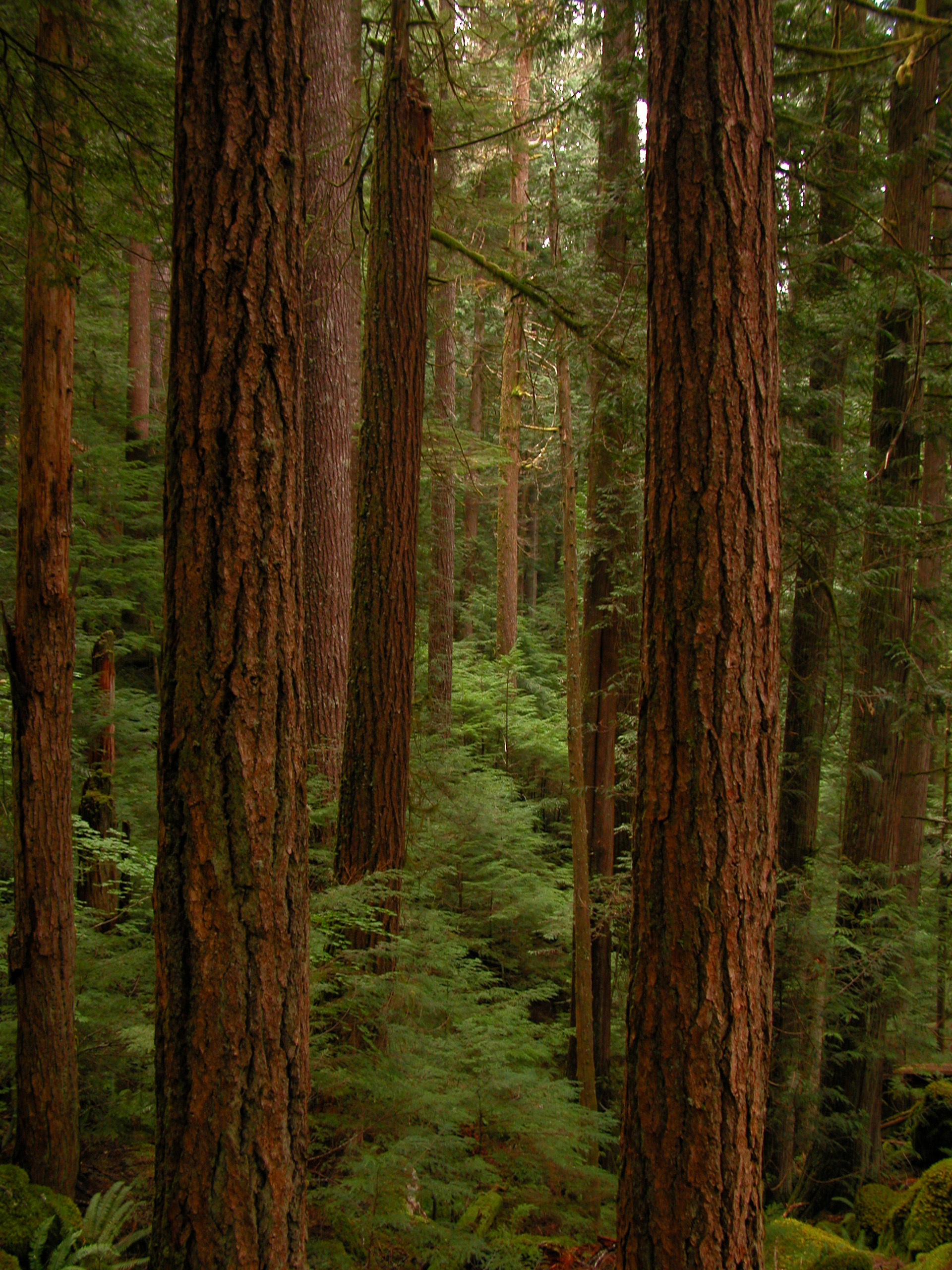
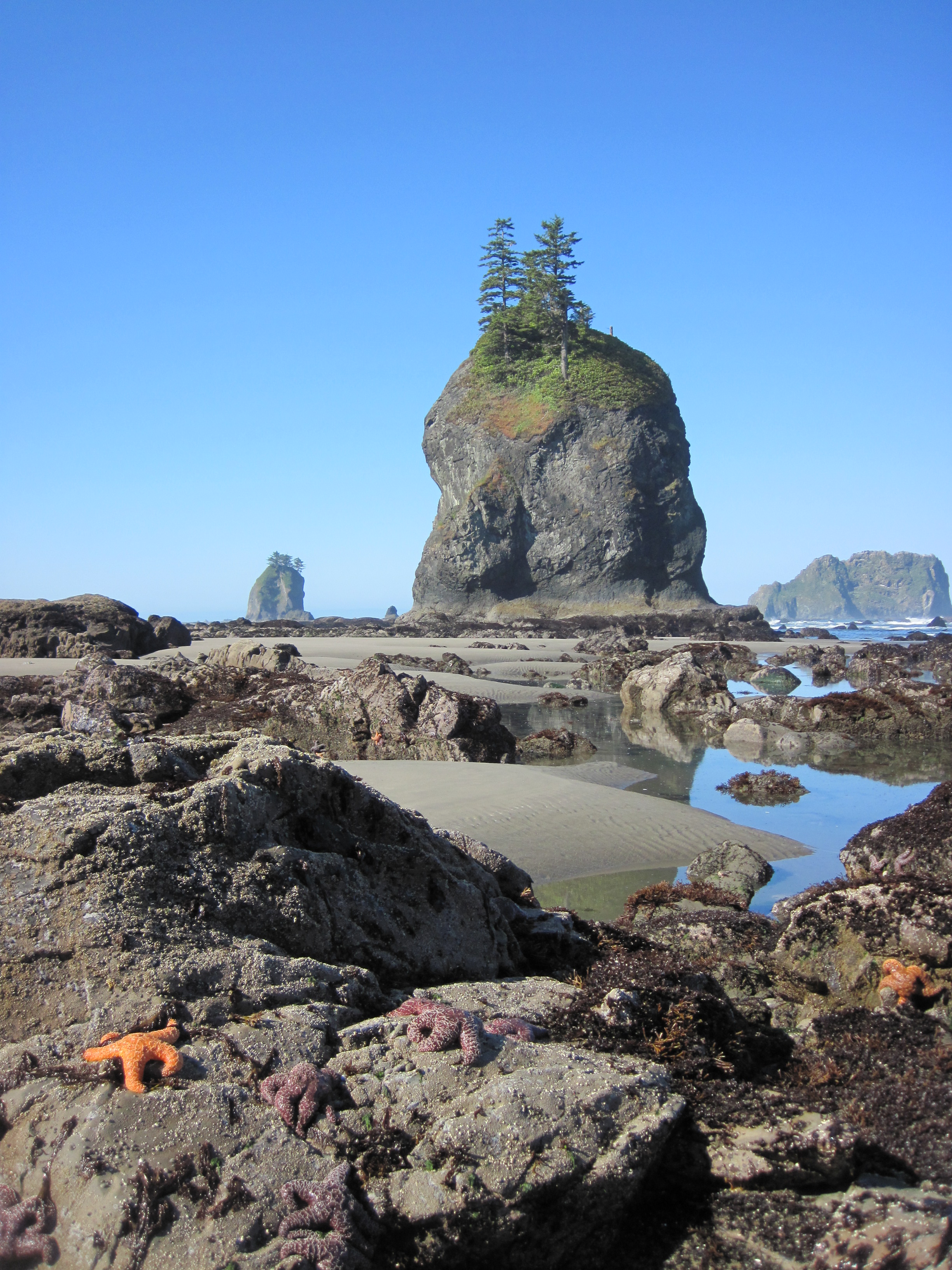
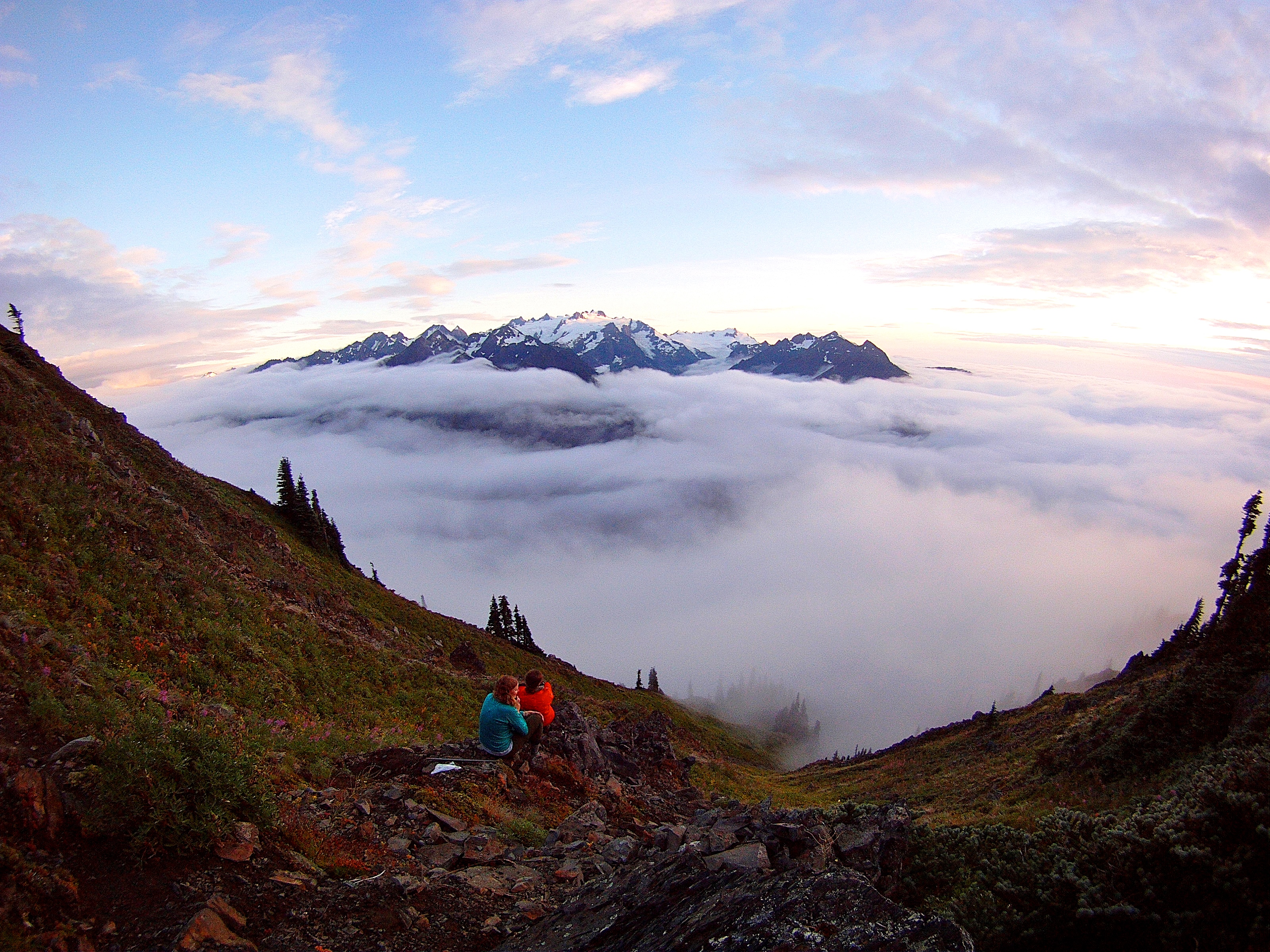
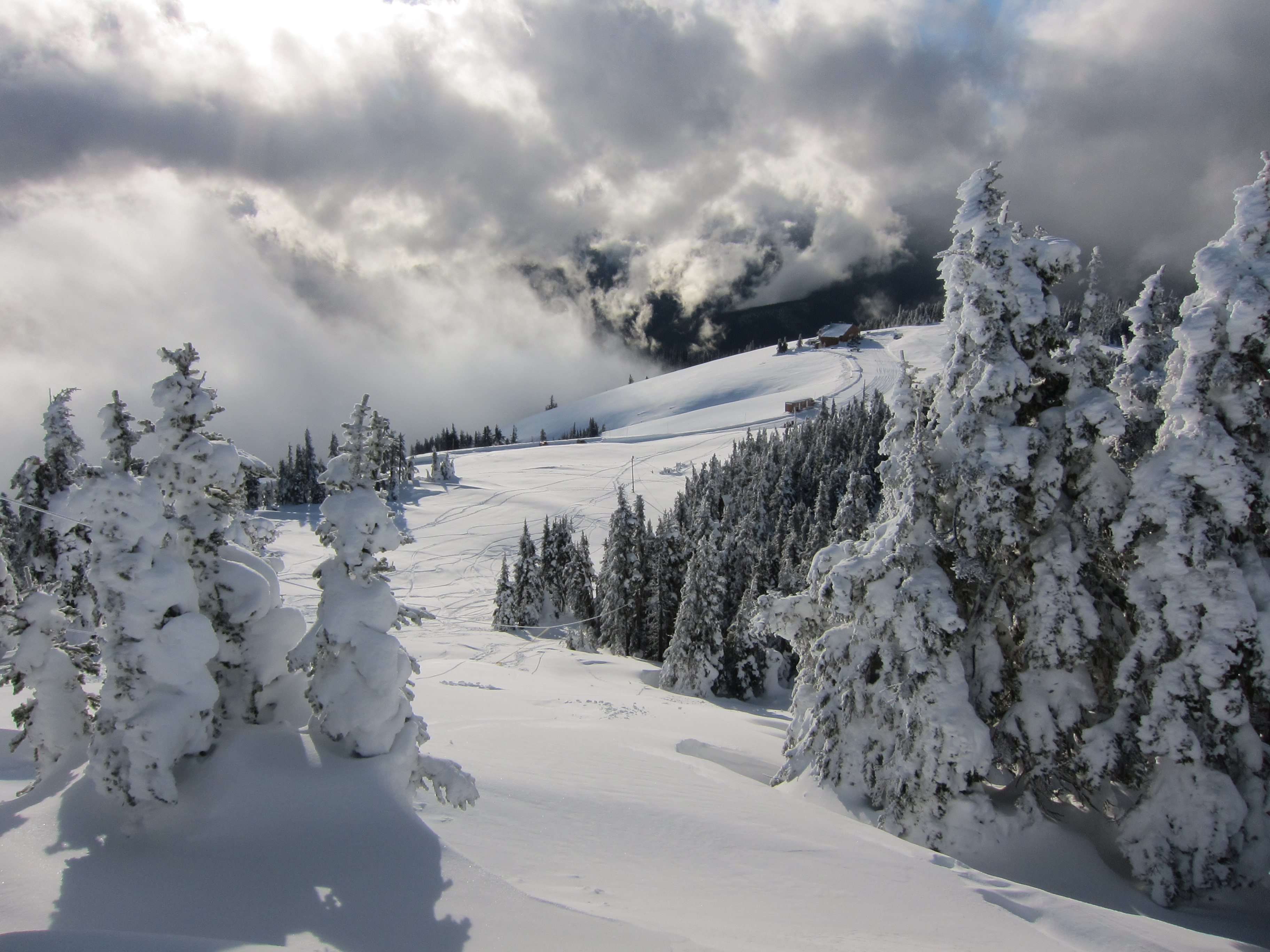
Olympic National Park demands a choice of experience. Its three distinct ecosystems dictate vastly different visits. The coast offers surfing, kayaking, saltwater fishing, and miles of roadless wild beach. Inland, the rainforest valleys provide unparalleled old-growth hiking through moss-draped canopy, unique in the Lower 48. Higher elevations invite mountaineering, winter cross-country skiing, and snowshoeing across snow-laden peaks. Accommodations range from front-country RV sites to backcountry permits, with options for horse camping and group sites. Birdwatching is diverse, from coastal shorebirds to high-altitude mountain species. Remote coastal and ridge camps provide exceptional stargazing opportunities on clear nights, far from urban light pollution. The Junior Ranger program and guided tours make the park genuinely accessible for families. Choose your adventure, or expect to miss much.
Best for
Olympic National Park offers genuine ecological variety within a single visit. It particularly rewards hikers, backpackers, and paddlers. For those able to commit four or more days, moving between its diverse ecosystems is highly fulfilling. Families will appreciate the programming and accessible front-country options. However, visitors seeking a quick scenic loop or a singular iconic viewpoint may find the logistical demands of experiencing multiple zones to be underwhelming.
Best season
This park is best experienced from July through September, when the clearest conditions and temperatures in the mid-60s to mid-70s prevail. This window allows for extensive coast hiking, backcountry travel, and high-elevation climbing. Spring provides a lush, green rainforest, though with heavy precipitation. Winter draws skiers and snowshoers to higher elevations, with mild conditions persisting in the lowlands. Shoulder seasons offer fewer visitors, but prepare for increased rain and potential facility or road closures. Plan accordingly.
The high points
- Over 70 miles of wild, largely roadless Pacific coastline open to kayaking, surfing, and saltwater fishing
- Old-growth temperate rainforest hiking with moss-covered canopy found almost nowhere else in the continental US
- Winter skiing, snowshoeing, and snow tubing on the park's mountain snowpack
- Backcountry camping across dramatically different ecosystems, from beach to alpine
- Stargazing on the remote coast and high ridges, well away from city light pollution
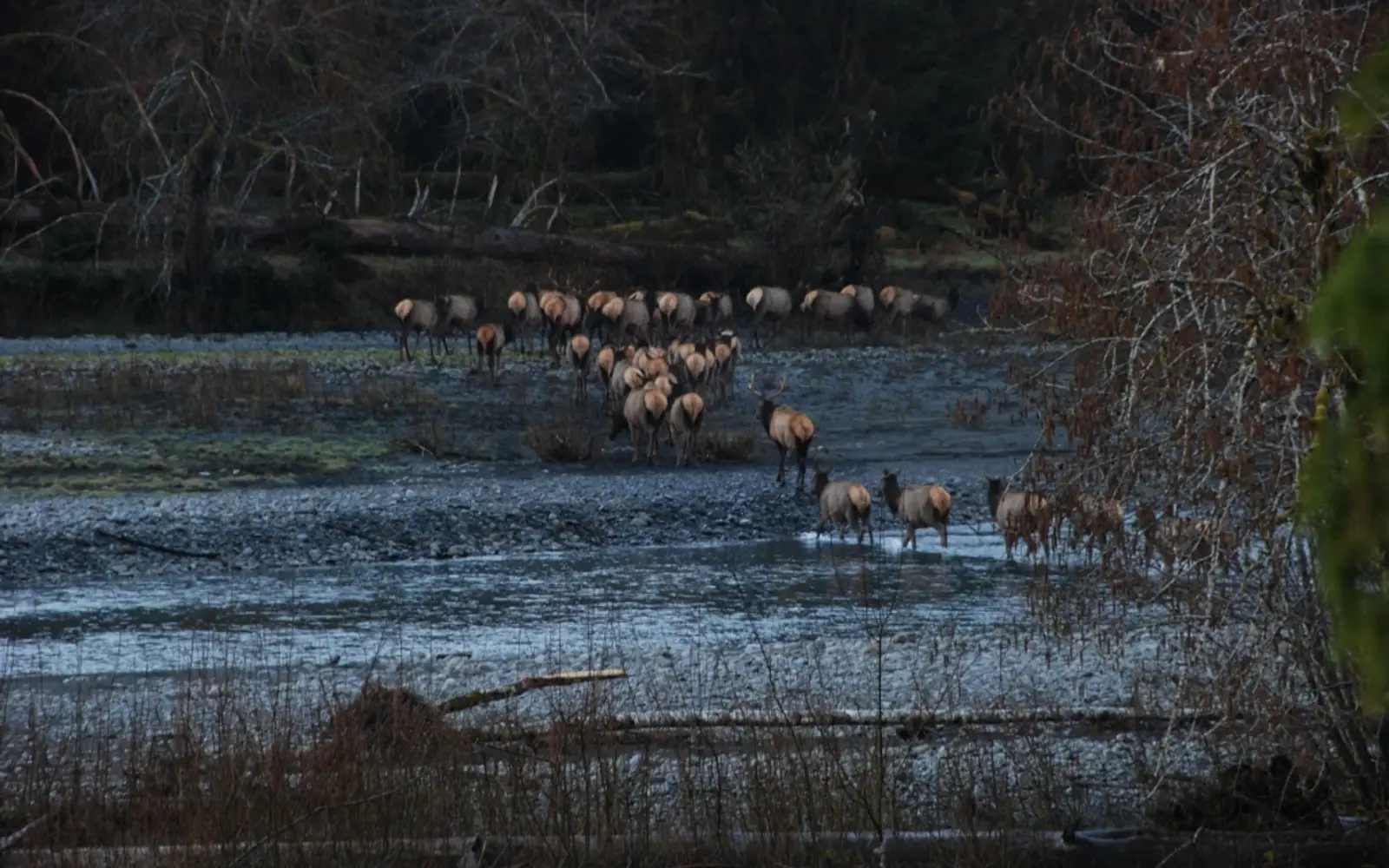
- Exceptional wildlife watching spanning shorebirds, forest species, and mountain fauna across multiple habitat types
Know before you go
Entry requires a $15 per vehicle fee. Without an interior cross-road, navigating between the coast, rainforest, and mountain zones demands significant travel time on Highway 101. Many campgrounds and roads operate seasonally. Consult current conditions before committing to a specific area. Backcountry permits are mandatory for overnight wilderness trips. Secure these permits in advance for summer visits. This park suits those prepared for extensive driving and seasonal access limitations. Casual sightseers should look elsewhere.
One more thingVisitors will discover that this park's interior is largely inaccessible by road. Highway 101 forms a perimeter around the peninsula. Given its vastness, comparable in size to Rhode Island, attempting to see everything in one trip is impractical. Focus on two or three distinct zones per visit. Account for significant drive times between these areas.