Ocmulgee Mounds National Historical Park: our verdict
Ocmulgee Mounds presents a profound archaeological experience, situated at the edge of Macon, Georgia.
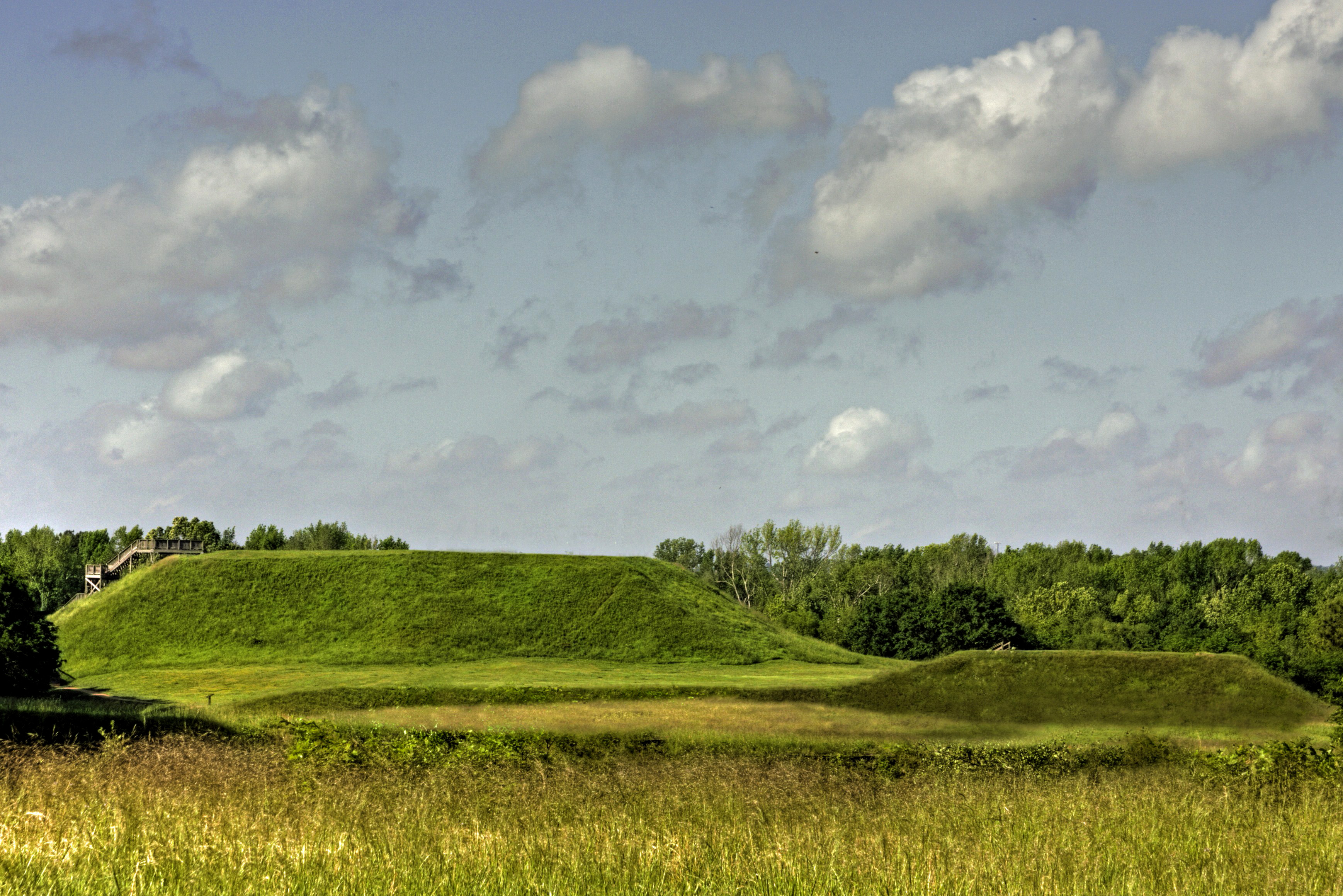
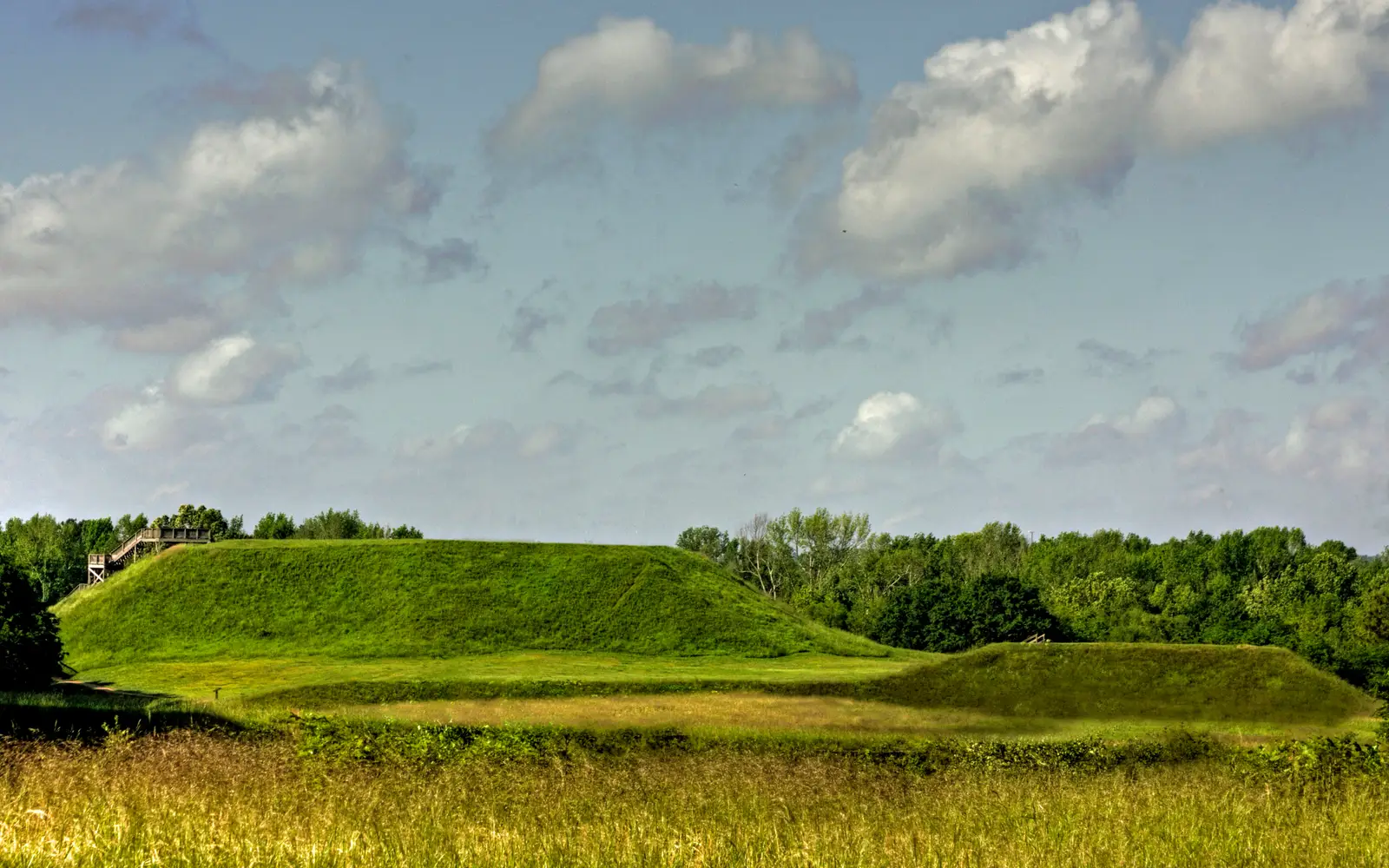
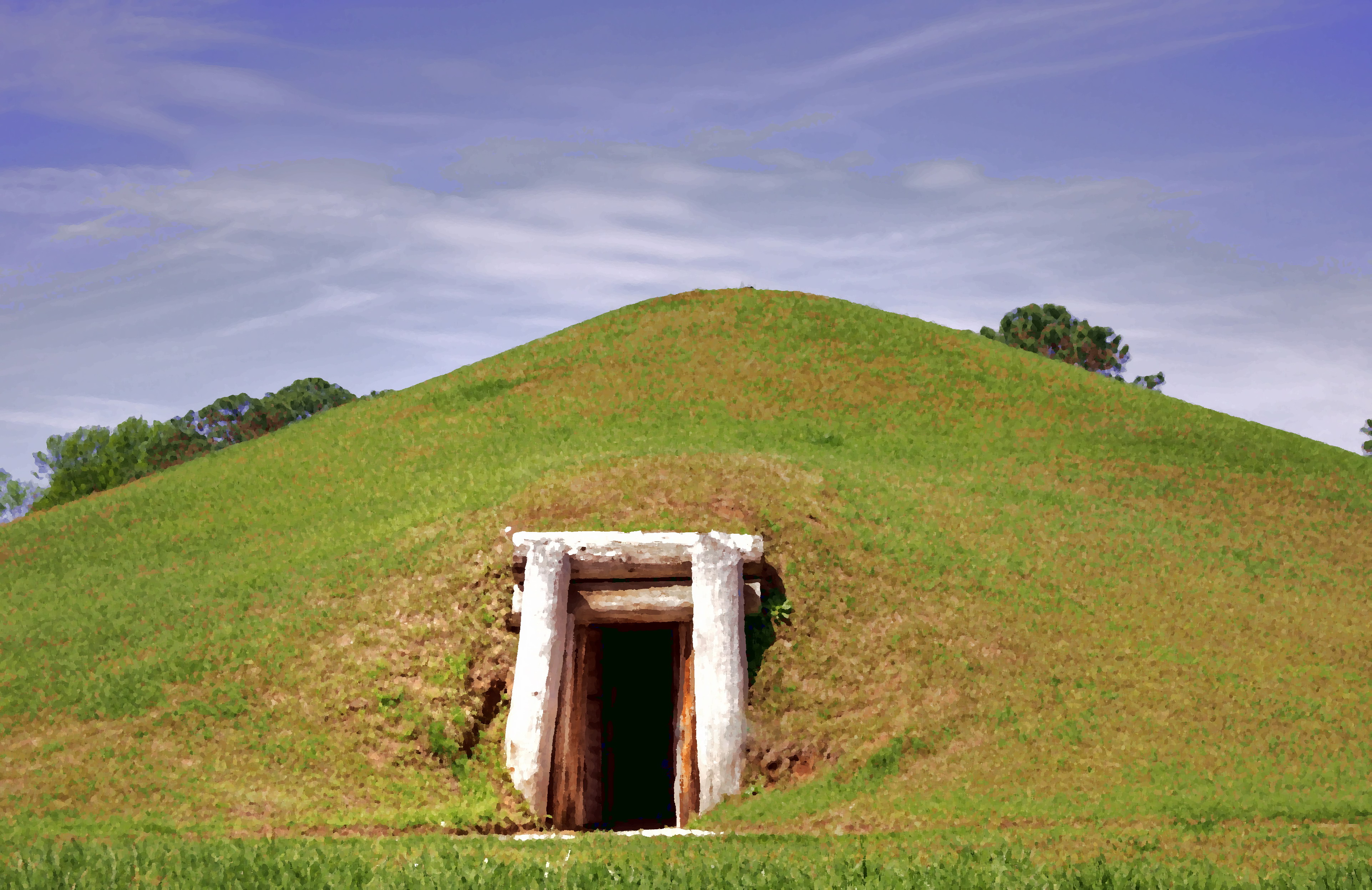
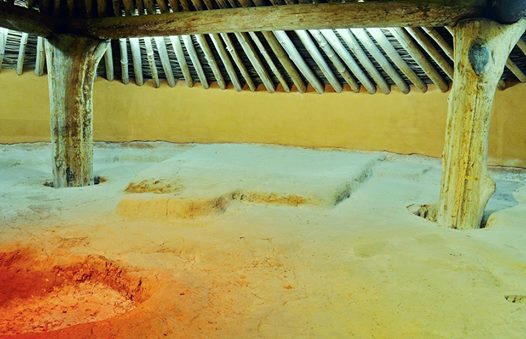
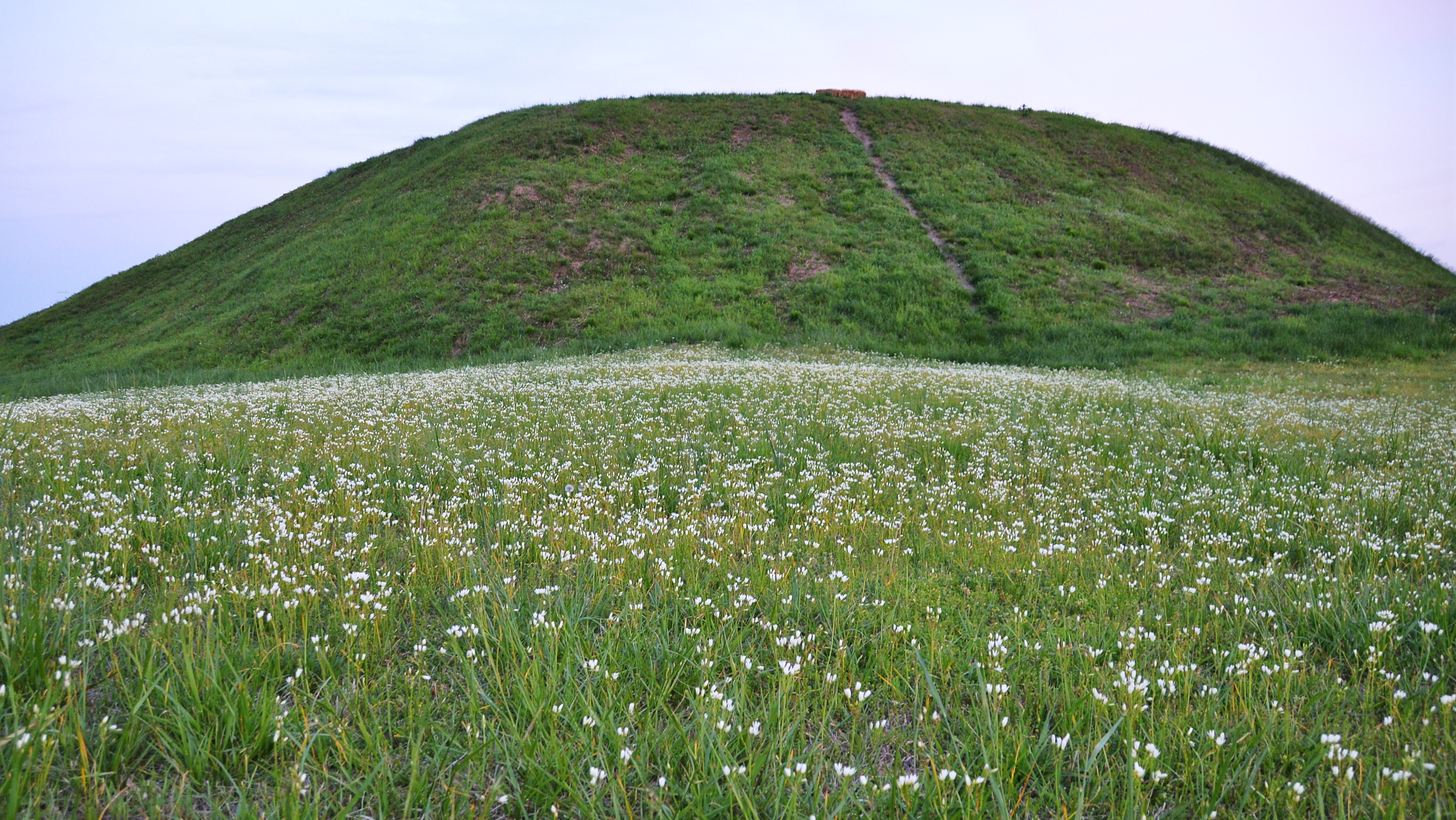
Its core attraction consists of earthen mounds, constructed around 900 CE, some dramatically rising from the terrain. These structures reflect centuries of continuous Indigenous occupation, tracing back to Paleo-Indian hunters. The reconstructed Earth Lodge presents a unique feature: its original 1,000-year-old clay floor remains intact. A substantial museum supports the visitor center. A trail network links the primary mound structures. With a 74 experience score and complimentary admission, Ocmulgee Mounds functions as an exceptional day-use site. It is not a multi-day destination. Visitors keen on history will find it deeply affecting. Those seeking only dramatic natural scenery may find the experience underwhelming. For what it offers, a free, accessible, and historically rich prehistoric site, Ocmulgee Mounds delivers significantly more than its modest profile suggests.
Why visit
A visit here properly begins at the visitor center. The orientation film and museum exhibits provide essential context for the outdoor experience. Self-guided walking trails directly connect the mounds, allowing for personal exploration. The reconstructed Earth Lodge is a must-see, its original earthen floor dating to approximately 1015 CE. Birders and wildlife enthusiasts will find the wooded trail corridors and the adjacent Ocmulgee River floodplain rewarding, especially during migration. For families, the Junior Ranger program offers an engaging activity for children. Biking is permitted on park roads and trails, providing a low-effort way to experience more of the site. Guided tours offer deeper interpretation than the available signage.
Who it suits
This park suits history enthusiasts, archaeology buffs, families with curious kids, and birders. It rewards visitors who arrive with even basic context regarding Mississippian cultures. For those primarily seeking dramatic landscapes or strenuous multi-day hiking, this is not the destination. Day-trippers passing through Macon should certainly consider a stop, especially given the free entry.
Timing your visit
Optimal visitation aligns with the autumn months, from October into November, when cooler temperatures prevail and fall foliage peaks. Early spring in April also offers comfortable conditions before the onset of summer humidity, though March and April present a higher likelihood of substantial rainfall. Those sensitive to heat should bypass July and August, as this period consistently delivers high temperatures in the upper 80s and 90s, compounded by significant humidity. Winter provides a mild climate and fewer visitors.
What stands out
- The Earth Lodge, featuring an original clay ceremonial floor dating to approximately 1015 CE
- Multiple Mississippian-era earthen mounds, including a large platform mound with sweeping views of the surrounding landscape
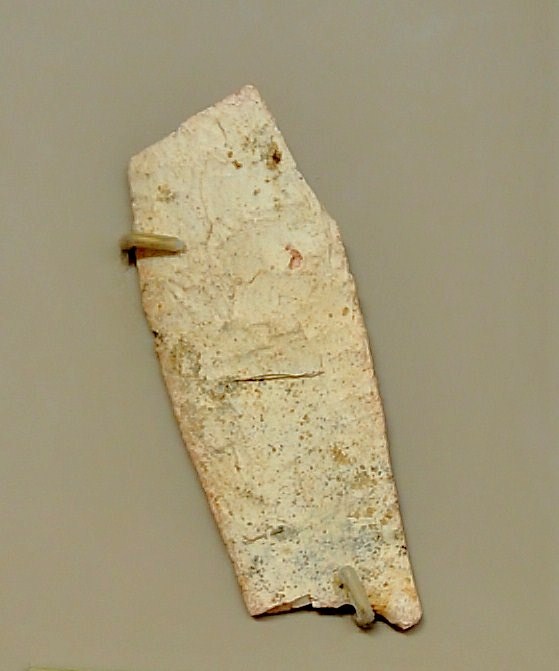
- Museum exhibits tracing human occupation from Paleo-Indian hunters through the Mississippian period
- Birdwatching along wooded trails near the Ocmulgee River floodplain, especially strong during spring and fall migration
- Free admission with a well-maintained trail network suitable for casual walkers and families
- Junior Ranger program that gives kids a structured, hands-on framework for engaging with the site's history
Good to know
Entry is free, an easy addition to any Macon itinerary. Grounds open at 8 am. The visitor center and Earth Lodge open at 9 am. Prioritize a post-9 am arrival if interior structures are the goal. The site is conveniently located just off US-80 near downtown Macon. Parking is available at the visitor center.
Insider tipThis park presents a compelling draw for those invested in immersion. The casual visitor, unfortunately, often misses the essence of the experience. While the platform mound delivers an unobstructed view, the majority of visitors remain near the visitor center and Earth