Is Obed Wild & Scenic River worth it?
Obed Wild and Scenic River offers a rugged, unmanicured experience within Tennessee's Cumberland Plateau.
This corridor is defined by its sandstone walls, providing legitimate rock climbing. Whitewater paddling conditions vary dramatically with rainfall, making river access dynamic. Freshwater fishing is a consistent draw. Dark skies also allow for stargazing. Entry is free, with daily access. The unit rewards visitors who arrive with gear and a plan. Casual sightseers seeking paved overlooks or gift shops may be underwhelmed. Obed suits climbers, paddlers, anglers, and those desiring an uncrowded river corridor that retains a wild character.
The case for it
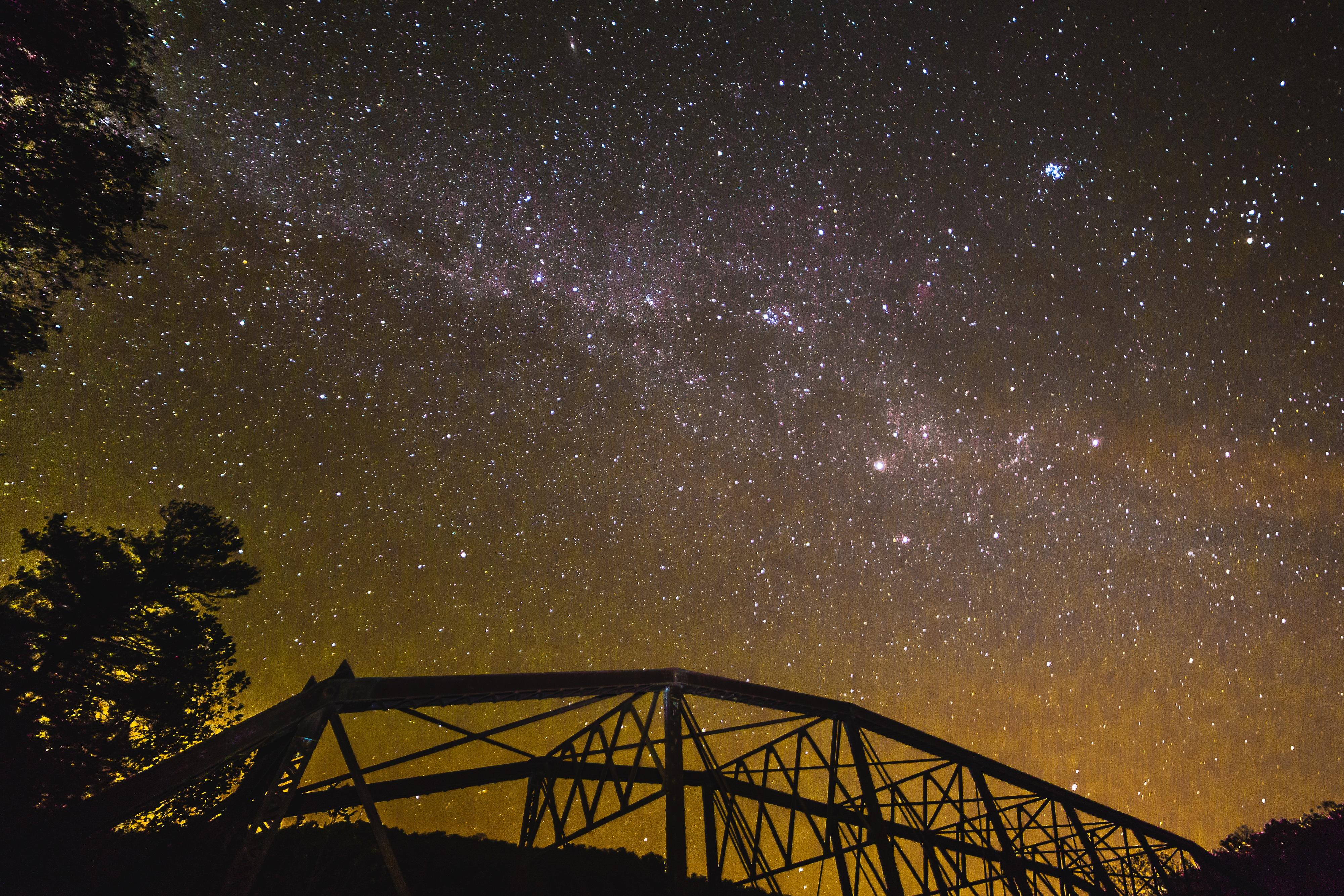
Obed excels as a river-centric destination. Its sandstone gorge walls attract a dedicated regional climbing community. Paddlers can navigate the Obed and its tributaries, water levels permitting, with canoe and kayak camping providing a practical overnight option. Hikers explore the rim and descend into the gorge. The river offers a remote feel despite its central Tennessee location. Anglers find smallmouth bass in the clear streams. Low light pollution on the Cumberland Plateau enhances the Junior Ranger astronomy program. Birdwatching along the riparian corridor is productive. The convergence of water, forest, and cliff habitats concentrates wildlife throughout the year. For dedicated outdoor enthusiasts, Obed delivers. Casual sightseers should look elsewhere.
Who it is for
Rock climbers, whitewater paddlers, and anglers will find this destination particularly rewarding. Families with active children capable of navigating uneven terrain will discover genuine adventure, especially when utilizing the Junior Ranger program. Casual visitors seeking quick scenic stops or accessible overlooks may find the experience underwhelming. For flat, easy trails and developed amenities, this is not the place.
Best time to visit
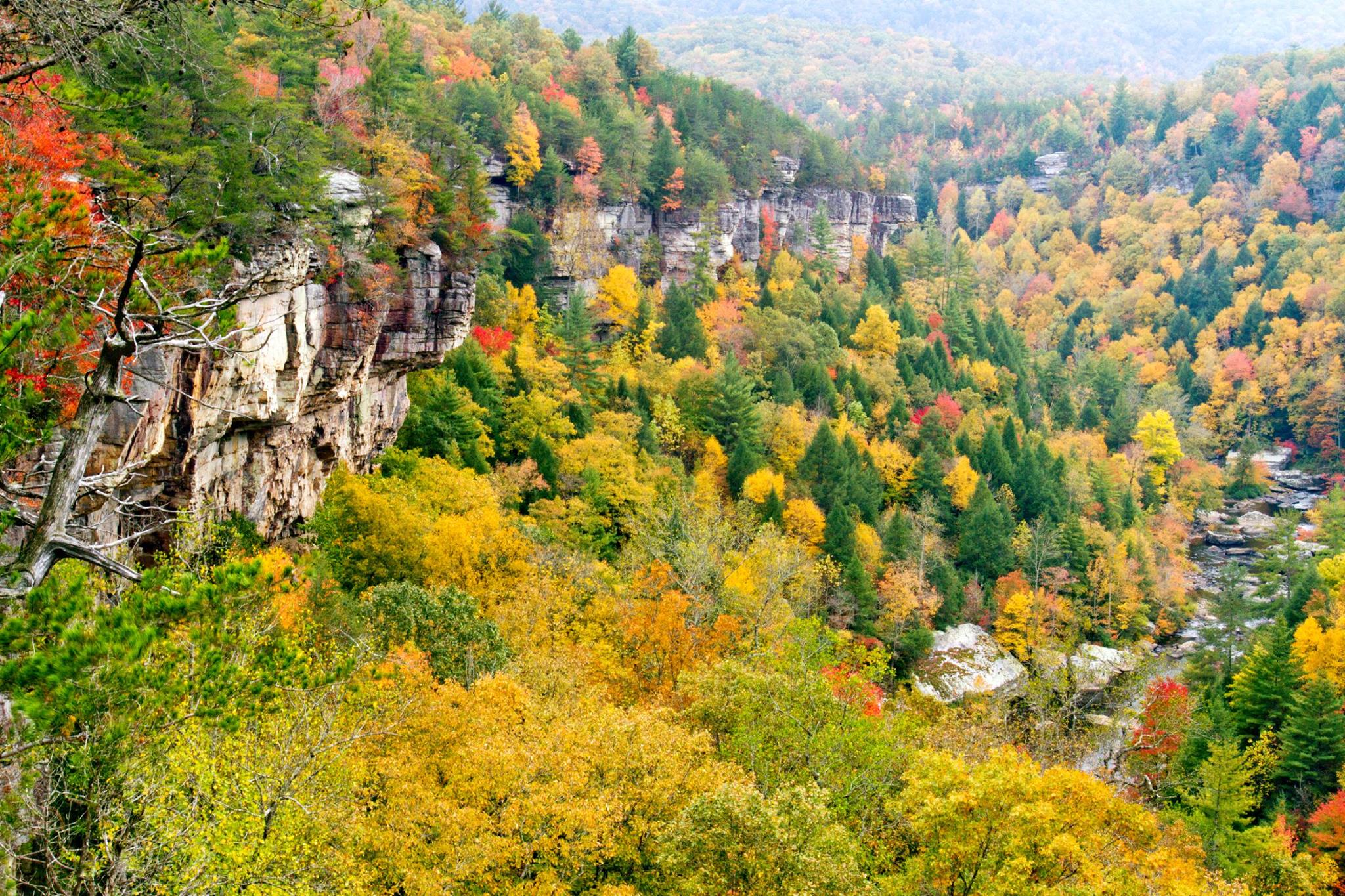
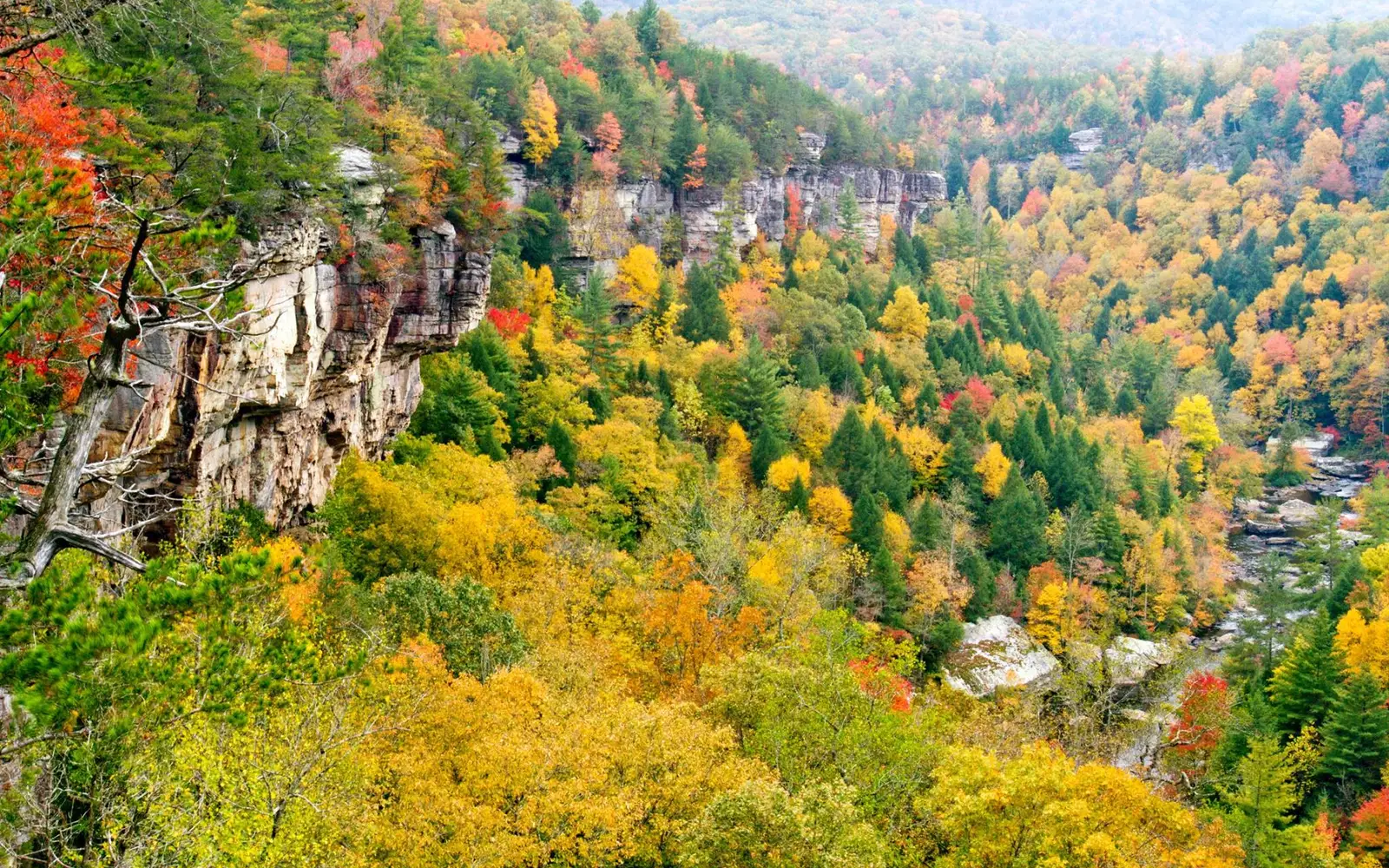
Fall is the sweet spot: cooler temperatures, lower humidity than summer, and foliage color along the gorge walls. Spring brings the most rain, which raises river levels for paddling but can make climbing conditions poor and trails slick. Summer is doable but hot and humid, sometimes above 90 degrees. Winter offers solitude and good climbing days when temperatures cooperate, but freezing nights demand proper gear.
Worth seeing
- Sandstone gorge rock climbing on walls above a genuinely wild river corridor
- Whitewater paddling and multi-day canoe or kayak camping when flows are right
- Freshwater fishing for smallmouth bass in clear Cumberland Plateau streams
- Stargazing and astronomy programming under low-light-pollution skies
- Birdwatching and wildlife watching along diverse riparian and cliff habitats
- Free, open-daily access with a self-directed, uncrowded backcountry feel
Before you visit
This park requires self-sufficiency. Open daily with free admission, services remain minimal. Paddling conditions fluctuate directly with rainfall; consult river gauge levels before any float trip. The Cumberland Plateau's weather proves consistently unpredictable across all seasons. Pack layers and rain gear, irrespective of forecast.
Our tipFor optimal paddling, plan a visit directly after substantial spring rainfall. This elevates water levels to their prime. Always contact the visitor station first; this ideal window is often brief and fluctuates rapidly.