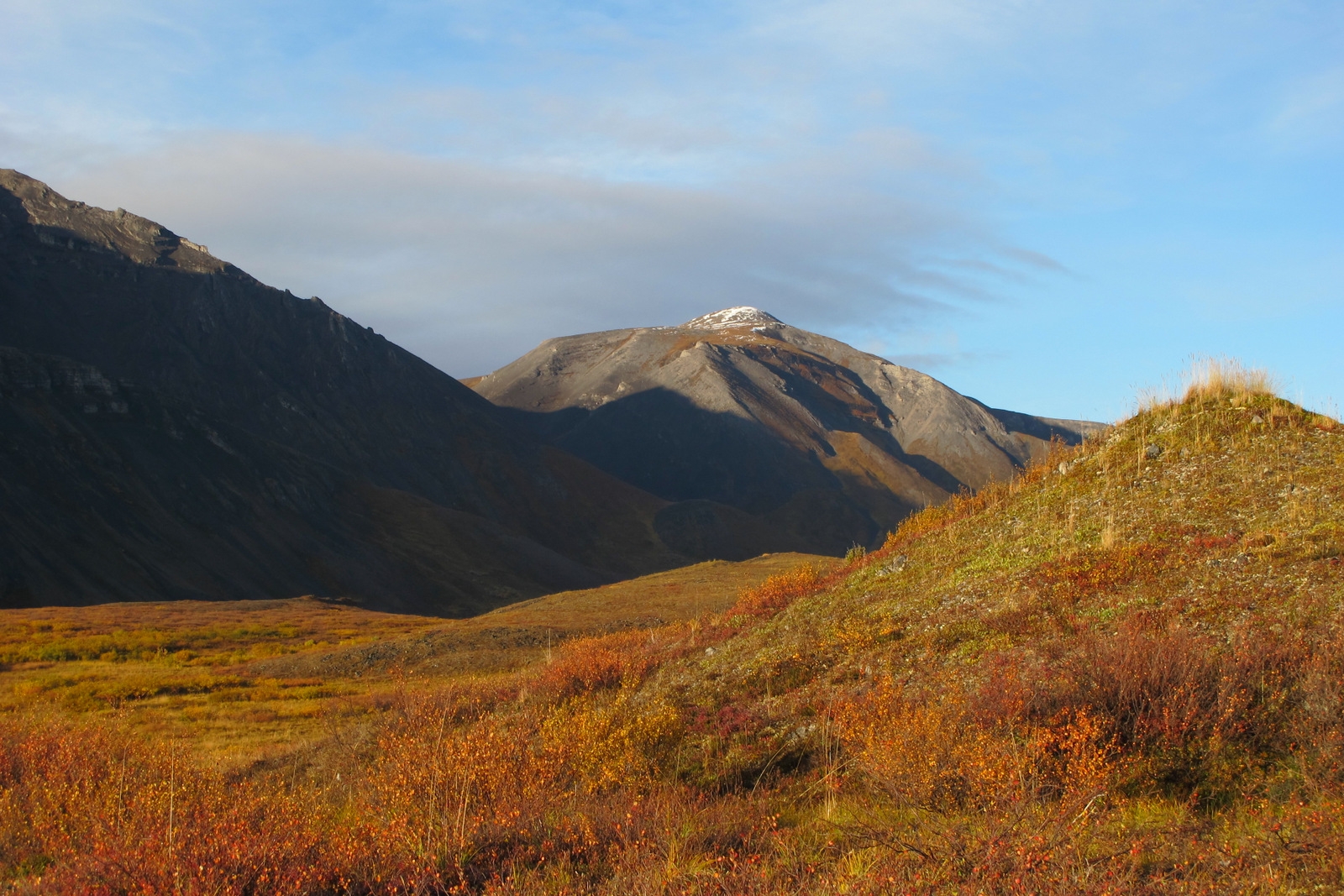
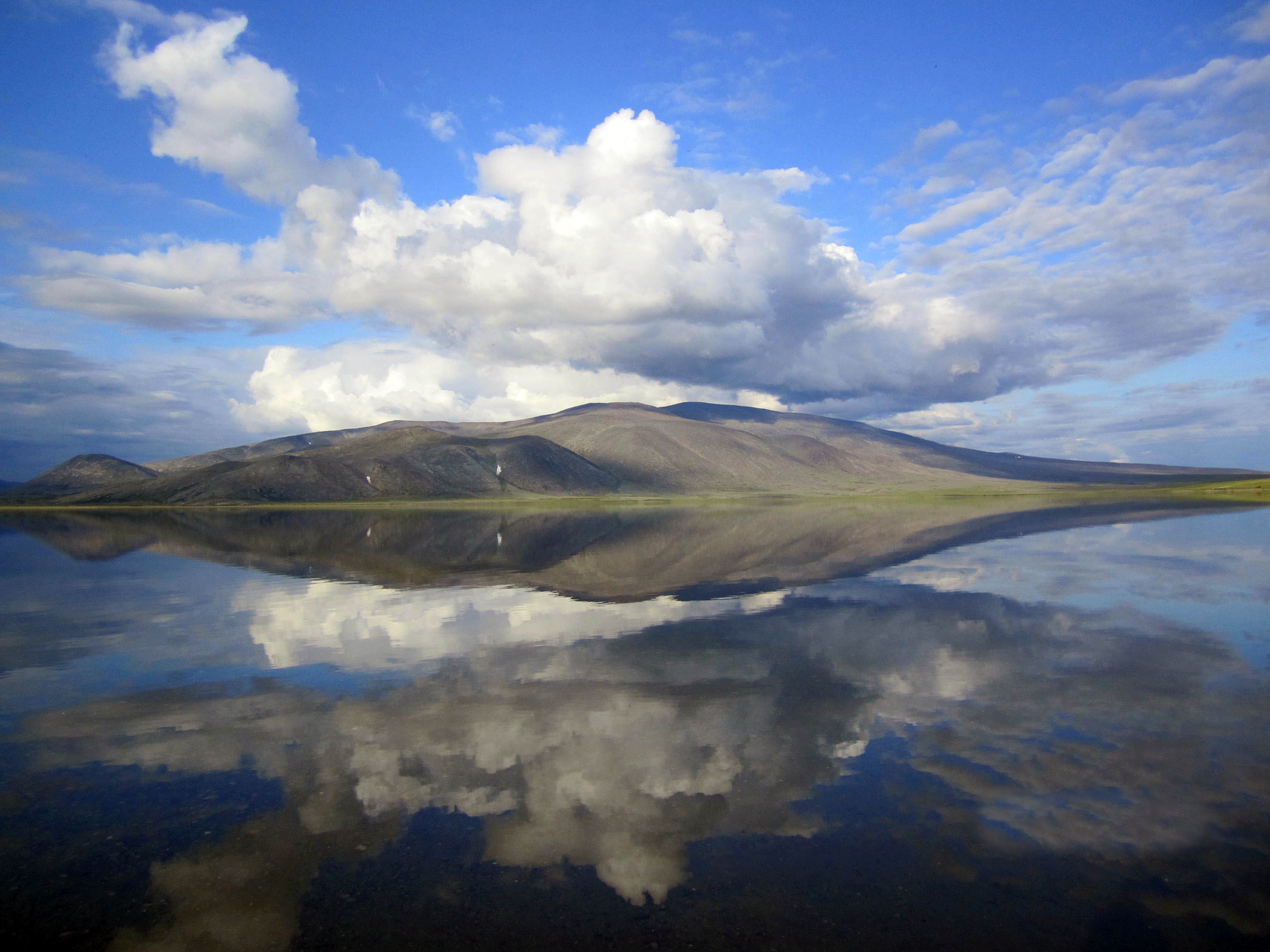
Is Noatak National Preserve worth it?
Noatak National Preserve stands as a consequential wilderness destination.
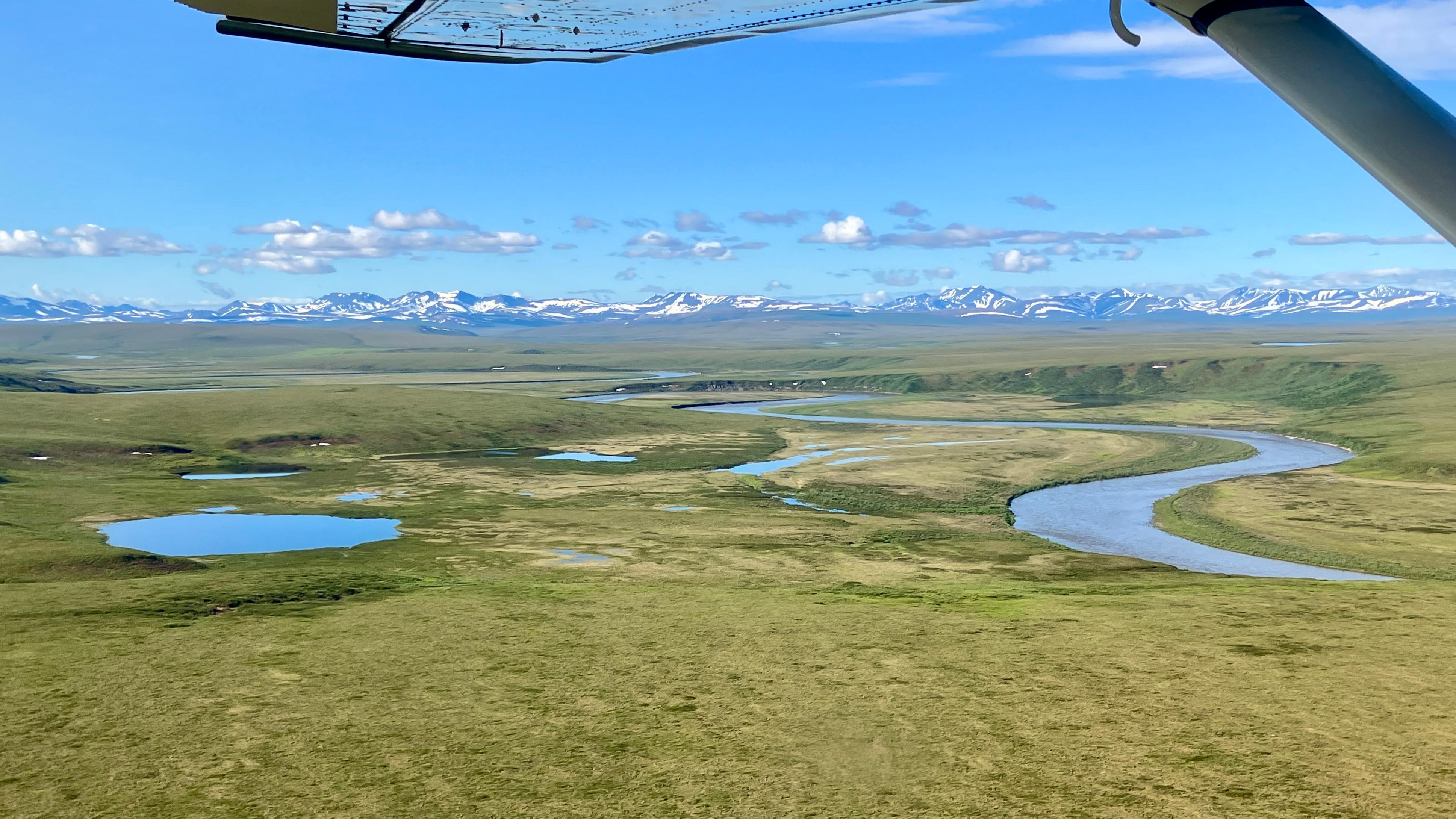
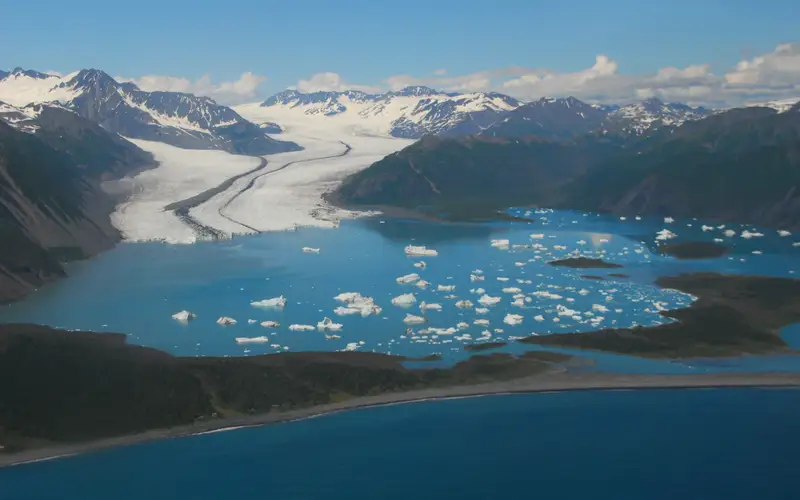
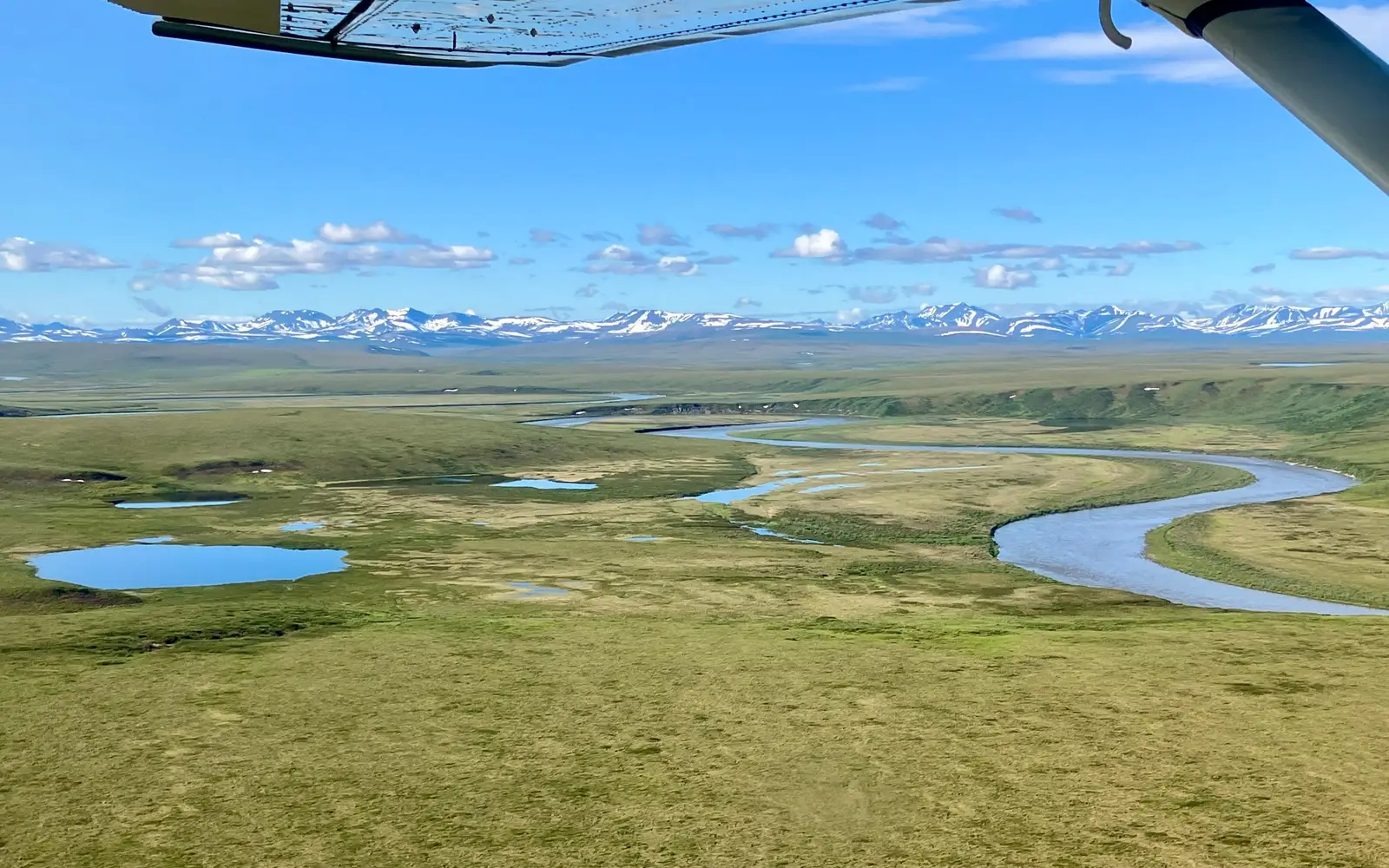
Centered on the Noatak River, a designated Wild and Scenic waterway flowing from the Brooks Range to the Chukchi Sea, this unit offers an intact Arctic ecosystem on a rare continental scale. The experience here is not a day hike; it demands multi-day or multi-week backcountry immersion. Access is by small plane. Visitors float or hike through country largely untouched by human presence, encountering wildlife on its own terms. Entry is free. However, the expense and preparation required are significant. This preserve suits those for whom wilderness travel is a serious pursuit, not a casual backdrop.
The case for it
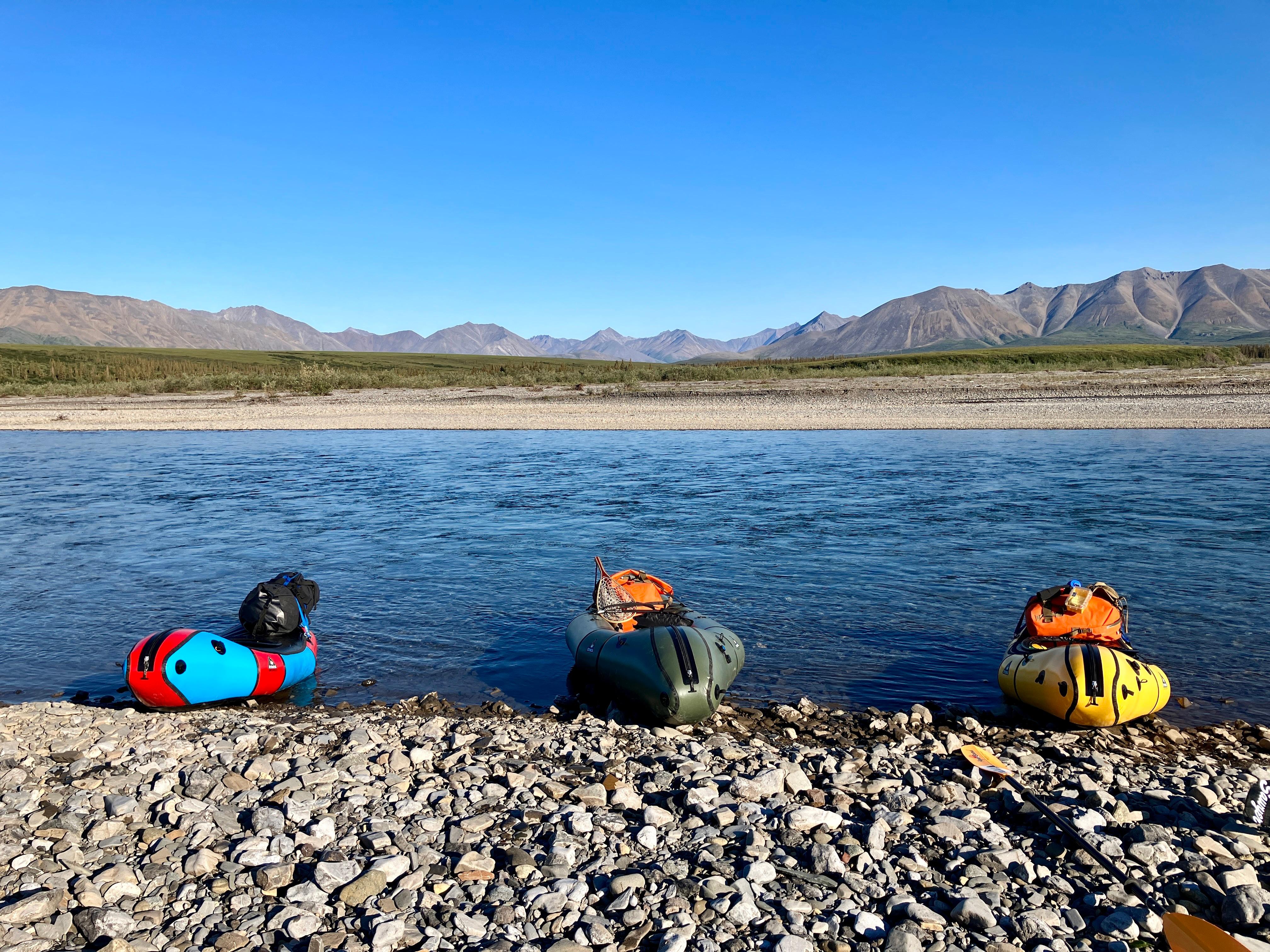
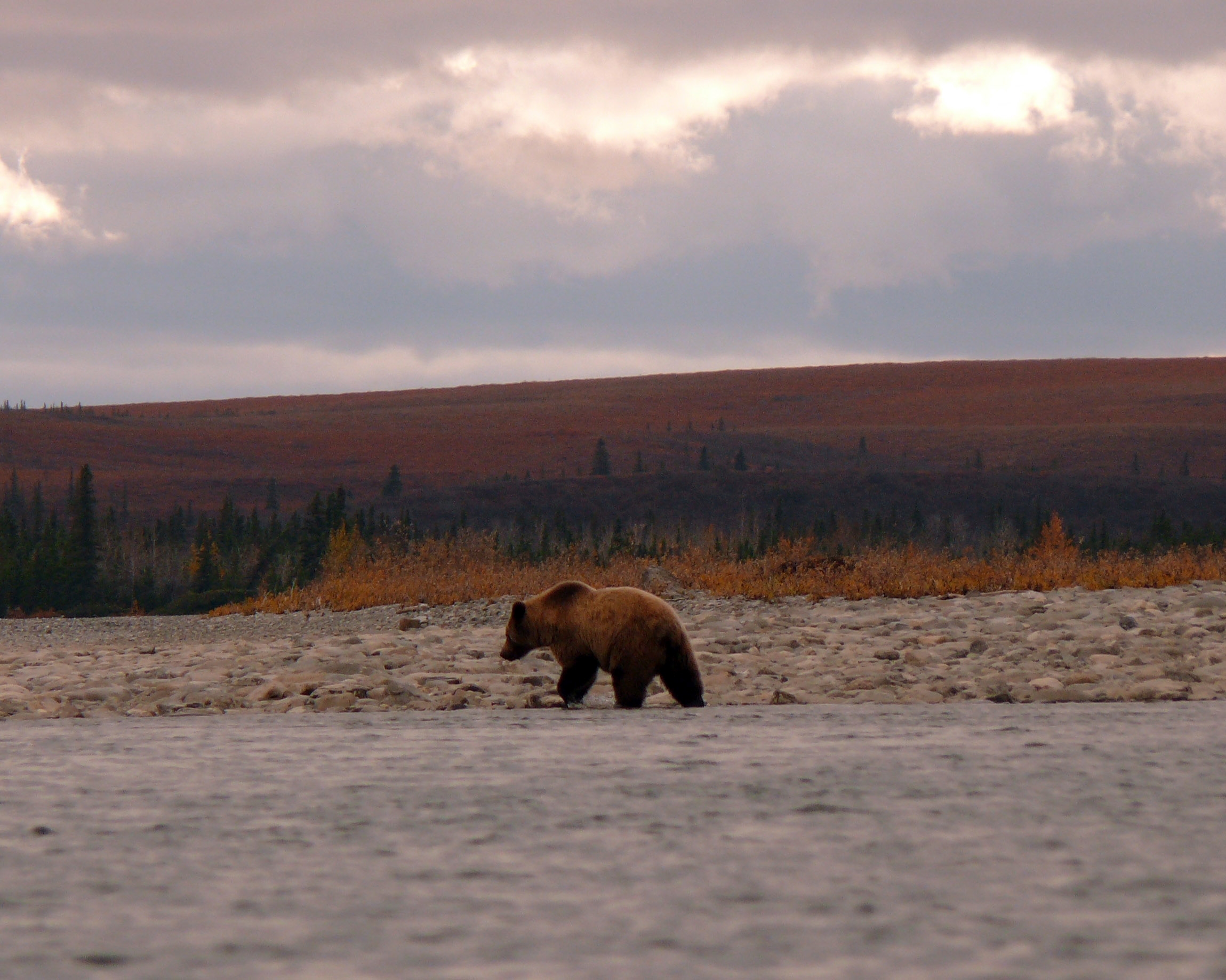
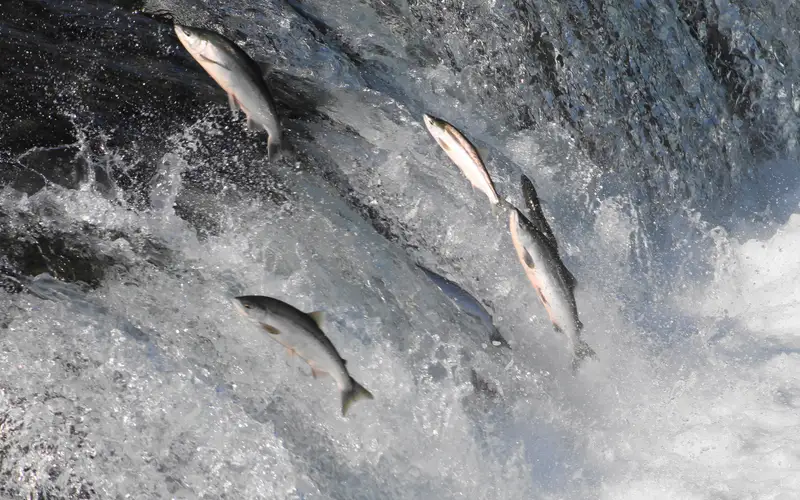
Noatak National Preserve is defined by its river. Paddlers and canoeists can undertake multi-day float trips through a mountain-ringed basin, experiencing an essentially unaltered ecosystem. For anglers, the preserve offers freshwater fishing in remote waters with minimal pressure. It is also one of the few National Park System units permitting both subsistence and sport hunting. Wildlife watchers will find legitimate opportunities to observe Arctic fauna in its natural context. Backcountry hikers can explore terrain demanding significant navigation skills and self-sufficiency. Fixed-wing access makes the preserve reachable. For families and younger visitors, the Junior Ranger program and museum exhibits in gateway communities provide a meaningful entry point. This preserve rewards those seeking deep immersion in a vast, wild landscape. Casual sightseers should look elsewhere.
Who it is for
This preserve caters to serious backcountry enthusiasts. Experienced paddlers, hunters, anglers, and wilderness hikers comfortable with remote Arctic conditions will find their niche here. Multi-day river floats are a primary draw. Fly-in logistics are essential. Families with older, capable children can navigate the challenges. Casual visitors expecting developed trails or facilities will be disappointed. Those without cold-weather and navigation expertise should seek other destinations.
Best time to visit
Summer provides the most accessible conditions, with longer daylight and ice-free water for paddling and fishing. Spring and fall offer dramatic light and wildlife viewing opportunities. However, these seasons also bring more severe weather and freezing temperatures. Snow, rain, and cold can occur in any month. Full cold-weather and rain gear remain essential year-round.
Worth seeing
- Multi-day canoe and paddling trips down the Noatak Wild and Scenic River corridor
- Backcountry camping in one of North America's largest intact Arctic mountain-basin ecosystems
- Freshwater fishing in remote, lightly pressured waters
- Legal hunting and gathering within the preserve, a rare distinction in the NPS system
- Wildlife watching in an undisturbed Arctic landscape
- Fly-in access by fixed-wing aircraft, itself a defining part of the Alaska wilderness experience
Before you visit
Noatak National Preserve offers a true wilderness experience. The lack of roads, maintained trails, and developed facilities means self-sufficiency is not optional. Access requires a chartered small-plane flight from gateway communities like Kotzebue, adding significant cost. Prepare for remote conditions: a trip plan and satellite communication are essential. Pack for hypothermia, regardless of the forecast. This preserve is for experienced, well-equipped adventurers.
Our tipContacting the NPS office in Kotzebue is essential. Staff provide current river conditions and assist in calibrating float timelines. The Noatak's length means travel pace varies significantly with seasonal water levels. This pre-trip consultation is vital for planning.