Is New River Gorge National Park & Preserve worth it?
New River Gorge stands as a premier destination among national park units.
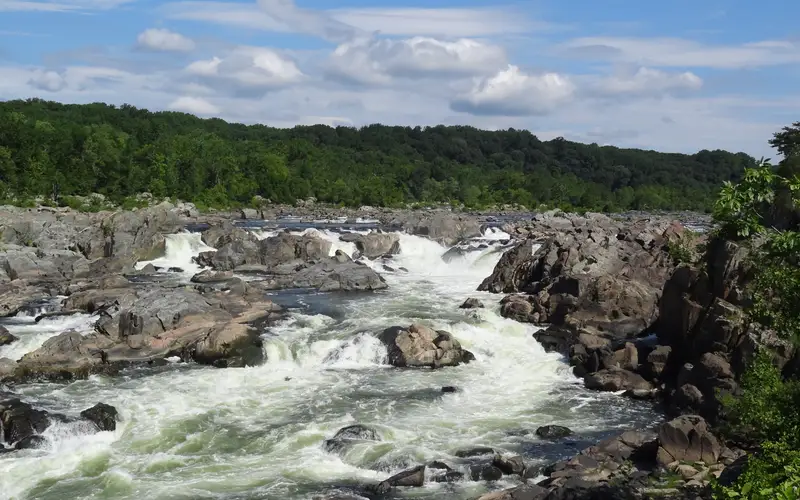
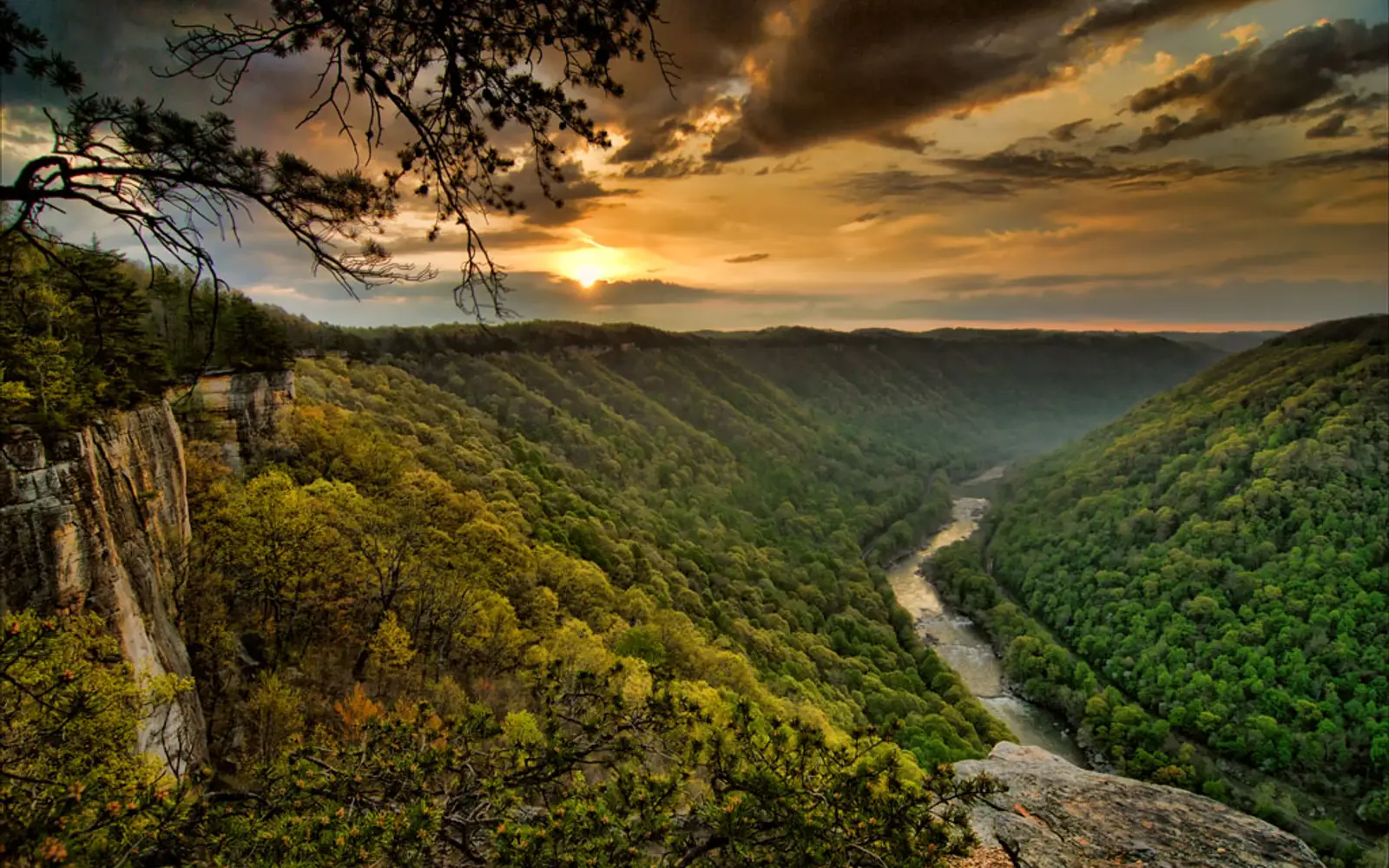
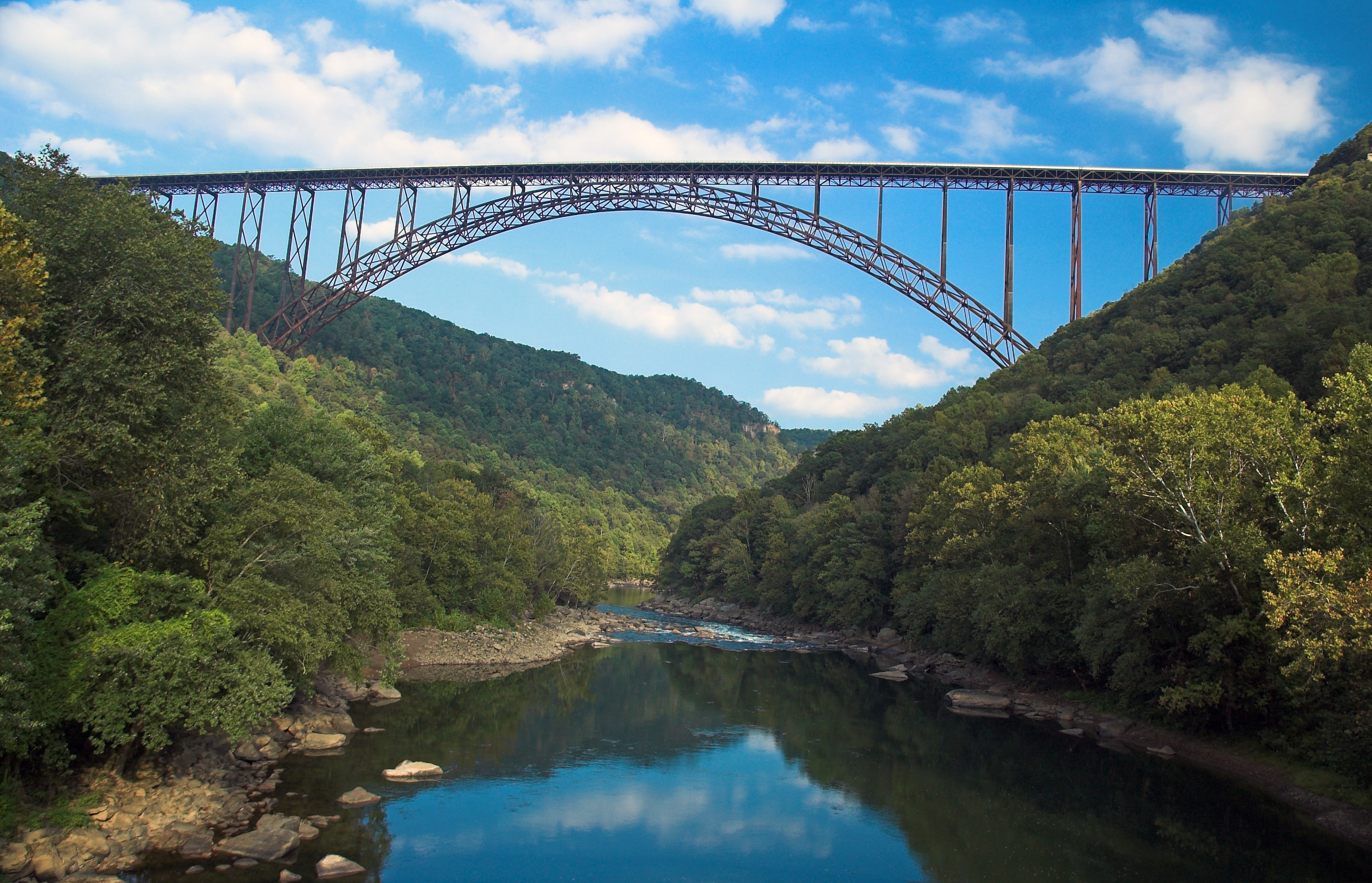
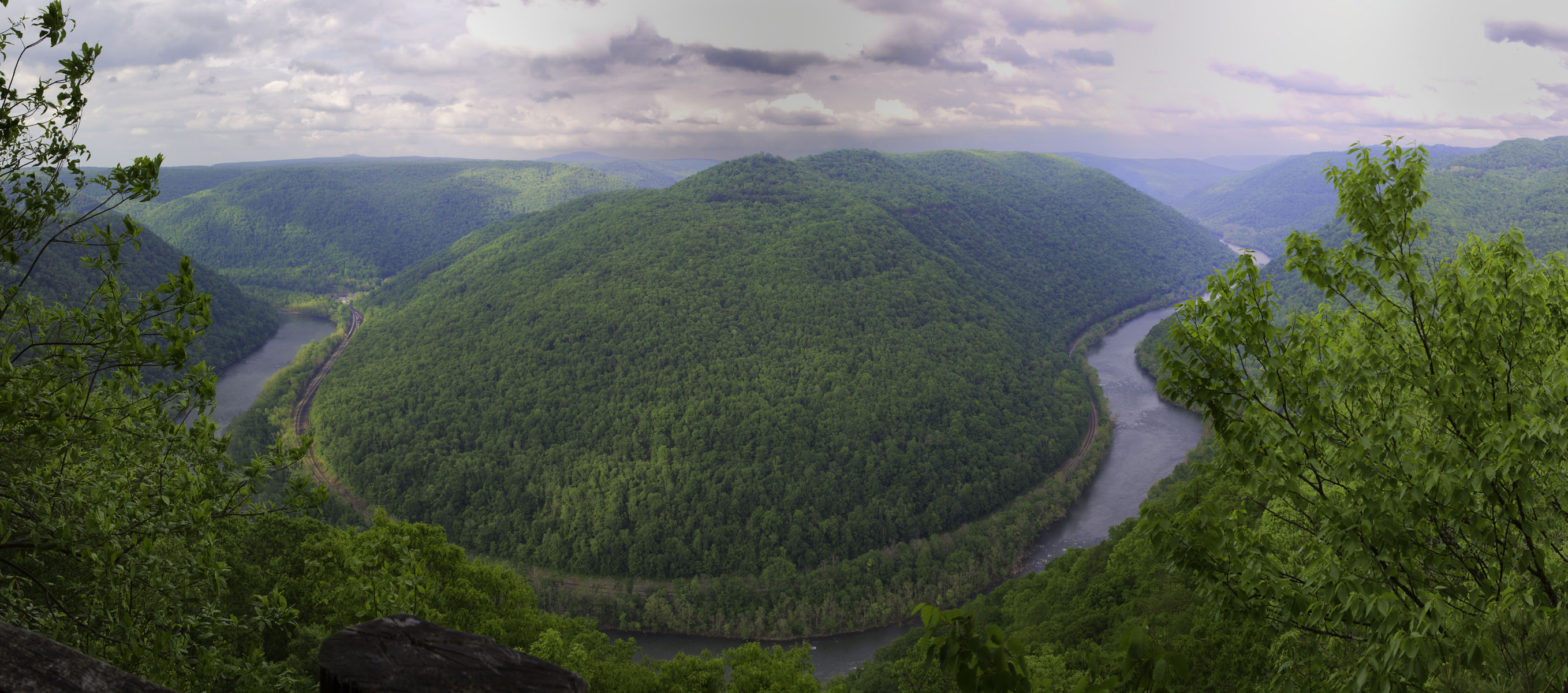
This West Virginia gem, carved by one of the continent's most ancient rivers, offers a true wilderness experience. The park encompasses over 70,000 acres. Its breadth of activities is notable: Class V whitewater rafting, sandstone rock climbing, and ridgeline stargazing are all on offer within a single day. This is not a single-attraction park. Free entry and 24-hour access facilitate extended backcountry camping and early paddling. For diverse outdoor recreation in the eastern United States, New River Gorge presents an unparalleled option.
The case for it
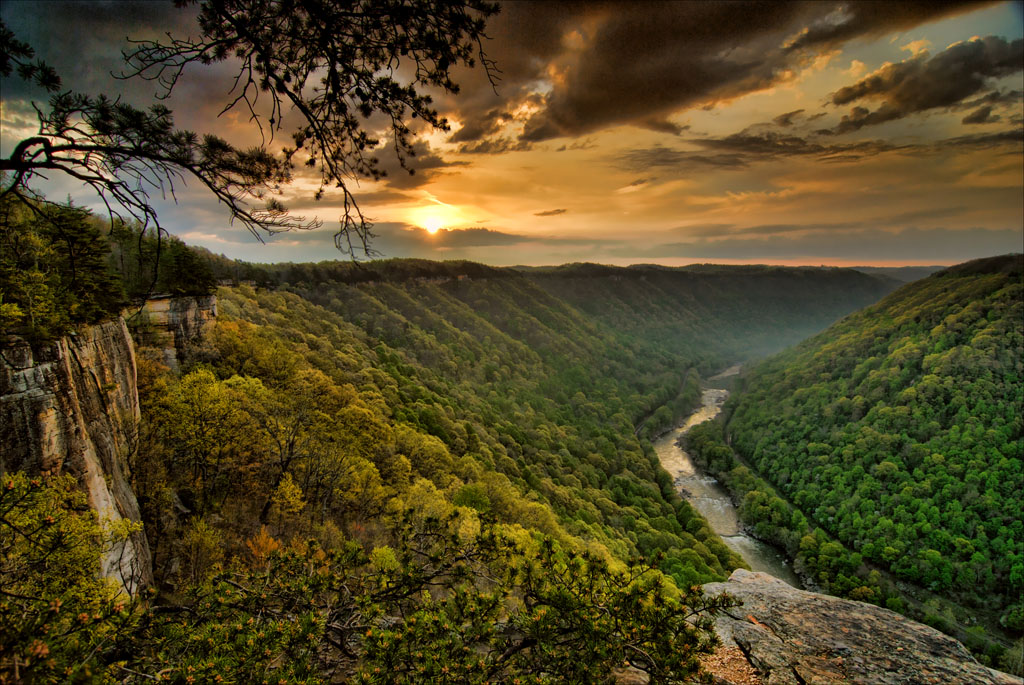
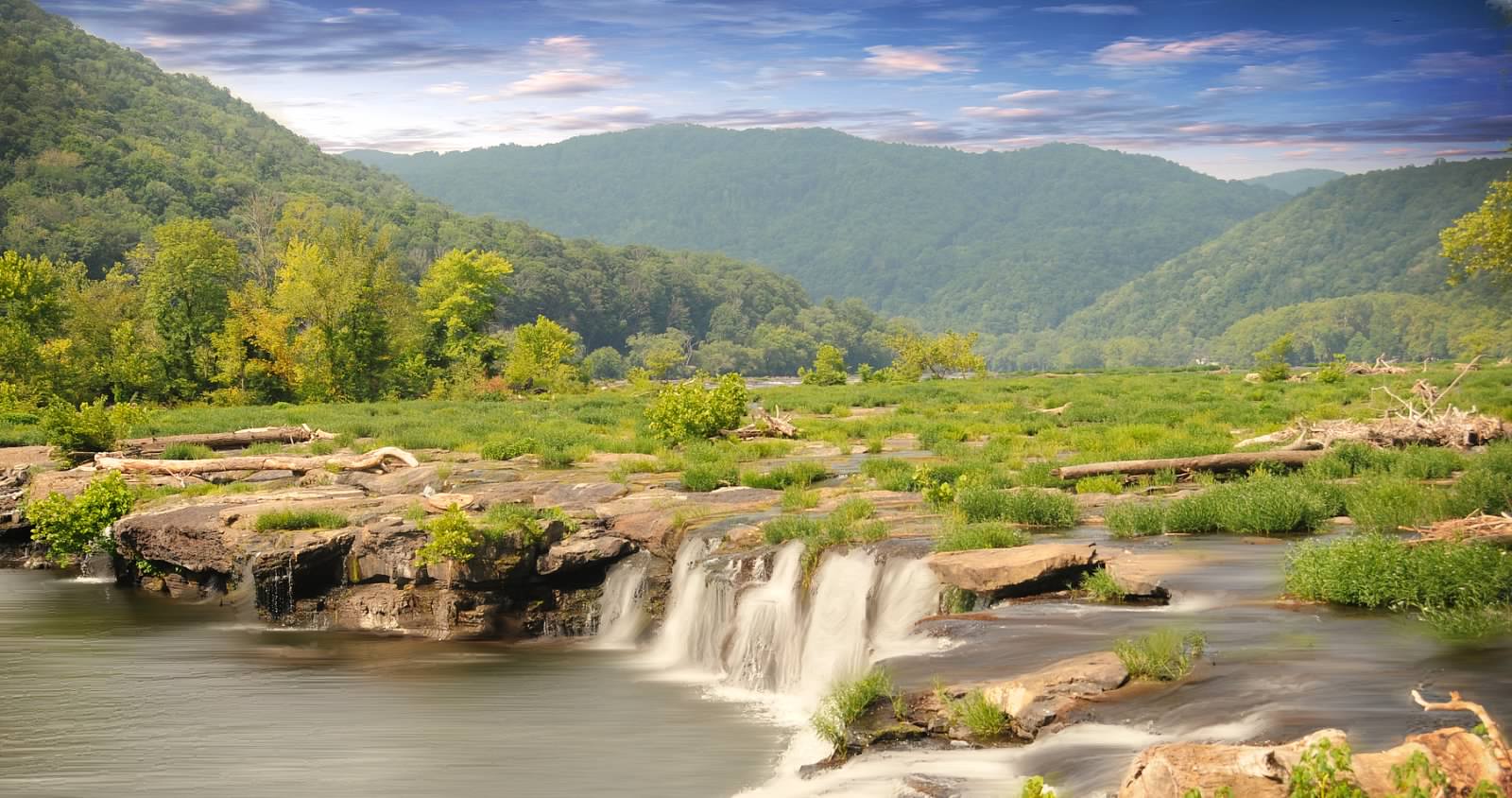
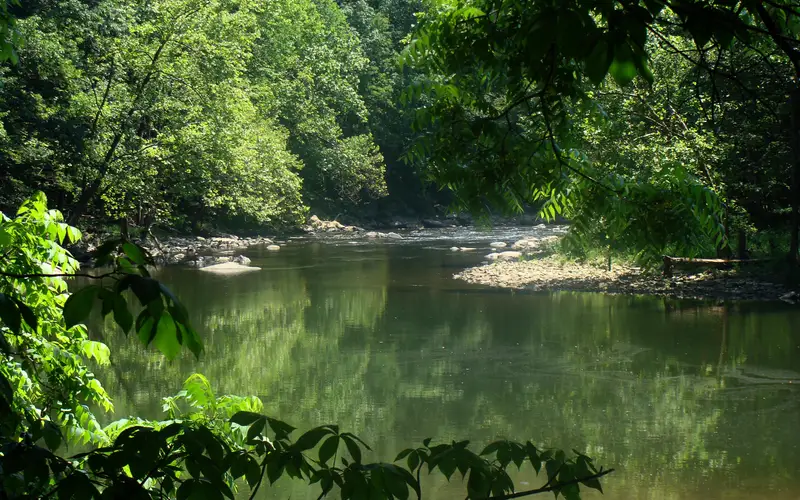
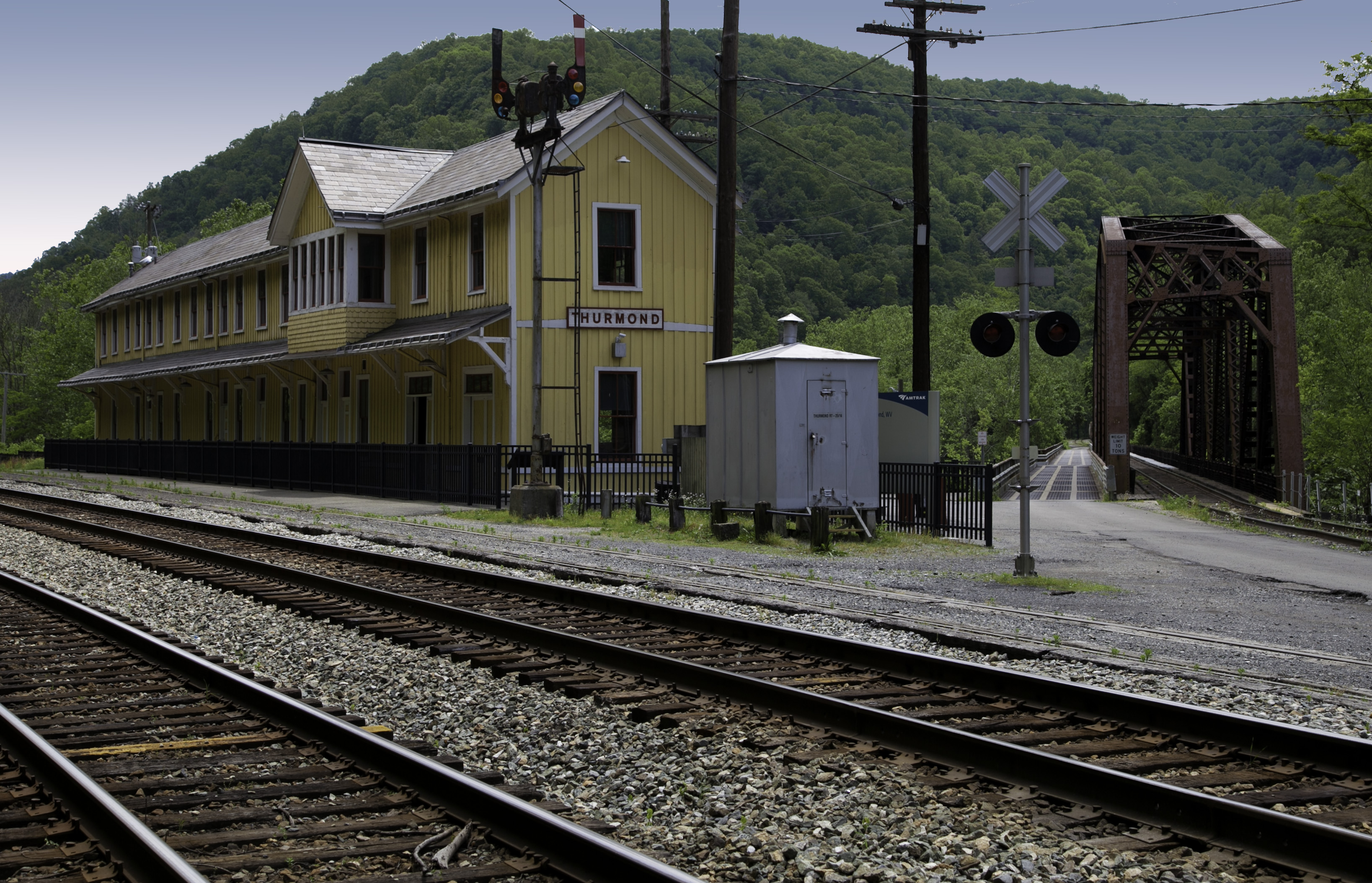
New River Gorge offers a compelling array of activities for the active visitor. Begin at the Canyon Rim Visitor Center; a ranger tour or park film provides essential orientation to the gorge's industrial and geological past. Front-country trails deliver immediate access to gorge overlook views. The New River itself presents world-class whitewater for paddlers and rafters. Documented rock climbing routes ascend the distinctive sandstone walls. Mountain bikers will find dedicated terrain. Anglers can fly fish the New River for smallmouth bass. Birders and wildlife watchers benefit from a dense Appalachian forest canopy. Furthermore, cultural and theater programming provides a unique dimension absent in many adventure parks. Overnight camping offers legitimate stargazing opportunities in a low-light-pollution environment. This park caters to those seeking diverse outdoor engagement and a rich historical context.
Who it is for
This destination offers broad appeal for outdoor enthusiasts, making it suitable for groups with diverse interests. Whitewater paddlers, rock climbers, mountain bikers, and backcountry hikers will find significant rewards. The area also holds appeal for those seeking a blend of historical and cultural exploration with active recreation. Visitors anticipating a highly developed, resort style park or exclusively interpretive sites should adjust expectations accordingly.
Best time to visit
Prime visitation runs from late spring through early fall. May and June present moderate temperatures and favorable river levels. July peaks as the warmest and wettest month; afternoon thunderstorms are a consistent planning factor. Appalachian fall foliage is spectacular and draws crowds. Winter offers quiet accessibility for hardy hikers, though whitewater and climbing conditions fluctuate.
Worth seeing
- Whitewater rafting on one of the East Coast's premier wild rivers, with rapids ranging from accessible to genuinely challenging
- Rock climbing on New River Gorge sandstone, a destination recognized by climbers well beyond West Virginia
- Mountain biking and road biking on documented park terrain within a dramatic gorge landscape
- Backcountry camping and overnight paddling trips that put serious wilderness within reach of the eastern population center
- Stargazing in a low-light-pollution Appalachian gorge environment documented as a park activity
- Cultural programming, museum exhibits, and park film at Canyon Rim that ground the recreational experience in the gorge's deep industrial and natural history
Before you visit
Entrance is free. This removes a planning hurdle. The park remains open around the clock, though visitor centers maintain 9 to 5 hours and close on major holidays. Appalachian weather changes quickly. Pack layers and rain gear, regardless of season or forecast.
Our tipSummer weekend whitewater rafting trips require advance booking with a guided outfitter. The gorge's reputation drives significant demand. Outfitters operating within the park offer critical knowledge of put-in points and rapid sequences, invaluable for first-time rafters.