Bluestone National Scenic River: our verdict
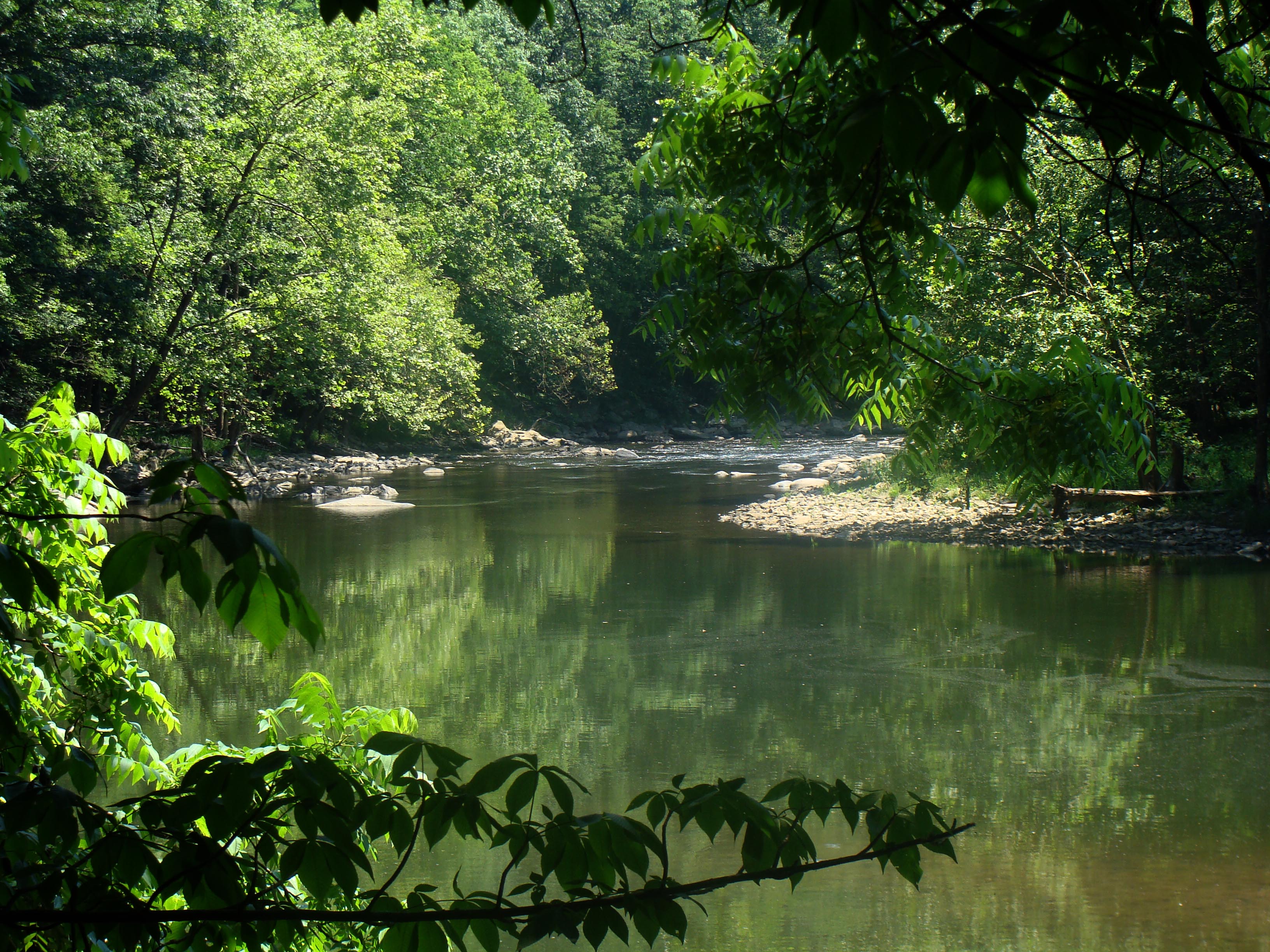
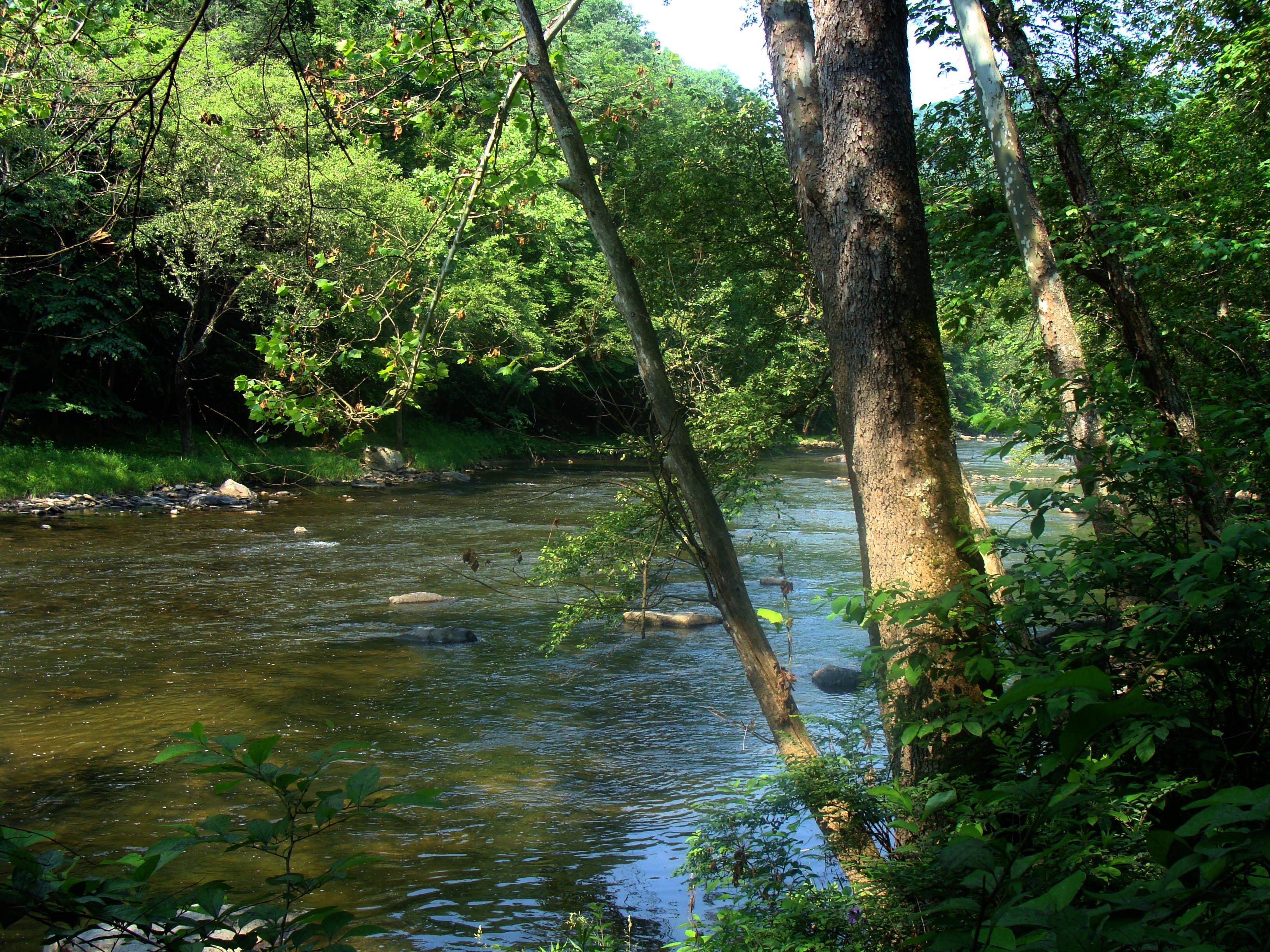
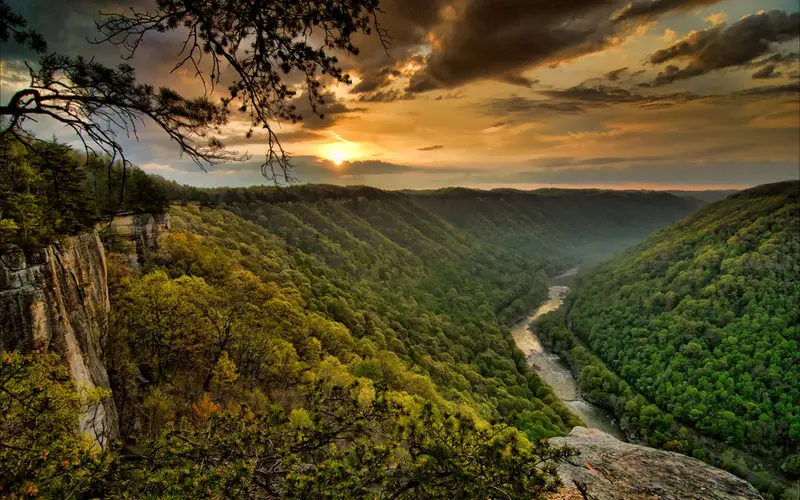
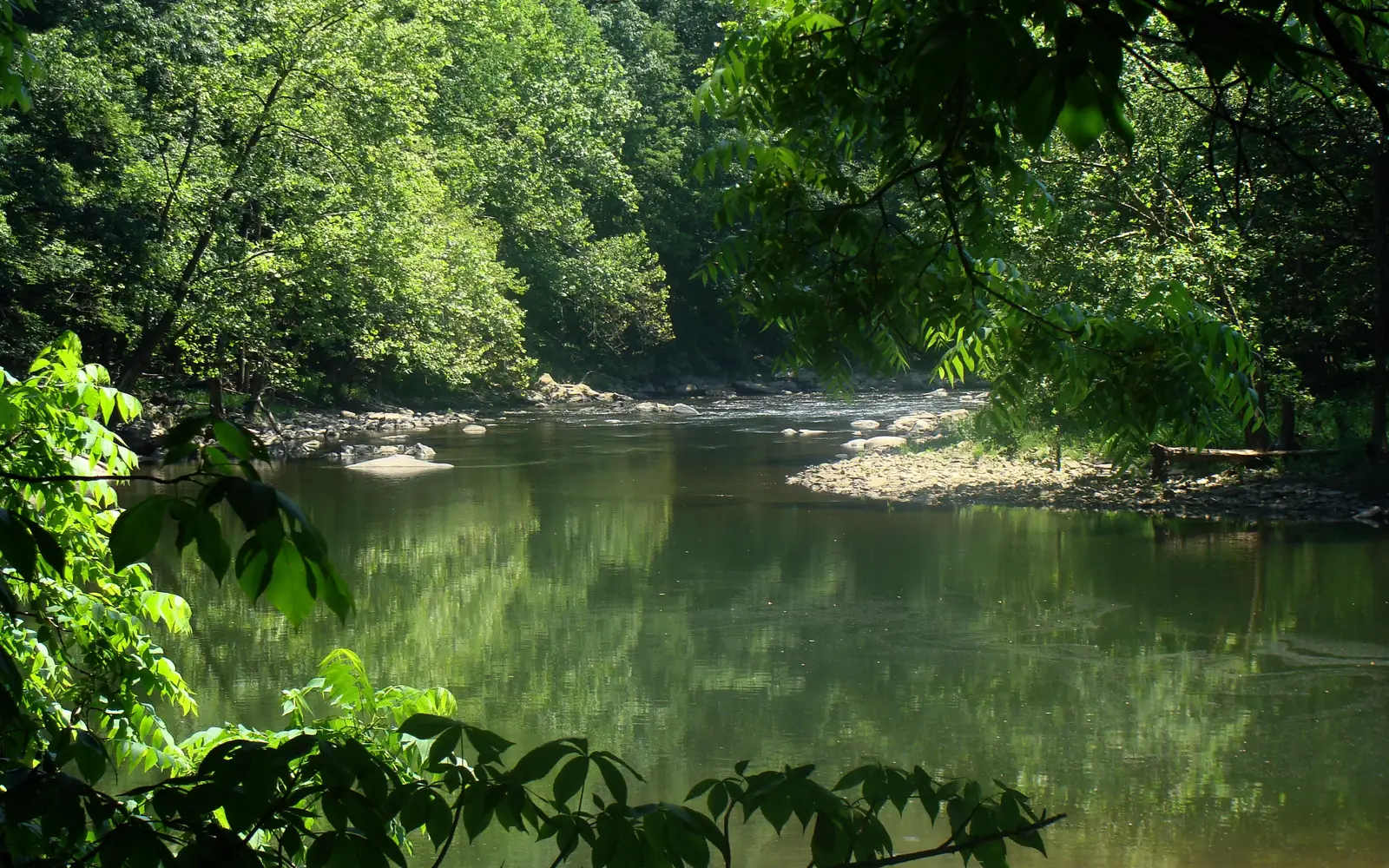
The Bluestone National Scenic River preserves 10.5 miles of a deeply carved Appalachian gorge in southern West Virginia.
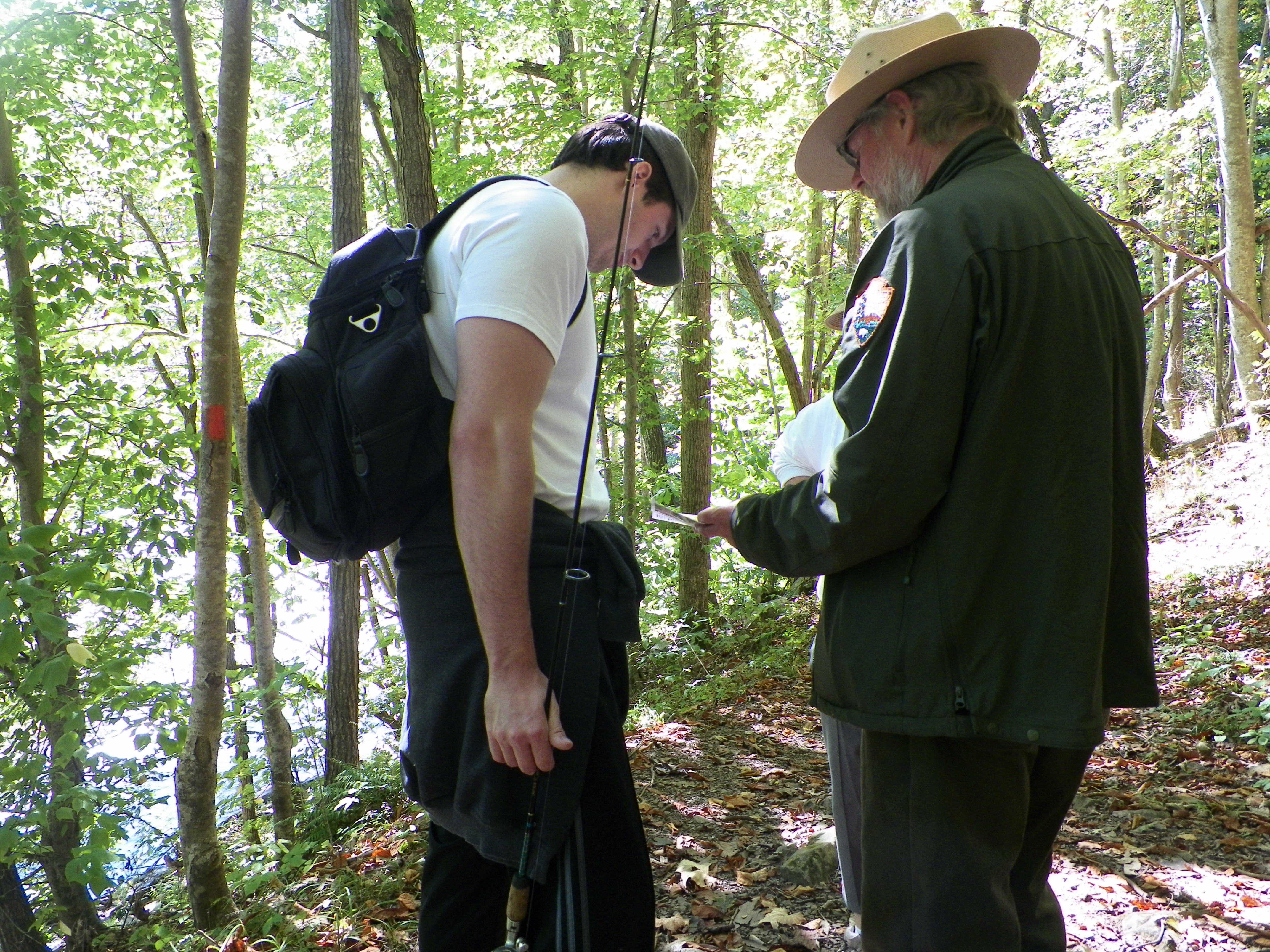
This is a genuinely wild experience, despite its accessibility. You will not find a visitor center, paved loops, or interpretive displays here. This is a river gorge for paddling, fishing, or hiking the rugged terrain alongside the water. It is a place to observe the forest and its wildlife. Free admission and 24-hour access integrate it easily into a broader New River Gorge region itinerary. On its own, it rewards those seeking quiet, undeveloped time on the water or in the woods. The 75 experience score reflects solid documented activities but limited infrastructure. Manage expectations accordingly: this destination requires exploration; it does not offer entertainment.
Why visit
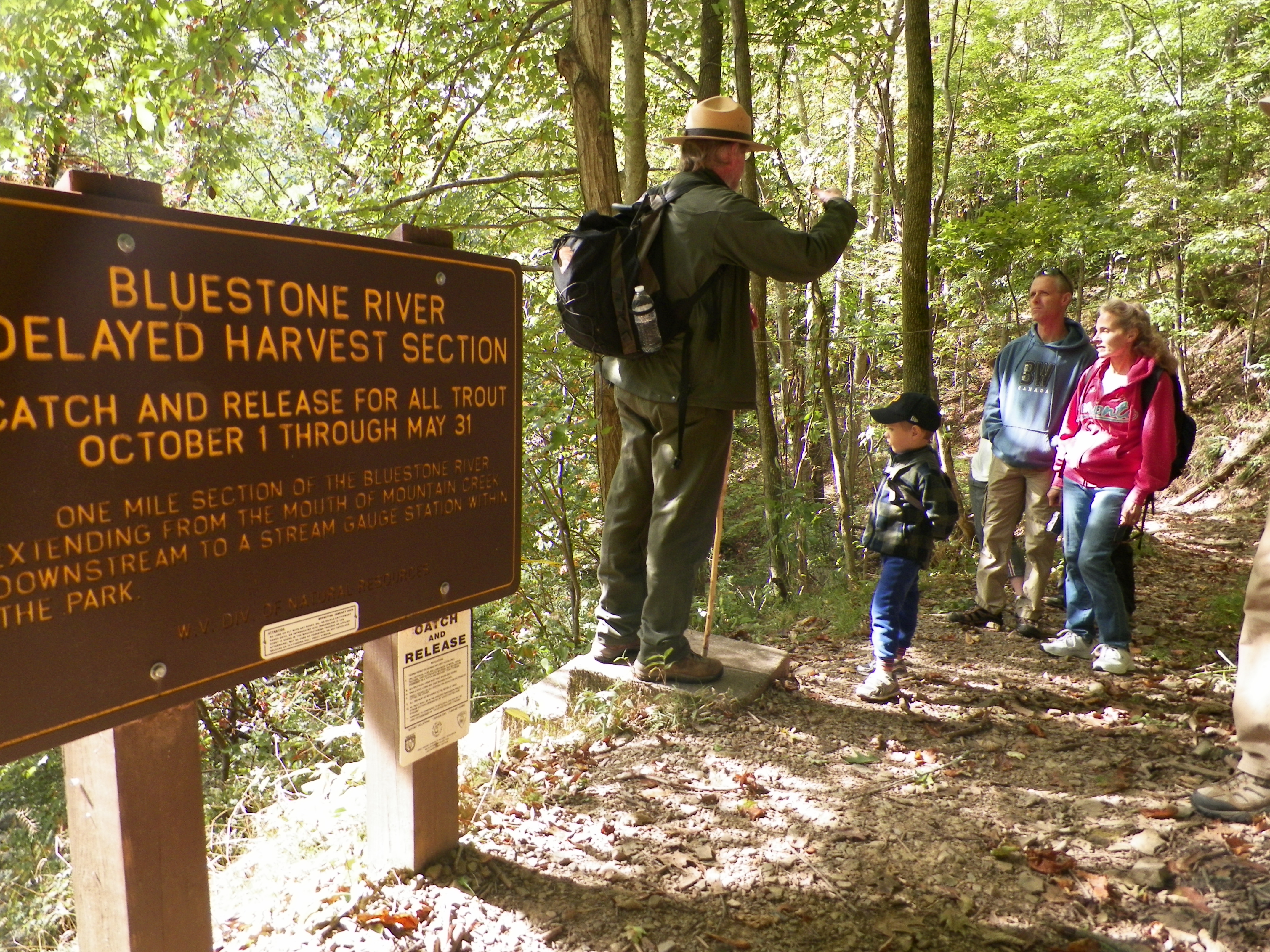
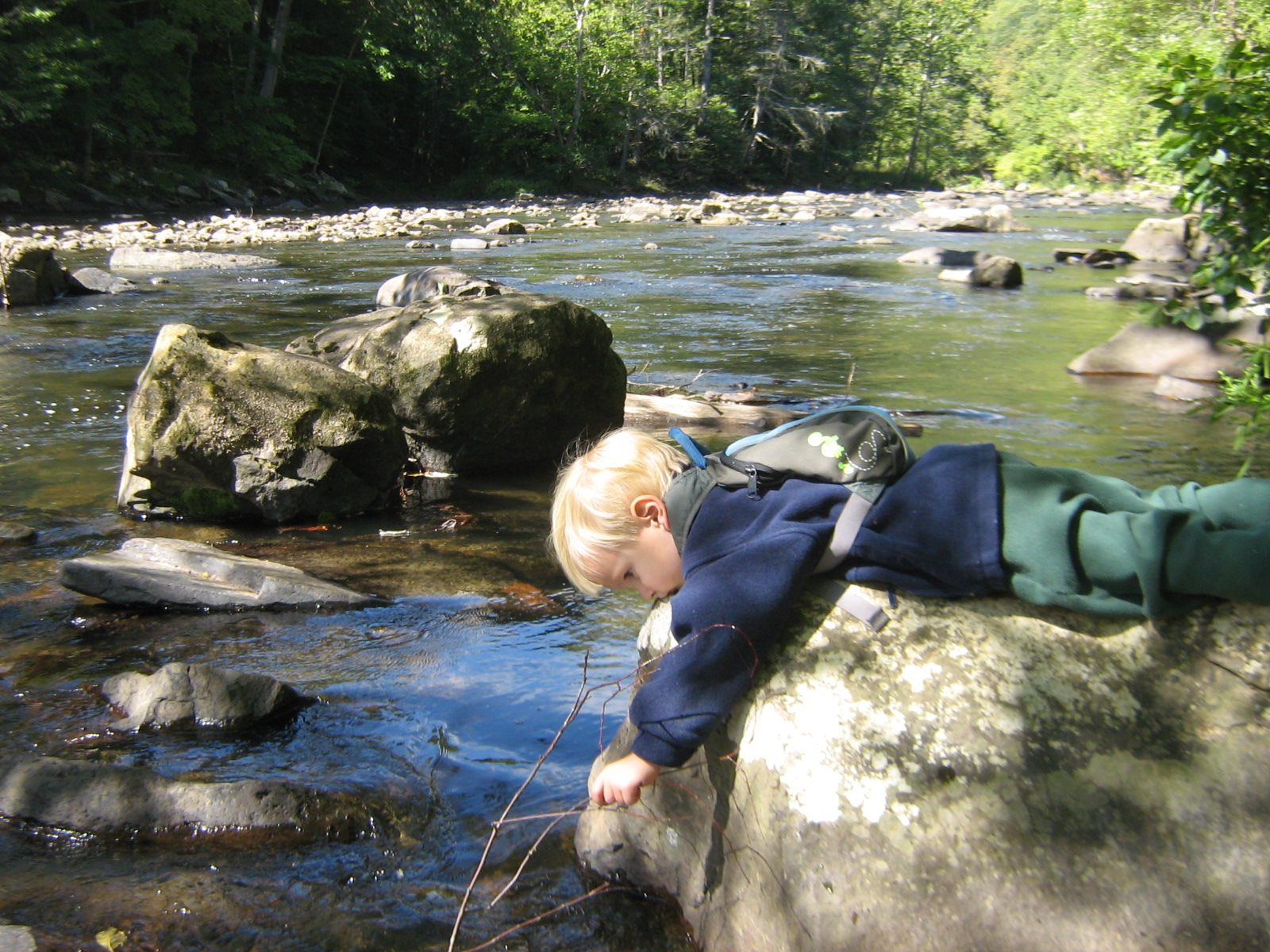
This park unit delivers for water-based recreation. Paddlers can navigate the Bluestone River through a gorge that offers a sense of remoteness. Anglers benefit from freshwater fishing in a protected, undisturbed river section. Hikers will encounter rugged gorge terrain. Wildlife watching opportunities are ample, supported by a corridor rich in Appalachian flora and fauna, including strong birdwatching prospects. Families can engage with the Junior Ranger Program. Guided tours provide structure for new visitors. For a full outdoor day without fees, the combination of paddling, fishing, hiking, and wildlife viewing here presents a compelling proposition.
Who it suits
This unit holds specific appeal. It suits paddlers, anglers, birdwatchers, and hikers who favor undeveloped terrain. Families with active children may find it worthwhile, particularly with the Junior Ranger Program. However, those seeking extensive amenities, marked interpretive trails, or a singular destination experience will need to adjust expectations. Consider combining a visit here with New River Gorge National Park.
Timing your visit
This unit shines from late spring into early fall. The convergence of paddleable water and comfortable temperatures, often in the 80s, defines its prime season. Mid-October presents a compelling alternative for its peak fall foliage. Casual sightseers may find winter access challenging; monthly snowfall averaging 5 inches from December through March renders gorge hiking and paddling both more demanding and less predictable. For what it offers, planning around these seasonal shifts is essential.
What stands out
- Paddling a protected 10.5-mile river corridor through an ancient Appalachian gorge
- Freshwater fishing in an undisturbed, scenic stretch of the Bluestone River
- Birdwatching and wildlife observation along the forested gorge terrain
- Rugged gorge hiking accessible from multiple entry points including the historic Lilly townsite
- Free admission with 24-hour year-round access at key entry points
- Junior Ranger Program for families with children
Good to know
Entry to this unit carries no fee, and gates remain open 24 hours. Access routes are specific: via Bluestone State Park, the historic Lilly townsite, or seasonally through Pipestem Resort State Park. There is no central visitor center within the scenic river unit. Prospective visitors must therefore determine their entry point beforehand and verify Pipestem's seasonal schedule.
Insider tipThe Lilly townsite entrance provides the most direct access to the gorge interior. This least-used entry point offers minimal foot traffic. It presents a superior option for wildlife observation and a more tranquil experience for paddling or hiking compared to the state park entries.