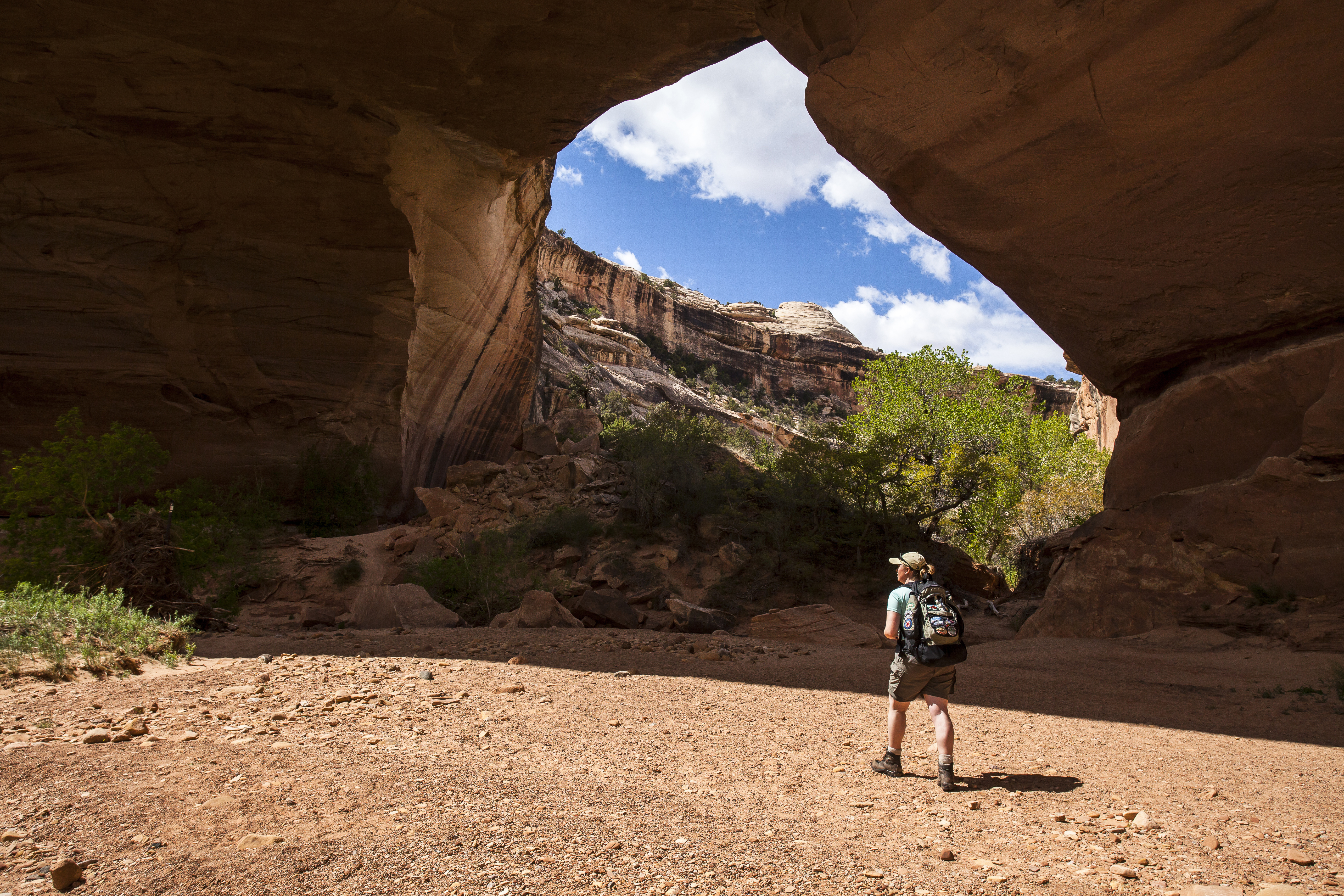
Should you visit Natural Bridges National Monument?
Natural Bridges National Monument offers a compact, purposeful experience in Utah's canyon country.
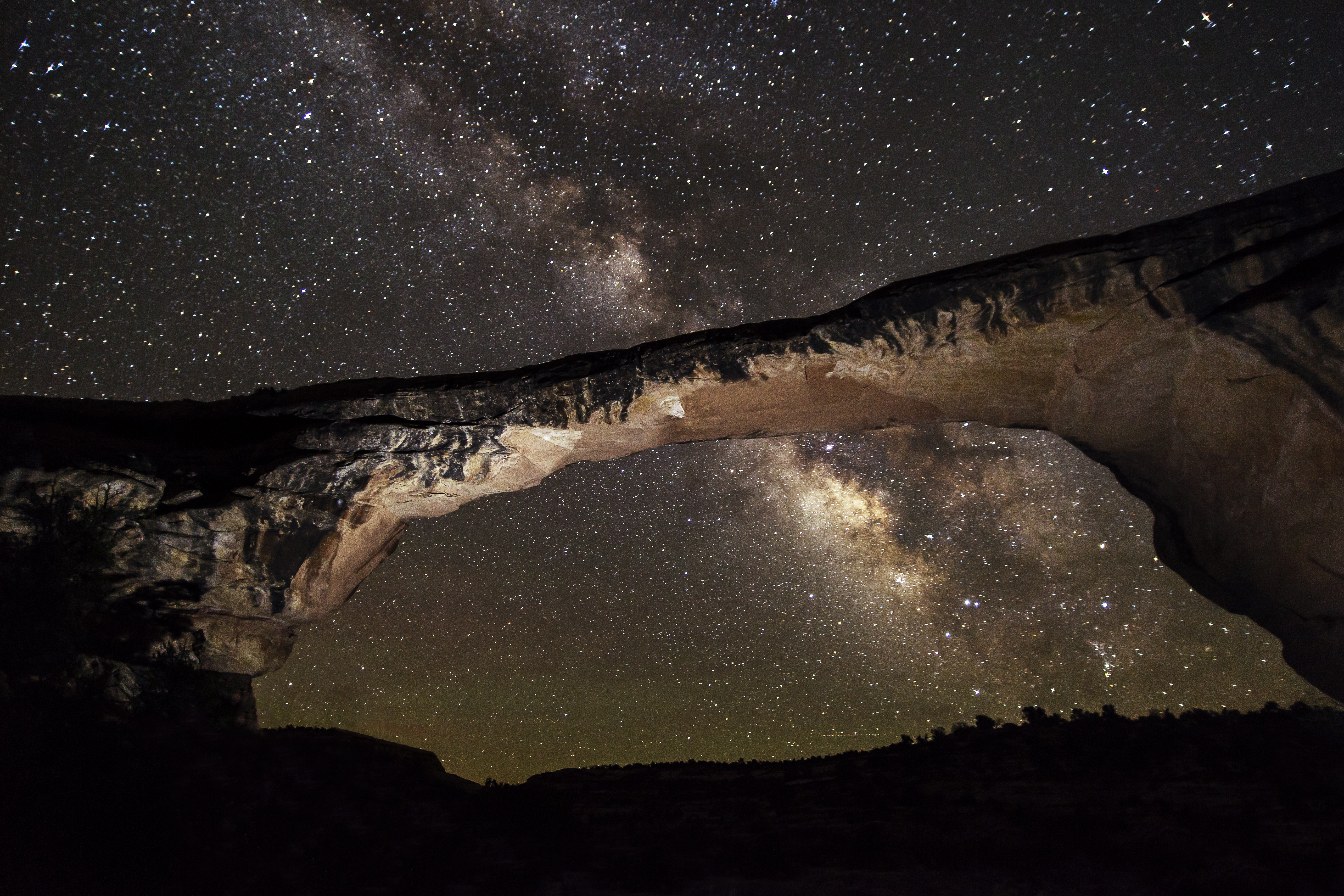
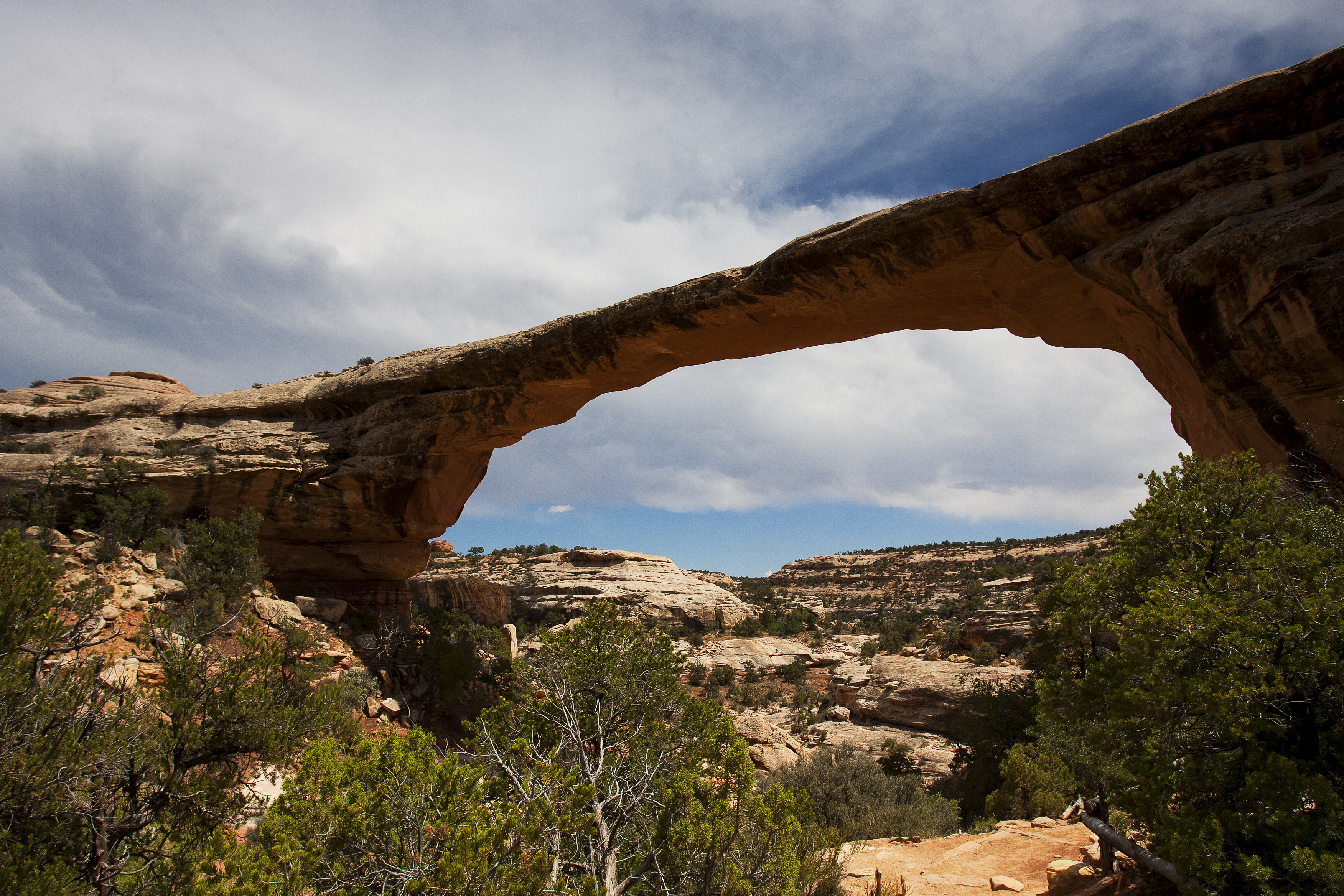
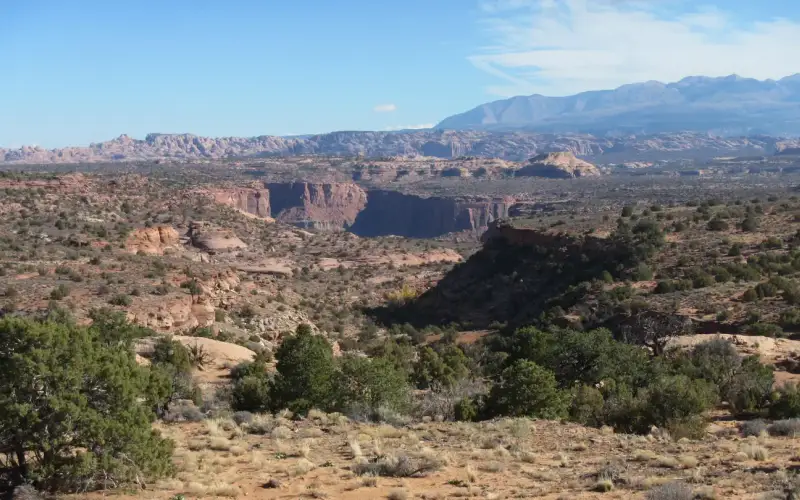
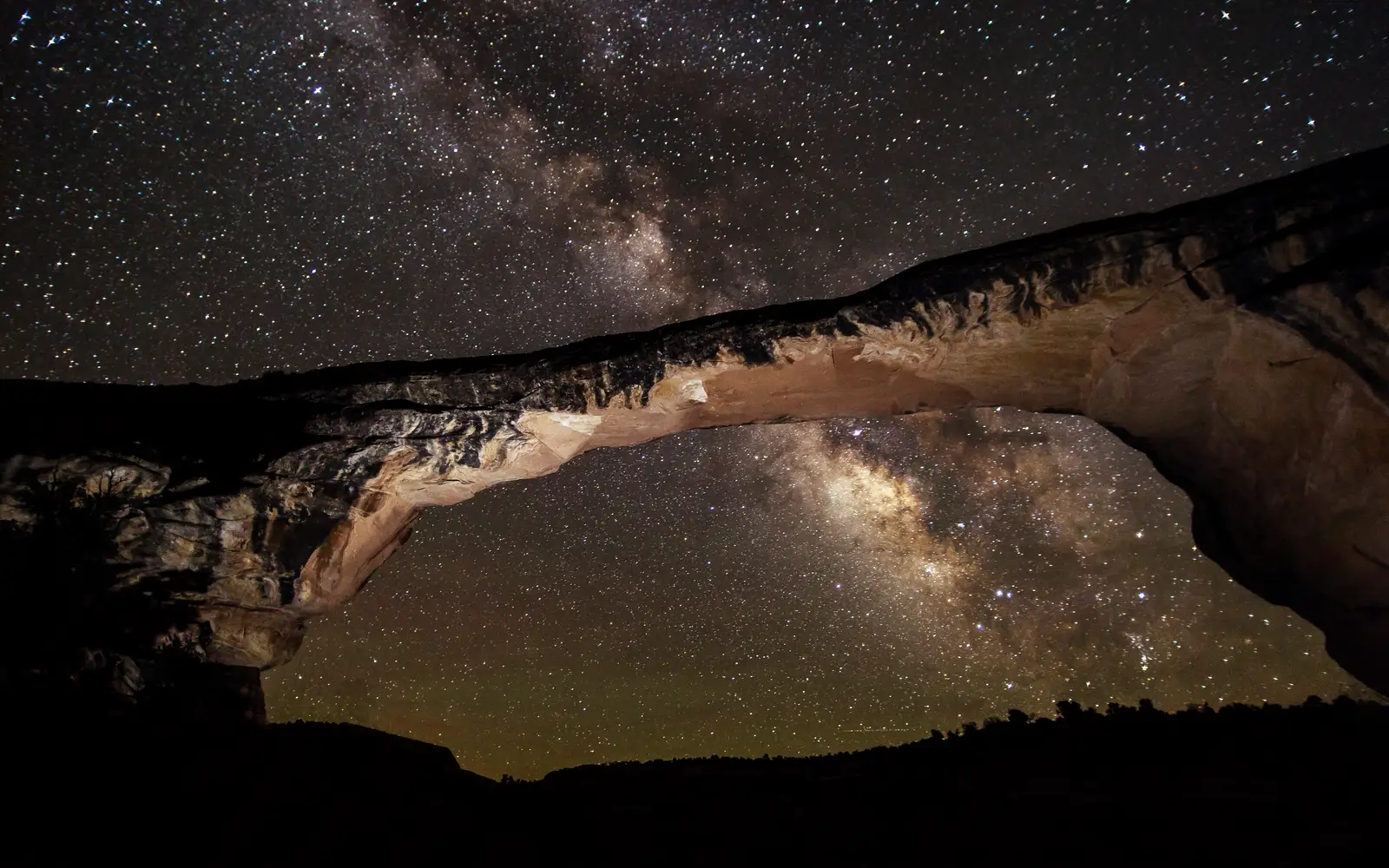
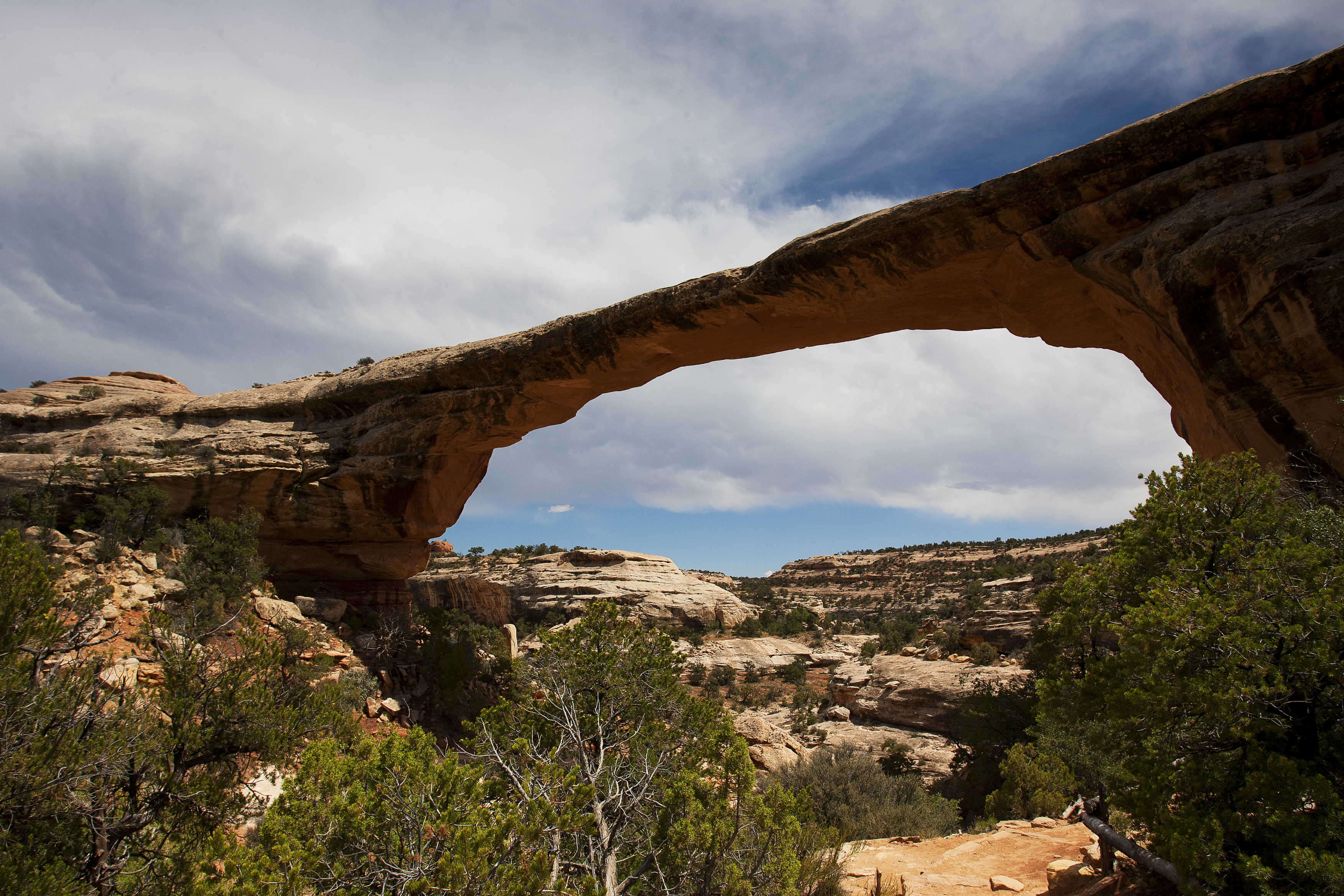
Its three natural bridges, Kachina, Owachomo, and Sipapu, are monumental geological features carved from white sandstone. These formations impress from overlooks and reward hikers who venture into the canyons below. The monument’s dark sky designation is a significant draw; the Milky Way on a clear night is extraordinary. The Experience Score of 53 reflects a focused visit. This is not a multi-day destination with diverse activities. It suits those seeking ancient stone bridges by day and unparalleled stargazing from a campground at night. The $10 entry fee represents strong value for this specific offering.
What makes it worth it
Natural Bridges National Monument offers a concise yet impactful itinerary. Begin with the scenic drive, stopping at overlooks for the three namesake bridges to appreciate their scale. The truly rewarding experience involves descending into the canyon on at least one trail for an alternate, below-bridge perspective. The monument operates 24 hours, making its dark-sky designation a primary draw. Minimal light pollution transforms the campground into an exceptional stargazing site. Binoculars or a small telescope enhance this experience. The Junior Ranger Program engages families. A park film provides geological and cultural background. This is a park best appreciated by those willing to engage beyond simple roadside stops.
Who should go
Natural Bridges National Park offers canyon scenery without the crowds of larger parks. It serves families seeking a manageable outdoor experience and those prioritizing dark-sky stargazing. The park does not cater to visitors desiring a wide activity menu, water recreation, or abundant wildlife viewing. For itineraries already including Canyonlands or Bears Ears, Natural Bridges complements, rather than replaces, those experiences.
When to go
April to May and mid-September to October offer ideal conditions, with daytime highs from the 60s to low 80s making canyon exploration pleasant. The angled light during these periods also enhances the sandstone's visual appeal. Summer presents challenges with high heat that complicates midday hiking and frequent afternoon thunderstorms. Winter brings cold temperatures and potential snow, impacting access. However, its dark skies consistently provide exceptional stargazing opportunities.
Highlights
- Standing beneath Sipapu or Kachina Bridge from the canyon floor, where the true scale of the formation becomes clear
- Dark-sky stargazing from the campground, one of the least light-polluted spots in the continental United States
- The scenic drive loop with overlooks for all three bridges, accessible without strenuous hiking
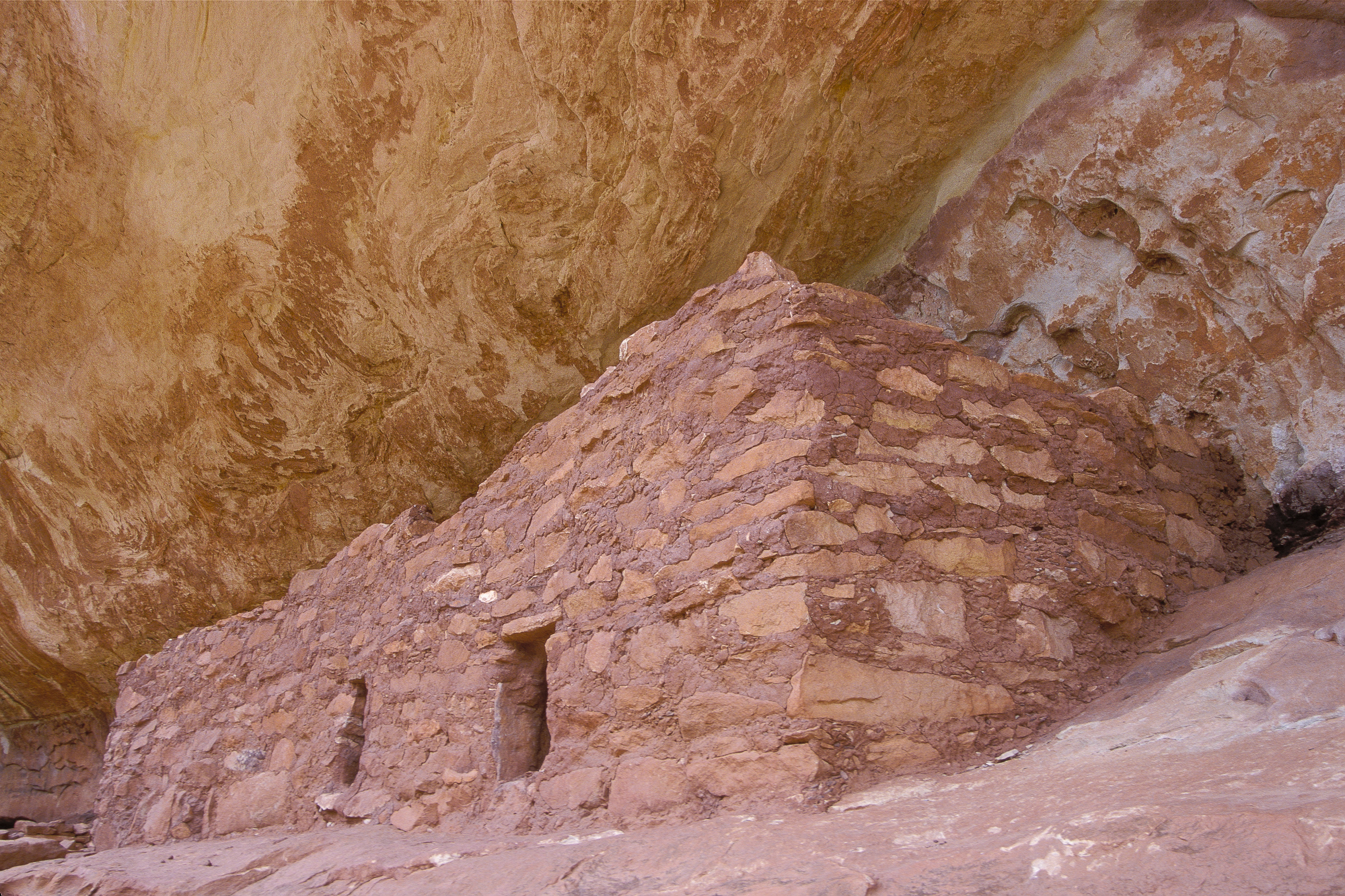
- Canyon hiking that connects Ancestral Puebloan history with dramatic geological formations
- Junior Ranger Program that gives kids a structured way to engage with both the geology and the cultural history
- A $10 entrance fee that makes this one of the better-value monuments in the region
Plan ahead
The $10 vehicle entrance fee grants access to a remote experience. Situated in a distant corner of San Juan County, this monument lacks nearby towns, necessitating a full tank of gas, food, and water upon arrival. Cell service is virtually nonexistent. The small campground often fills during peak spring and fall seasons. Visitors should plan to spend 15 minutes at the visitor center for the park film before exploring the trails.
Editor's tipFor those prioritizing celestial observation, an overnight stay at the campground is essential. The access roads to Natural Bridges are extended and unlit. Optimal sky viewing occurs well after sunset, mandating an established presence within the park.