parkverdict
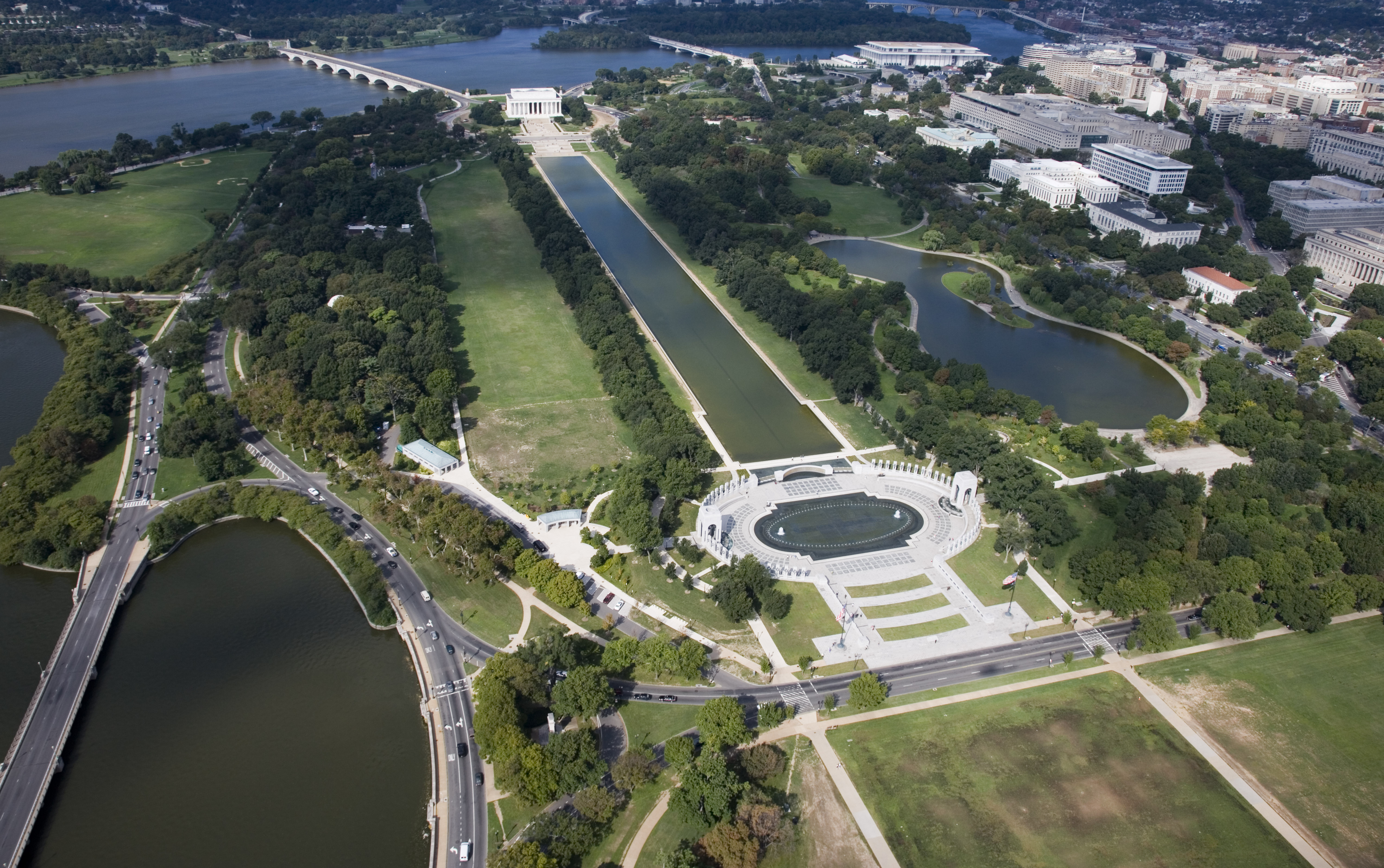
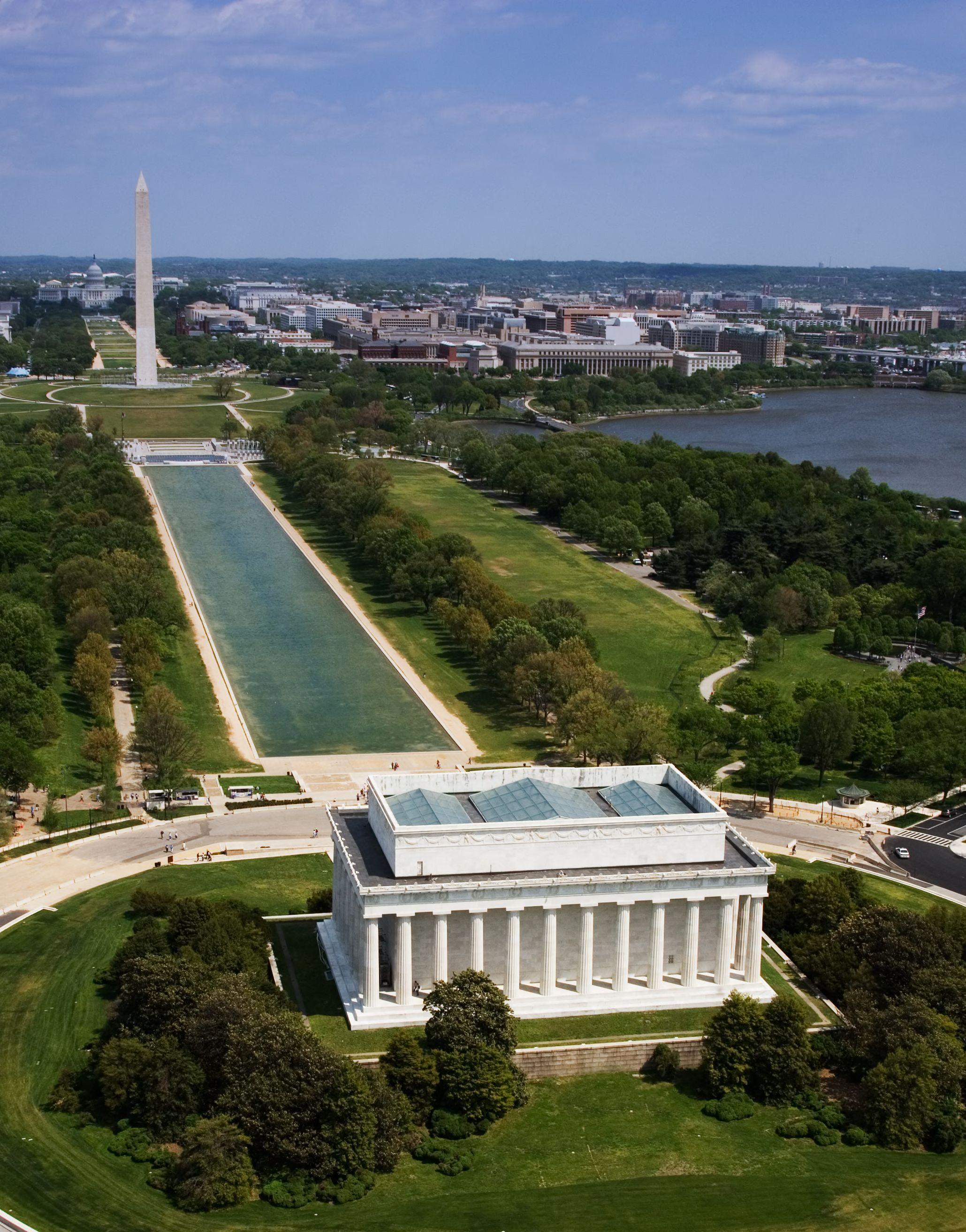
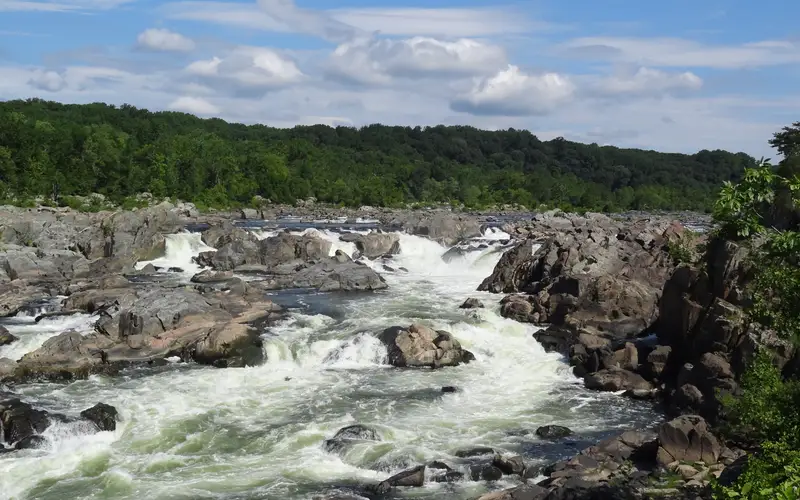
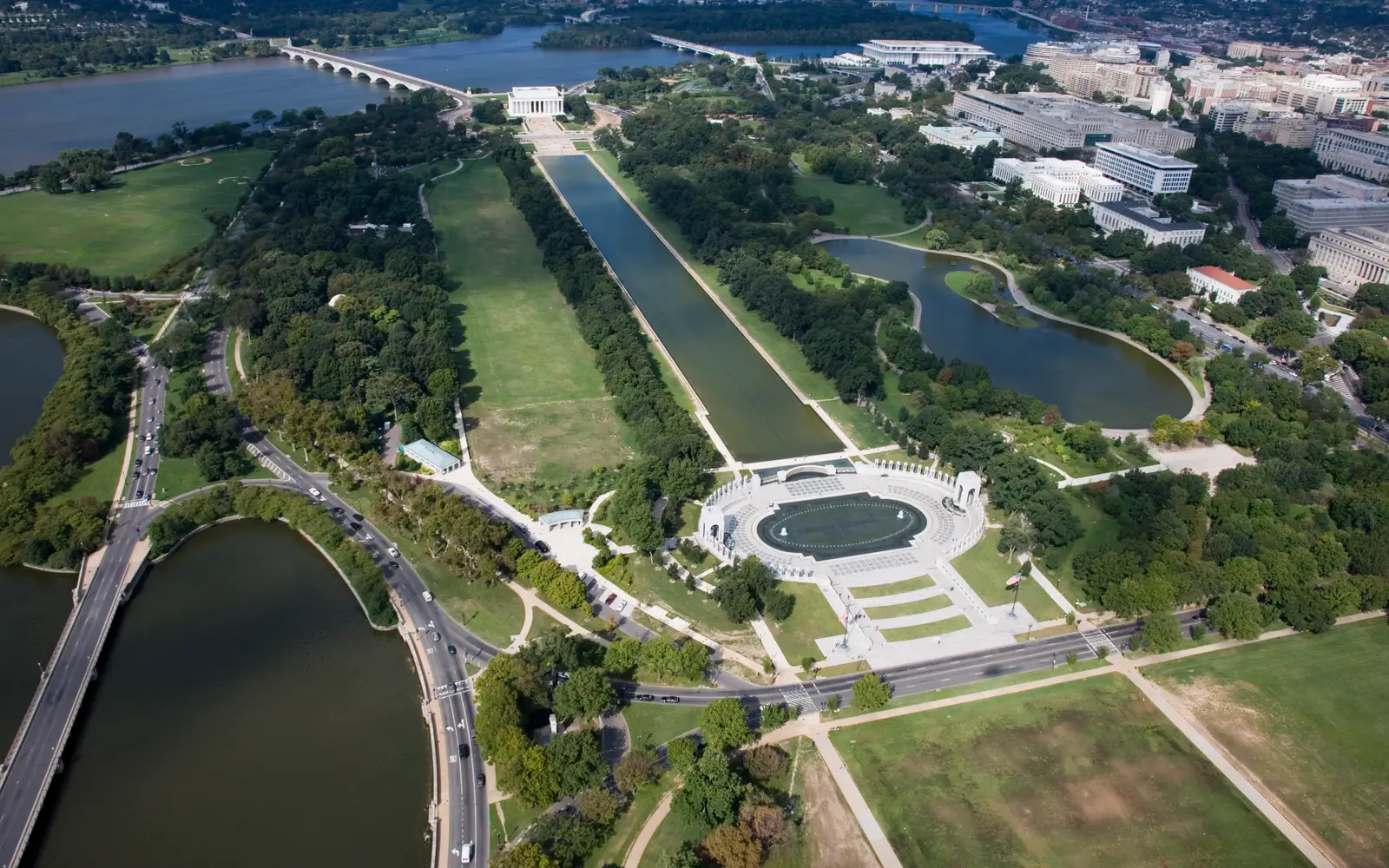
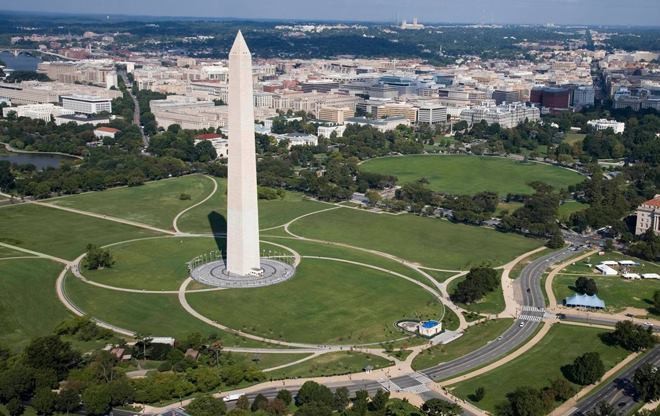
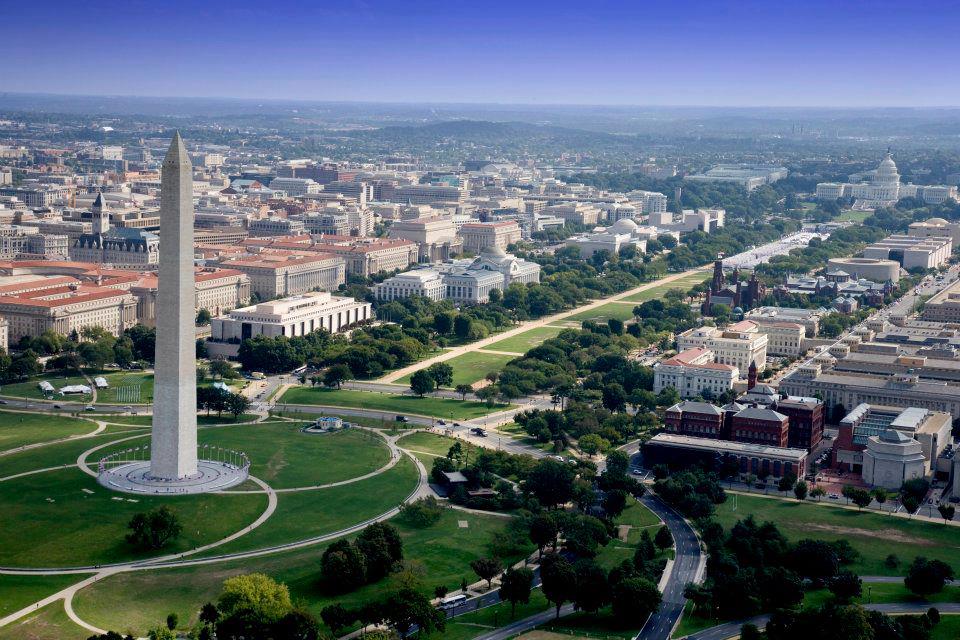
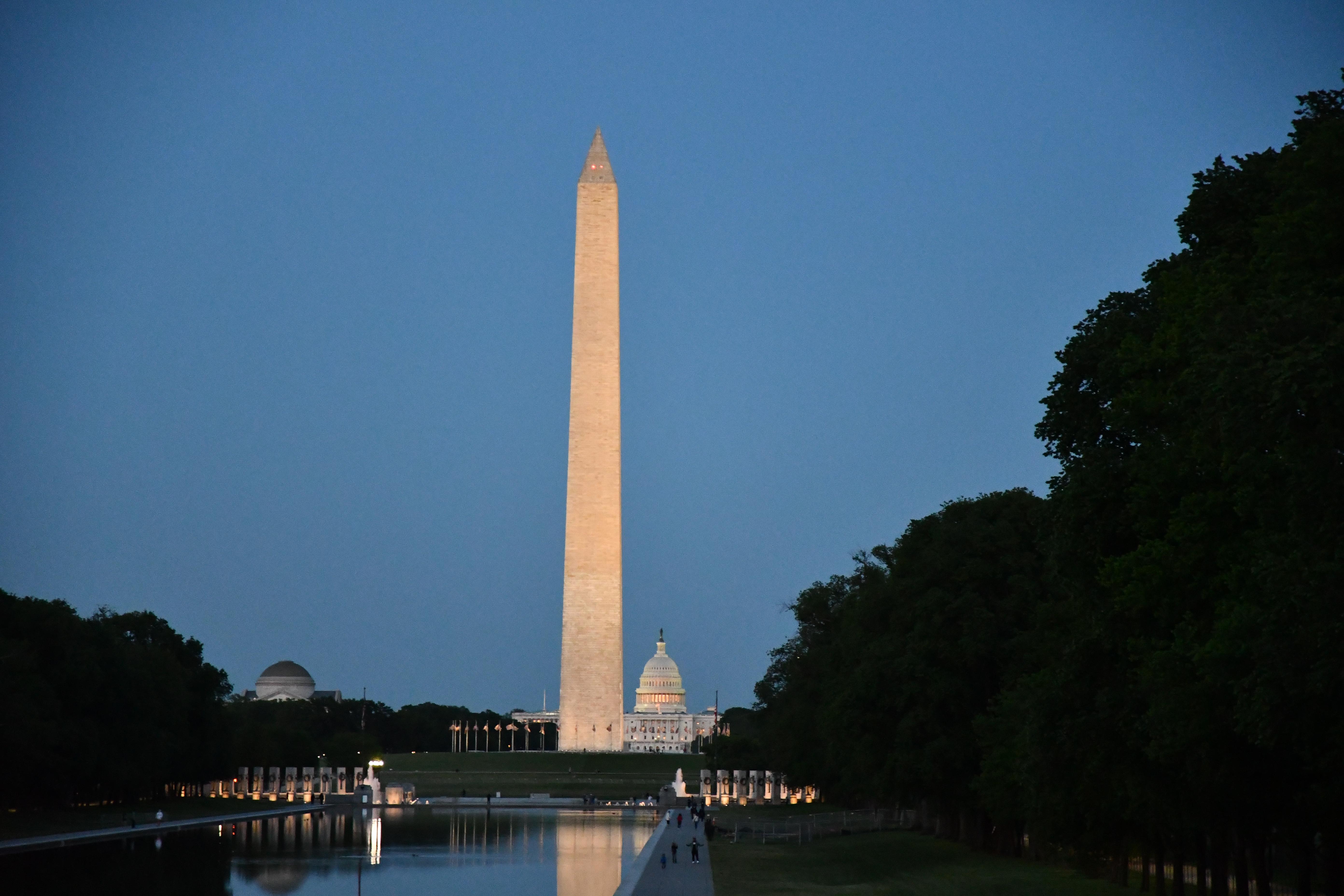
Aerial of the west side of National Mall and Memorial ParksAerial View of the Washington Monument and sites northAerial View of the East End of the National MallReflection on Washington Monument along pool with US Capitol in background
ParkDC

National Mall and Memorial Parks

NPS / NPS Photo
83/ 100WIDE RANGE
parkverdict Experience ScoreIndependent, not sponsored

83 of 100. Our independent breadth-and-access index. How we score

Our take

Is National Mall and Memorial Parks worth your trip?

The National Mall and Memorial Parks is one of the most visited NPS units in the country, and standing there makes the reason plain.

It sits at the physical center of American civic life, stretching across Washington DC to take in the major presidential memorials, the Reflecting Pool, the Tidal Basin, and the grounds running between the Capitol and the Lincoln Memorial. Nearly everything happens outdoors and on foot, with rangers on duty daily to offer context. Admission is free and the grounds stay open 24 hours, which makes it about as accessible as a national park gets. The range of things to do is genuinely broad: biking the paths, boating and fishing, museum exhibits, live cultural programming. This is not a wilderness destination. It is, though, one of the rare NPS units where history, civic meaning, and active recreation all show up together at a scale that can fill more than one day.

Why go

A full day here won't leave you scraping for things to do. Walk or bike between memorials at your own pace, or join a ranger-guided tour for the political and human stories behind the monuments. The Tidal Basin is worth your time on its own - rowboats are available, and the bird life there is more active than you would expect. Kids can work through the Junior Ranger program, which gives them a structured way to dig into the history rather than drift past it. Live music and cultural demonstrations turn up throughout the year as well. Try to come back after dark: the Lincoln Memorial and the Vietnam Veterans Memorial both feel different at night, quieter and more immediate, in ways the daytime crowds simply prevent. Free admission, knowledgeable rangers, and an unusually dense cluster of significant sites make a full day here worth every hour.

Best for

History buffs, civics-minded travelers, families with school-age kids, and cyclists will all find something genuinely useful here. Repeat visitors to DC who want a guided tour or an evening walk will too. If you are after backcountry solitude, dramatic scenery, or wildlife, this is the wrong place to look.

Best season

Most visitors show up in late March through April for the cherry blossoms around the Tidal Basin. Fall is honestly the better season for walking and biking - temperatures drop, and the crowds thin out noticeably. Summer pulls in plenty of tourists, but heat index readings can push into the 100s, and after an hour outside it stops being fun. Winter is cold and quiet, and the memorials stay open around the clock.

The high points

  • Ranger-guided tours that provide layered historical context beyond what signage alone delivers
  • Biking and road biking the full length of the Mall and surrounding paths
  • Boating and wildlife watching at the Tidal Basin
  • Evening visits to the memorials, which are open 24 hours and dramatically lit
  • Junior Ranger program structured around the memorial sites and their histories
  • Live music and cultural demonstrations tied to the civic programming calendar

Know before you go

Admission to the park is free. The Washington Monument is the one exception to the 24-hour access rule: it opens at 9 a.m. and closes at 5 p.m., timed entry passes are required, and they go quickly. Rangers are on duty from 9:30 a.m. to 8 p.m. Parking in central DC is expensive and hard to find, so take the Metro or grab a bikeshare.

One more thingLook up the posted schedule and grab a late-afternoon or early-evening ranger tour if you want a guide without baking in the midday heat alongside half of Washington. The Lincoln and Vietnam memorials after dark are reason enough to stay out late on their own.

How we scored it

How National Mall and Memorial Parks earned its 83

Where does a 83 come from? One formula, run the same on every place we cover, built only from public data on what a unit offers and how reachable it is. It says nothing about how pretty a spot is or how busy it gets. This is what fed it:

  • Activity breadth18 documented activities
  • Topic breadth13 topics
  • Official imagery5 public-domain images
  • Camping on sitenone recorded
  • Entry costfree

No number is hand-adjusted and no unit pays for placement. The full weights, the floor at 18 and a worked example are on how we score.

The honest limits

The honest blind spots

Read the score for what it is. It counts what a place documents and how reachable it is, and stops there. It will not tell you if a sunset floors you, if the crowds thin out by dusk, whether a washout closed your trail, or how a ranger tells the story. Plenty of quiet, focused spots score modestly and still win the weekend. Let the number rank what is on offer; let the verdict speak to the feel.

On offer

Documented activities

Arts and CultureCultural DemonstrationsLive MusicBikingRoad BikingBoatingFishingGolfMini-GolfGuided ToursSelf-Guided Tours - WalkingJunior Ranger ProgramWildlife WatchingBirdwatchingMuseum ExhibitsShoppingBookstore and Park StoreGift Shop and Souvenirs
The basics

National Mall and Memorial Parks at a glance

Few places in the United States carry as much weight as the National Mall and Memorial Parks, nicknamed "America's Front Yard." The memorials here mark the people and events that shaped the country, and millions of visitors walk these grounds each year to honor presidents, pay tribute to veterans, and take part in public life.

On documented breadth and access, National Mall and Memorial Parks ranks 5th of 24 park and public-land units we score in District of Columbia.

Weather and seasons

Washington, DC gets all four seasons, and the humidity makes a real difference, pushing summer heat higher and winter cold deeper than the numbers suggest. Spring, running from March through May, sees average lows around 46.5 degrees and average highs around 65.5 degrees. Summer, June through August, averages a high of 86 degrees and a low of 68.5 degrees, with temperatures occasionally climbing into the 100s. Fall covers September through November with average highs of 68 degrees and lows of 51.5 degrees.

Common questions

National Mall and Memorial Parks: quick answers

Is National Mall and Memorial Parks worth visiting?

The National Mall and Memorial Parks is one of the most visited NPS units in the country, and standing there makes the reason plain.

Is National Mall and Memorial Parks free to visit?

Yes, there is no entrance fee.

What is National Mall and Memorial Parks best for?

It leans hardest toward good with kids, water activities, wildlife watching, biking, going by the 18 activities it actually documents.

When is the best time to visit National Mall and Memorial Parks?

Most visitors show up in late March through April for the cherry blossoms around the Tidal Basin.

How is the Experience Score for National Mall and Memorial Parks calculated?

The 83 comes straight from public data on how much the place documents and how easy it is to reach, things like activities, topics, photos, camping and whether entry is free. It says nothing about scenery or how busy it gets.