589 units scored Refreshed on a schedule Independent, no sponsored rankings
Recreation AreaWY
National Elk Refuge
NPS / Tony Hough - USFWS Volunteer
53/ 100FOCUSED
parkverdict Experience ScoreIndependent, not sponsored
53 of 100. Our independent breadth-and-access index. How we score
Our take
Is National Elk Refuge worth your trip?
The National Elk Refuge functions primarily as a working wildlife sanctuary.
Recreational opportunities are secondary. Free entry notwithstanding, the activity list is thin. Visitors seeking a full park experience will quickly reach this ceiling. The refuge offers genuine opportunities to observe bison, elk, trumpeter swans, and bald eagles within a glacial valley. This is a destination for wildlife viewing and interpretive programs. Casual sightseers should look elsewhere.
Best for
This refuge is best suited for wildlife photography and birding enthusiasts. Its location near Jackson offers convenient access to iconic Wyoming fauna. Families with children will appreciate the educational programs available. However, serious hikers or backpackers will find limited opportunities for their pursuits within this unit. Casual sightseers should look elsewhere.
The high points
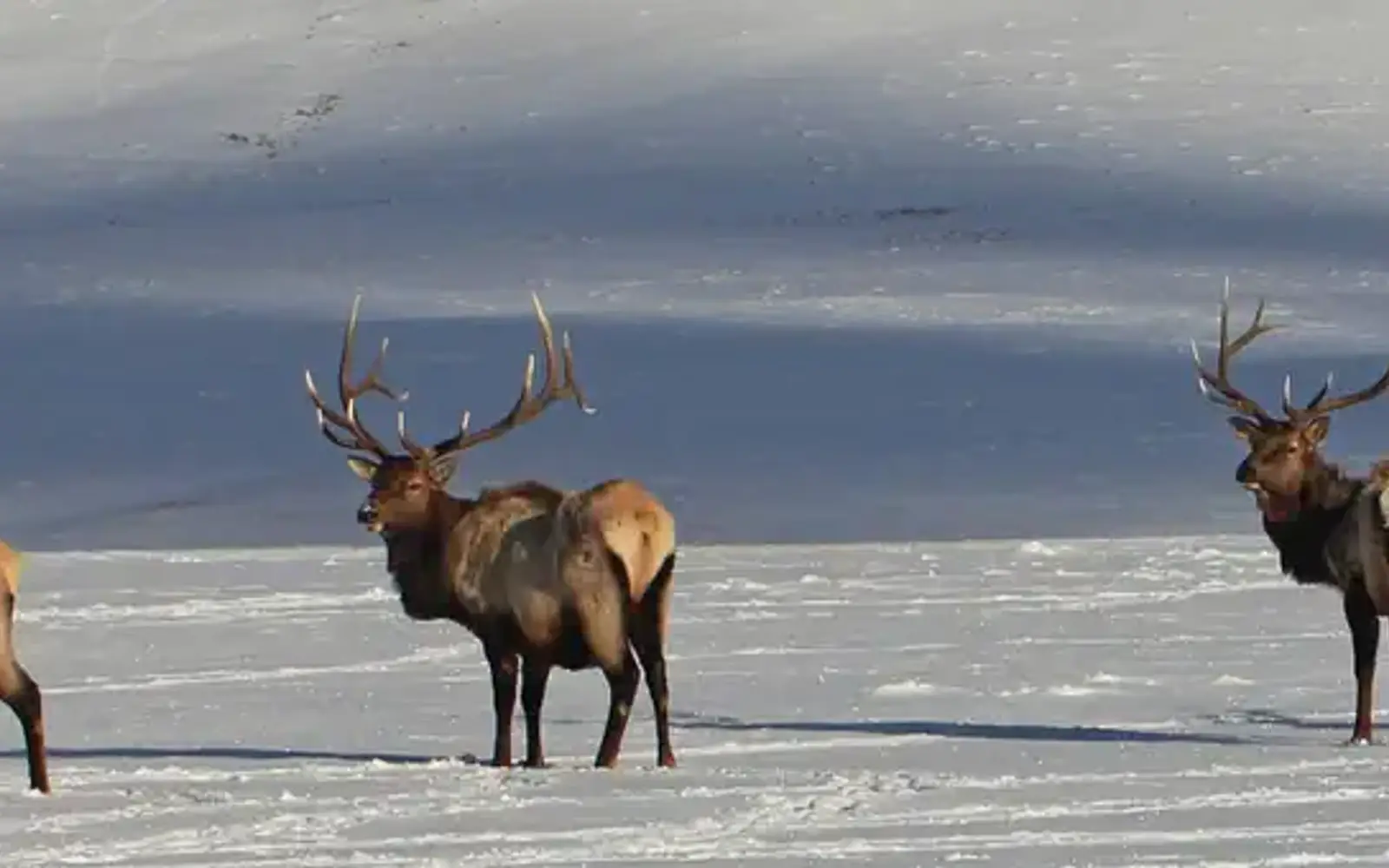
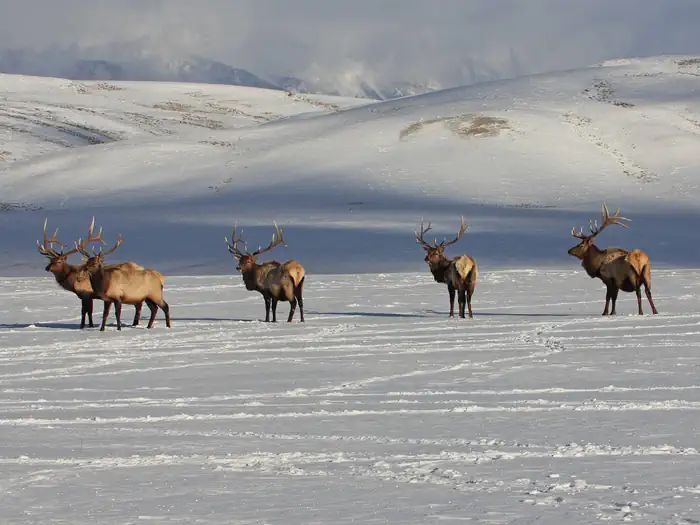
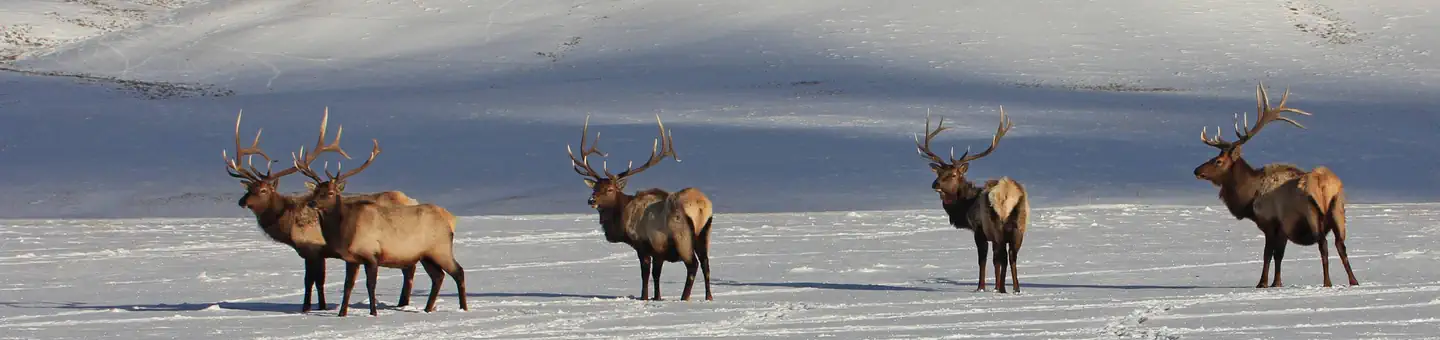
Winter and shoulder-season wildlife viewing with elk, bison, and trumpeter swans on open glacial flats
Photography conditions that put large mammals against a dramatic mountain backdrop
Fishing and hunting opportunities on refuge waters, with proper licensing
Interpretive and educational programs that explain the 1912 conservation history behind the refuge
One more thingThis refuge offers its fullest experience from late autumn through early spring. During these months, elk populations reach their zenith on the valley floor. Visitors should consult the Jackson visitor center to grasp seasonal wildlife movements. This prepares for the conditions one will find.
How we scored it
How National Elk Refuge earned its 53
Where does a 53 come from? One formula, run the same on every place we cover, built only from public data on what a unit offers and how reachable it is. It says nothing about how pretty a spot is or how busy it gets. This is what fed it:
Activity breadth8 documented activities
Topic breadth0 topics
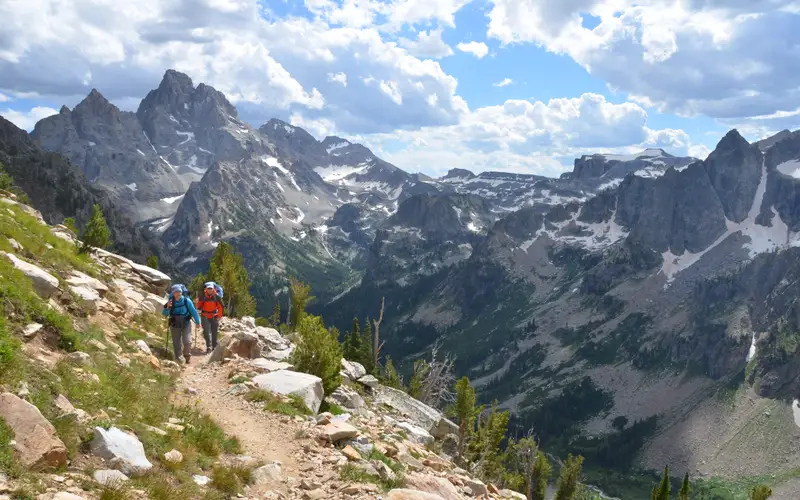
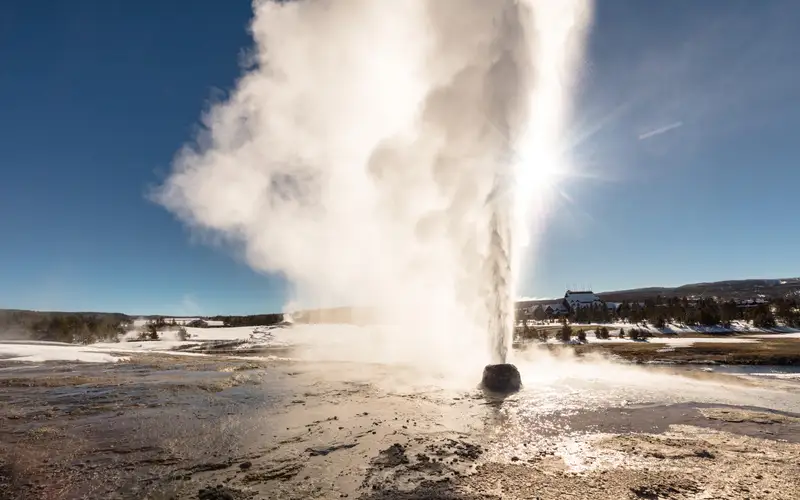
Official imagery2 public-domain images
Camping on sitenone recorded
Entry costfree
No number is hand-adjusted and no unit pays for placement. The full weights, the floor at 18 and a worked example are on how we score.
The honest limits
The honest blind spots
Read the score for what it is. It counts what a place documents and how reachable it is, and stops there. It will not tell you if a sunset floors you, if the crowds thin out by dusk, whether a washout closed your trail, or how a ranger tells the story. Plenty of quiet, focused spots score modestly and still win the weekend. Let the number rank what is on offer; let the verdict speak to the feel.
The refuge provides habitat for elk, bison, wolves, trumpeter swans, bald eagles, bighorn sheep, and cutthroat trout. Its landscape features a glacial outwash plain, rolling hills, and a narrow, winding river. Surrounding the refuge are the Teton and Gros Ventre Mountain Ranges.
Various Acts of Congress and executive orders established the refuge. These documents aimed to provide, preserve, restore, and manage lands for wintering elk, birds, and other big game animals. The main Act of Congress, passed on August 10, 1912, set aside lands "for the establishment of a winter game (elk) reserve in the State of Wyoming, lying south of the Yellowstone Park..."
The National Elk Refuge and the Greater Yellowstone Ecosystem have been home to Indigenous peoples for a long time. Numerous Tribes consider the GYE part of their ancestral homelands. These include, but are not limited to, Apsáalooke/Crow, Arapaho, Cheyenne and Ute Nations, Bannock, Aaniiih/Gros Ventre, Ksanka/Kootenai, Lakota, Weyíiletpuu/Cayuse, Umatilla, Walla Walla, Lemhi, Little Shell Chippewa, Nakoda/Assiniboine, Nez Perce, Niitsitapi/Blackfeet, Ql̓ispe/Upper Pend d’Oreille, and Séliš/Bitterroot Salish.
On documented breadth and access, National Elk Refuge ranks 12th of 13 park and public-land units we score in Wyoming.
The National Elk Refuge functions primarily as a working wildlife sanctuary.
Is National Elk Refuge free to visit?
Yes, there is no entrance fee.
What is National Elk Refuge best for?
It leans hardest toward water activities, wildlife watching, biking, guided tours, going by the 8 activities it actually documents.
How is the Experience Score for National Elk Refuge calculated?
The 53 comes straight from public data on how much the place documents and how easy it is to reach, things like activities, topics, photos, camping and whether entry is free. It says nothing about scenery or how busy it gets.
Reviewed by Irene A. Taranina, founding editor/Checked against official public data/Published /Updated /Independent, no sponsored rankings
parkverdict is an independent digital publication. Not affiliated with the National Park Service.