589 units scored Refreshed on a schedule Independent, no sponsored rankings
National Wildlife RefugeFL
Nathaniel P. Reed Hobe Sound National Wildlife Refuge
NPS / U.S. Fish and Wildlife Service
49/ 100FOCUSED
parkverdict Experience ScoreIndependent, not sponsored
49 of 100. Our independent breadth-and-access index. How we score
The bottom line
Nathaniel P. Reed Hobe Sound National Wildlife Refuge: our verdict
Hobe Sound offers a genuine slice of old Florida, a 3.5-mile stretch of undeveloped Atlantic beach and mangrove-lined Indian River Lagoon.
This is a wild space, particularly notable given its proximity to Palm Beach County. With a modest activity variety score of 49, Hobe Sound is not a park for casual recreationists seeking diverse options. Instead, its appeal lies in specific, impactful experiences. It is an excellent destination during sea turtle nesting season. It provides prime opportunities for serious wildlife photography. It also serves as a welcome half-day escape from the overdevelopment characterizing much of coastal Florida. This unit delivers significant natural value for its size.
Who it suits
This park offers significant appeal for wildlife photographers and sea turtle enthusiasts. Its undeveloped Florida coastline is a major draw. However, those seeking extensive trail networks, boating facilities, or full-day structured programs will be disappointed. Casual sightseers should look elsewhere.
What stands out
One of the most productive sea turtle nesting beaches in the southeastern United States, with guided interpretive programs offered during nesting season
Nearly 10 miles of mangrove habitat along the Indian River Lagoon, excellent for patient wildlife viewing and photography
Free access to 3.5 miles of undeveloped Atlantic beach, a genuinely scarce commodity in this part of Florida
Visitor center with environmental education programming that gives context to the refuge's concentration of threatened and endangered species
Insider tipThe sea turtle walks, a summer offering, necessitate booking well in advance through the refuge. For weekend beach access, early arrival is critical; the small parking area reaches capacity quickly.
How we scored it
How Nathaniel P. Reed Hobe Sound National Wildlife Refuge earned its 49
Where does a 49 come from? One formula, run the same on every place we cover, built only from public data on what a unit offers and how reachable it is. It says nothing about how pretty a spot is or how busy it gets. This is what fed it:
Activity breadth7 documented activities
Topic breadth0 topics
Official imagery2 public-domain images
Camping on sitenone recorded
Entry costfree
No number is hand-adjusted and no unit pays for placement. The full weights, the floor at 18 and a worked example are on how we score.
The honest limits
Where the score goes quiet
One limit to keep in mind. Everything here comes from public records on what a unit documents and how reachable it is, so the score cannot judge beauty, crowds, trail conditions, weather, or how good any single program is. That is exactly why a small, specific place can score below a sprawling park and still be your better trip. Take the number as a like-for-like look at what is on paper, and lean on the verdict for the human read.
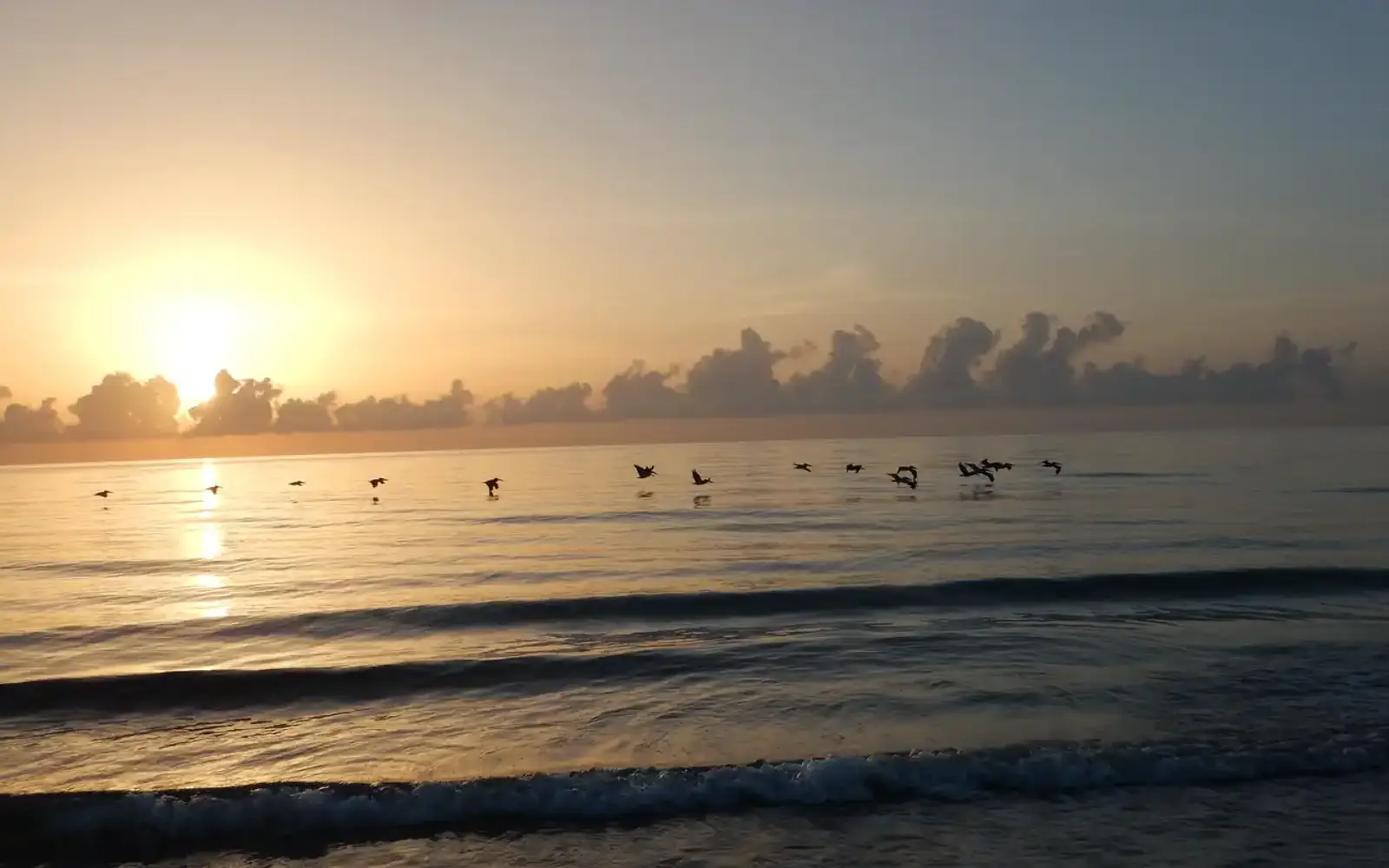
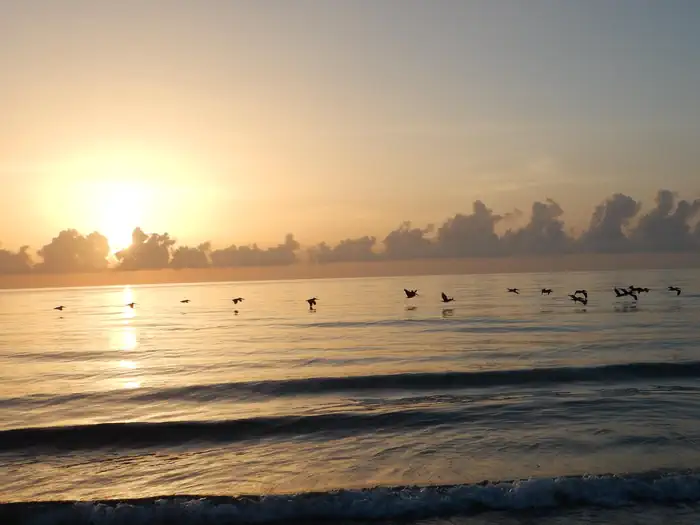
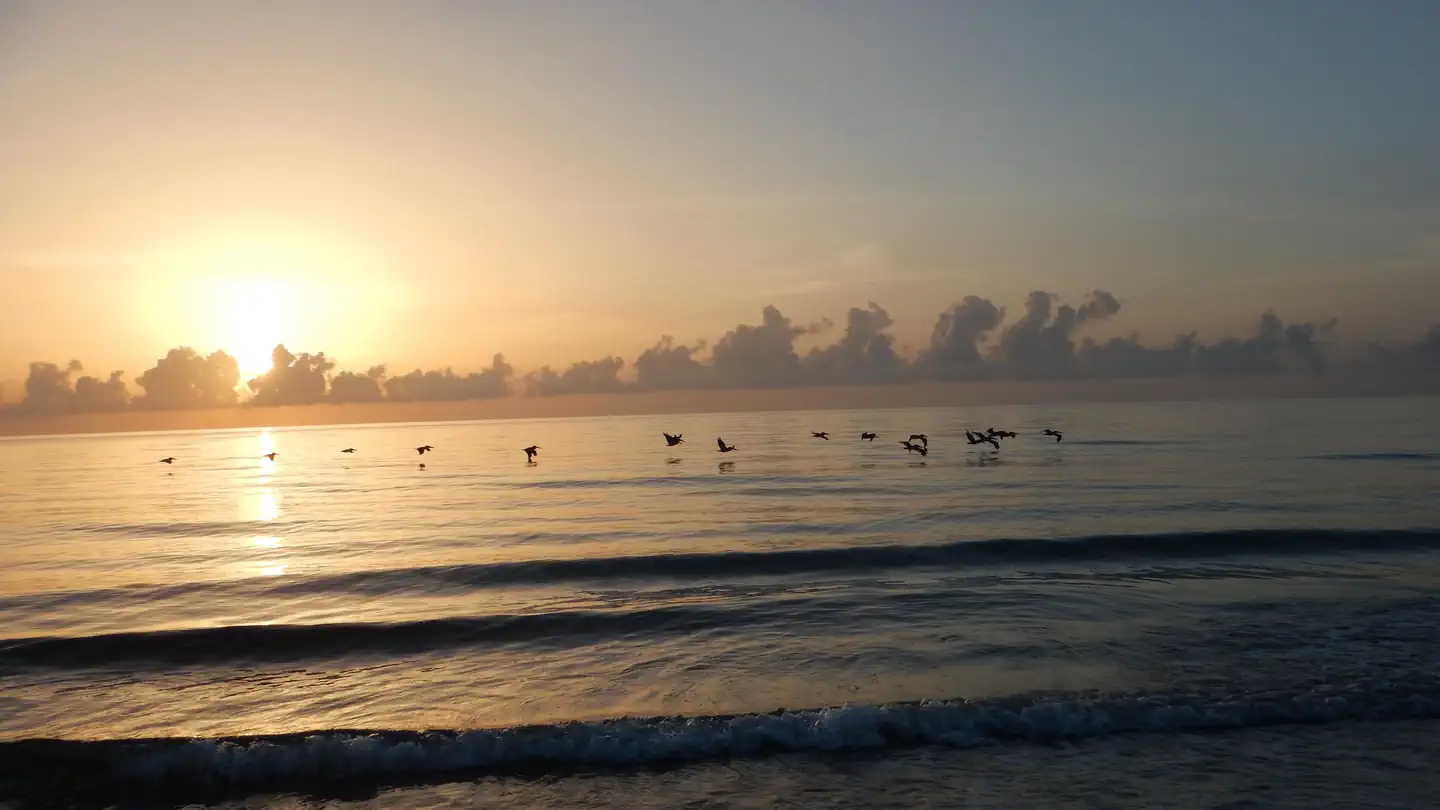
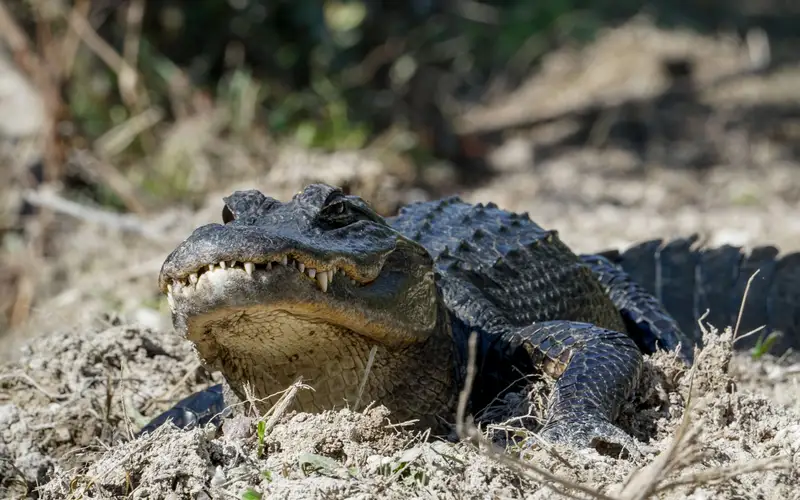
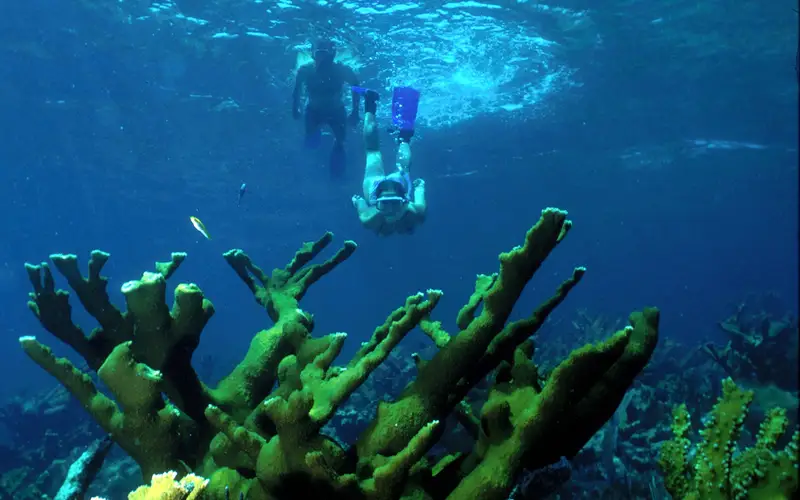
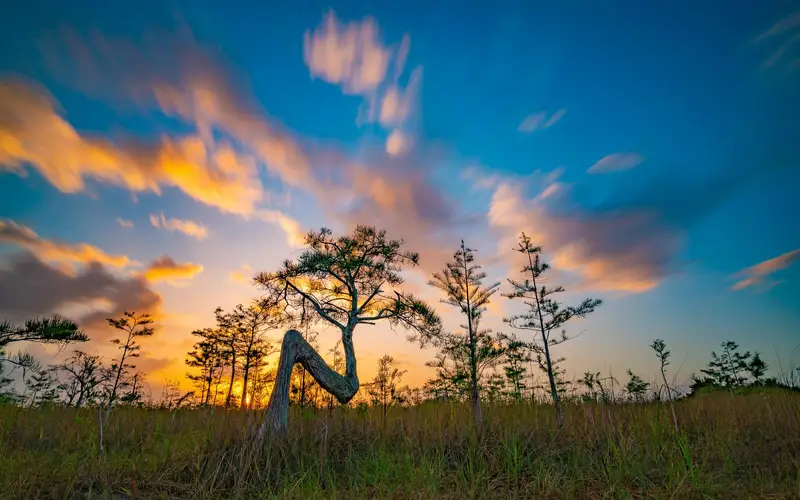
The park in pictures
Scenes from Nathaniel P. Reed Hobe Sound National Wildlife Refuge
Nathaniel P. Reed Hobe Sound National Wildlife Refuge at a glance
Nathaniel P. Reed Hobe Sound National Wildlife Refuge covers 1,091 acres. The Indian River Lagoon bisects it into two tracts: the Jupiter Island tract and the mainland tract. The Jupiter Island tract includes the largest contiguous section of undeveloped beach in Southeastern Florida. It is one of the most productive sea turtle nesting areas in the Southeastern United States.
The refuge protects nearly 40 species listed as threatened, endangered, or of special concern. Its biodiversity comes from a large area of sand pine scrub, almost 10 miles of mangrove communities along the Indian River Lagoon, and 3.5 miles of Atlantic Ocean beach.
Nathaniel P. Reed Hobe Sound National Wildlife Refuge is one of over 565 refuges in the National Wildlife Refuge System. The U.S. Fish and Wildlife Service manages this network of lands for wildlife.
On documented breadth and access, Nathaniel P. Reed Hobe Sound National Wildlife Refuge ranks 16th of 17 park and public-land units we score in Florida.
Nathaniel P. Reed Hobe Sound National Wildlife Refuge: quick answers
Is Nathaniel P. Reed Hobe Sound National Wildlife Refuge worth visiting?
Hobe Sound offers a genuine slice of old Florida, a 3.5-mile stretch of undeveloped Atlantic beach and mangrove-lined Indian River Lagoon.
Is Nathaniel P. Reed Hobe Sound National Wildlife Refuge free to visit?
Yes, there is no entrance fee.
What is Nathaniel P. Reed Hobe Sound National Wildlife Refuge best for?
It leans hardest toward hiking, water activities, wildlife watching, guided tours, going by the 7 activities it actually documents.
How is the Experience Score for Nathaniel P. Reed Hobe Sound National Wildlife Refuge calculated?
The 49 comes straight from public data on how much the place documents and how easy it is to reach, things like activities, topics, photos, camping and whether entry is free. It says nothing about scenery or how busy it gets.
Reviewed by Irene A. Taranina, founding editor/Checked against official public data/Published /Updated /Independent, no sponsored rankings
parkverdict is an independent digital publication. Not affiliated with the National Park Service.