Should you visit Mount Rainier National Park?
Mount Rainier offers one of the most complete national park experiences in the American West.
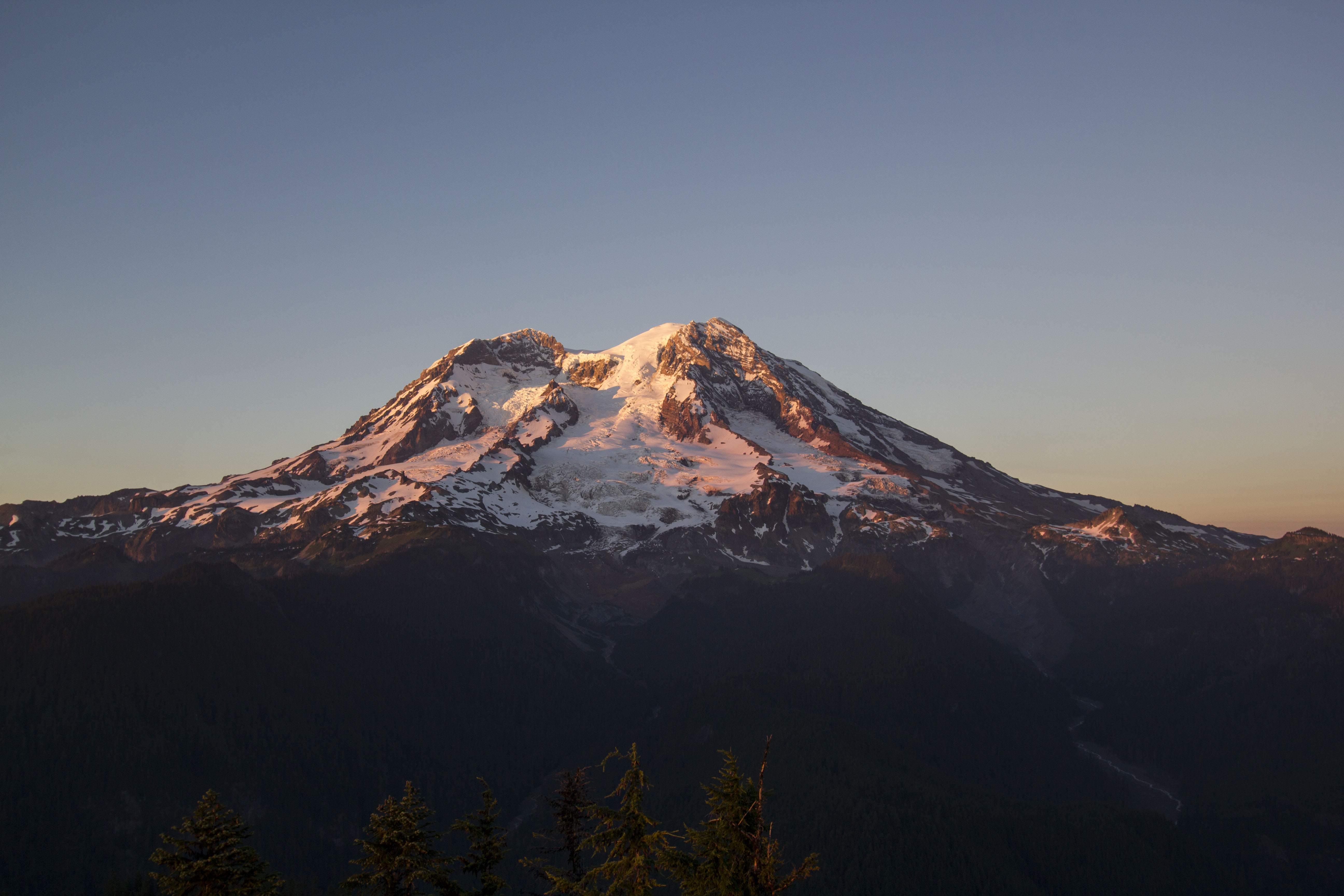
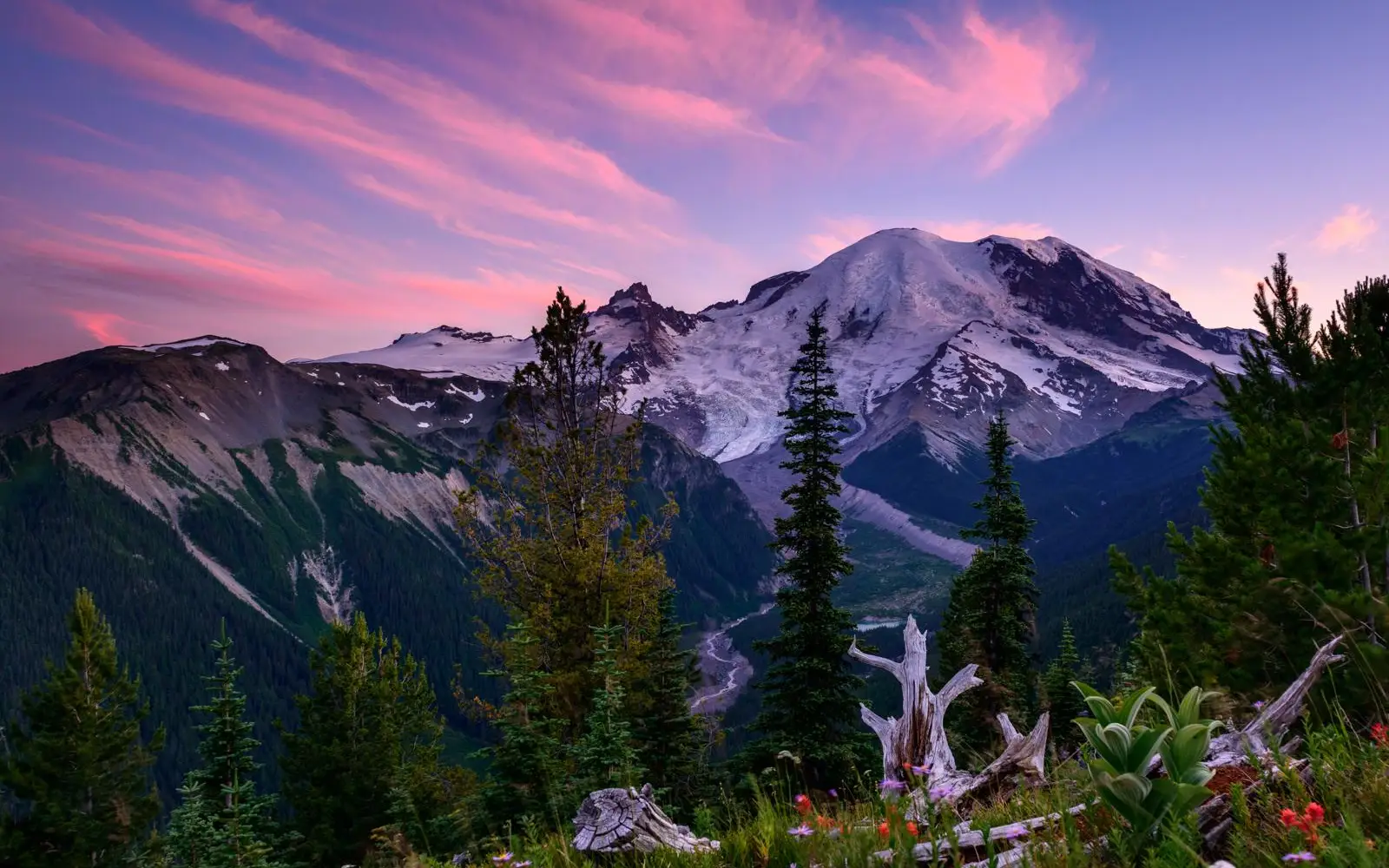
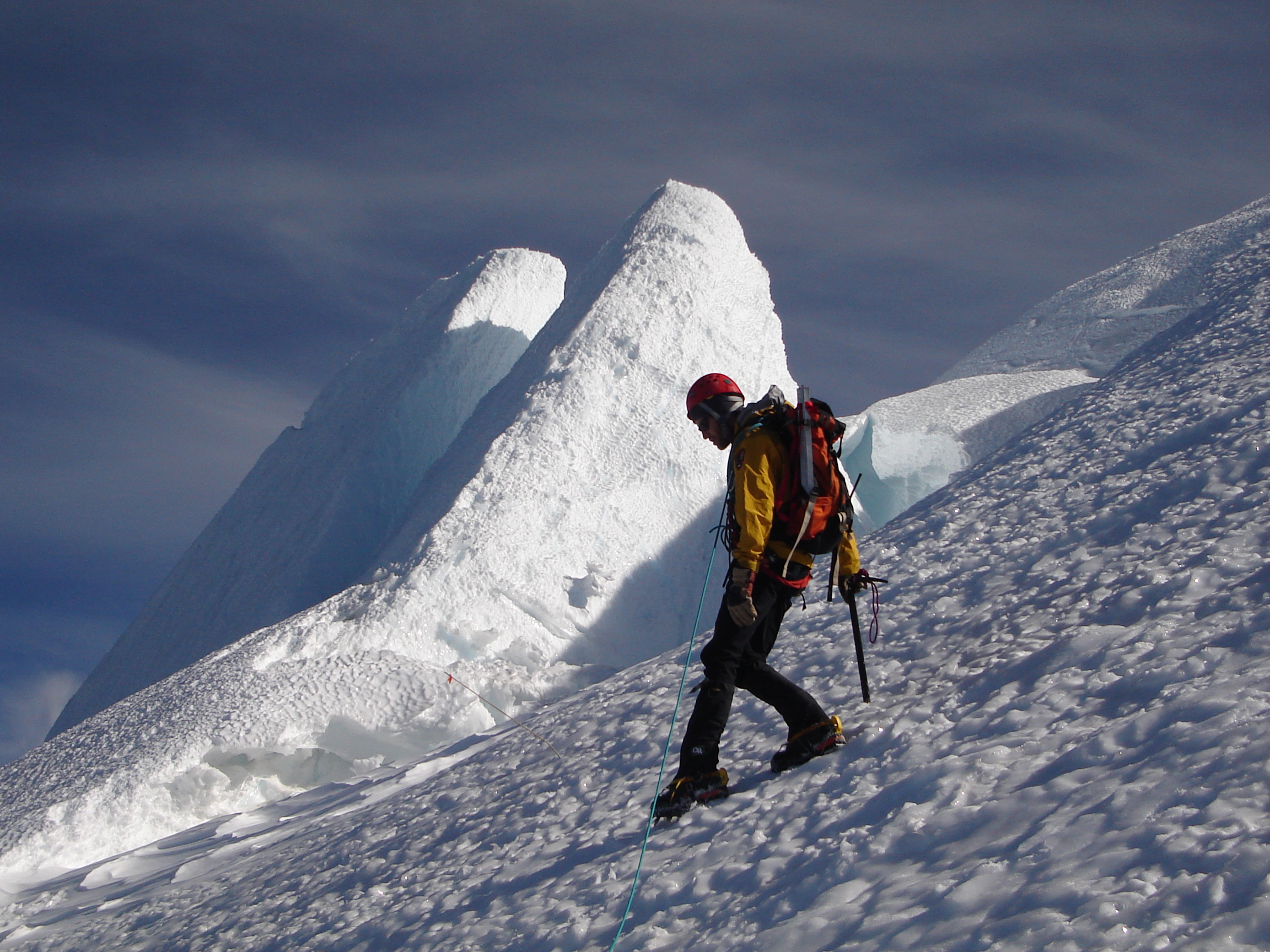
An active volcano anchors the park, its 14,410-foot peak the most heavily glaciated in the contiguous United States. This is not a drive-through park. The experience scales dramatically with effort. Visitors can enjoy a rewarding day on a scenic road loop with short front-country hikes and wildflower meadows. Others may commit weeks to backcountry routes and technical glacier climbing. The park delivers across all seasons, from summer wildflower blooms and summit attempts to winter snowshoeing and snow play. With an Experience Score of 90, the breadth here is exceptional. The $15 entrance fee represents strong value within the NPS system. If within driving range of Seattle or Portland, plan your time for a substantial visit.
What makes it worth it
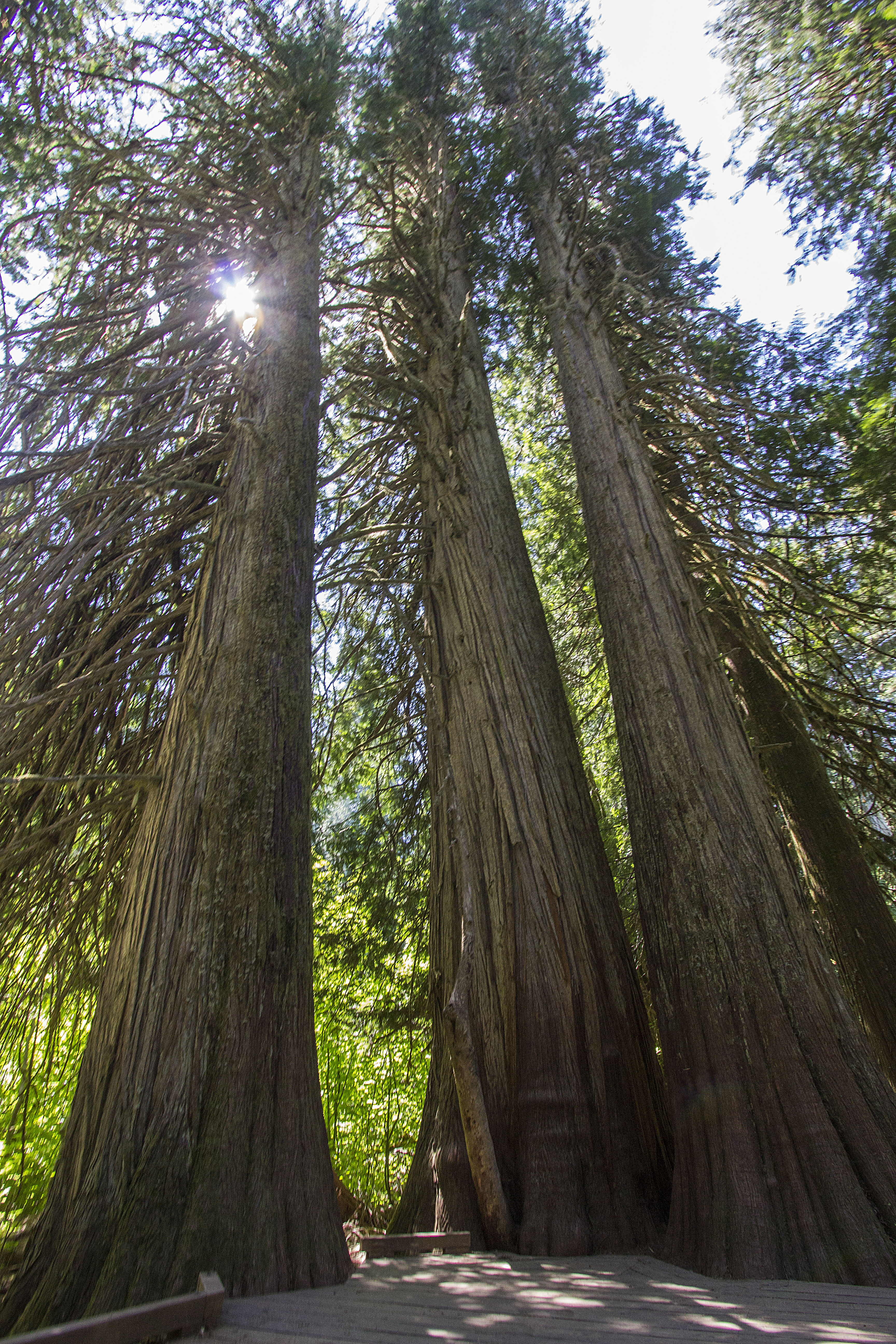
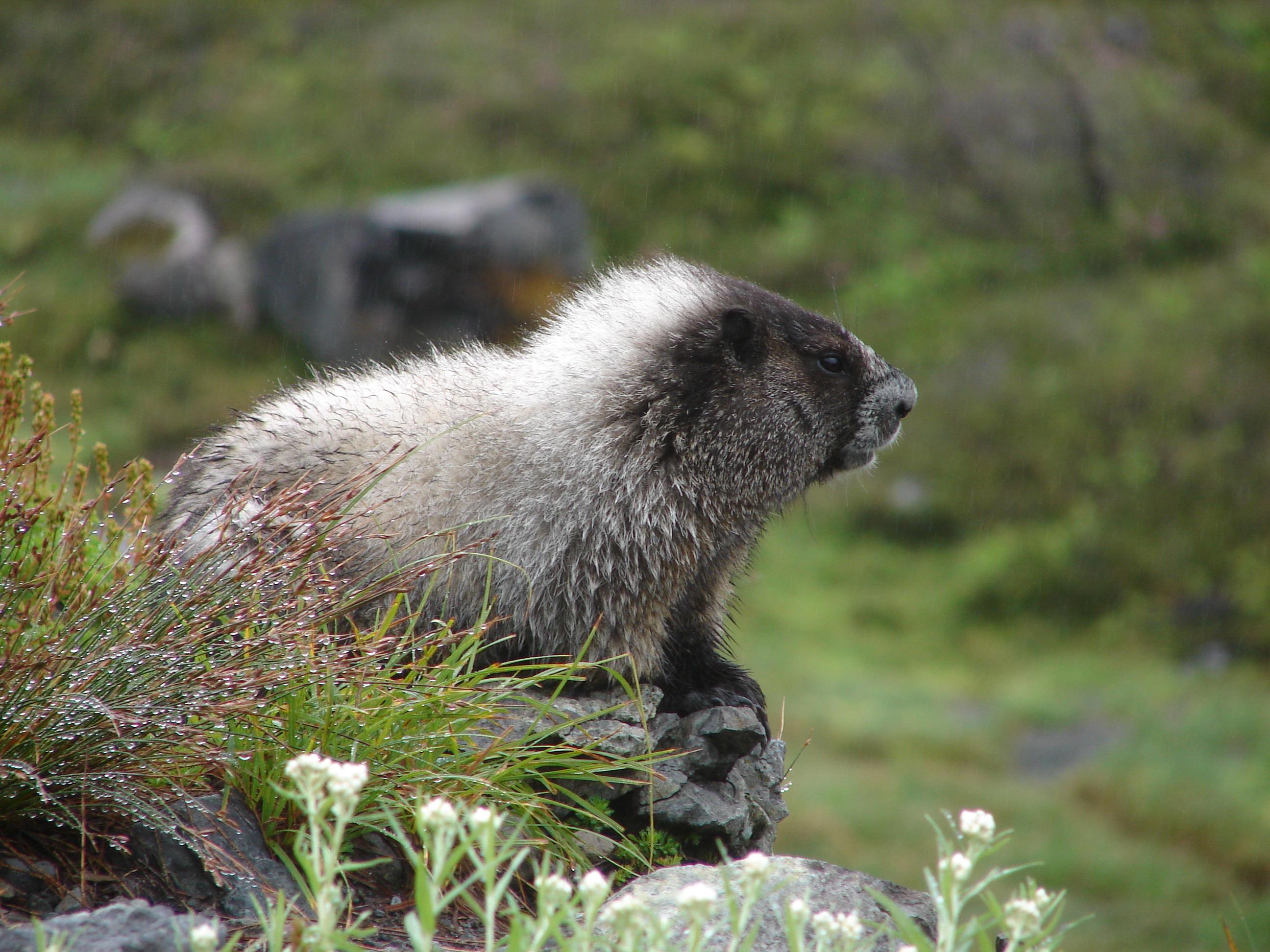
This park delivers a complete mountain experience. Its scope extends from accessible subalpine meadows and old-growth forests to high alpine, glacier-capped terrain. Recreational diversity is a key asset. Front-country hiking and scenic drives suit most visitors. Opportunities for freshwater fishing in glacial-fed rivers will attract anglers. Birders and wildlife watchers benefit from distinct elevation zones supporting varied habitats. Winter access for snowshoeing, skiing, and general snow play broadens its appeal. For families, the Junior Ranger program and guided tours are valuable inclusions. The park also features a highly regarded non-technical high route for mountain climbers. Serious stargazing is possible from its dark-sky campgrounds.
Who should go
This destination caters to a broad spectrum of outdoor enthusiasts. Hikers of all levels, families, and backcountry campers will find ample opportunities. It serves mountaineers and those seeking winter recreation exceptionally well. Wildlife watchers and stargazers are similarly accommodated. Only those exclusively interested in desert or canyon landscapes, and with no appreciation for forests, glaciers, or alpine terrain, should consider other options.
When to go
For the clearest, warmest weather and peak wildflower viewing, July and August are ideal, though visitors should expect crowds. September provides a quieter experience with good weather. Spring and fall are characterized by significant rain and road closures. Winter access is limited, but the park becomes a destination for snowshoeing and skiing.
Highlights
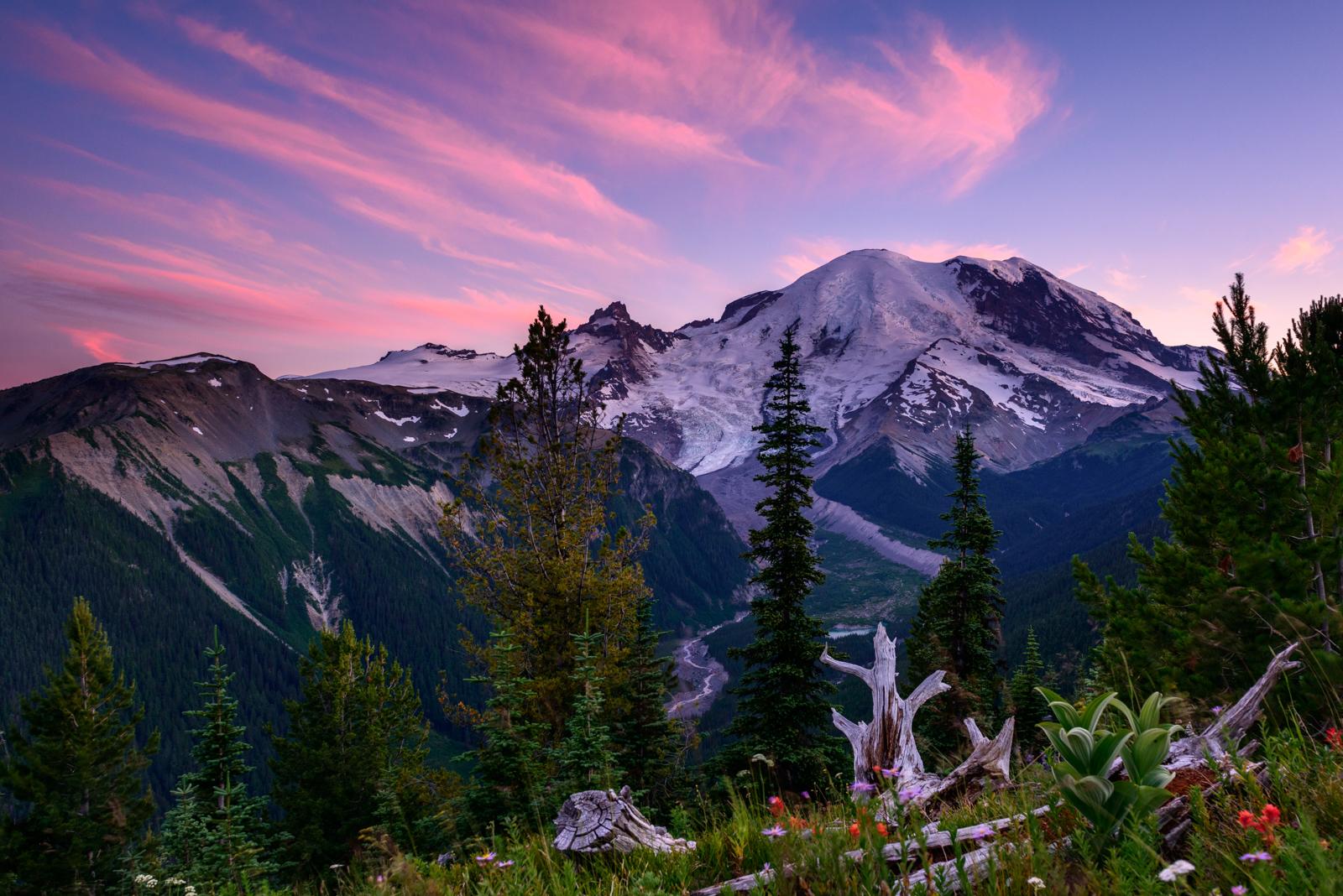
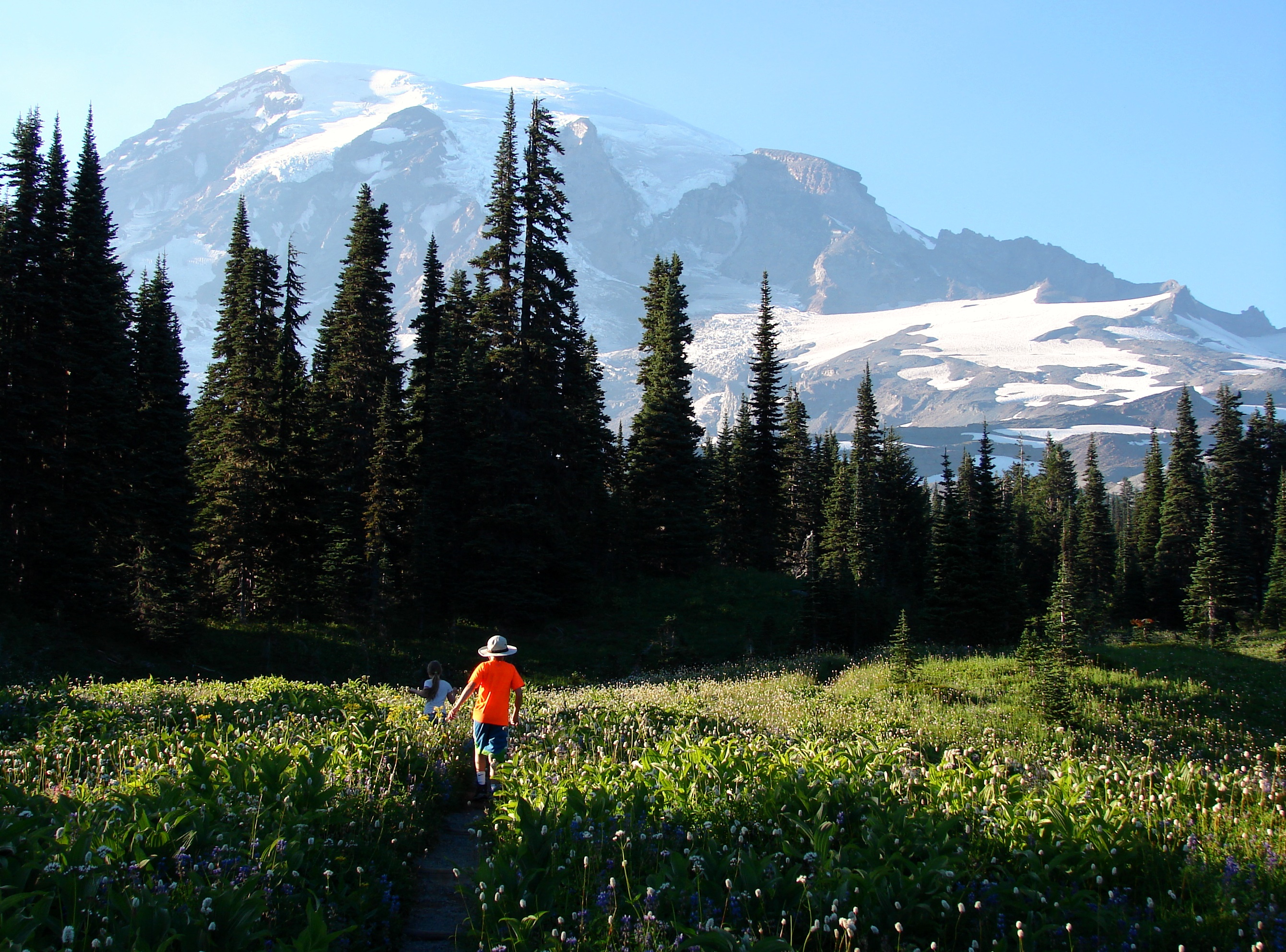
- Subalpine wildflower meadows ringing an active, heavily glaciated volcano
- Mountain climbing routes on one of the most glaciated peaks in the lower 48
- Scenic driving through old-growth forest and up into alpine terrain
- Winter snowshoeing, skiing, and snow play with genuine mountain snowpack
- Dark skies and stargazing above the cloud layer on clear summer nights
- Freshwater fishing in glacier-fed rivers within a dramatic landscape
Plan ahead
At $15 per vehicle, entrance offers strong value considering the park's scale. Road and facility availability shifts seasonally; consult current conditions before spring or fall visits. The park remains open year-round, but winter access faces limitations. Campground reservations for summer weekends fill rapidly. Book far in advance. This park rewards planners.
Editor's tipFor those seeking a less congested experience during peak season, this park offers viable alternatives. Multiple entry corridors and visitor areas exist, which typically register a fraction of the traffic seen at primary destinations. Furthermore, a pre-8 a.m. arrival at any trailhead during July and August demonstrably enhances the visitor experience.