Morristown National Historical Park: our verdict
Morristown National Historical Park stands as a serious Revolutionary War site, not a scenic escape.
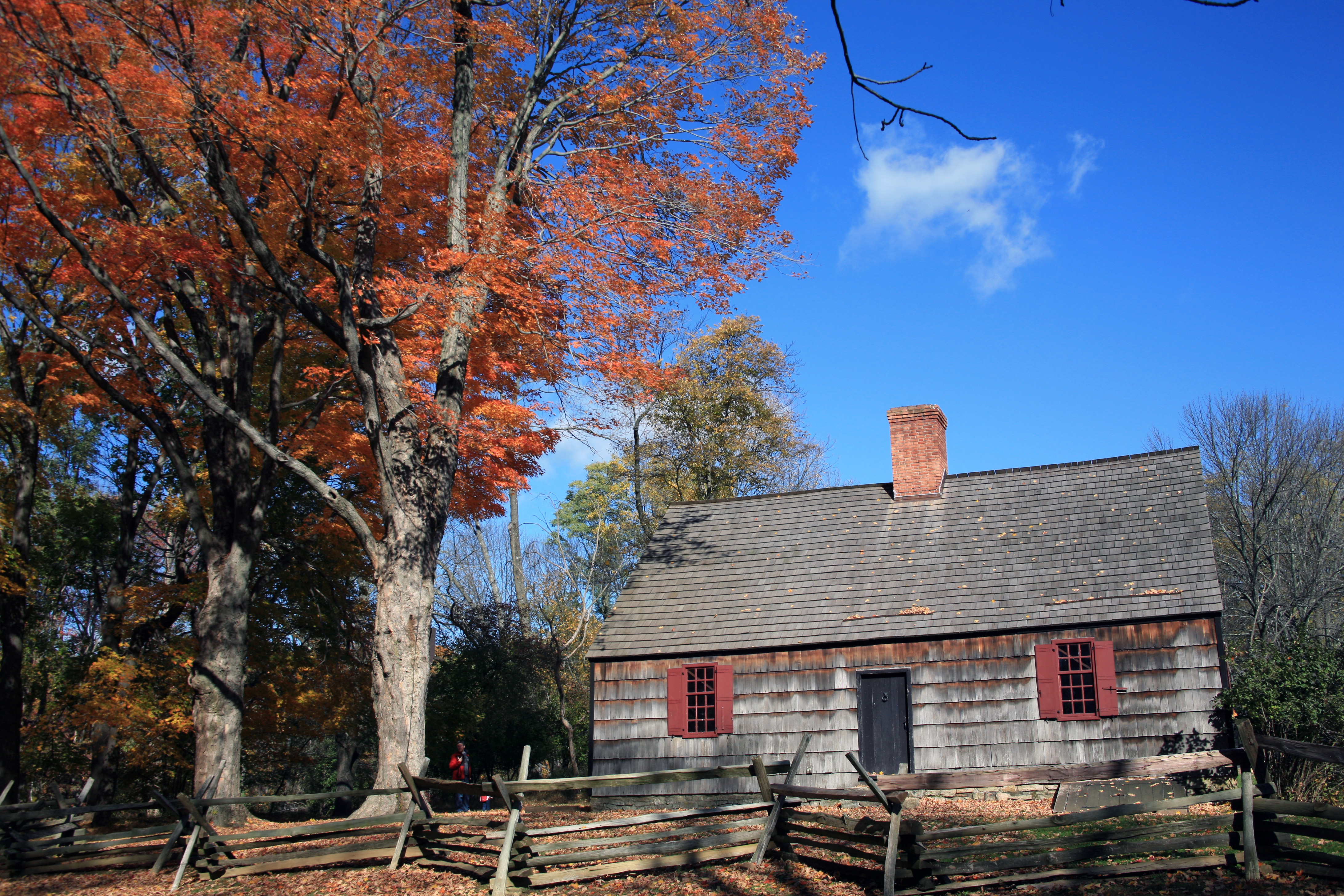
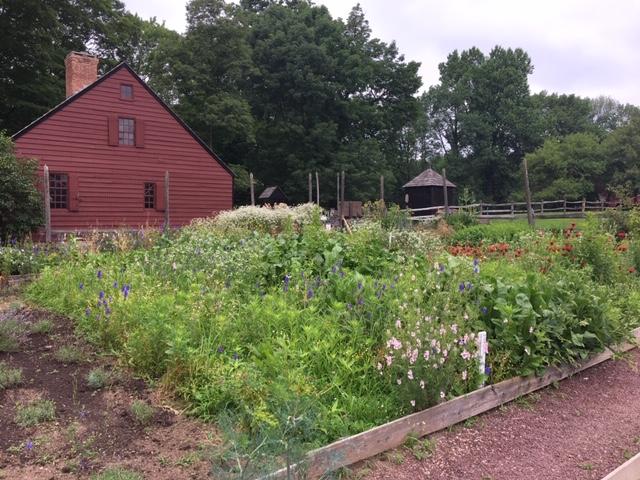
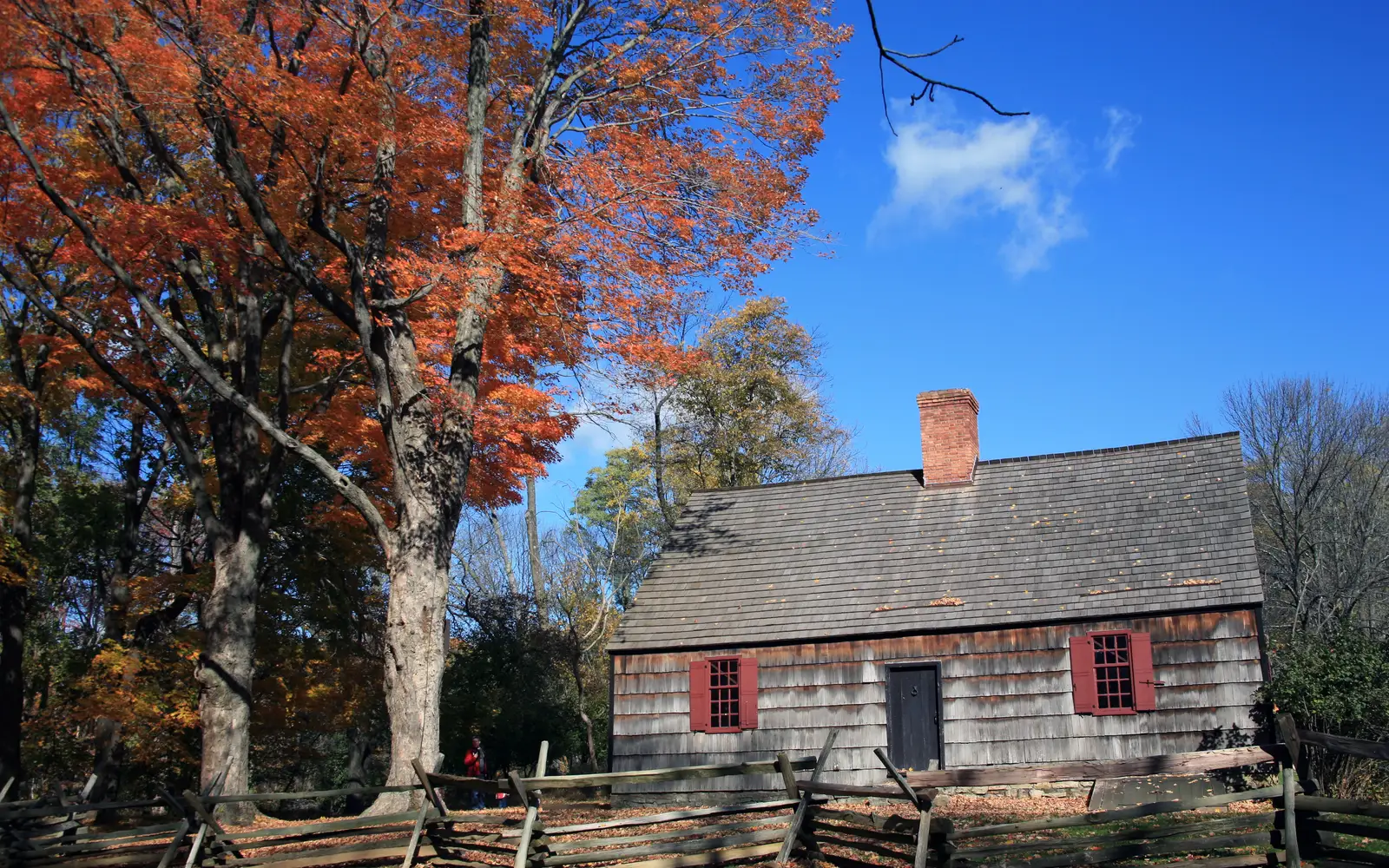
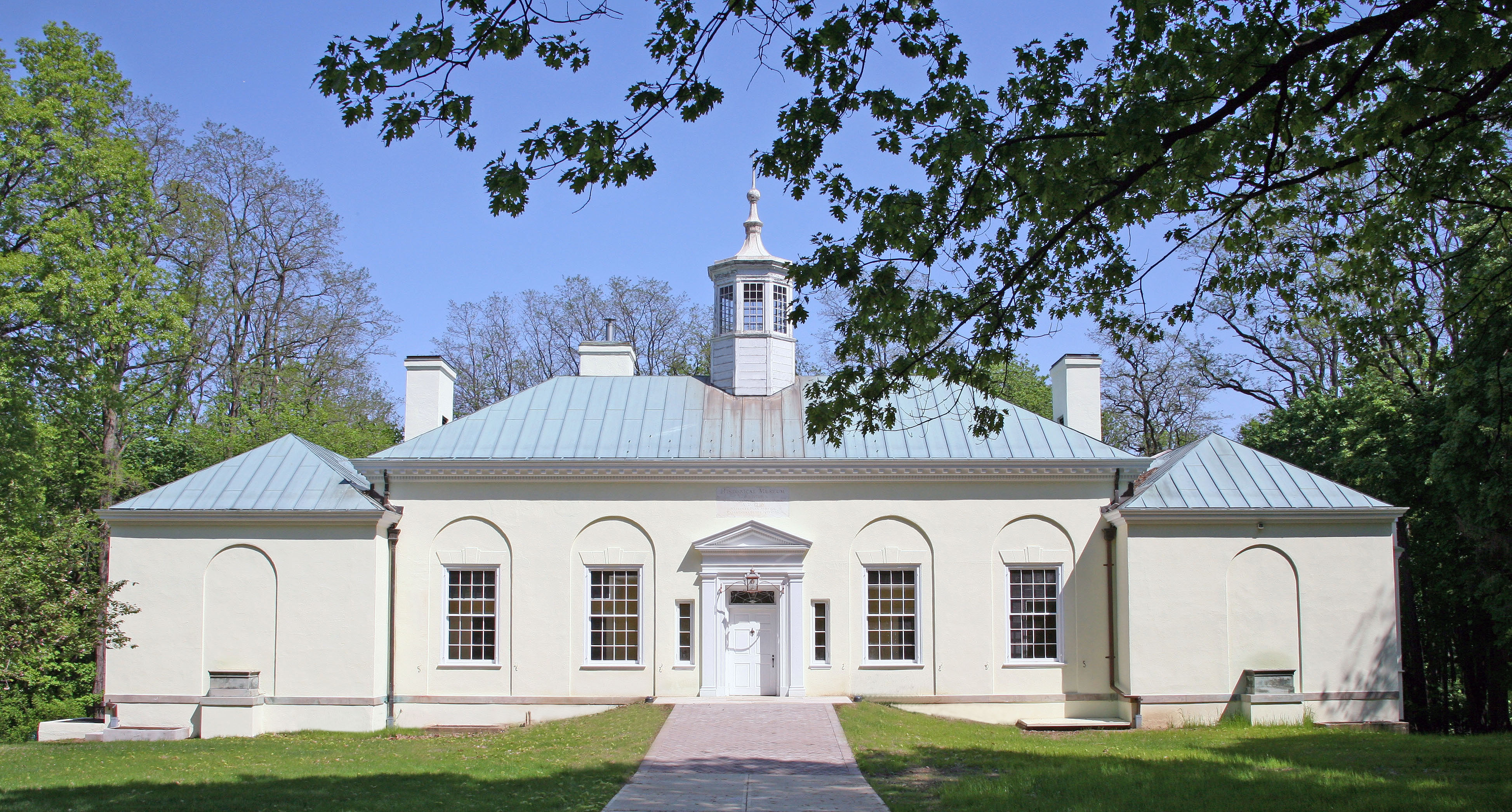
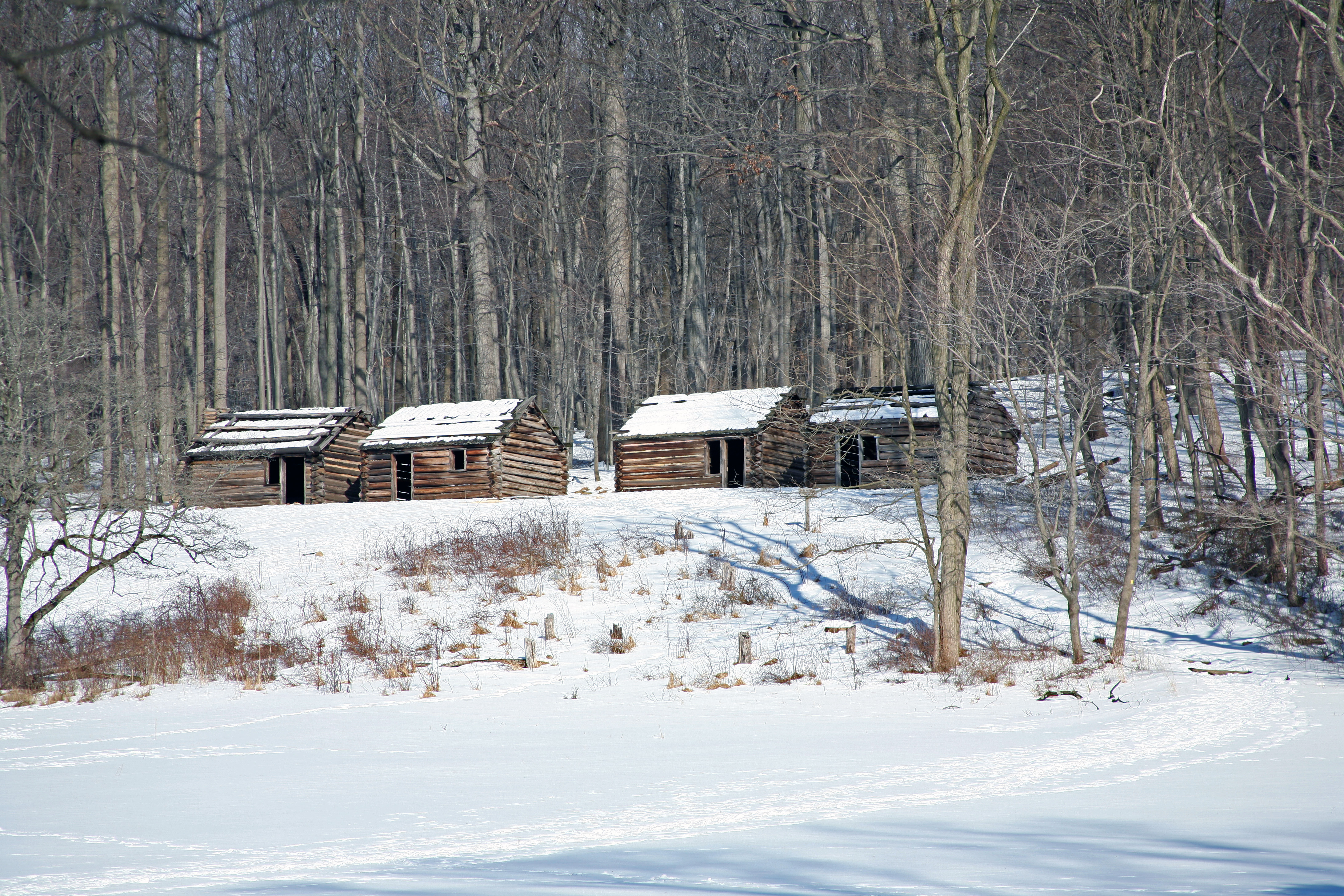
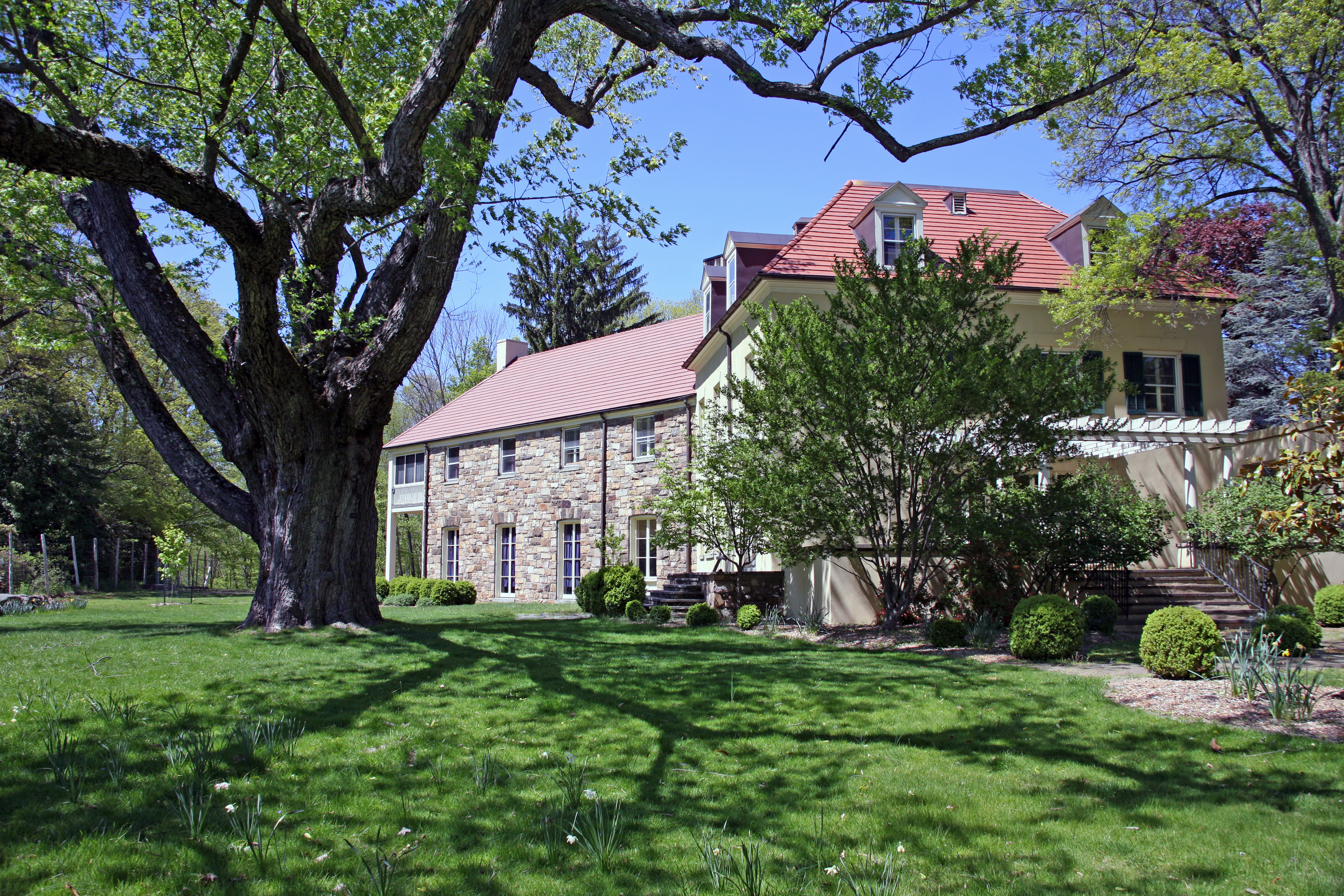
It preserves the ground where Washington's Continental Army endured the brutal winter of 1779-1780, considered the harshest of the entire war. The park divides into two main areas. Washington's Headquarters anchors the history with its museum and historic structures. Jockey Hollow offers a surprisingly large forested tract where soldiers actually camped. This combination of historical weight, free admission, a solid trail network, and living history programming provides unusual depth for a suburban New Jersey location. The park rewards those curious about the Revolution's grinding human reality. History buffs will find it exceptional. Casual day-trippers seeking only scenery may underestimate its offerings. However, the wooded trails at Jockey Hollow make it more than a museum stop.
Why visit
A good day here moves between two distinct experiences. Start at Washington's Headquarters Museum for the film, exhibits, and first-person interpretation that frame what the winter of 1779-1780 actually meant, the cold, the starvation, the near-collapse of the army. Then drive or bike to Jockey Hollow, where front-country hiking trails wind through the same landscape where thousands of soldiers built log huts and struggled to survive. Living history demonstrations and historic weapons programs add texture that no exhibit can replicate. Birding and wildlife watching are legitimate draws in the Jockey Hollow woodlands. The Junior Ranger program makes the history accessible for kids. Guided tours layer on context that self-guided walkers will miss. Free admission means there is no reason to rush.
Who it suits
This park offers a genuine reward for history-focused travelers, particularly those keen on the American Revolution beyond its more commonly recognized sites. Families will find benefit in the living history presentations and the established Junior Ranger program. For hikers and birders, Jockey Hollow provides an additional draw. Those seeking dramatic scenery or backcountry adventure should consider other regional options; this park does not cater to those pursuits.
Timing your visit
Late spring and fall present the most comfortable conditions for hiking and outdoor programming at Jockey Hollow. Summer brings humidity and warmth, but maintains a full schedule of activities. Winter offers historical resonance; a visit in January or February aligns with the army's experience. Confirm visitor center operating hours (Thursday through Monday) before a winter trip. For extended hiking, avoid peak summer heat.
What stands out
- Washington's Headquarters Museum with period exhibits and a park orientation film
- Living history demonstrations and historic weapons programs at Jockey Hollow
- Front-country hiking and biking trails through the actual encampment landscape
- First-person interpretation that brings Continental Army soldiers to life
- Birdwatching and wildlife watching in the Jockey Hollow woodlands
- Junior Ranger program connecting kids directly to Revolutionary War history
Good to know
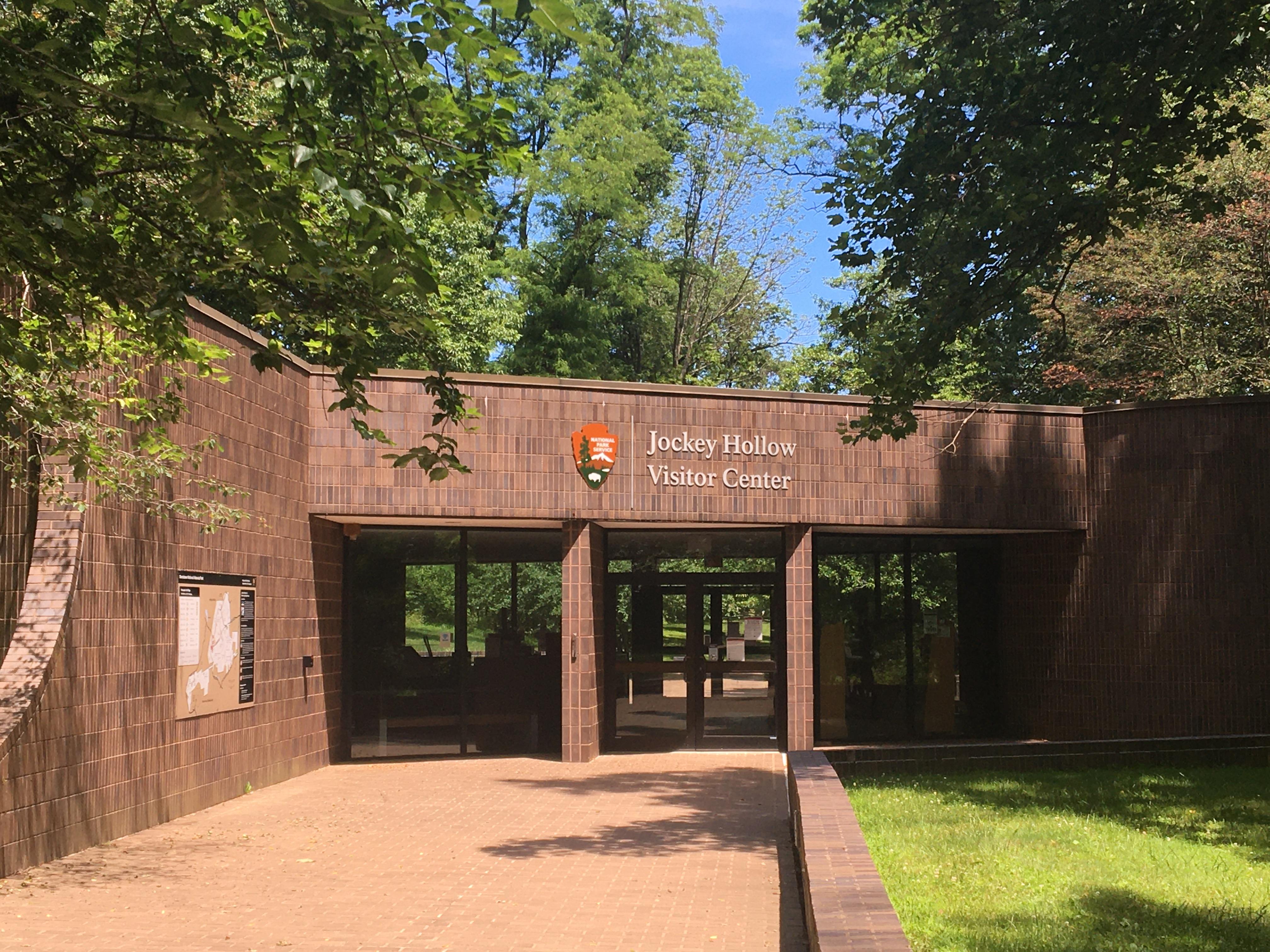
This park offers free admission across all its grounds. Visitors should note that the Washington's Headquarters Museum and the Jockey Hollow Visitor Center operate Thursday through Monday, from 9:30 am to 4:30 pm. Tuesday and Wednesday visits mean closed facilities. The park's two primary areas are distinct sites. Plan for a short drive between them; this is not a single-stop destination.
Insider tipA scheduled visit is essential here. The living history and reenactment programs elevate the experience, offering a dimension self-guided exploration cannot match. Check the park calendar and prioritize these events. Hikers can fill remaining hours, but the demonstrations are the true draw.