Is Great Egg Harbor River worth your trip?
The Great Egg Harbor River, a 129-mile wild and scenic river system, achieves a perfect Experience Score due to its exceptional range of documented activities along a continuous waterway.
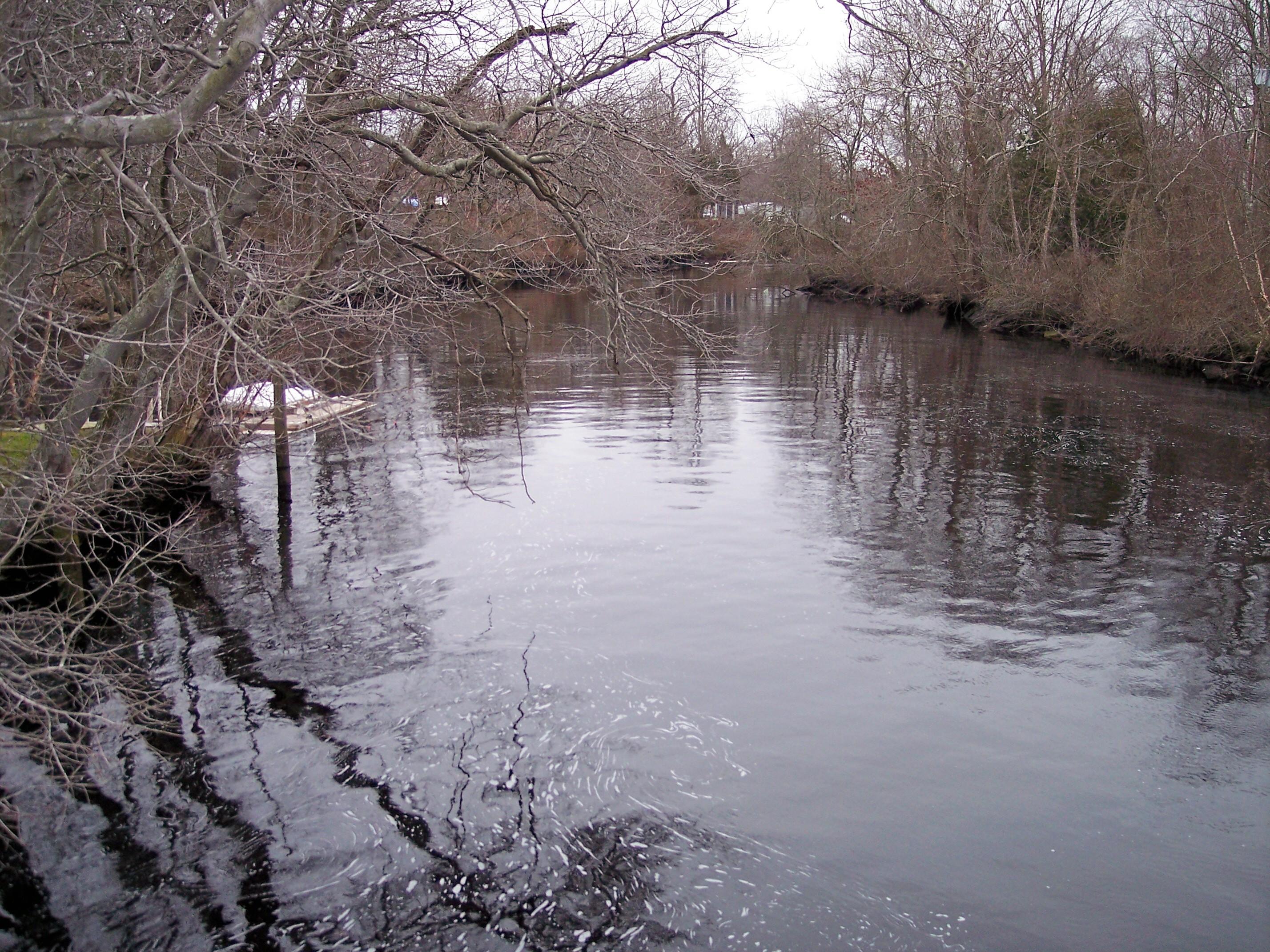
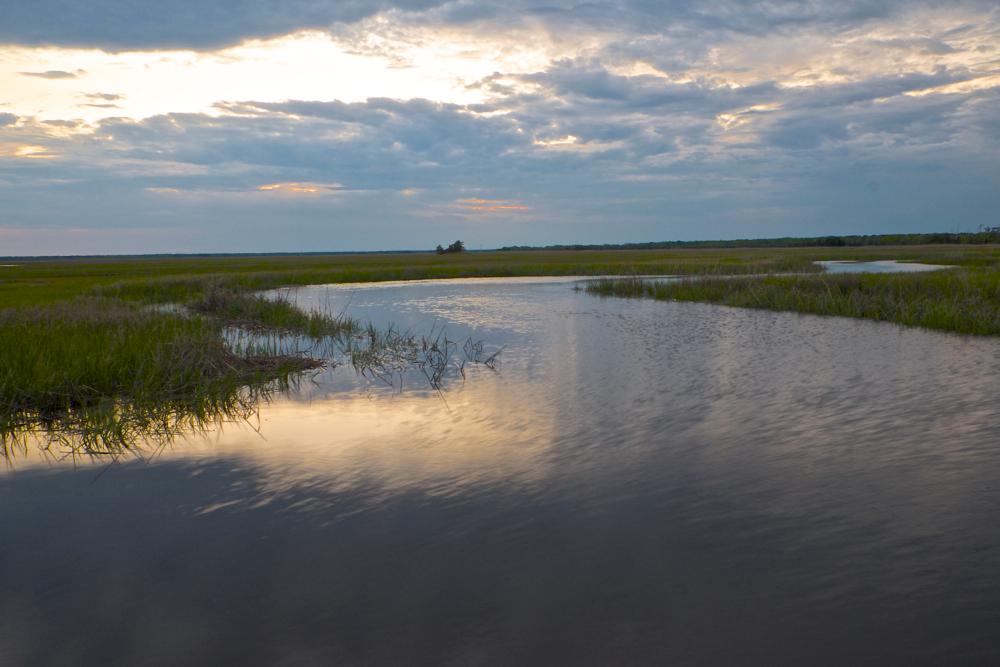
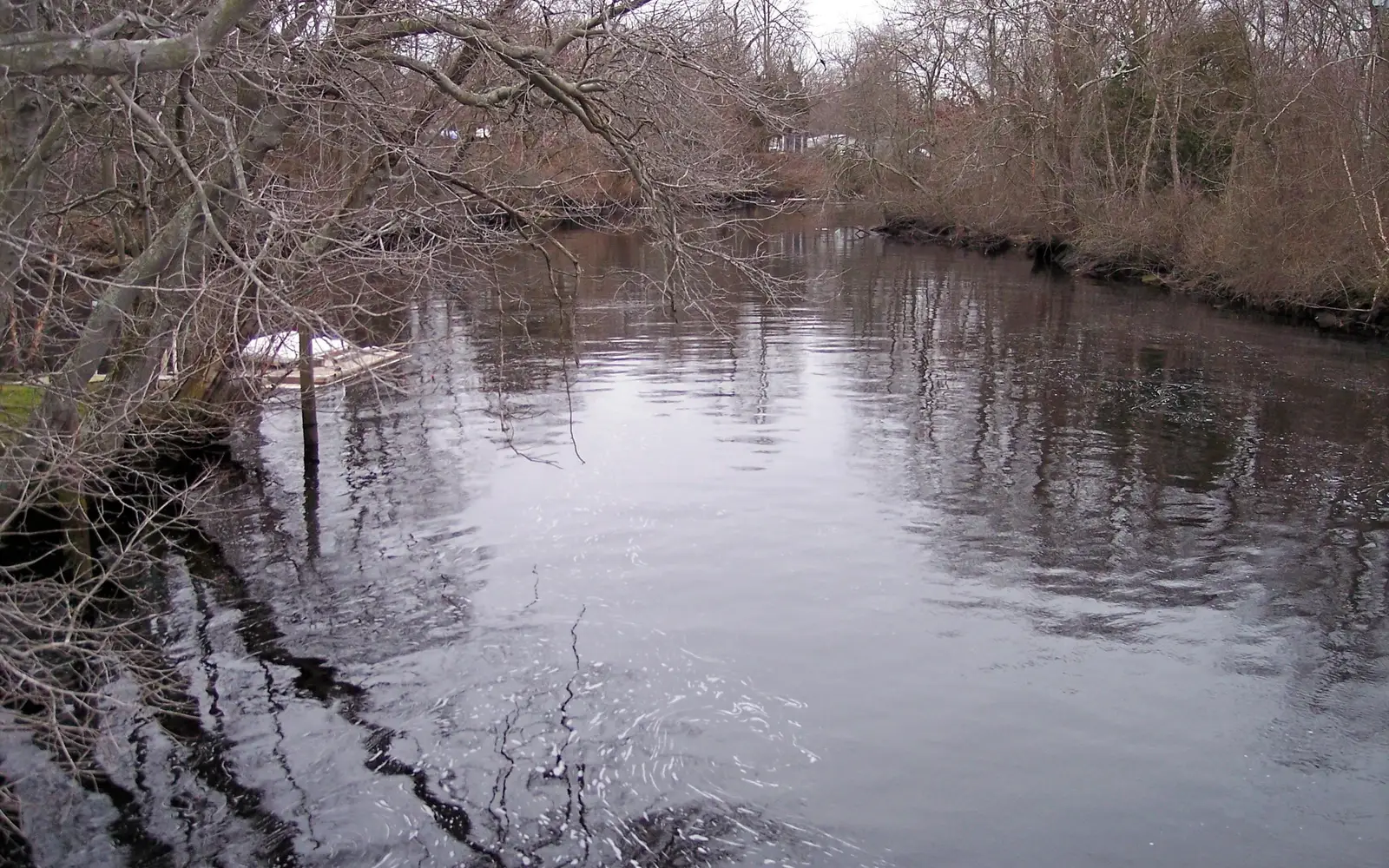
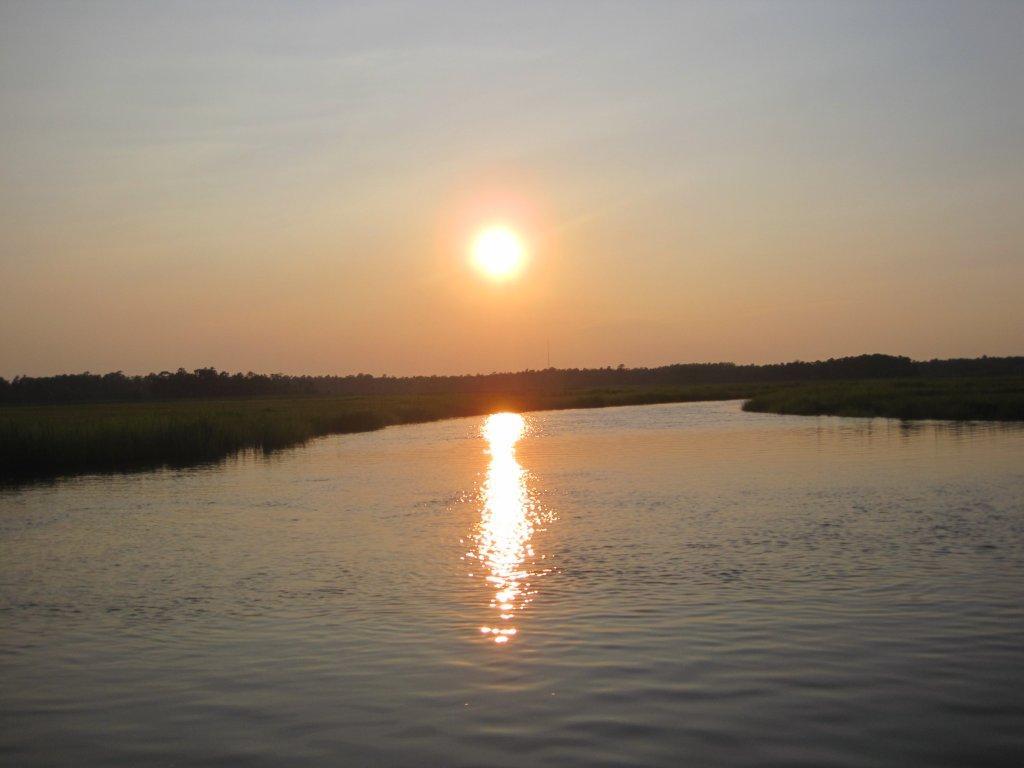
This unit offers no visitor center, no ranger-staffed entrance, and no single iconic overlook. It functions as a living river corridor, managed by local authorities, where self-direction defines the visitor experience. Its primary appeal lies in the Pinelands environment: the distinctive tea-colored, tannin-stained waters, dense Atlantic white cedar swamps, and the tidal marshes approaching the harbor. The system provides some of the East Coast's best shorebird and waterfowl habitat. Access is free. It remains remarkably uncrowded compared to other national park units. This destination rewards paddlers, birders, anglers, and stargazers prepared for independent exploration. Those who plan ahead will find their way into its unique offerings.
Why go
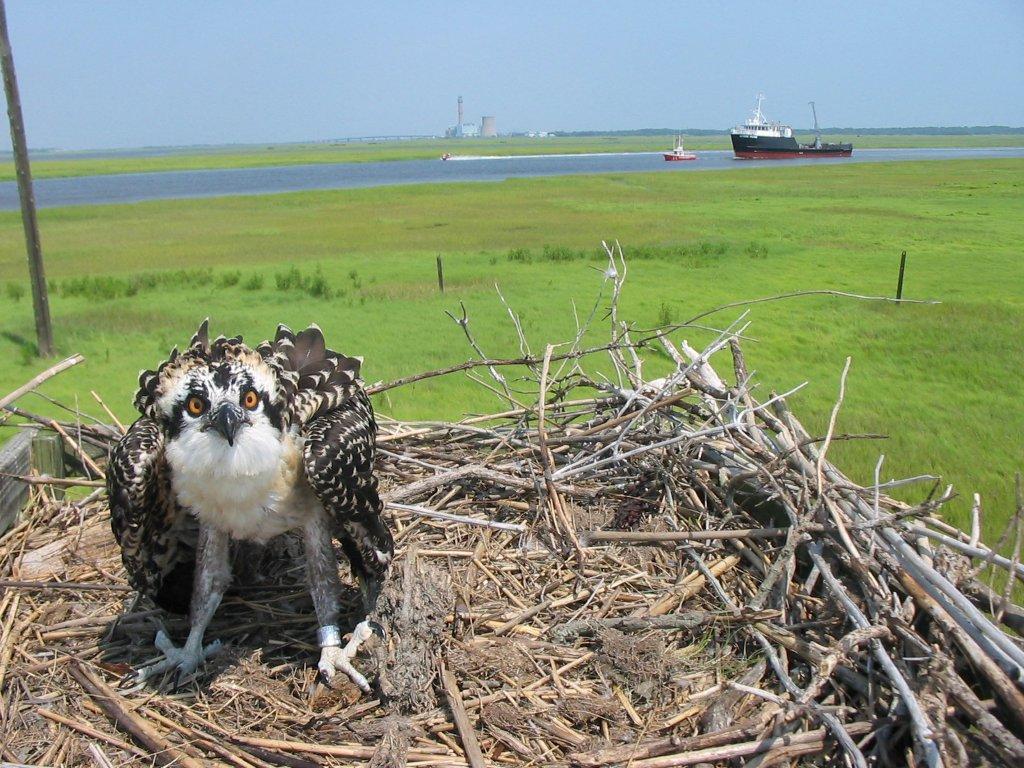
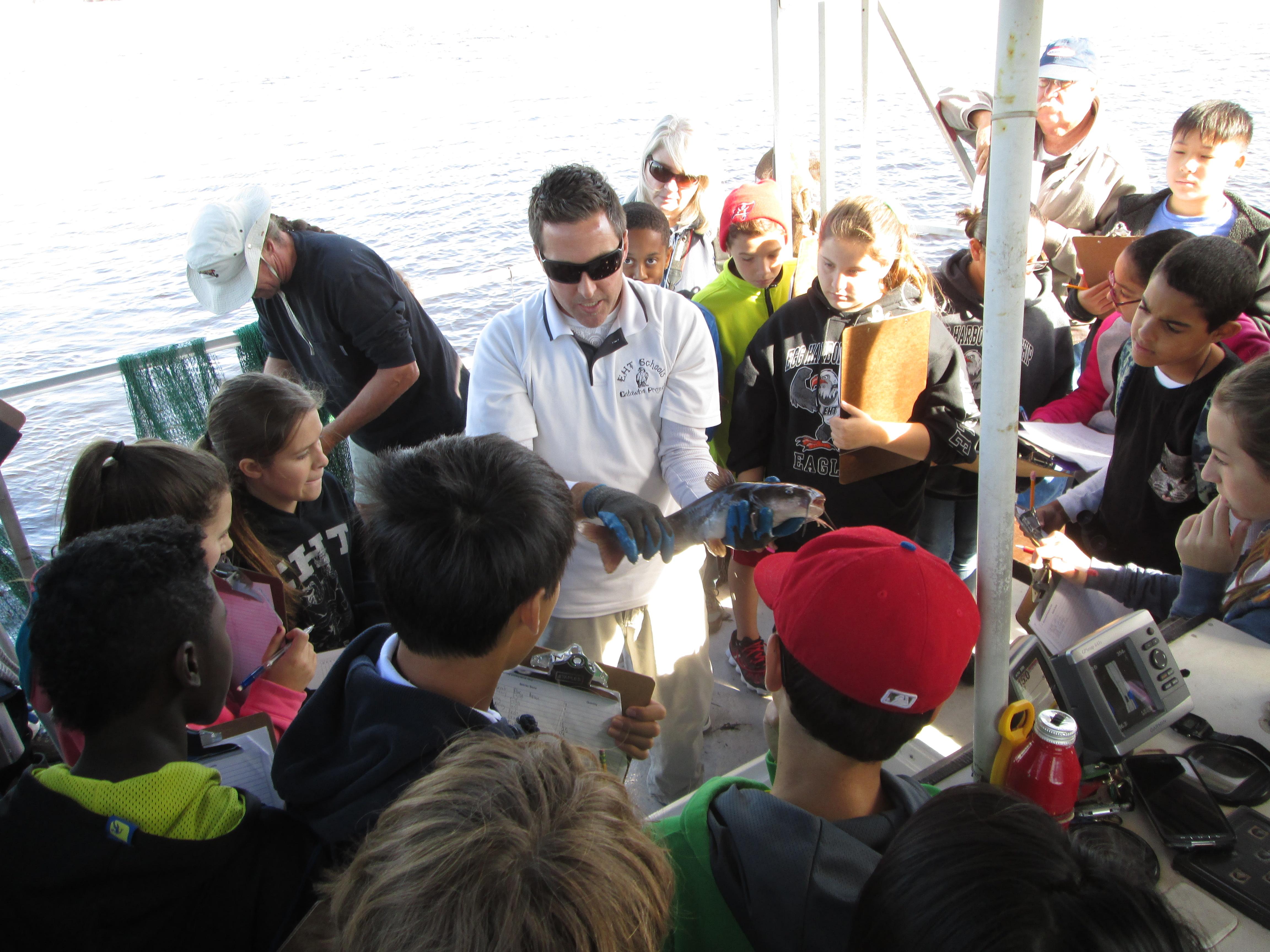
This park delivers a water-centric experience. With 55 miles of navigable river, visitors can explore diverse aquatic environments. The upper Pinelands offer narrow, wooded freshwater channels for canoes and kayaks. Near Mays Landing, broader tidal reaches support saltwater fishing and shorebird viewing. Multi-day canoe or kayak camping trips are possible along the extensive river corridor. Anglers will find both freshwater and saltwater opportunities. Birders are drawn to the significant shorebird and waterfowl concentrations. After sunset, the Pinelands provide a legitimate stargazing destination, buffered from light pollution. Guided tours offer insights into the area's ecology and Revolutionary War privateering history. This is a destination for paddlers, anglers, and nature enthusiasts. Casual sightseers should look elsewhere.
Best for
Paddlers, birders, and anglers will find this genuinely rewarding. Canoe campers seeking a multi-day Pinelands float have few better options in the Mid-Atlantic. Families comfortable with self-guided river recreation will enjoy it. Visitors expecting developed trails, interpretive facilities, or a classic national park experience should look elsewhere; this is a river corridor, not a traditional park unit.
Best season
This unit presents a clear seasonal rhythm. Late spring through early fall offers prime conditions for paddling, fishing, and birdwatching, with the Atlantic moderating New Jersey's southern temperatures. Spring migration guarantees peak shorebird activity. Summer provides the full complement of water activities, including tubing. Fall delivers quieter paddling and excellent waterfowl viewing. Winter is slow, yet the river remains accessible for dedicated fishing and wildlife observation.
The high points
- Multi-day canoe and kayak camping through the Pinelands river corridor
- Some of the best shorebird and waterfowl birdwatching on the East Coast
- Both freshwater and saltwater fishing along the same 129-mile system
- Dark-sky stargazing buffered by the surrounding Pinelands National Reserve
- Stand-up paddleboarding and river tubing in a largely undeveloped natural setting
- Guided tours connecting the river to its Revolutionary War privateering history
Know before you go
Entry comes at no cost, though varied access points demand advance planning due to administration by local jurisdictions, not a unified NPS facility. Identify specific put-in and take-out locations prior to arrival. Regional canoe and kayak outfitters offer substantial logistical simplification for first-time visitors. Anglers must possess a New Jersey fishing license.
One more thingThe river presents two distinct experiences. Upstream, paddlers find a narrow, intimate Pinelands forest environment. Downstream near Mays Landing, the character shifts to tidal marsh, supporting saltwater species and concentrations of shorebirds. Access points should be chosen deliberately; these feel like different rivers.