parkverdict
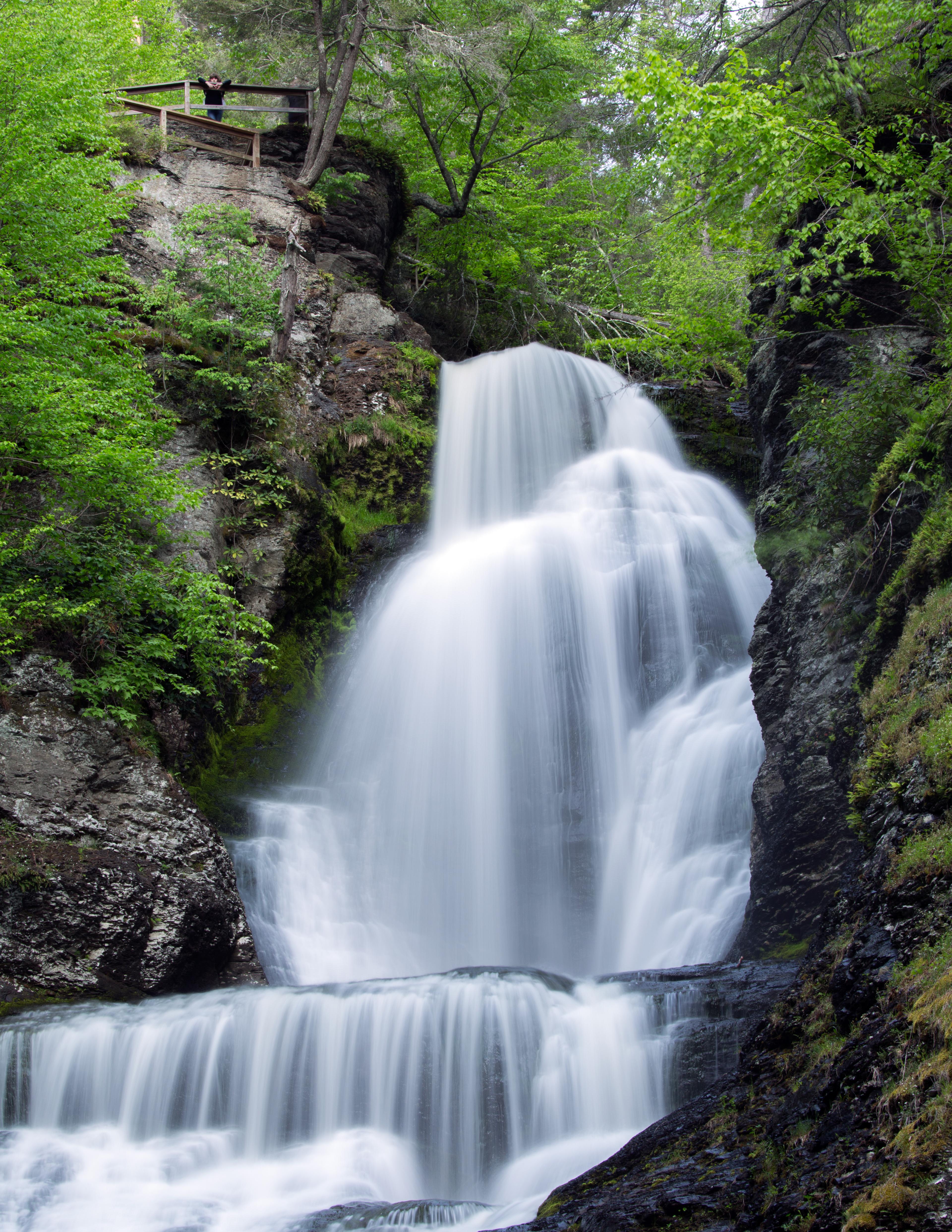
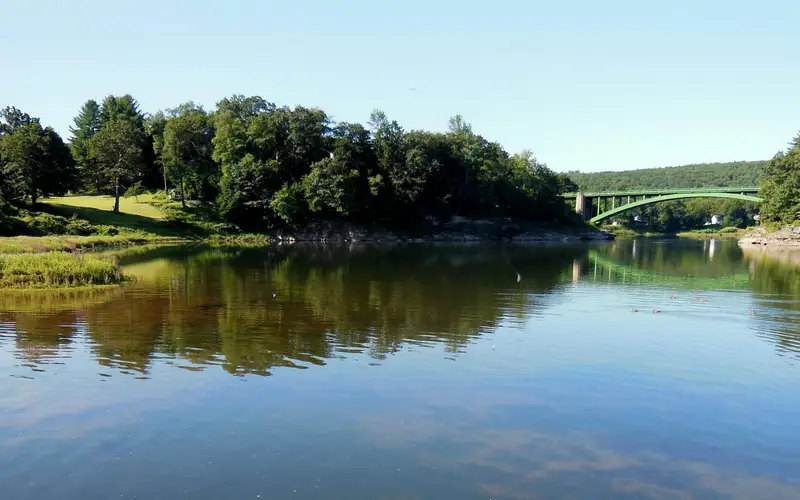
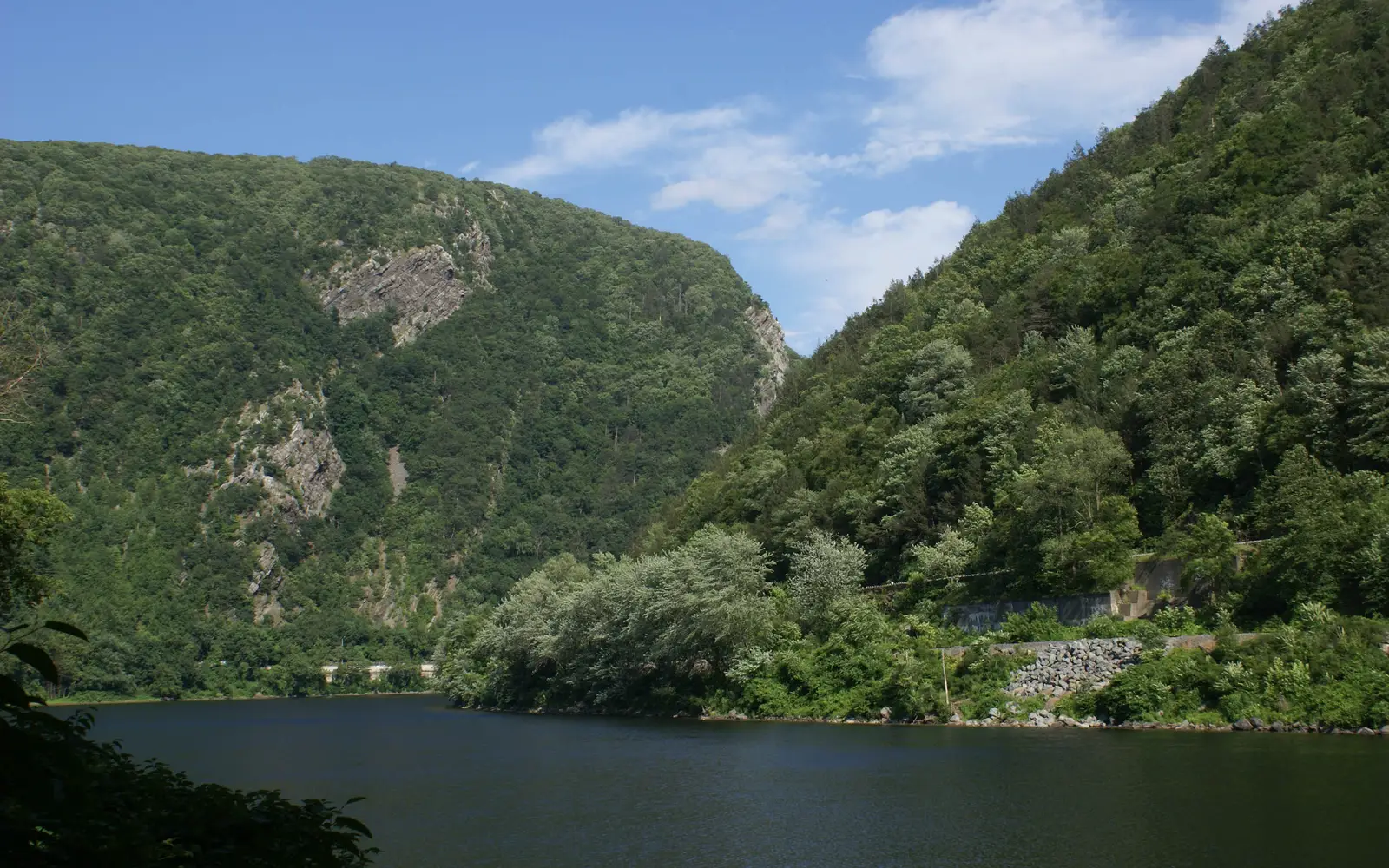
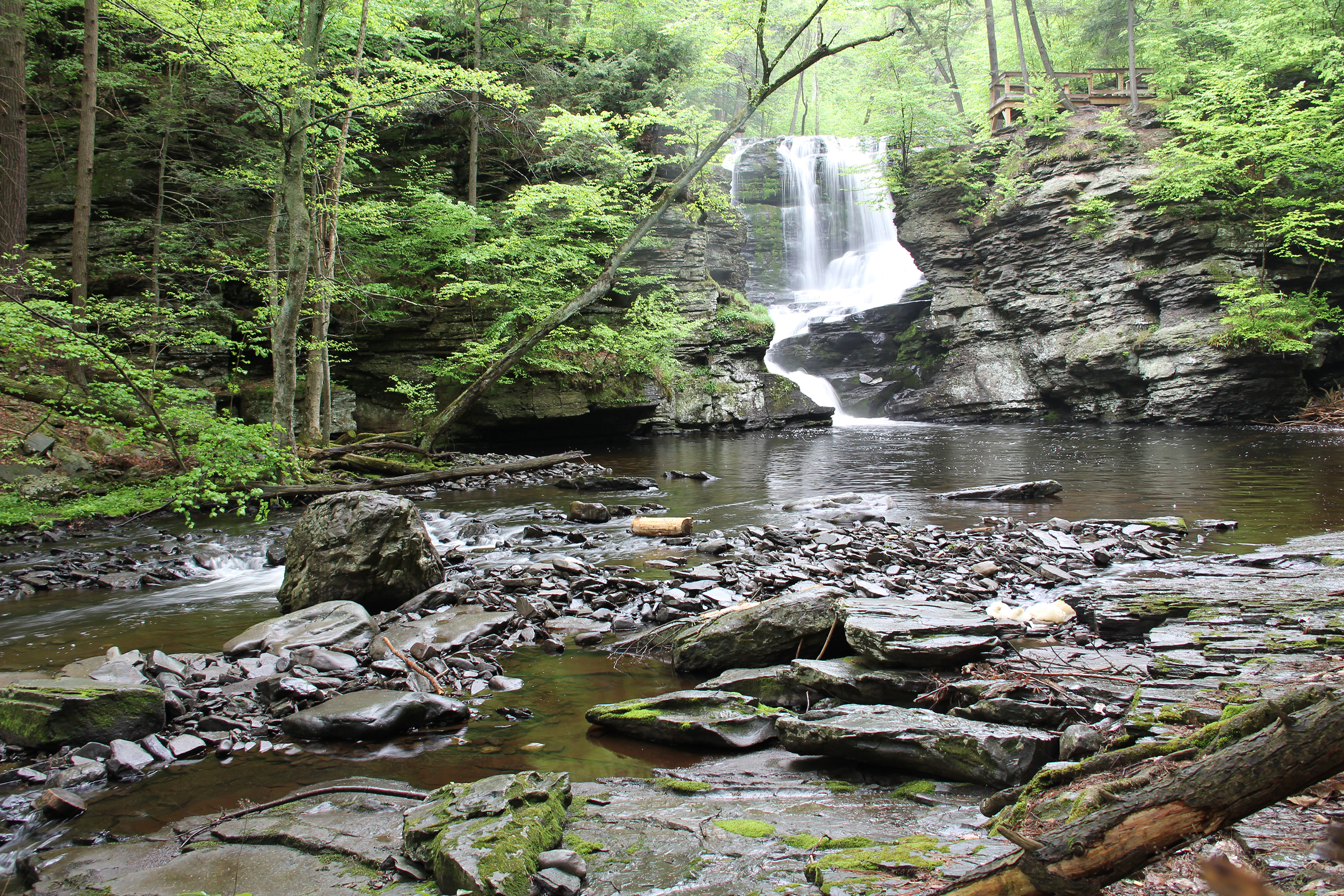
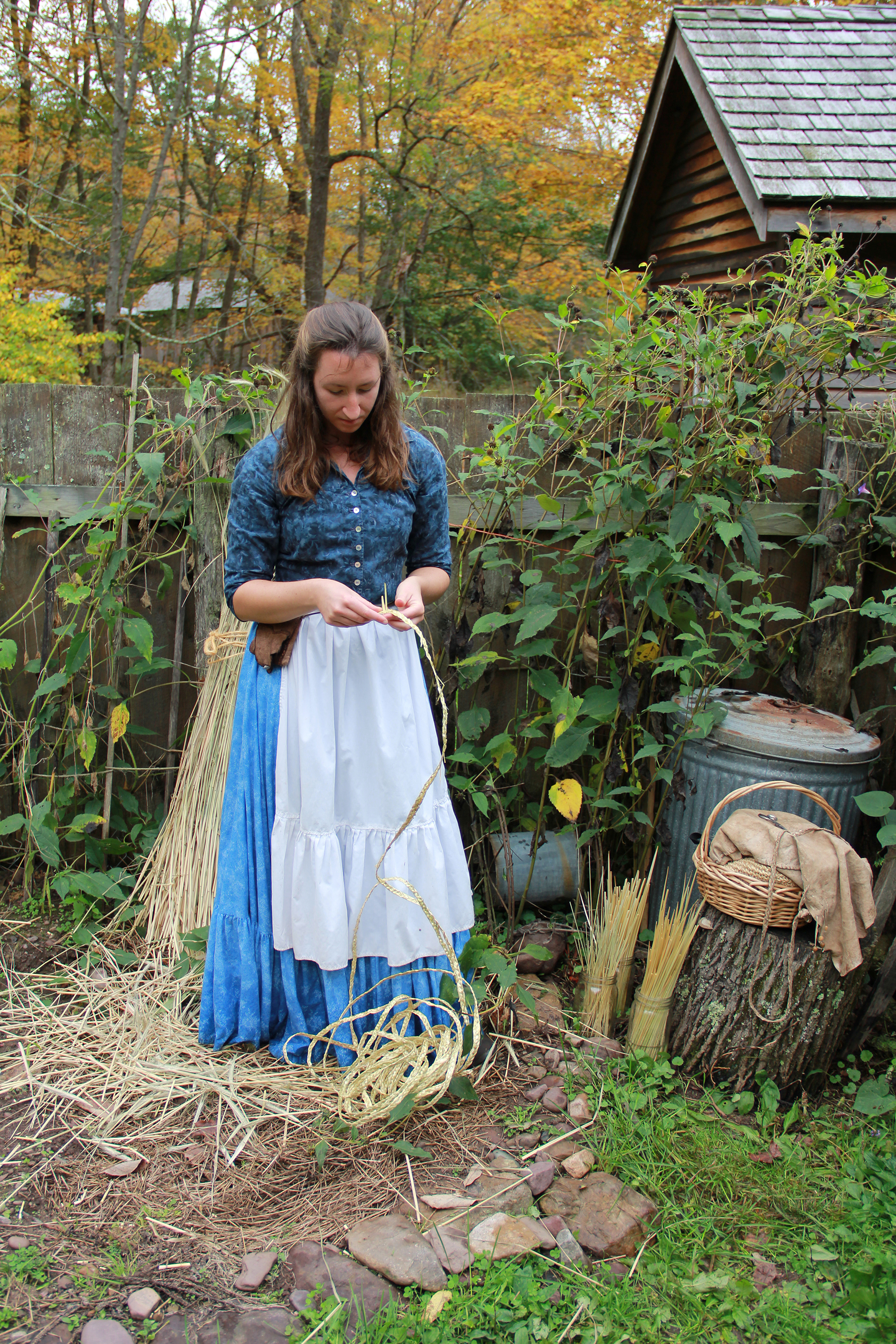
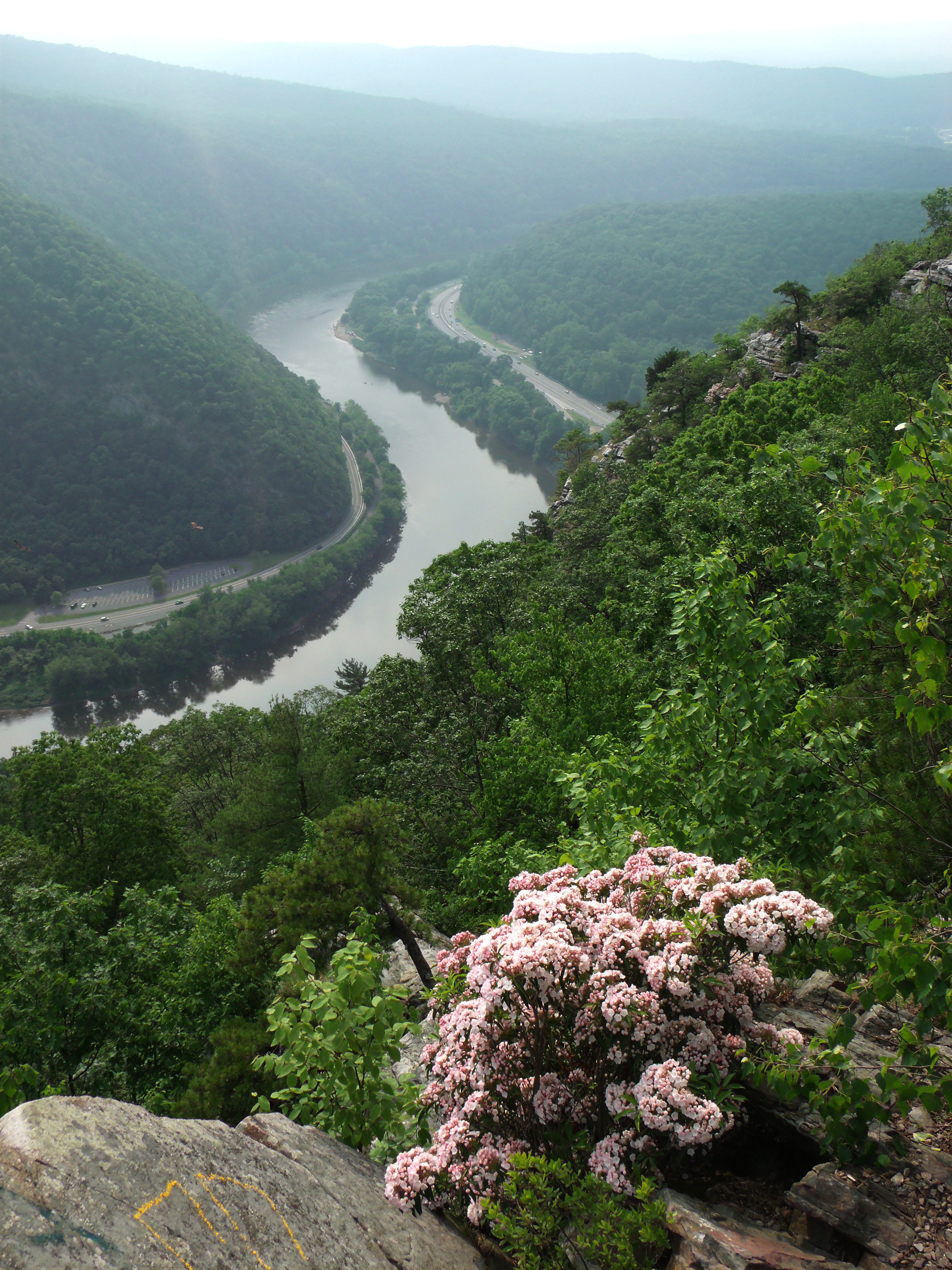
View of the Delaware River cutting between two low mountain peaksA waterfall flows toward the viewer along a rocky riverbed.A woman braids rye straw for hatmakinga snaking river view from a mountain top
National Recreation AreaNJ / PA

Delaware Water Gap National Recreation Area

NPS / Courtesy of James Hicks
90/ 100DOES IT ALL
parkverdict Experience ScoreIndependent, not sponsored

90 of 100. Our independent breadth-and-access index. How we score

Our take

Is Delaware Water Gap National Recreation Area worth your trip?

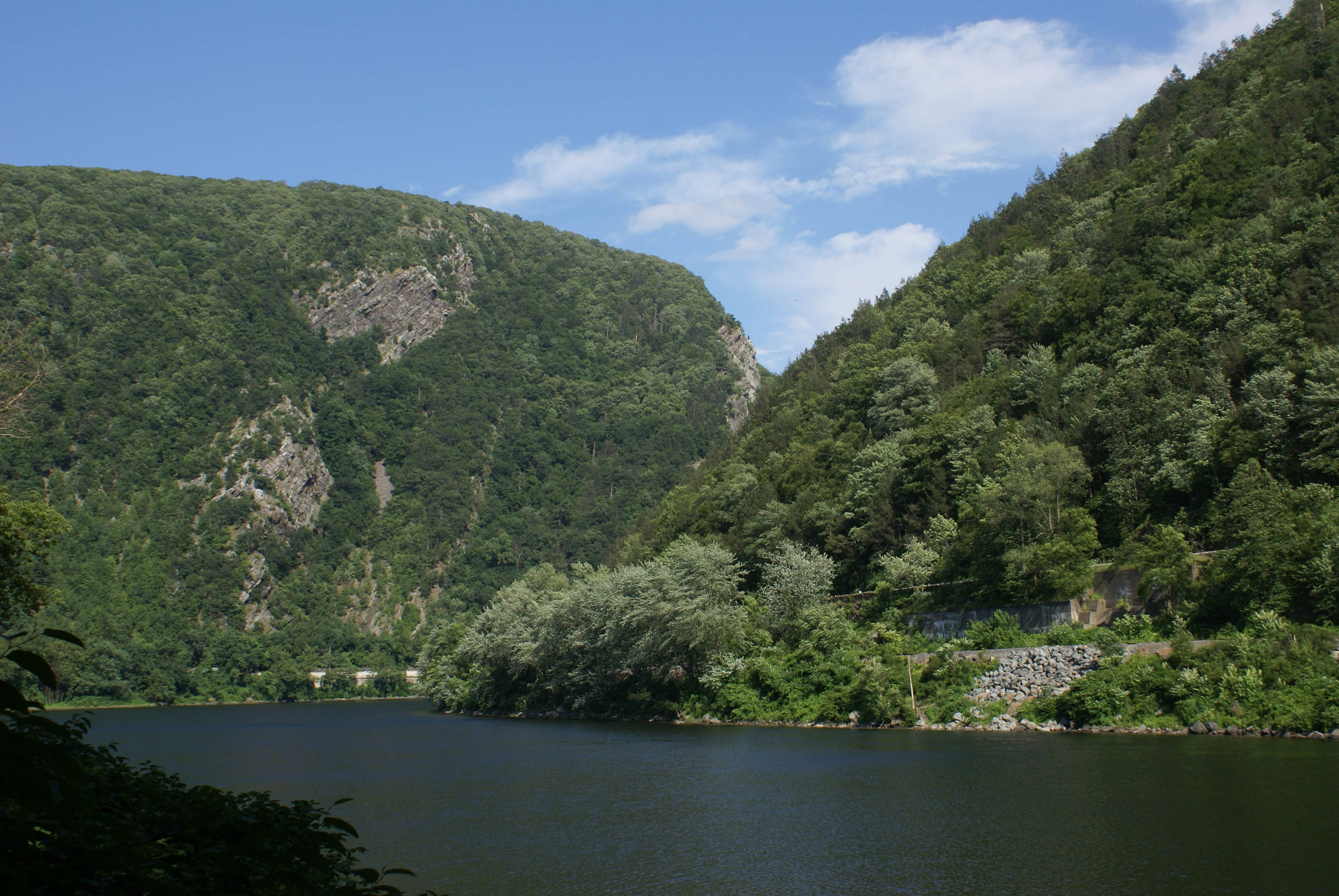
Delaware Water Gap National Recreation Area stretches along 40 miles of free-flowing Delaware River on the New Jersey-Pennsylvania border, and its Experience Score of 90 is well earned.

The activity list is one of the longest in the NPS system: fly fishing, whitewater paddling, cross-country skiing, rock climbing, horseback riding, and backcountry camping. The park sits inside the most densely populated corridor in the country, which means heavy weekend crowds, but that same geography puts it within easy reach of tens of millions of people. Nobody is flying across the country for this one, but a long weekend drive from New York, Philadelphia, or anywhere in New Jersey makes perfect sense. The river is the heart of it, and the ridgelines, forests, and historic villages surrounding it give the park real substance beyond a swim hole.

Why go

A good weekend here starts on the Delaware River. Canoe and kayak trips range from a few hours to multi-day camping floats, and the river's free-flowing character makes it genuinely uncommon in the eastern United States. The ridge trails have real elevation and solid views, and fall foliage typically peaks in October, which can turn an ordinary hike into something worth the drive. Anglers come for fly fishing and freshwater species. In winter, when conditions cooperate, the same trail network works for cross-country skiing and snowshoeing. Millbrook Village adds a historical and cultural layer to the area. Backcountry and canoe-in sites are both available, so putting together a self-sufficient multi-day trip is pretty straightforward.

Best for

Paddlers, anglers, and hikers can find real backcountry here within a few hours of a major city. Families have the Junior Ranger program, picnic areas, and freshwater swimming to keep everyone occupied. If you're coming from New York or Philadelphia for a weekend, this one belongs on your list. Solo visitors who want actual solitude should plan around summer weekends, which get crowded.

Best season

October turns the foliage, with temperatures anywhere from the 30s to the low 80s. Summer draws the biggest crowds, and honestly, that makes sense, because the paddling and swimming conditions are hard to beat anywhere. Spring is cold and wet, but anglers and hikers who want quieter trails tend to think that trade-off is worth it. Winter actually sees real use too, with skiing and snowshoeing both viable options, which sets this place apart from a lot of similar destinations.

The high points

  • 40 miles of free-flowing Delaware River paddling, canoe and kayak camping included
  • Multi-season trail network supporting hiking, cross-country skiing, and snowshoeing
  • Fly fishing and freshwater fishing on one of the longest undammed rivers in the East
  • October fall foliage on the ridge trails and river corridor
  • Millbrook Village historic site adding cultural depth to the recreation experience
  • Diverse camping options from RV and group sites to true backcountry and canoe-in camps

Know before you go

Entrance is $10 per vehicle. Day-use areas, including trailhead parking and picnic areas, close at sunset, so plan your river takeouts around that. Park roads are open 24 hours. On summer weekends, popular river access points and swimming areas fill up quickly, so get there before mid-morning or come on a weekday.

One more thingReserve your canoe-in campsites on Recreation.gov well before you need them, especially for summer weekends, and you avoid hauling all your own gear. That single step turns a day trip into one of the more accessible multi-day river expeditions in the northeastern United States.
How we scored it

Why Delaware Water Gap National Recreation Area scores 90

We keep the math boring on purpose. The same handful of public-data inputs, capped so none of them dominates, decide every score. What they measure is breadth and access, not beauty and not crowd levels. For Delaware Water Gap National Recreation Area, they shook out like this:

  • Activity breadth38 documented activities
  • Topic breadth16 topics
  • Official imagery6 public-domain images
  • Camping on sitedocumented
  • Entry cost$10

No number is hand-adjusted and no unit pays for placement. The full weights, the floor at 18 and a worked example are on how we score.

The honest limits

The honest blind spots

Read the score for what it is. It counts what a place documents and how reachable it is, and stops there. It will not tell you if a sunset floors you, if the crowds thin out by dusk, whether a washout closed your trail, or how a ranger tells the story. Plenty of quiet, focused spots score modestly and still win the weekend. Let the number rank what is on offer; let the verdict speak to the feel.

What you can do

Activities

Arts and CultureAuto and ATVScenic DrivingBikingBoatingCampingBackcountry CampingCanoe or Kayak CampingCar or Front Country CampingGroup CampingRV CampingClimbingFishingFreshwater FishingFly FishingFoodPicnickingGuided Tours
Background

The short version

Wedged into the most densely populated region of the United States, Delaware Water Gap National Recreation Area protects 40 miles of the longest free-flowing river east of the Mississippi. Hikers, paddlers, anglers, and hunters all find reasons to show up throughout the year.

On documented breadth and access, Delaware Water Gap National Recreation Area ranks 3rd of 8 park and public-land units we score in New Jersey.

What the seasons are like

Spring nights can dip to 26 F while afternoons push up to 80 F, and the season gets about 5 inches of rain spread fairly evenly through it. Summer is milder in terms of daily swings, with nights hovering near 55 F and afternoons reaching 85 F on roughly 4 inches of rainfall. Fall runs from 30 F lows to 83 F highs, and those sharp temperature shifts in the mountains are what drive the leaves to peak color, usually sometime in October.

Common questions

Delaware Water Gap National Recreation Area: quick answers

Is Delaware Water Gap National Recreation Area worth visiting?

Delaware Water Gap National Recreation Area stretches along 40 miles of free-flowing Delaware River on the New Jersey-Pennsylvania border, and its Experience Score of 90 is well earned.

Is Delaware Water Gap National Recreation Area free to visit?

Not free. Getting in runs about $10.

What is Delaware Water Gap National Recreation Area best for?

It leans hardest toward hiking, camping, good with kids, water activities, going by the 38 activities it actually documents.

When is the best time to visit Delaware Water Gap National Recreation Area?

October turns the foliage, with temperatures anywhere from the 30s to the low 80s.

How is the Experience Score for Delaware Water Gap National Recreation Area calculated?

The 90 comes straight from public data on how much the place documents and how easy it is to reach, things like activities, topics, photos, camping and whether entry is free. It says nothing about scenery or how busy it gets.