


Is Moores Creek National Battlefield worth your trip?
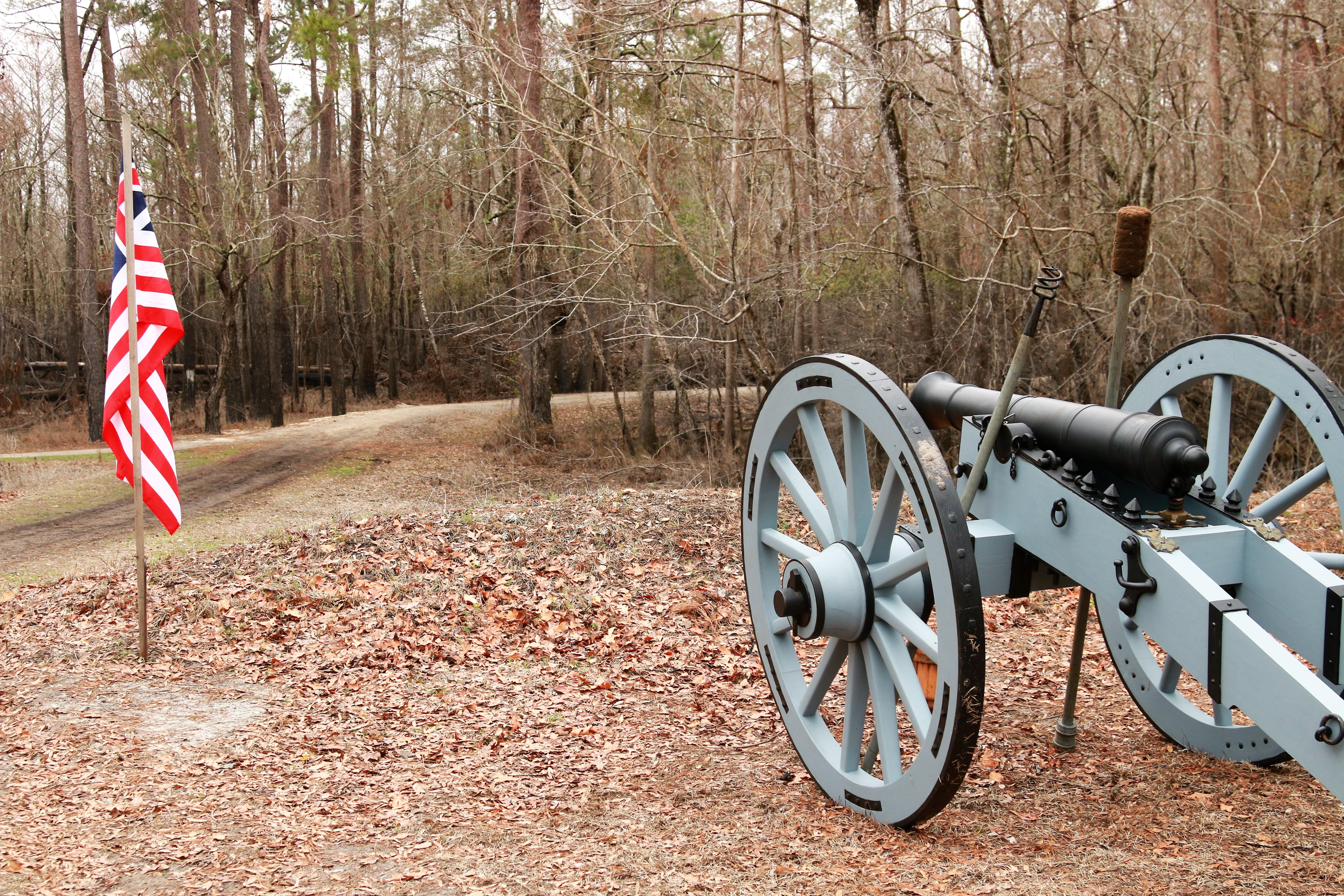
Moores Creek National Battlefield commemorates a pivotal February 1776 Patriot victory, the first of the American Revolution, and the final broadsword charge by Scottish Highland troops in North America.
The site's interpretive strength is notable. A visitor center provides context with a 10-minute film and museum exhibits. The battlefield is compact and offers free admission. While not a wilderness area, its modest outdoor footprint includes creek access for paddlers. Living history events or weapons demonstrations significantly elevate the visitor experience. For history-focused families or those traversing coastal North Carolina, this destination readily justifies a half-day stop. It offers more than a simple roadside break.
Why go
This park’s strength is its focused historical interpretation. The visitor center’s film, "In the Most Furious Manner," effectively sets the stage for the February 1776 battle. Museum exhibits provide context on colonial North Carolina’s Loyalist-Patriot split, offering a nuanced view of this foundational conflict. Scheduled living history events and historic weapons demonstrations enhance the experience considerably. Beyond the historical narrative, the creek provides opportunities for paddling, canoeing, and fishing, accommodating diverse family interests. The Junior Ranger program engages younger visitors. A well-stocked bookstore offers regional history. With free entry, the park delivers excellent value for its dedicated historical scope.
Best for
This unit strongly caters to a niche audience. History enthusiasts focusing on the American Revolution, colonial Scottish Highland culture, or the war's Southern theater will find it deeply satisfying. Families benefit from the Junior Ranger program and hands-on demonstrations. Paddlers and anglers will appreciate the quiet access. However, those seeking sweeping landscapes or extensive trail systems will find little to hold their interest. The scale here is specific.
Best season
Spring and fall provide the most comfortable walking conditions, with mild temperatures and lower humidity than the moderate-to-hot summers. Summer visits are viable, but the humidity is often a factor; the air-conditioned visitor center offers relief. Check the official event calendar before any visit. Living history and weapons demonstrations fundamentally transform the experience, and these are not daily occurrences.
The high points
- The park film 'In the Most Furious Manner' delivers the battle narrative concisely and sets up the grounds visit effectively
- Museum exhibits covering the Loyalist-Patriot conflict specific to North Carolina, a nuanced story rarely told this well
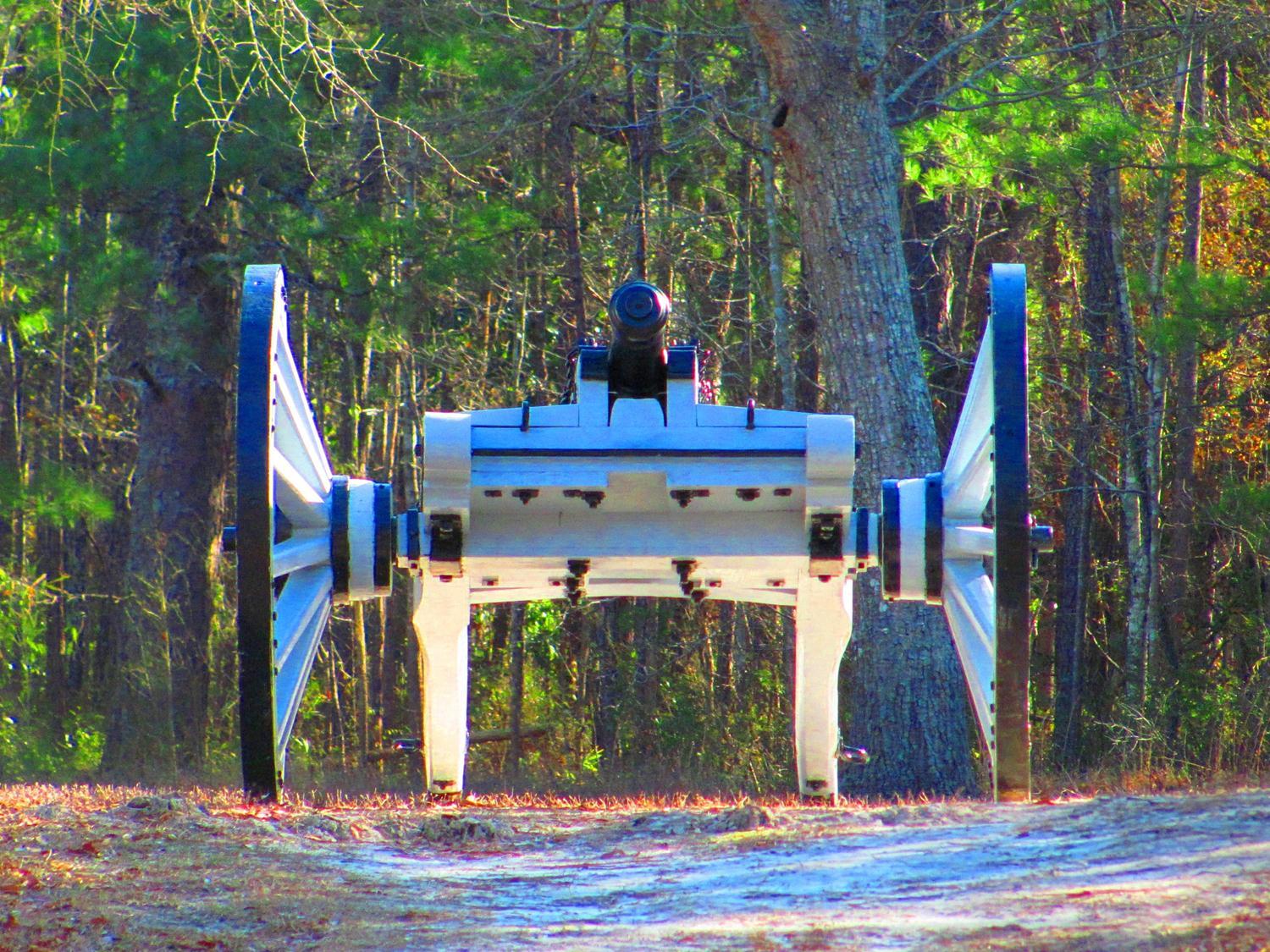
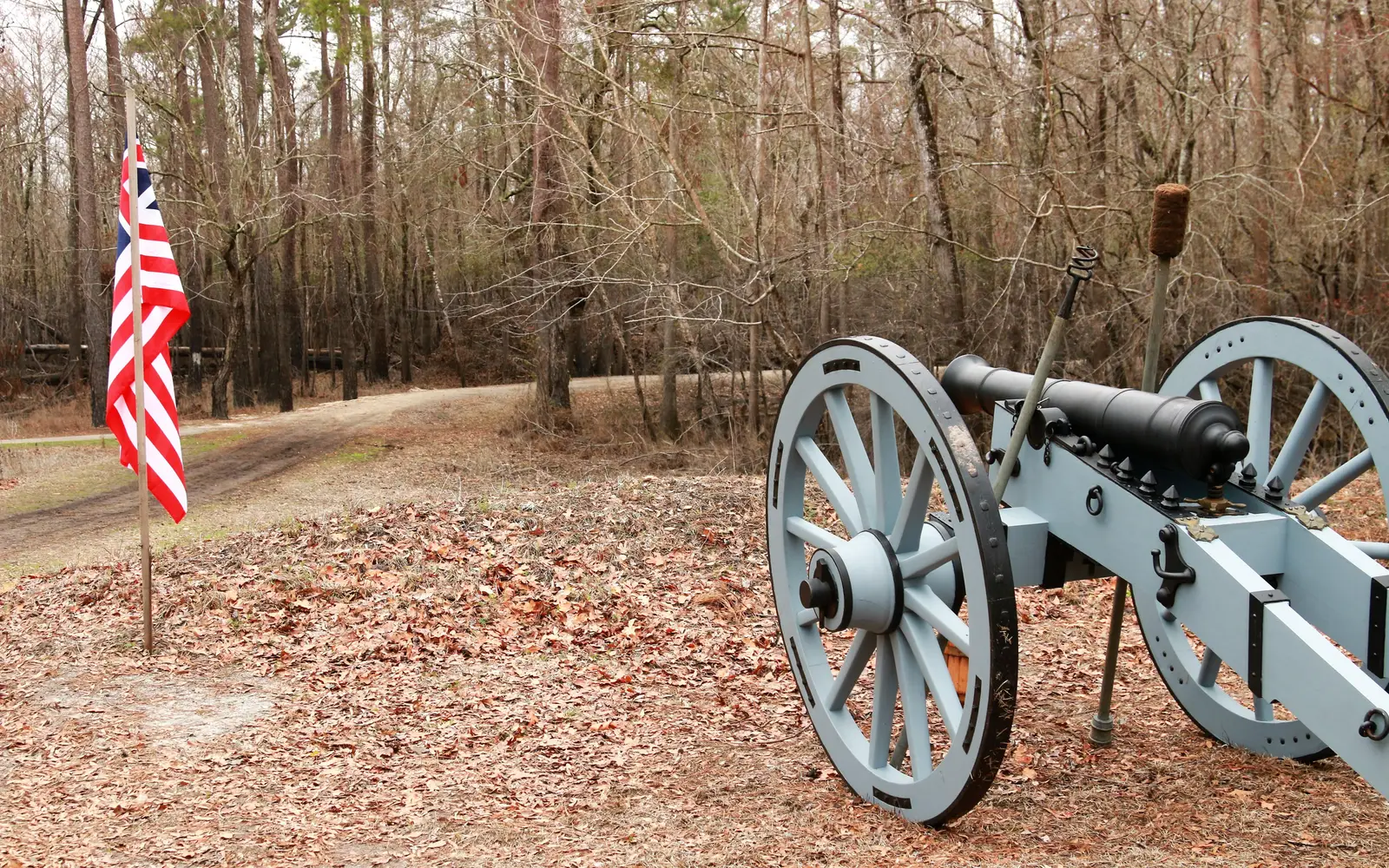
- Living history and historic weapons demonstrations on scheduled event days
- Paddling and canoeing on Moores Creek, adding a water-based dimension to an otherwise history-focused site
- Junior Ranger program that gives children a structured, engaging way to connect with the 1776 battle story
- Free admission with no reservation required, lowering the barrier for spontaneous visits or add-on stops during a regional road trip
Know before you go
Admission to the site is free, and the visitor center operates Tuesday through Saturday, 9 am to 5 pm. Note that the center is closed on certain days; confirm hours prior to travel. America the Beautiful passes are available for purchase on-site. The location near Currie, NC, is rural. Plan fuel and food stops accordingly, as local services are limited. This destination suits those prepared for limited amenities and quiet exploration.
One more thingMoores Creek offers a quiet contemplation of history, but its living history and historic weapons demonstrations are central to experiencing the site's full potential. These scheduled events elevate the park beyond a static historical marker. Prospective visitors should consult the event calendar. The distinction between a standard day and a demonstration day is considerable.