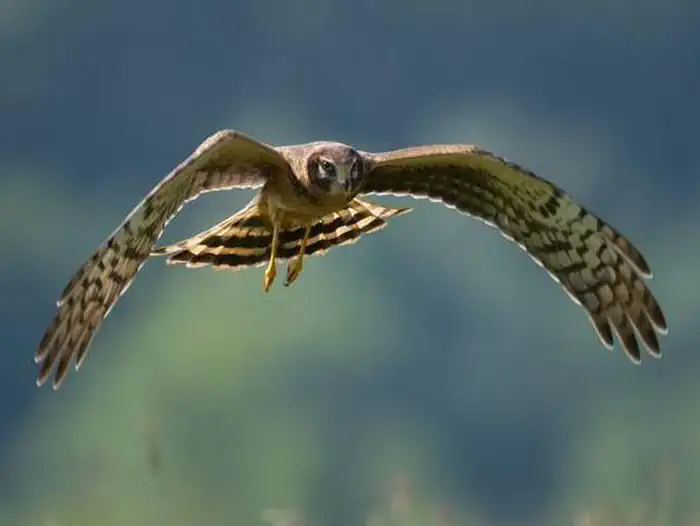
Is Montezuma National Wildlife Refuge worth it?
Montezuma National Wildlife Refuge is a premier wetland birding destination in the Northeast, situated at the north end of Cayuga Lake within the Atlantic Flyway.
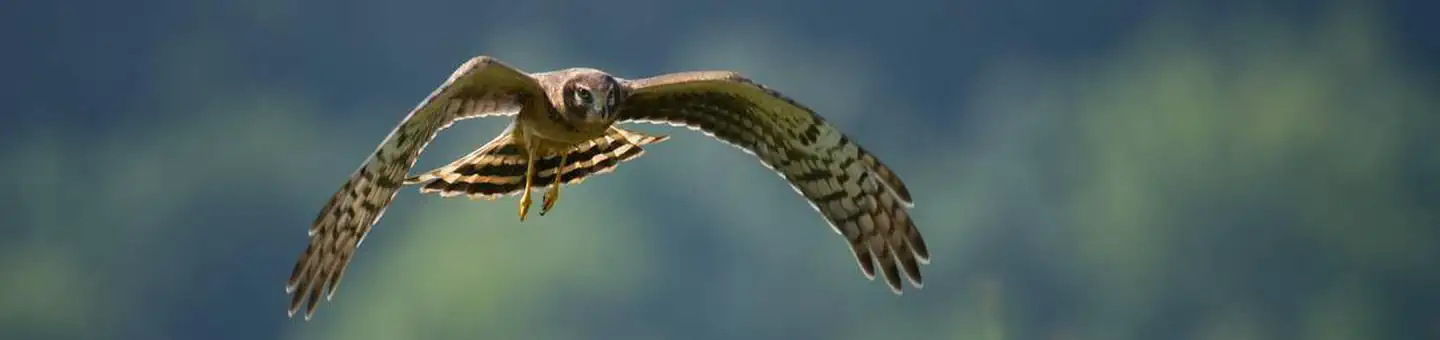
This is not a conventional park for hikers seeking viewpoints. The refuge focuses on marshes, dikes, and open water, managed to attract and support wildlife. It consistently delivers on this mission. A wildlife drive through the impoundments, binoculars in hand, defines the visit. Restored wetlands draw extraordinary concentrations of waterfowl, wading birds, and raptors, especially during spring and fall migration. Montezuma earns an Experience Score of 77 for its breadth: auto touring, paddling, fishing, hunting, cross-country skiing, and snowshoeing are all viable activities across seasons. It is a niche destination, deeply rewarding for visitors aligned with its offerings.
The case for it
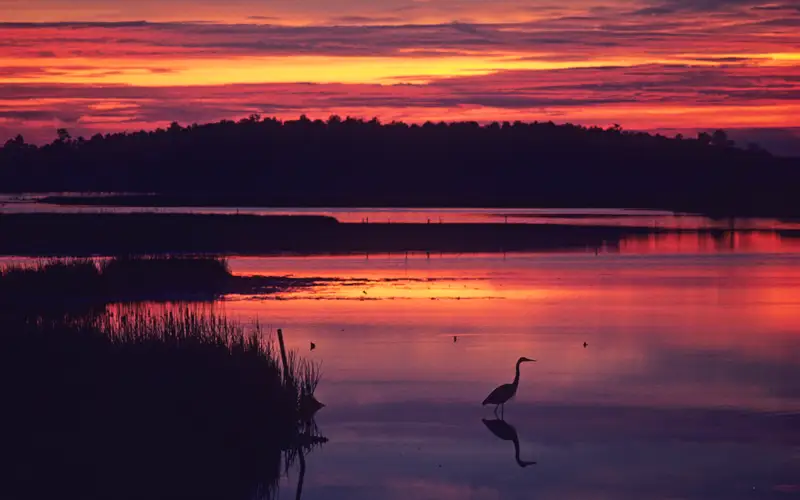
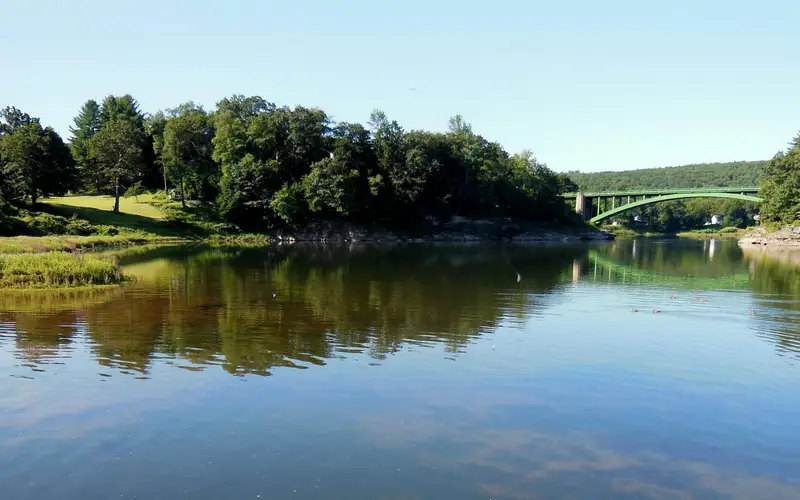
Montezuma offers an accessible, low-cost outdoor experience, particularly for birders. The auto tour route through managed impoundments provides excellent opportunities for viewing ducks, geese, herons, and egrets. Kayak and canoe access unlocks additional marsh edges for paddlers. Anglers will find bass and pike in the open water. In winter, dike roads convert to cross-country ski and snowshoe trails. This refuge offers a free half-day to full-day outing, combining scenic drives, short walks, and picnic areas.
Who it is for
Montezuma proves genuinely excellent for birders, wildlife photographers, paddlers, and anglers. Families introducing children to wetland ecology will find value in its interpretive programs. For those seeking elevation, dramatic scenery, or extensive trail systems, the Finger Lakes gorges remain a better option. This refuge rewards patience and keen observation. It does not cater to physical challenge.
Best time to visit
Spring migration, spanning late March through May, represents the park's peak season. Waterfowl numbers are extraordinary then; the marsh awakens after winter. Fall migration, through September and October, offers a similar spectacle. Summer delivers nesting herons and shorebirds, but temperatures rise and insects proliferate. Winter provides a quiet, scenic experience for skiing and snowshoeing. Bald eagles are frequently present.
Worth seeing
- Auto tour route through managed wetland impoundments for close wildlife viewing from your vehicle
- Paddling and non-motorized boating access into marsh edges unreachable by road
- Spring and fall waterfowl migration with some of the largest concentrations in the Northeast
- Cross-country skiing and snowshoeing on dike roads through a winter wetland landscape
- Fishing for warmwater species in the refuge's open water areas
- Interpretive and environmental education programs at the visitor center
Before you visit
Entrance is free. The auto tour route may close or restrict during hunting seasons or active water management work; checking the refuge website before arrival is advisable. Visitors should bring their own canoe or kayak, as no rentals are available on site.
Our tipFor the dedicated birder, this refuge presents a compelling, if dynamic, proposition. Active water level management means bird concentrations are highly fluid. Success hinges on pre-visit intelligence: consult recent sighting reports or call the visitor center directly. This is not a destination for casual, unresearched drops-ins. Those who do their homework, however, can leverage this variability for an exceptional viewing experience.